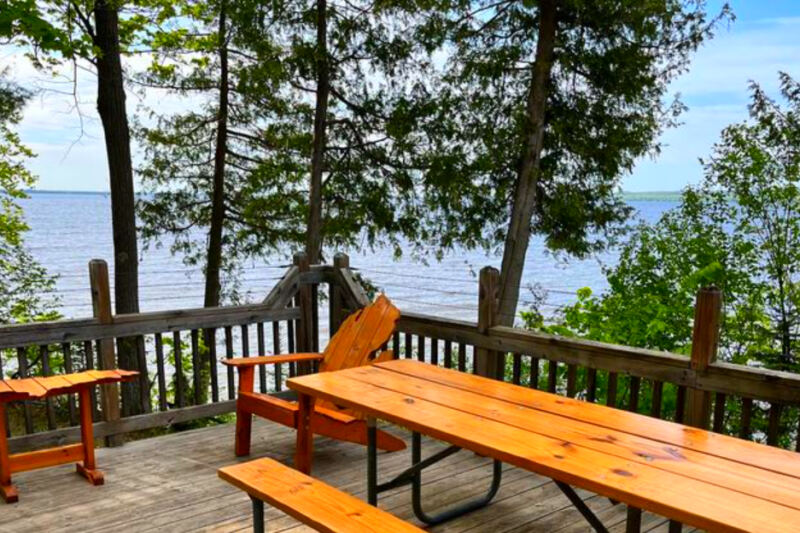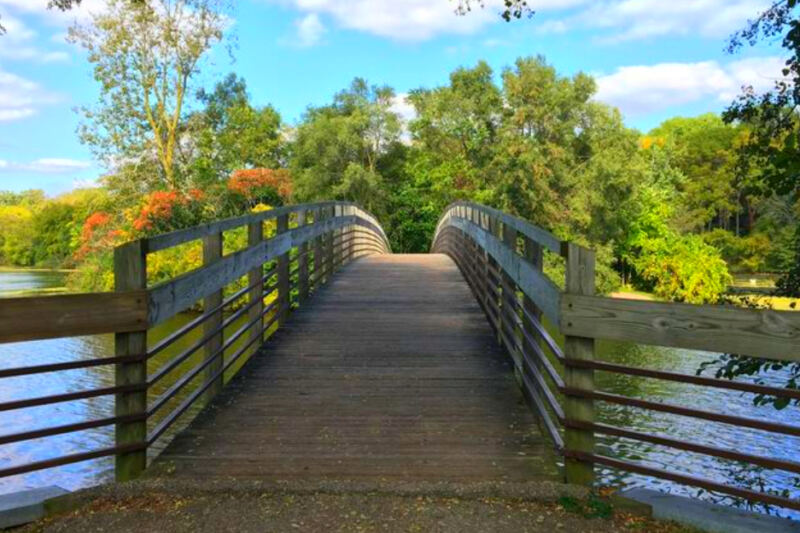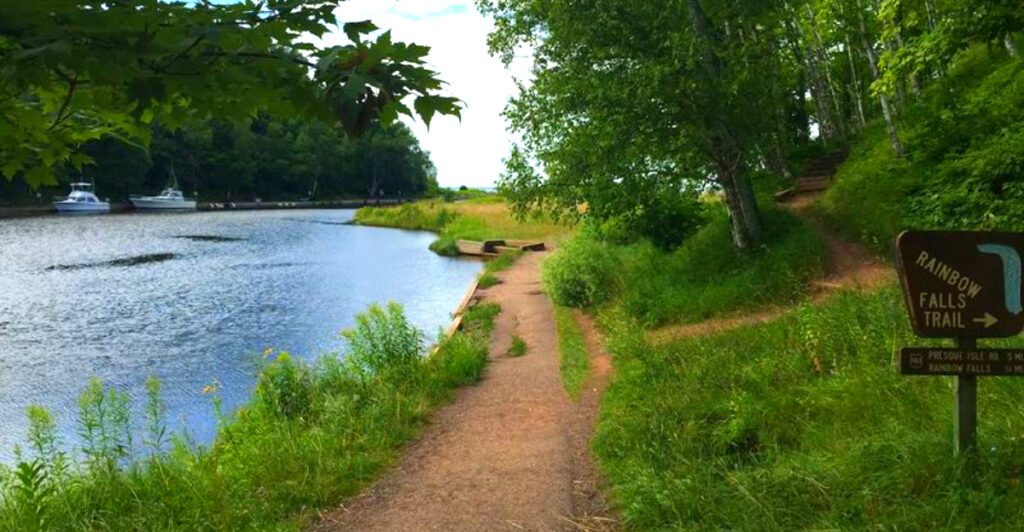
Some trails offer a pleasant walk and a few pretty views – then there’s this one, where dramatic shoreline, quiet forests, and waterfall detours change the mood every few miles. I came to this corner of Michigan expecting a good hike but found a trail tied to the story of Lake Superior and a much larger route connecting landscapes shaped by three Great Lakes.
The Ironwood stretch feels local underfoot yet surprisingly grand once you realize how much country it spans. Here’s what it’s really like on the ground – from forest paths and river crossings to the best times to visit and the spots that feel truly wild.
Where the adventure quietly begins
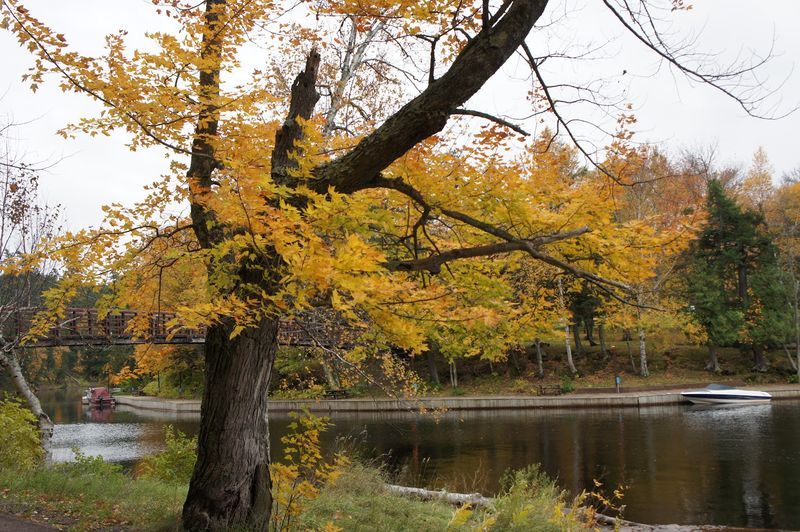
The first thing worth knowing is the location: North Country National Scenic Trail, Ironwood, MI 49938, in Michigan’s Upper Peninsula, United States. That address sounds simple, but the experience around it feels much bigger than a single point on a map.
I found a trail system that blends forest, river, and Lake Superior energy into one satisfying outing. Even before the longer mileage sinks in, the Ironwood area gives you a strong introduction to why this national trail has such a devoted following.
This section sits in a landscape that feels sturdy and unpolished in the best way. You get tall trees, shifting light, and the kind of fresh air that makes your shoulders drop about two inches without asking permission.
What hooked me right away was how the route can feel both approachable and adventurous. It invites an easy day hike, yet it also hints at longer journeys, bigger overlooks, and a string of memorable stops still waiting just ahead.
A shoreline route with serious bragging rights
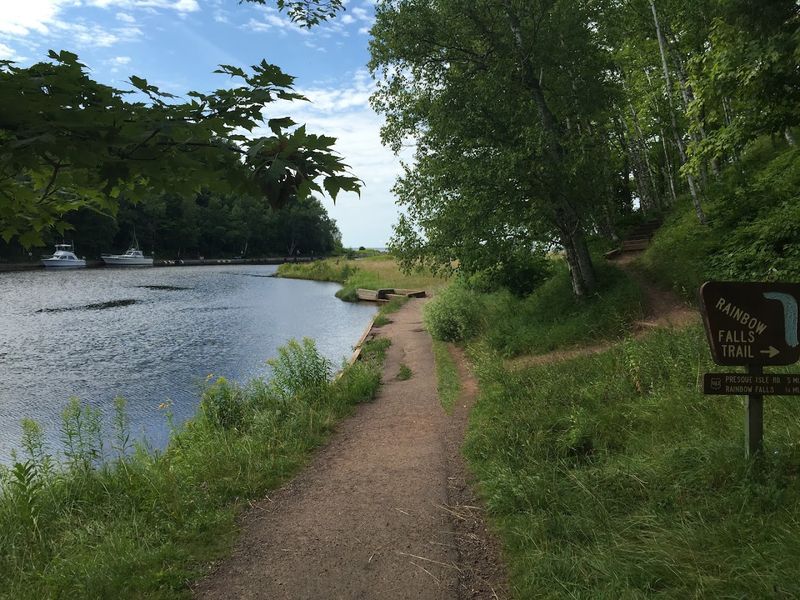
One of the coolest facts about this place is how it connects to a route associated with the edges of three Great Lakes. In Michigan, the broader North Country National Scenic Trail ties together landscapes influenced by Lake Superior, Lake Michigan, and Lake Huron, and that gives the Ironwood section a bigger sense of purpose.
On the ground, though, it never feels like a geography lecture in hiking boots. It feels personal, immediate, and wonderfully textured, especially near the Lake Superior side where the air carries that crisp, clean edge that makes every breath seem upgraded.
I liked that balance between local beauty and long-distance legend. You can show up for an afternoon and still feel connected to something enormous, which is a neat trick for a trail that mostly asks you to keep putting one foot in front of the other.
That bigger story also changes how you notice the details. The next stretch reveals why the setting itself deserves as much attention as the trail map.
Forest hush, river sound, lake breeze
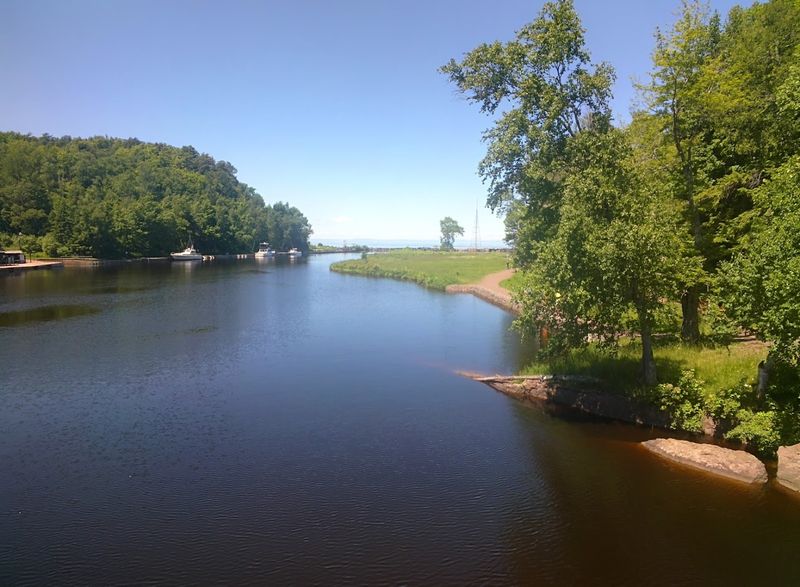
Some places try too hard to impress you, but this landscape does not need the effort. The Ironwood area lets the ingredients speak for themselves: northern woods, the Black River corridor, and the nearby pull of Lake Superior.
I noticed how quickly the atmosphere kept changing. One minute the trail felt shaded and enclosed, with soft needles underfoot and a cool green tunnel of trees, and the next minute the air opened up and carried that unmistakable lakeshore freshness.
The sounds matter here too. Instead of traffic and background buzz, I got wind in leaves, moving water, and the occasional reminder that this whole region still belongs more to weather and terrain than to human schedules.
That combination makes the hike feel calm without ever becoming dull. Even the quieter stretches have texture, and the changing terrain gives you enough variety to keep your eyes busy and your brain pleasantly untangled.
Once I settled into that rhythm, the nearby waterfall country started to steal the show. That is where this trail section really begins flexing its scenic muscles.
The waterfall detours are worth every step
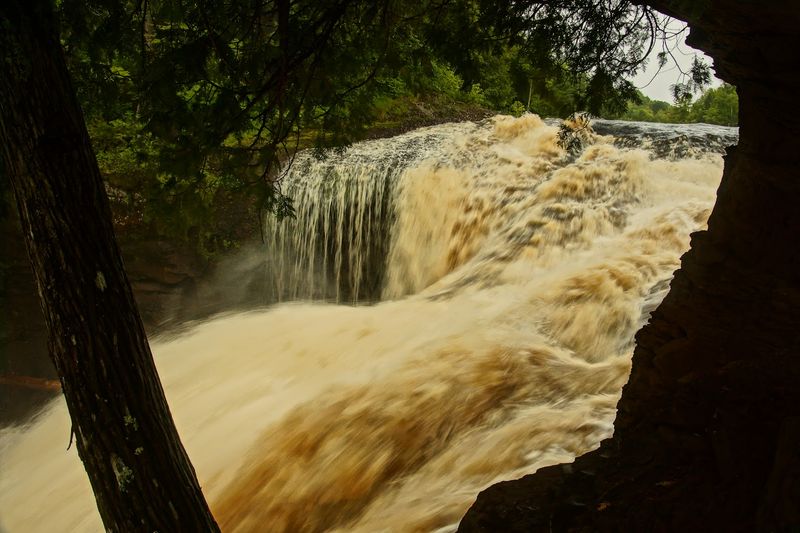
The Ironwood section earns extra points because waterfalls are part of the experience, not a distant side trip. Around the Black River area, several falls and overlooks create a scenic rhythm that keeps rewarding your effort.
Rushing water adds just the right amount of drama. The views feel rugged, the river stays lively in every season, and the overlooks offer natural pause points where everyone suddenly remembers to pull out a camera.
What I liked most is how the waterfalls break up the hike. Instead of one long stretch of similar scenery, these landmarks reset your attention and make the whole outing feel richer.
Trail conditions and access points can change, so it’s smart to check current information before heading out. Even so, this area consistently delivers the kind of scenery that makes a day outdoors feel well spent.
Lake Superior changes the mood fast
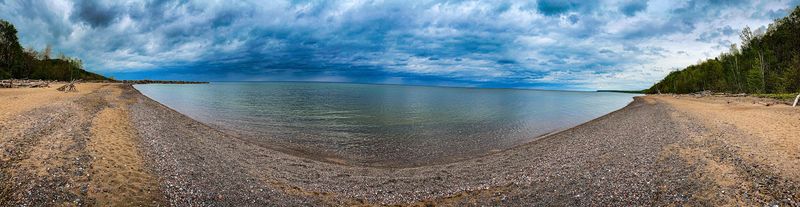
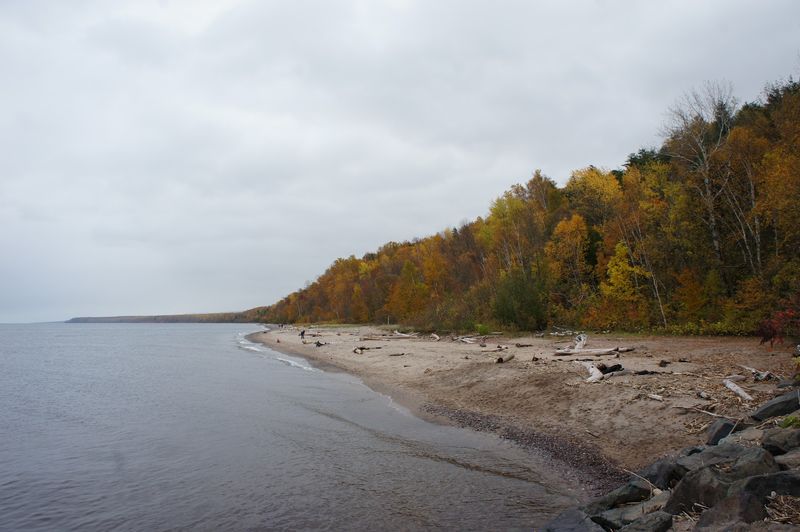
Then the trail starts flirting with Lake Superior, and the whole experience shifts gears. The woods and river are excellent on their own, but the lake brings space, light, and a sense of scale that is hard to ignore.
I loved how the shoreline sections felt open after time under the trees. The horizon suddenly stretches out, the breeze feels cooler, and the water adds that deep blue backdrop that can make even a snack break feel cinematic.
Near Black River Harbor, the mix of harbor views, beach access, and trail connections gives this area a layered personality. It is not just a forest hike and it is not just a lakeshore stop, which is probably why it lingers in memory so well.
The practical side matters too: weather by the lake can shift quickly, and insects can be a real factor in warmer periods. A little preparation goes a long way, which sounds boring until it saves your afternoon from becoming a slapstick routine.
There is also a structure here that makes the approach memorable before you even reach the next viewpoint. Yes, the bridge deserves its own moment.
That suspension bridge steals a scene
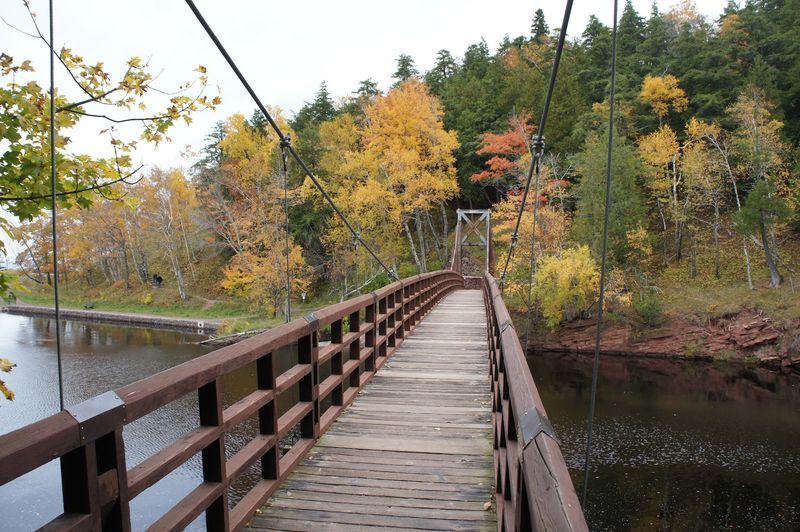
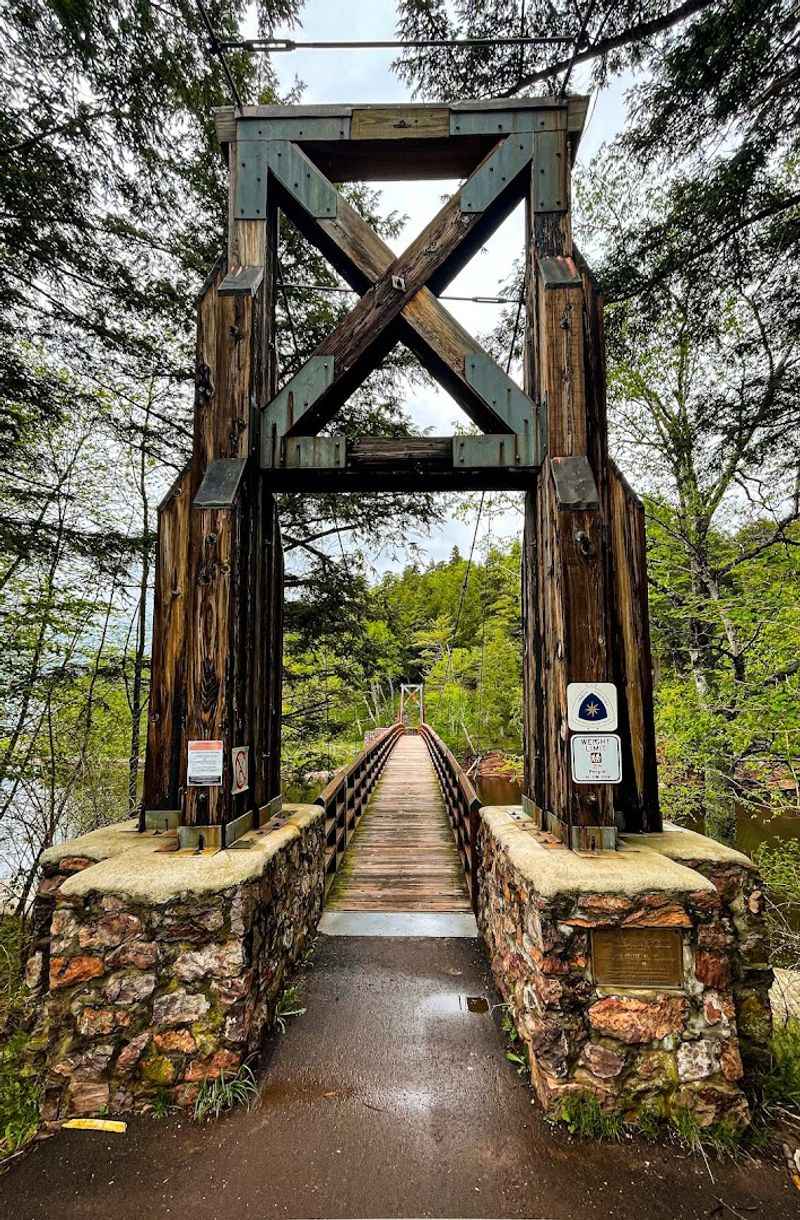
Bridges have a way of making hikers instantly cheerful, and this one earns the reaction. The suspension bridge in the Black River Harbor area adds a little architectural fun to all the natural scenery without feeling out of place.
I enjoyed the contrast it creates. After miles of dirt path, roots, and rock, you step onto something that sways just enough to remind you that balance is not only a metaphor and that your legs are definitely awake.
From the bridge, the surrounding views help tie the whole area together. You can sense the river’s movement, the depth of the gorge, and the forest pressing in around the water, all while getting one of the most photogenic moments in this Ironwood stretch.
It is also a useful landmark, the kind that makes a route easier to remember later when you are trying to describe the day to someone else. Not every trail feature gets a replay in your mind, but this one certainly did for me.
Once you cross it, the appeal of going farther becomes harder to resist. That is when the trail starts making a convincing case for a much longer day.
A trail that works for short walks and big ambitions
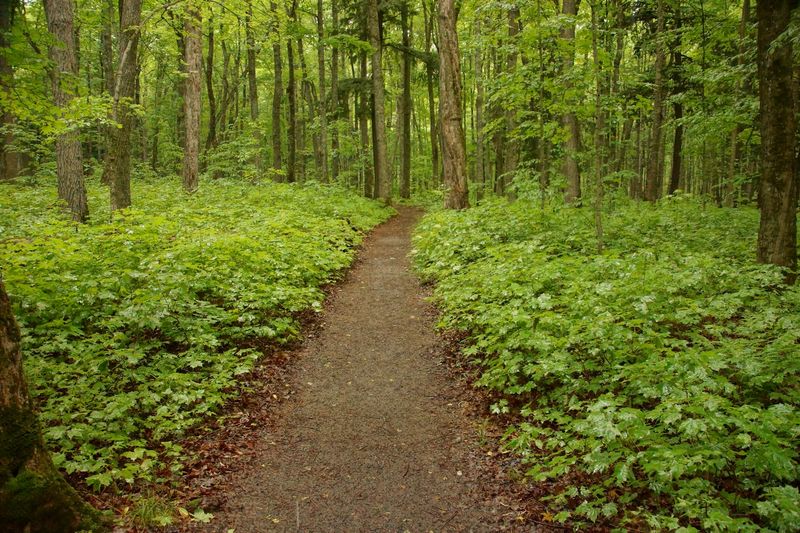
What makes this destination especially satisfying is its flexibility. I never felt locked into one style of outing, because the Ironwood area can support a quick scenic walk, a fuller day hike, or the kind of ambitious ramble that makes your snack supply feel hilariously inadequate.
The terrain and connected points of interest help with that. You can focus on a single scenic feature, combine waterfalls with shoreline views, or simply stay on the trail longer and let the forest do its quiet work on your mood.
That adaptability makes the place friendly to different energy levels without losing its adventurous character. It is reassuring for casual visitors, but it also gives experienced hikers enough variety to stay interested and enough space to build a more serious outing.
I think that is part of why this section feels memorable instead of merely pleasant. It meets you where you are, then gently dares you to keep going just a bit farther, which is a very effective tactic against anyone carrying trail mix.
Of course, timing changes everything here. The next detail can make the same path feel easy, dramatic, or surprisingly buggy.
When to go for the best experience
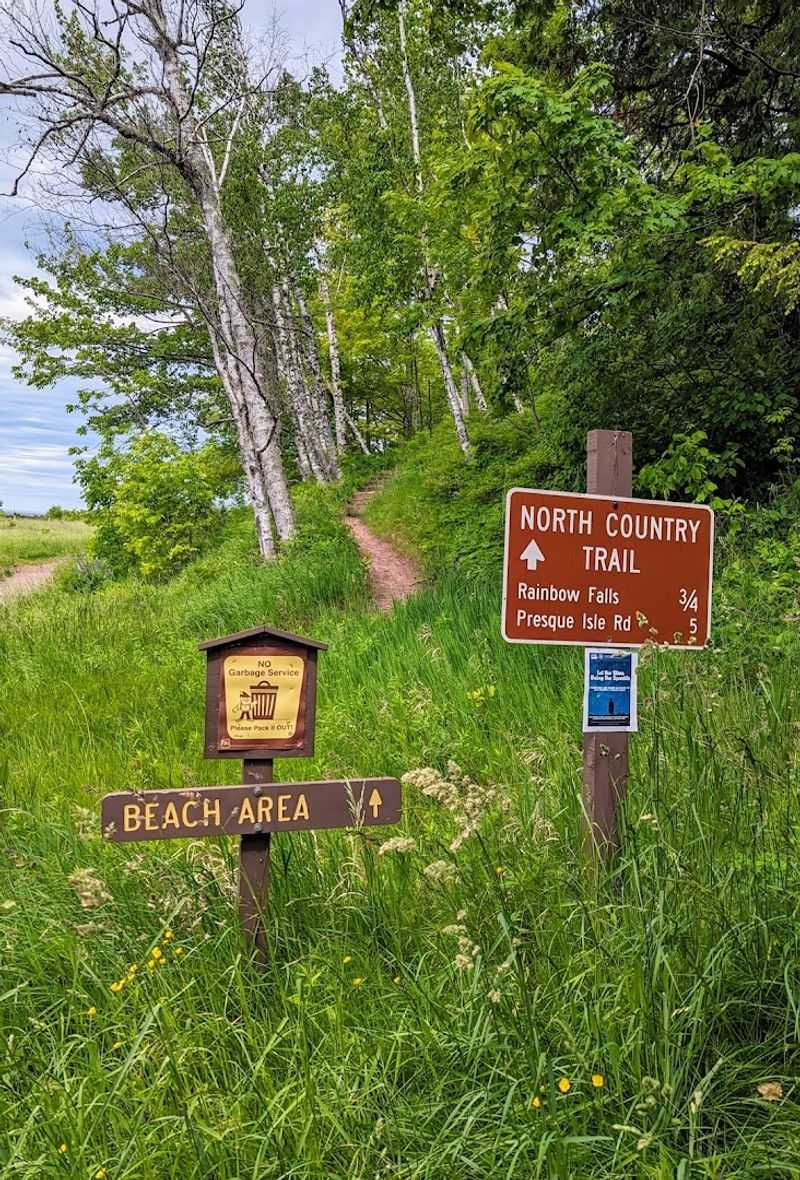
Timing matters more here than many first-time visitors expect. I found this area most appealing when the weather felt mild, the trail was clear, and the bugs were less determined to make me part of the ecosystem.
Late spring through fall gives you the most accessible hiking conditions, but each part of that window has a slightly different personality. Early summer brings lush greenery and strong water flow, while later summer and early fall often feel more comfortable for longer miles and more relaxed stops.
Lake Superior also writes its own rules, so temperatures can feel cooler near the shore than you might guess from a forecast. I would bring layers even on a decent day, because this is not the place to act shocked when the breeze suddenly becomes the boss.
Insect conditions can be intense at certain times, especially around water and in warmer stretches. Good footwear, a small day pack, water, and basic bug protection can turn a potentially fussy outing into a much smoother one.
Preparation sounds practical because it is, but it also opens the door to a more relaxed experience. And that makes it easier to notice the quieter personality of the trail.
The Upper Peninsula mood is the real souvenir
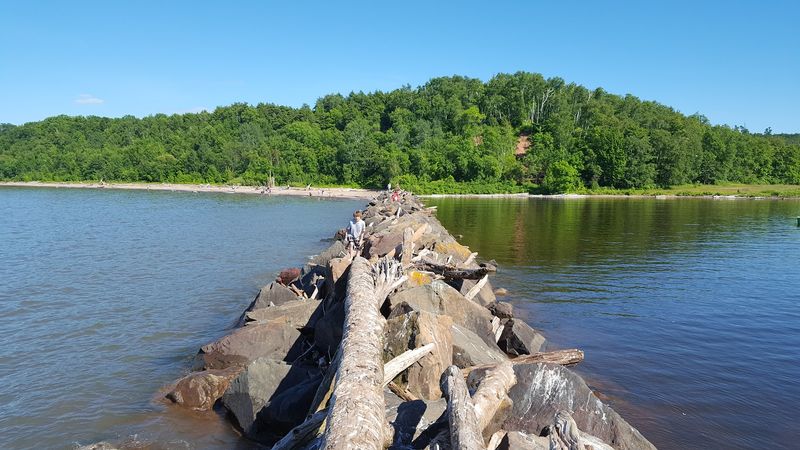
Some destinations are all checklist, but this one leaves you with a feeling. The Ironwood stretch of the North Country National Scenic Trail carries that unmistakable Upper Peninsula character: practical, scenic, a little rugged, and completely uninterested in showing off for applause.
I liked how unmanufactured everything felt. The views are striking, yet the place never seems polished into a performance, which makes the experience more satisfying because you feel like you are meeting the landscape on its own terms.
That mood also shapes the pace of the day. You stop more often, not because somebody told you there is a designated photo point, but because the forest opens, the river turns, or the lake suddenly catches the light in a way that makes lingering feel like the obvious decision.
For me, that authenticity is a big part of the trail’s charm. It offers real scenery, useful access, and just enough wildness to keep the outing from becoming too tidy or predictable, which is exactly how a great hike should behave.
There is one more piece that completes the picture, and it has less to do with scenery than with how the whole place fits together for visitors.
Useful details that make the day smoother
A little planning pays off here, and not in a fussy way. I would check current trail conditions, access notes, and any site updates before heading out, especially around waterfall areas, stairs, bridges, parking, and seasonal maintenance.
Good shoes matter because sections can be uneven, damp, or rooty in that classic northern trail fashion. Water, layers, bug protection, and a realistic sense of your own distance limits are the kind of glamorous travel secrets that never make postcards and always improve the day.
Parking and nearby recreation areas help make this section manageable, especially if you want a focused outing rather than a grand expedition. The route is inviting, but it still rewards common sense, which is honestly true of every place where your phone starts acting like it wants some alone time.
I also think it helps to leave some space in your schedule. The best moments here are often the unhurried ones, when you can pause at an overlook, listen to the river, or watch Lake Superior shift colors without immediately checking what comes next.
That slower approach leads naturally to the biggest takeaway of all. This trail is not just a route to finish, and that is exactly why it works.
Why this trail stays with you
By the end of my time here, what stayed with me was not one single overlook or waterfall. It was the way the North Country National Scenic Trail near Ironwood kept combining big scenery with small, satisfying details until the whole day felt fuller than expected.
You get forest calm, river motion, harbor character, bridge views, and Lake Superior presence all working together in one corner of Michigan. Add the wider identity of a national scenic trail linked to landscapes shaped by three Great Lakes, and the place gains a scale that lingers in your thoughts long after the hike ends.
I came away feeling like this section respects both kinds of visitors: the person chasing miles and the person chasing a better afternoon. That is a rare balance, and it helps explain why the area feels rewarding without trying too hard to impress.
If you like trails that offer variety, authenticity, and enough natural drama to keep your attention fully employed, this stretch delivers. It is the kind of place that sends you home pleasantly tired, slightly dusty, and already plotting a return.
Share this story