Public markets are more than places to grab lunch or buy produce – they’re shaped by railroads, immigrant businesses, sanitation reforms, and the long tradition of cities gathering under one roof. From the late 1800s to today’s food halls, they reflect how Americans have worked, eaten, and met their neighbors.
Keep reading to see how market halls, produce sheds, fish stalls, and restored terminals became living pieces of local history – some staying true to their roots, others reinventing themselves for a new century.
1. Seattle, Washington – Pike Place Market
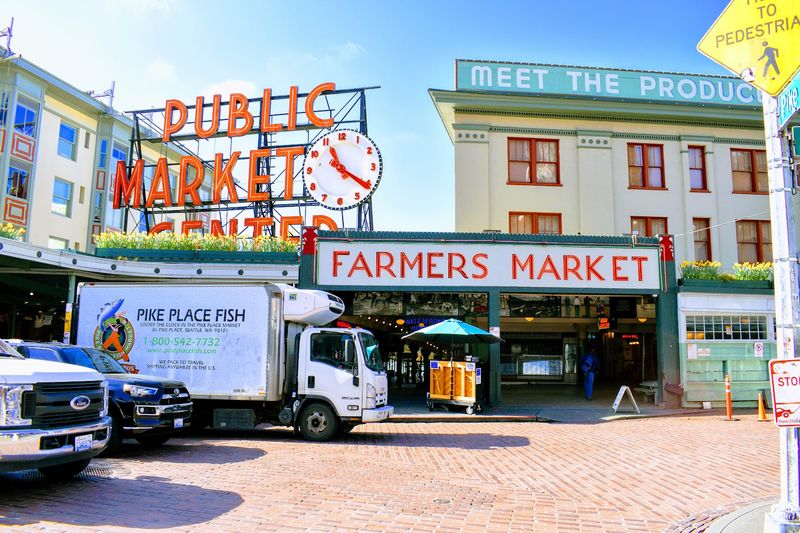
Before supermarkets turned shopping into a parking-lot errand, this hillside market gave Seattle a public stage. Pike Place Market opened in 1907 after complaints about high produce prices and middlemen, and the city created a place where farmers could sell directly to residents.
That origin story still matters, because the market remains tied to the practical idea that food access and civic life belong together.
By the 1960s, urban renewal plans threatened demolition, but voters backed preservation in 1971, turning the market into one of the country’s most visible examples of citizens defending a working neighborhood instead of accepting another office complex with very confident blueprints.
2. Philadelphia, Pennsylvania – Reading Terminal Market
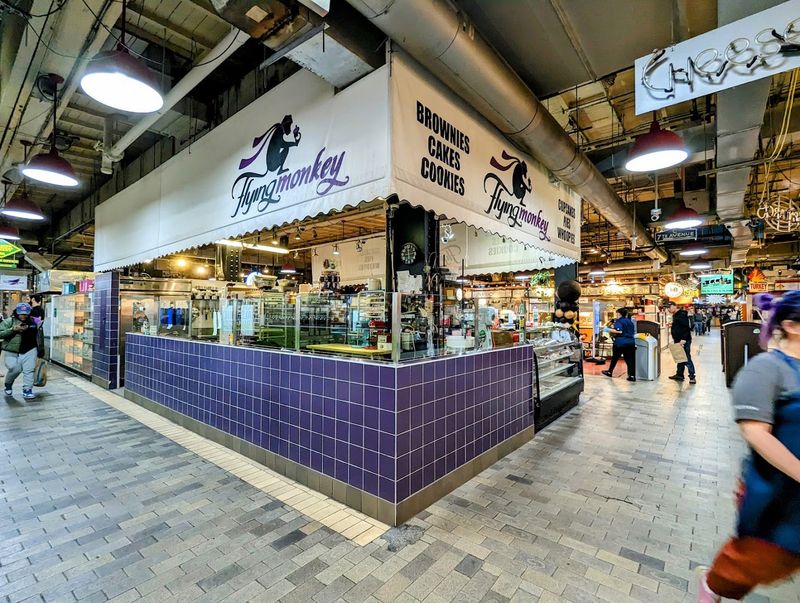
A railroad terminal accidentally became one of America’s great food institutions. Reading Terminal Market opened in 1893 beneath the Reading Railroad’s train shed, placing a public market inside the machinery of industrial Philadelphia.
The market drew farmers, butchers, bakers, poultry dealers, and lunch counters into one dense indoor grid. Over time, it reflected immigration patterns, regional farm traditions, and the city’s appetite for practical variety rather than fussy presentation.
Reading Terminal survived competition from chain groceries, downtown decline, and major redevelopment around the nearby convention district. That durability matters because the market still operates as a working place first, not merely a historic attraction wearing a nice story.
When you walk through it, you are seeing an institution that adapted without flattening its character, keeping old vendor categories, old rhythms of trade, and an old urban truth: cities make more sense when commerce happens face to face.
3. Boston, Massachusetts – Boston Public Market
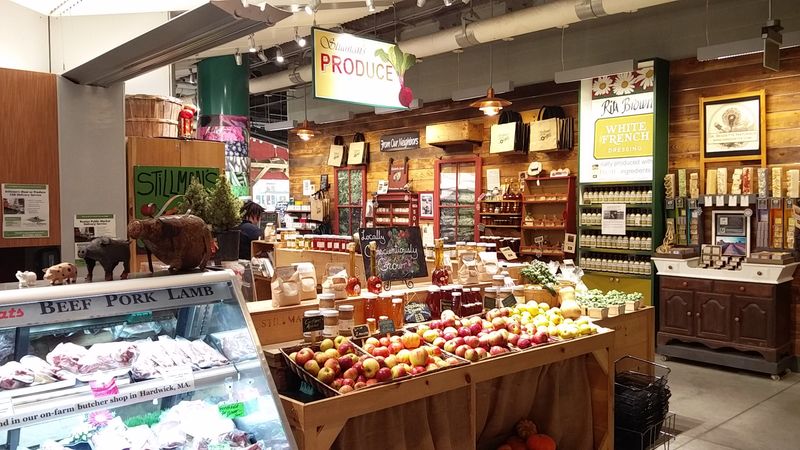
Not every notable market needs a nineteenth-century origin story to matter. Boston Public Market is a newer institution, opening in 2015, yet its significance comes from reviving an older civic idea in a city that once depended on market exchange near its waterfront and central streets.
Instead of pretending to be antique, it openly translates historic market principles into contemporary urban life.
The focus is distinctly regional. Vendors from across New England sell local produce, meats, seafood, dairy, prepared foods, and specialty goods, creating a year-round indoor market centered on shorter supply chains and state-wide agricultural connections.
Its location near transit is part of the point. Like older market houses, it serves residents, commuters, and visitors in a shared civic space, proving that modern convenience does not have to erase local identity.
4. Milwaukee, Wisconsin – Milwaukee Public Market
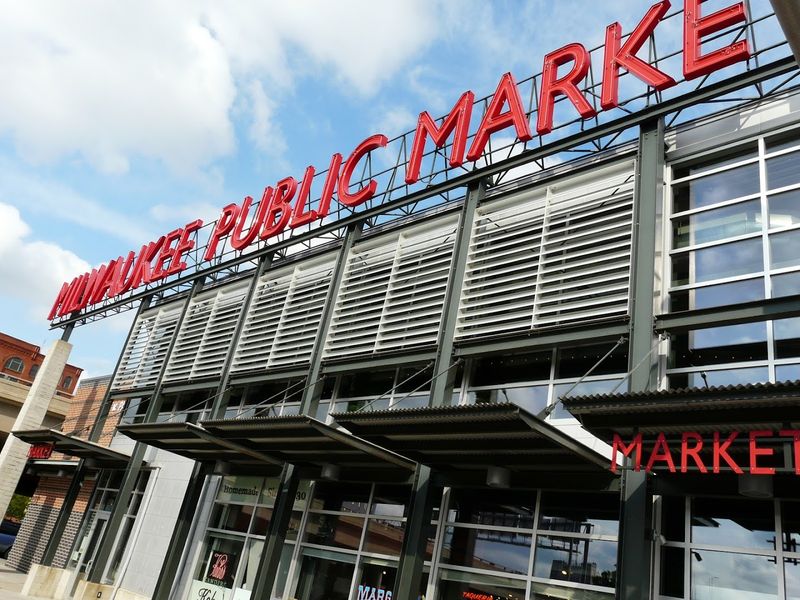
Some markets feel like they arrived exactly when a city needed a new gathering place. Milwaukee Public Market opened in 2005 in the Historic Third Ward, a district once defined by wholesale trade, warehousing, and industrial commerce.
Its success came from reconnecting that neighborhood’s working past with a twenty-first-century appetite for local food, small producers, and walkable public space.
Public markets have long stitched together farmers, fishmongers, bakers, butchers, and specialty sellers in one accessible location, and Milwaukee adapted that formula to a redeveloping downtown. The result has become a regional showcase for Wisconsin products and city-based food businesses, mixing practical shopping with the kind of casual civic interaction that online ordering still cannot package in two business days.
It works because it is woven into neighborhood life rather than standing apart as a novelty. You see office workers, residents, tourists, and regular shoppers sharing the same aisles, which is exactly what good markets are supposed to encourage.
Milwaukee Public Market may be younger than many entries here, but it carries forward a durable American pattern: commerce, community, and local identity under one roof.
5. Los Angeles, California – Grand Central Market
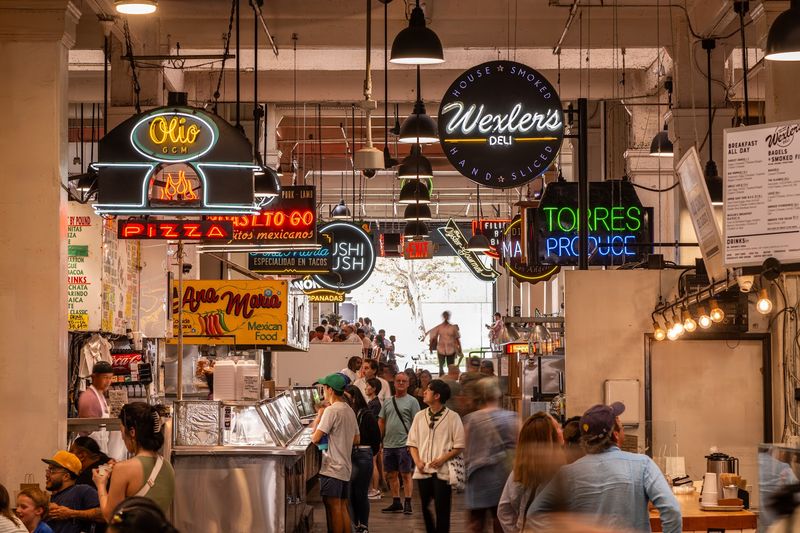
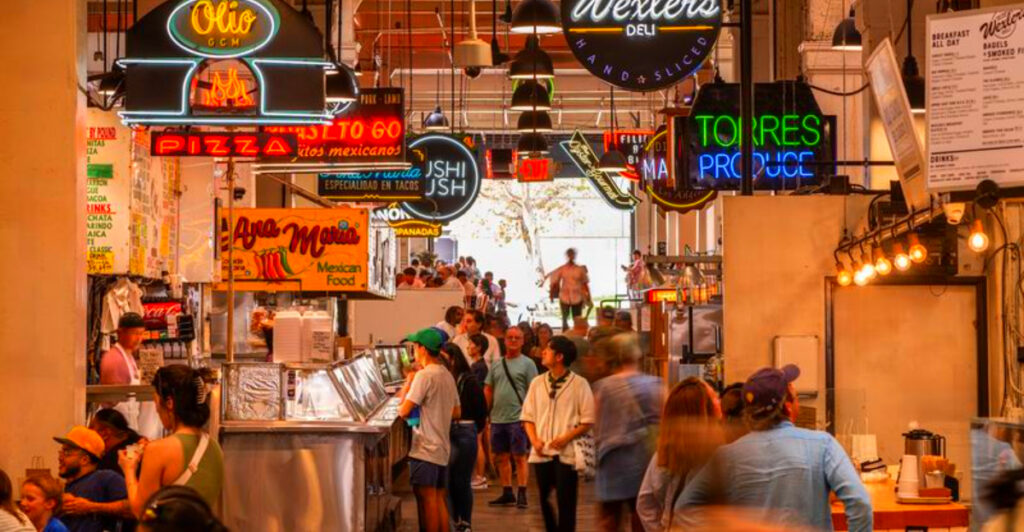
If a city could write its biography in lunch form, this market would be a strong candidate. Grand Central Market opened in 1917 in downtown Los Angeles and quickly became a practical crossroads for an expanding metropolis shaped by streetcars, migration, and constant reinvention.
Its long life tells the story of Los Angeles more clearly than many grand monuments ever manage.
The market has hosted generations of produce vendors, butchers, grocers, and food counters serving communities from across the region. As downtown changed, so did the businesses inside, reflecting waves of newcomers and shifting economic patterns rather than freezing one idealized version of the city.
It proves that a public market can serve as both archive and engine, preserving older vendor traditions while making room for new ones. You are not just seeing a food destination.
You are seeing a century-old urban institution that kept absorbing Los Angeles as Los Angeles kept changing the meaning of what downtown could be.
6. San Francisco, California – Ferry Building Marketplace
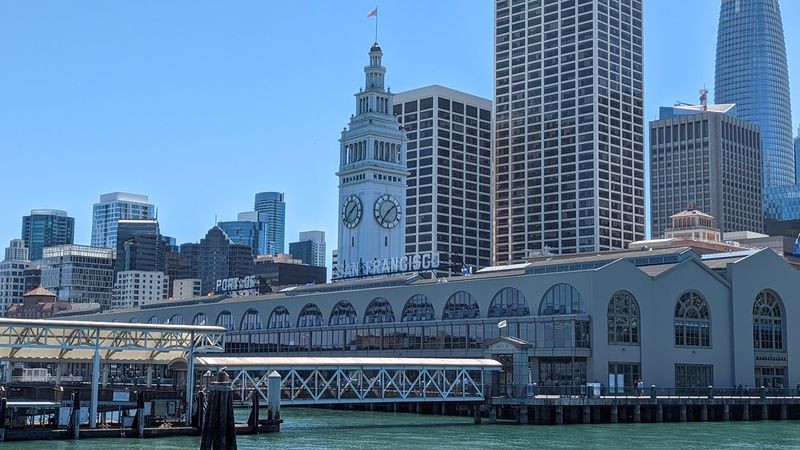
A former transit gateway became one of the most influential market reinventions in the country. The Ferry Building opened in 1898 as San Francisco’s grand waterfront terminal, receiving commuters and travelers before bridges reshaped Bay Area movement.
Its later transformation into the Ferry Building Marketplace turned a transportation landmark into a public food destination without erasing the building’s original civic scale.
After decades when waterfront infrastructure often gave way to cars and freeways, San Francisco reclaimed this site for pedestrians, local commerce, and regional food culture. The marketplace, along with its famed farmers market, helped define an early twenty-first-century model of the public market as both everyday amenity and carefully curated expression of place, though the word curated here still has an honest job to do.
What makes it historically interesting is the continuity between old and new functions. The building has always been about connection, first through ferries and now through food networks linking city consumers to Northern California producers.
7. Chicago, Illinois – Chicago French Market
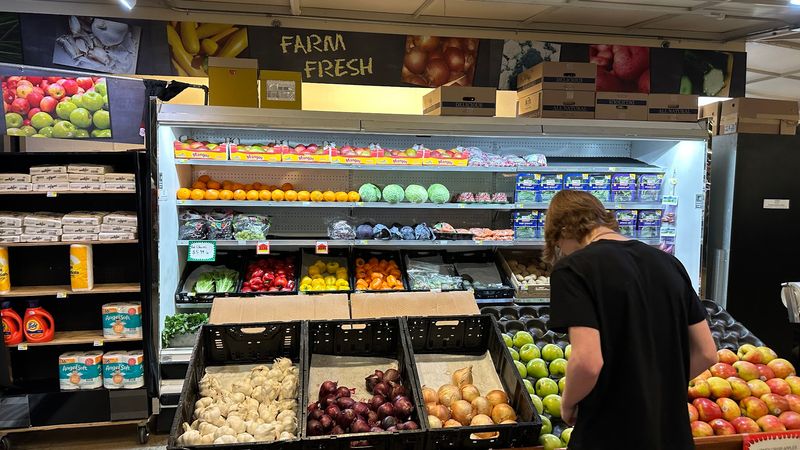
Commuter traffic and market culture make a surprisingly old-fashioned pair. Chicago French Market opened in 2009 near Ogilvie Transportation Center, but its real interest lies in how it revives the connection between transit and urban food buying in a city long defined by railroads, wholesale exchange, and neighborhood shopping corridors.
Newer does not mean thinner on history when the concept taps directly into an older civic pattern.
Downtown workers, rail commuters, residents, and visitors all pass through, using the market as both destination and shortcut. That kind of overlap matters.
Public markets have always thrived where daily movement naturally concentrates people, not where planners simply wish people would appear on command.
8. New York City, New York – Chelsea Market
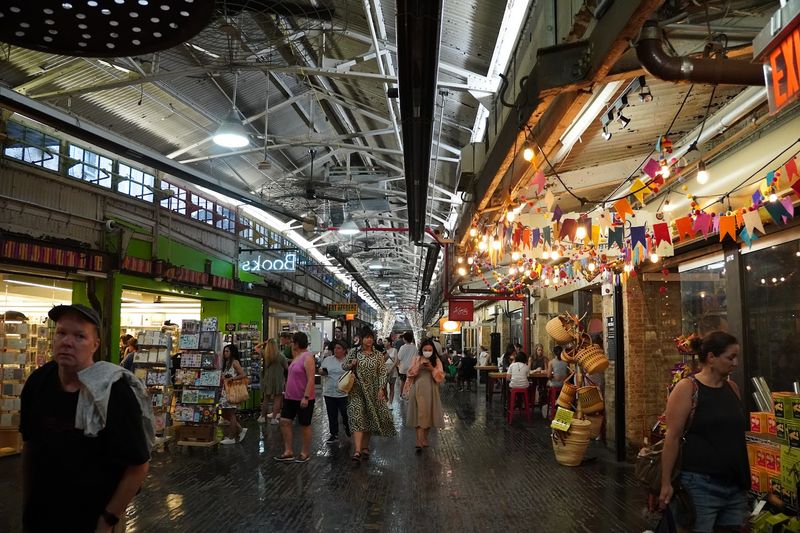
Industrial leftovers rarely become this useful. Chelsea Market occupies part of the former National Biscuit Company complex on Manhattan’s West Side, the site associated with the 1898 debut of the Oreo cookie and with New York’s manufacturing era.
Its reinvention into a market and retail hall in the 1990s turned an old factory footprint into one of the city’s busiest public-facing food spaces.
What makes the place historically compelling is not just the building’s brick-and-steel credibility. It represents a broader New York pattern in which industrial districts became centers of media, technology, tourism, and consumption after manufacturing receded.
The market sits within that transition, preserving material traces of the Nabisco complex while welcoming a far different economy.
Instead of livestock sheds and produce wagons, you get adaptive reuse, specialty food vendors, and a global customer base. The result is distinctly New York: layered, crowded, and built on top of an earlier city that never completely disappeared.
9. Cleveland, Ohio – West Side Market
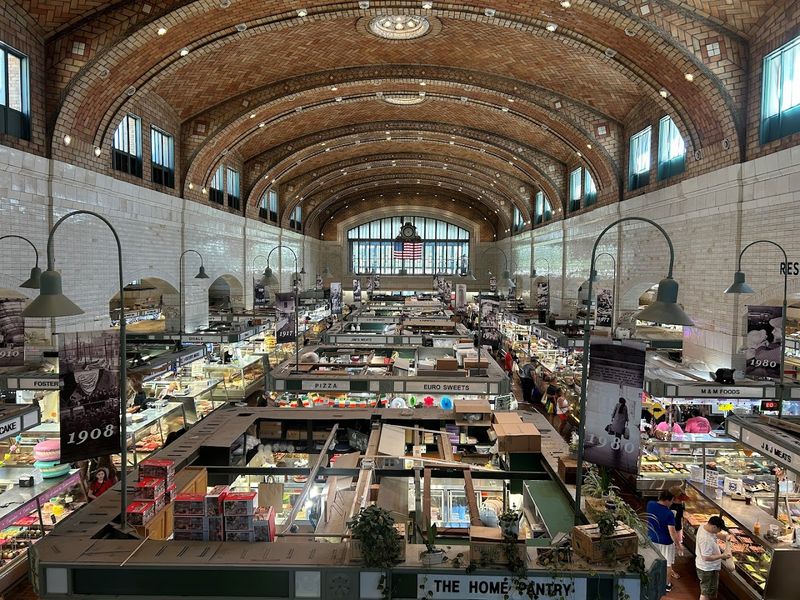
Few market buildings look so determined to remain part of daily life. West Side Market opened in 1912, replacing an earlier open-air market in Cleveland’s Ohio City neighborhood and giving the city a monumental indoor hall crowned by its famous clock tower.
Immigrant communities shaped the market from the start. Eastern European, German, Greek, Italian, and other merchants sold meats, produce, baked goods, cheeses, and specialty items that mirrored the city’s demographic changes.
That made the market both practical and educational.
The market endured suburbanization, supermarket competition, and the general American tendency to underestimate old buildings until they are almost gone. It survived because it remained useful and because Cleveland recognized its symbolic weight.
Today, West Side Market still bridges neighborhood routine and regional attraction with unusual ease. You visit for the vendors, certainly, but you stay interested because the place explains how urban diversity becomes visible, organized, and durable in a single public institution.
10. Detroit, Michigan – Eastern Market
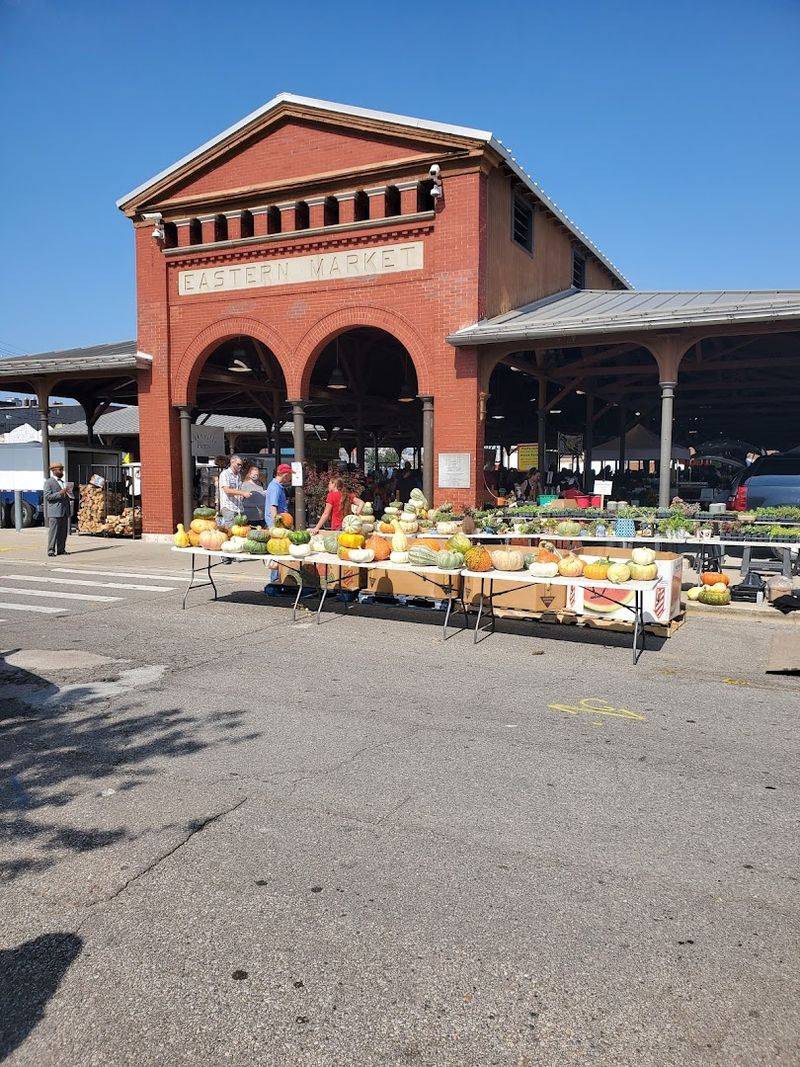
Scale is the first clue that this place plays in a different league. Detroit’s Eastern Market traces its roots to the nineteenth century, with the current district developing through the late 1800s and early 1900s into a major wholesale and retail center.
Over time it became one of the largest historic public market districts in the United States, spanning multiple sheds, blocks, and business types.
The market grew alongside Detroit’s rise as an industrial powerhouse. Farmers, wholesalers, florists, butchers, and food distributors used it as a regional exchange point, feeding both local households and a booming metropolitan workforce.
It functioned as serious infrastructure, the kind of place where urban growth, agricultural supply, and transportation networks met without much patience for romantic slogans.
Its continued importance reflects an unusual breadth of activity. Saturday crowds get attention, but the district’s larger ecosystem includes food processing, distribution, murals, events, and long-established businesses that extend far beyond a single market day.
11. Lancaster, Pennsylvania – Central Market
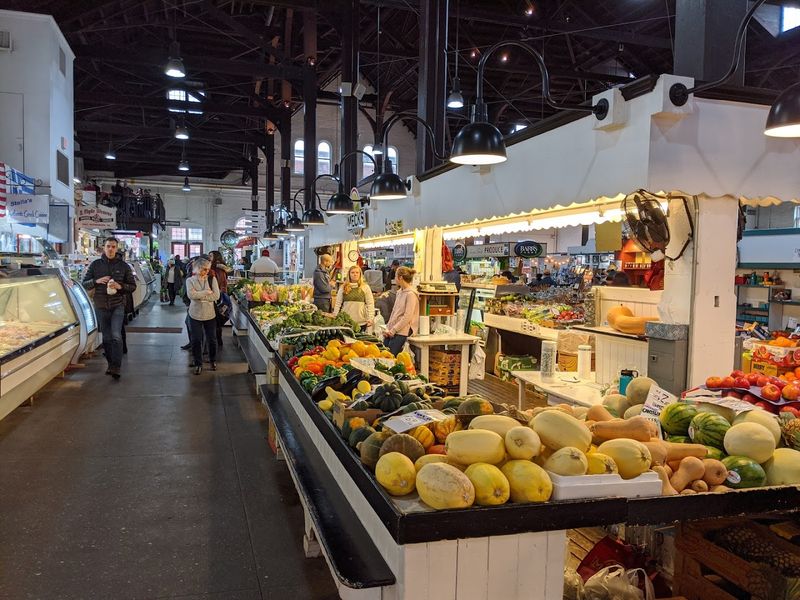
Age alone does not guarantee relevance, but it certainly gets your attention. Lancaster Central Market claims roots going back to the 1730s, making it one of the oldest continuously operating public markets in the country.
The current market house, built in 1889, gave durable form to a trading tradition that had already been woven into the town’s civic identity for generations.
The market’s endurance is tied to Lancaster County’s agricultural strength and to the close relationship between town and countryside. Farmers and food producers have long brought regional goods into the city, creating a dependable exchange that outlasted many shifts in retail fashion.
12. New Orleans, Louisiana – French Market
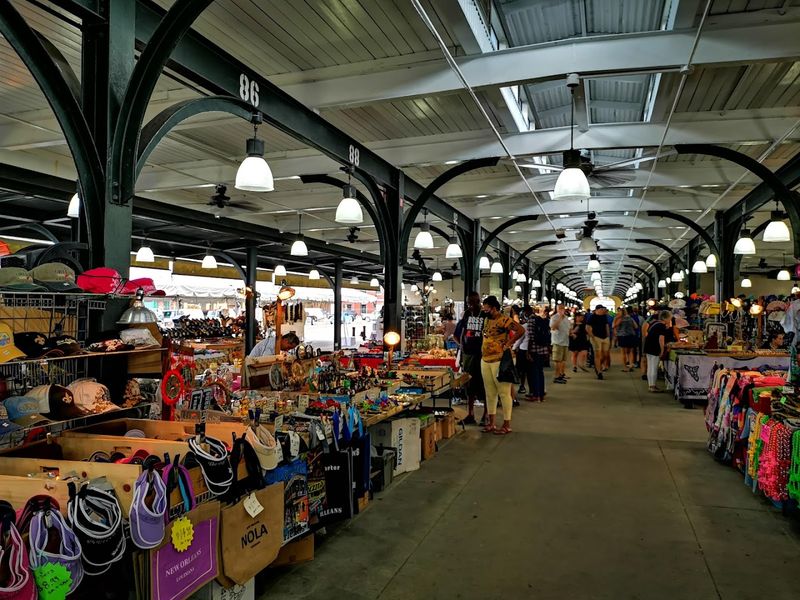
Very few markets can claim roots that reach into the colonial period and still keep trading. New Orleans’ French Market developed from eighteenth-century open-air commerce near the river, where Native American traders, local growers, merchants, and residents met in a city shaped by French, Spanish, Caribbean, and later American influences.
That long commercial lineage gives the market unusual historical depth even by national standards.
By the nineteenth century, it was a central provisioning space, and in the twentieth century it evolved further toward a mixed market for food, souvenirs, crafts, and visitors. New Orleans has always known how to adapt without filing off every memorable edge.
It is not frozen in one ideal moment, and that is precisely the point. Markets survive by changing purpose while preserving location, habit, and public recognition.
In New Orleans, those layers are especially visible. You can read the place as a record of colonial commerce, immigrant enterprise, municipal rebuilding, and tourism-era reinvention all sharing the same civic footprint.
13. Portland, Oregon – Portland Saturday Market
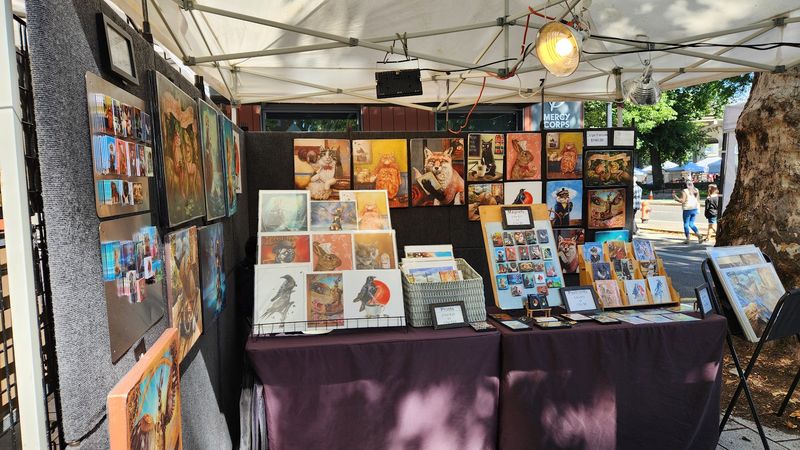
Not every public market is built around turnips, trout, and butcher paper. Portland Saturday Market began in 1974 and became one of the largest continuously operating open-air arts and crafts markets in the United States, adding a different chapter to the public market story.
Its importance lies in showing how market culture expanded in the late twentieth century beyond food provisioning into handmade goods, creative labor, and urban identity.
The market emerged during a period when many American downtowns were searching for new uses, new foot traffic, and new civic energy. Portland’s answer included artists, makers, small-scale entrepreneurs, and a waterfront setting that encouraged casual browsing alongside direct sales.
14. Minneapolis, Minnesota – Midtown Global Market
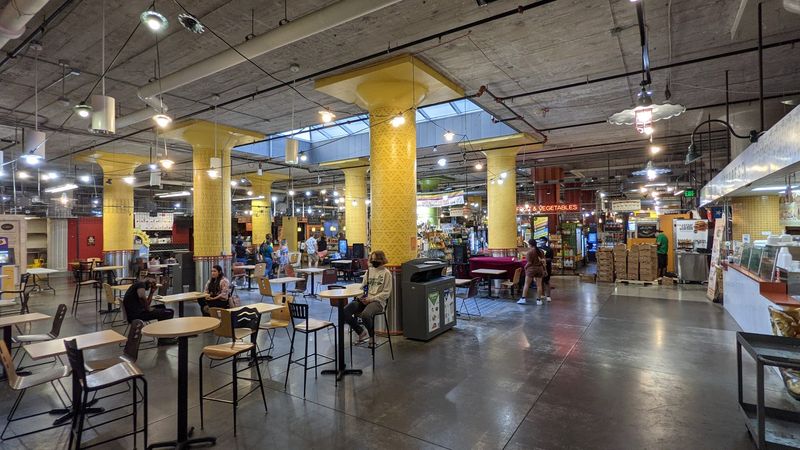
Here the old department store era makes an unexpected return as a multicultural marketplace. Midtown Global Market opened in 2006 inside the former Sears, Roebuck and Company building on East Lake Street, a site already loaded with retail history and neighborhood significance.
The project turned a large commercial landmark into a modern public market centered on immigrant and minority-owned businesses.
That mission gives the market its real weight. Rather than simply decorating redevelopment with local flavor, Midtown Global Market created affordable stalls and visibility for entrepreneurs whose cuisines, crafts, and services reflect the changing demographics of Minneapolis.
In doing so, it continued a long American market tradition: making room for newcomers to build economic footing in a public setting.
Midtown Global Market shows that adaptive reuse can be more than architectural recycling. It can reshape inherited commercial space into a civic place that mirrors present-day urban life.
You leave with food and shopping, certainly, but also with a clear map of who the city is becoming.
15. Washington, D.C. – Union Market
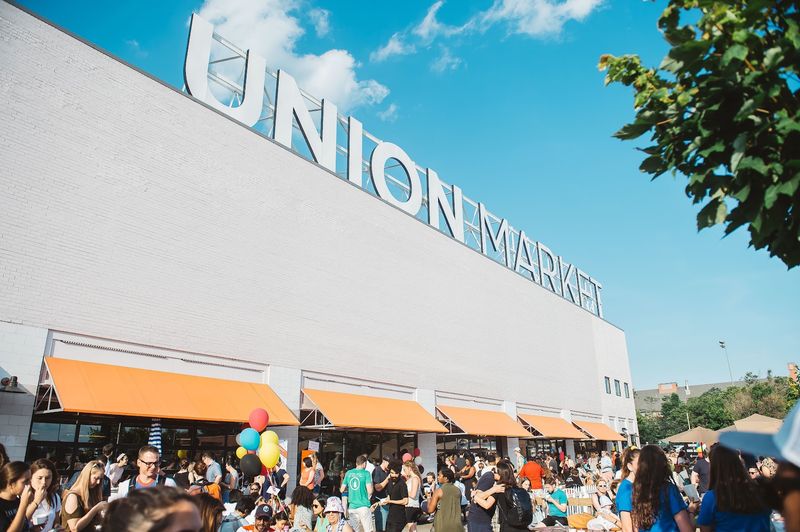
A wholesale district learned a new public language here. Union Market traces its origins to the 1931 Union Terminal Market, part of a period when Washington centralized food distribution in a large wholesale complex northeast of downtown.
The contemporary market, revived in the 2010s, transformed that legacy into a public-facing hall while keeping ties to the area’s long commercial function.
Wholesale markets were built for efficient distribution, not for leisurely urban strolling, yet many cities later rediscovered their spatial usefulness and architectural appeal. Union Market fits that pattern, turning industrial-scale food commerce into a destination for residents and visitors.
Still, the place works because it is grounded in a real market lineage rather than invented from scratch. Nearby food businesses, distribution facilities, and redevelopment projects all sit within a district shaped by commerce for decades.
Union Market shows how a capital city better known for monuments can preserve and reinterpret ordinary urban systems like food supply and neighborhood trade. That makes it more than stylish.
It becomes a readable chapter in Washington’s economic and spatial history.
16. Savannah, Georgia – City Market
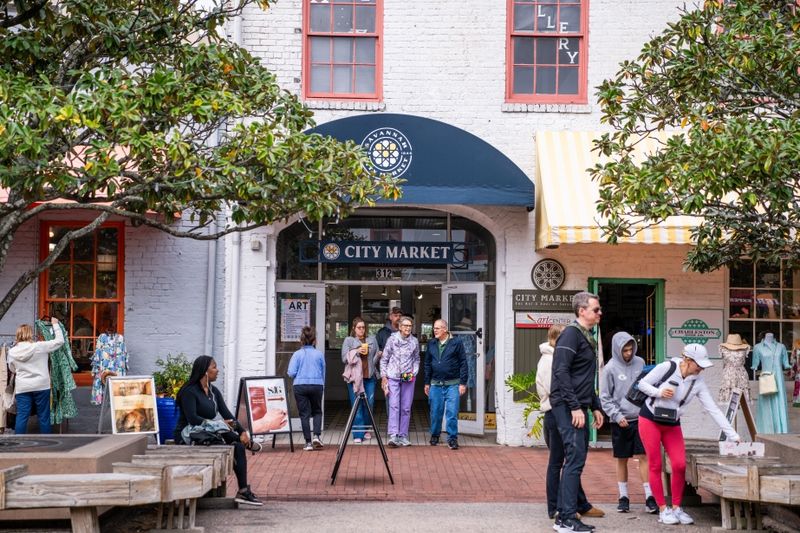
Commerce has occupied this stretch of Savannah for centuries, even if the buildings and uses kept changing their assignments. City Market began taking shape in the eighteenth century as a central commercial area serving a planned colonial city of squares, wards, and regulated public life.
That original market function linked it to Savannah’s role as a port and regional trading center.
As with many older Southern market districts, rebuilding, fires, changing retail patterns, and twentieth-century decline altered the site dramatically. Later preservation and redevelopment efforts turned City Market into a pedestrian-friendly area focused on shops, galleries, dining, and tourism.
City Market belongs on this list for its historical continuity of place. The district still anchors public gathering in central Savannah, and its evolution mirrors wider shifts from municipal market trade to heritage-centered urban reuse.
17. Charleston, South Carolina – Charleston City Market
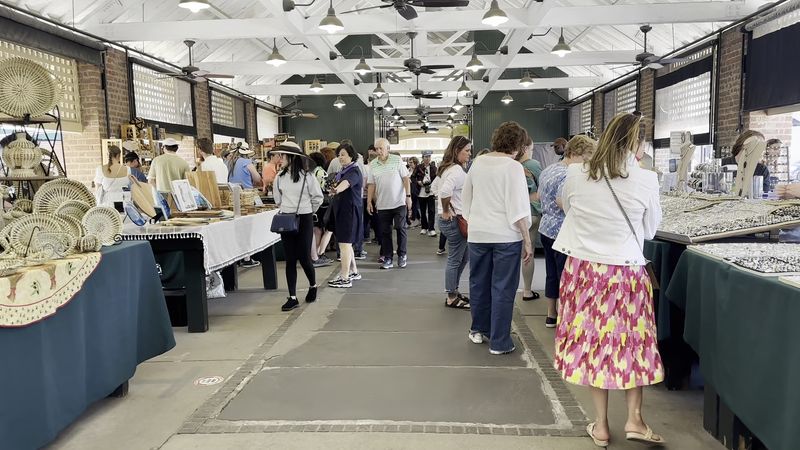
Long market sheds stretching through downtown tell you immediately that this is an old civic arrangement. Charleston City Market dates to the early nineteenth century, with the market buildings constructed beginning in the 1800s as part of the city’s organized public market system.
For generations, the site handled meat, produce, and everyday goods in a port city deeply tied to regional trade.
Its present identity is especially shaped by continuity of craft. Sweetgrass basket vendors, whose work reflects Gullah Geechee cultural traditions and West African influences, have become central to the market’s public meaning.
It is also a place where cultural knowledge, handmade production, and local history remain visible in a highly trafficked urban setting, which is no small achievement in a tourism economy that often prefers easier stories.
Share this story