American convenience stores have quietly transformed over the past few decades. What once meant a quick stop for gas, gum, and a newspaper has evolved into a place where regional flavors, changing work habits, and fast-casual food all meet under one fluorescent roof.
Longer commutes, 24-hour schedules, and better food options helped raise expectations – turning some roadside stops into local institutions. Keep reading to see how these chains, rooted in places from Texas to New Jersey, became unexpected culinary landmarks shaped by local taste and everyday routines.
1. Buc-ee’s – Texas
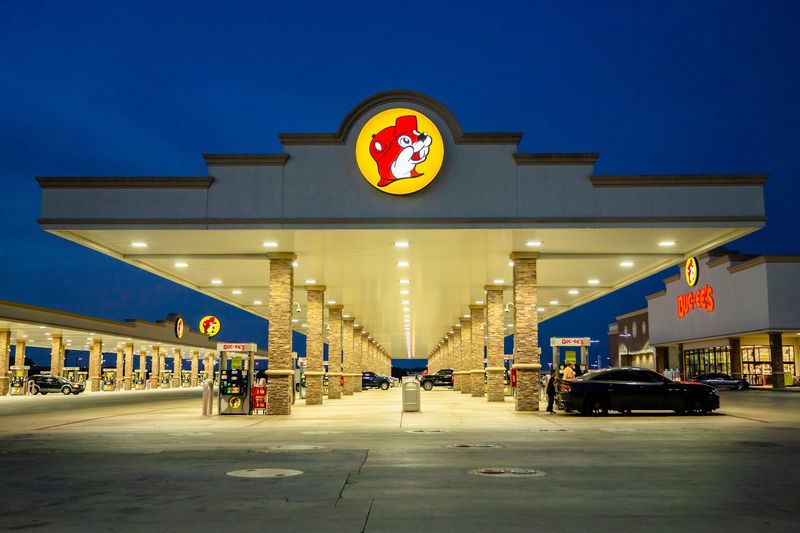
Few roadside businesses have stretched the definition of convenience quite like Buc-ee’s. Founded in Texas in 1982 by Arch “Beaver” Aplin III and Don Wasek, it began as a regional fuel stop but grew into a destination built around scale, speed, and a surprisingly serious food operation.
The chain turned ordinary travel habits into a branded ritual, especially after giant stores began appearing along major highways in the 2000s. Fresh brisket sandwiches, chopped barbecue, kolaches, fudge, jerky counters, and Beaver Nuggets gave customers a menu with the range of a small food hall, not a rushed pit stop.
Part of the appeal is historical as much as culinary. Buc-ee’s arrived when road travel culture was being reshaped by mega-stores and experience-driven retail, and it leaned into Texas identity with cheerful excess.
You are not just buying lunch there – you are stepping into a carefully engineered regional myth that happens to sell breakfast tacos.
2. Wawa – Pennsylvania
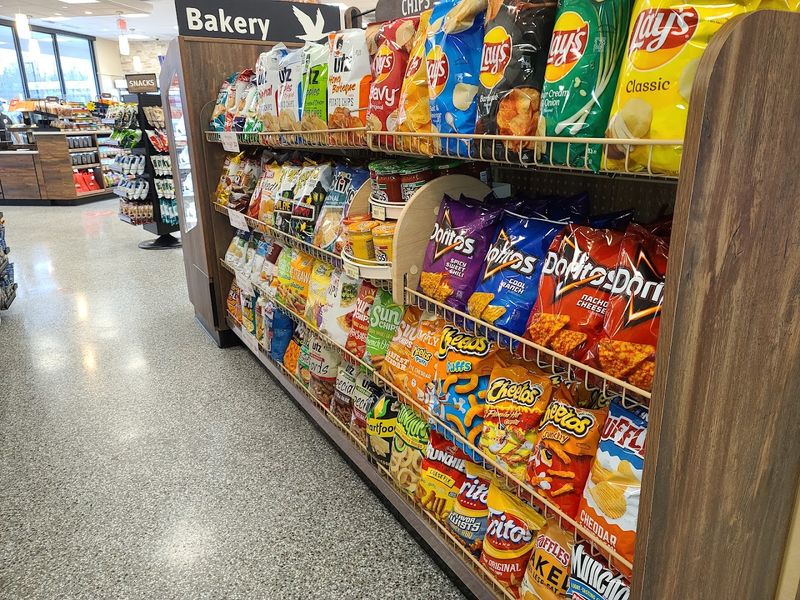
A deli counter changed everything for Wawa, and that is the short version of a much longer story. The company traces its roots to a Pennsylvania dairy business from 1902, then moved into food retail in the 1960s as home milk delivery declined and convenience shopping took over.
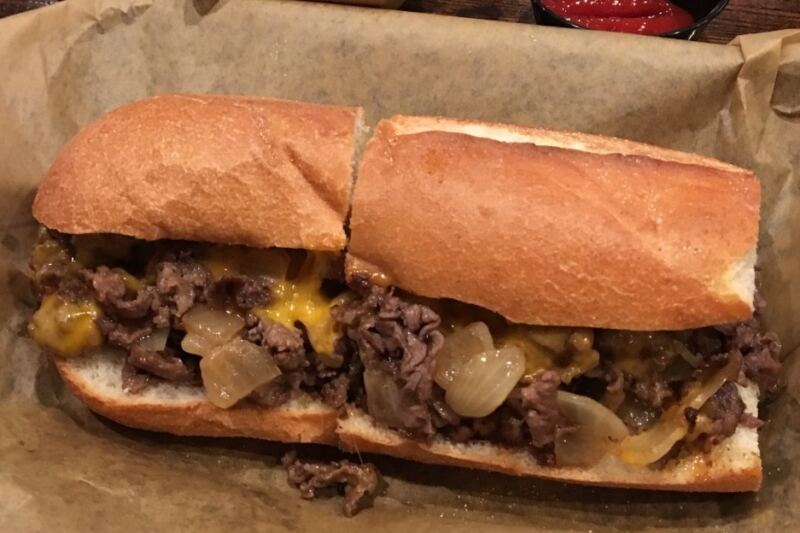
Its real leap into food memory came with made-to-order hoagies, coffee, and later touchscreen kiosks that made customization feel quick instead of chaotic. By the 1990s and 2000s, Wawa had become part lunch stop, part commuter ritual, and part regional identity marker across Pennsylvania, New Jersey, and beyond.
What makes Wawa historically interesting is how neatly it followed changes in American daily life. Longer drives, staggered work hours, and the appetite for fresh fast food gave it room to act like a neighborhood deli with gas pumps.
You can still see that formula working every time a hoagie order becomes a matter of local loyalty.
3. Sheetz – Pennsylvania
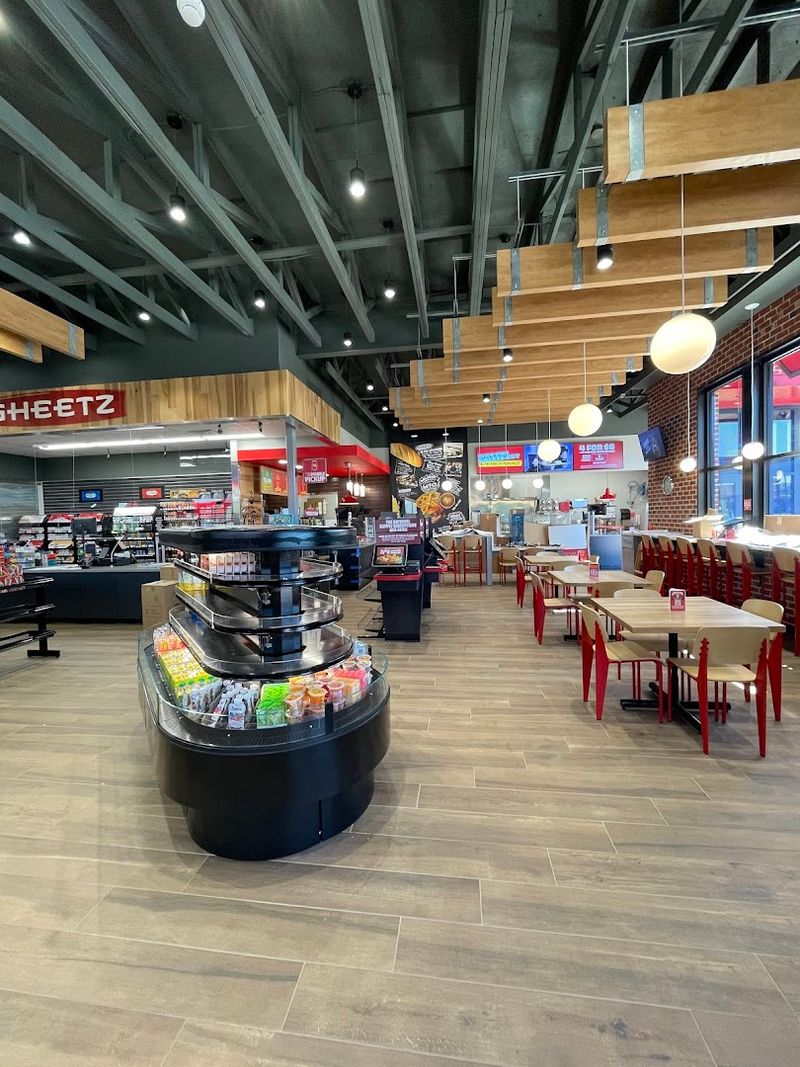
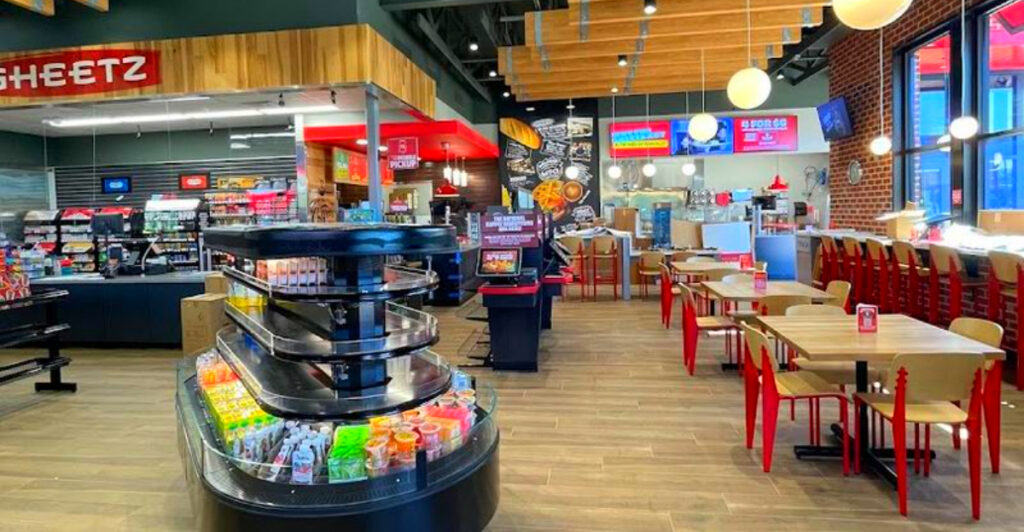
Late-night hunger found a reliable ally when Sheetz decided convenience stores could think bigger. Founded in Altoona, Pennsylvania, in 1952, the chain spent decades refining a model that mixed fuel, extended hours, and a menu designed for people whose schedules did not fit traditional restaurant times.
Its made-to-order system, known widely through in-store screens, helped turn a routine stop into something more personalized. Sheetz leaned into sandwiches, breakfast items, fried sides, and customizable snacks, creating a style that felt especially suited to students, shift workers, and drivers who wanted speed without surrendering choice.
The chain’s rise says a lot about late twentieth-century eating habits. As diners thinned out in some areas and fast food grew more standardized, Sheetz made convenience itself feel flexible.
That gave it a distinct cultural role in Pennsylvania and neighboring states, where debating Sheetz versus Wawa became less about lunch and more about regional identity with receipts.
4. Casey’s General Store – Iowa
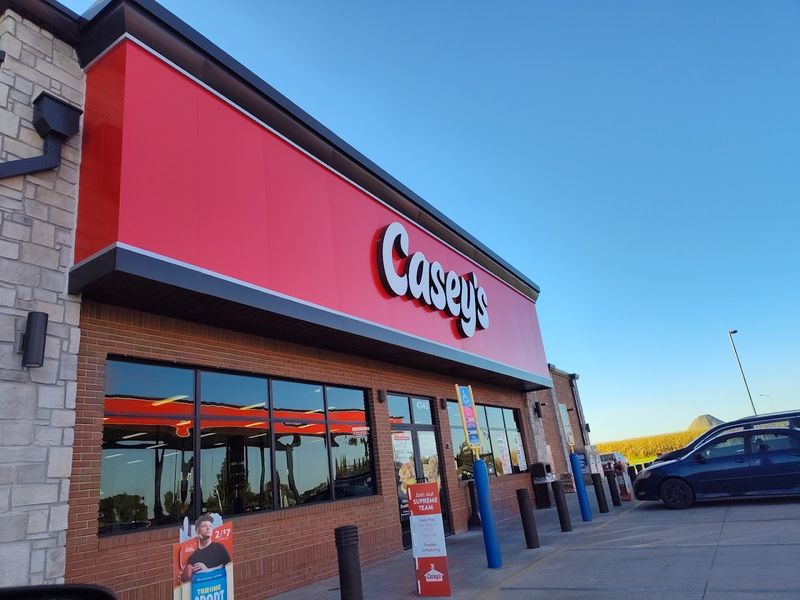
Nothing confuses outsiders faster than learning a convenience store became a respected pizza chain. Casey’s General Store began in Boone, Iowa, in 1968, serving small towns that often had limited dining options and a strong need for one dependable place to combine fuel, groceries, and prepared food.
Pizza changed its reputation. What started as a practical expansion of kitchen service grew into one of the chain’s signature products, followed by breakfast pizza, sandwiches, donuts, and bakery items that became familiar fixtures in Midwestern routines.
In many communities, Casey’s functioned as a local food provider as much as a stop for errands.
That matters historically because rural retail has long required versatility. Casey’s thrived by understanding that smaller towns often reward consistency over novelty, especially when restaurants are scattered or limited.
You can read its menu as a map of everyday Midwestern habits: coffee before work, pizza after school events, and a store that quietly became part of community infrastructure.
5. Kwik Trip – Wisconsin
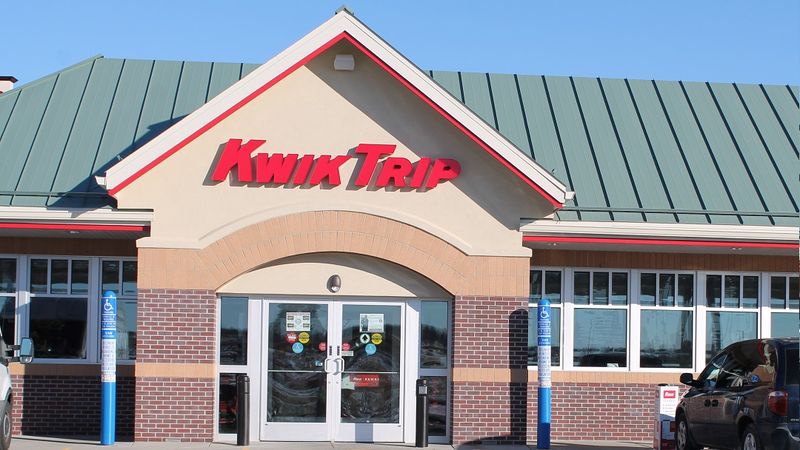
Orderly, efficient, and unexpectedly beloved, Kwik Trip built a following that goes well beyond gasoline. Founded in Eau Claire, Wisconsin, in 1965, the chain expanded across the Upper Midwest with a model that emphasized prepared foods, bakery items, dairy, and private-label staples customers could trust.
Its stores became known for take-home meals, soups, sandwiches, breakfast options, and a reputation for unusual consistency. In regions where winter travel, early work hours, and long drives shape daily routines, that reliability turned food service into a central part of the brand rather than a side feature.
There is also a useful retail history lesson here. Kwik Trip grew during decades when supermarkets got bigger and many small-town businesses got fewer, leaving room for a convenience chain that could function as a compact general store.
You are seeing a modern version of practical local commerce, one where a hot sandwich, a gallon of milk, and breadsticks can all ride home together.
6. Royal Farms – Maryland
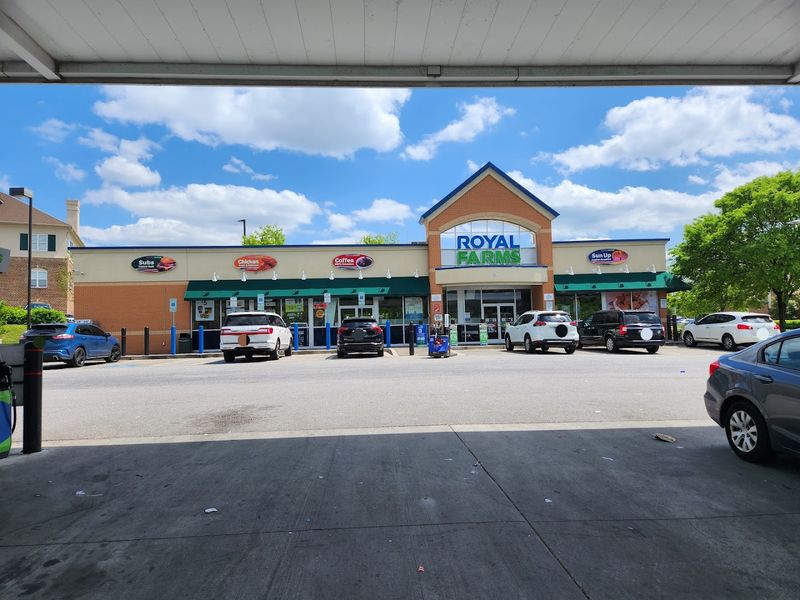
Some chains win loyalty with coffee, but Royal Farms built much of its fame around chicken. Established in Baltimore in 1959, the company began as a dairy operation and gradually developed a convenience store model that reflected shifting consumer habits across Maryland and the broader Mid-Atlantic region.
Its food identity became especially tied to fresh fried chicken, sandwiches, sides, and breakfast items that gave customers a reason to enter even when fuel was not the main objective. Over time, Royal Farms stood out in a crowded field by offering something closer to a quick-service meal than standard shelf-stable convenience fare.
The broader context matters. As convenience stores chased stronger profit margins in the late twentieth century, prepared food became a serious strategy, and Royal Farms leaned in early.
That decision helped it anchor itself in local culture, especially among commuters and travelers. You can track the chain’s rise alongside changing expectations that a stop for gas should also deliver a full meal with regional credibility.
7. Maverik – Utah
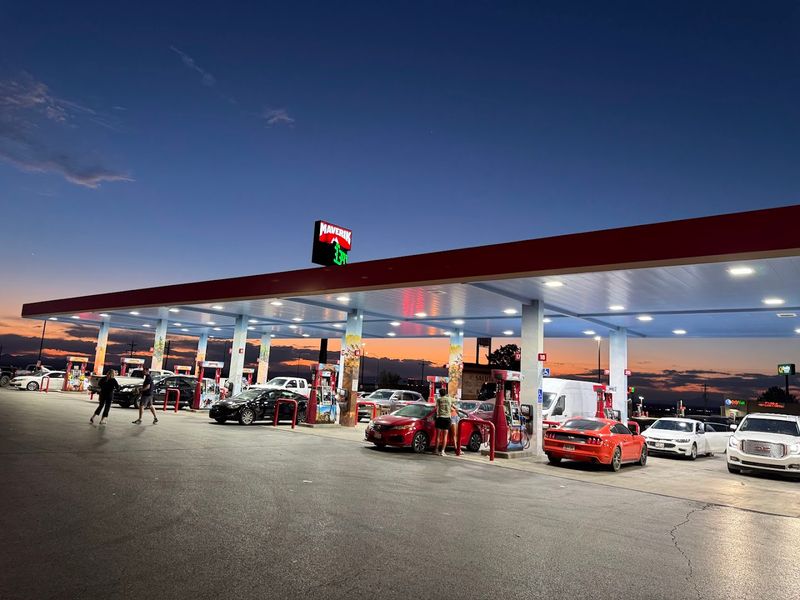
The road trip aesthetic became a business plan when Maverik embraced the language of adventure. Founded in Wyoming in 1928 and later closely associated with Utah and the Intermountain West, the chain evolved from a traditional fuel retailer into a regional brand that marketed food as part of travel culture.
Its BonFire menu of burritos, sandwiches, breakfast items, and grill selections helped push Maverik beyond the usual convenience-store script. The stores also benefited from geography: long highway stretches, recreation travel, and growing suburban corridors created demand for quick meals that felt more substantial than a wrapped pastry near the register.
Maverik is a useful example of how branding and food service started working together in newer ways. By the 1990s and 2000s, convenience retail was no longer only about stocking necessities.
It was about giving people a reason to choose one stop over another. In Maverik’s case, that meant pairing western identity, mobility, and better food into a neatly packaged roadside proposition.
8. Rutter’s – Pennsylvania
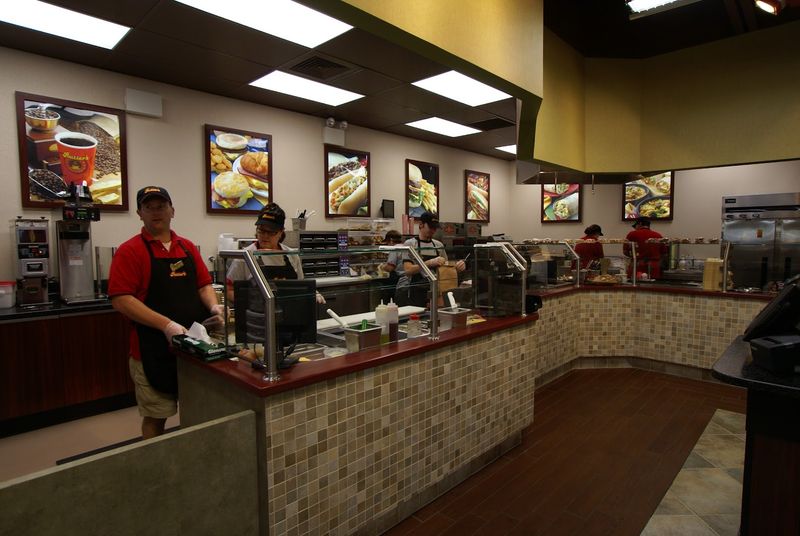
Long before touchscreens entered the picture, Rutter’s already had deep roots in food retail. The business began as a family dairy enterprise in Pennsylvania during the eighteenth century, and its modern convenience store chain developed from that agricultural and grocery background rather than from a simple fuel-stop formula.
That history gave Rutter’s an advantage as prepared food became more important. Burgers, sandwiches, breakfast items, and customizable orders helped it stay competitive, while digital ordering modernized the process without erasing the company’s unusually old connection to regional food distribution and everyday commerce.
Rutter’s tells a broader story about continuity in American retail. Many chains appeared during the automobile age, but this one carried older patterns of dairy service and local provisioning into the era of 24-hour convenience.
You can feel that layered history in the brand’s identity, which mixes colonial-era origins with late-night fries and touchscreen menus in a way that sounds improbable until you actually stop there.
9. Stewart’s Shops – New York
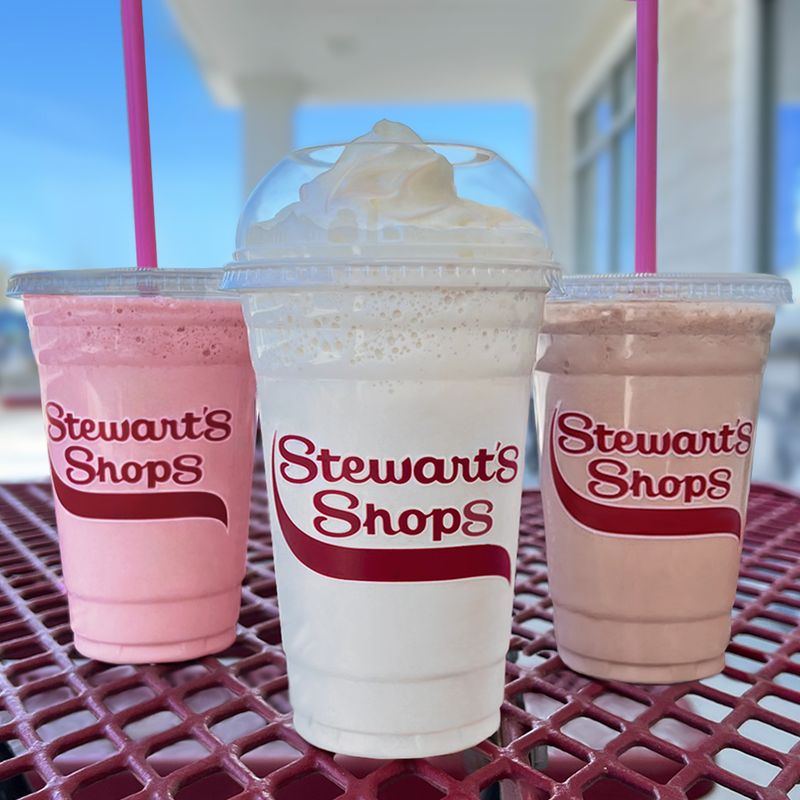
A scoop of ice cream helped turn Stewart’s Shops into something more than a neighborhood errand stop. Based in upstate New York and dating to 1945, the company developed from a dairy and ice cream business into a chain that blended convenience retail with a distinctly local food identity.
Milk, coffee, hot dogs, breakfast sandwiches, and especially ice cream gave Stewart’s an unusual profile in the convenience world. It never relied on giant-store theatrics.
Instead, it built trust through familiarity, manageable scale, and products tied closely to regional habits in small towns and suburban communities.
That makes Stewart’s historically interesting for a different reason than some flashier chains. It reflects a northeastern pattern in which dairy distribution, neighborhood retail, and commuter convenience merged over decades.
The stores became part of ordinary routines rather than grand travel spectacles. You are looking at a food destination created not by novelty, but by repetition, regional loyalty, and the kind of consistency that quietly outlasts trendier retail experiments.
10. OnCue – Oklahoma
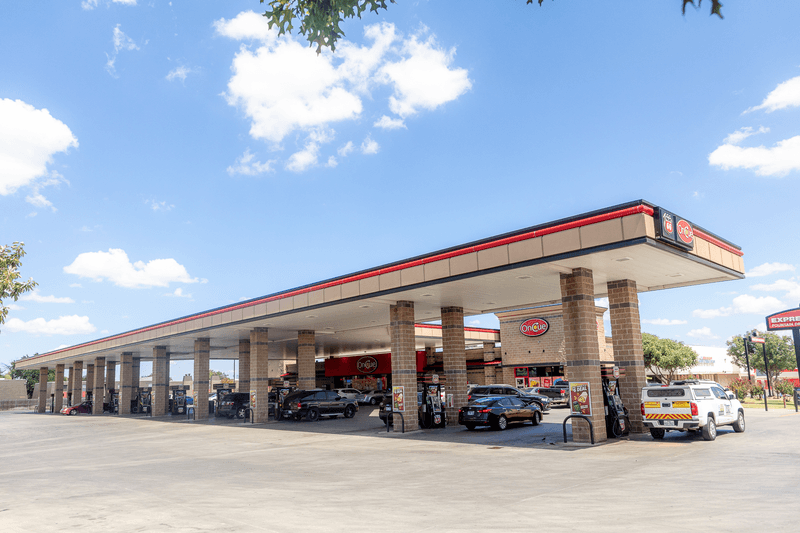
Plains-state practicality got a polished upgrade when OnCue expanded its food ambitions. The Oklahoma-based chain grew from earlier regional retail operations and became known for modernized stores that treated prepared food, beverages, and design as major draws rather than afterthoughts.
Breakfast burritos, roller grill staples, sandwiches, bakery items, and upgraded drink programs helped OnCue speak to both commuters and highway travelers. In a state where long drives are routine and local identity matters, that kind of dependable food service gave the chain more cultural weight than the category name convenience might suggest.
Its rise also tracks a broader shift in suburban and interstate retail during the late twentieth and early twenty-first centuries. Customers wanted clean layouts, better coffee, and food that did not feel like a compromise.
OnCue answered by making the stop itself smoother and more intentional. You can see how the chain fit into a period when convenience stores began borrowing ideas from cafes, fast food, and grocery merchandising all at once.
11. Allsup’s – New Mexico
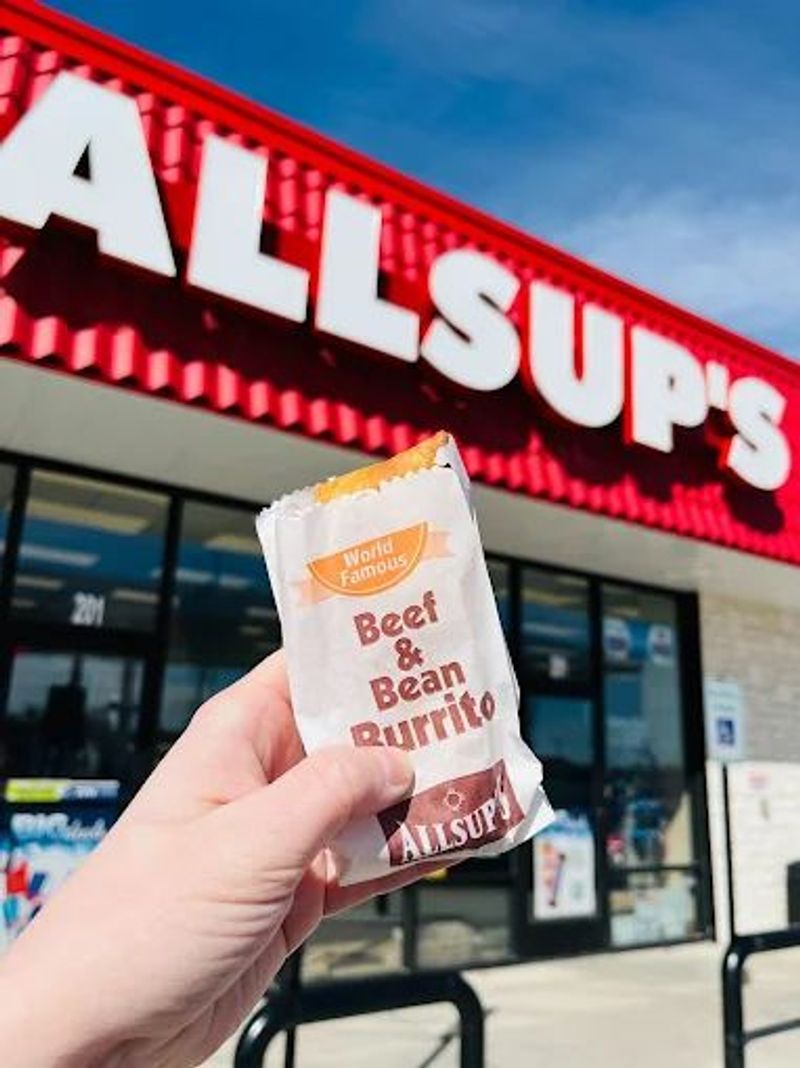
Regional fame can arrive wrapped in foil, and Allsup’s proved it with a burrito. Founded in Roswell, New Mexico, in 1956, the chain became a Southwestern staple by serving communities spread across long highway routes, small towns, and areas where a quick hot meal could become part of daily routine.
Its chimichanga emerged as the signature item, turning the brand into a cult favorite well beyond its store footprint. That single product gave Allsup’s a strong identity in a market where many chains looked interchangeable, and it tied the company to local tastes in a direct, memorable way.
There is a larger retail lesson underneath the handheld legend. Convenience stores often succeed when they attach themselves to one dependable food people specifically seek out, and Allsup’s did exactly that.
The chain’s history reflects the meeting point of southwestern travel patterns, frozen-to-hot food technology, and regional appetite. You are not just seeing a snack counter there – you are seeing how one item can define decades of brand memory.
12. Holiday Stationstores – Minnesota
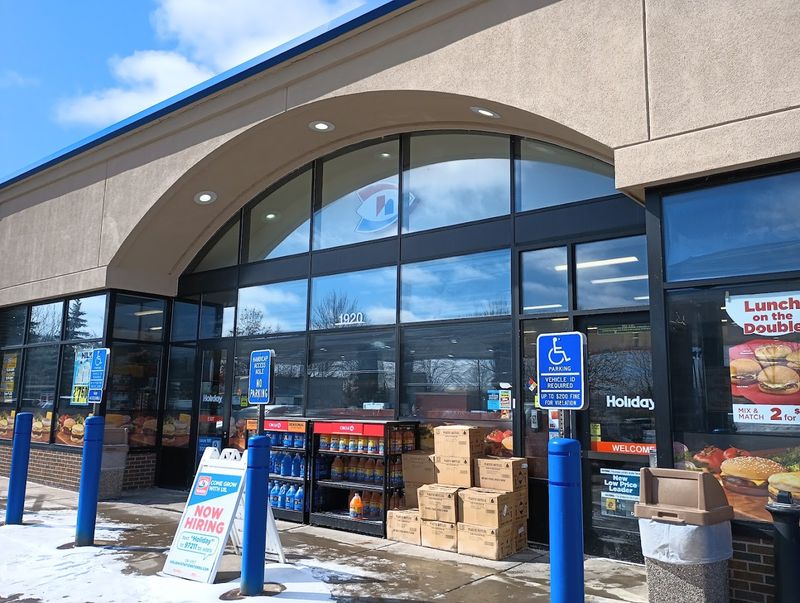
Cold-weather routines helped shape Holiday Stationstores into a practical food stop with surprising staying power. Founded in Minnesota in 1928 as part of a fuel business, the chain grew across the Upper Midwest and adapted to local expectations where coffee, quick breakfast, and dependable convenience mattered every day.
Over time, Holiday added bakery items, roller grill foods, sandwiches, fountain drinks, and upgraded coffee programs that turned brief stops into repeat habits. The formula was not flashy, but it fit regional life well, especially for commuters, travelers, and anyone handling long drives in a climate that rewards efficiency.
What makes Holiday notable is how it reflects the history of everyday mobility in northern states. Convenience stores in these regions often become extensions of the commute, the school run, and the weekend drive.
By improving food service without abandoning practicality, Holiday followed a broader industry trend while keeping a distinctly Midwestern tone. You can trace its appeal through routine alone, which is often the most reliable engine of food loyalty.
13. QuickChek – New Jersey
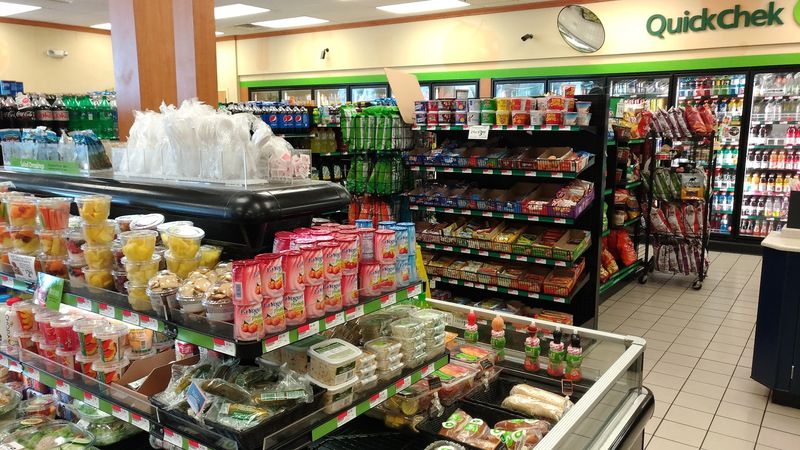
Suburban New Jersey gave QuickChek the perfect laboratory for turning convenience into a meal plan. Founded in 1967, the chain grew in densely traveled communities where customers wanted speed but also expected fresher options than the standard packaged lineup that defined earlier convenience retail.
Fresh-made sandwiches, salads, breakfast items, coffee, and smoothies helped QuickChek position itself closer to a compact cafe than a traditional gas-and-snacks outlet. Its appeal increased as commuter culture intensified and grab-and-go lunch became a daily need rather than an occasional compromise.
The chain’s development reflects several overlapping trends: suburban expansion, increased car dependence, and a consumer shift toward customization and perceived freshness. In that environment, QuickChek found space between fast food and grocery prepared foods.
It gave busy customers a middle option that felt modern without becoming formal. You can see why it earned loyalty in New Jersey, where practical eating and strong opinions about sandwiches have always made for a competitive local sport.
14. Parker’s Kitchen – Georgia
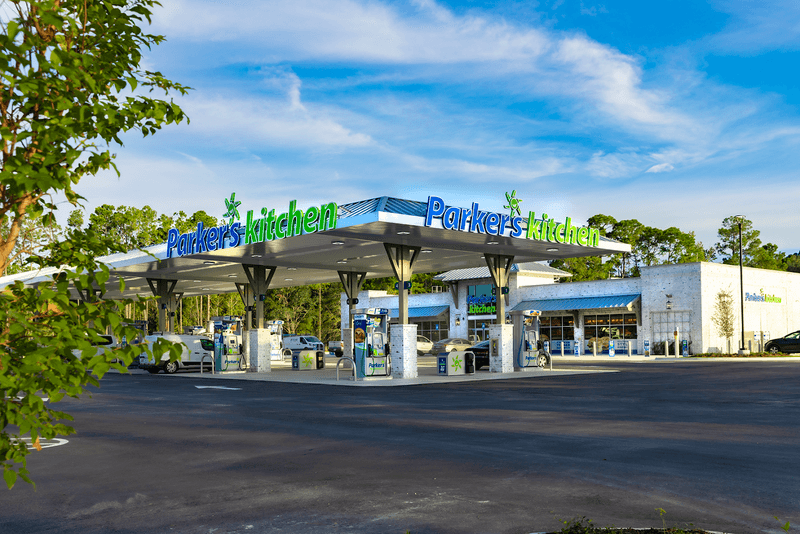
The modern Southern convenience store found a polished ambassador in Parker’s Kitchen. Based in Georgia and founded in 1976, the chain expanded by pairing fuel service with a stronger emphasis on prepared meals, especially in coastal and commuter markets where quick breakfast and lunch options could drive repeat visits.
Biscuits, chicken tenders, sandwiches, pizza, and breakfast items helped Parker’s stand apart in a crowded field. Rebranding from Parker’s to Parker’s Kitchen also signaled a larger industry truth: the kitchen had become central to convenience retail, not a small corner tucked beside the coffee station.
That evolution says a lot about twenty-first-century food habits in the Southeast. As travel corridors grew busier and customers expected cleaner stores with better menus, chains that invested in food gained a clearer identity.
Parker’s Kitchen benefited from that shift by presenting itself as both dependable and regionally grounded. You are seeing a chain that understands how local eating patterns, branding strategy, and modern convenience now operate as one connected business.
Share this story