Crowns rarely moved on marriage alone, yet history is full of wives who redirected courts, policy, religion, and public opinion with startling force. From Renaissance Italy to Tudor England, from imperial China to modern Britain, these women stood where private relationships collided with state business, and the results were anything but quiet.
Some were treated as schemers, some as symbols, and some as convenient targets for rivals who understood the power of a memorable accusation. Keep reading and you will see how marriage became a political instrument, how rumor often traveled faster than fact, and why these famous consorts still dominate cultural memory centuries after their own eras passed.
1. Lucrezia Borgia
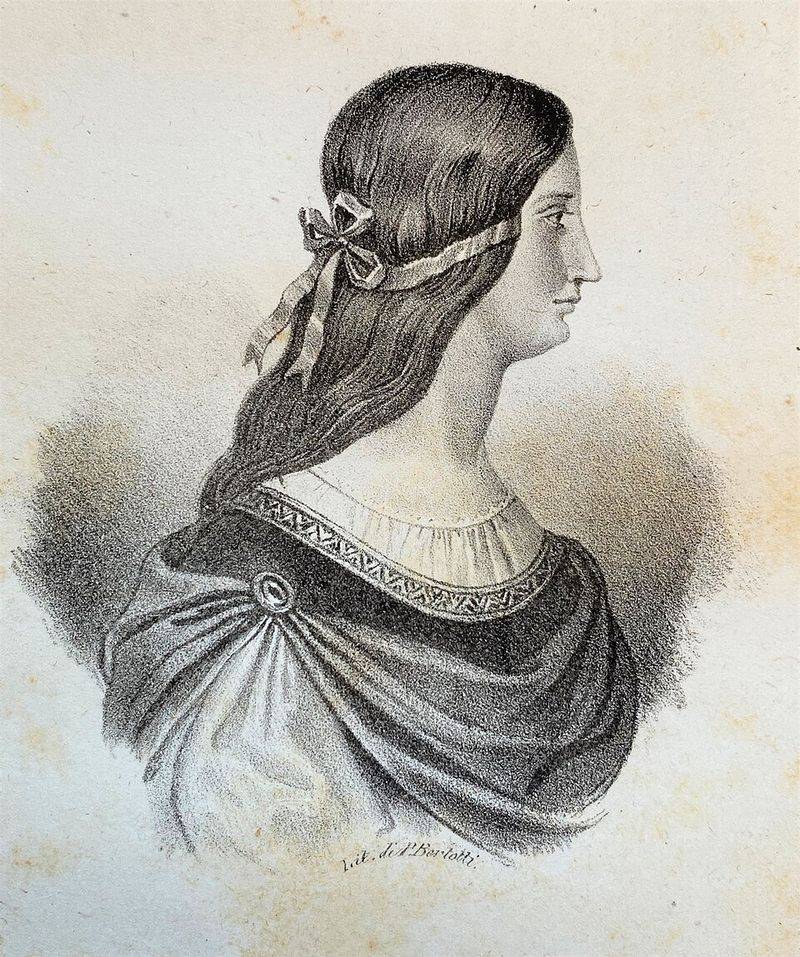
Few Renaissance reputations have worked harder than Lucrezia Borgia’s. Born into the formidable Borgia family, she became a useful piece in the marriage politics of late fifteenth century Italy, where alliances shifted quickly and relatives often doubled as diplomats.
Her father, Pope Alexander VI, and her brother Cesare gave every observer a reason to watch her closely.
Three marriages tied Lucrezia to major dynastic strategies, especially in Rome, Naples, and Ferrara. Gossip later painted her as a master criminal with a poison ring and a smile to match, but modern historians usually find more propaganda than proof in those stories.
At Ferrara, she proved capable, cultivated, and politically aware, acting as a regent, patronizing writers, and managing court business with impressive steadiness.
That contrast is what keeps her famous. You can trace her life through scandal sheets and hostile chronicles, yet the documentary record often reveals a woman navigating family ambition rather than directing every scheme herself.
2. Catherine de’ Medici
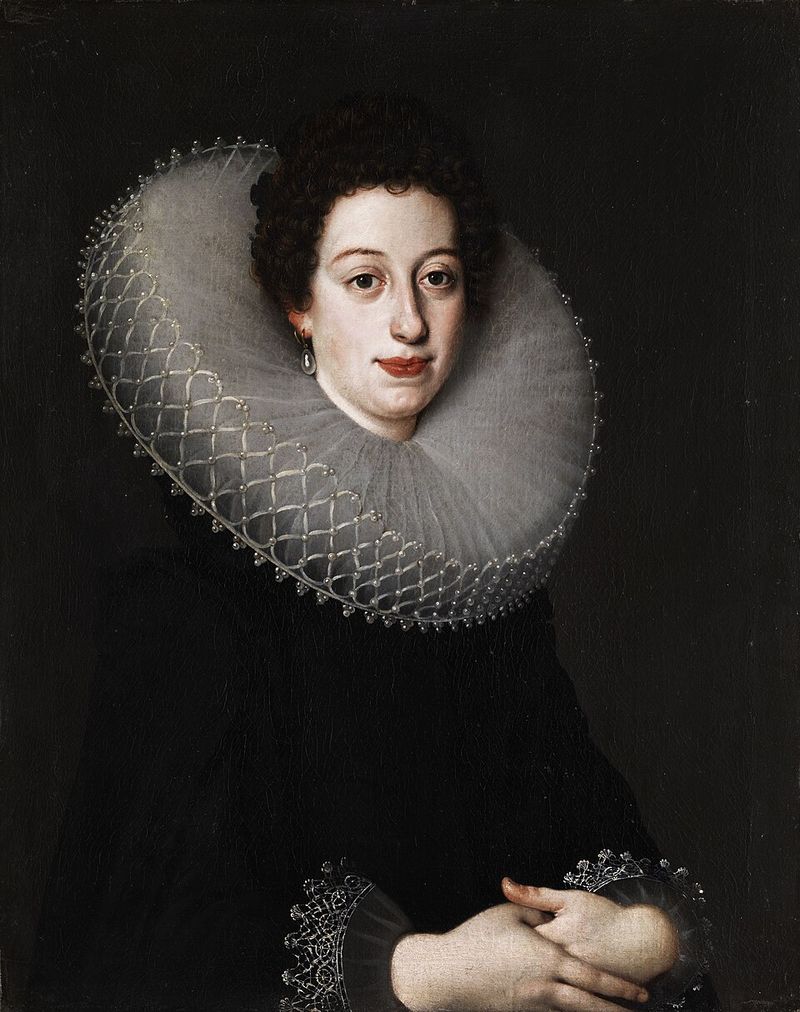
If court survival were an Olympic sport, Catherine de’ Medici would have medaled repeatedly. Married to Henry II of France in 1533, she spent years overshadowed by his mistress and by expectations that a queen should produce heirs and little else.
Once her husband was gone, she moved from the margins to the center of French power with impressive speed.
As mother of three French kings, Catherine became the key broker during the Wars of Religion, balancing rival noble families, shifting confessions, and a monarchy that often looked weaker than its ceremonies suggested. Her reputation remains tied to the St. Bartholomew’s Day Massacre of 1572, a turning point that permanently darkened her image.
Historians still debate the degree of her direct responsibility, but nobody doubts her influence on the decisions surrounding royal policy and court strategy.
She also helped shape French culture through patronage, festival planning, architecture, and dynastic presentation. Catherine understood that spectacle, marriage negotiation, and calculated compromise could govern a kingdom just as effectively as formal decrees.
3. Empress Messalina
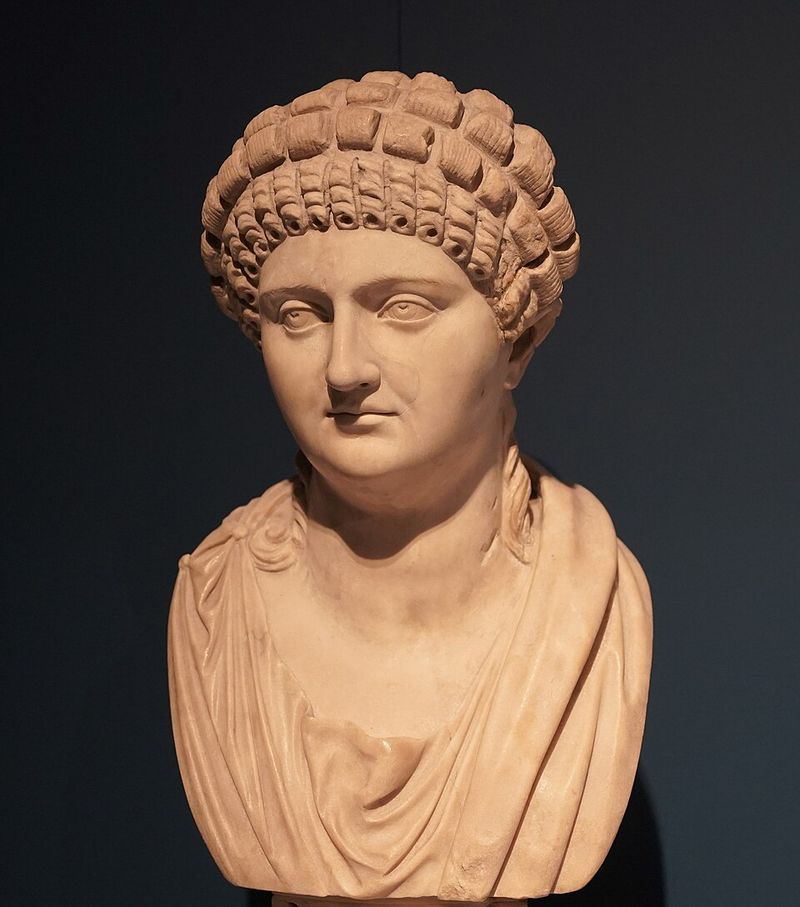
Roman gossip found its perfect subject in Messalina. As the third wife of Emperor Claudius, Valeria Messalina appeared in ancient accounts as a symbol of appetite, ambition, and reckless court intrigue, though those accounts were largely written by elite men with every reason to sensationalize an imperial woman.
Sorting fact from performance is half the challenge of understanding her.
Messalina’s marriage placed her near the machinery of succession, appointments, and favors during Claudius’s reign. Writers such as Tacitus and Suetonius portrayed her as manipulative and politically dangerous, especially in stories involving rivals removed from influence and an alleged union with Gaius Silius while Claudius was away.
Whether every detail is reliable remains doubtful, but the narrative clearly served a Roman habit of blaming women for broader instability at court.
What matters historically is the pattern. Messalina became a lasting shorthand for imperial scandal, and her image shaped later ideas about female power in Rome more strongly than the fragmentary evidence ever should have allowed.
4. Marie Antoinette
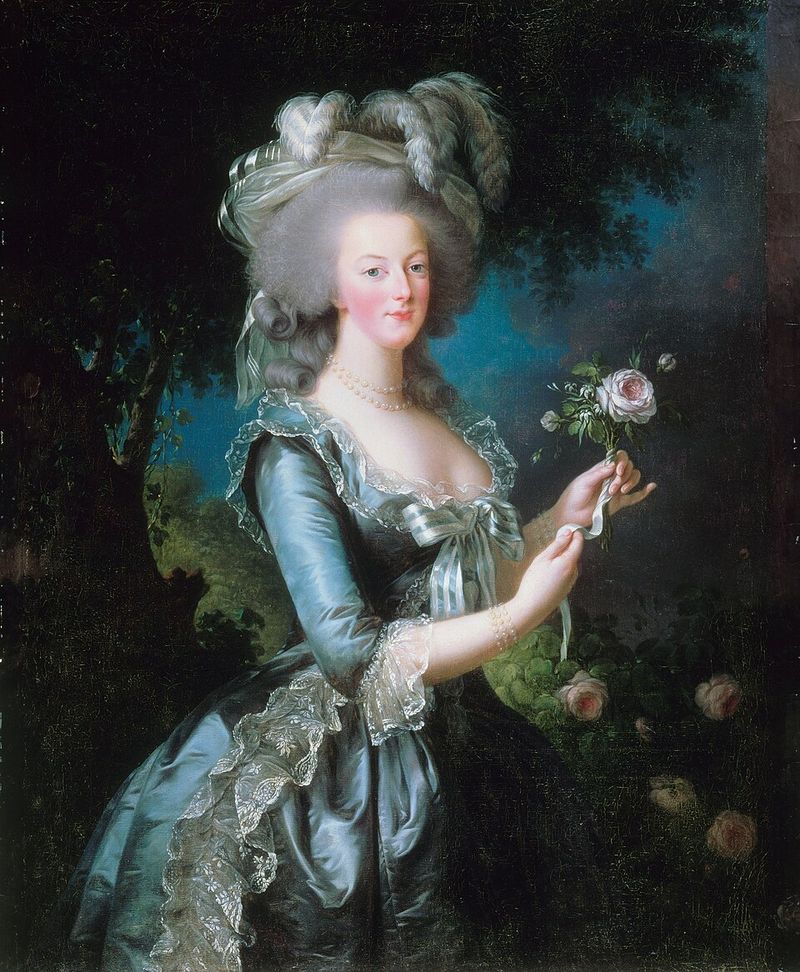
Some royal images become larger than the person, and Marie Antoinette is a textbook case. Married to Louis XVI in 1770 as part of a Habsburg-Bourbon alliance, she entered France as an Austrian archduchess expected to reinforce diplomacy through ceremony, heirs, and impeccable behavior.
Instead, she became a public obsession in an age when print culture rewarded satire, suspicion, and very creative rumor.
Critics attacked her spending, fashion, friendships, and foreign birth, often with far more enthusiasm than accuracy. The famous line about cake was never hers, yet it stuck because it neatly fit a public portrait already under construction.
During the revolutionary crisis, she represented a monarchy many people considered distant, financially careless, and politically unresponsive, even when specific accusations against her were exaggerated or invented.
Her lasting importance lies in that mismatch between woman and symbol. Marie Antoinette shows how a queen could become the face of national frustration, shaped less by daily reality than by pamphlets, caricatures, and relentless public storytelling.
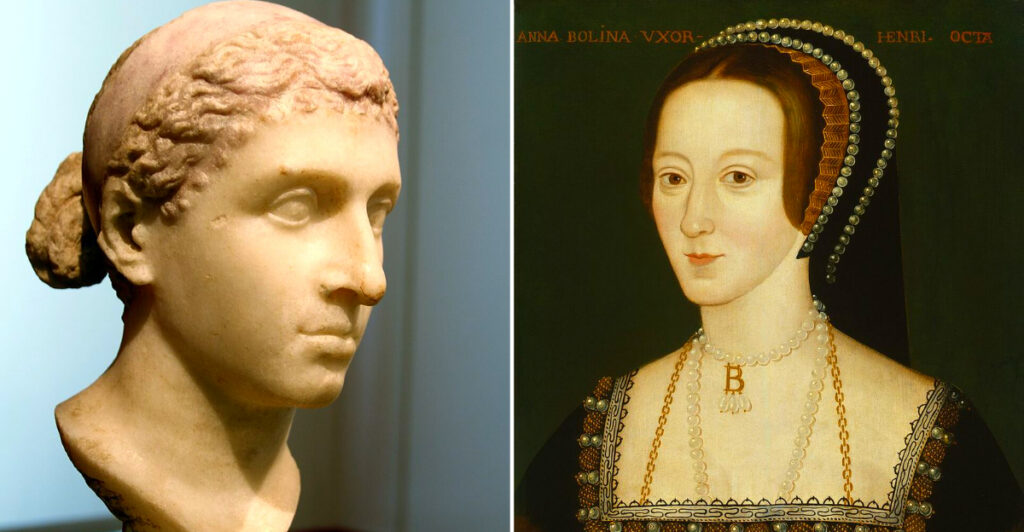
5. Anne Boleyn
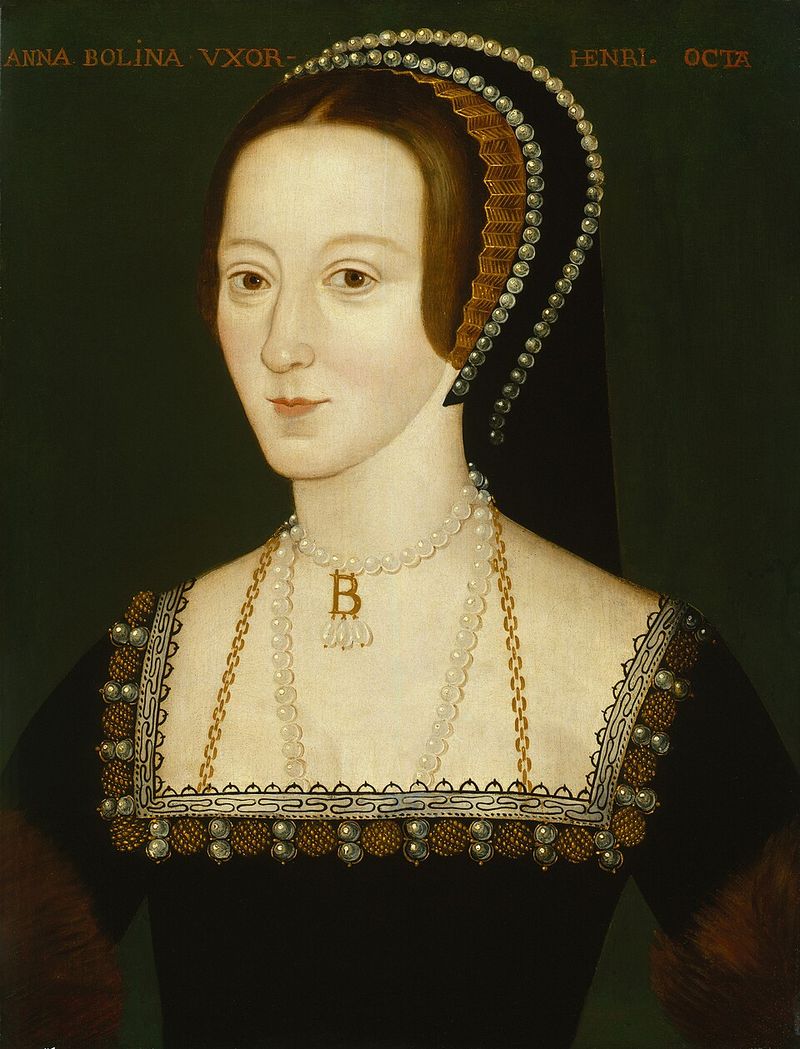
One marriage application changed England more than many battles ever did. Anne Boleyn arrived at court with education, style, and sharp political instincts, and her relationship with Henry VIII pushed the king toward a break with papal authority after years of frustration over annulment.
By the early 1530s, her rise had become inseparable from England’s religious and constitutional realignment.
She was crowned queen in 1533 and soon gave birth to Elizabeth, the daughter who would later define an era. Anne also supported reform-minded clergy and encouraged the circulation of religious ideas that challenged old structures, which made her more than a romantic controversy.
Yet court favor moved quickly, and enemies gathered with the efficiency of experienced professionals.
Within three years, the royal marriage had turned into a cautionary tale about power at close range. The charges brought against Anne remain widely disputed, but her public downfall fixed her place as the Tudor wife whose influence outlasted her brief queenship.
6. Wu Zetian
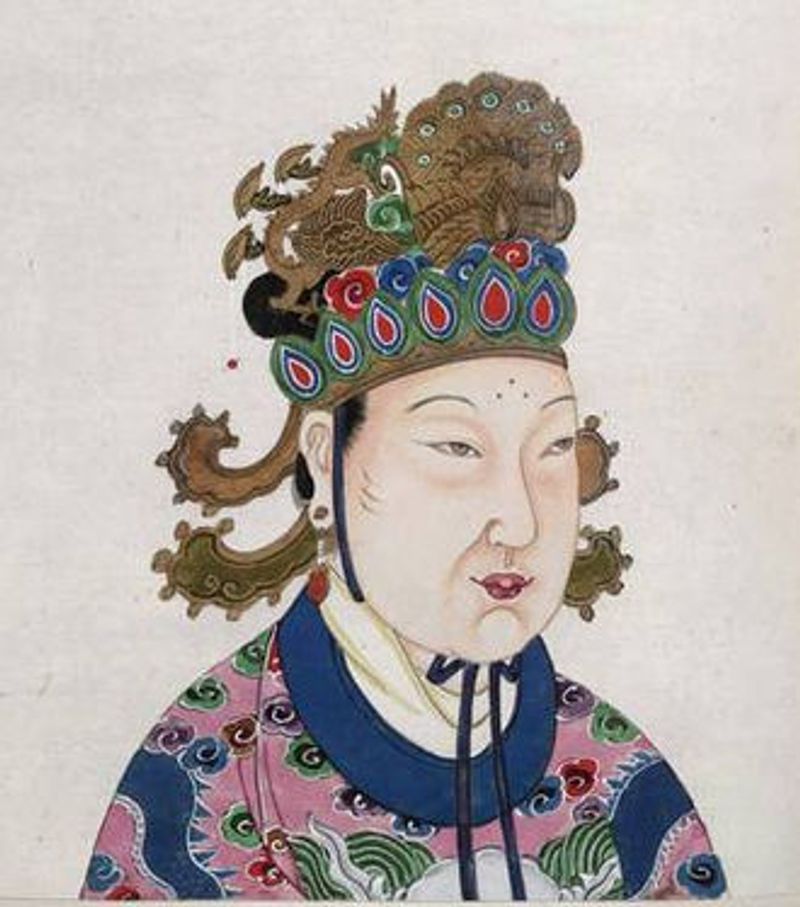
Ambition rarely climbed higher than it did in Wu Zetian’s career. She entered the Tang court as a concubine, later became the wife of Emperor Gaozong, and eventually ruled in her own name, the only woman in Chinese history to claim the title of emperor outright.
That path required intelligence, strategy, and a willingness to outmaneuver rivals in a system designed to exclude her.
After Gaozong’s health declined, Wu handled increasing amounts of state business and strengthened her position through appointments, surveillance, and careful use of ideology. In 690 she established the Zhou dynasty, interrupting Tang rule and demonstrating that imperial legitimacy could be rewritten when enough institutions backed the change.
Critics then and later depicted her as ruthless, yet her reign also expanded the examination system, supported Buddhism, and oversaw a generally effective administration.
Wu’s fame endures because she unsettles easy categories. She was both a formidable consolidator of power and a capable ruler, which makes her far more interesting than the stock villain role assigned by hostile chroniclers.
7. Empress Theodora
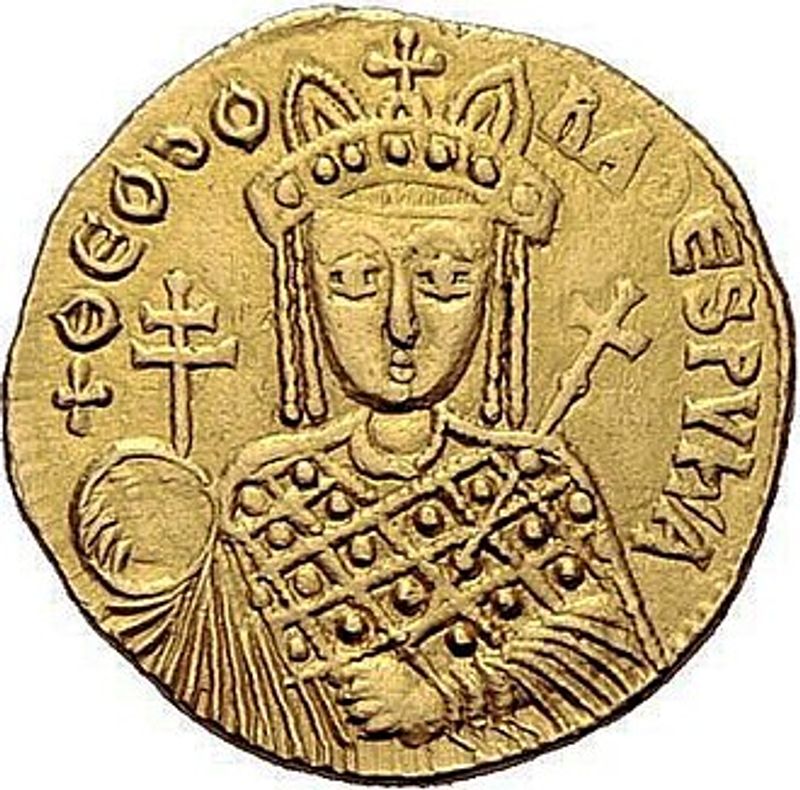
Few imperial partners ever delivered a steadier nerve under pressure than Theodora. Before marrying Justinian, she came from a background that later writers treated with snobbery, yet once she became empress, she proved politically formidable and impossible to dismiss.
Her rise alone challenged Byzantine assumptions about status, respectability, and who belonged near a throne.
Theodora is best known for her role during the Nika Revolt of 532, when unrest threatened Justinian’s rule and retreat seemed tempting. According to the historian Procopius, she argued against flight and urged the court to hold the capital, a decision that helped preserve the regime.
She also influenced legislation concerning women’s legal position, property rights, and protections for vulnerable groups, suggesting a broader interest in governance than ceremonial duties allowed.
Her reputation has always been split between admiration and hostility, thanks partly to Procopius writing both praise and venom about her. Still, the historical outline is clear: Theodora was not decorative imperial furniture, but a partner who shaped policy and political survival.
8. Agrippina the Younger
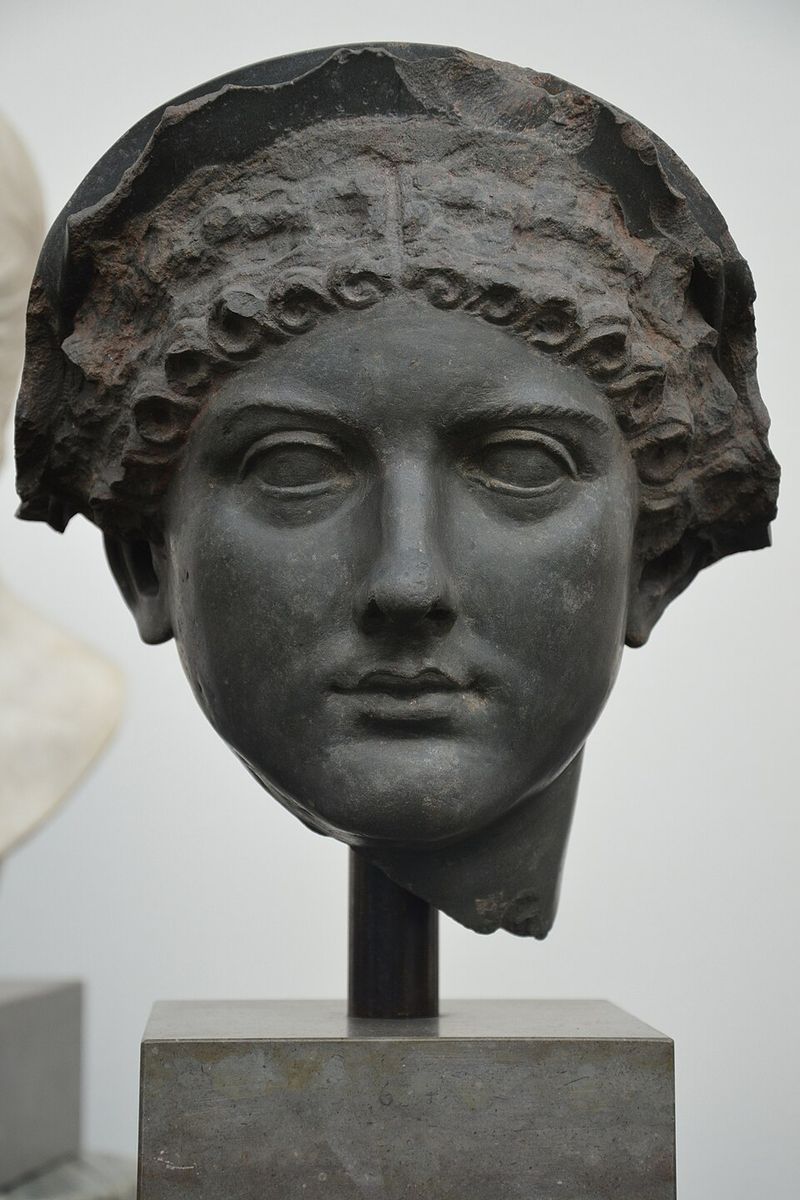
Roman dynastic politics could turn a family dinner into a constitutional issue, and Agrippina the Younger knew it. The sister of Caligula, niece and later wife of Claudius, and mother of Nero, she occupied nearly every possible lane to imperial relevance.
By the late 40s CE, she had become one of the most visible women in Roman public life.
Agrippina secured titles, honors, and political access that set her apart from earlier imperial wives. She worked to position Nero as heir, arranged his marriage to Octavia, and appeared on coinage in ways that advertised unusual authority for a woman in the Roman system.
Ancient authors later accused her of arranging Claudius’s poisoning, but their accounts combine hostility, moralizing, and obvious delight in scandal, so certainty remains elusive.
Even without accepting every lurid story, her impact is unmistakable. Agrippina pushed maternal ambition into the center of Roman power, and her struggle with Nero revealed how quickly influence became dangerous once a son no longer wanted supervision.
9. Eleanor of Aquitaine
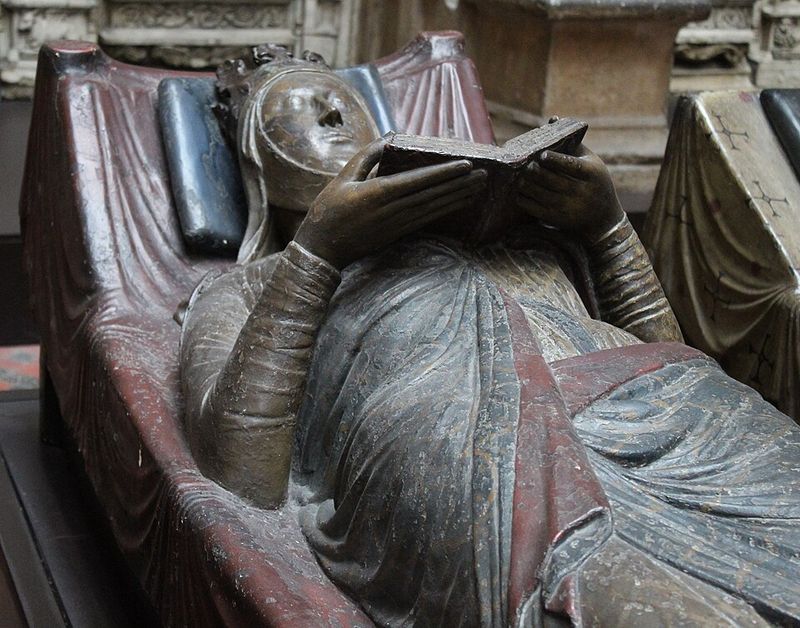
Medieval Europe did not hand out second acts easily, yet Eleanor of Aquitaine managed several. Heiress to one of the richest territories in France, she first became queen of France through marriage to Louis VII, then queen of England through marriage to Henry II after the first union was annulled.
That alone made her a diplomatic force with a travel schedule no court clerk would envy.
Eleanor participated in the Second Crusade, presided over courts in Aquitaine, and helped connect aristocratic culture with political authority across multiple regions. Her later conflict with Henry II, including support for her sons during their rebellion, led to years of confinement, but it did not erase her importance.
Once Richard I took the throne, Eleanor returned to active politics, managed regency matters, negotiated marriages, and even traveled to secure support for the dynasty.
What makes her infamous and admired at once is simple. Eleanor refused the narrow role medieval queens were often assigned, and her longevity turned her into a major actor in both French and English history.
10. Empress Dowager Cixi
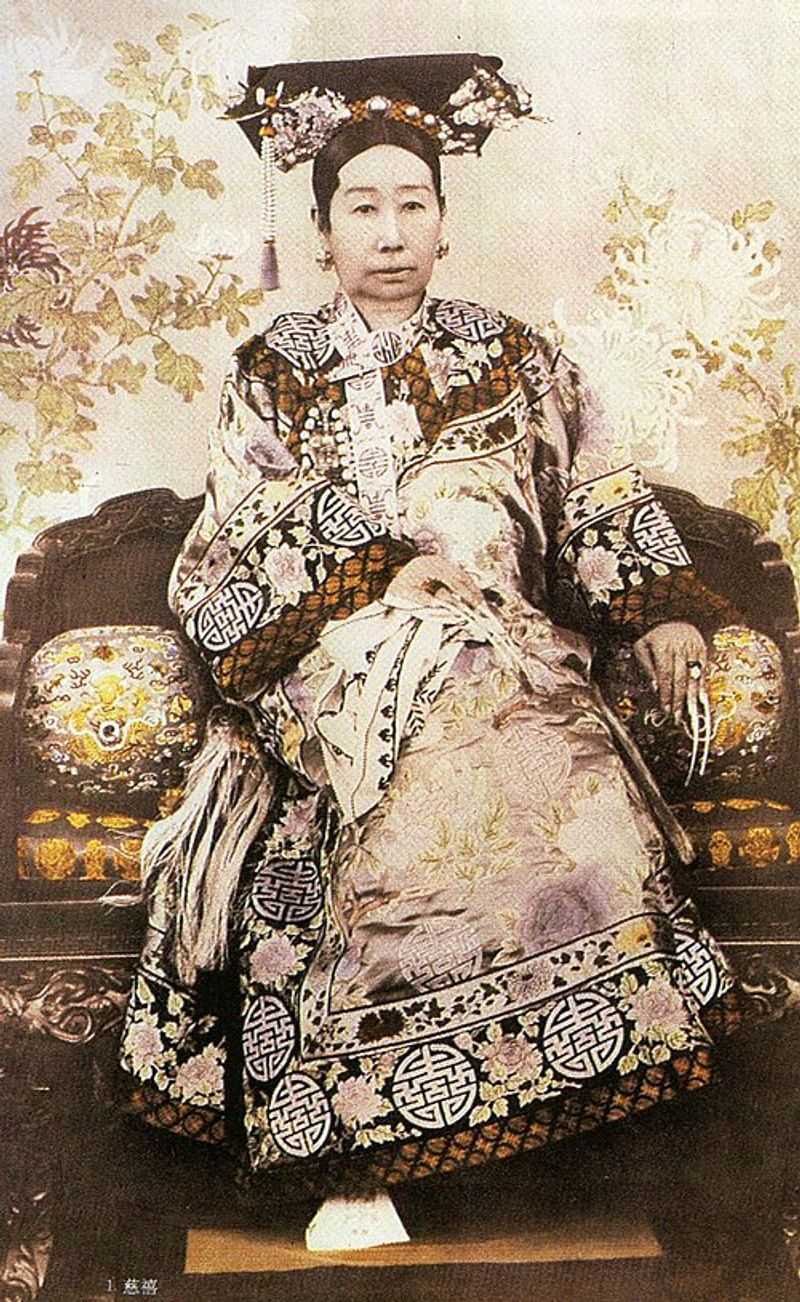
Power behind a screen can still run an empire, and Cixi demonstrated that for decades. Beginning as a lower ranking consort of the Xianfeng Emperor, she gained standing after bearing a son and then emerged as a central political figure after the emperor’s departure from power.
By the 1860s, she was effectively steering Qing politics through regencies, alliances, and disciplined court management.
Cixi helped sideline rivals, supported the Self-Strengthening movement at moments, and supervised major appointments during an era of domestic unrest and foreign pressure. Her image in Western writing long leaned toward caricature, presenting her as a reactionary obstacle to reform, but that portrait has been revised by historians who note a far more complex record.
She could be cautious, controlling, and deeply invested in imperial authority, yet she also worked within a system already under enormous strain.
Her notoriety comes from timing as much as temperament. Cixi ruled when the Qing court faced modernization, diplomacy, and legitimacy crises all at once, making every decision look larger and every hesitation more costly.
11. Isabella of France
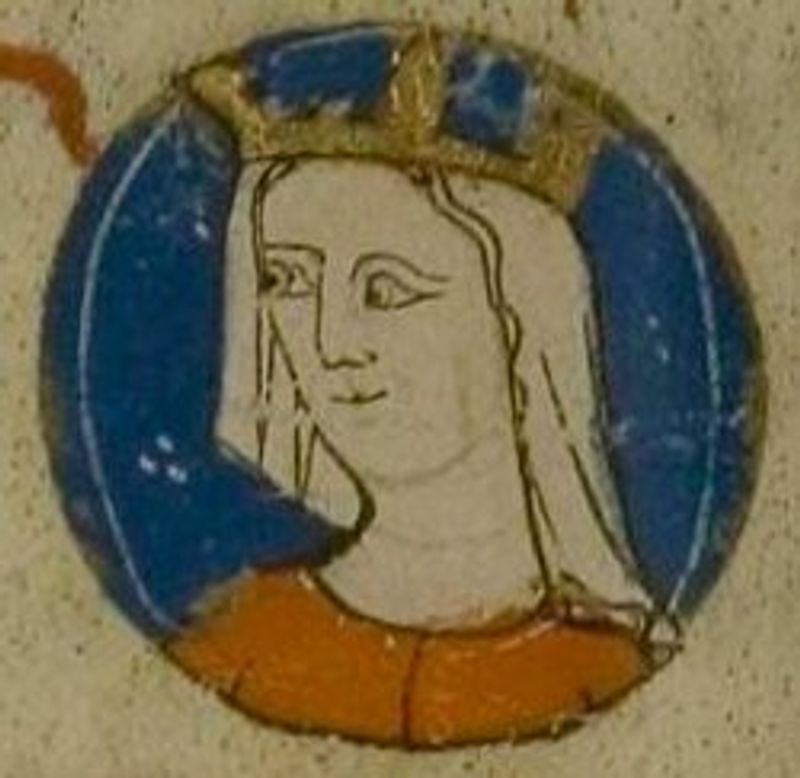
When a queen earns the nickname She-Wolf of France, you know the chroniclers were not aiming for moderation. Isabella married Edward II of England in 1308, entering a court unsettled by factional conflict and by the king’s intense favoritism toward a small circle of advisers.
Her position weakened as political resentment grew, but she did not remain a sidelined observer for long.
During a diplomatic mission to France, Isabella allied with Roger Mortimer and turned opposition into action. In 1326 they invaded England, Edward II was forced from rule, and Isabella governed as regent for her young son, Edward III.
The arrangement gave her immense short term authority, though it also invited criticism that mixed gender expectations, moral judgment, and anxiety about female political leadership.
Her later fall from influence does not diminish the scale of what she achieved. Isabella showed that a medieval queen could leverage family ties, foreign support, and domestic frustration into a full transfer of power, then briefly stand at the center of government herself.
12. Caroline of Brunswick
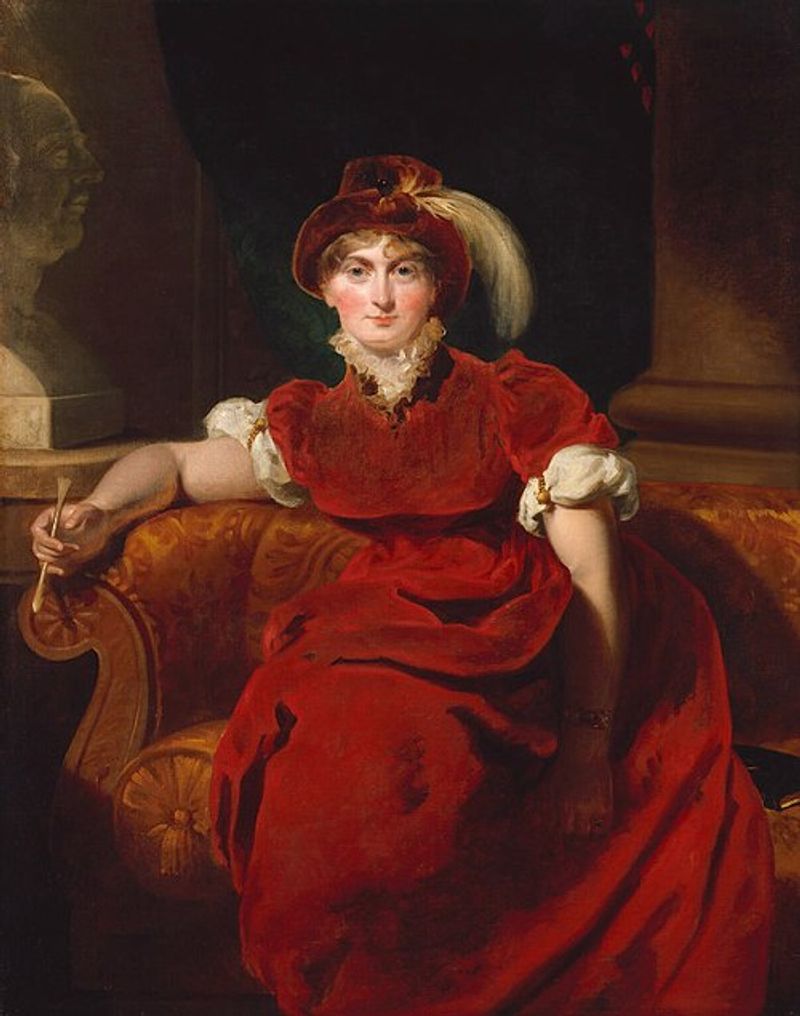
Some royal marriages fail quietly, and then there is Caroline of Brunswick. Her 1795 union with the future George IV was miserable almost immediately, burdened by mutual dislike, public insult, and the kind of personal incompatibility that usually belongs in private letters rather than national debate.
Instead, Britain got a long running constitutional soap opera with crowns attached.
After a brief period together, Caroline and George lived apart, while rumor and investigation followed her movements across Europe. Matters escalated in 1820 when George became king and attempted to dissolve the marriage and exclude Caroline from the coronation, prompting the notorious Pains and Penalties Bill.
Public sympathy swung strongly toward Caroline, not because she was universally admired, but because George appeared petty, extravagant, and determined to settle a domestic score through Parliament.
That public response is what makes her important. Caroline turned royal marital dysfunction into a national issue about legitimacy, gendered double standards, and the limits of monarchical image control in an age of expanding press culture.
13. Cleopatra
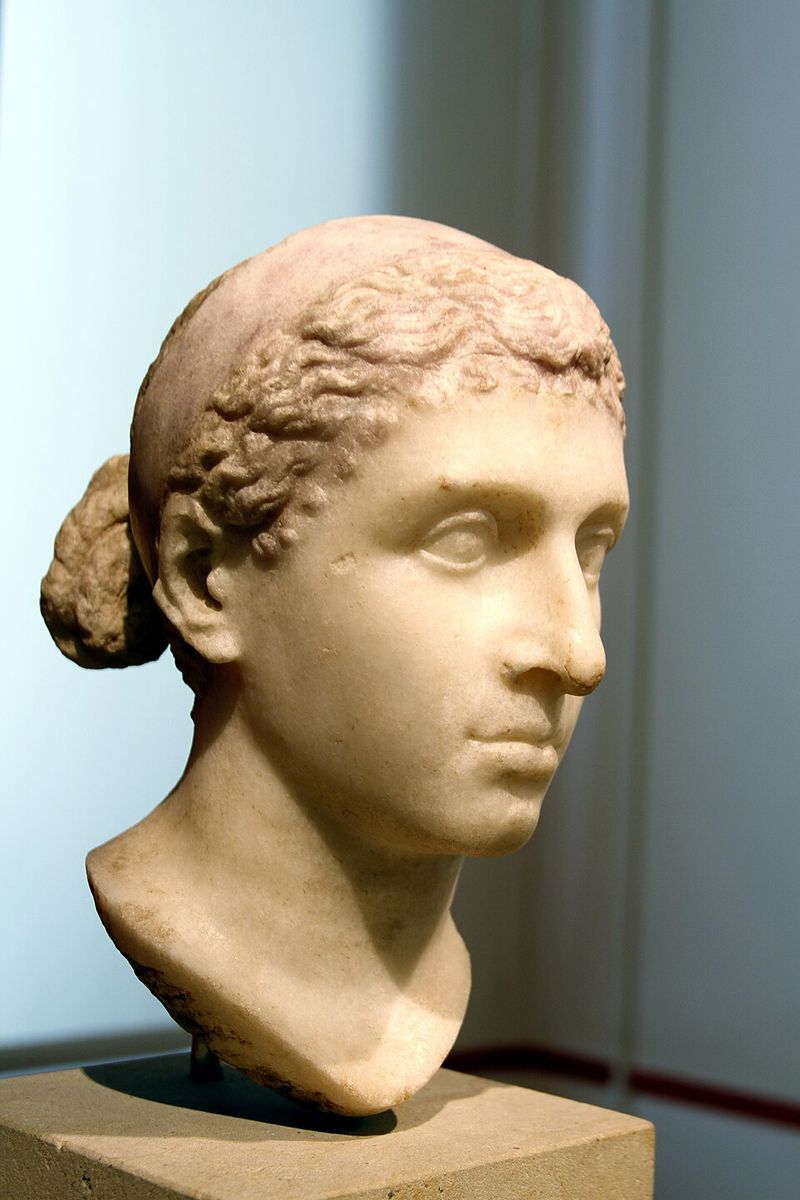
Few historical figures have been packaged by later culture as aggressively as Cleopatra. The last active ruler of the Ptolemaic kingdom of Egypt, she has often been reduced to romance, beauty, and spectacle, even though her real achievements were political, linguistic, and strategic.
She spoke multiple languages, managed a fragile kingdom, and understood Roman power better than many Romans did.
Her partnerships with Julius Caesar and later Mark Antony were not side plots to history but major political calculations in a Mediterranean world being reordered by civil war. With Antony, Cleopatra built an alliance that blended dynastic ambition, military planning, and regional administration, while Octavian’s propaganda worked tirelessly to portray her as a dangerous foreign temptress.
That smear campaign proved unusually durable, shaping how generations remembered her long after the actual policies were forgotten.
What makes Cleopatra so enduring is her command of image and statecraft under extraordinary pressure. She was a monarch navigating imperial expansion, and Rome’s eventual victory ensured that many surviving stories were written by the side most eager to diminish her.
14. Empress Joséphine
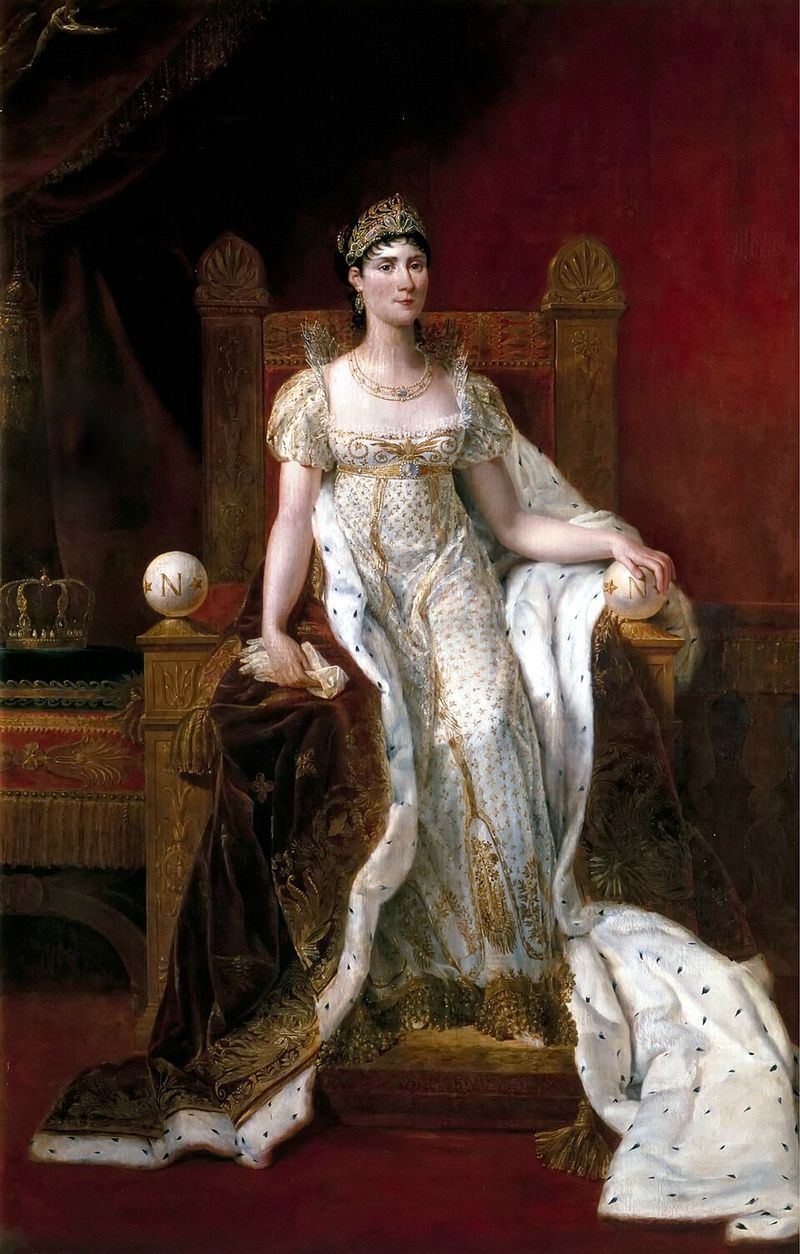
Before Napoleon crowned himself emperor, Joséphine had already mastered the art of surviving French political weather. Born Marie Josephe Rose Tascher de La Pagerie, she emerged from the turbulence of the Revolutionary era with strong social connections, polished manners, and a gift for making elite networks work in her favor.
When she married Napoleon Bonaparte in 1796, she gave the ambitious general more than affection and charm.
Joséphine helped shape the social image of the new regime, smoothing Napoleon’s rise by linking military power to fashionable legitimacy. As empress, she influenced taste in furniture, dress, gardens, and court ritual, while maintaining a salon culture that brought artists, officials, and visitors into orbit around the imperial household.
The marriage later faltered because she did not produce an heir, yet Napoleon retained real affection for her and preserved her status carefully after their divorce.
Her notoriety is quieter than some others on this list, but it matters. Joséphine shows how a wife could steady a new dynasty by making authority look refined, sociable, and convincingly established.
15. Wallis Simpson
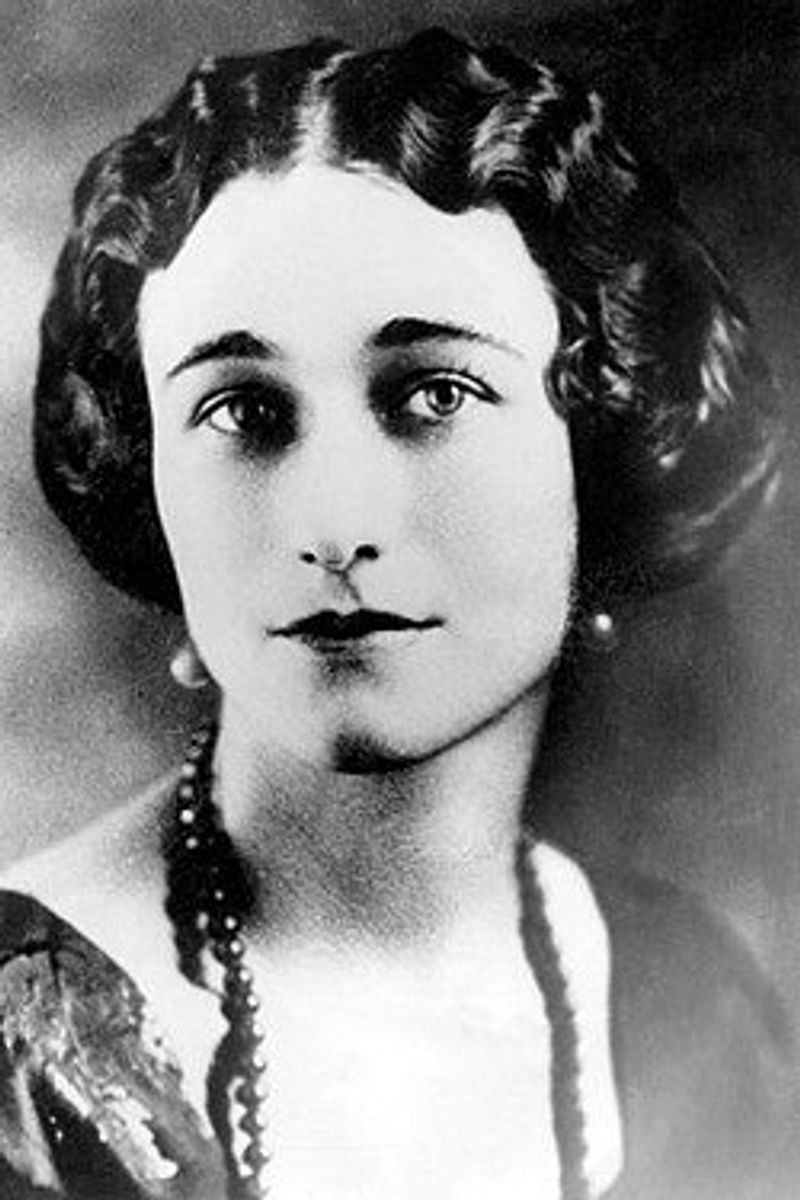
A divorce case became a constitutional crisis when Wallis Simpson entered royal history. The American socialite’s relationship with Edward VIII collided with expectations surrounding the British crown, the Church of England, and public morality in the 1930s, turning a private attachment into a national argument about duty and monarchy.
Newspapers outside Britain followed every development with relentless interest.
Edward insisted on marrying Wallis despite government resistance, and in December 1936 he chose abdication rather than the throne. The decision made him Duke of Windsor and left Wallis forever tied to one of the most dramatic shifts in modern British royal history.
She was portrayed by critics as a manipulator, by sympathizers as unfairly blamed, and by the palace as a problem that needed distance rather than accommodation.
What makes her infamous is not formal power but disruptive effect. Wallis Simpson exposed how fragile royal image management could be once modern media, personal choice, and constitutional limits collided in full public view.
16. Jiang Qing
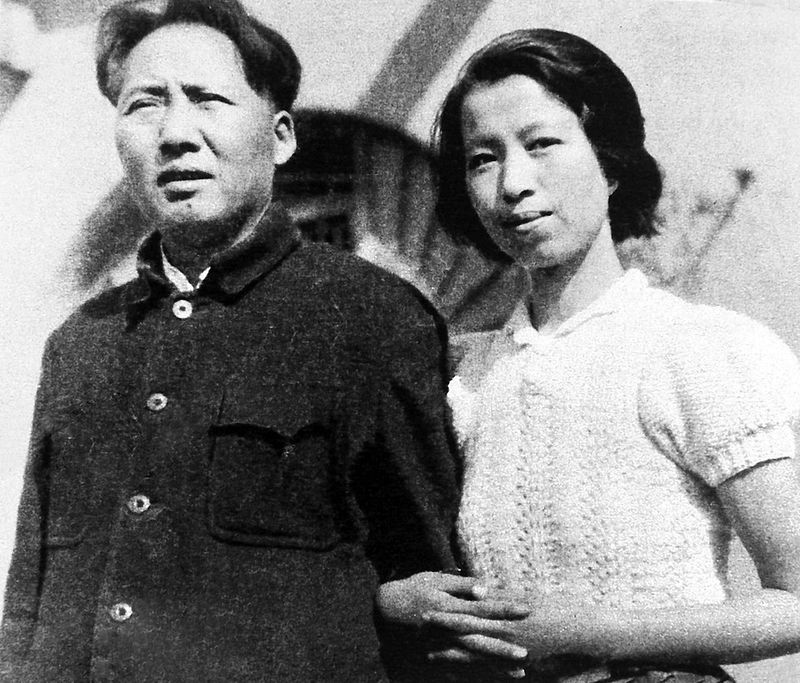
Revolutionary politics can turn cultural policy into a weapon, and Jiang Qing understood that thoroughly. Before marrying Mao Zedong, she had worked as an actress, a background that later proved useful when artistic production itself became politically charged.
By the 1960s, she had moved from the margins of leadership into a position of real influence during the Cultural Revolution.
Jiang Qing championed model operas, attacked established artistic traditions, and helped shape campaigns that redefined what books, plays, and performances were considered acceptable. As a member of the Gang of Four, she became associated with ideological rigidity and aggressive control over cultural life, making her one of the most controversial women in twentieth century China.
After Mao’s era ended, official narratives cast her as a central symbol of excess and blame, though responsibility for that period was far broader than one person.
Her notoriety rests on power exercised through culture. Jiang Qing showed how a political spouse could influence an entire nation’s artistic language, public memory, and boundaries of expression.
Share this story