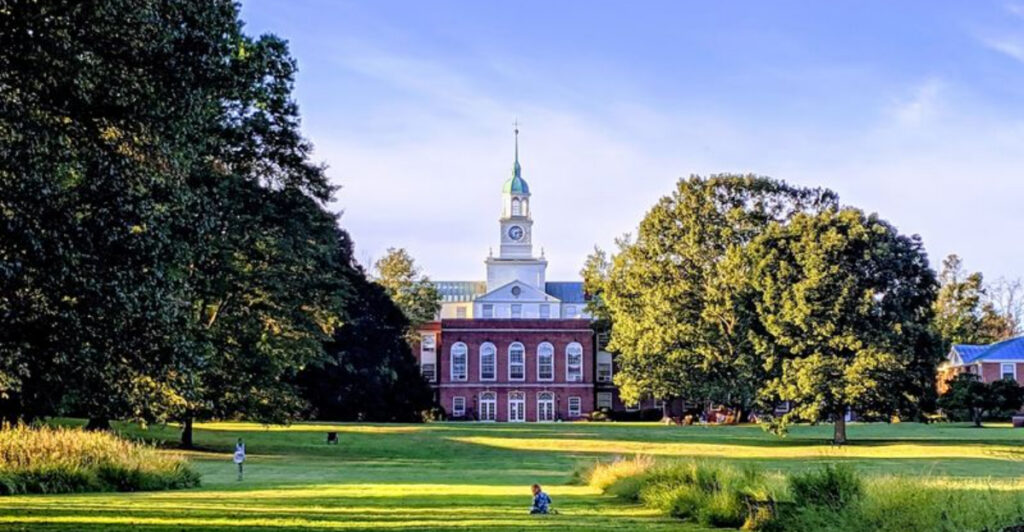
Princeton, New Jersey is the kind of town that makes you feel like you stumbled into a movie set where everyone looks like they have somewhere important to be. The tree-lined streets, the grand university buildings, and the quiet canal paths all come together in a way that is hard to find anywhere else in the Northeast.
One day here can pack in Revolutionary War history, world-class art, quirky antique finds, and a stroll along the Delaware and Raritan Canal without ever feeling rushed. This is not a place where you check off boxes on a tourist list.
Princeton rewards the curious, the unhurried, and the people who like their day trips to come with a little intellectual energy and a lot of charm.
Princeton University Campus
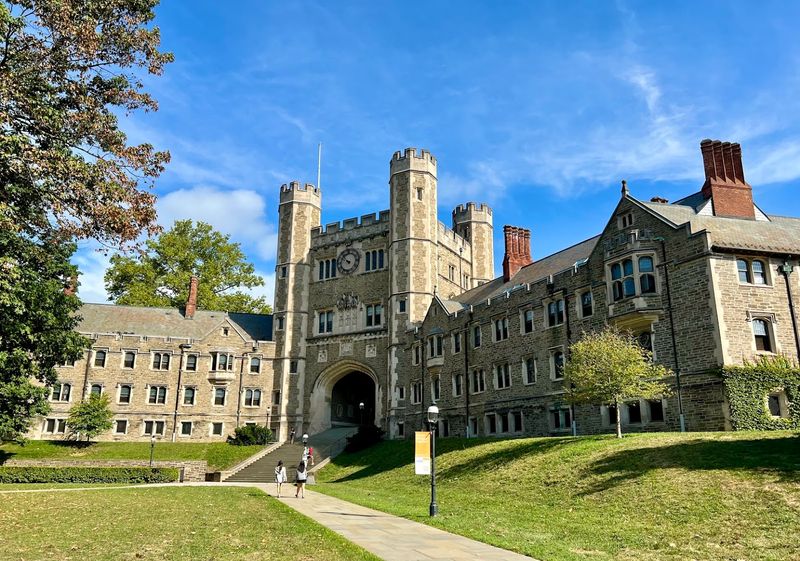
Few university campuses in the United States carry as much visual weight and historical gravity as this one. Princeton University sits at the heart of Princeton, New Jersey, at Nassau Street, Princeton, NJ 08544, and its grounds are open to the public, making it one of the most accessible Ivy League campuses in the country.
The Collegiate Gothic architecture sets a tone that feels both serious and timeless. Nassau Hall, built in 1756, served briefly as the capital of the United States and is one of the oldest academic buildings in the country.
Free guided tours are available through the university, and self-guided walks are just as rewarding. The campus stretches across hundreds of acres, with sculptures, gardens, and open quads tucked between buildings.
Whether classes are in session or not, the energy here is unmistakably alive and worth every step of the walk.
Princeton University Art Museum
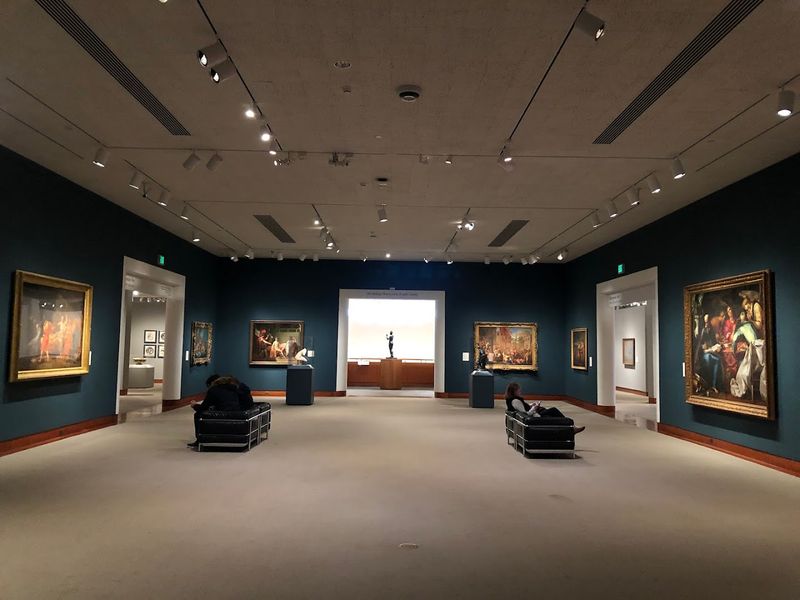
Not every art museum can claim a collection that spans five thousand years of human creativity, but this one absolutely can. The Princeton University Art Museum holds more than 115,000 works, covering ancient Mediterranean art, European masters, Asian antiquities, and contemporary American pieces all under one roof.
Admission is free, which makes it one of the most generous cultural offerings in the state. The museum recently underwent a major expansion and renovation, adding new gallery space and a striking new entrance that has drawn attention from architecture enthusiasts as well.
The collection includes works by Monet, Warhol, and Picasso alongside ancient Roman sculptures and African ceremonial objects. Rotating exhibitions mean that repeat visits always offer something new.
For anyone spending a day in Princeton, this museum is not a side trip. It is a destination that can hold your attention for hours without any effort at all.
Morven Museum and Garden
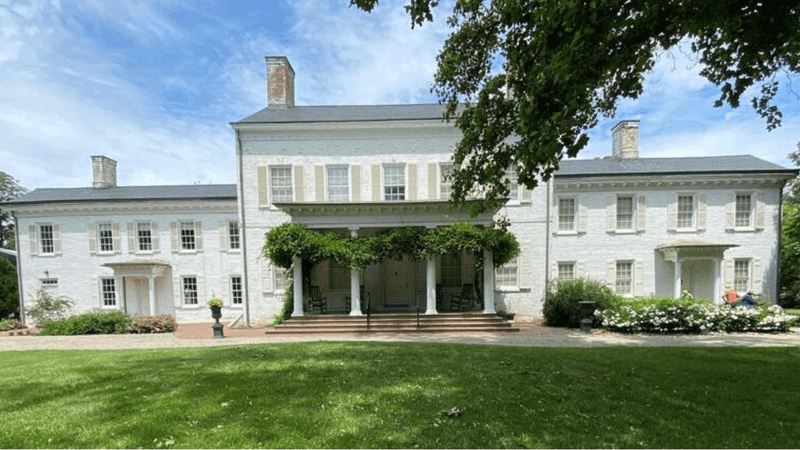
There is something quietly compelling about a house that has survived more than 250 years of American history and still stands with such composure. Morven Museum and Garden, located at 55 Stockton Street in Princeton, is an 18th-century mansion that once served as the official residence of New Jersey governors and is now open to the public as a museum.
The house is furnished with period pieces that reflect life in colonial and early American times, and the surrounding formal gardens are maintained with care throughout the seasons. The exhibitions inside focus on New Jersey history, decorative arts, and the lives of the families who called this estate home across the centuries.
Guided tours bring the stories of the mansion to life in ways that a simple walk-through cannot. The garden alone is worth the visit, offering a quiet and well-kept outdoor space that feels removed from the pace of the town just outside its gates.
Princeton Battlefield State Park
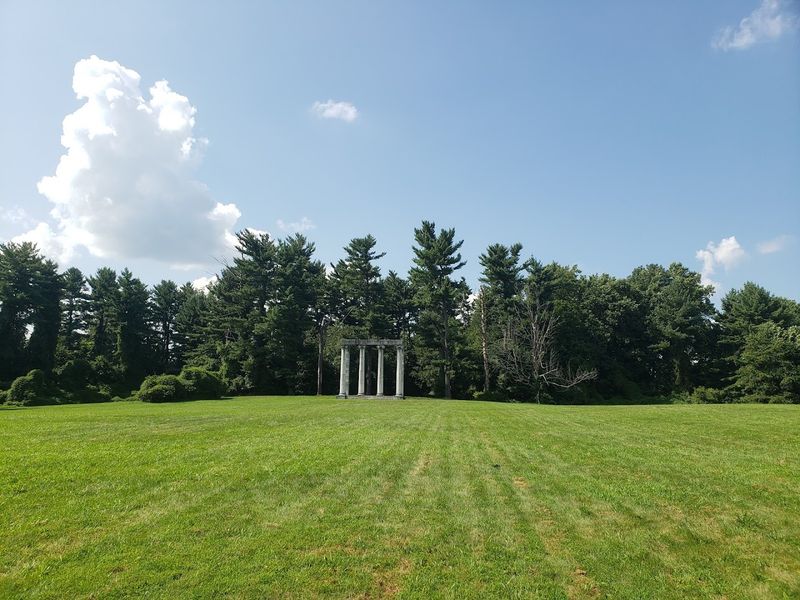
On January 3, 1777, a small but decisive battle took place on the fields that are now preserved as Princeton Battlefield State Park. General George Washington led American forces to a surprising victory here, and the site remains one of the most significant Revolutionary War landmarks in New Jersey.
The park is located on Mercer Road in Princeton and offers open green fields where visitors can walk the same ground where the battle unfolded. The Clarke House Museum, a colonial-era farmhouse on the property, exhibits historic weapons, artifacts, and period furnishings that help tell the story of the battle and the era.
Admission to the park is free, and informational markers throughout the grounds provide context without requiring a guided tour. The combination of open space and historical depth makes this a stop that appeals to history enthusiasts and families looking for an outdoor experience with real educational substance behind it.
Nassau Street Antique Shops
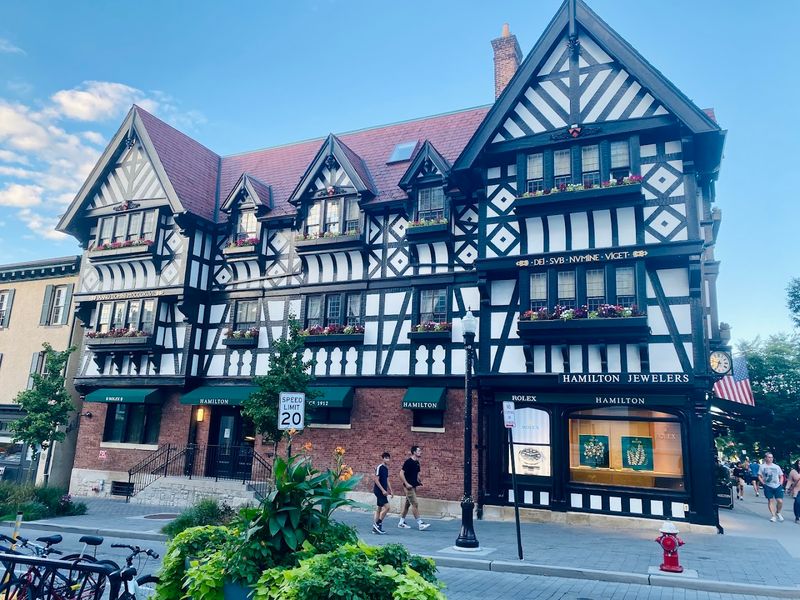
Nassau Street is the main commercial artery of Princeton, and tucked between cafes and bookstores are some genuinely rewarding antique and vintage shops that attract collectors from across the region. The finds range from mid-century furniture and vintage maps to old books, jewelry, and decorative objects that carry real history.
Browsing here does not feel like a chore. The shops are well-organized and the owners tend to be knowledgeable, making conversations about a particular piece feel like a short history lesson rather than a sales pitch.
Princeton Antiques and other shops along the street draw a mix of serious collectors and casual browsers, and the atmosphere is relaxed enough that there is no pressure to buy. The variety is broad, and the quality is generally high compared to typical flea market finds.
A few hours on Nassau Street can turn up something unexpected, and that element of surprise is half the fun of the whole experience.
Delaware and Raritan Canal State Park
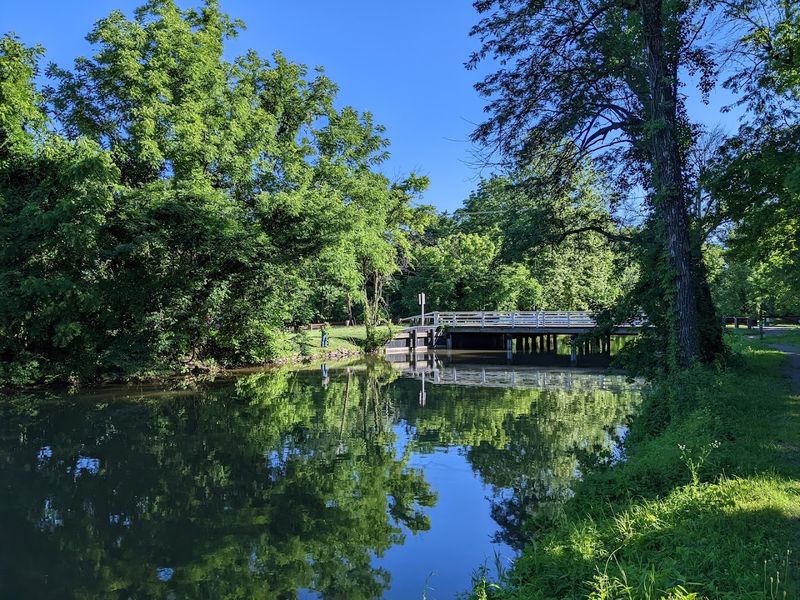
Running alongside the edge of Princeton and stretching across much of central New Jersey, the Delaware and Raritan Canal State Park offers one of the most accessible and rewarding outdoor experiences in the region. The flat towpath that lines the canal is ideal for walking, jogging, and cycling, and the calm water beside the path reflects the trees above it in a way that makes the whole route feel peaceful.
The canal dates back to the 1830s, when it was built to transport goods between the Delaware River and New Brunswick. Today it functions as both a recreational trail and a historic landmark, and the combination makes it more interesting than a typical park path.
Entry is free and the trail is open year-round. The Princeton section connects easily to the town center, making it possible to walk from campus to the canal without needing a car.
It is the kind of outdoor detour that improves any day in Princeton significantly.
Drumthwacket, the New Jersey Governor’s Residence
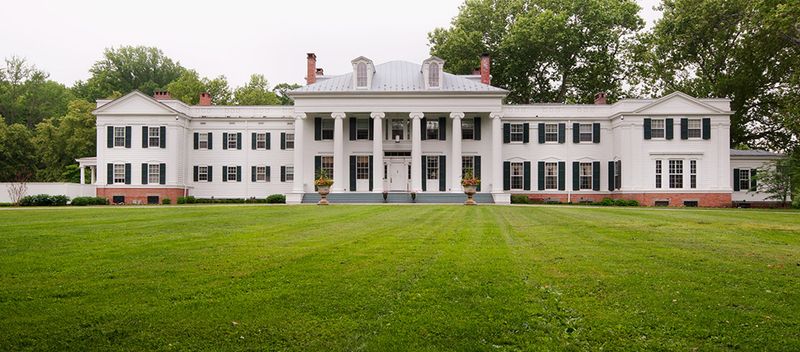
Most people driving past the New Jersey Governor’s official residence on Stockton Street do not realize what they are looking at. Drumthwacket is a handsome historic estate that has served as the ceremonial home of New Jersey governors since 1981, and it sits just a short walk from the center of Princeton.
The building itself dates back to 1835, and the grounds have been carefully maintained to reflect the property’s long history. The residence is occasionally open for public tours during special events and certain open-house periods, offering a rare chance to see the interior of an active official residence.
Even without going inside, the exterior and grounds are worth a look during a walk through this part of Princeton. The estate reflects the kind of quiet institutional dignity that Princeton as a whole projects, and it adds another layer to the town’s already layered identity as a place where history and present-day life coexist without much friction.
Princeton Public Library
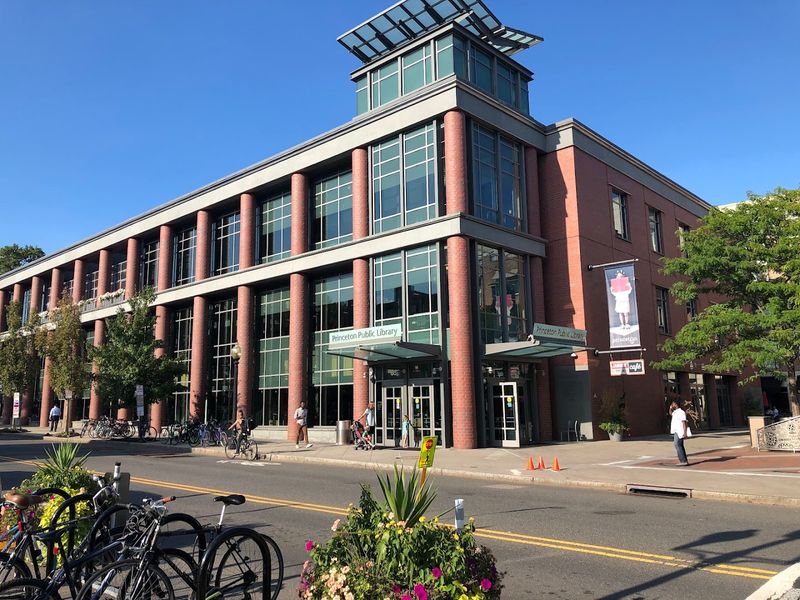
A public library might not top most travel itineraries, but Princeton’s is worth a mention because it reflects so much of what the town values. The Princeton Public Library, located at 65 Witherspoon Street, is a modern building that serves as a genuine community hub, hosting lectures, art exhibitions, film screenings, and public programs on a regular basis.
The building was renovated and expanded in 2004 and features large open reading areas, a dedicated children’s section, and a local history collection that is useful for anyone curious about the town’s past. The calendar of events is consistently interesting, with authors, scholars, and artists appearing throughout the year.
Even on a day trip, stopping in to check the bulletin board or browse the local history section can add real depth to a Princeton visit. The library feels like a place where the intellectual energy of the university has spilled naturally into the broader community, and that makes it worth a few minutes of anyone’s time.
Landau’s and Palmer Square Shopping
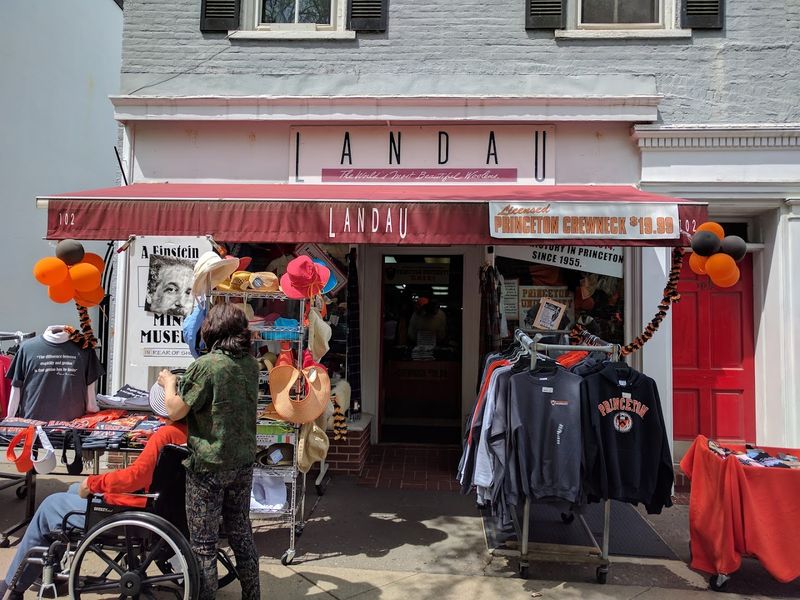
Palmer Square is the retail and dining hub at the center of Princeton, and it has been a gathering point for the town since it was developed in the 1930s. The square features a mix of independent boutiques, national retailers, and restaurants arranged around a central plaza that feels genuinely walkable and well-designed.
Landau’s, one of the anchor stores in the area, has been a Princeton institution for decades, offering clothing and accessories that lean toward the classic and collegiate. The broader square includes everything from kitchen supply shops to jewelry stores and home goods boutiques.
On weekends the square fills up with a mix of students, locals, and day-trippers, giving it an energy that feels organic rather than manufactured. The architecture around the square echoes the colonial revival style found elsewhere in Princeton, creating a visual consistency that makes the whole area feel cohesive.
It is a good place to end a day of exploring before heading back to the car.
Labyrinth Books

An independent bookstore that has served Princeton’s intellectual community for years, Labyrinth Books on Nassau Street is the kind of shop that makes you want to cancel your afternoon plans and just stay. The shelves are stocked with an unusually strong selection of academic titles, literary fiction, history, philosophy, and science, reflecting the university community that surrounds it.
The staff recommendations are reliable, and the store regularly hosts author events and readings that draw crowds from well beyond the Princeton area. The layout is compact but well-organized, and the browsing experience rewards patience.
For book lovers, this is one of those rare shops where the curation feels intentional rather than accidental. The children’s section is equally strong, making it a stop that works for families as well as solo readers.
Picking up a book here and reading it later while thinking about the town where it was purchased is a small but satisfying way to extend a Princeton day trip long after you have left.
Institute for Advanced Study Grounds
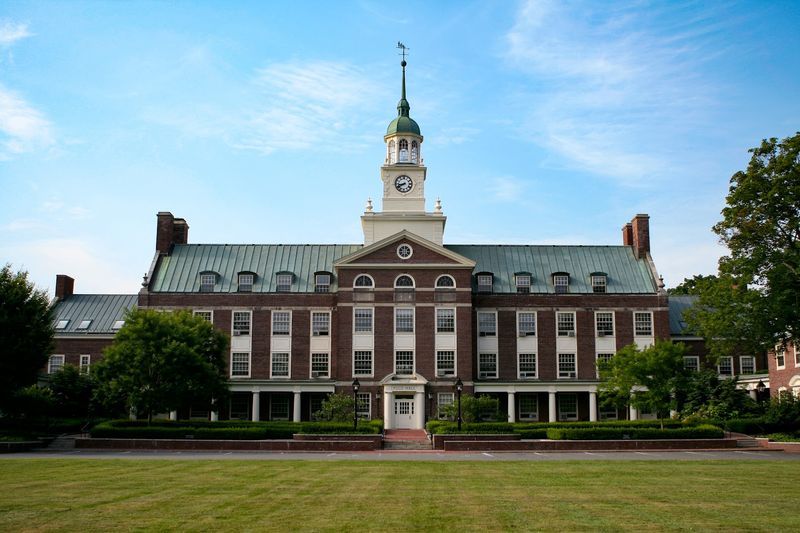
Albert Einstein spent the last two decades of his life working at the Institute for Advanced Study in Princeton, and the grounds where he walked and thought are still there, largely unchanged and open to the public. The Institute, located at 1 Einstein Drive, is a private research institution that has hosted some of the most significant minds in mathematics, physics, and the humanities since its founding in 1930.
The wooded trails around the Institute are accessible to the public and offer a quiet, tree-lined walk that is genuinely unlike anything else in the Princeton area. The main building is not open for general tours, but the setting itself carries a certain weight that is hard to explain and easy to appreciate.
Combining a walk through the Institute grounds with a visit to the nearby Institute Woods, a 589-acre nature preserve, makes for one of the more distinctive outdoor experiences available in central New Jersey without driving more than a few minutes from the town center.
Institute Woods Nature Preserve
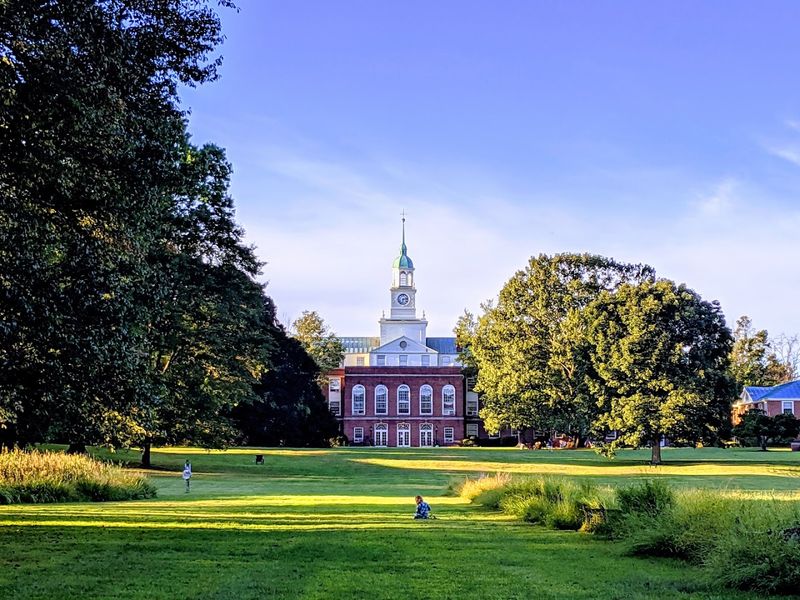
Just beyond the edge of the Institute for Advanced Study lies one of the most underrated natural spaces in central New Jersey. The Institute Woods is a 589-acre forest and wetland preserve that has been largely undisturbed for decades, making it a reliable destination for birdwatchers and anyone who wants a proper walk in the woods without leaving the Princeton area.
The trails wind through a mix of upland forest, floodplain, and open meadow, and the variety of habitats means that wildlife sightings are common throughout the year. Birders in particular find the preserve rewarding, as it sits along a migration corridor that brings a wide range of species through during spring and fall.
There is no admission fee and no formal visitor center, which keeps the experience simple and direct. The trails are well-marked and easy to follow.
For a day trip that wants to balance culture and nature, the Institute Woods provides a natural counterpoint to the campus and museums just a short drive away.
Princeton Cemetery
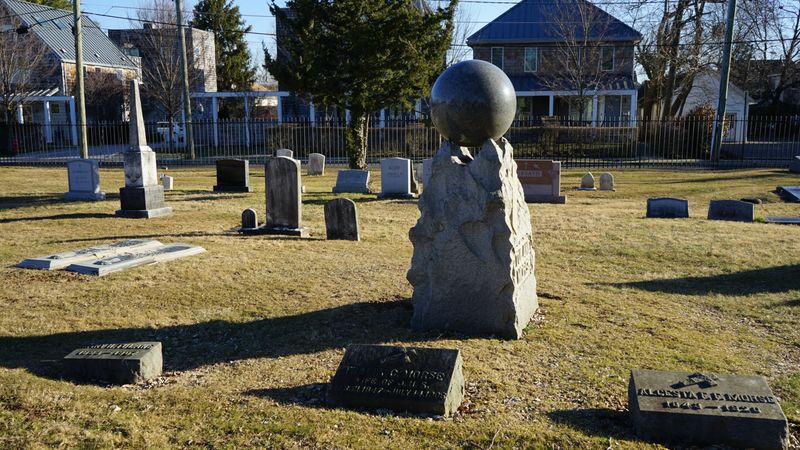
Princeton Cemetery on Wiggins Street is one of the oldest and most historically significant burial grounds in New Jersey, and it is far more interesting than the average visitor might expect. The cemetery dates back to 1757 and contains the graves of Aaron Burr Sr., Aaron Burr Jr., and Grover Cleveland, the only U.S. president buried in New Jersey.
The grounds are well-maintained and open to the public, and walking through the older sections offers a tangible connection to the town’s long history. Many of the early Princeton University presidents are buried here as well, and the variety of monument styles across different eras makes the cemetery a quiet lesson in American memorial art.
It is a reflective and historically rich stop that fits naturally into a day that already includes the university campus and the battlefield park nearby. The cemetery is free to visit and is located close enough to Nassau Street that it requires only a short detour from the main town center.
Small World Coffee
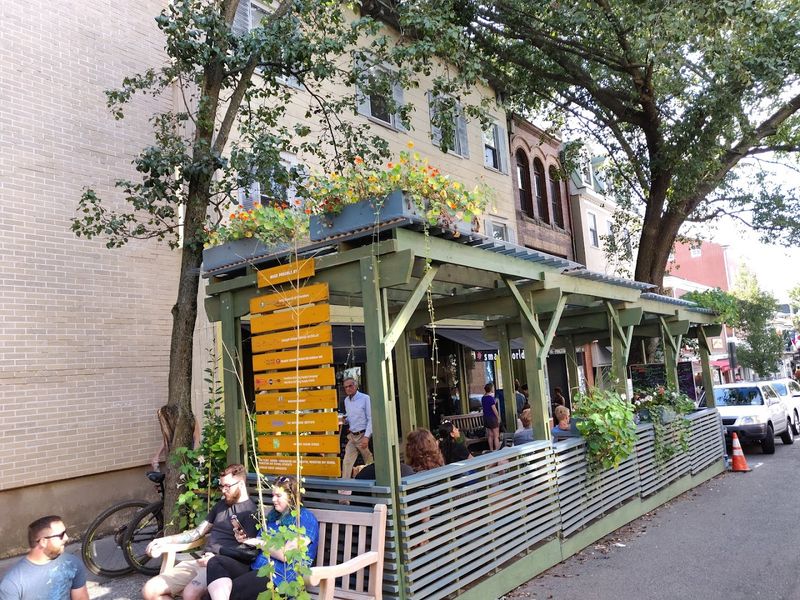
Princeton has no shortage of places to sit down and recharge during a full day of exploring, but Small World Coffee on Witherspoon Street has maintained a reputation as the local favorite for good reason. This independent coffee shop has been part of the Princeton community since 1993 and has built a loyal following among students, faculty, and town residents alike.
The coffee program is serious, with a focus on quality sourcing and preparation that goes well beyond what a casual cafe typically offers. The pastries and light food items are made fresh and pair well with the coffee selection.
The space is compact and tends to fill up quickly on weekends, but the energy is convivial rather than chaotic. Grabbing a coffee here and taking it outside to a nearby bench or campus path is one of the more enjoyable ways to pause during a Princeton day trip.
It is a small place with a lot of character, and that combination is harder to find than it sounds.
Share this story