New Jersey has a lot going for it, but few places pack as much curiosity-fueling energy into one building as this massive science hub sitting right across from the Manhattan skyline. With four floors, twelve galleries, a planetarium, a 3D theater, live animals, and hands-on exhibits that cover everything from dinosaurs to deep space, this place is genuinely hard to wrap your head around until you are standing inside it.
Families drive from hours away to spend a full day here, and many still leave feeling like they missed something. Whether you are a parent looking for a worthwhile outing or just someone who finds science genuinely fascinating, this destination in Jersey City delivers on every level.
Keep reading to find out what makes it one of the most talked-about science centers on the East Coast.
Where It All Starts: Address and Location
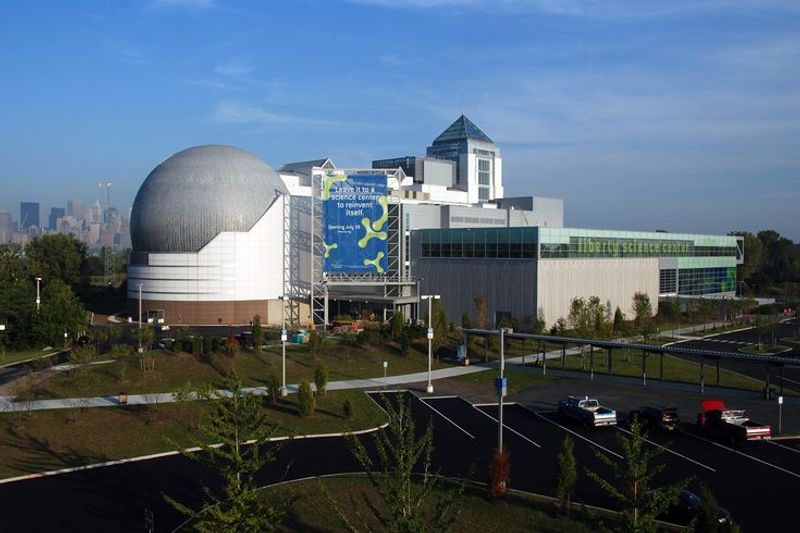
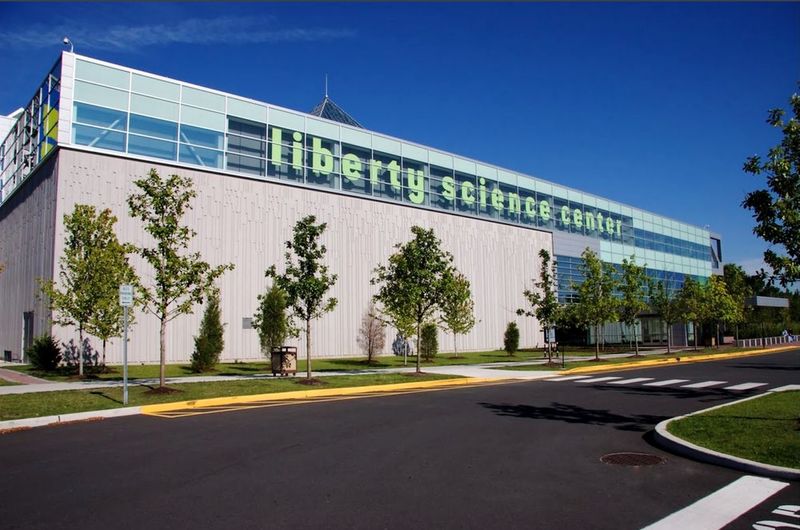
Liberty Science Center sits at 222 Jersey City Blvd #284, Jersey City, NJ 07305, right inside Liberty State Park. The location alone is worth mentioning because the park surrounds the building with open green space and offers clear views of the Statue of Liberty and the Lower Manhattan skyline.
Getting there is straightforward whether you drive or take public transit. Parking on-site costs around $7, and there is plenty of it close to the entrance.
Wristbands are given at the door, which allows guests to step outside for fresh air or a car lunch and re-enter without paying again.
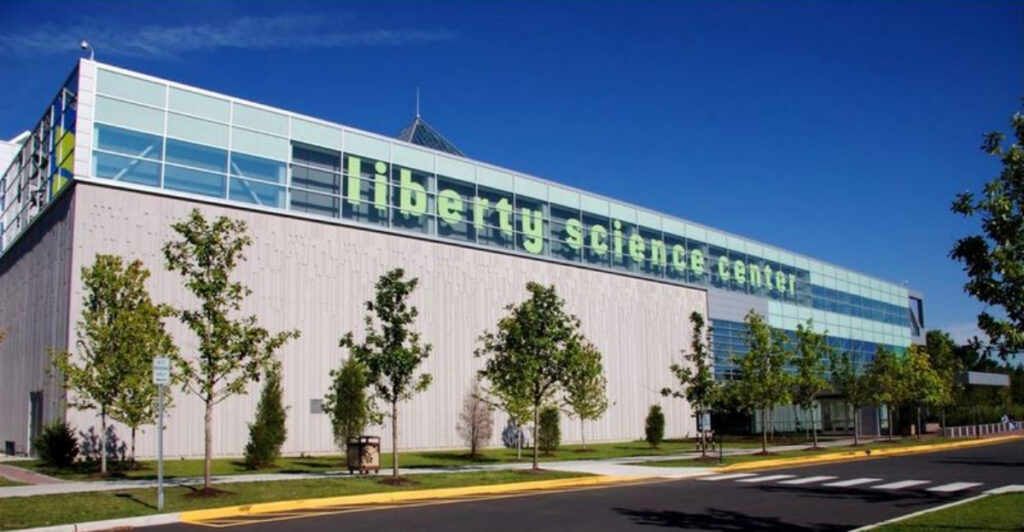
The building itself is large and modern, easy to spot from the main road. Security screening happens at the entrance, so arriving a few minutes early helps avoid delays.
Planning the visit around a weekday or non-peak morning generally means shorter lines and a more relaxed experience overall.
Four Floors of Pure Discovery
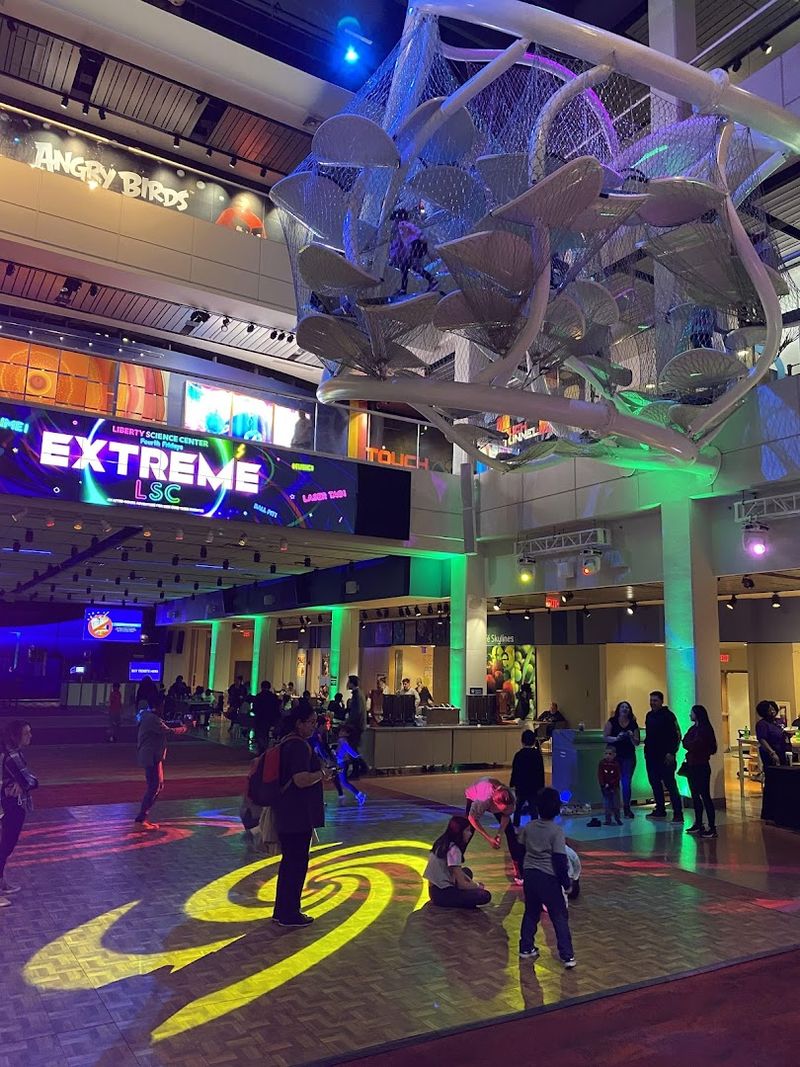
The scale of Liberty Science Center is one of the first things that catches people off guard. Four full floors house twelve galleries, and each one covers a completely different area of science.
From earth and space to health, technology, and the natural world, the building is essentially a different universe on every level.
Most families report spending between three and five hours inside without covering everything. The layout is open and easy to navigate, with elevators available for strollers and guests with mobility needs.
Carriages are welcome in certain areas, though designated parking spots for them are clearly marked.
Each floor has its own character, which keeps the experience from feeling repetitive. One level might focus on living creatures and ecosystems while another zeroes in on physics and engineering challenges.
Bathrooms are available on every floor, which is a small but genuinely appreciated detail when you are spending a full day exploring with kids in tow.
Hands-On Exhibits That Actually Teach Something
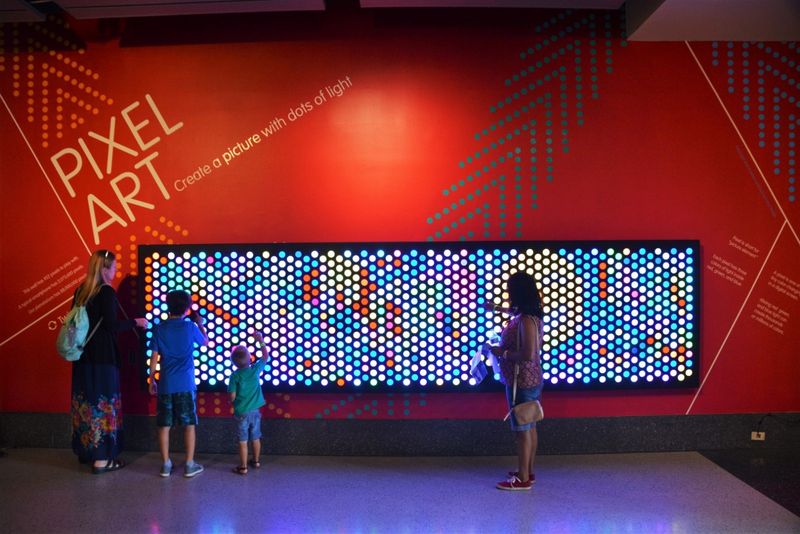
The hands-on approach at Liberty Science Center is what separates it from a standard museum experience. Rather than reading text panels from a distance, guests get to touch, build, test, and experiment throughout the galleries.
This format makes the science feel relevant and accessible rather than academic and distant.
Air pressure tubes, engineering challenges, and biology displays are scattered across the floors, each designed to prompt real thinking. The exhibits work for a wide range of ages, though younger children tend to gravitate toward the more physical, tactile activities.
Some interactive stations do have height or age requirements, so checking details in advance helps set expectations.
A few stations require a small additional fee to activate, such as a wind experience tube that runs for a couple of dollars per use. While that can feel like a surprise cost, the majority of what is included in the general admission ticket offers substantial hands-on content that keeps curiosity running at full speed.
The Planetarium Experience

The planetarium at Liberty Science Center is consistently one of the most talked-about features in the building. The dome theater uses high-quality projection technology to take audiences on visual journeys through space, covering topics like black holes, distant galaxies, and the mechanics of our own solar system.
Shows run for roughly 25 to 30 minutes, and the seats are described as comfortable with plenty of room between rows. The narration is designed to work for both kids and adults, making it one of the few attractions inside the center that genuinely holds the attention of every age group equally well.
The planetarium does carry an additional ticket cost on top of general admission, which some guests find frustrating. That said, most people who attend the show leave considering it worth every cent.
No food or drinks are allowed inside the theater, and using the restroom before the show starts is strongly recommended since the lights go down for the full duration.
SUE: The T. Rex Experience
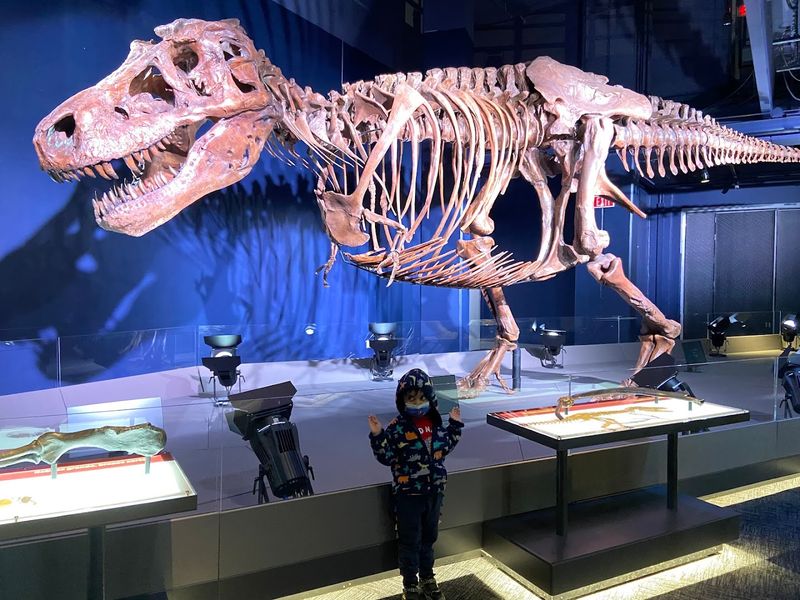
SUE: The T. Rex Experience is one of the centerpiece attractions at Liberty Science Center and draws an enormous amount of attention from guests of all ages.
SUE is known as one of the most complete and well-preserved Tyrannosaurus rex skeletons ever found, and the exhibit built around the fossil replica here is both educational and visually striking.
The experience works surprisingly well for toddlers and young children, who tend to react with wide-eyed fascination rather than fear. Older kids and adults get a lot from the scientific context provided throughout the exhibit, which covers paleontology, fossil discovery, and what life looked like during the Cretaceous period.
This attraction does come with a separate admission fee on top of the general entry price. Bank of America clients may qualify for free general admission tickets on the first weekend of each month, which can help offset some of the additional costs for premium exhibits like this one.
Live Animals and Reptile Habitats

One section of Liberty Science Center moves away from machines and screens entirely and into the living world. The center houses live animals including cotton-top tamarins, naked mole rats, and various reptile species, each presented with educational context about their role in their natural ecosystems.
The reptile displays explain how different species fit into their environments and why they matter for biodiversity. Staff members who work in these areas are knowledgeable and tend to be genuinely enthusiastic about answering questions, which makes the experience feel more like a conversation than a lecture.
Younger children respond especially well to this part of the center, where the animals provide a natural anchor point for curiosity. Seeing a real cotton-top tamarin or a naked mole rat up close tends to leave a stronger impression than any digital display could.
The animal section adds a layer of biological science to the experience that balances out the more technology-heavy exhibits found on other floors.
Areas Designed for the Youngest Visitors
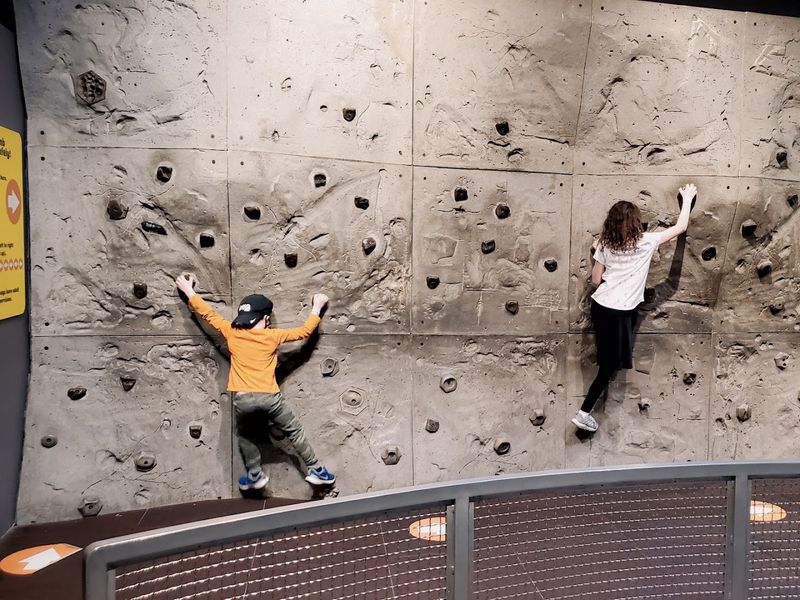
Liberty Science Center puts real thought into what the youngest visitors experience. Dedicated areas designed specifically for children under three and children under five are clearly marked and physically separated from the louder, more crowded gallery spaces.
This makes navigating the building with a toddler much less stressful than it might otherwise be.
The Daniel Tiger’s Neighborhood exhibit has been a consistent favorite among families with young children. The interactive setup is scaled perfectly for toddlers, with activities that match their developmental stage rather than watering down content meant for older kids.
Parents report that children light up the moment they recognize the familiar characters and setting.
A baby area with dedicated activities provides a calm space for the smallest guests while older siblings explore nearby. The thoughtful age-based organization across the building means that families with children of different ages can move between sections without anyone feeling left out or overwhelmed.
It is one of the more practical design choices in the entire center.
Tips for Planning Your Visit
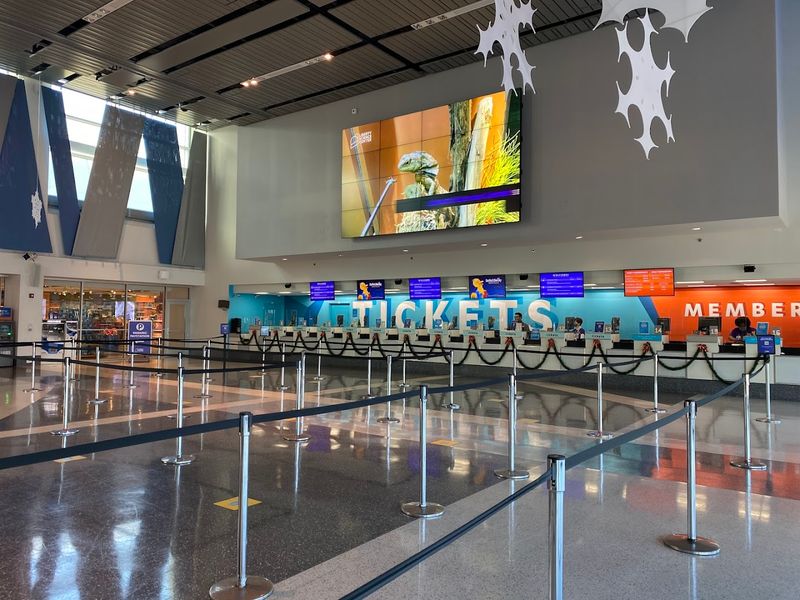
A few practical details can make the difference between a smooth day and a frustrating one at Liberty Science Center. Booking tickets online in advance is strongly recommended, especially for weekend visits when the building fills up quickly with school groups and families.
Arriving early in the morning helps beat the crowds and gives more time with popular exhibits before lines build up.
Security screening takes place at the entrance, which can add time to the entry process. Guests who leave the building and want to return should hold onto their wristbands, but keep in mind that re-entry requires going through security again.
Leaving and returning is generally not recommended unless necessary.
The on-site food court handles lunch for most visitors, though some families bring food and eat in their cars during a mid-day break. Parking costs around $7 and is conveniently located close to the main entrance.
Planning the day around a non-peak weekday visit tends to result in shorter waits and easier access to the most popular exhibits.
What Adults Get Out of the Experience
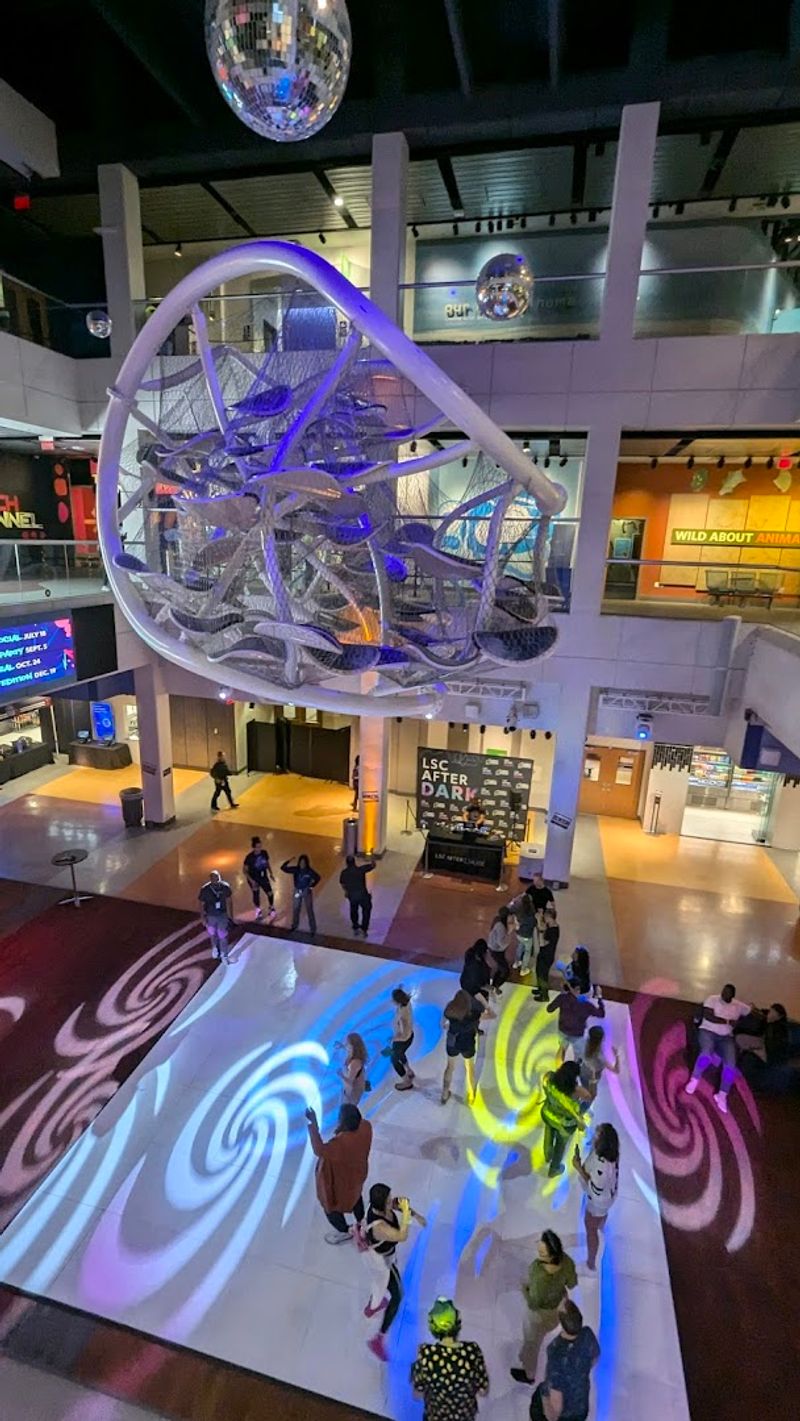
Liberty Science Center is primarily marketed to families with children, but adults without kids in tow can find plenty to engage with as well. The planetarium shows are designed to hold adult attention just as effectively as they do for younger audiences, and the Titanic exhibition offers enough historical depth to satisfy genuinely curious adults.
The science content across the galleries covers topics like physics, engineering, biology, and space exploration at varying levels of complexity. Some exhibits lean heavily toward elementary-age learners, while others offer enough nuance to keep adults thinking.
A 99-year-old World War II veteran who visited reportedly enjoyed the experience just as much as the younger guests around him, which says something about the range the center manages to cover.
Adults visiting without children may find the noisier, more crowded areas of the building less appealing, particularly during peak school trip hours. Choosing a quieter time of day or visiting on a non-peak weekday makes the adult experience considerably more relaxed and rewarding.
A Legacy Worth Revisiting
Liberty Science Center has been part of New Jersey’s cultural landscape since 1993, and it has evolved considerably since its early years. Families who visited as children in the 1990s now bring their own kids, and the center they find today is a more expansive, more technologically current version of what once made it the coolest building in the state.
Memberships are available for families who want to return multiple times throughout the year, and reciprocal membership programs with other children’s museums across the country can provide discounted or free entry. Bank of America clients get free general admission tickets on the first weekend of every month, which is a benefit worth knowing about before purchasing tickets at full price.
The center keeps rotating and traveling exhibitions moving through the building, which means repeat visits often reveal something new. For a place that has been around for over three decades, Liberty Science Center manages to stay relevant, ambitious, and genuinely worth the trip every single time.
Share this story