Spain is one of those countries that seems to have it all — incredible food, passionate culture, stunning landscapes, and a history that goes back thousands of years. From the beaches of the Mediterranean coast to the buzzing streets of Madrid and Barcelona, there is always something surprising around the corner.
Whether you know Spain for its football legends, its mouthwatering cuisine, or its wild festivals, one thing is certain: this country leaves a lasting impression. Get ready to explore what makes Spain one of the most beloved and recognized nations on the planet.
Flamenco Music and Dance
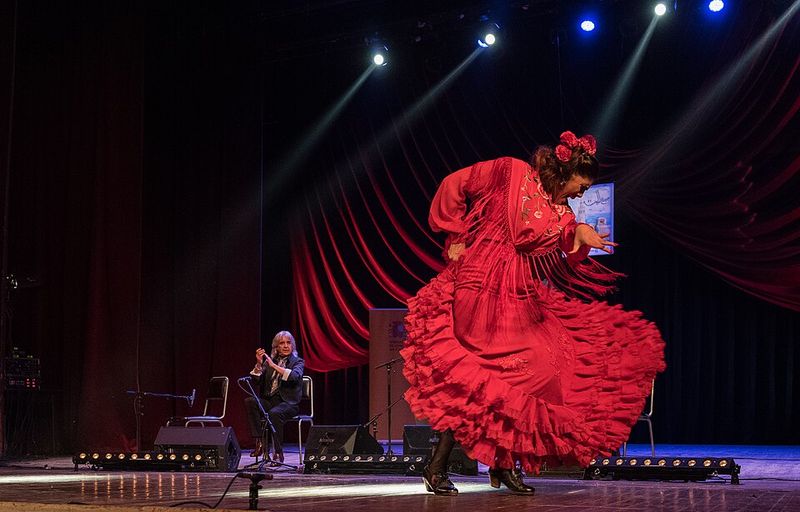
Close your eyes and imagine the sharp crack of heels on a wooden floor, a guitar wailing with emotion, and a dancer moving like a storm in human form — that is flamenco. Born in the Andalusia region of southern Spain, this art form is a raw expression of joy, heartbreak, and passion all at once.
It is not just a performance; it is a conversation between the dancer, the musician, and the audience.
Flamenco has three core elements: cante (singing), toque (guitar playing), and baile (dance). Each one feeds the others, creating an electric atmosphere that is impossible to ignore.
Performers train for years to master the precise footwork, hand gestures, and emotional expression that define the style.
UNESCO recognized flamenco as an Intangible Cultural Heritage of Humanity in 2010, cementing its place in world culture. Seville, Granada, and Jerez de la Frontera are considered the heartlands of flamenco.
Watching a live performance in a small tablao (flamenco venue) in Seville is an experience that visitors almost always describe as unforgettable. If Spain had a soundtrack, flamenco would be its opening track.
Paella
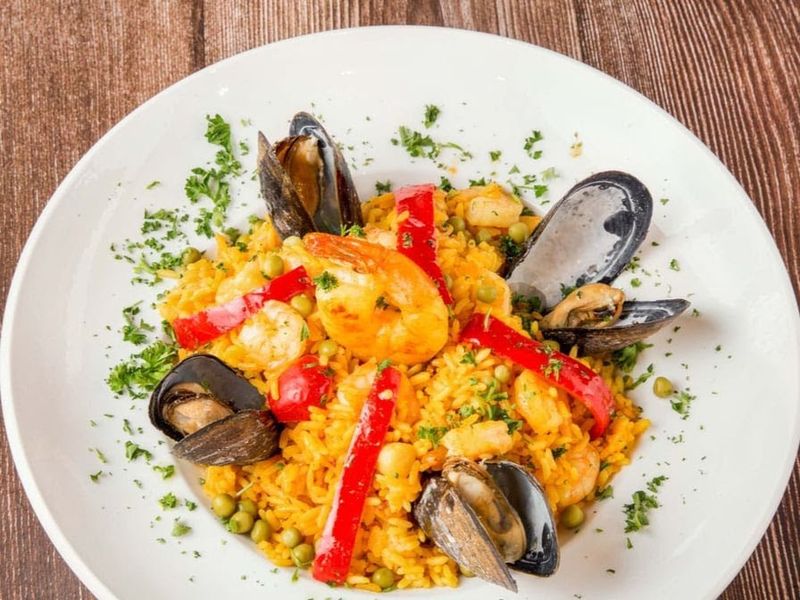
Walk through any Spanish market on a Sunday morning and you will likely smell it before you see it — that warm, golden aroma of saffron rice sizzling in a wide, flat pan. Paella is arguably Spain’s most recognized dish, and for good reason.
It is colorful, flavorful, and built around the idea of sharing a meal with people you care about.
Originally from Valencia, the dish was created by farmers and workers who cooked rice over an open fire using whatever ingredients were available — rabbit, chicken, beans, and vegetables. Seafood paella came later and became popular along the coast.
Today, you will find dozens of regional variations, each with loyal defenders who will passionately argue that their version is the authentic one.
Cooking paella is considered an art form in Spain. The key is the socarrat — the slightly crispy layer of rice that forms at the bottom of the pan.
Getting it right takes patience and practice. Many Spanish families have a designated paella chef, usually a proud family member who guards their recipe closely.
Whether you eat it on a terrace in Valencia or a restaurant in London, a good paella always tastes like Spain.
Tapas Culture
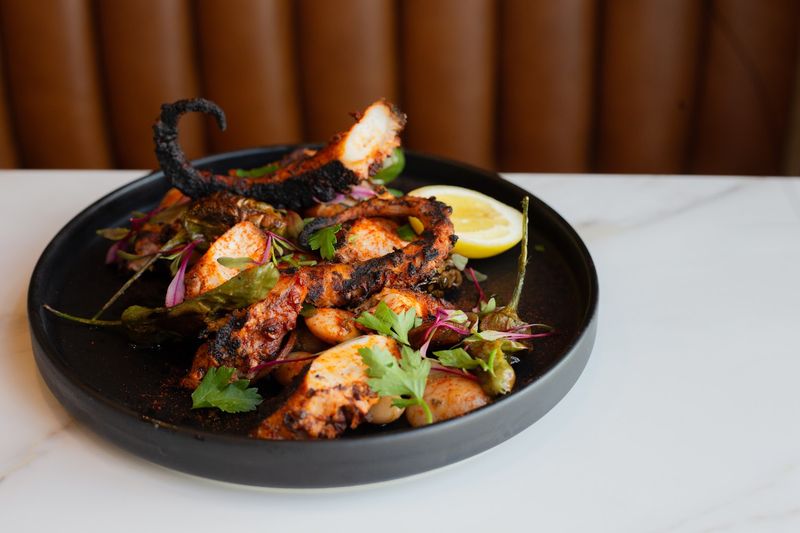
Nobody invented the art of eating slowly and socializing loudly quite like the Spanish. Tapas culture is not just about food — it is a way of life, a philosophy built around the idea that the best meals are the ones that never seem to end.
A round of tapas can stretch from early evening into the small hours of the morning without anyone noticing.
The word “tapa” literally means “lid” in Spanish, and one popular theory suggests that bartenders used to cover drinks with small plates of food to keep flies out. Whether that is true or not, the tradition stuck and evolved into something extraordinary.
Today, tapas range from simple olives and bread to elaborately prepared bites of octopus, jamón, and tortilla española.
Different cities have their own tapas personalities. In San Sebastián, the Basque version called pintxos features small bites balanced on slices of bread, often held together with a toothpick.
In Granada, ordering a drink still gets you a free tapa — a tradition that makes the city beloved among students and budget travelers. Tapas are not just food; they are the reason Spanish evenings last so long and feel so good.
La Tomatina Festival
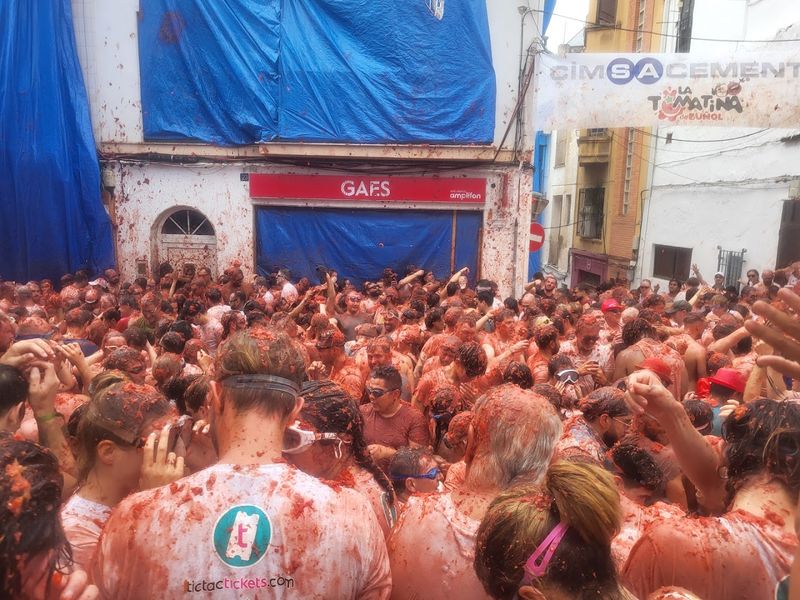
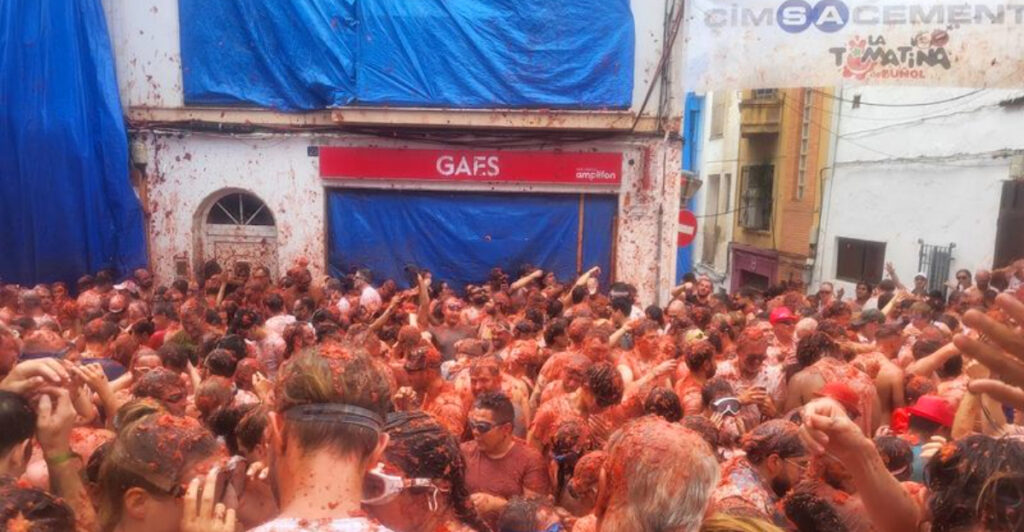
Imagine waking up one morning and deciding the best possible use of 150,000 tomatoes is to hurl them at strangers — and then turning that decision into a beloved annual tradition. That is exactly what happens every last Wednesday of August in the small town of Buñol, near Valencia.
La Tomatina is the world’s biggest food fight, and it is every bit as chaotic and joyful as it sounds.
The festival’s origin is a bit murky, but the most popular story traces it back to 1945 when a street brawl near a vegetable stall turned into a spontaneous tomato-throwing frenzy. Locals enjoyed it so much they decided to repeat it the following year, and the tradition grew from there.
By the 1980s, it had become an internationally recognized event.
Participants are encouraged to squish tomatoes before throwing them to reduce the impact. The entire battle lasts about one hour, after which the streets are hosed down and the town returns to normal — well, a tomato-stained version of normal.
Tickets are now required to participate, which helps manage the crowds. For anyone who has ever wanted to throw food without consequences, La Tomatina is the ultimate guilt-free experience.
Stunning Architecture
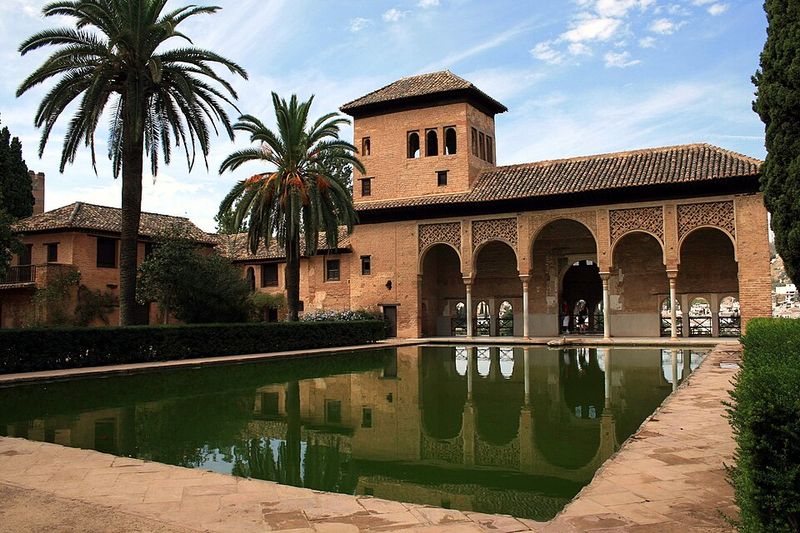
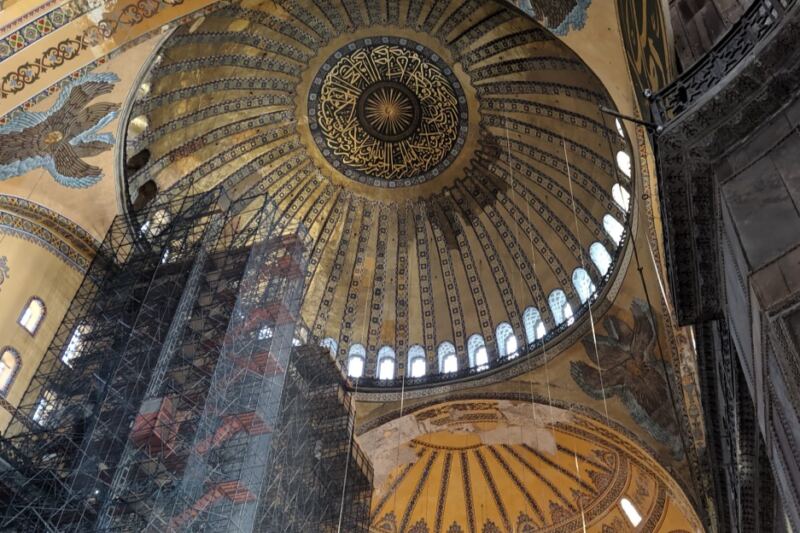
Spain does not just have old buildings — it has buildings that make you stop walking and stare with your mouth open. From the gravity-defying spires of Barcelona’s Sagrada Família to the intricate geometric tile work inside Granada’s Alhambra palace, Spanish architecture is a visual feast that spans centuries and styles.
No two landmarks feel the same.
The Sagrada Família, designed by Antoni Gaudí, has been under construction since 1882 and is still not finished — making it one of the longest-running construction projects in history. The Alhambra, a stunning Moorish palace complex built in the 13th and 14th centuries, reflects the deep Islamic influence on Spanish culture during the medieval period.
Toledo’s old city blends Roman, Visigoth, Moorish, and Christian architecture in one walkable space.
What makes Spanish architecture so captivating is how it tells the story of the country’s layered history. Each building carries the fingerprints of the civilization that created it.
Spain has 50 UNESCO World Heritage Sites, more than almost any other country on Earth. Whether you are a history enthusiast or just someone who appreciates beautiful things, exploring Spanish architecture feels like reading the most visually stunning book ever written.
Mediterranean Beaches
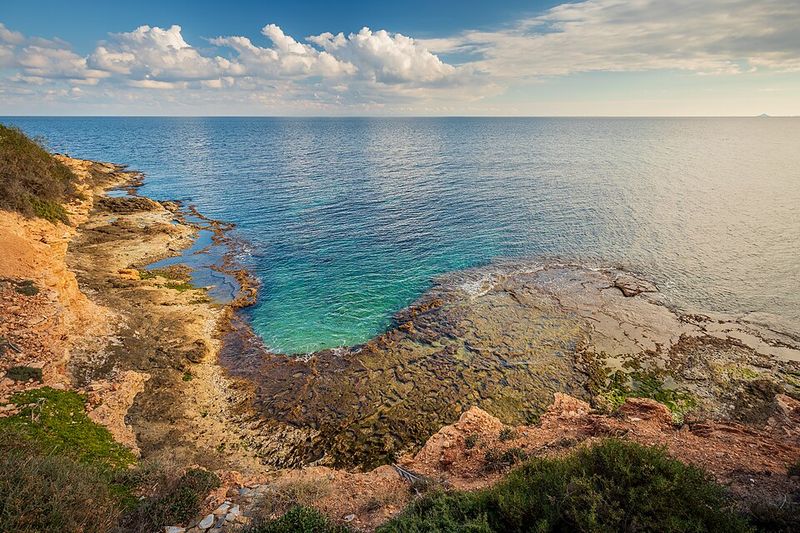
Spain’s coastline is basically a highlight reel of everything a beach vacation should be. Stretching over 8,000 kilometers, it wraps around the Mediterranean, the Atlantic, and the Bay of Biscay, giving visitors an almost unfair variety of options.
Sun-bleached coves, dramatic cliffs, long sandy shores — Spain has packed them all in.
The Costa del Sol in Andalusia is famous for its reliable sunshine and resort towns like Marbella and Nerja. The Costa Brava in Catalonia offers rugged cliffs and crystal-clear coves that feel almost secret.
Then there are the Balearic Islands — Mallorca, Ibiza, and Menorca — which attract millions of visitors every year with their turquoise waters and vibrant nightlife scenes.
Spain consistently ranks among the top beach destinations in the world, and it is not hard to see why. The Mediterranean climate means warm, dry summers with very little rain.
Water temperatures are comfortable from June through September. Spain also has more Blue Flag beaches — a certification for cleanliness and safety — than any other country in the world.
Whether you want a quiet escape or a lively resort atmosphere, Spain’s beaches deliver on every level, every single time.
Spanish Football (Soccer)
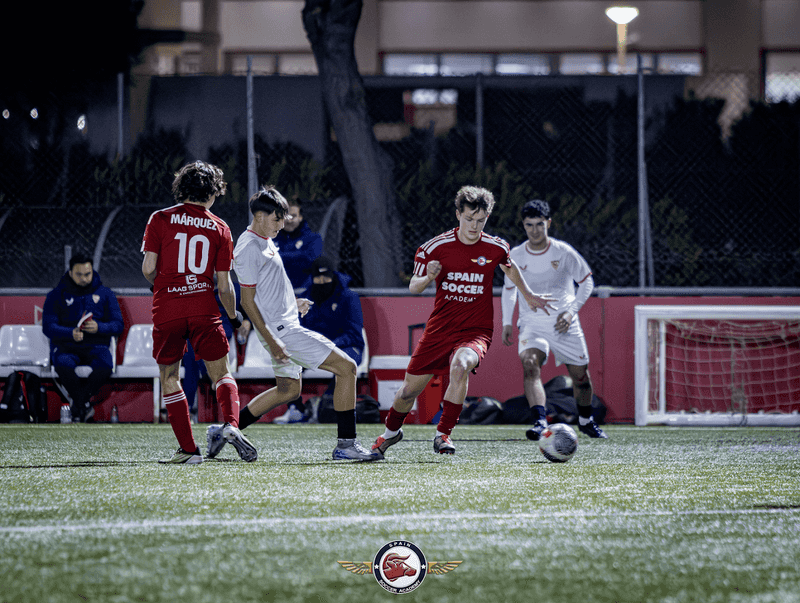
Few countries bleed football the way Spain does. On match days, entire cities seem to pause — bars fill up, streets empty out, and the collective heartbeat of the nation syncs with the rhythm of the game.
Football in Spain is not a hobby; it is a religion, and the stadiums are its cathedrals.
Real Madrid and FC Barcelona are two of the most famous football clubs on the planet, with combined fan bases numbering in the hundreds of millions worldwide. Their rivalry, known as El Clásico, is one of the most watched sporting events in the world.
Spanish clubs have dominated European competitions for years, winning the UEFA Champions League more times than any other country’s clubs combined.
The Spanish national team, known as La Furia Roja (The Red Fury), had one of the most dominant runs in international football history. Between 2008 and 2012, they won two European Championships and one FIFA World Cup back-to-back — a feat no other team had ever achieved.
Spain produced legends like Xavi, Iniesta, and Casillas, whose technical style of play, called tiki-taka, changed how the world thinks about football. To watch Spain play is to watch the sport at its most elegant.
Olive Oil Production
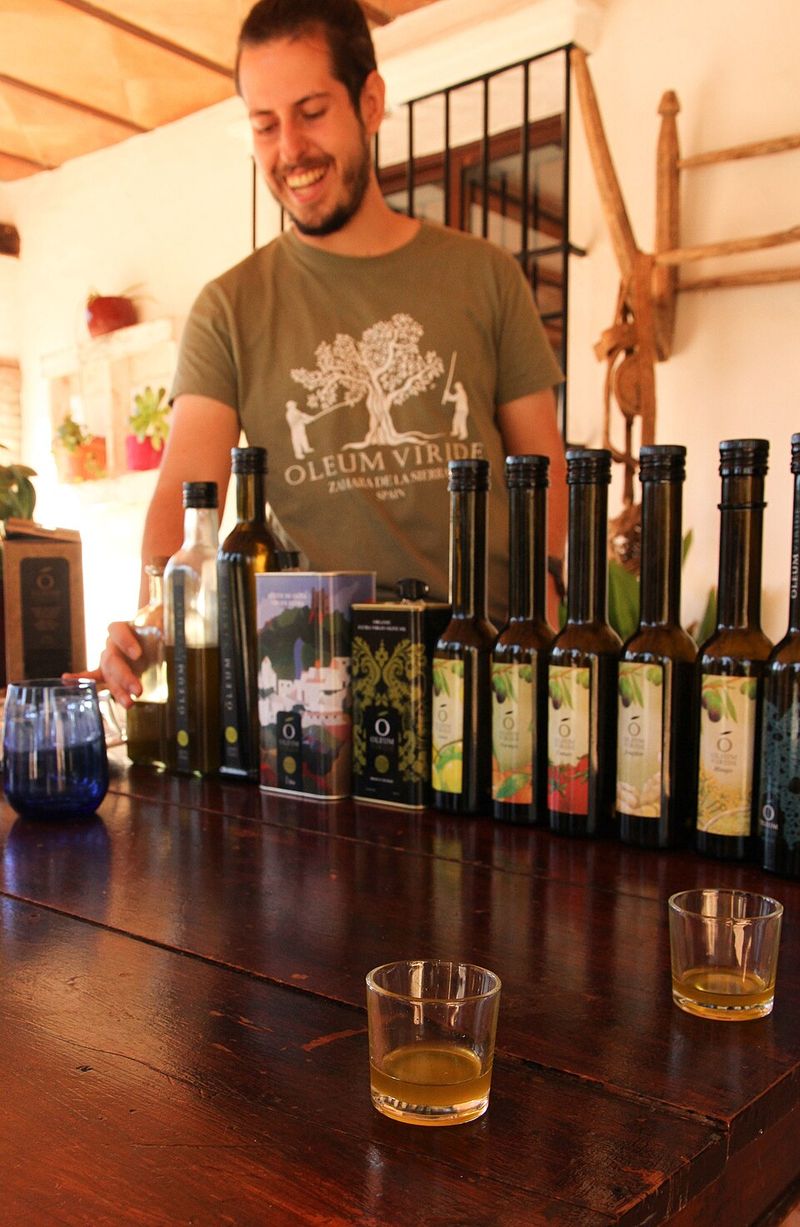
Spain is the undisputed king of olive oil, producing roughly half of the world’s entire supply. That is not a typo.
While Italy and Greece often steal the culinary spotlight, Spain quietly presses more olive oil than both of those countries combined. Andalusia alone is home to over 150 million olive trees — a number that is genuinely hard to picture.
Spanish olive oil comes in many varieties, from the fruity and mild Arbequina to the bold, peppery Picual. Extra virgin olive oil — made from the first cold pressing of olives — is considered the highest quality and is a staple in Spanish kitchens.
It is drizzled over bread, used for frying, and mixed into sauces without a second thought.
The olive harvest typically runs from October through January, when the fruit reaches peak ripeness. Many farms in Andalusia and Catalonia now offer olive oil tourism experiences, where visitors can walk through the groves, watch the pressing process, and taste fresh oil straight from the mill.
Spanish olive oil is exported to over 180 countries and has earned a reputation for exceptional quality. For the Spanish, good olive oil is not a luxury — it is a non-negotiable part of daily life.
Spanish Language

Over 500 million people speak Spanish as their first language — making it the second most spoken native language in the world, right behind Mandarin Chinese. What started as a regional dialect in northern Spain over a thousand years ago has grown into a global force that connects continents, cultures, and communities in ways few languages can match.
Spanish spread around the world largely through colonization during the 15th and 16th centuries, when Spain became one of the most powerful empires on Earth. Today, Spanish is the official language of 21 countries, spanning Europe, Latin America, and Equatorial Guinea in Africa.
In the United States alone, there are over 40 million native Spanish speakers, making it the second most spoken language in the country.
The language is also one of the most studied in the world. Millions of students choose Spanish every year because of its career value, its cultural richness, and frankly — because it sounds wonderful.
Spanish is known for being relatively accessible for English speakers, with logical grammar rules and a mostly phonetic spelling system. Spain’s own variety of Spanish, sometimes called Castilian, is recognized by its distinctive pronunciation of certain letters.
It is a language that carries history in every syllable.
The Running of the Bulls
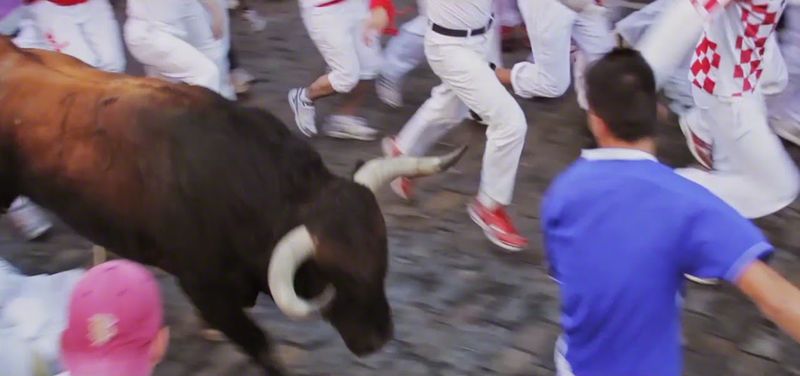
Every July, something absolutely wild happens in the northern Spanish city of Pamplona. Thousands of people dressed in white with red scarves sprint through narrow cobblestone streets while a group of large, fast, and very irritated bulls chase them down from behind.
The Running of the Bulls is one of the most adrenaline-charged traditions in the world — and also one of the most debated.
The run is part of the week-long San Fermín festival, held in honor of the patron saint of Pamplona. The tradition dates back to the 14th century, when bulls needed to be moved from the corrals to the bullring.
Locals began running alongside the animals, and over time it became a test of courage. American author Ernest Hemingway brought global attention to the event through his 1926 novel The Sun Also Rises.
The course is just under 900 meters long, but it feels much longer when you are sprinting for your life. The run lasts only a few minutes, yet injuries are common.
Animal welfare organizations have raised strong objections to the event over the years. Despite the controversy, the San Fermín festival draws over one million visitors annually, making it one of Spain’s most internationally recognized celebrations.
Jamón Ibérico
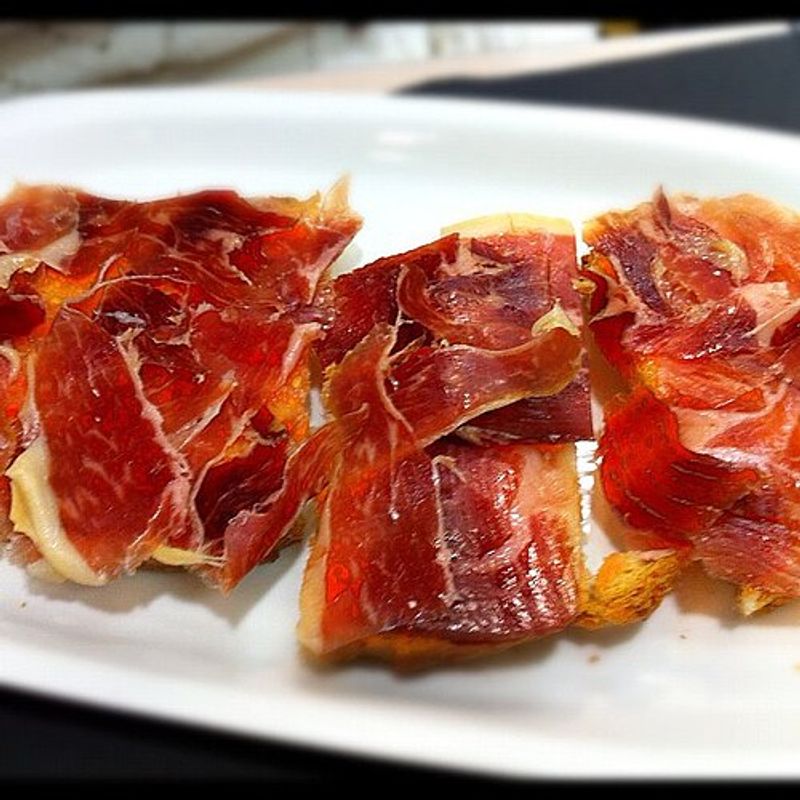
There is a moment in Spain — usually in a small bar, with a glass of something cold and a thin slice of jamón placed in front of you — where you understand what all the fuss is about. Jamón Ibérico is not just cured ham; it is a deeply serious Spanish institution, and the Spanish take it very, very seriously indeed.
Made from Iberian pigs, a breed native to the Iberian Peninsula, the best jamón comes from animals that roam freely through oak forests, feeding on acorns. This specific diet gives the meat its extraordinary marbled fat and nutty, complex flavor.
The curing process can take anywhere from 18 months to over four years, depending on the grade. The finest variety, Jamón Ibérico de Bellota, is considered one of the most prized foods in the world.
Jamón is everywhere in Spain — hanging from bar ceilings, sliced at market stalls, served at celebrations. Cutting jamón is itself considered a skilled profession; trained cortadores (carvers) can spend years perfecting their technique.
A single whole leg can cost hundreds of euros, yet it disappears quickly at any gathering. For the Spanish, life without jamón would simply be incomplete.
Sangria and Spanish Wine
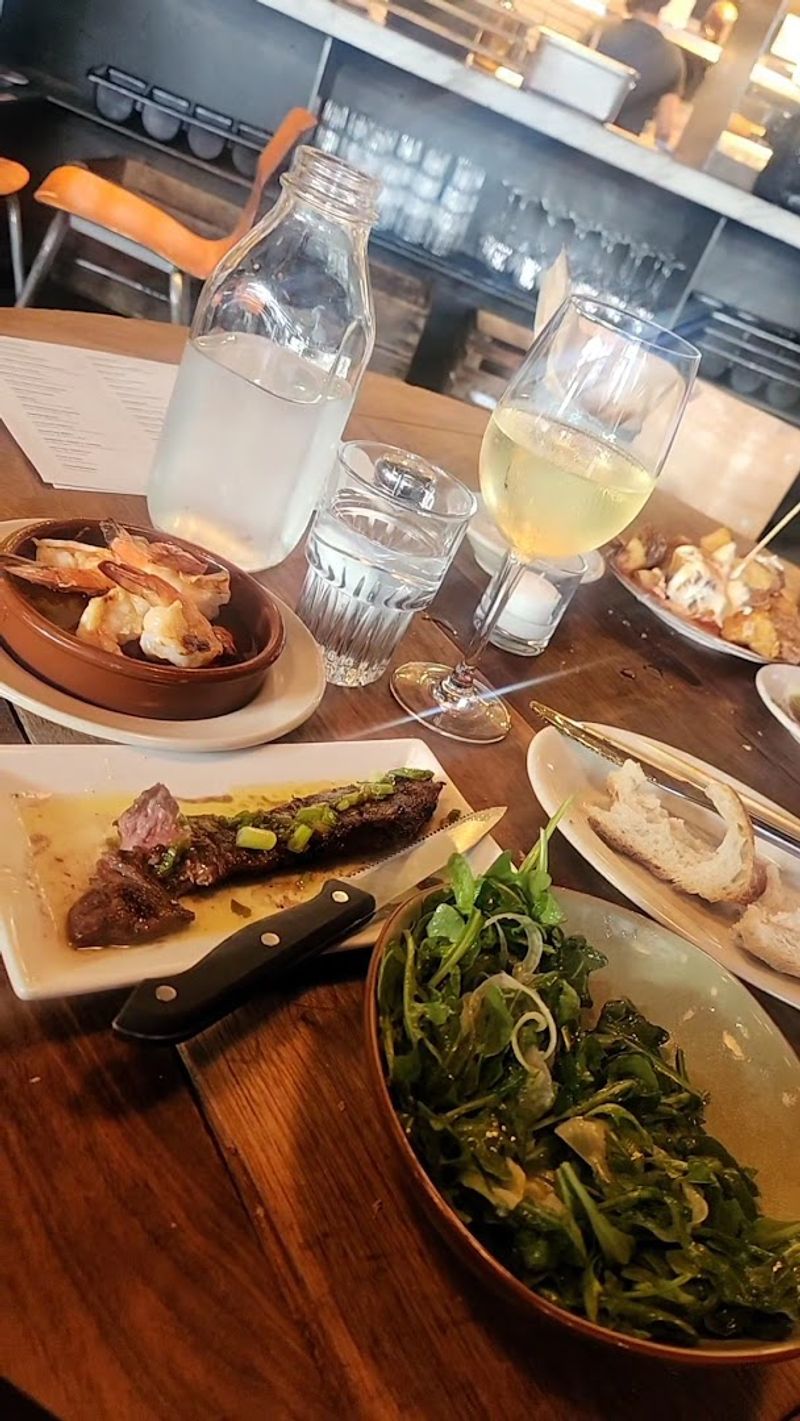
Pour red wine into a pitcher, add sliced citrus fruit, a splash of brandy, a touch of sugar, and let it sit overnight — and somehow, you end up with something that tastes like summer in a glass. Sangria is one of Spain’s most globally recognized drinks, and while it may not be what Spanish people drink at home every day, it perfectly captures the country’s relaxed, generous spirit.
Beyond sangria, Spain is one of the world’s most important wine-producing nations. The country has the largest vineyard area on Earth, stretching across regions that produce dramatically different styles of wine.
Rioja, in northern Spain, is famous for its rich, oak-aged red wines made from the Tempranillo grape. Ribera del Duero produces bold, full-bodied reds that rival the best wines in the world.
Galicia’s Rías Baixas region turns out crisp, refreshing Albariño whites that pair perfectly with seafood.
Spanish wine has undergone a remarkable transformation over the past few decades, with modern winemakers combining traditional methods with innovative techniques. Cava, Spain’s sparkling wine made primarily in Catalonia, offers a festive and affordable alternative to Champagne.
Wine tourism is booming across Spain, with vineyard tours and tastings drawing visitors to regions that feel worlds away from the beach resorts.
Gaudí’s Artistic Influence
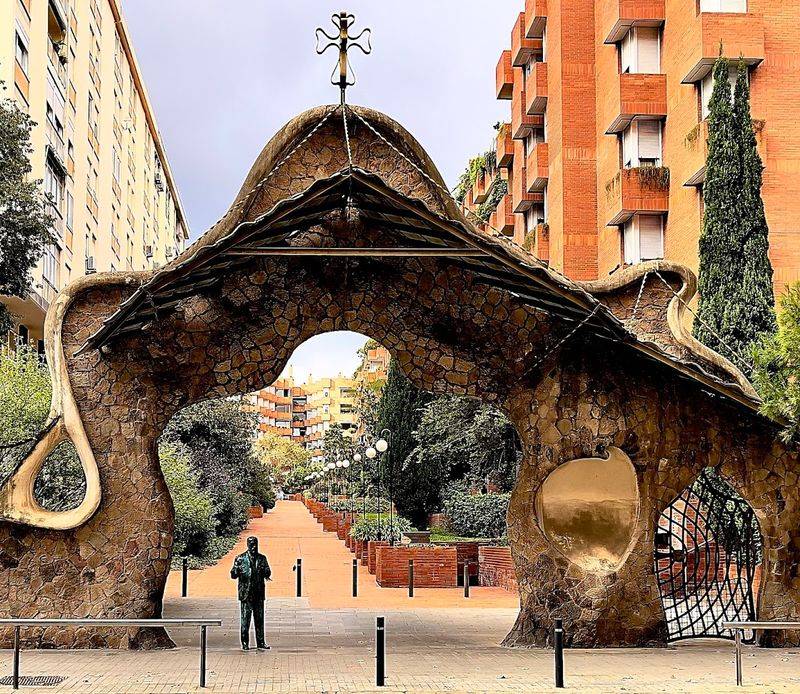
Antoni Gaudí looked at straight lines and apparently decided they were deeply boring. His buildings curve, twist, and bloom like something grown rather than built — and Barcelona has never been the same since he got his hands on it.
Gaudí was not just an architect; he was a force of nature in human form, and his influence on Spain’s identity is impossible to overstate.
Born in Catalonia in 1852, Gaudí developed a style that blended Gothic architecture with organic shapes found in nature. He believed that nature was God’s greatest creation, and his designs reflect that philosophy at every turn.
The Sagrada Família, his masterpiece and life’s work, features towers shaped like melting candles and facades covered in detailed stone carvings representing the life of Christ. Casa Batlló, another of his works, resembles a dragon’s spine from the rooftop.
Seven of Gaudí’s works are now UNESCO World Heritage Sites — a remarkable achievement for a single architect. He was so devoted to the Sagrada Família that he eventually moved into the construction site to be closer to the work.
Gaudí died in 1926 after being struck by a tram, but his vision lives on in every tile, curve, and color that defines Barcelona’s skyline today.
Bullfighting Tradition
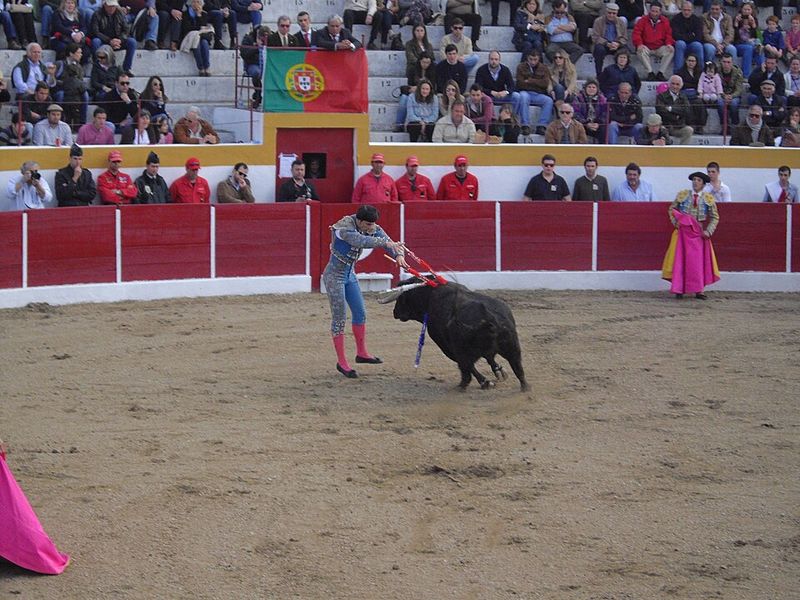
Few traditions in Spain spark as much debate — both inside and outside the country — as bullfighting. For some, it is a profound art form rooted in centuries of history, symbolism, and ritual.
For others, it is a practice that has no place in the modern world. Whatever your view, bullfighting has shaped Spanish culture in ways that are impossible to ignore.
Dating back to the early 18th century in its modern form, bullfighting — or corrida de toros — involves a matador facing a bull in a structured series of passes, each designed to demonstrate skill, courage, and control. The matador’s elaborate costume, called a traje de luces (suit of lights), is an iconic image that has appeared in Spanish art and literature for generations.
Painters like Francisco Goya and Pablo Picasso both depicted bullfighting in their work.
Support for bullfighting has declined significantly in recent decades, particularly among younger Spaniards. Several regions, including Catalonia, have banned it entirely.
Yet in cities like Seville, Ronda, and Madrid, the tradition continues to draw audiences. The Real Maestranza bullring in Seville, built in the 18th century, is considered one of the most beautiful in the world.
Love it or challenge it, bullfighting remains a thread woven deeply into Spain’s cultural fabric.
Share this story