Retirement doesn’t have to mean slowing down — for many people, it’s the perfect time to lace up your hiking boots and explore somewhere spectacular. Mountain towns across the U.S. offer fresh air, stunning scenery, and active communities where staying healthy feels effortless.
Whether you love skiing, biking, or simply sipping coffee on a porch with a jaw-dropping view, there’s a mountain town out there with your name on it. Here are 15 of the best scenic mountain towns in the U.S. that are tailor-made for an active, fulfilling retirement.
Asheville, North Carolina
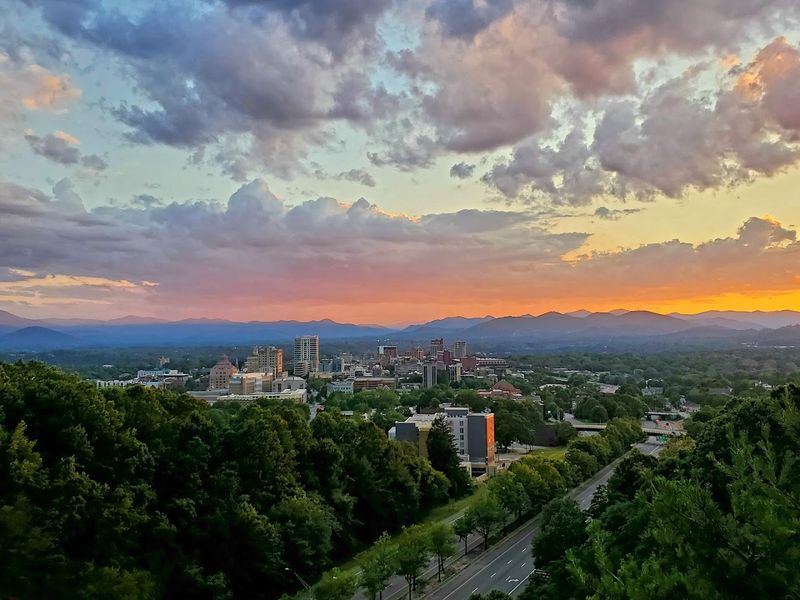
Few places in America manage to be simultaneously artsy, outdoorsy, and utterly breathtaking — but Asheville pulls it off without breaking a sweat. Tucked into the Blue Ridge Mountains of western North Carolina, this town is a magnet for retirees who want more from life than a golf cart and a quiet cul-de-sac.
The Blue Ridge Parkway winds right through the area, offering scenic drives, overlooks, and trailheads at nearly every turn. Waterfalls like Looking Glass Falls are just a short drive away, and the Appalachian Trail passes nearby for those who love a serious trek.
Hikers of all fitness levels can find a trail that suits them.
Beyond the trails, Asheville has a food and arts scene that punches well above its size. The historic Biltmore Estate, dozens of craft breweries, and a thriving downtown full of galleries and live music keep life interesting year-round.
Healthcare options are strong, and the community is famously welcoming to newcomers. If retirement had a highlight reel, Asheville would be in every frame.
Stowe, Vermont
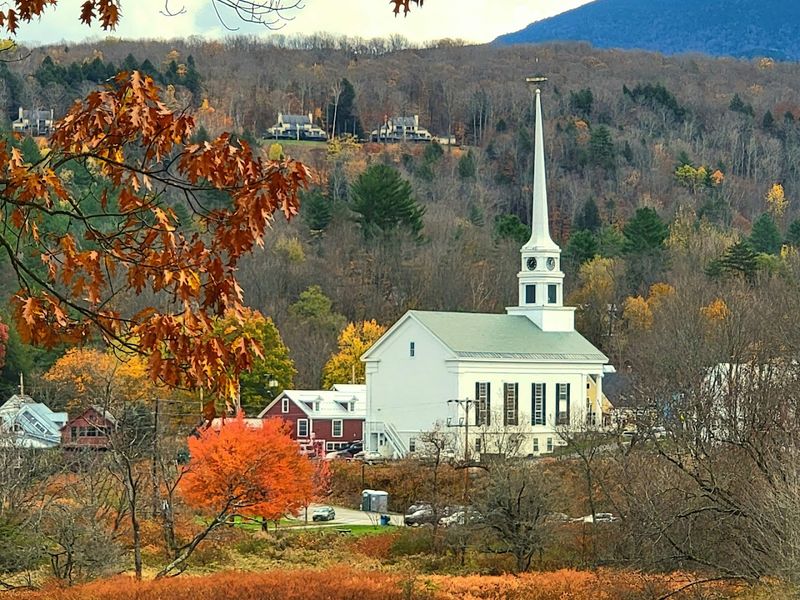
There’s a reason travel magazines keep putting Stowe on their covers — the place looks like someone turned a postcard into a real town. Nestled at the base of Mount Mansfield, Vermont’s highest peak, Stowe is the kind of place that makes you want to cancel your other plans and just stay.
Winter here is legendary. World-class skiing and snowshoeing trails attract visitors from across the country, but retirees who stick around discover that the other three seasons are equally rewarding.
Spring wildflowers, summer cycling along the Stowe Recreation Path, and fall foliage that has to be seen to be believed all compete for the title of best season.
The village itself is compact and walkable, with local restaurants, boutique shops, and a genuine small-town friendliness that makes settling in feel natural. Vermont’s strong community values and clean environment are a big draw for health-conscious retirees.
The pace here is relaxed but never boring, and the scenery never gets old. Stowe proves that a quiet life and an active life aren’t opposites — they’re the same thing.
Boulder, Colorado
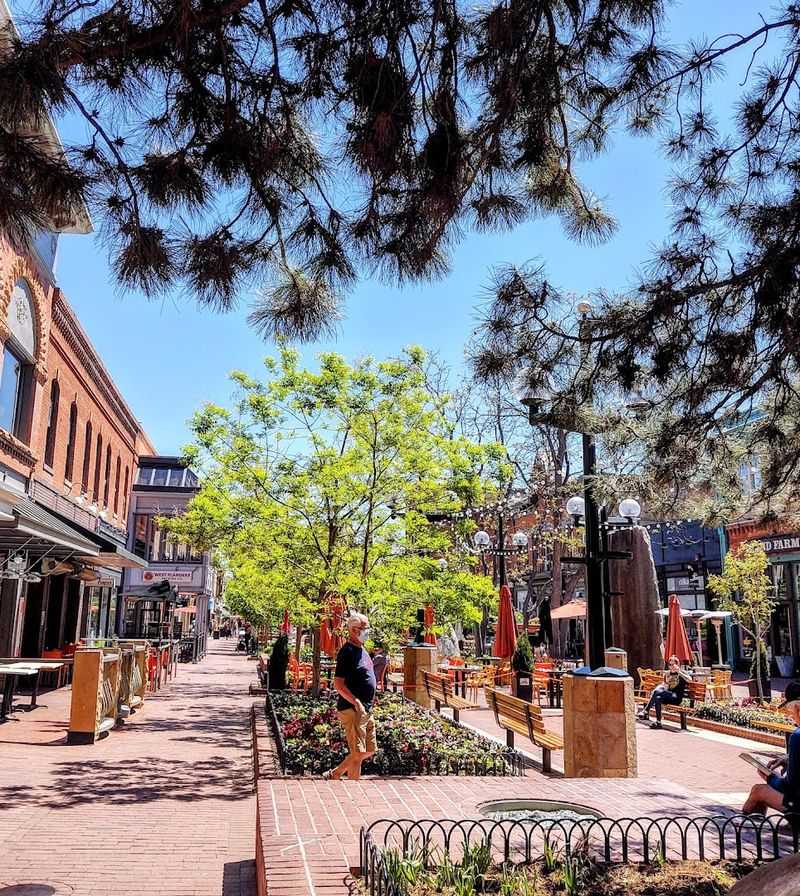
Boulder gets over 300 days of sunshine a year, which is basically the universe’s way of saying, “Go outside.” Sitting at the foot of the Rocky Mountains, this city has built its entire identity around healthy, active living — and it shows in every corner of town.
The Flatirons, those dramatic angled rock formations that frame the city’s western edge, are practically Boulder’s mascot. Trails start right at the edge of neighborhoods, meaning a morning hike before breakfast is genuinely easy to pull off.
The city maintains an impressive network of open space, and cyclists have dedicated paths that stretch for miles in every direction.
What sets Boulder apart from other outdoor towns is its intellectual energy. As a college town, it has excellent cultural events, top-tier dining, and a progressive, health-focused community that retirees often find refreshing.
Farmers markets, yoga studios, and farm-to-table restaurants are everywhere. Healthcare is excellent, with multiple highly rated medical facilities nearby.
Boulder isn’t cheap, but many retirees find the quality of life more than justifies the cost. Living here feels less like retirement and more like a permanent vacation with great weather.
Park City, Utah
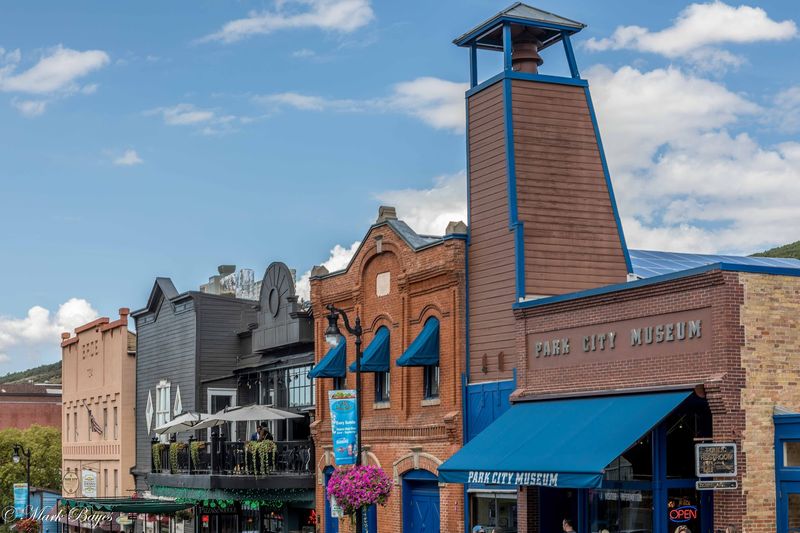
Park City is the kind of town where the mountains aren’t just a backdrop — they’re the whole point. Once a silver-mining boomtown, Park City has reinvented itself as one of America’s premier outdoor destinations, and retirees are taking notice in a big way.
Winter is spectacular here. With access to two world-class ski resorts and over 350 inches of annual snowfall, it’s a paradise for skiers and snowboarders.
But when the snow melts, an entirely different playground emerges. The Utah Olympic Park and hundreds of miles of mountain biking and hiking trails keep summer just as busy as winter.
The Sundance Film Festival rolls through every January, bringing a burst of cultural energy that lingers in the town’s arts scene all year long. Main Street is lined with galleries, restaurants, and shops that give Park City a lively, sophisticated feel without losing its mountain-town soul.
Salt Lake City is just 30 minutes away, making access to major healthcare, airports, and city amenities simple. For retirees who want resort-town excitement with genuine community roots, Park City delivers on every promise it makes.
Santa Fe, New Mexico
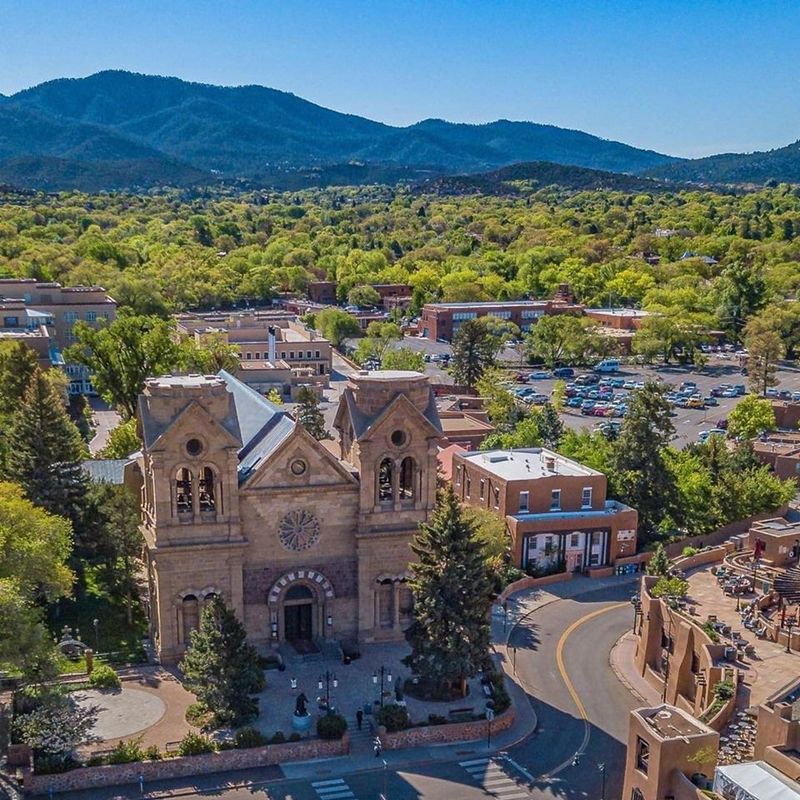
Santa Fe doesn’t just have culture — it practically invented its own. At 7,000 feet above sea level, this high-desert city sits in the foothills of the Sangre de Cristo Mountains, blending outdoor adventure with one of the richest artistic communities in the entire country.
The hiking here is genuinely wonderful. Trails wind through piñon forests, past ancient ruins, and up into alpine meadows with sweeping views of the Rio Grande Valley.
The Pecos Wilderness and Santa Fe National Forest offer serious backcountry options for more adventurous retirees.
Santa Fe’s downtown is a feast for the senses. The historic Plaza, Canyon Road’s gallery district, and the legendary Santa Fe Opera all contribute to a cultural scene that rivals cities ten times its size.
The cuisine alone could justify moving here — New Mexican food, with its green and red chile sauces, is unlike anything else in America. The climate is mild and sunny, with low humidity that many retirees find easier on joints and breathing.
With a tight-knit community, world-class healthcare at Presbyterian Santa Fe Medical Center, and endless ways to stay engaged, Santa Fe is a genuinely exceptional place to retire.
Ouray, Colorado
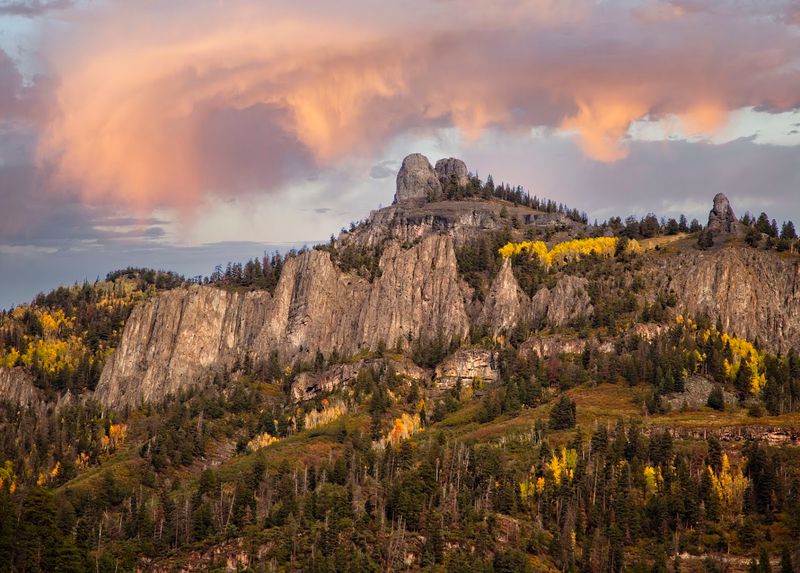
Called the Switzerland of America, Ouray earns that nickname every single day. Wedged into a narrow box canyon in Colorado’s San Juan Mountains, this tiny town of just about 1,000 people is surrounded by peaks so dramatic they look like a movie set that someone forgot to take down.
The outdoor options here are genuinely jaw-dropping. The Ouray Perimeter Trail loops around the entire town, offering mountain views at every step.
Jeep trails wind into the backcountry, wildflower meadows explode in summer, and the famous ice climbing park draws visitors from around the world each winter. For retirees who want adventure without a massive crowd, Ouray is a dream.
After a long day on the trails, the town’s natural hot springs pool is one of the best rewards imaginable. The geothermally heated waters sit right in the middle of town, open year-round, and framed by canyon walls that glow orange and gold at sunset.
Ouray’s Victorian-era downtown adds historic charm to the mix, with local restaurants and shops that feel personal rather than touristy. Small-town life here is peaceful, purposeful, and surrounded by some of the most stunning scenery in North America.
Crested Butte, Colorado
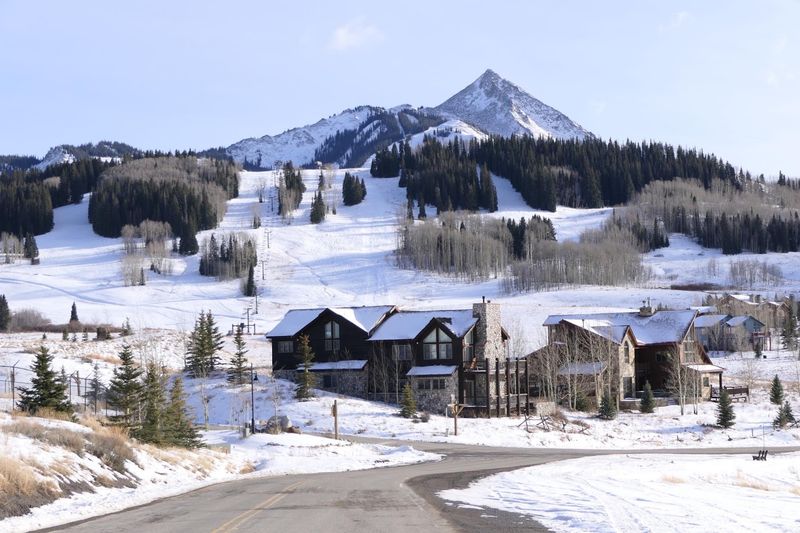
Wildflower season in Crested Butte is so spectacular that the town hosts an entire festival to celebrate it — and honestly, that tells you everything you need to know about this place. Tucked away in a remote valley in the Colorado Rockies, Crested Butte has a personality as bold and colorful as its painted storefronts.
Summer here is a hiker’s and mountain biker’s paradise. The surrounding Gunnison National Forest offers hundreds of miles of trails, and the wildflower displays from late June through August are genuinely world-famous.
In winter, Crested Butte Mountain Resort transforms the valley into a ski destination beloved for its steep terrain and lack of crowds compared to larger Colorado resorts.
What makes Crested Butte especially appealing for retirees is its authentic, unhurried character. This isn’t a glitzy resort town — it’s a real community where neighbors know each other and local businesses have been around for decades.
The historic district on Elk Avenue is listed on the National Register of Historic Places, giving the town a sense of permanence and pride. Life here runs at a pace that feels healthy rather than hectic, with enough events, festivals, and outdoor activity to keep every day interesting.
Bozeman, Montana
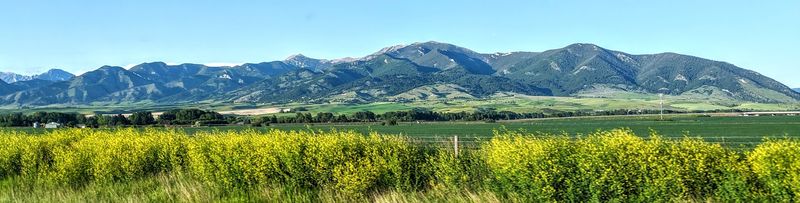
Yellowstone National Park is just 90 miles from Bozeman’s front door — which is either the best selling point imaginable or proof that Montana is just showing off at this point. Either way, retirees who settle in Bozeman find themselves living next to one of the planet’s most extraordinary natural wonders.
The Bridger Mountains frame the northern edge of town, and the Gallatin River runs right through the valley, making fly-fishing a legitimate daily activity rather than a special occasion. Hiking and skiing at Bridger Bowl are practically year-round pursuits, and wildlife sightings — elk, deer, eagles — are part of ordinary life here.
Bozeman has grown significantly over the past decade, bringing with it a thriving restaurant scene, strong arts community, and excellent healthcare through Bozeman Health. Montana State University adds intellectual energy and keeps the town feeling youthful and curious.
Farmers markets, live music, and community events fill the calendar. Despite its growth, Bozeman has held onto its Montana soul — people are friendly, the outdoors are always the priority, and the sky really is as big as the legends say.
For active retirees, it’s hard to find a more complete package.
Bend, Oregon
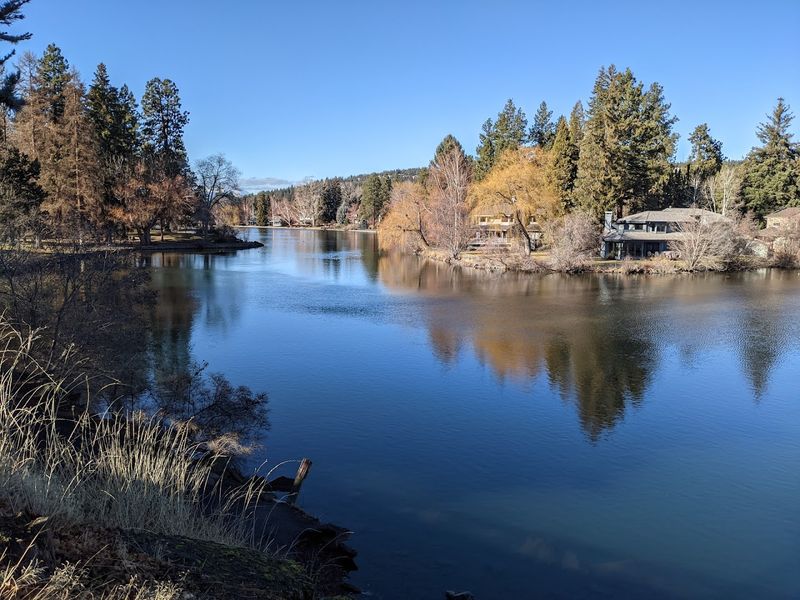
Bend sits on the eastern edge of the Cascades in central Oregon, and it has quietly become one of the most sought-after places to retire in the entire Pacific Northwest. The town gets far more sunshine than the rest of Oregon — about 300 days a year — which surprises people who picture the state as perpetually rainy.
The outdoor scene here is staggering in its variety. Mount Bachelor ski resort is just 22 miles away, the Deschutes River runs through town for kayaking and paddleboarding, and the surrounding high desert offers hundreds of miles of hiking and mountain biking trails.
Smith Rock State Park, one of the most photogenic climbing destinations in America, is less than 30 minutes away.
Downtown Bend has developed a vibrant craft-beer culture, with more breweries per capita than almost any other city in the U.S. Restaurants, art galleries, and live music venues give the town a lively social energy that retirees appreciate.
The community is health-conscious, outdoorsy, and genuinely welcoming to newcomers. St. Charles Medical Center provides strong healthcare support.
Bend manages to feel both adventurous and relaxed at the same time — a rare combination that makes it easy to imagine staying forever.
North Conway, New Hampshire
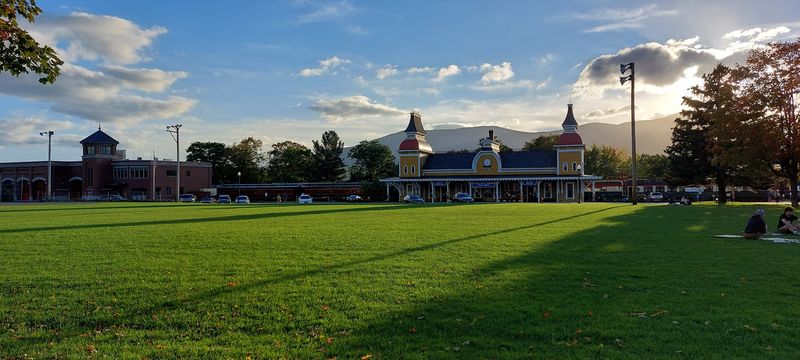
New Hampshire’s White Mountains have been drawing outdoor enthusiasts for over a century, and North Conway sits right in the heart of the action. The town is surrounded by some of the most dramatic scenery in the northeastern U.S., and it delivers four distinct seasons of outdoor adventure without ever getting boring.
Mount Washington, the highest peak in the Northeast, is just up the road. Hikers can tackle its legendary trails or take the historic Cog Railway to the summit for a slightly more leisurely experience.
In winter, ski areas like Attitash and Cranmore are minutes away. Spring brings rushing rivers perfect for kayaking, and summer hiking in the White Mountain National Forest is genuinely world-class.
The village center has a relaxed, friendly energy, with local shops, farm-to-table restaurants, and a community that embraces its mountain identity. North Conway is more affordable than many comparable mountain towns, which makes it attractive for retirees watching their budget without wanting to sacrifice scenery or activity.
New Hampshire also has no state income tax or sales tax, which is a significant financial bonus. For active retirees who love the outdoors and appreciate a real New England character, North Conway checks every important box.
Jackson, Wyoming
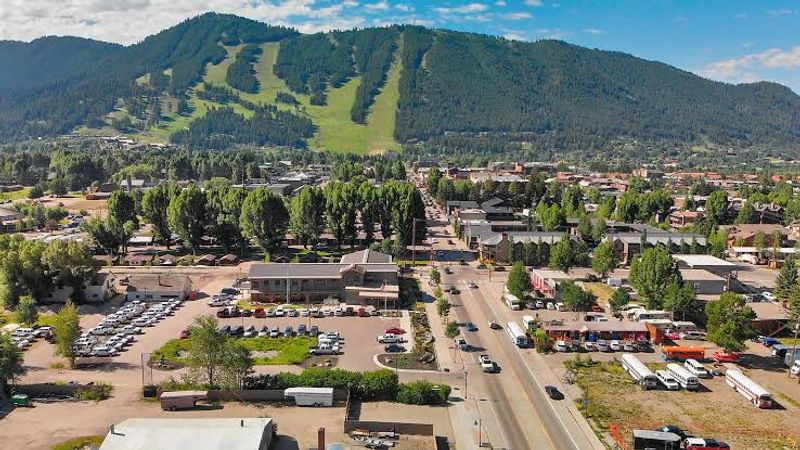
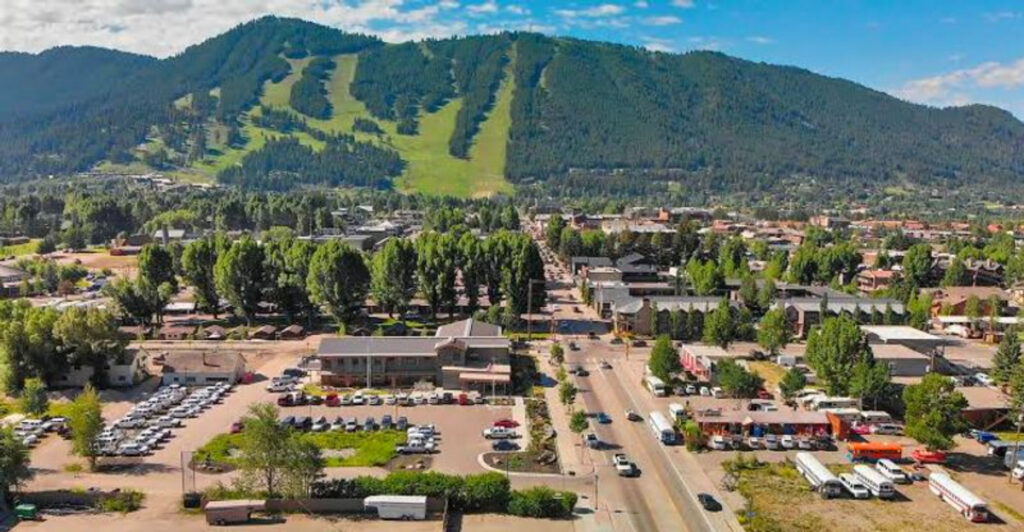
Waking up to a view of the Grand Tetons is something people write poetry about — and in Jackson, it’s just a Tuesday morning. Sitting in the broad Jackson Hole valley at the base of one of America’s most iconic mountain ranges, this town combines jaw-dropping natural beauty with a surprisingly sophisticated lifestyle.
Grand Teton National Park and Yellowstone are both right on the doorstep. Moose, elk, bison, and wolves are regular sights, and the hiking, wildlife photography, and river floating opportunities are unmatched.
Jackson Hole Mountain Resort is consistently ranked among the best ski areas in North America, making winter here equally thrilling.
The town itself has developed an impressive arts scene, with galleries, the National Museum of Wildlife Art, and a performing arts center that hosts world-class events. Restaurants in Jackson range from casual burger joints to upscale dining with Teton views.
The community is tight-knit and passionate about conservation, which creates a shared sense of purpose that many retirees find deeply satisfying. Wyoming has no state income tax, which is a welcome financial perk.
Jackson is undeniably expensive, but for those who can make it work, few places on earth offer a more spectacular daily backdrop.
Flagstaff, Arizona
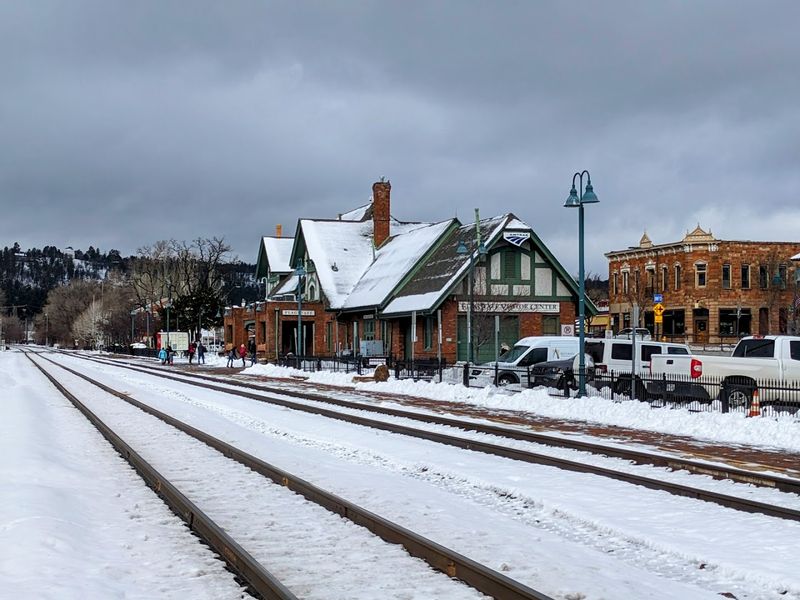
Most people picture Arizona as flat, hot, and covered in saguaro cacti — and then they discover Flagstaff, which sits at 7,000 feet elevation and gets actual snowfall in winter. The ponderosa pine forests surrounding the city are the largest in the world, and the views of the San Francisco Peaks are nothing short of majestic.
Arizona Snowbowl ski resort is right outside town, offering skiing and snowboarding from November through April. When the snow melts, the trails through Coconino National Forest open up for hiking and mountain biking.
The Grand Canyon is just 80 miles north, making day trips to one of the world’s greatest natural wonders a completely realistic option for residents.
Flagstaff’s downtown has a genuine college-town buzz, thanks to Northern Arizona University. Brewpubs, independent bookstores, live music venues, and art galleries line the streets of the historic district.
The city is also a designated International Dark Sky City, meaning stargazing here is absolutely extraordinary on clear nights. Healthcare is solid through Flagstaff Medical Center.
Summers are cool and pleasant compared to the rest of Arizona, making Flagstaff an especially appealing escape for retirees who want mountain living without extreme winter cold.
Leavenworth, Washington
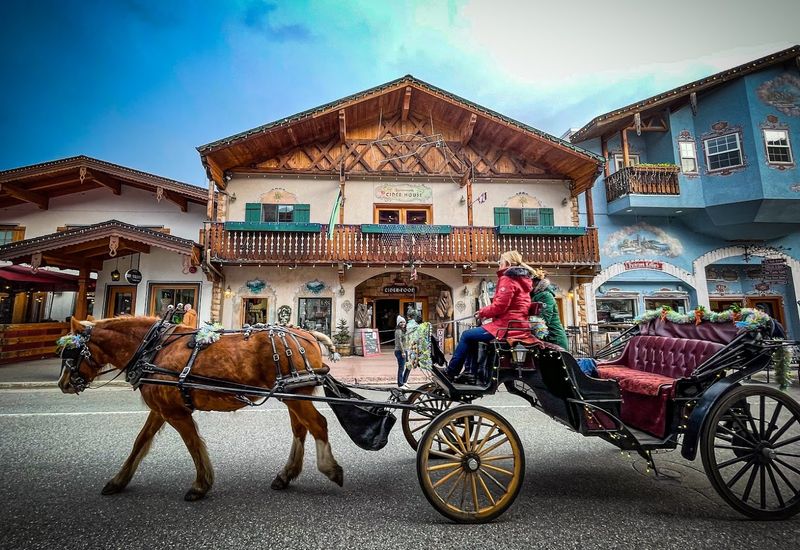
Leavenworth looks like someone picked up a Bavarian village from the Alps and gently set it down in the Cascade Mountains of Washington — and the effect is completely charming. This small town reinvented itself in the 1960s with a full Bavarian makeover, and today it’s one of the most distinctive and festive communities in the Pacific Northwest.
The surrounding Cascades offer serious outdoor recreation. Hiking trails fan out in every direction, the Wenatchee River is a popular spot for whitewater rafting and kayaking, and Stevens Pass ski area is just 35 miles away.
Icicle Canyon, right at the edge of town, is a stunning destination for rock climbing and nature walks through old-growth forest.
Leavenworth’s festival calendar is impressively full. From the famous Oktoberfest celebration to Christmas lighting festivals that draw thousands, there’s always something happening.
The town’s walkable streets, local restaurants serving German-inspired food, and specialty shops create a lively social atmosphere that retirees find hard to resist. The town is small enough to feel personal but active enough to avoid that isolated feeling some rural areas can bring.
For retirees who want scenery, community, and a dash of European flair, Leavenworth is genuinely one of a kind.
Luray, Virginia
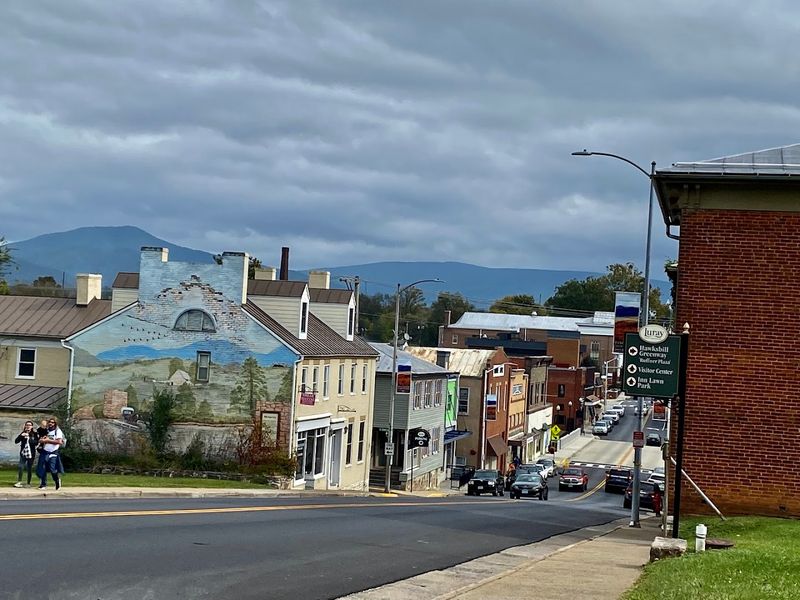
Tucked into the Shenandoah Valley between two ridges of the Blue Ridge Mountains, Luray is the kind of small town that feels like it was designed specifically for people who want to slow down without stopping entirely. The scenery here is soft, green, and endlessly peaceful — the kind that makes stress feel genuinely far away.
Shenandoah National Park is essentially Luray’s backyard. The famous Skyline Drive runs the length of the park’s ridge, offering 105 miles of scenic overlooks and access to hundreds of hiking trails.
The Shenandoah River curls around the valley, providing excellent kayaking, tubing, and fishing opportunities throughout the warmer months.
The town is also home to Luray Caverns, one of the largest cavern systems on the East Coast and a genuinely fascinating underground world. Exploring the caverns is a unique activity that never quite loses its wonder.
Downtown Luray has a quiet, historic charm with local shops, antique stores, and diners that feel authentically Virginian. The cost of living here is well below the national average, which is a major draw for budget-conscious retirees.
With mountains, rivers, caves, and community all in one place, Luray offers a retirement lifestyle that is rich in experience without being heavy on the wallet.
Ketchum, Idaho
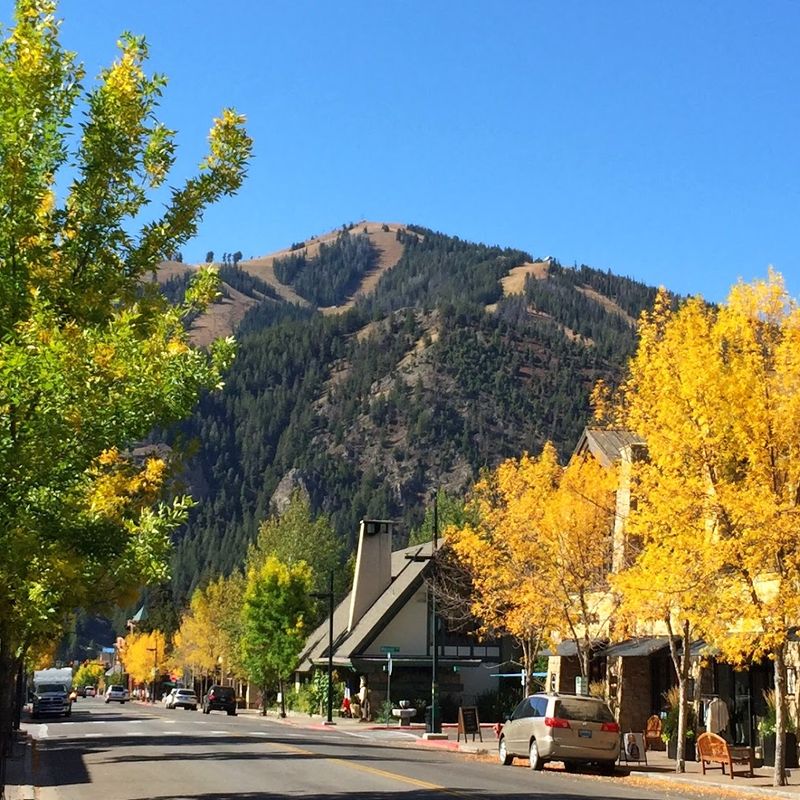
Ernest Hemingway loved Ketchum so much he chose to spend his final years here — and while that’s a bittersweet piece of history, it speaks volumes about the town’s hold on people. Nestled in the Wood River Valley at the base of the Sawtooth Mountains, Ketchum is one of those rare places that feels both remote and surprisingly cosmopolitan.
Sun Valley Resort, one of America’s oldest and most celebrated ski destinations, is essentially part of town. In winter, world-class skiing is minutes away.
Come summer, the resort’s lifts open for mountain biking, and the surrounding trails draw hikers of all abilities. The Wood River Trail System offers over 20 miles of paved paths for cycling and walking right through the valley.
Ketchum punches well above its weight culturally. The Sun Valley Film Festival, an active arts community, and high-quality restaurants give the town a sophisticated energy that complements its rugged mountain setting.
Galleries, live music, and community events keep the social calendar full year-round. The town is small — just a few thousand residents — which means newcomers become part of the community quickly.
For retirees who want mountain solitude, cultural richness, and outdoor adventure all wrapped into one beautiful Idaho valley, Ketchum is an easy and enthusiastic yes.
Share this story