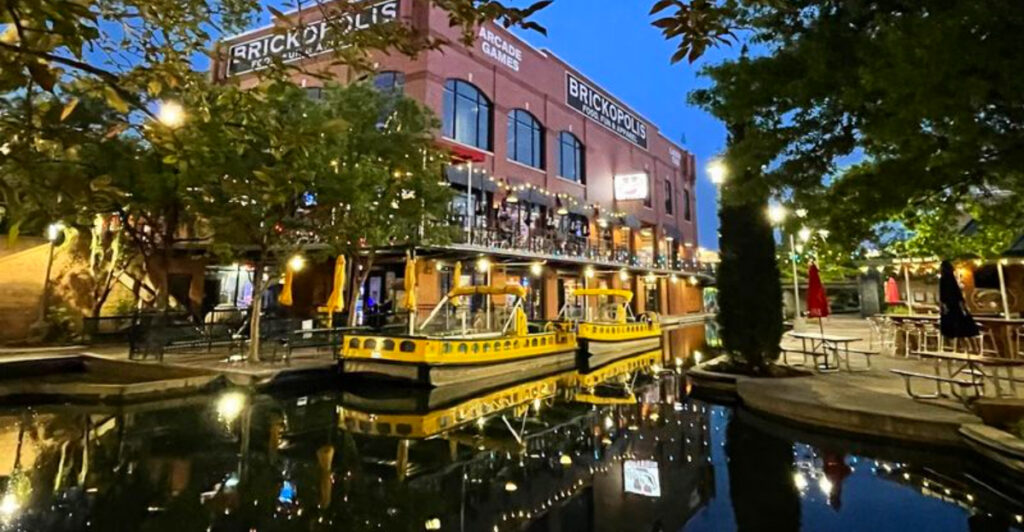
There is a spot in Oklahoma City where the canal shimmers with colored lights after dark, water taxis glide past brick-faced buildings, and the whole scene feels surprisingly far removed from a typical Midwest evening. The first time I walked along this stretch of waterfront, I genuinely had to remind myself I was in the heart of Oklahoma and not some coastal city with a long waterfront tradition.
The canal path is lined with restaurants, public art, and lush greenery, and it hums with energy at nearly every hour of the day. What surprised me most was how much personality this place packs into a relatively compact area, and I left wanting to come back before I even reached my car.
Where the Canal Walk Begins: Address and Location
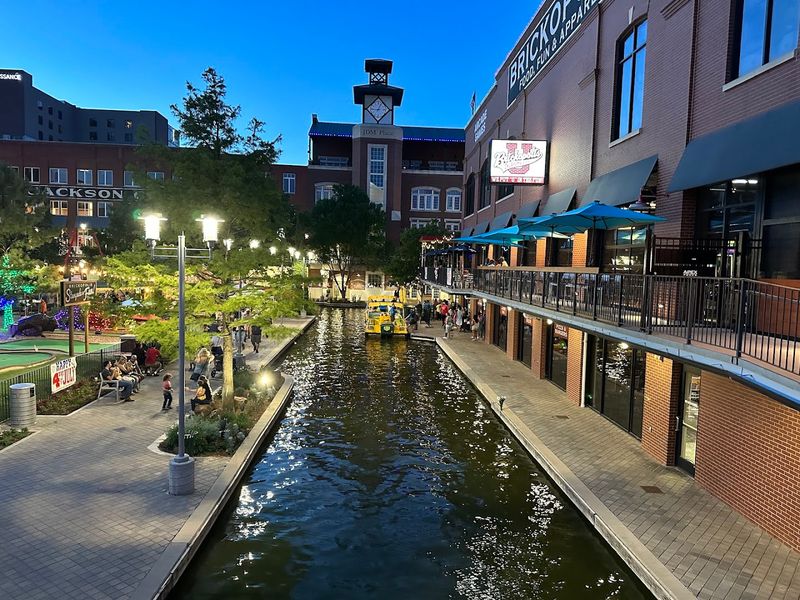
Right at 400 E Reno Ave, Oklahoma City, OK 73104, Bricktown River Walk Park sits in the heart of the Bricktown entertainment district, one of Oklahoma City’s most visited neighborhoods. The address puts you squarely in a converted warehouse district that has reinvented itself over the past few decades into a thriving destination full of energy and color.
The park is open every day from 4:30 AM to 11 PM, which means early morning joggers and late-night strollers both get a fair share of this place. The canal itself stretches roughly a mile, and the walking path that runs alongside it feels wide, clean, and easy to navigate.
Free parking is available near the stadium, and the surrounding streets offer additional spots if you arrive early enough. The phone number for more information is +1 405-235-2500, and the official website is welcometobricktown.com.
Whether you are visiting Oklahoma for the first time or you are a local looking for a fresh evening out, this address is one worth saving.
The History Behind the Bricktown Canal
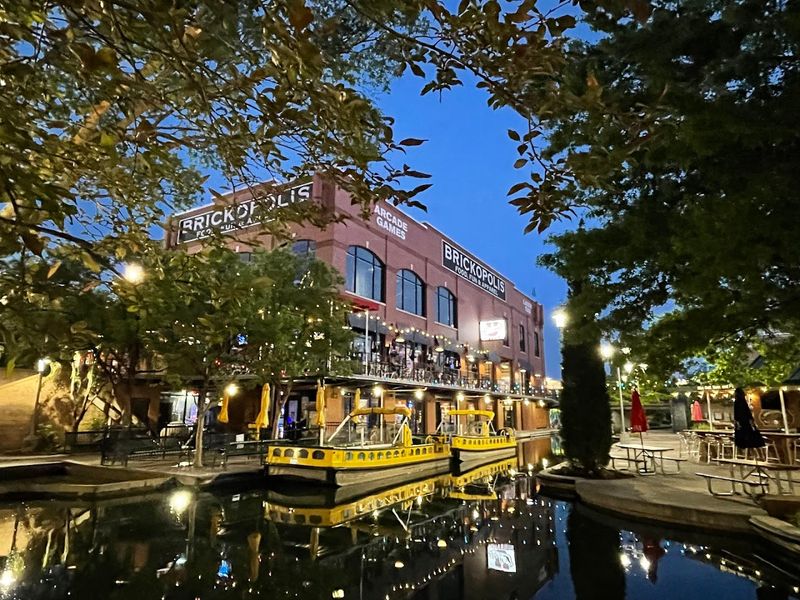
Long before water taxis and glowing lights filled this stretch of Oklahoma City, the Bricktown district was a cluster of early 20th-century warehouses used for grain storage and freight distribution. The buildings were eventually abandoned as the city’s economic center shifted, and for decades, the area sat largely forgotten behind layers of grime and neglect.
The canal itself was constructed in the 1990s as part of a major urban renewal project funded by a penny sales tax that Oklahoma City voters approved. City planners wanted to bring life back to the historic warehouse district, and the canal was the centerpiece of that vision.
Water was pumped in from the North Canadian River, and the entire corridor was redesigned from the ground up.
The project paid off in ways that exceeded early expectations. Today, the district attracts millions of visitors each year, and the canal has become one of the most photographed spots in the state.
The story of how a forgotten warehouse zone transformed into a lively waterfront destination is genuinely one of Oklahoma City’s proudest chapters.
Water Taxis: The Coolest Way to See the Canal
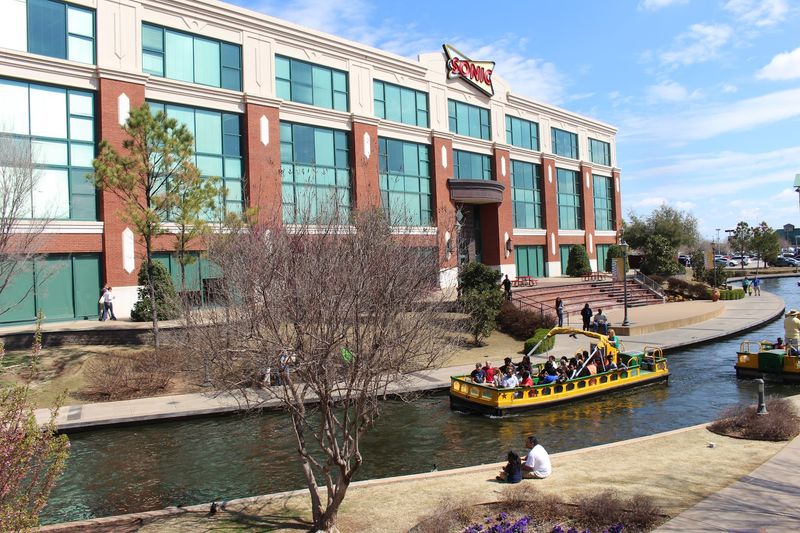
Hopping aboard one of the water taxis is easily the most fun way to take in the canal. The boats are small, covered, and cheerful, and they carry passengers along the full length of the waterway while a guide shares stories about the district’s past and the landmarks along the route.
The ride costs around ten dollars per person, which feels fair for the experience you get. You are treated to views of the canal from water level, which gives you a completely different perspective than walking the path.
The brick facades of the surrounding buildings look especially striking from down on the water, and the reflections on the surface add a certain charm to the whole ride.
Kids tend to love the boat experience, and the guides are known for keeping things entertaining and informative at the same time. The boats run during regular park hours, and on busy weekend evenings, a short wait is common.
Arriving a bit early in the day helps you snag a spot without much hassle, and the ride itself lasts long enough to feel genuinely satisfying.
The Oklahoma Land Run Monument: A Bronze Masterpiece
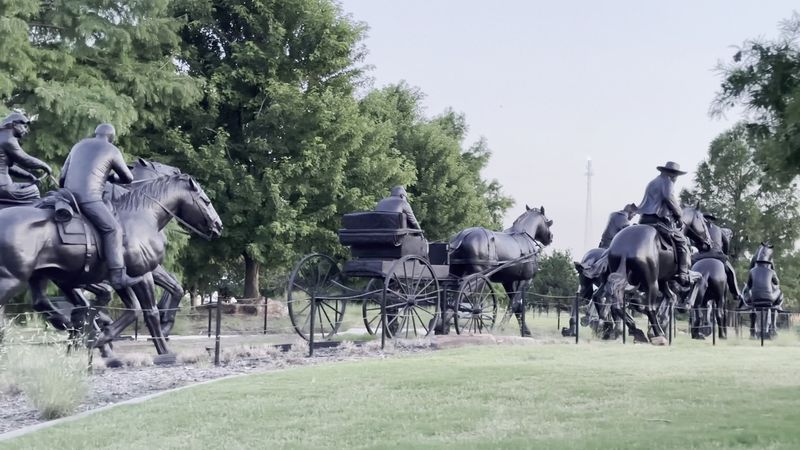
Few pieces of public art in Oklahoma stop people in their tracks quite like the Land Run Monument at the southern end of the canal. This sprawling bronze sculpture depicts the famous 1889 Land Run, when tens of thousands of settlers raced across the territory to claim plots of land, and the detail packed into every figure is extraordinary.
The monument is considered one of the largest bronze sculptures in the world. Horses rear back mid-stride, wagon wheels spin frozen in time, and the expressions on the settlers’ faces carry real emotion.
Artist Paul Moore spent years crafting each element, and the result is a scene that feels both chaotic and deeply human at the same time.
Walking around the full perimeter of the monument reveals new details from every angle. A figure you missed from the front suddenly becomes the focal point from the back.
The sculpture is best appreciated in daylight when the sun picks up the texture of the bronze surfaces, and it deserves a solid twenty minutes of your attention rather than a quick glance from the path.
City Lights After Dark: The Canal at Night
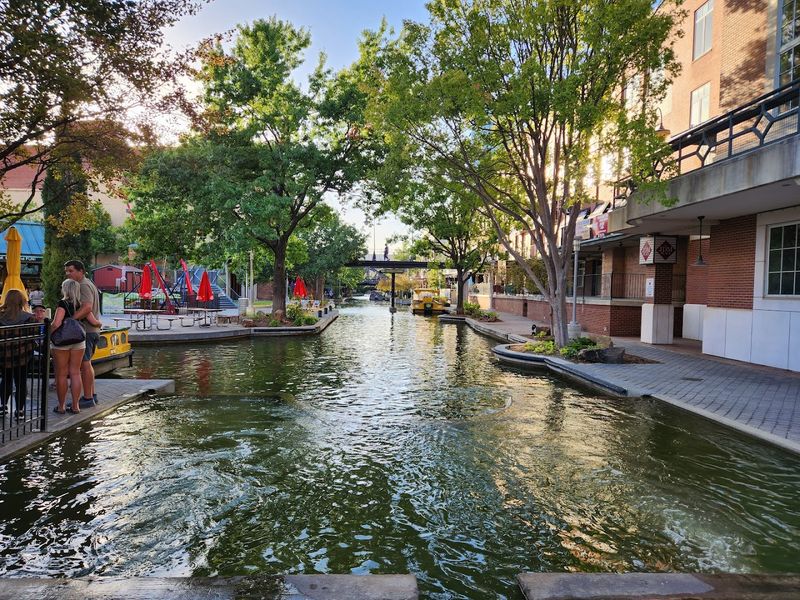
The canal transforms after sunset in a way that genuinely catches you off guard. Strings of lights run along the bridges and pathways, colored reflections ripple across the water, and the whole district takes on a warm, festive glow that makes it feel like a completely different place from the daytime version.
The holiday season is particularly spectacular. Between Thanksgiving and New Year’s, the light displays are cranked up significantly, and the canal becomes a destination in its own right after dark.
Visitors who have come during the Christmas period describe the experience as magical, and that word feels accurate rather than exaggerated.
Even on a regular evening outside of the holiday season, the canal walk at night has a lively, romantic energy. Couples stroll the path, families linger near the water, and the restaurants that line the canal spill warm light and pleasant aromas onto the walkway.
The park officially closes at 11 PM, so there is plenty of time to enjoy the full evening atmosphere without rushing.
Restaurants and Dining Along the Water
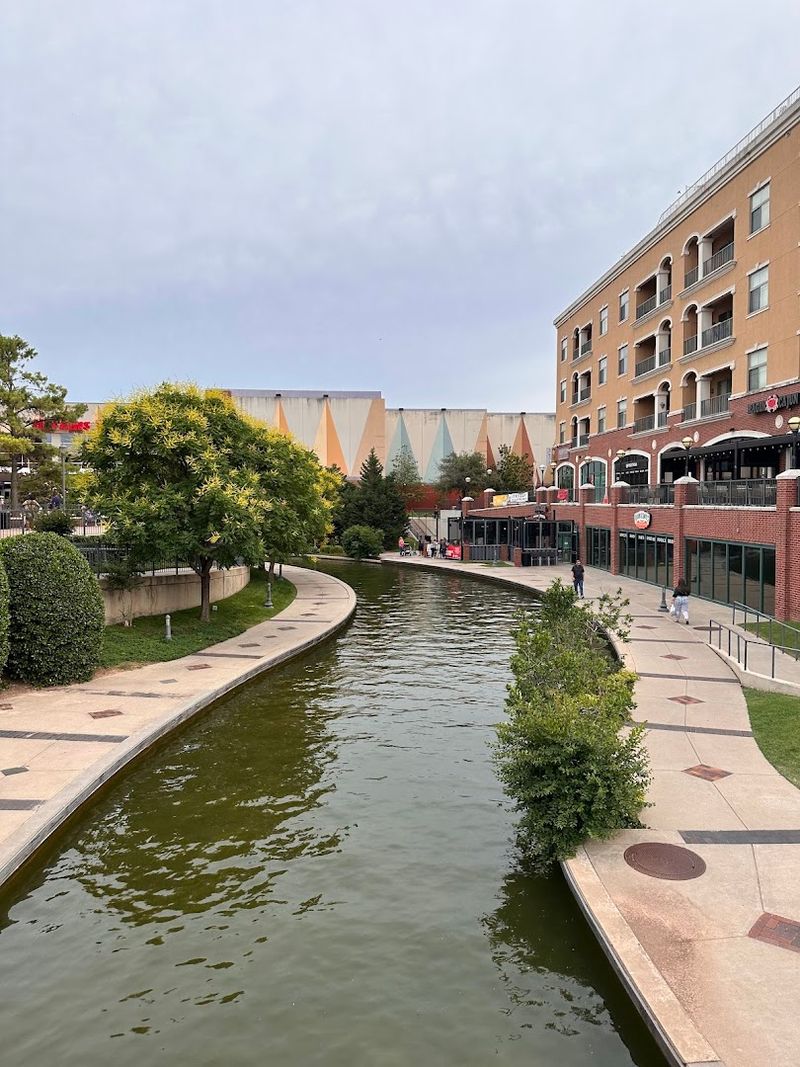
One of the strongest arguments for spending a full afternoon here rather than just a quick walk is the lineup of restaurants that face the canal. The options range from casual burger spots and seafood counters to sit-down restaurants with full menus and canal-facing patios that are worth planning your visit around.
The dining experience along the water has a relaxed but energetic vibe. Tables near the edge of the canal let you watch the water taxis drift by while you eat, which adds a layer of entertainment to any meal.
The food quality across most spots is solid, and the variety means picky eaters and adventurous ones alike can find something that works.
Lunch tends to be a popular time along the canal, and weekend brunches at some of the spots fill up quickly. Arriving slightly before peak hours helps you snag a good table without a wait.
The restaurants are also conveniently spread along the path, so you can stop in at different points during your walk rather than committing to one end of the canal or the other.
Mini Golf and Entertainment on the Canal
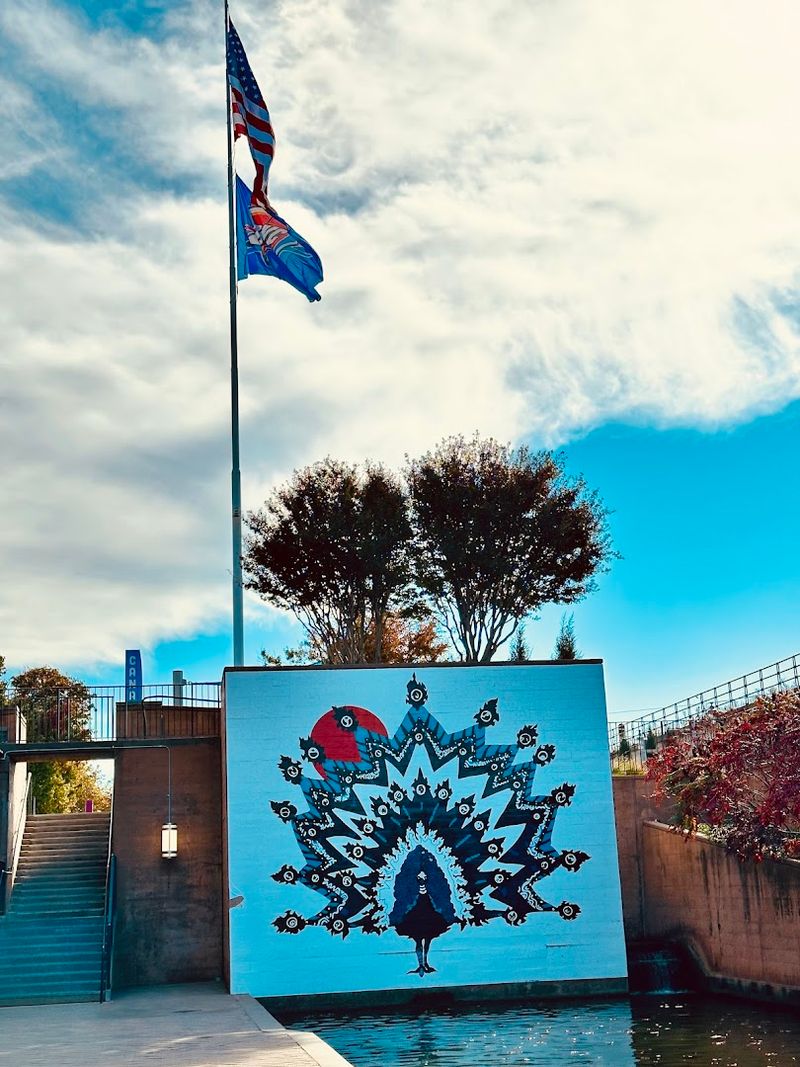
Beyond the canal walk and the restaurants, Bricktown has managed to pack in a few extra layers of entertainment that keep visitors busy well past their first loop around the water. Mini golf is one of the standout options, and it sits right in the heart of the district where you can slip in a round without straying far from the canal path.
The mini golf course draws families, friend groups, and couples looking for something fun and low-key to do between meals or after a boat ride. It is a casual, lighthearted experience that fits perfectly into the overall character of the district, which leans toward accessible and enjoyable rather than exclusive or pretentious.
Beyond mini golf, the area around the canal includes candy and snack shops, souvenir stores, and periodic outdoor events that pop up on weekends throughout the year. The energy of the district shifts depending on what is happening that day, which means repeat visits often feel fresh.
The combination of entertainment options makes this canal walk far more than just a pretty stroll.
The Walking Path: What to Expect on the Trail
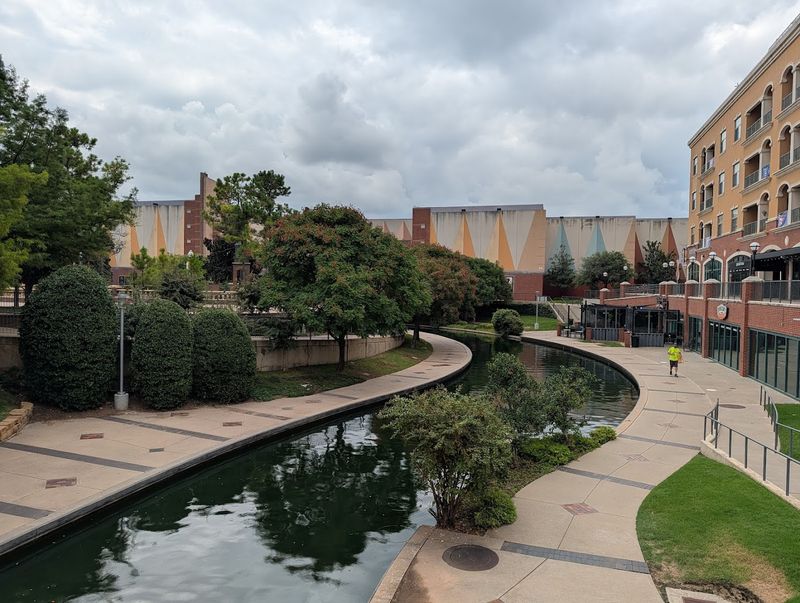
The walking path that runs the length of the canal is flat, well-paved, and genuinely pleasant to move through at any pace. A full loop of the main canal area takes roughly an hour if you stop to look around, and the path has been extended over the years to include additional sections that add variety to the walk.
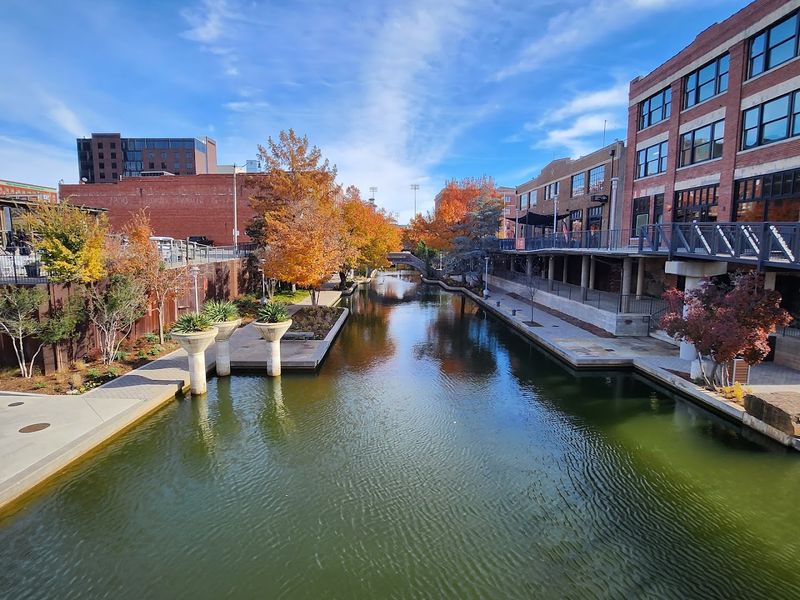
The landscaping along the route is one of the quiet highlights of the experience. Flowering plants in seasonal colors line the edges of the walkway, and the combination of greenery against the brick architecture creates a contrast that photographs beautifully.
The path is wide enough to accommodate joggers, families with strollers, and casual walkers without anyone feeling crowded.
Early morning visits offer a particularly peaceful version of the canal experience. The water is calm, the crowds are thin, and the light hits the brick buildings at a low angle that makes the whole corridor feel cinematic.
Evening visits bring more energy and people-watching opportunities. Either end of the day delivers a satisfying walk, and the path is clean enough that you never feel like you are navigating around anything unpleasant.
Public Art Scattered Along the Route
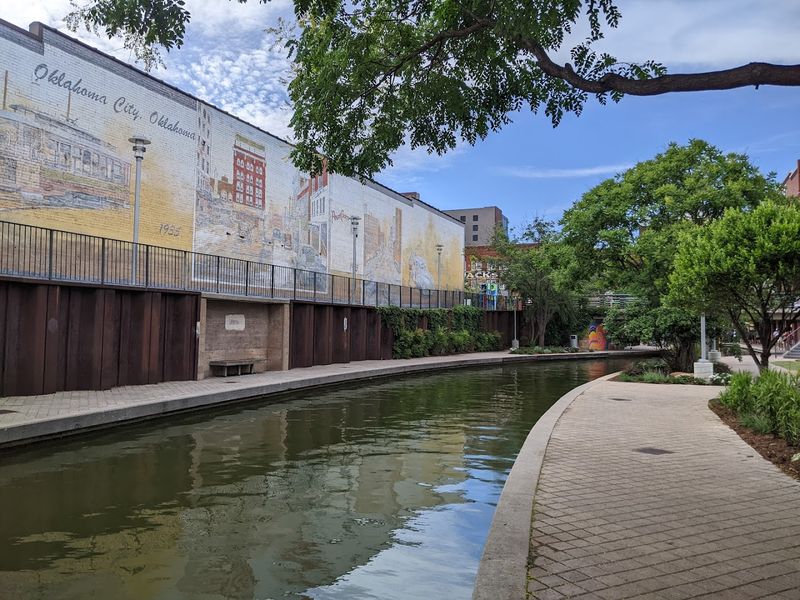
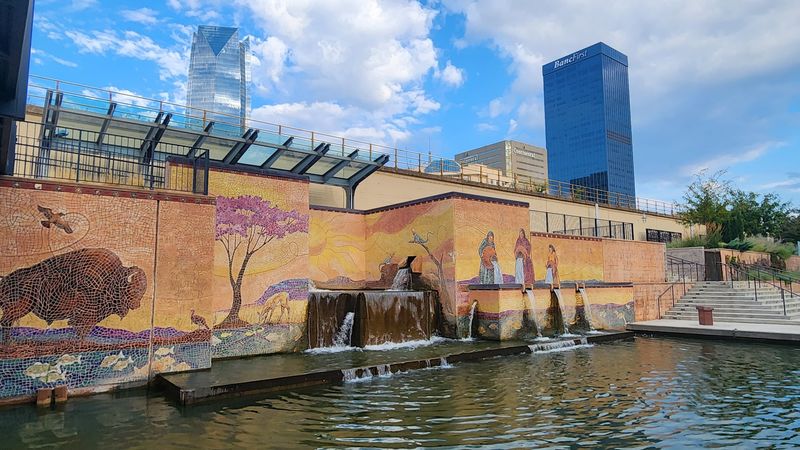
The canal walk doubles as an open-air gallery, with sculptures, murals, and art installations placed at various points along the route. The pieces range from large-scale bronze figures to more abstract installations, and they give walkers something to pause over and discuss between stretches of the path.
The art selection feels thoughtful rather than random. Many pieces tie into Oklahoma history or local culture, giving the walkway an educational layer that rewards curious visitors.
Historical markers near several installations provide context, turning a casual stroll into something a bit more informative if you are in the mood for it.
The murals on some of the surrounding brick walls are especially striking, and they reflect the character of the district’s transformation from industrial zone to cultural hub. Street art enthusiasts will find plenty to appreciate, and even visitors who do not typically seek out public art tend to stop and spend time with the larger pieces.
The combination of sculpture, murals, and historical markers makes this canal walk feel curated rather than accidental, and that attention to detail elevates the whole experience significantly.
Best Times to Visit the Bricktown Canal
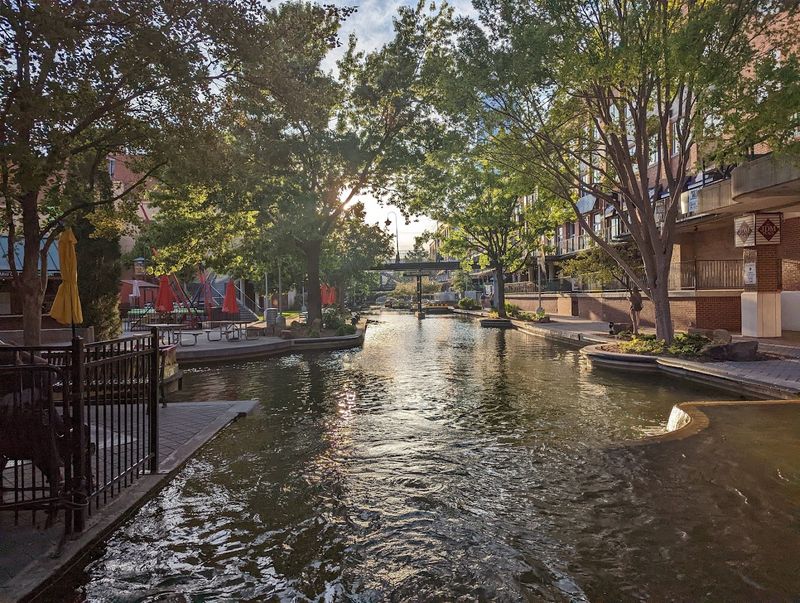
Timing your visit to the Bricktown Canal can make a noticeable difference in how much you enjoy the experience. Summer mornings are a strong choice because the temperatures are manageable before midday heat sets in, and the path is quiet enough that you can move at your own pace without navigating through heavy foot traffic.
Fall is widely considered the sweet spot for a canal visit. Cooler temperatures, lower humidity, and the early arrival of holiday lighting in November make autumn the most comfortable and visually rewarding time to walk the path.
The district tends to bustle pleasantly on fall weekends without ever feeling overwhelmingly packed.
Winter visits around the holiday season carry their own special appeal, particularly in the evenings when the light displays are at their most elaborate. Spring brings blooming flowers along the walkway and mild weather that makes long, unhurried walks easy to enjoy.
The canal is open every single day of the year, so there is genuinely no wrong time to visit, just better and slightly less ideal windows depending on your personal comfort with heat or crowds.
Practical Tips for First-Time Visitors
A few practical notes can save you time and frustration on your first visit to the Bricktown Canal. Parking near the stadium tends to offer the most reliable free options, and arriving before noon on weekends gives you the best chance of finding a spot without circling the block multiple times.
Public restroom access is limited along the canal itself, so planning ahead or using facilities at one of the restaurants before starting your walk is a smart move. The trolley service from the stadium area to Bricktown is air-conditioned and a surprisingly convenient way to arrive, especially during the warmer months when a long walk in the heat is not exactly appealing.
Dogs are welcome on the canal path, which makes this a great outing for pet owners. The park opens at 4:30 AM for early risers who want the path entirely to themselves.
Wearing comfortable shoes is genuinely useful advice here, since the full loop plus any detours adds up to more walking than most people anticipate. The official website at welcometobricktown.com has current event listings and seasonal information worth checking before you head out.
Why the Bricktown Canal Keeps Drawing People Back
The Bricktown Canal has a 4.7-star rating across nearly four thousand reviews, and that number holds up against the actual experience. The combination of walkable paths, water taxi rides, outdoor art, good food, and a well-maintained environment creates something that is genuinely hard to replicate in a single afternoon outing.
What keeps people coming back is the way the place shifts with the seasons and the time of day. A summer morning walk feels completely different from a holiday evening stroll, and both versions are worth experiencing.
The district has also continued to expand and improve, so visitors who came a few years ago often find new sections and new installations to explore on a return trip.
Oklahoma City has put real care into this district, and the Bricktown Canal reflects that investment in every clean pathway, every well-lit bridge, and every thoughtfully placed piece of public art. For anyone spending time in Oklahoma, this canal walk is the kind of place that earns a spot on the itinerary not out of obligation but out of genuine anticipation, and that is the best endorsement any destination can earn.
Share this story