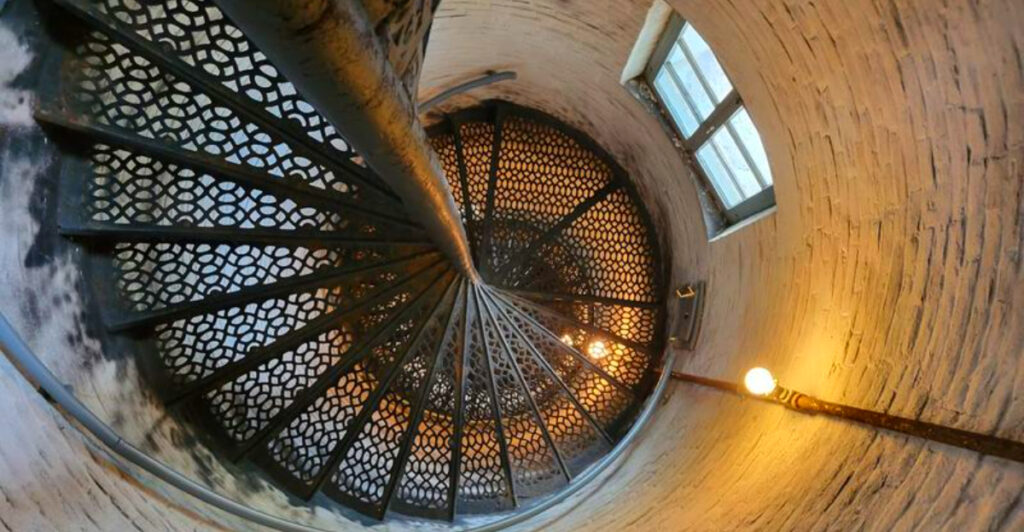
Some places look peaceful at first glance, then quietly rearrange your mood the longer you stay. I felt that almost immediately at this Lake Huron landmark, where bright shoreline views, keeper-era rooms, and a surprisingly lonely stretch of coast create the kind of atmosphere that makes you lower your voice without quite knowing why. There is a reason people keep talking about the quarters, the shoreline, the old rescue stories, and the strange pull of returning after dark, and it is not because this stop relies on cheap thrills. Keep reading and I will show you what makes this site in Michigan’s Thumb feel so memorable, from its weathered buildings and museum details to the tower schedule, the rocky waterline, the volunteers who bring the place to life, and the subtle, lingering mood that gives the whole visit its wonderfully haunting edge.
Where the mystery begins
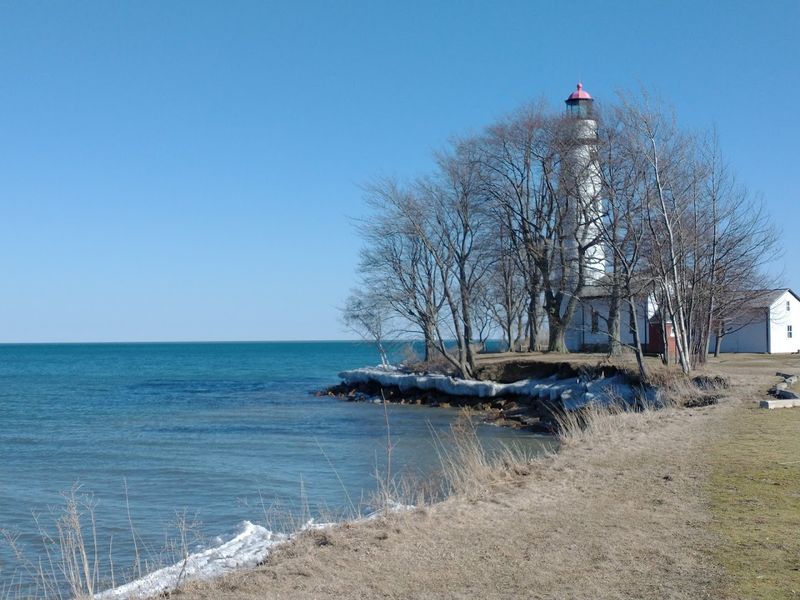
I found the destination at Pointe aux Barques Maritime Museum, 7320 Lighthouse Rd, Port Hope, MI 48468, in the United States, and the setting earns your attention before you even read a single plaque. Out in Michigan’s Thumb, the property feels both open and secluded, with Lake Huron spreading beside a cluster of carefully preserved historic structures.
That contrast hooked me right away. The grounds look tidy and welcoming, yet the isolation of the point adds a hush that makes the keeper’s quarters feel like they are still holding onto old routines, old weather, and old conversations.
Nothing here comes across as theme-park spooky, which I appreciated. Instead, the place leans on real maritime history, the lighthouse, the museum rooms, and the shoreline itself to create a mood that stays with you longer than expected, and that quiet mood only deepens once you step inside.
Rooms that still feel occupied
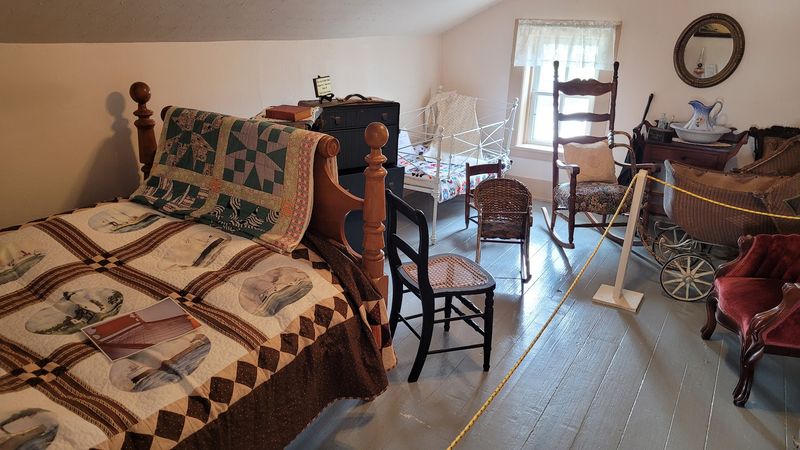
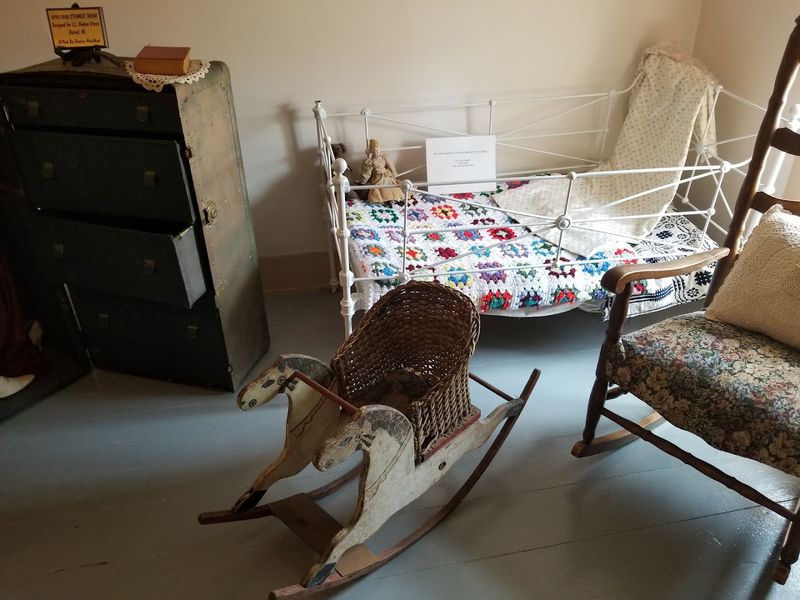
The keeper’s quarters drew me in because they do not feel staged in a stiff, untouchable way. The rooms carry that slightly unsettled quality old buildings do so well, where every doorway suggests somebody has just stepped into the next room and will be back any minute.
I liked how the museum preserves domestic details instead of treating lighthouse history as only a story about machinery and storms. Furniture, objects, and room layouts make the human side of the station easier to picture, and that is where the haunting quality really begins to work on your imagination.
You are not being pushed toward dramatic claims. You are simply standing in a place where daily life once revolved around duty, weather, and isolation, and the result is far more effective than any overdone ghost script. The quarters invite you to notice creaks, corners, and silence, and the next building adds even more texture.
A shoreline that changes the mood
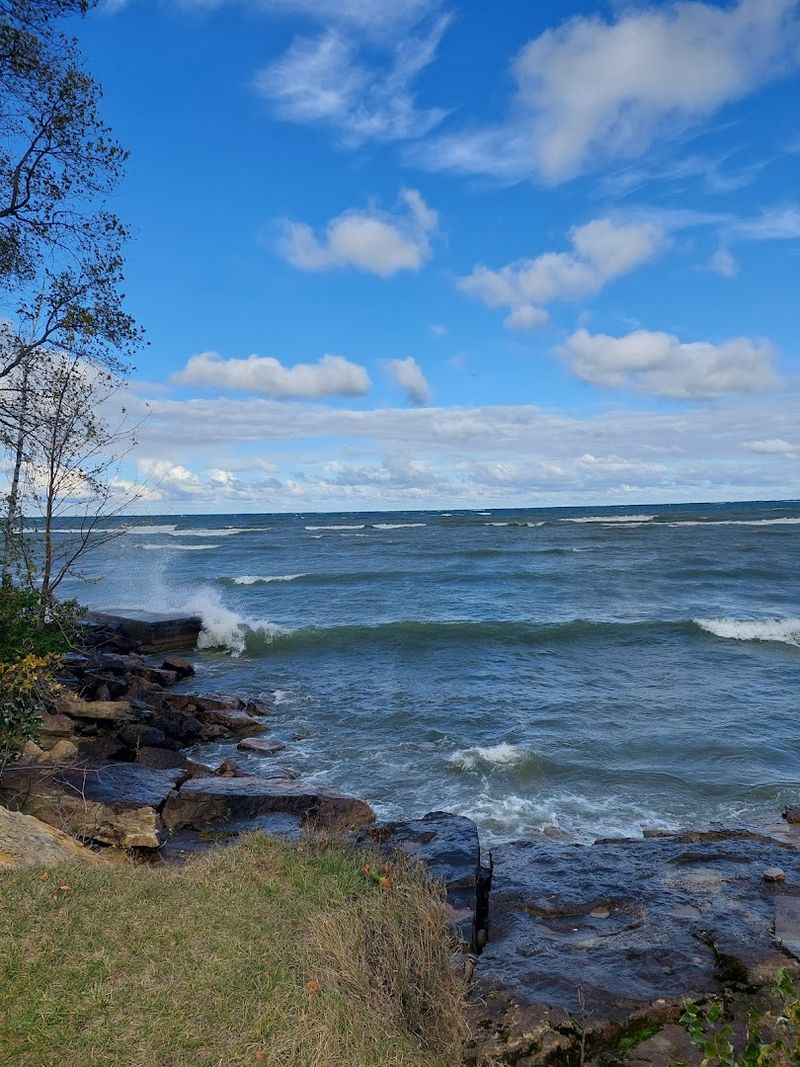
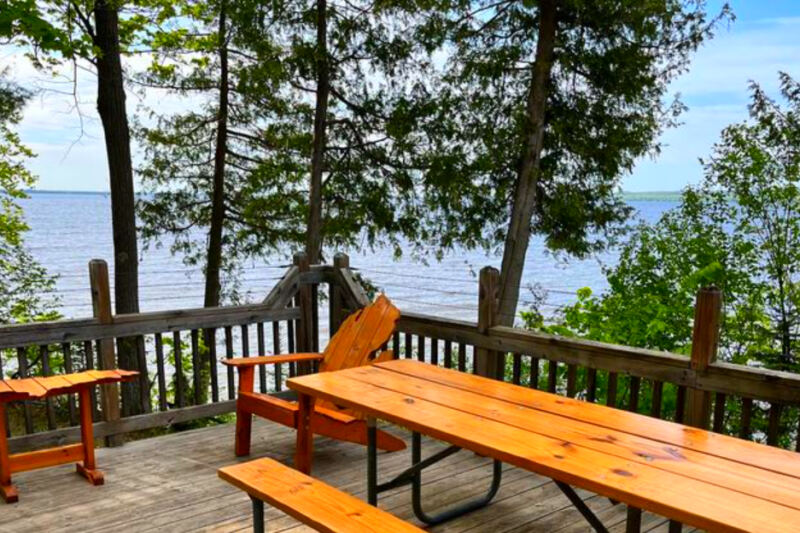
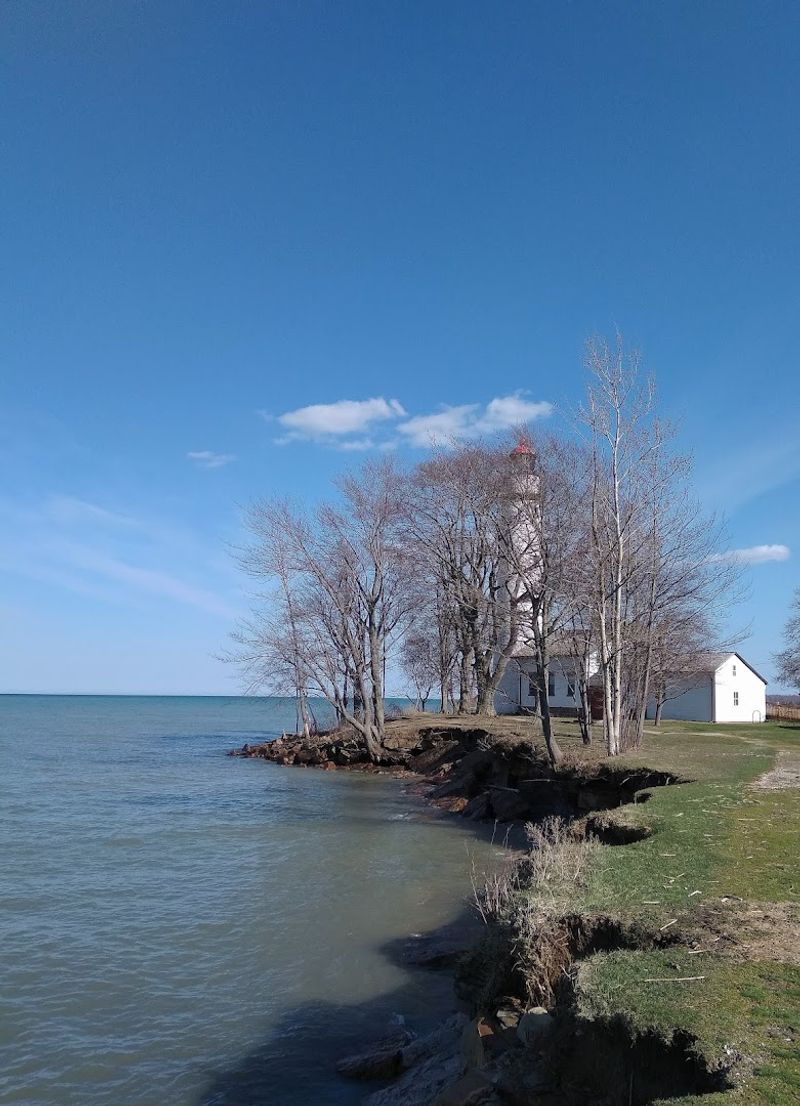
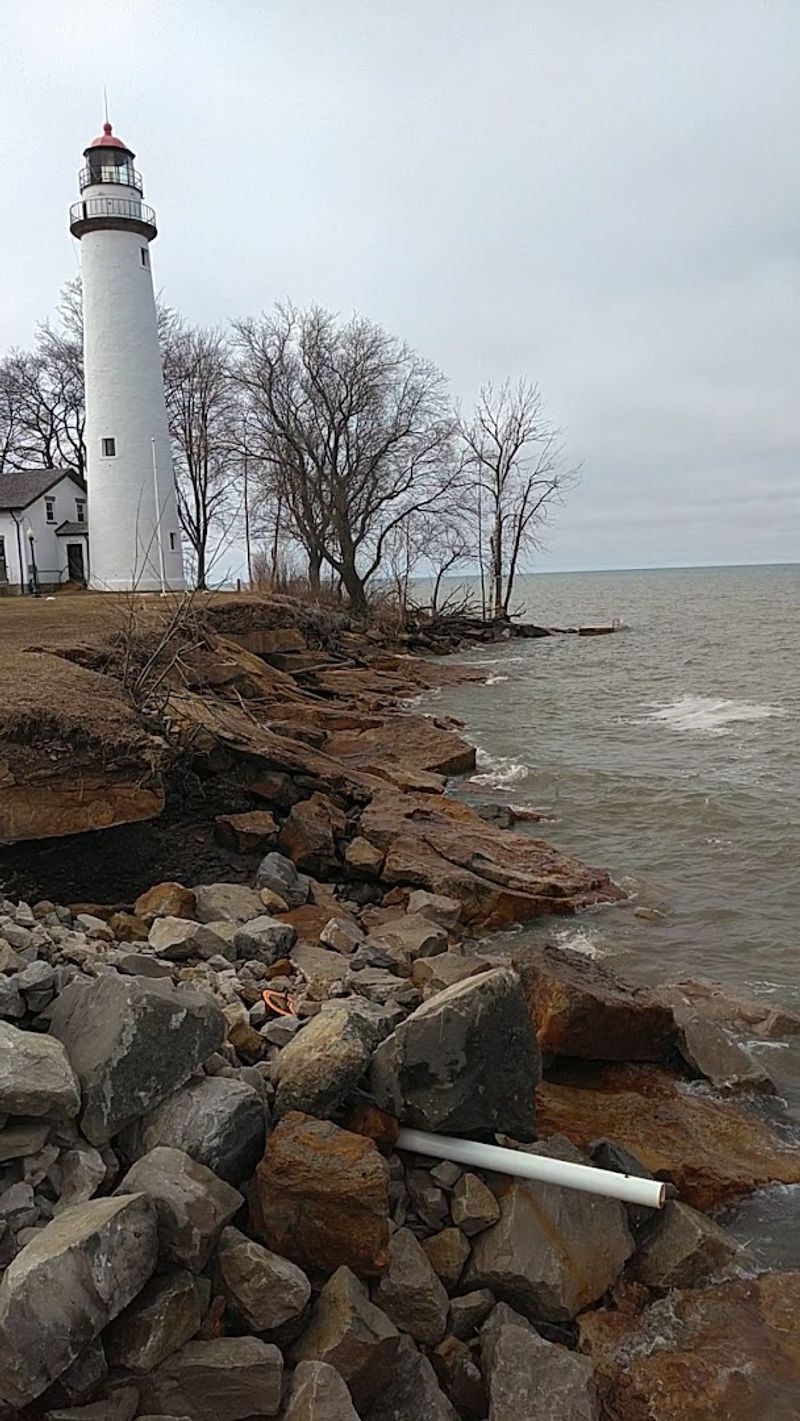
The rocky edge of Lake Huron gives this place much of its personality. I spent longer than planned near the water because the flat stones, changing light, and steady motion of the lake create a scene that is calm on paper but emotionally a little stranger in person.
Several visitors mention the shore as a highlight, and I understand why. It is beautiful, yes, but it also feels exposed, especially when the wind picks up and the sound of the water starts filling every pause between thoughts.
I would bring a folding chair if you like lingering with a view, though I also paid attention to posted cautions and the edge of the lawn near the cove. Parts of the shoreline have seen erosion, so this is one of those pretty places where a little common sense belongs in your day bag. The tower, meanwhile, adds a different kind of suspense.
The tower you should plan for
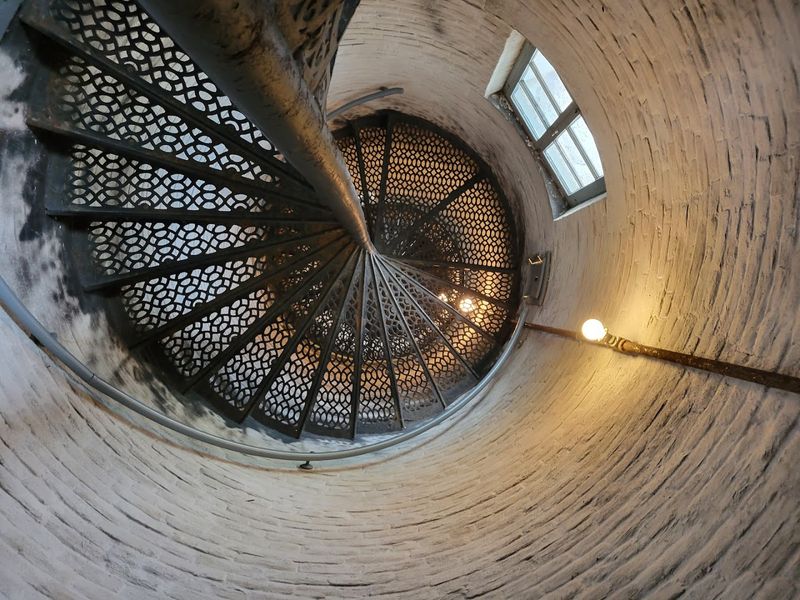
Here is the practical detail I wish every first-time visitor knew before arriving: the lighthouse tower is not open all the time. I saw how easy it would be to assume that volunteers on site means tower access too, but climbs happen only on specific weekends with the right staffing and safety procedures.
That limitation actually added to the place for me rather than subtracting from it. An active lighthouse should not feel casual, and the fact that tower access depends on schedules makes the whole experience feel more deliberate and more connected to the reality of maintaining the site.
If climbing matters to you, check the museum’s website before you go and build your trip around the posted dates. If the tower is closed, the visit is still worthwhile because the museum rooms, grounds, and shoreline easily carry the day. And honestly, the stories inside the buildings linger longer than the stair count anyway.
Where Maritime History Feels Personal
One of the best parts of my visit was the volunteer presence, which gives the museum its warmth and much of its depth. This is not a place where you shuffle past labels in silence and leave with half the story still sitting on the shelf.
The volunteers are known for being helpful and knowledgeable, and that reputation showed. Questions led to fuller explanations, small details turned into bigger context, and the site felt cared for by people who genuinely want you to understand why this point on Lake Huron mattered so much.
That human energy balances the lonely atmosphere of the grounds in a smart way. The place can feel haunting, but never neglected, and that distinction matters because it turns the visit into a conversation with history instead of a gloomy stroll. By the time I moved deeper into the exhibits, I realized the rescue stories and shipping dangers were about to sharpen the entire experience.
Stories shaped by dangerous water
The exhibits do an excellent job explaining why this stretch of coast mattered so much to navigation. I came for the lighthouse mood, but I stayed for the maritime context, especially the material about shipping hazards and the long effort to guide vessels safely along this part of the lake.
That history gives the keeper’s quarters more emotional weight. These were not decorative buildings placed beside pretty water for modern photos; they supported real work shaped by rough conditions, constant vigilance, and the pressures of a shoreline that could turn serious quickly.
I appreciated that the museum includes historical documents, artifacts, and explanations that make the site feel layered instead of thin. Even if you already like lighthouses, this place adds enough texture to keep your attention, and if you do not, the practical side of Great Lakes history may convert you on the spot. Then another preserved structure on the grounds quietly steals the scene.
More than one historic building
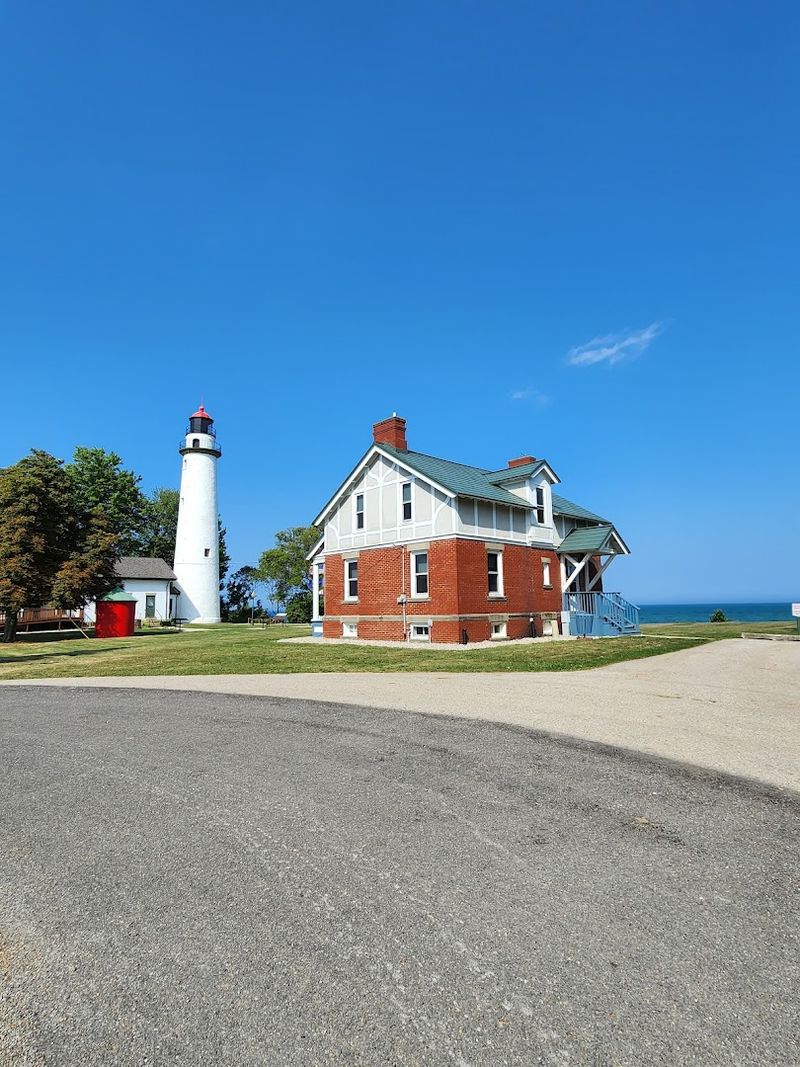
I was glad the experience was not limited to one lighthouse and a quick peek inside a shop. The grounds include multiple preserved buildings, and that broader layout makes the site feel like a working historic campus rather than a single-photo roadside stop.
The life-saving station is especially important to the overall story because it expands your sense of what happened here. Once I started connecting the tower, quarters, shoreline, and rescue infrastructure, the whole point felt less like a postcard and more like a carefully preserved chapter of coastal Michigan.
That bigger picture also helps explain why the museum leaves such a strong impression even on visitors who arrive casually. You can come for lake views and still walk away talking about architecture, preservation, and the practical routines that once shaped every day on site. There is also a smaller, lighter side to the visit, and it comes with shelves, souvenirs, and a bit of browsing relief.
The gift shop is not enormous, and that is part of its charm. It feels like an extension of the museum rather than a separate retail zone, with items that make sense for the setting and a volunteer presence that keeps the experience personal instead of transactional.
I would not build a whole trip around shopping here, but I also would not skip it. A compact stop can be exactly right after reading plaques and absorbing local history, and it helps round out the visit with something practical and low-key. Once I headed back outside, though, the real show returned overhead and along the waterline with birds, light, and a lot of fresh-air drama.
Birds, stars, and the quiet after sunset
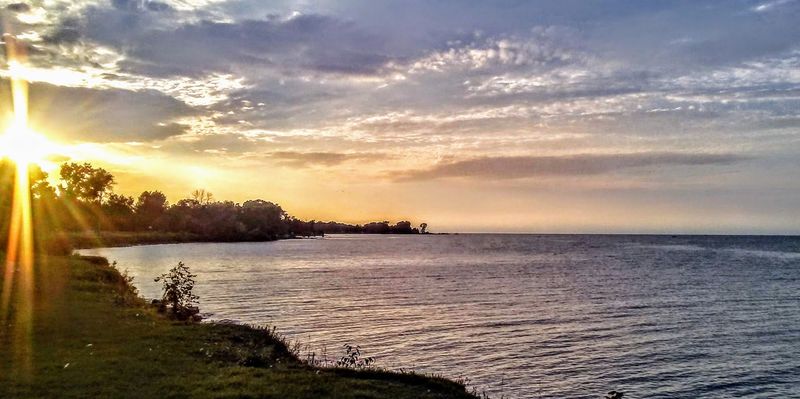
Daylight gives you the history, but the site gains a different personality later in the day. I kept thinking about how many people mention the night sky here, because once you see the point after sunset, the appeal makes immediate sense.
There is very little traffic, the lake goes dark and broad, and the lighthouse begins to feel less like a museum object and more like a live presence on the shore. On clear nights, visitors have noted excellent star viewing, even the Milky Way when conditions cooperate, and that detail alone makes me want to return with extra layers and more time.
Even in daytime, the natural side of the grounds can surprise you. Bird activity adds motion and color, and the open shoreline keeps your attention bouncing between sky, water, and buildings in a way that never feels static. It is romantic without trying too hard, and a little eerie in the most enjoyable way. Timing your visit well makes all of that shine even more.
When to go and how to enjoy it
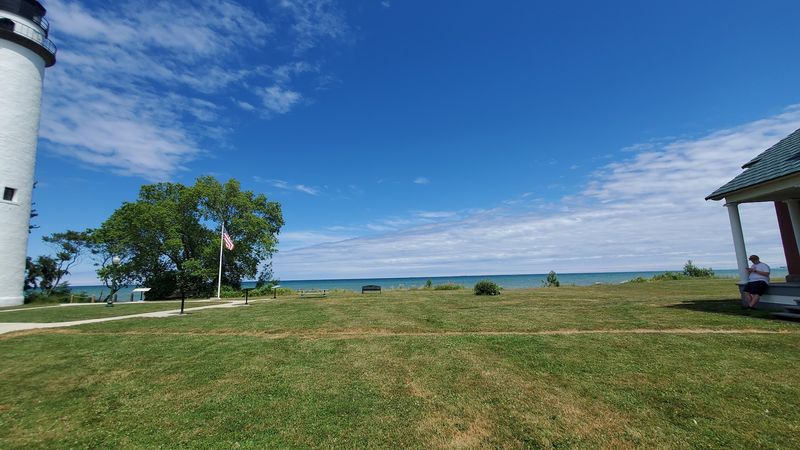
I would treat this as a place for an unhurried visit rather than a quick checkmark. The museum rewards anyone willing to read displays, ask questions, sit by the water for a bit, and accept that some features, especially tower climbs, depend on schedule and staffing.
Summer and early fall seem ideal if you want comfortable weather, open grounds, and a better chance at catching scheduled activities. I would also keep an eye on the museum website for hours and special climb dates, because arriving informed saves you from the classic lighthouse travel complaint of staring upward and negotiating with locked stairs.
Bring comfortable shoes, patience, and enough time to let the place work on you. A folding chair is a smart move if lakeside sitting sounds appealing, and nearby camping adds another option for people who want to stretch the visit into a slower coastal break. Then again, even a short stop can linger in your head far longer than expected.
Why the haunting feeling stays with you
What stayed with me most was not a single exhibit or view, but the way the whole property holds its mood. The keeper’s quarters, the active lighthouse, the rescue history, the rocky lake edge, and the quiet volunteer-run care all work together to create something richer than a standard scenic stop.
The haunting quality here is not about jumpy storytelling. It comes from standing in rooms that still suggest routine, on a shoreline that still feels exposed, at a landmark that still has a job to do, and realizing how much human effort once depended on this exact point.
That is why I would gladly return. Pointe aux Barques Maritime Museum in Port Hope offers beauty, history, practical travel value, and a subtle shiver of atmosphere that never tips into nonsense, which is exactly my kind of memorable destination. Long after I left, I could still picture those quarters and that water, and honestly, that lingering feeling is the whole point.
Share this story