 Unearth The Voyage
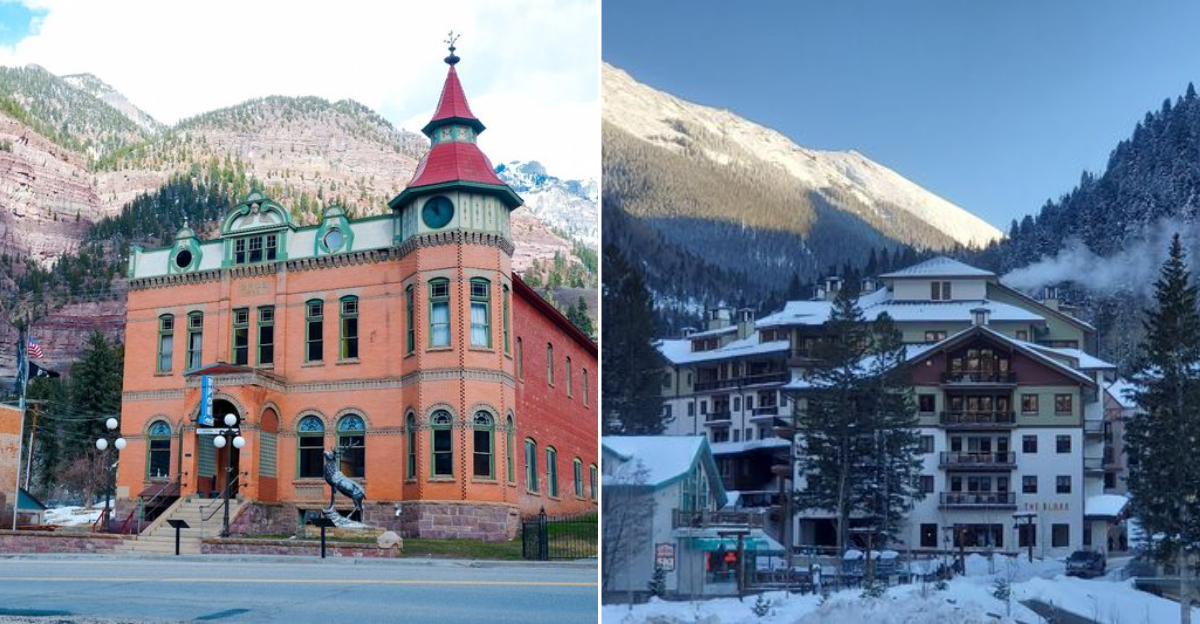
Not every European getaway requires a passport. Scattered across the American West and beyond, there are mountain villages so convincingly Old World that you will do a double-take at the architecture.
From Bavarian beer halls to Swiss-style chalets, these spots nail the European vibe without the jet lag. Pack your bags, because these 13 US mountain villages are about to seriously mess with your sense of geography.
Leavenworth, Washington
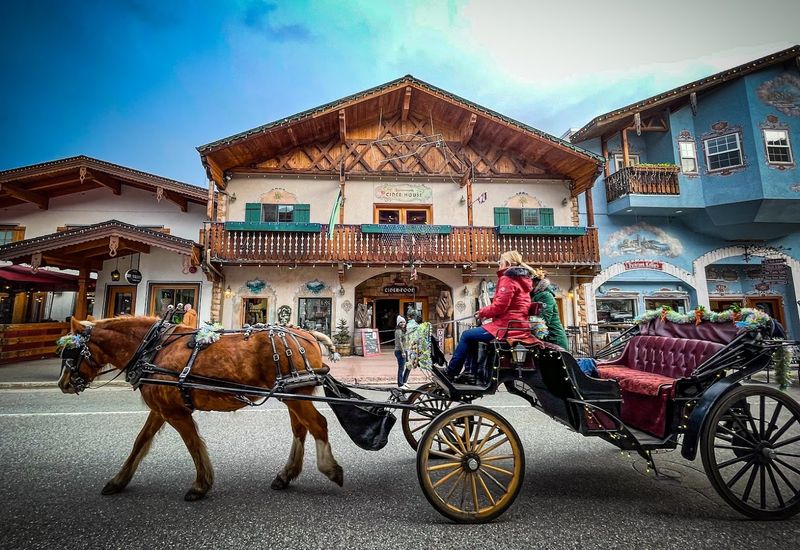
Leavenworth is the overachiever of American theme towns, and honestly, good for it. The whole place went full Bavarian in the 1960s after the timber industry collapsed, and the makeover worked so well that its own tourism site literally calls it a Bavarian village.
Every building on Front Street looks lifted straight from Munich.
The town hosts Oktoberfest every fall, complete with lederhosen, oompah bands, and more pretzels than any human should eat in one sitting. I went one October and genuinely forgot I was still in Washington State.
The Cascades looming behind the painted storefronts only add to the surreal effect.
Leavenworth is also a serious outdoor hub. Hiking, whitewater rafting, and skiing are all within easy reach.
The combination of alpine adventure and European kitsch makes this town weirdly irresistible. Even skeptics tend to leave charmed.
Helen, Georgia
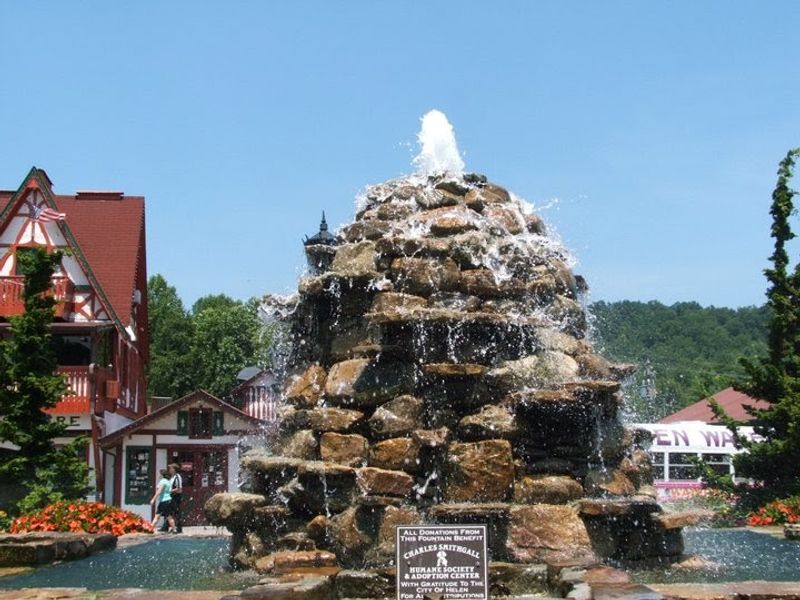
A tiny Georgia town with a Bavarian makeover sounds like the setup to a joke, but Helen pulls it off with surprising commitment. Tucked into the Blue Ridge Mountains, Helen reinvented itself in 1969 when local businesses agreed to transform their storefronts into an alpine village aesthetic.
The result is genuinely delightful.
Cobblestone-style streets, flower-draped balconies, and buildings painted in pastel alpine colors line the main drag. The Chattahoochee River runs right through town, adding a postcard-worthy backdrop that most actual European villages would envy.
Helen even hosts one of the longest-running Oktoberfest celebrations in the US.
What makes Helen special is how unpretentious it all feels. It is a small Southern town playing dress-up in the best possible way.
Visitors come for the novelty and stay for the tubing, the shops, and the surprisingly solid German food. It is cheerfully weird, and that is a compliment.
Midway, Utah
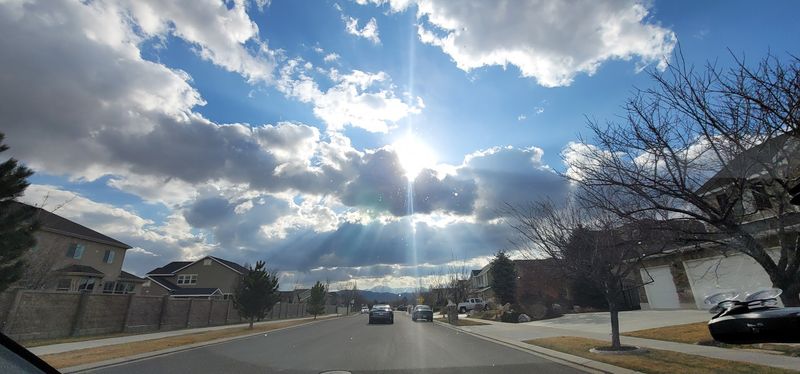
Midway goes by the nickname Little Switzerland, and the Heber Valley tourism board did not come up with that on a whim. Swiss immigrants settled here in the 1800s and left behind a cultural footprint that the town has proudly maintained ever since.
The mountain setting seals the deal.
The Wasatch Mountains frame Midway like a painting, and the green pastoral valley below looks more like rural Switzerland than rural Utah. The town even has a hot springs crater called the Homestead Crater, which is a geothermal wonder you absolutely cannot find in Zurich.
That is a point for Midway.
Charming bed-and-breakfasts, a world-class golf course, and easy access to Deer Valley ski resort make Midway a four-season destination. The Swiss Days festival each August celebrates the town’s heritage with folk dancing and local crafts.
It is a small town with a big European personality and zero pretension.
Joseph, Oregon
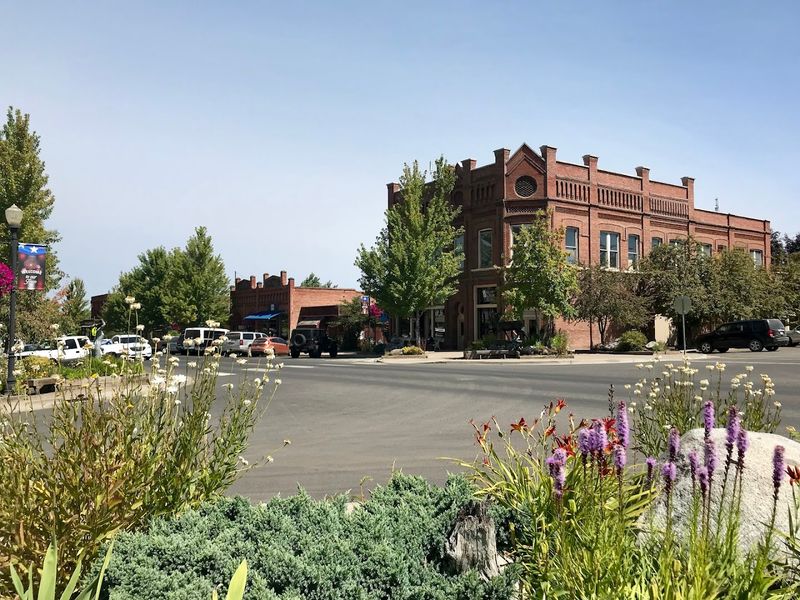
Joseph, Oregon wears the nickname Little Switzerland of America with quiet confidence. Sitting at the foot of the Wallowa Mountains, which locals call the Alps of Oregon, the town offers a dramatic alpine backdrop that genuinely earns the comparison.
The jagged peaks behind Main Street look almost too cinematic to be real.
What sets Joseph apart from other mountain towns is its thriving bronze foundry scene. The town has become an unexpected arts hub, with world-class bronze sculptures lining the streets and galleries around every corner.
It is like stumbling into a European cultural district that also happens to have excellent hiking.
Wallowa Lake, just a few miles south, adds another layer of European flavor with its glacier-carved valley and stunning reflective waters. A vintage gondola ride up the surrounding peaks is not optional, it is mandatory.
Joseph is the kind of place that surprises you, then refuses to let you leave.
Ouray, Colorado
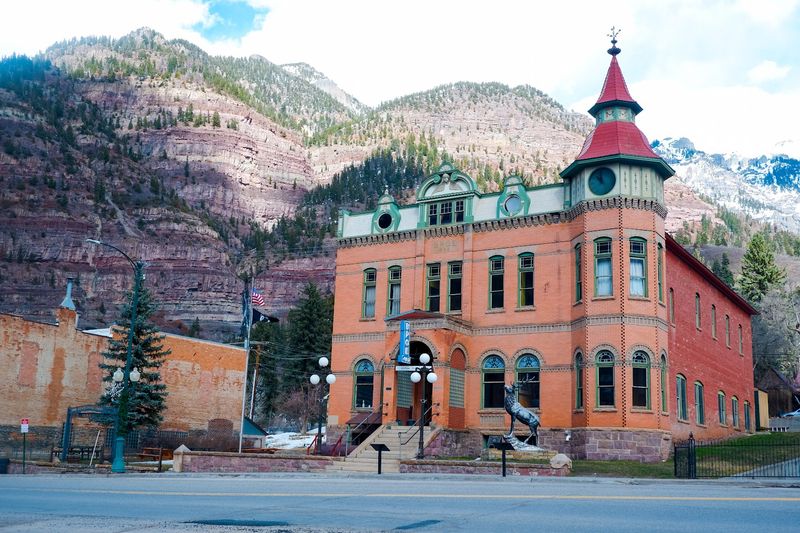
Ouray is not shy about its European identity. The City of Ouray officially calls itself the Switzerland of America, and when you see it nestled inside a box canyon in the San Juan Mountains, the nickname stops feeling like marketing and starts feeling like understatement.
The cliffs surrounding the town are genuinely jaw-dropping.
Hot springs pools sit right in the middle of town, which is something the Swiss would absolutely have thought of too. The historic Victorian architecture along Main Street adds a layer of 19th-century elegance that makes Ouray feel like a town frozen somewhere between Colorado and the Austrian Tyrol.
Ouray is famous among outdoor enthusiasts for its ice climbing festival every January. The Ouray Ice Park, carved into the canyon walls, draws climbers from around the world.
Summer brings waterfall hikes and jeep tours through some of the most spectacular mountain scenery in North America. Switzerland would be flattered by the comparison.
Vail Village, Colorado
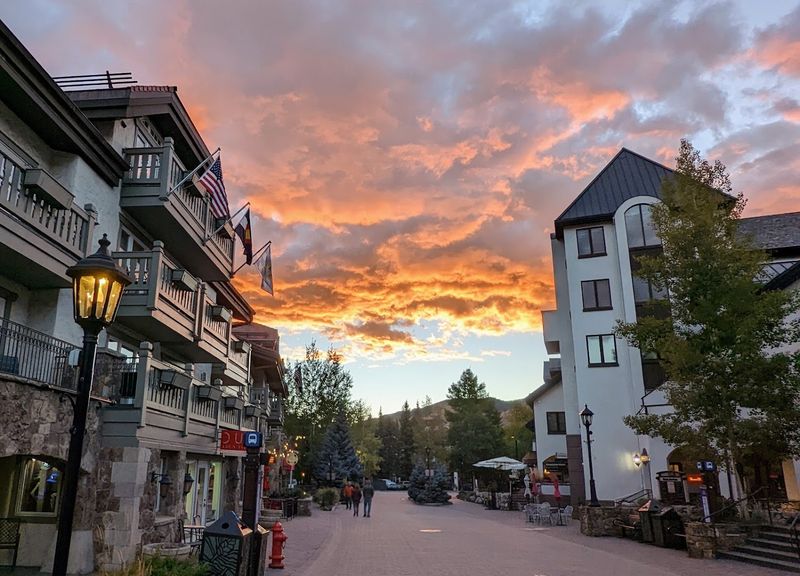
Vail Village was literally designed to look like a European ski resort, and it did not half-heartedly commit to the brief. Cobblestone pedestrian streets, chalet-style buildings with steep rooflines, and a car-free village core give it an unmistakably Austrian feel.
Discover Vail specifically highlights these design choices, and they are hard to miss.
The village was built from scratch in the early 1960s with European alpine architecture as the deliberate inspiration. Founders wanted American skiers to experience the charm of places like Zermatt without crossing the Atlantic.
Mission accomplished, with a side of excellent après-ski.
Beyond skiing, Vail Village is a genuinely walkable, charming place to spend time year-round. Summer brings hiking, mountain biking, and outdoor concerts.
The shops and restaurants lining the cobblestone plazas maintain a quality that matches the European aesthetic. Vail Village is polished, intentional, and very good at being exactly what it set out to be.
Beaver Creek, Colorado
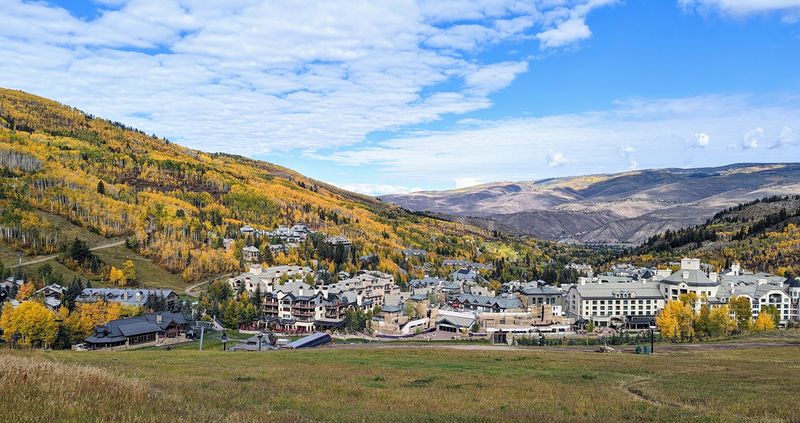
Beaver Creek has the quiet confidence of someone who knows they are the most elegant person in the room. Visit Vail Valley calls it one of the most luxurious alpine villages in the region, and a single stroll through its immaculate village core confirms that assessment immediately.
Everything here feels curated.
The village sits at around 8,100 feet and is designed around a pedestrian-friendly layout with heated outdoor walkways, a central ice skating rink, and architecture that leans heavily into European alpine traditions. Warm stone buildings, covered arcades, and mountain views in every direction create a setting that feels genuinely special.
Beaver Creek is also known for hosting World Cup ski races, which brings a European competition atmosphere to an already European-feeling place. The ski school here is exceptional, making it popular with families.
Fine dining, spa retreats, and impeccably groomed ski runs round out an experience that feels more Courchevel than Colorado, in the best way.
Mountain Village, Colorado
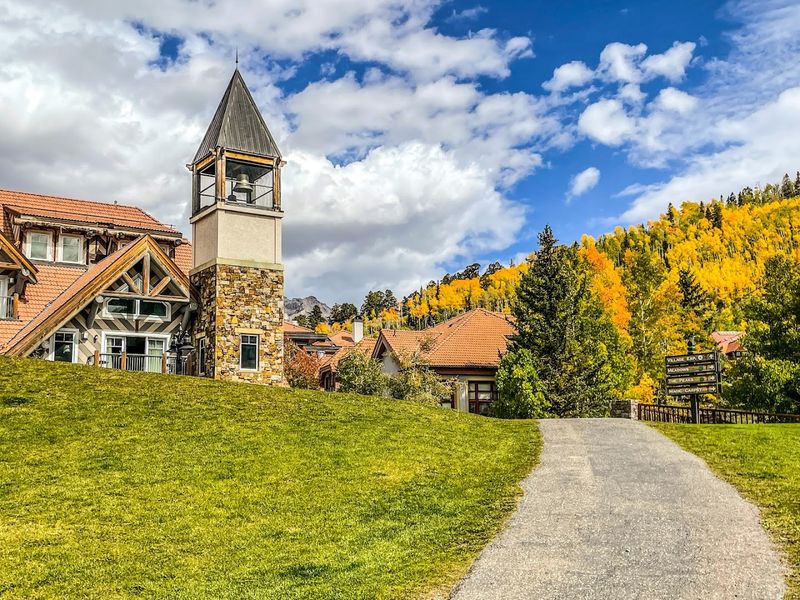
Sitting at 9,545 feet in the San Juan Mountains, Mountain Village does not just hint at European alpine vibes, it lives them year-round. The town’s official site leans into the elevated alpine-resort identity, and the setting absolutely backs it up.
The gondola connecting Mountain Village to Telluride below is a daily commute that most people would call a vacation highlight.
The architecture throughout Mountain Village follows a cohesive alpine resort aesthetic, with stone and timber buildings that look like they belong in the French Alps. The pedestrian plazas are clean, the views are staggering, and the whole place has a refined, intentional quality that sets it apart from more rustic mountain towns.
Mountain Village is connected to historic Telluride by a free gondola, giving visitors access to two very different but equally charming destinations. Telluride brings the historic grit, Mountain Village brings the polished alpine luxury.
Together they form one of the most complete mountain experiences in the American West.
Sun Valley Village, Idaho
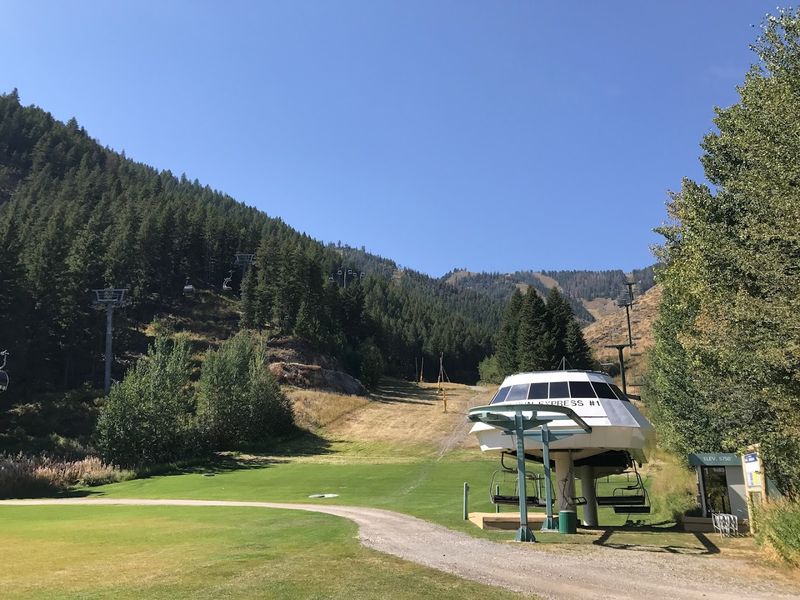
Sun Valley has a legitimate claim to being the original American alpine resort village. Built in 1936 by the Union Pacific Railroad, which hired Austrian Count Felix Schaffgotsch to find the perfect American ski location, the place was European by design from day one.
The Count reportedly said it reminded him of the Swiss and Austrian Alps, and the rest is history.
The Historic Sun Valley Village, as the official site calls it, centers on the iconic Sun Valley Lodge and a walkable village core that has hosted everyone from Ernest Hemingway to modern-day celebrities. There is a timeless quality here that newer resort towns cannot manufacture.
The patina is real.
Sun Valley sits in the Wood River Valley, framed by the Sawtooth Mountains and offering world-class skiing in winter and exceptional hiking and cycling in summer. The village itself is compact, elegant, and genuinely walkable.
It is old-school American glamour with a distinctly European soul.
Taos Ski Valley, New Mexico
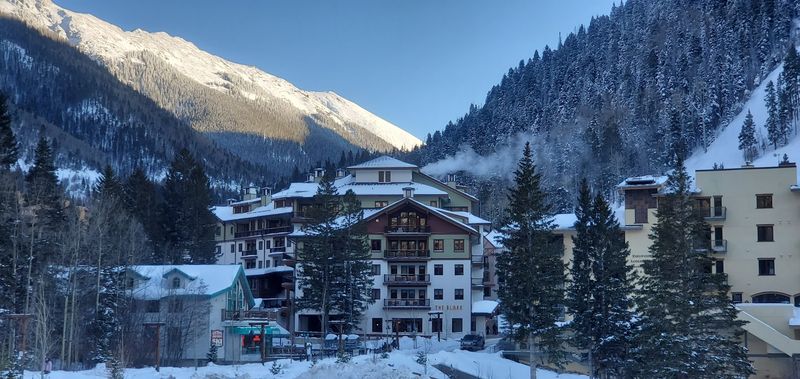
Taos Ski Valley was founded in 1955 by Ernie Blake, a Swiss-born ski enthusiast who searched the American Southwest for terrain that matched his alpine homeland. He found it here, at 9,200 feet in the Sangre de Cristo Mountains, beneath the watchful presence of Wheeler Peak, New Mexico’s highest summit.
Blake knew what he was doing.
The village is actually an incorporated municipality, which gives it a permanence and character that seasonal resorts often lack. Small hotels, restaurants, and shops cluster around the base area in a cozy, pedestrian-friendly arrangement that feels more like a French ski village than a New Mexico resort town.
What makes Taos Ski Valley genuinely interesting is the terrain. The mountain is steep, technical, and demanding in a way that European resorts respect.
It draws serious skiers who appreciate the challenge. The village’s compact European-influenced layout and the dramatic high-altitude setting combine to create something that feels authentically alpine, not just aesthetically alpine.
Government Camp, Oregon
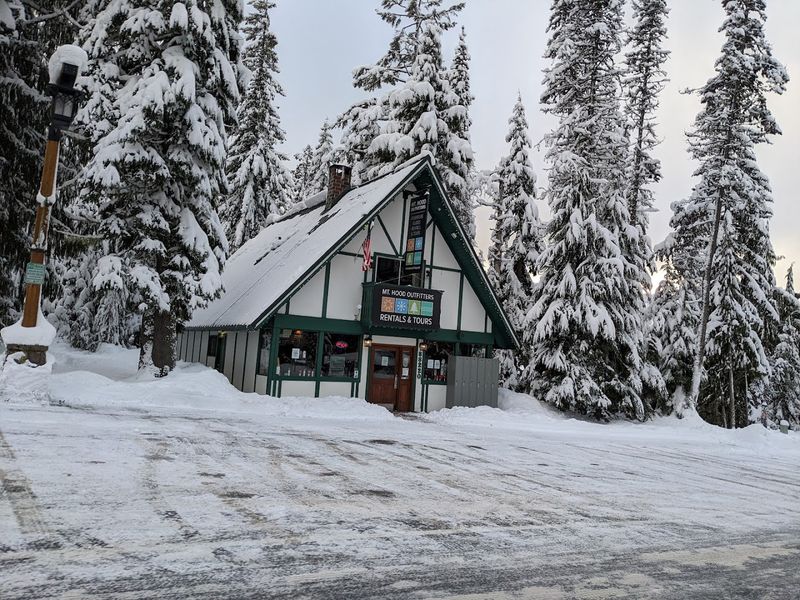
Government Camp sits at 3,960 feet on the south slope of Mount Hood, earning its title as Mt. Hood’s highest alpine village according to Mt.
Hood Territory. The name sounds bureaucratic, but the vibe is anything but.
Timber lodges, ski chalets, and cozy mountain restaurants line the main road through town.
The permanent snowpack on Mount Hood means skiing is possible here nearly year-round, which is something very few places outside the Alps can claim. Timberline Lodge, a few miles above town, is a jaw-dropping piece of 1930s craftsmanship that anchors the whole area with historic gravitas.
The WPA-built lodge looks like it belongs in a Bavarian fairy tale.
Government Camp is compact and unpretentious in a way that feels refreshingly honest. It is not trying to be a luxury resort.
It is a working mountain village where skiers, hikers, and snowboarders actually live and play. That authenticity is exactly what makes it feel more European than many towns that try much harder.
Lake Placid, New York
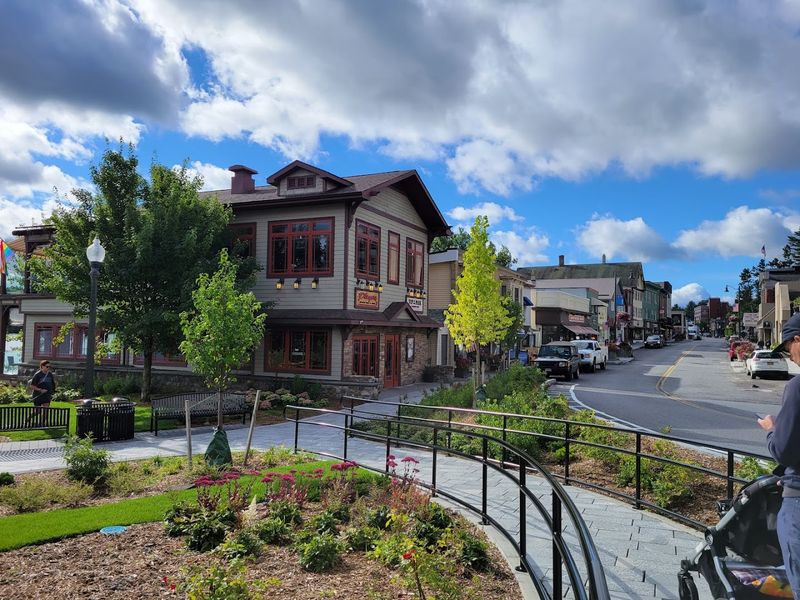
Lake Placid is the only village on this list that has hosted the Winter Olympics twice, in 1932 and 1980, and that Olympic legacy gives it a European sporting-town energy that no other American village can replicate. Regional tourism materials openly reference its European ambience, and walking through the village on a winter evening makes that claim feel completely justified.
The Adirondacks provide a dramatic backdrop of rounded, ancient peaks that have their own quiet grandeur. Mirror Lake sits right in the village center, reflecting the surrounding mountains and the charming storefronts along Main Street.
The whole scene has a composed, unhurried quality that reminds me of small resort towns in Austria.
Lake Placid has excellent restaurants, independent shops, and year-round outdoor activities anchored by Olympic-grade facilities still in active use. You can watch bobsled runs or ski jump training on any given winter day.
It is a living sports heritage site wrapped in a genuinely beautiful mountain village package.
Brian Head, Utah
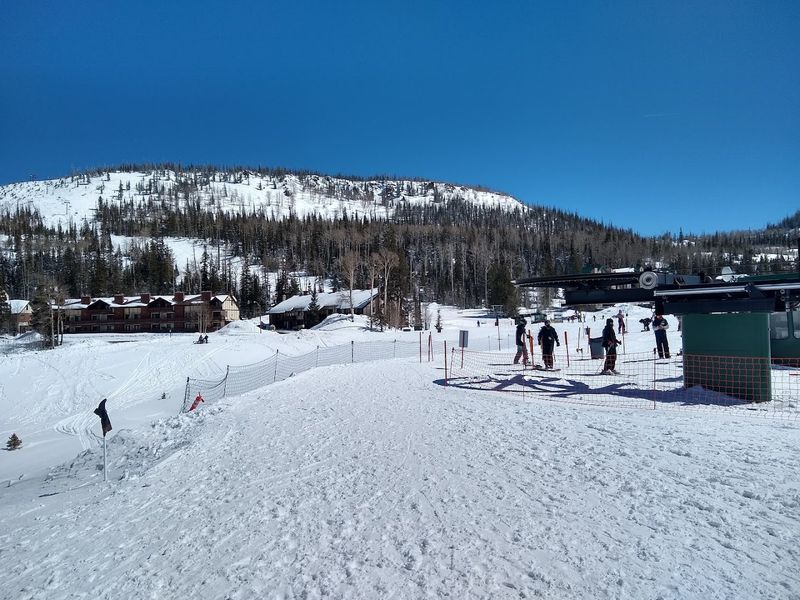
Brian Head holds a title that no other American town can claim: it is the highest resort town in the entire country, sitting at approximately 9,800 feet in the Markagunt Plateau of southern Utah. The official town site describes it as a rustic mountain village, and rustic is genuinely the right word.
This is not a polished luxury resort.
The high elevation means Brian Head gets serious snowfall, making it a legitimate ski destination with a scrappy, unpretentious character. The surrounding Cedar Breaks National Monument adds a layer of dramatic geology that looks more like the surface of Mars than anything in Europe, but the village core itself has a cozy, tucked-away alpine feel.
Brian Head is the kind of place where locals outnumber tourists and everyone knows everyone at the one good pizza place. The altitude keeps the summer temperatures cool when the rest of Utah is baking.
It is quirky, genuine, and completely its own thing, which might be the most European quality of all.



