American history does not only live in museums – it still shows up in street festivals, bakery cases, public squares, and annual rituals that locals take seriously. In some towns, the past survives because people keep practicing it, not because someone put it behind glass.
That means you can trace Spanish colonial customs, Dutch flower pageantry, Swiss folk events, and Victorian transport habits in places where tradition still shapes the calendar. If you want travel with character, context, and a few wonderfully specific local obsessions, these towns offer a lively tour through customs that never quite retired.
1. Santa Fe, New Mexico
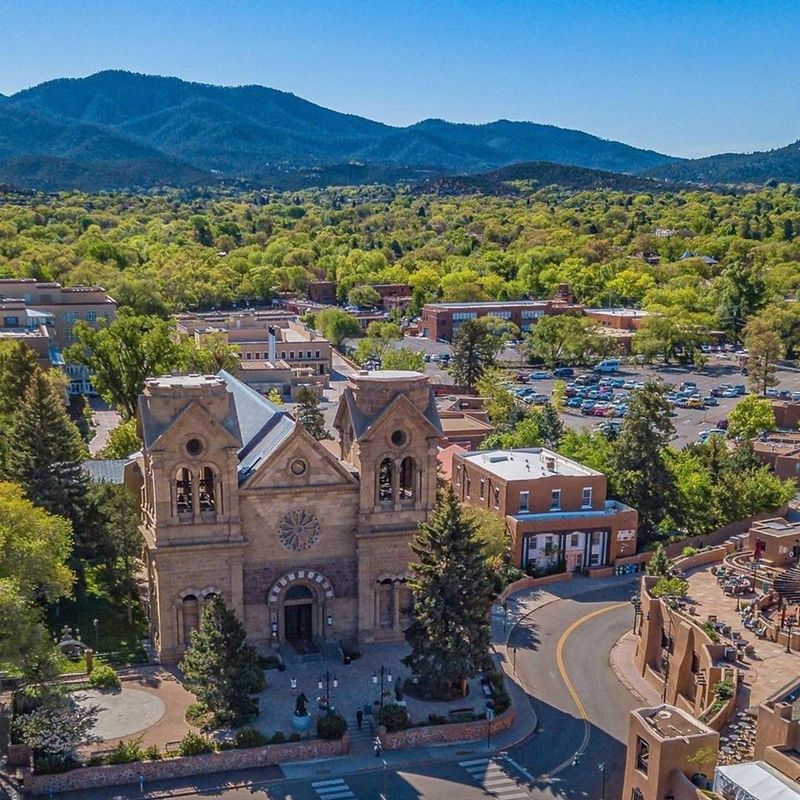
History here refuses to sit quietly in a display case. Santa Fe, founded in 1610, layers Pueblo, Spanish, and Mexican traditions into daily life, and that mix remains visible in civic ceremonies, religious observances, and major markets that still draw artists from across the region.
The Fiestas de Santa Fe, rooted in the early eighteenth century, continues to spark debate, revision, and community participation, which makes it more revealing than polished pageantry. You also see continuity in the annual Indian Market and Spanish Market, where craftsmanship is judged against long established forms.
Even the city layout helps the story stay legible. Adobe building styles, feast day traditions, and local foodways keep heritage active year round, so when you visit, you are not chasing nostalgia – you are watching a very old cultural negotiation continue in public.
2. Leavenworth, Washington
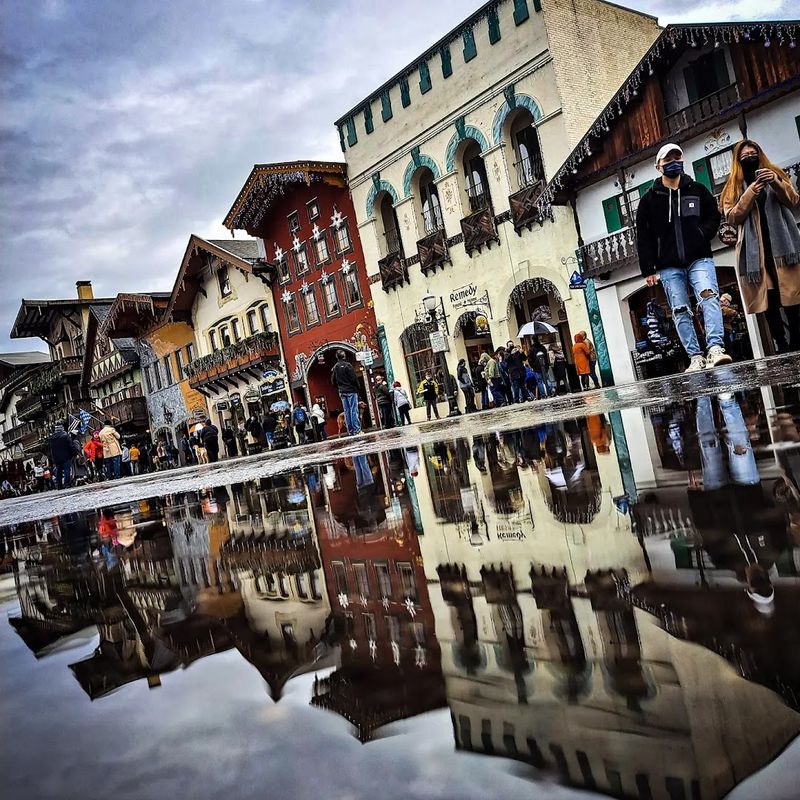
Few town makeovers have committed harder to a theme and then turned it into identity. Leavenworth remade itself in the 1960s with Bavarian style architecture to revive a struggling economy, but over time the look became tied to festivals, music, and seasonal customs that residents actively maintain.
Today, Oktoberfest crowds, Christmas events, and regular folk performances keep German heritage front and center, though the town is very much a Washington creation rather than a preserved immigrant settlement. That distinction actually makes the place more interesting, because tradition here is both adopted and carefully curated.
You can read the whole experiment in its streetscape. Painted facades, alpine details, sausage shops, and public events create a setting where heritage functions as civic strategy, tourism engine, and local ritual all at once, which is a pretty efficient use of one mountain town.
3. St. Augustine, Florida
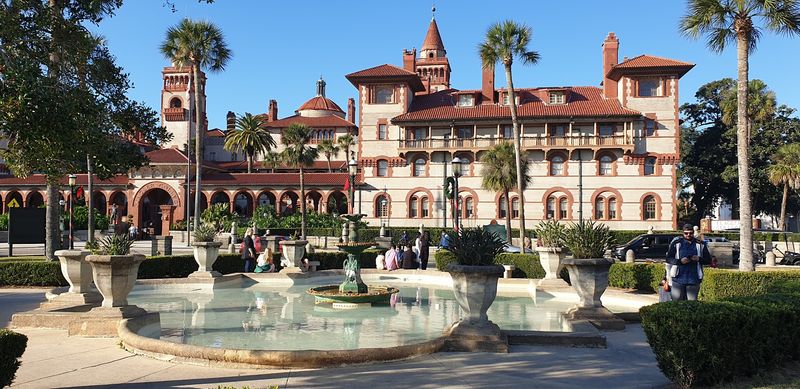
America’s oldest continuously occupied European founded city still knows how to use its birth date. St. Augustine, established by the Spanish in 1565, builds much of its public identity around colonial reenactments, historic districts, and recurring ceremonies that keep early settlement history visible rather than abstract.
The town’s Spanish roots appear in architecture, preservation efforts, and events tied to founding anniversaries and colonial life demonstrations. Nights of Lights is the big seasonal draw, yet the deeper appeal comes from how often the city returns to its seventeenth and eighteenth century story through forts, processions, and costumed interpretation.
That continuity matters because St. Augustine has changed hands, economies, and populations many times. Still, visitors can follow a surprisingly direct line from imperial outpost to modern tourist town, with public history doing much of the work and doing it with unusual confidence.
4. Pella, Iowa
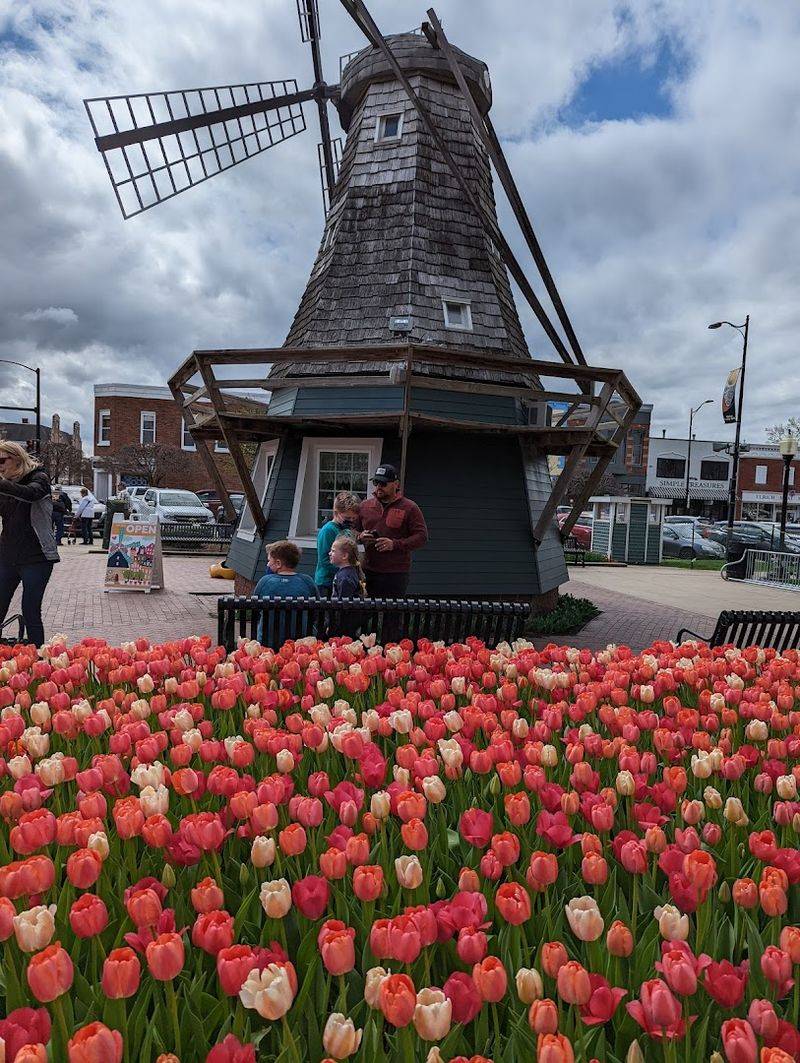
Spring arrives here with a calendar, a costume closet, and a serious tulip budget. Pella was founded by Dutch immigrants in 1847, and the town still organizes much of its public image around that heritage, especially during Tulip Time, its best known annual celebration.
During the festival, residents wear traditional Dutch clothing, perform folk dances, and stage parades that turn immigration history into a community wide performance. The Vermeer Windmill, Dutch letters pastry, and preserved architecture reinforce that this is not just a weekend gimmick attached to a flower display.
What makes Pella memorable is the thoroughness of the effort. Churches, businesses, schools, and civic groups all participate in sustaining an identity built from nineteenth century settlement patterns, which means you are seeing tradition used as local glue, tourist magnet, and history lesson at the same time.
5. Helen, Georgia
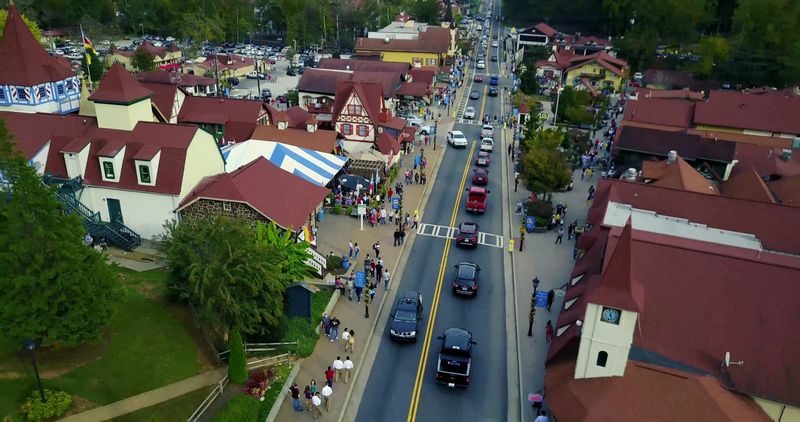
A mountain town in Georgia wearing Bavarian architecture sounds unlikely, which is exactly why people remember it. Helen transformed itself in the late 1960s from a fading logging town into an alpine themed destination, and the reinvention stuck because festivals and businesses embraced the concept completely.
The result is a place where Oktoberfest, polka performances, and German inspired menus became recurring civic rituals rather than one off promotions. The town’s look was planned by local artists and business leaders, so even its decorative half timbering carries a small economic history lesson.
Helen is not an immigrant enclave frozen in place, and it does not pretend to be. Its appeal comes from seeing how an American town borrowed a European visual language, tied it to annual traditions, and built an enduring identity from reinvention, which is a pretty American tradition itself.
6. Solvang, California
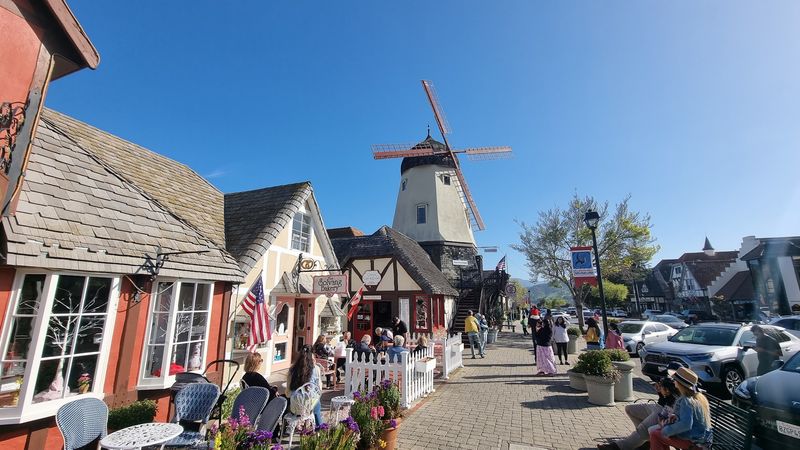
This town makes a strong case for pastry as historic preservation. Solvang was founded in 1911 by Danish Americans, and its public identity still centers on Danish architecture, folk culture, and annual celebrations that turn heritage into something you can read in the street plan.
Danish Days remains the headline event, with parades, costumes, dancing, and demonstrations that connect the town to its immigrant roots. Bakeries selling aebleskiver and other Danish specialties matter too, because food traditions often outlast speeches, plaques, and carefully worded museum labels.
What keeps Solvang from feeling like a simple theme stop is the depth of institutional memory. Churches, museums, and family businesses carry the story forward, while the town’s architecture, much of it built or remodeled to fit a Danish image, shows how communities sometimes preserve heritage by inventing a clearer version of it.
7. Punxsutawney, Pennsylvania
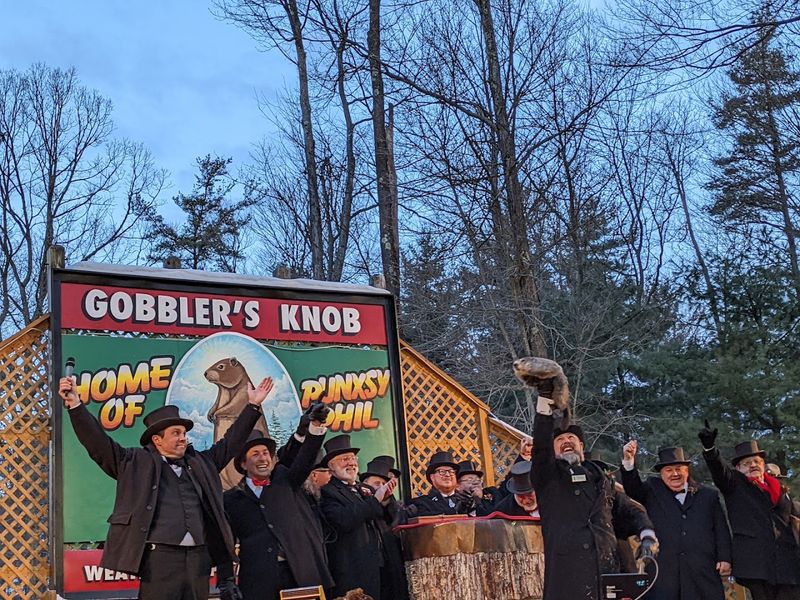
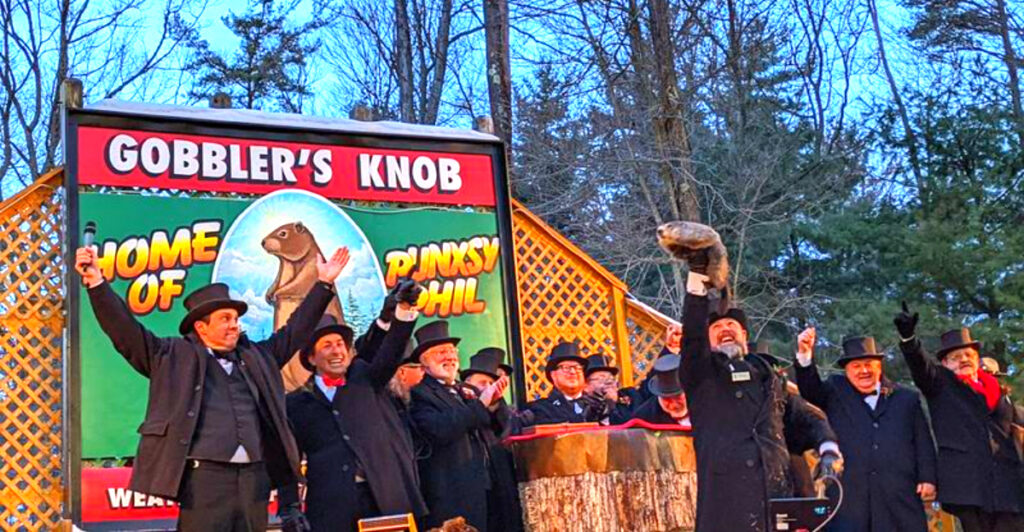
Some traditions survive because they are dignified, and some survive because they are wonderfully odd. Punxsutawney belongs in the second category, yet Groundhog Day has real staying power, with local celebrations dating to the late nineteenth century and drawing national attention every February.
The ceremony at Gobbler’s Knob centers on Punxsutawney Phil and the folklore of seasonal prediction, but the event also reflects club culture, civic branding, and the way small towns use ritual to stay visible. Media coverage helped turn it into a national curiosity, then a durable tourism engine.
Under the jokes, there is a respectable layer of continuity. The Groundhog Club, formalized tradition, and repeated annual script give the event structure, while the town leans into its role without apology, proving that cultural memory does not always need grandeur when a determined rodent can handle the assignment.
8. Mackinac Island, Michigan
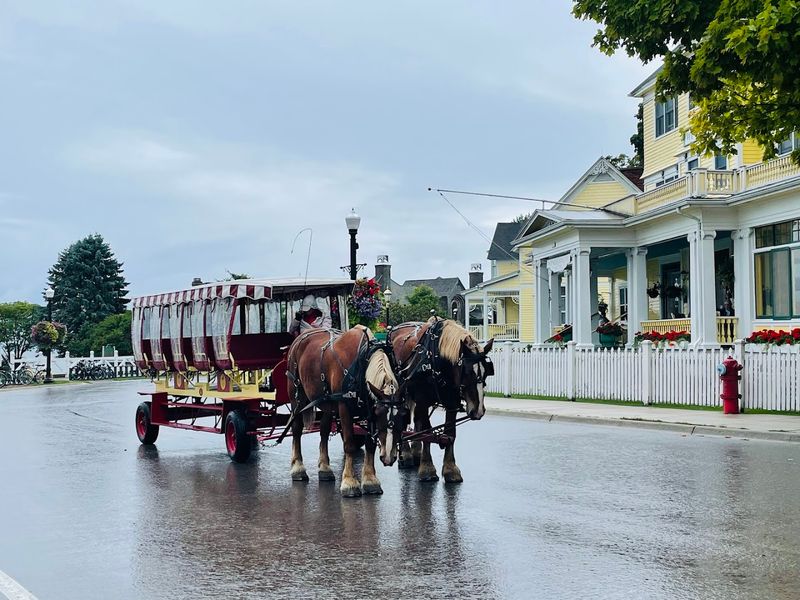
The most striking local custom here is the absence of something nearly every other town accepts without question. Mackinac Island banned most motor vehicles in 1898, and that decision preserved a streetscape where bicycles, horses, and carriages still shape the rhythm of everyday movement.
That policy works alongside the island’s Victorian architecture, historic hotels, and long standing fudge making tradition to keep nineteenth century habits unusually visible. Visitors often notice the transportation first, but the deeper story includes resort culture, military history, and a tourism economy built on preserving difference.
Mackinac’s traditions survive because they are practical as well as picturesque. Families still operate carriage services and confection shops, preservation rules protect the built environment, and the island’s status as a state park adds another layer of continuity, making the whole place feel less like a replica and more like a stubborn exception.
9. Fredericksburg, Texas
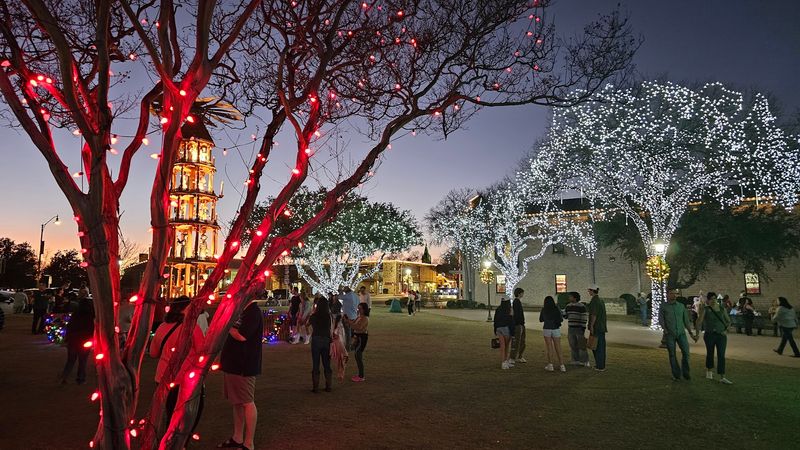
Texas and German folk traditions make an unexpectedly durable partnership here. Fredericksburg was founded in 1846 by German immigrants, and their influence still appears in local festivals, Vereins culture, architecture, and food traditions that connect the Hill Country to central Europe in very specific ways.
Events such as Oktoberfest and the Christmas season market keep heritage visible, but the town’s roots go deeper than festival schedules. Early settlers established clubs, churches, schools, and mutual aid structures, and many of those cultural patterns shaped local identity long after English became dominant in daily public life.
Fredericksburg works because it balances preservation with ordinary town business. You can see limestone buildings, German names, and public references to founding history without feeling trapped in a costume drama, and that grounded approach makes the old traditions feel earned rather than painted on for weekend visitors.
10. Natchitoches, Louisiana
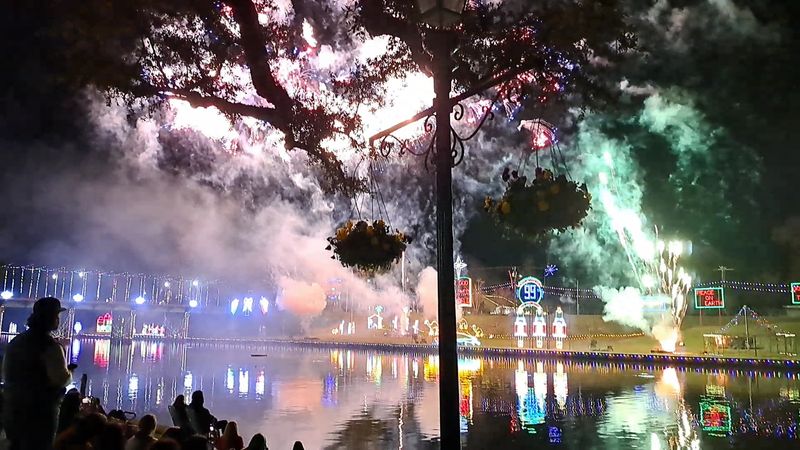
The oldest permanent settlement in the Louisiana Purchase territory knows how to keep a public ritual on schedule. Natchitoches, founded in 1714, mixes French Creole heritage, Southern customs, and a famously enduring holiday event that gives the town one of the country’s longest running seasonal celebrations.
The Natchitoches Christmas Festival began in the 1927s and still anchors community identity with parades, riverfront displays, and family traditions passed across generations. Beyond the festival, the historic district, Creole influences, and regional cuisine keep the town’s layered past present in forms people actually use and recognize.
That matters because heritage here is not one single story. Native, French, Spanish, African, and Creole influences all shaped the region, and Natchitoches remains compelling precisely because its traditions reflect that overlap, giving visitors a town where local custom feels specific, documented, and still woven into civic life.
11. New Glarus, Wisconsin
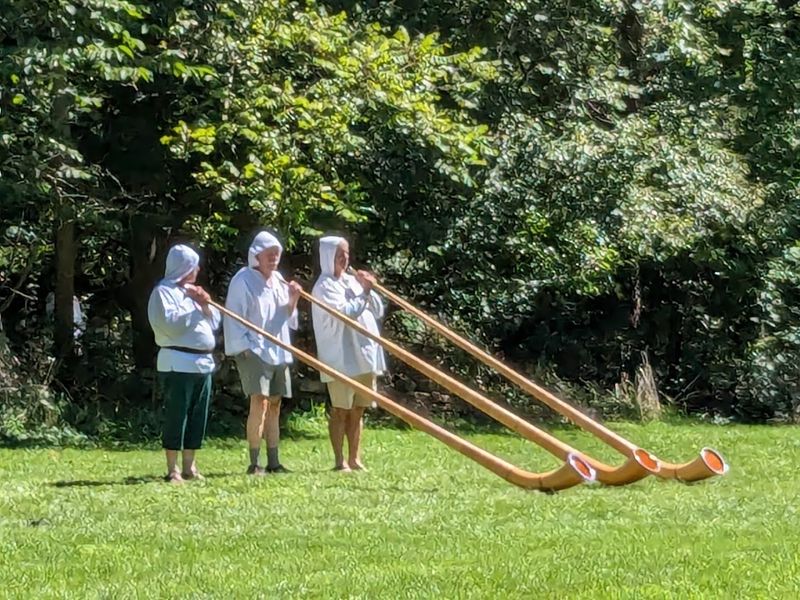
Swiss identity gets remarkably detailed treatment in this Wisconsin town. New Glarus was established in 1845 by immigrants from Switzerland, and the community still marks that origin through architecture, public symbols, folk festivals, and events that make old world references part of ordinary local branding.
The Wilhelm Tell Festival and Swiss Independence Day celebrations help sustain a tradition that could easily have faded into a decorative slogan. Instead, residents kept clubs, performances, and visual cues in circulation, while museums and historical societies documented settlement patterns and the agricultural life that shaped the town.
What stands out is the consistency. Chalet inspired buildings, Swiss flags, and community events all reinforce each other, creating a place that treats ethnic heritage as a living civic resource rather than occasional entertainment, and that gives New Glarus an identity that feels coherent, practiced, and surprisingly specific in modern small town America.
12. Williamsburg, Virginia
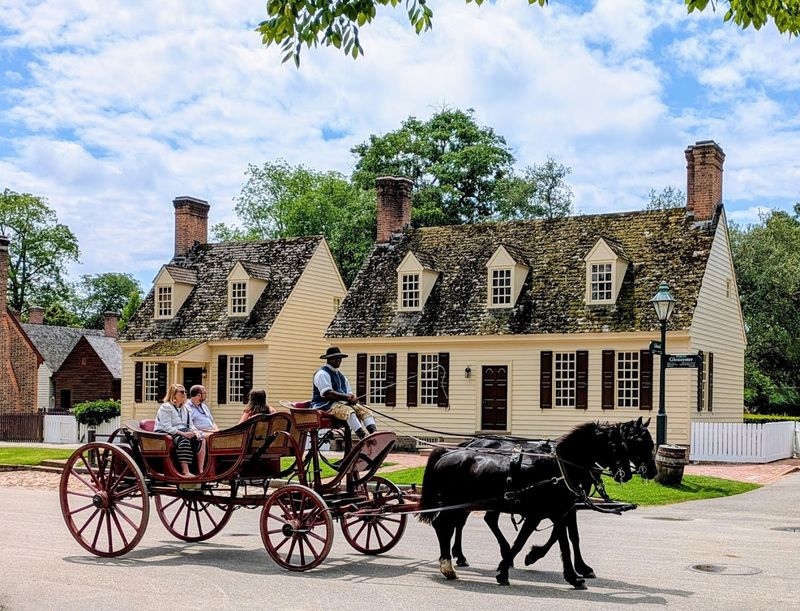
Here, daily errands from the eighteenth century are treated like headline material, and that is the whole point. Williamsburg’s colonial traditions survive through one of the nation’s most ambitious living history projects, where restored buildings, craft demonstrations, and public interpretation reconstruct civic life before the Revolution.
Colonial Williamsburg began taking shape in the 1920s through major preservation work supported by John D. Rockefeller Jr., and its scale still sets it apart.
Blacksmithing, printing, carpentry, political debate, and household labor are presented as routine activities, which helps history feel procedural instead of abstract.
The town around the historic area is modern, of course, yet the interpretive core remains unusually disciplined about detail. That means visitors can trace how law, commerce, clothing, and labor operated in British America, making Williamsburg less about sentimental nostalgia and more about watching institutional history put on its working clothes.
13. Tarpon Springs, Florida
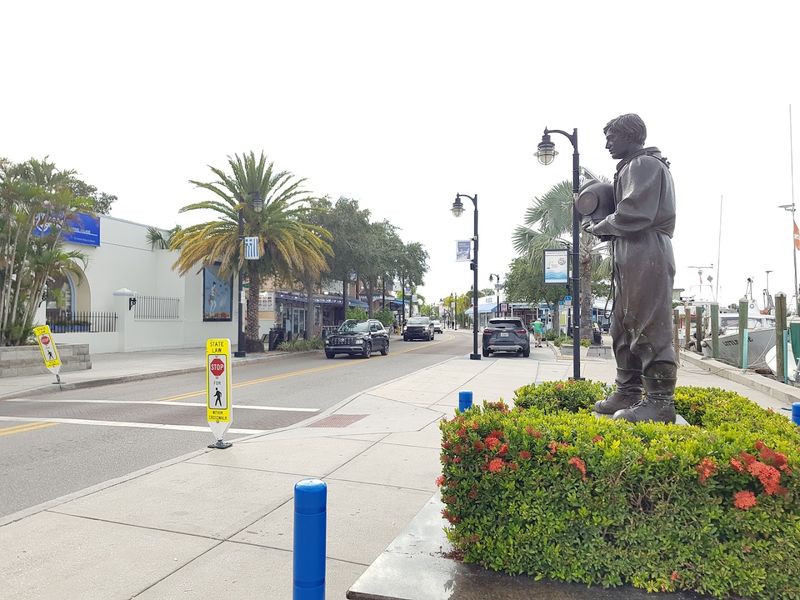
The strongest clue here is not the architecture but the calendar. Tarpon Springs became a center of Greek immigration in the early twentieth century through the sponge industry, and that history still shapes local business, religious life, and one of the most distinctive annual ceremonies in the country.
The Epiphany celebration each January, especially the cross dive by young men in Spring Bayou, remains the town’s signature tradition. It is rooted in Greek Orthodox practice, yet the surrounding bakeries, markets, and family run restaurants show how immigration history extends well beyond a single ceremonial day.
Tarpon Springs feels durable because the culture has working institutions behind it. Churches, community organizations, and waterfront commerce all help maintain continuity, so visitors can connect the sponge docks to migration patterns, labor history, and faith traditions without much effort, which is a rare gift in any tourist friendly historic town.
14. Estes Park, Colorado
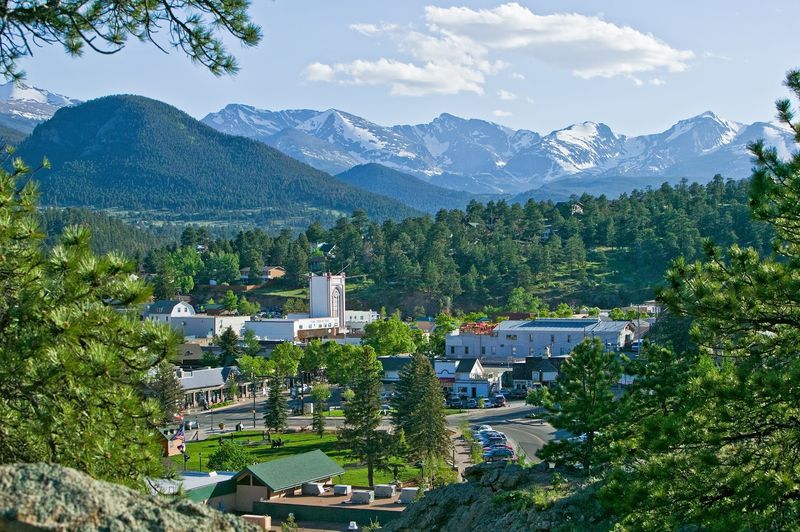
Mountain tradition here comes with more civic planning than cowboy myth usually admits. Estes Park grew as a gateway community for Rocky Mountain tourism, but it still preserves older regional customs through western events, craft culture, and Elk Fest, which ties the town’s identity to landscape and local history.
Elk Fest is partly educational and partly celebratory, with programming that reflects the area’s wildlife management, ranching memory, and visitor economy. That blend matters because Estes Park’s traditions are not just decorative frontier references – they connect to how the town marketed itself from the late nineteenth century onward.
Historic lodges, downtown storefronts, and recurring festivals help keep those patterns readable. You are seeing a place that turned mountain access into a long running public character, and while the details have modernized, the town still presents western heritage as something organized, communal, and central to how it understands itself.
15. Jim Thorpe, Pennsylvania
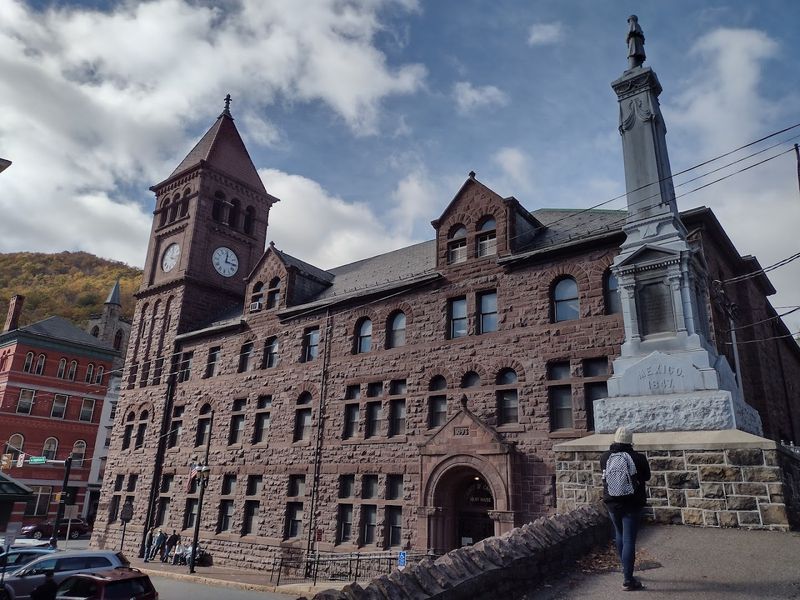
Railroad wealth left this town with a built in memory system made of brick, stone, and steep streets. Jim Thorpe, once known as Mauch Chunk, preserves its nineteenth century appearance so effectively that local festivals and tourism often feel like extensions of its industrial and Victorian past.
The town’s history is tied to coal transport, rail innovation, and Gilded Age development, all of which still shape what visitors notice first. Events such as the Fall Foliage Festival draw crowds, but the real continuity comes from preserved architecture, historic inns, and the old station that anchors the narrative.
Even the name change in 1954, linking the borough to athlete Jim Thorpe, adds another layer of cultural reinvention. What remains consistent is the town’s ability to present history as active civic identity, not just scenery, which is why its old traditions feel connected to economics, preservation, and public memory all at once.
16. Lindsborg, Kansas
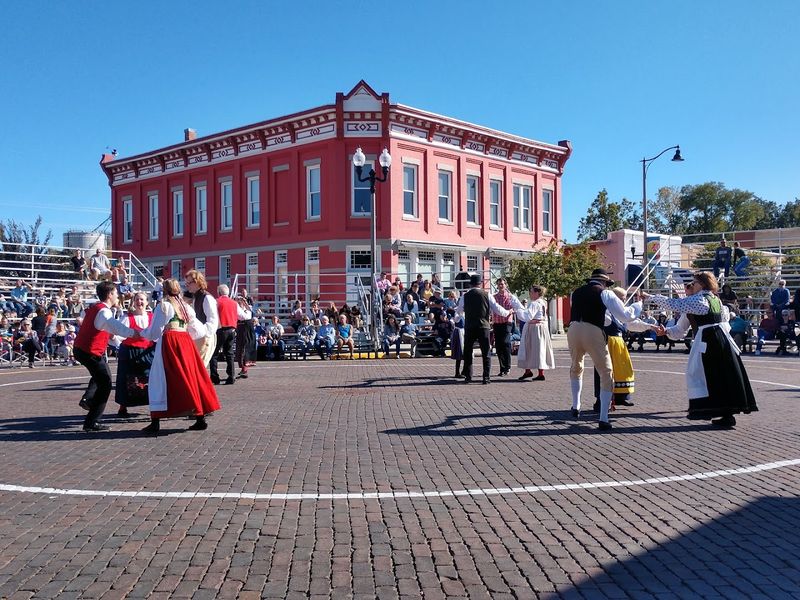
Swedish heritage gets a cheerful public rollout in this Kansas prairie town. Lindsborg was founded in 1869 by Swedish immigrants, and its identity remains anchored in festivals, folk arts, Lutheran traditions, and the kind of downtown symbolism that makes cultural memory impossible to miss.
Svensk Hyllningsfest, held in odd numbered years, is the major showcase, with music, dancing, crafts, and historical programming tied to immigrant settlement. The painted Dala horse statues scattered around town may look playful first, but they also act as civic markers linking public space to ethnic origin.
Lindsborg has done something many towns try and few sustain. It built institutions around heritage, including museums, arts organizations, and preservation efforts, so the Swedish references do not float free of context, and that gives the place an appealing mix of local pride, historical specificity, and small town practicality.
17. Deadwood, South Dakota
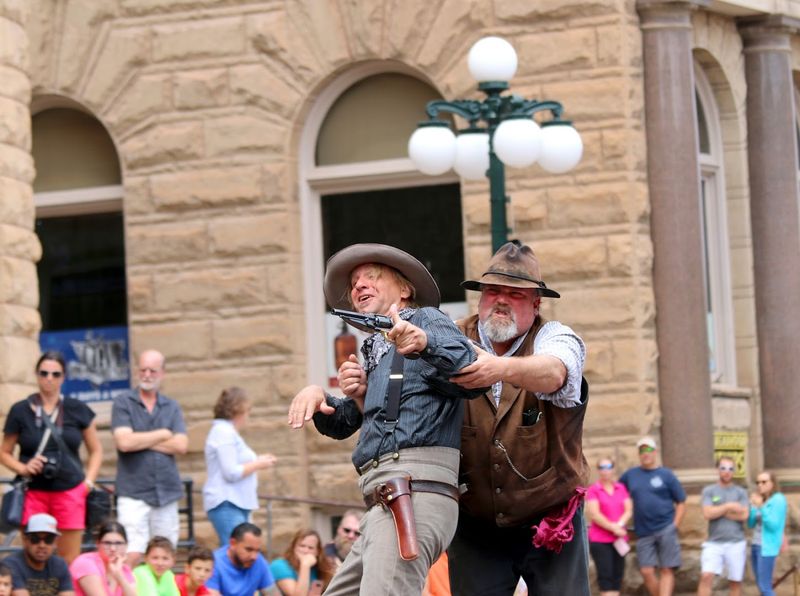
Frontier history gets a full public performance here, and the town knows exactly what it is doing. Deadwood grew rapidly during the Black Hills gold rush of 1876, and its modern identity still leans on that boomtown past through reenactments, preserved streetscapes, and historic businesses.
Daily staged gunfight scenes are the flashiest example, but the broader tradition includes careful preservation of nineteenth century buildings and constant reference to frontier figures, commerce, and law. The town was named a National Historic Landmark in 1961, which helped transform memory into a long term civic asset.
Deadwood’s appeal comes from how openly it packages its past while still giving visitors real context. You can trace mining wealth, railroad change, and tourism strategy in a compact downtown, and that makes the old traditions feel less like random costume play and more like a town deliberately curating its origin story.
Share this story