Throughout history, Native Americans have shaped the story of this continent in powerful ways. From fearless warriors and gifted athletes to groundbreaking politicians and celebrated artists, their contributions run deep.
Yet many of their stories are still not widely known. This list celebrates 15 remarkable Native Americans whose courage, creativity, and determination changed the world forever.
1. Sitting Bull (Hunkpapa Lakota)
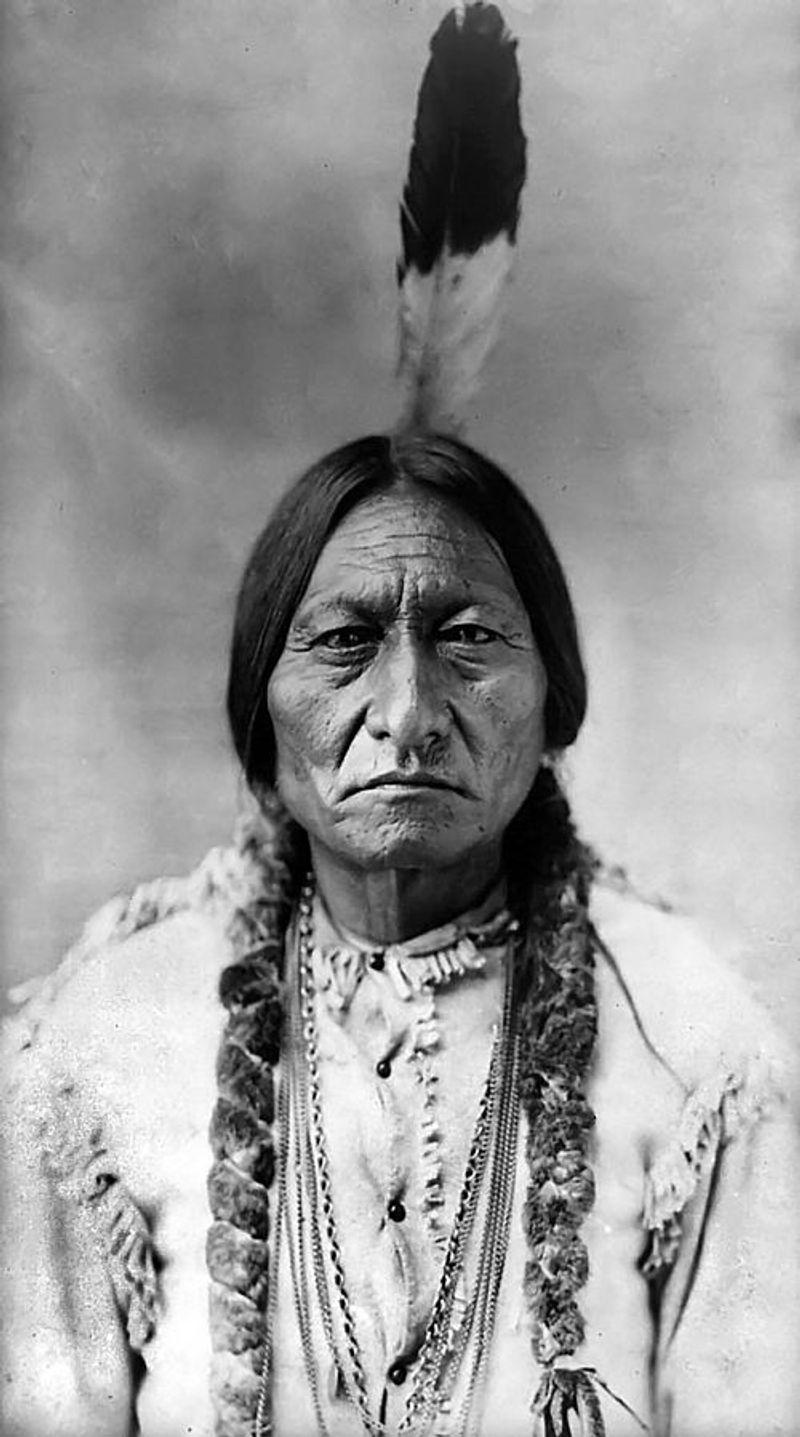
Few names in American history carry as much weight as Sitting Bull. Born around 1831, he earned his reputation not just on the battlefield but as a deeply spiritual man who guided his people through one of the most turbulent periods in their history.
His greatest military triumph came at the Battle of the Little Bighorn in 1876, where Lakota and Cheyenne warriors defeated General Custer’s forces. It was a stunning victory that shocked the entire nation.
But Sitting Bull was more than a warrior. He was a medicine man, a poet, and a visionary.
He later joined Buffalo Bill’s Wild West show, giving millions of Americans their first glimpse of a true Native leader. When he was killed in 1890, the loss echoed across every Native nation.
2. Crazy Horse (Oglala Lakota)
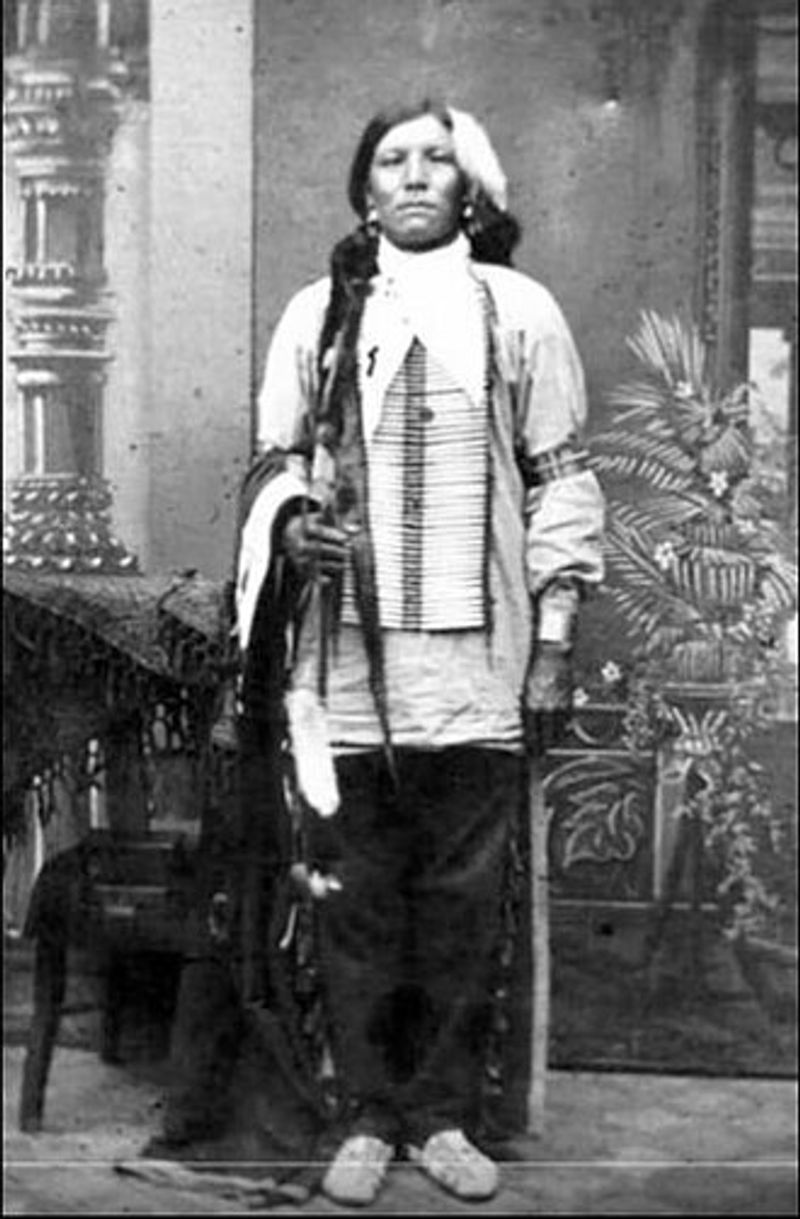
He never allowed a single photograph to be taken of him, believing it would steal a piece of his spirit. That mystery only adds to the legend of Crazy Horse, one of the most daring warriors in all of Native American history.
Born around 1840, Crazy Horse was known for riding fearlessly into battle while others held back. At the Battle of the Little Bighorn, he led a sweeping charge that helped crush Custer’s forces completely.
His tactical brilliance left military historians stunned for generations.
Off the battlefield, he was quiet and kept to himself, earning deep respect from his people for his humility. He surrendered in 1877 and was killed shortly after while in custody.
Today, a massive mountain carving in South Dakota is slowly being sculpted in his honor, a tribute still in progress.
3. Sacagawea (Lemhi Shoshone)
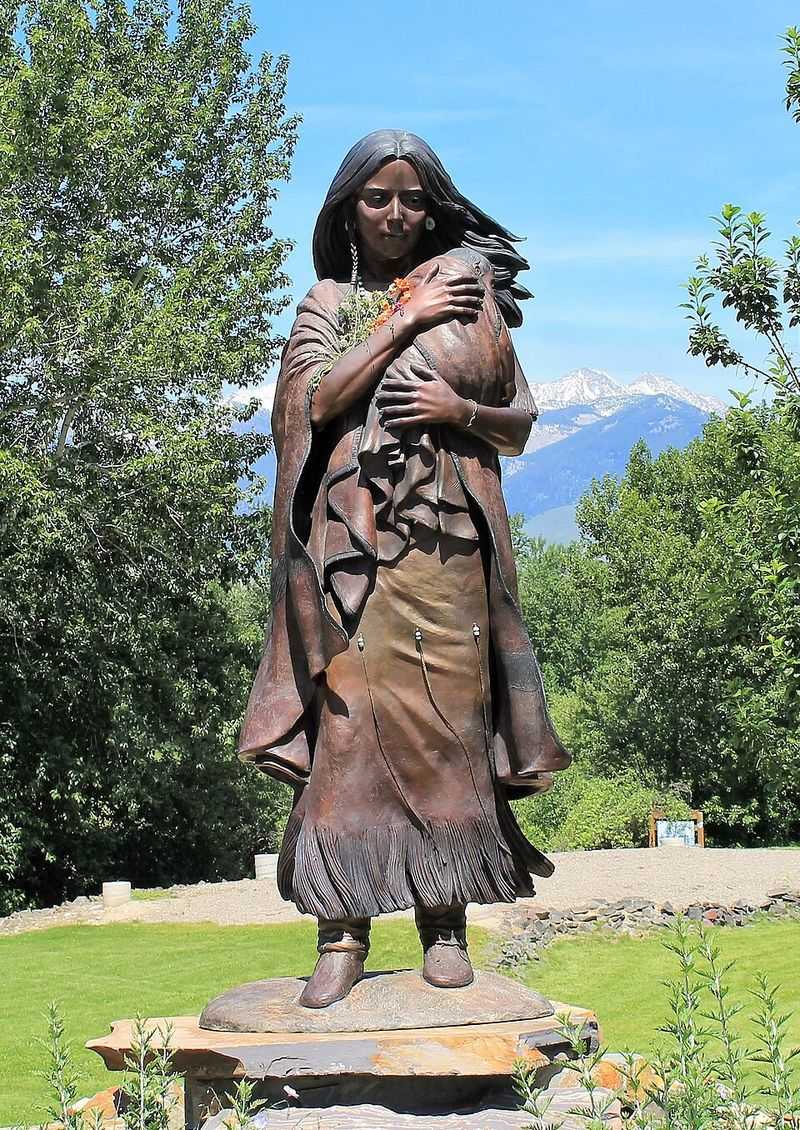
Being a teenager with a newborn baby while crossing thousands of miles of unknown wilderness was a reality for many young women in early America.That was Sacagawea’s reality when she joined the Lewis and Clark Expedition in 1804.
Born around 1788, she spoke multiple Native languages and knew the land better than any map could describe. Her ability to communicate with tribal leaders along the route was absolutely critical to the expedition’s survival.
Without her, the journey west might have ended in disaster.
She also served as a living symbol of peace. When other tribes saw a young woman and baby traveling with the group, they understood it was not a war party.
Sacagawea helped open the door to the American West. Her face now appears on the U.S. dollar coin, a small but meaningful recognition of her enormous contribution to American exploration history.
4. Geronimo (Apache)
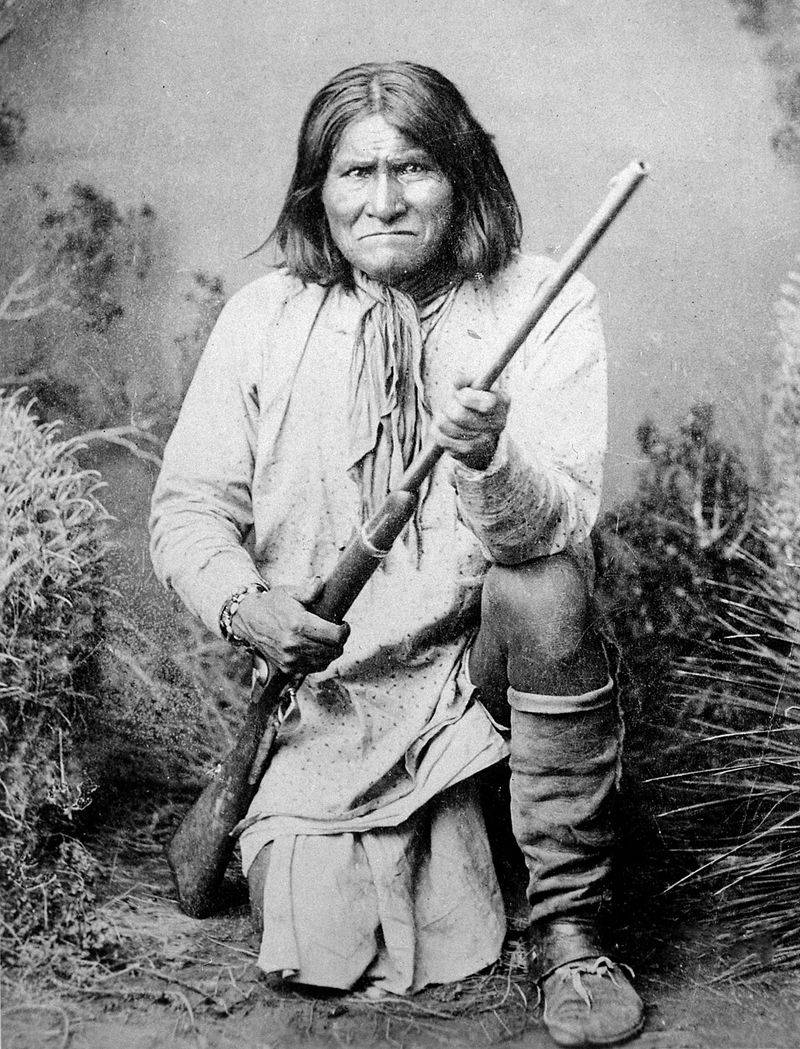
The U.S. Army once deployed over 5,000 soldiers to capture one man.
That man was Geronimo, and he kept them running for years. Born in 1829 in present-day Arizona, he became the most feared and respected Apache leader of his era.
After Mexican soldiers killed his mother, wife, and children in 1851, Geronimo devoted his life to protecting Apache lands and seeking justice. He led raids across the Southwest and northern Mexico with extraordinary speed and skill, disappearing into the mountains before soldiers could catch him.
He surrendered for the last time in 1886, ending one of the longest resistance campaigns in American history. Geronimo spent his final years as a prisoner of war but never stopped advocating for his people.
His name became a battle cry used by soldiers worldwide, proof that even his enemies respected his fearless spirit.
5. Tecumseh (Shawnee)
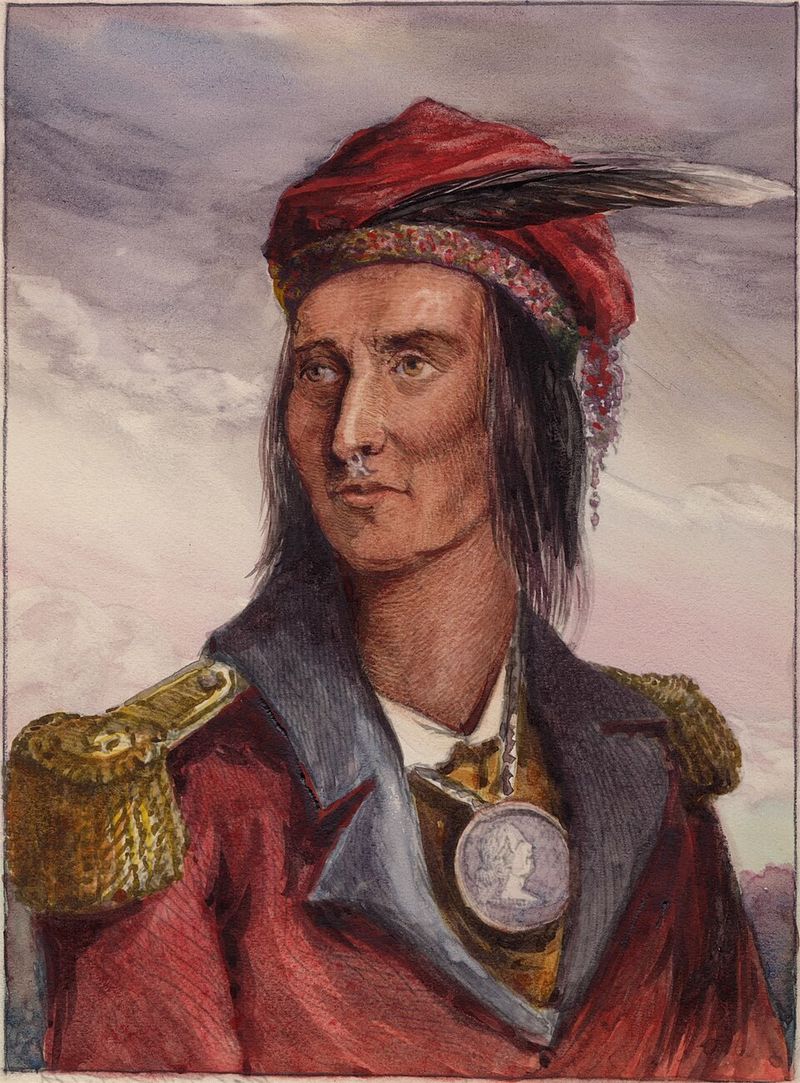
What if every Native nation in North America had united under one powerful alliance? Tecumseh came closer to making that dream a reality than anyone before or since.
Born around 1768 in present-day Ohio, he was a gifted speaker and strategic thinker who understood that divided tribes would fall one by one.
He traveled thousands of miles, visiting dozens of nations and urging them to stop selling land to American settlers. His message was clear: the land belongs to all Native people together, not to any single tribe to sell away.
Tecumseh allied with British forces during the War of 1812, hoping a British victory would protect Native territories. He was killed at the Battle of the Thames in 1813, and his confederacy collapsed without him.
Even his enemies called him one of the greatest military and political minds they had ever encountered.
6. Wilma Mankiller (Cherokee)
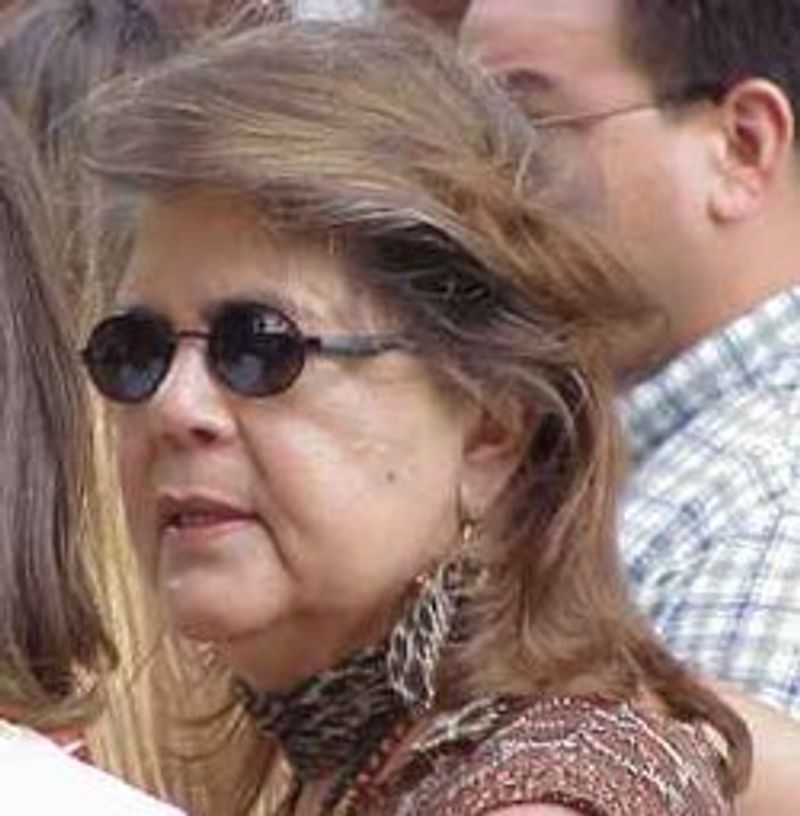
When Wilma Mankiller was elected Principal Chief of the Cherokee Nation in 1985, some people said a woman could never lead the tribe. She spent the next decade proving every single one of them wrong.
Born in 1945 in Tahlequah, Oklahoma, Mankiller grew up in poverty and faced hardship from an early age. Rather than letting those experiences defeat her, she channeled them into fierce determination.
Under her leadership, the Cherokee Nation built new health clinics, revitalized rural communities, and dramatically increased tribal membership and self-sufficiency.
She believed deeply in community-led solutions, empowering Cherokee citizens to take charge of their own futures. Her motto was simple: a Cherokee word meaning we shall be whole again.
Mankiller received the Presidential Medal of Freedom in 1998. She passed away in 2010, but her blueprint for Indigenous leadership still inspires tribal leaders across the country today.
7. Jim Thorpe (Sac and Fox Nation)
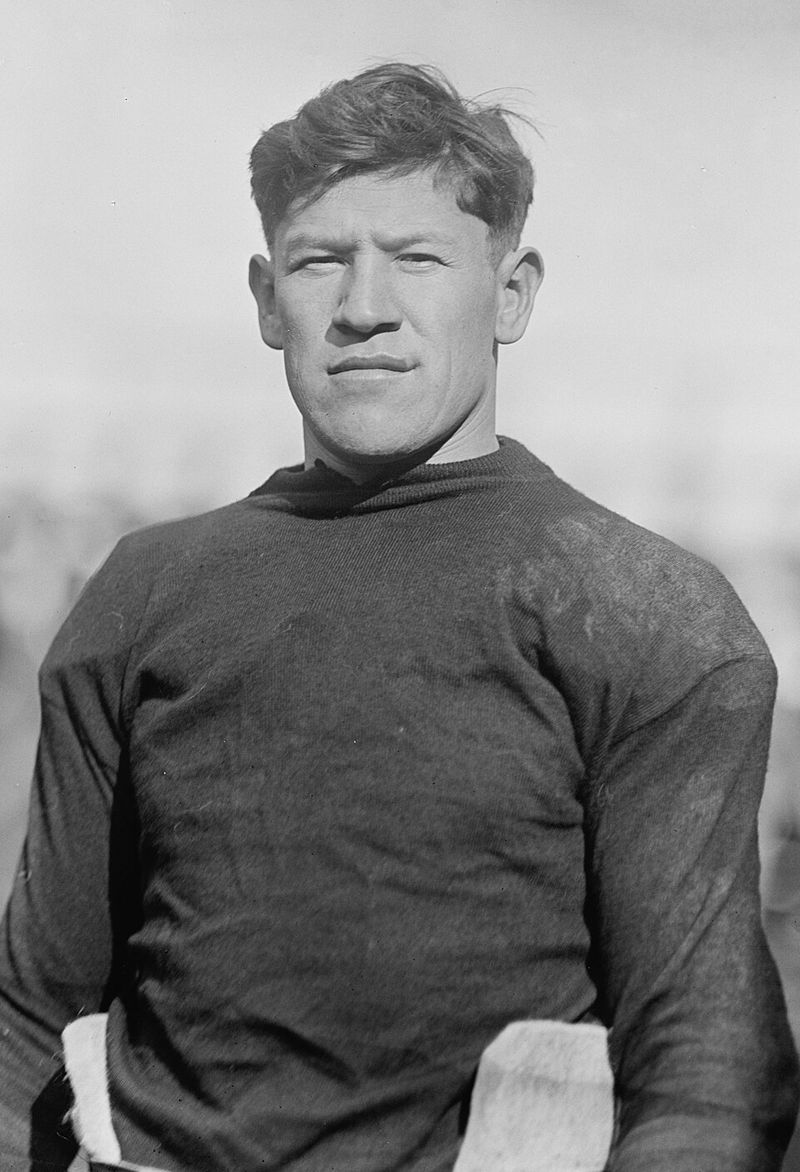
At the 1912 Stockholm Olympics, the King of Sweden told Jim Thorpe he was the greatest athlete in the world. Thorpe reportedly replied, ‘Thanks, King.’ That easy confidence summed him up perfectly.
Born in 1888 in what is now Oklahoma, Thorpe grew up on the Sac and Fox reservation and discovered his athletic gifts early. He won Olympic gold in both the pentathlon and decathlon, events that test a wide range of physical skills.
Then he went on to play professional baseball, football, and basketball, becoming one of the first true multi-sport superstars.
His medals were stripped in 1913 over a technicality, a decision widely considered unjust. They were posthumously restored in 1983.
Thorpe faced enormous racial discrimination throughout his career but never stopped competing at the highest level. He is consistently ranked among the greatest athletes of the twentieth century.
8. Maria Tallchief (Osage Nation)
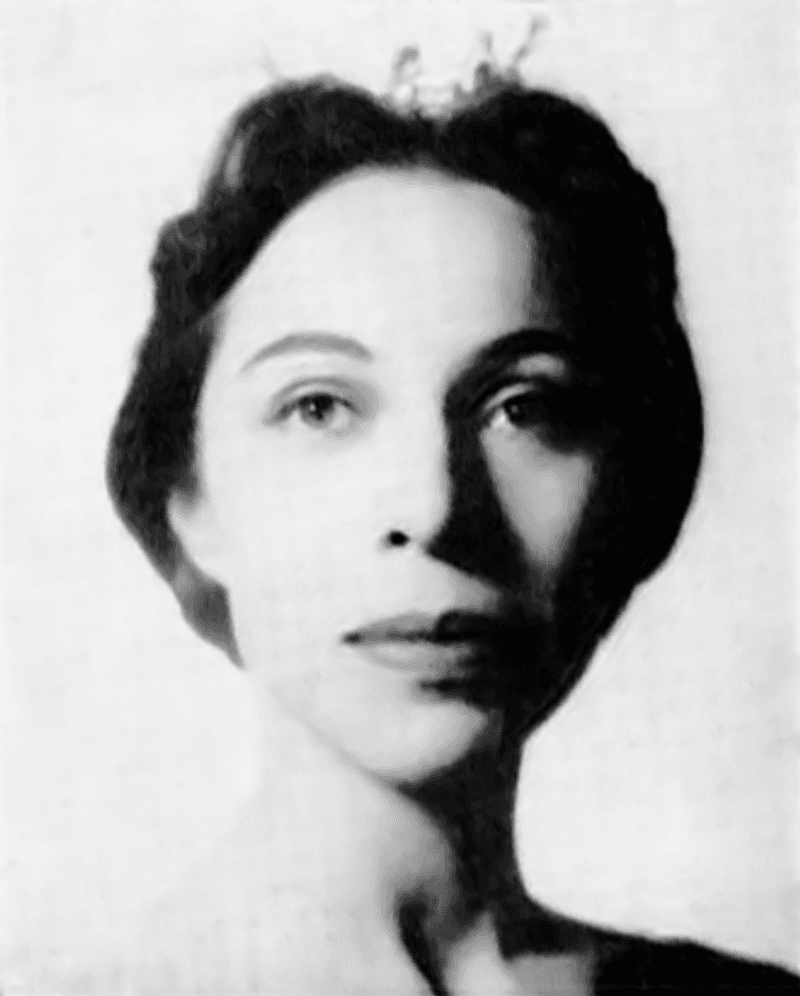
Before Maria Tallchief took the stage, ballet in America was considered a European art form. She changed that belief completely and forever.
Born in 1925 on the Osage reservation in Oklahoma, she began dancing as a young child and showed extraordinary talent from the start.
She rose to become the first American-born prima ballerina of international fame, dazzling audiences in New York, Paris, and beyond. Her partnership with legendary choreographer George Balanchine produced some of the most celebrated performances in ballet history, including a breathtaking Nutcracker that redefined the holiday classic.
Tallchief never shied away from her Native heritage. She wore her identity proudly at a time when many were pressured to blend in.
After retiring from performance, she dedicated herself to teaching and mentoring young dancers. She passed away in 2013, leaving behind a legacy as elegant and enduring as her art.
9. Russell Means (Oglala Lakota)
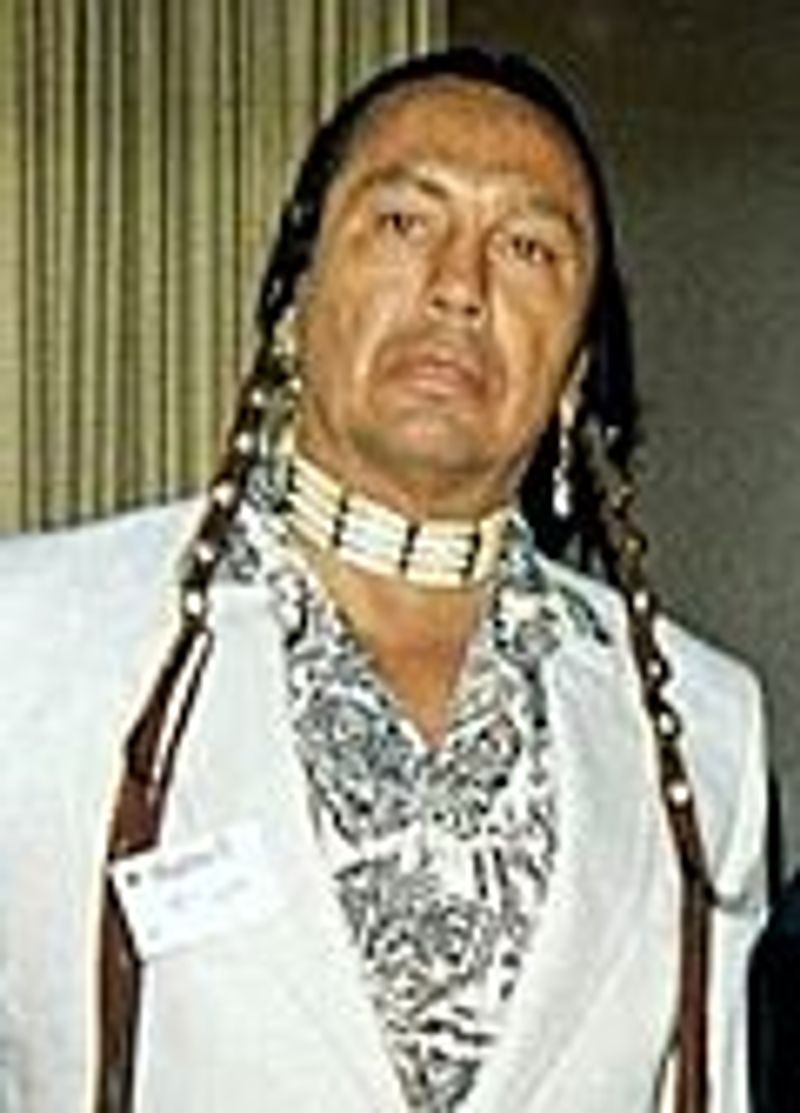
Russell Means had a talent for walking into the most dangerous rooms and refusing to be silent. Born in 1939 on the Pine Ridge Reservation in South Dakota, he became one of the most recognizable faces of the Native American rights movement during the 1970s.
As a leader in the American Indian Movement, Means helped organize the dramatic 71-day occupation of Wounded Knee in 1973. The protesters seized the site of the infamous 1890 massacre to demand the U.S. government honor its broken treaties.
The standoff drew global media attention and put Native issues on the front page worldwide.
Means faced multiple arrests and legal battles because of his activism but kept pushing forward. He also became an actor, appearing in The Last of the Mohicans and voicing a character in Disney’s Pocahontas.
He lived as loudly as he fought, right up until his death in 2012.
10. Dennis Banks (Ojibwe)
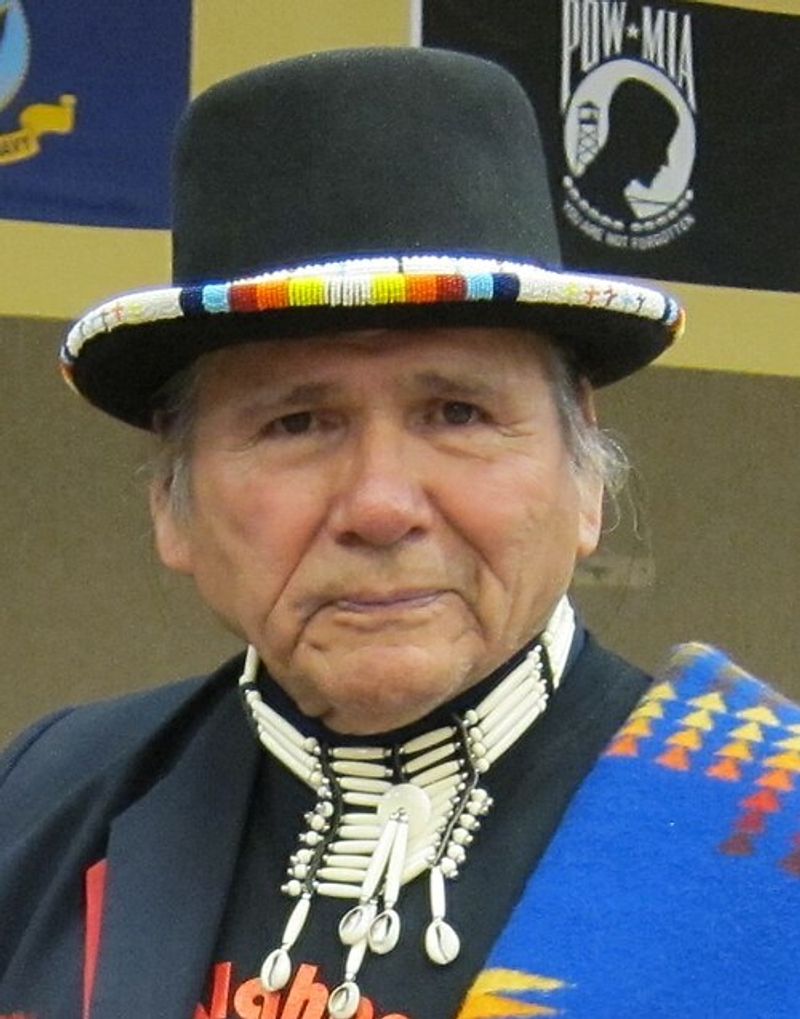
Some people talk about change. Dennis Banks spent decades actually building it.
Born in 1937 on the Leech Lake Reservation in Minnesota, he co-founded the American Indian Movement in 1968, an organization that would shake the foundations of U.S. policy toward Native peoples.
AIM was born out of frustration with police brutality and the terrible living conditions facing urban Native Americans. Banks helped transform that frustration into organized, visible protest.
He marched, he occupied, he testified, and he refused to accept the status quo.
Among his most significant actions was helping lead the Trail of Broken Treaties march to Washington, D.C., in 1972, where protesters occupied the Bureau of Indian Affairs building. Banks also worked tirelessly on education initiatives, helping establish Native American studies programs at universities.
He passed away in 2017, remembered as a tireless defender of Indigenous dignity and rights.
11. Deb Haaland (Laguna Pueblo)
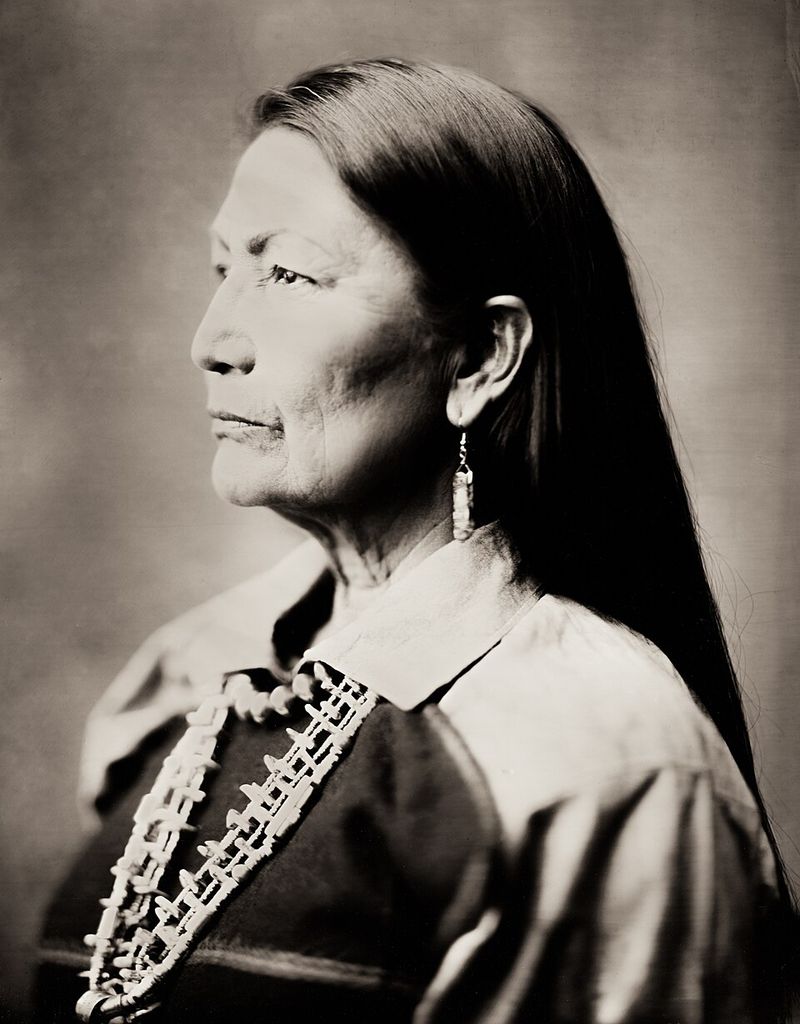
On March 16, 2021, history quietly shifted when Deb Haaland was sworn in as U.S. Secretary of the Interior.
She became the first Native American to serve as a cabinet secretary in the history of the United States, a milestone more than two centuries in the making.
Born in 1960 in Winslow, Arizona, Haaland grew up as a military kid, moving frequently before eventually settling in New Mexico. She earned her law degree as a single mother, a detail she mentions often to inspire young people facing tough circumstances.
As Interior Secretary, she oversees 500 million acres of federal land and manages the government’s relationship with 574 federally recognized tribal nations. She launched a major investigation into the dark history of Native American boarding schools, bringing long-buried truths into the open.
Her presence in that role sends a powerful message to every Native child watching.
12. N. Scott Momaday (Kiowa)
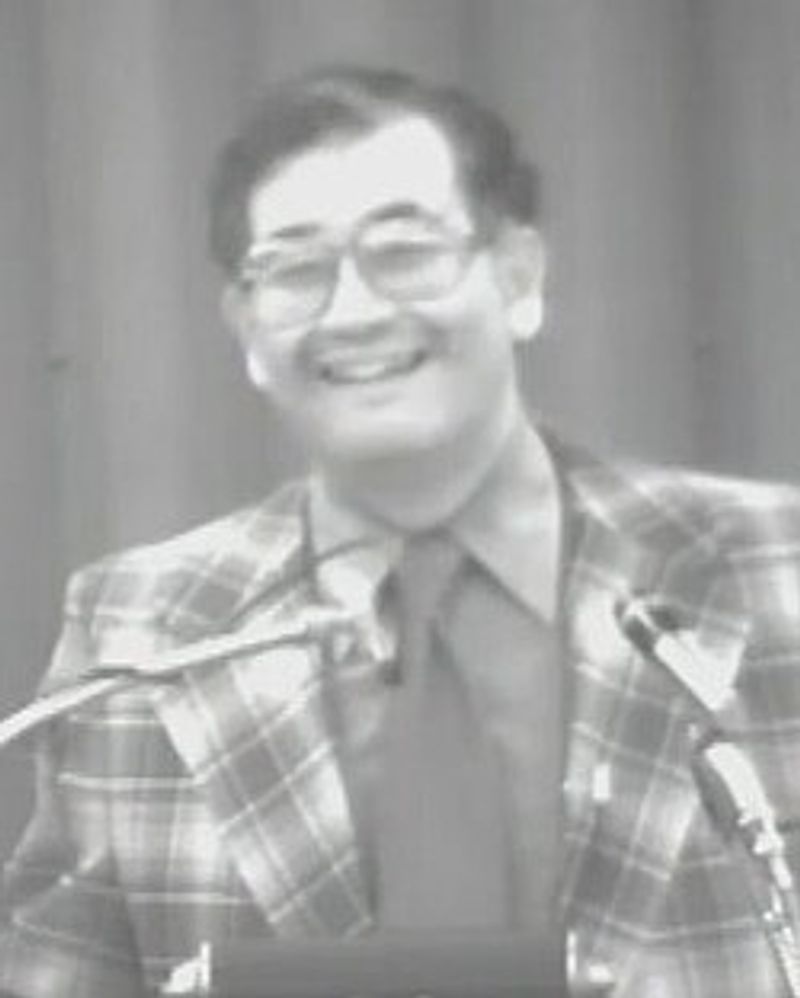
A single novel changed the entire landscape of American literature. When N.
Scott Momaday published House Made of Dawn in 1969, it became the first book by a Native American author to win the Pulitzer Prize, and the literary world was never quite the same.
Born in 1934 in Lawton, Oklahoma, Momaday grew up surrounded by the stories, songs, and ceremonies of the Kiowa people. He brought that rich oral tradition onto the printed page with lyrical, deeply moving prose that felt unlike anything readers had encountered before.
His book sparked what scholars call the Native American literary renaissance, inspiring a whole generation of Indigenous writers to tell their own stories in their own voices. Momaday also painted, sculpted, and taught at universities for decades.
Now in his 90s, he remains a beloved elder statesman of American letters, still writing, still teaching, still inspiring.
13. Sherman Alexie (Spokane-Coeur d’Alene)
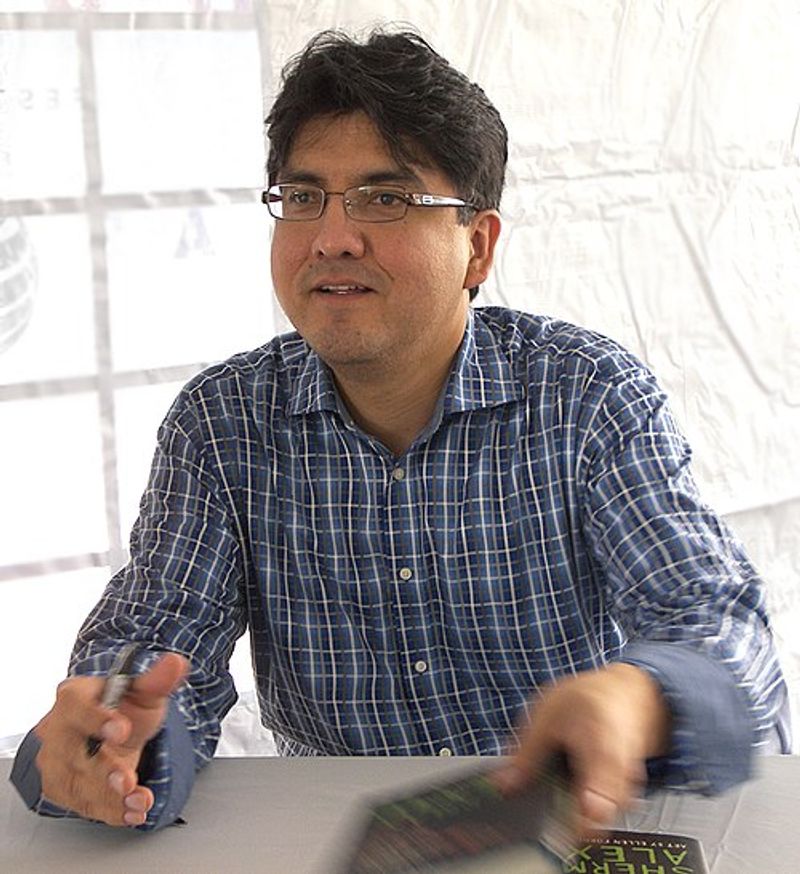
Sherman Alexie once said that writing saved his life, and given what he survived, that is not an exaggeration. Born in 1966 on the Spokane Indian Reservation in Washington State, he was diagnosed with hydrocephalus at birth and was not expected to survive, let alone become a celebrated author.
He proved the doctors wrong and went on to write poetry, short stories, novels, and screenplays that captured reservation life with honesty, humor, and heartbreak. His semi-autobiographical young adult novel The Absolutely True Diary of a Part-Time Indian became a modern classic taught in classrooms across the country.
He also wrote and produced the film Smoke Signals in 1998, the first feature film written, directed, and co-produced entirely by Native Americans. Alexie’s work refuses to romanticize or simplify Indigenous life.
He writes about real struggles with unflinching clarity and a sharp wit that keeps readers laughing even through the difficult parts.
14. John Herrington (Chickasaw Nation)
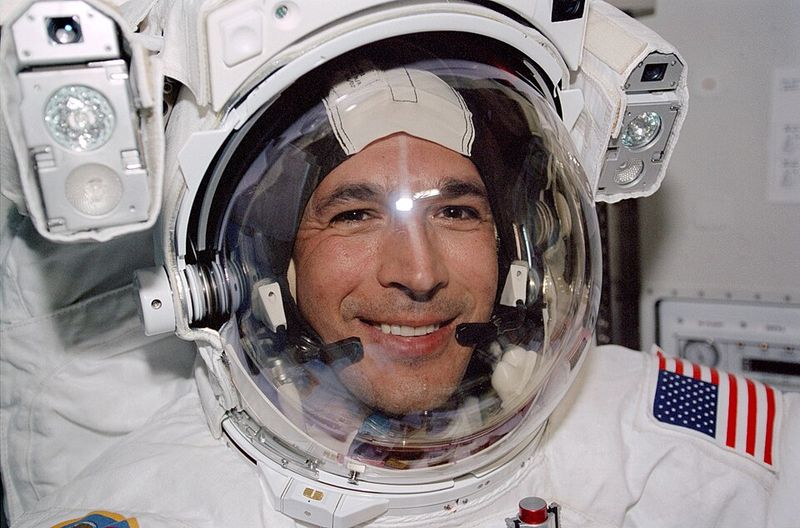
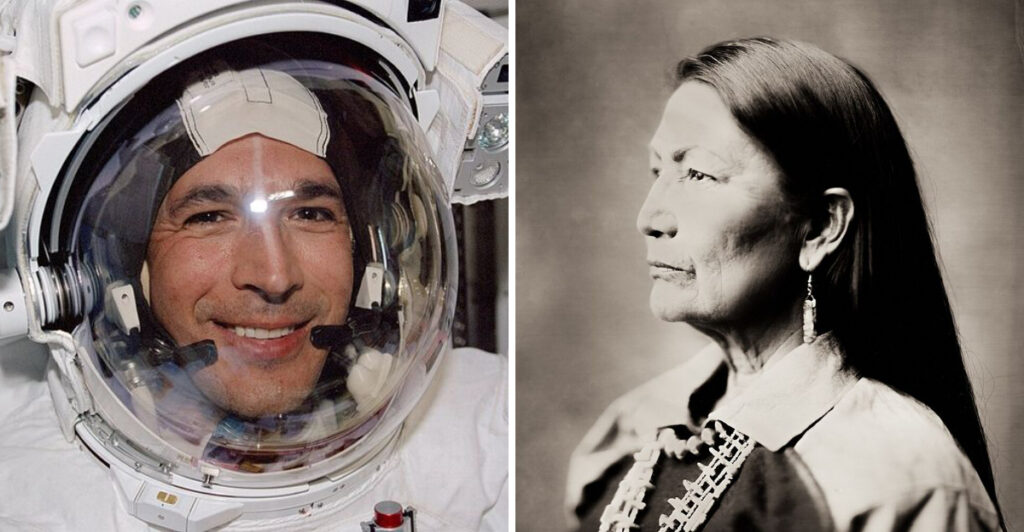
On November 23, 2002, John Herrington floated out of the International Space Station’s airlock and became the first enrolled member of a Native American tribe to walk in space. He carried eagle feathers, a braid of sweet grass, and a Chickasaw Nation flag with him into orbit.
Born in 1958 in Wetumka, Oklahoma, Herrington grew up with a love of flying and eventually became a U.S. Navy test pilot before being selected by NASA.
During his mission aboard the Space Shuttle Endeavour, he completed three spacewalks totaling over 19 hours outside the station.
After retiring from NASA, Herrington cycled across the entire United States to encourage Native American youth to pursue careers in science, technology, engineering, and mathematics. He wanted young people on reservations to know that space was not off-limits to them.
His message was direct: dream big, study hard, and reach for the stars.
15. Buffy Sainte-Marie (Cree)
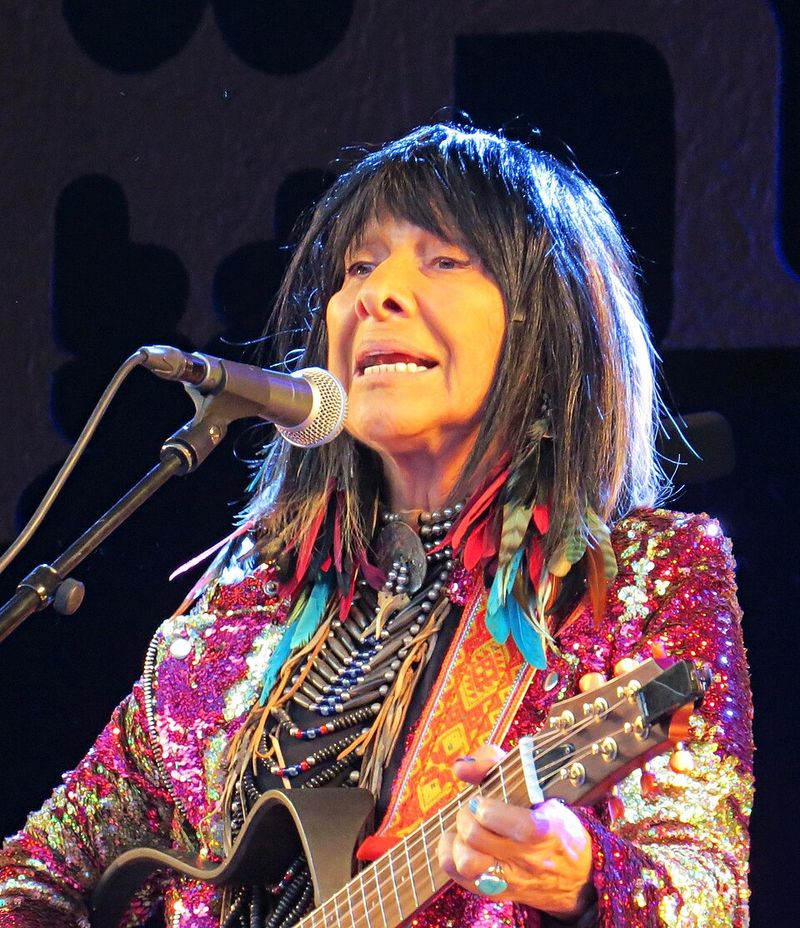
Buffy Sainte-Marie has been writing protest songs since the 1960s, and somehow, they keep getting more relevant with every passing decade. Born in 1941 on the Piapot Cree Nation reserve in Saskatchewan, Canada, she was adopted by a non-Native family in Massachusetts but never lost her connection to her Indigenous roots.
Her debut album in 1964 contained Universal Soldier, an anti-war anthem that became a global hit. She followed it with decades of music addressing Native rights, poverty, and government injustice, all wrapped in melodies beautiful enough to make you forget how sharp the lyrics really are.
She also won an Academy Award for co-writing the song Up Where We Belong from the film An Officer and a Gentleman. Beyond music, she founded the Cradleboard Teaching Project to bring accurate Indigenous history into schools.
At over 80 years old, Buffy Sainte-Marie is still performing, still protesting, and still absolutely unforgettable.
Share this story