Southern Italy is one of Europe’s best-kept secrets, offering stunning scenery, rich history, and mouth-watering food without draining your wallet. From ancient cave cities to sun-drenched coastlines, this region has something for every kind of traveler.
Whether you’re a history buff, a beach lover, or simply someone chasing great pasta at an honest price, southern Italy delivers. Pack your bags and get ready to explore 15 towns that prove incredible travel doesn’t have to cost a fortune.
Lecce, Puglia
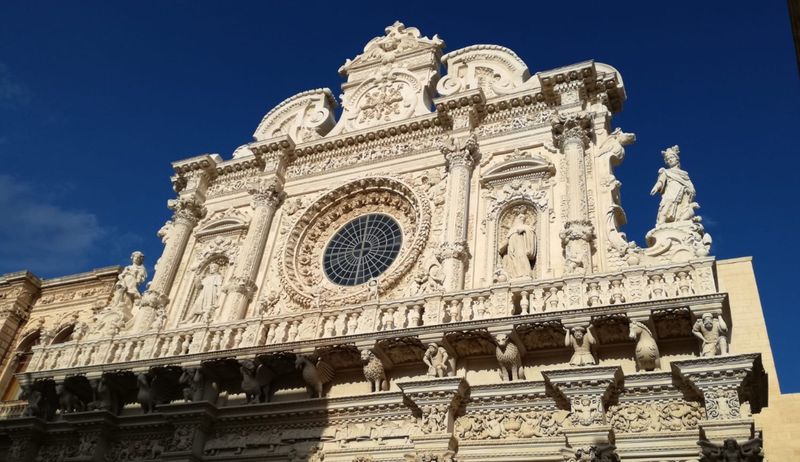
Walk down any street in Lecce and your jaw might hit the cobblestones — this city is genuinely that beautiful. Often called the “Florence of the South,” Lecce is packed with elaborately carved Baroque churches and golden limestone buildings that practically glow in the afternoon sun.
The Basilica di Santa Croce alone looks like someone spent centuries trying to out-decorate every other building in Europe.
Despite all this grandeur, Lecce is surprisingly affordable. A filling plate of orecchiette pasta costs just a few euros at a local trattoria, and guesthouses offer comfortable rooms at prices that would make northern Italian cities blush.
Street food is everywhere, and locals are generous with their recommendations.
Lecce also works brilliantly as a base for exploring southern Puglia. Day trips to nearby beaches, olive groves, and smaller villages are easy and inexpensive.
The city’s relaxed pace means you never feel rushed, which is exactly what a great holiday should feel like. Come for the architecture, stay for the pasticiotto — a local custard pastry that is absolutely worth every calorie.
Matera, Basilicata
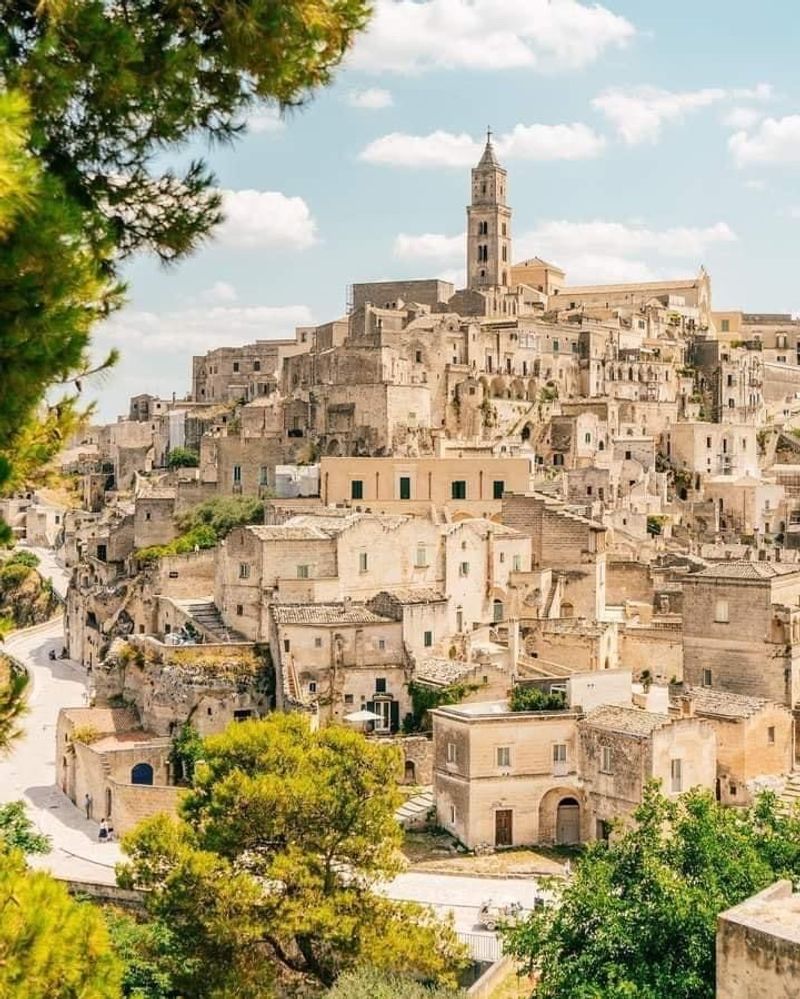
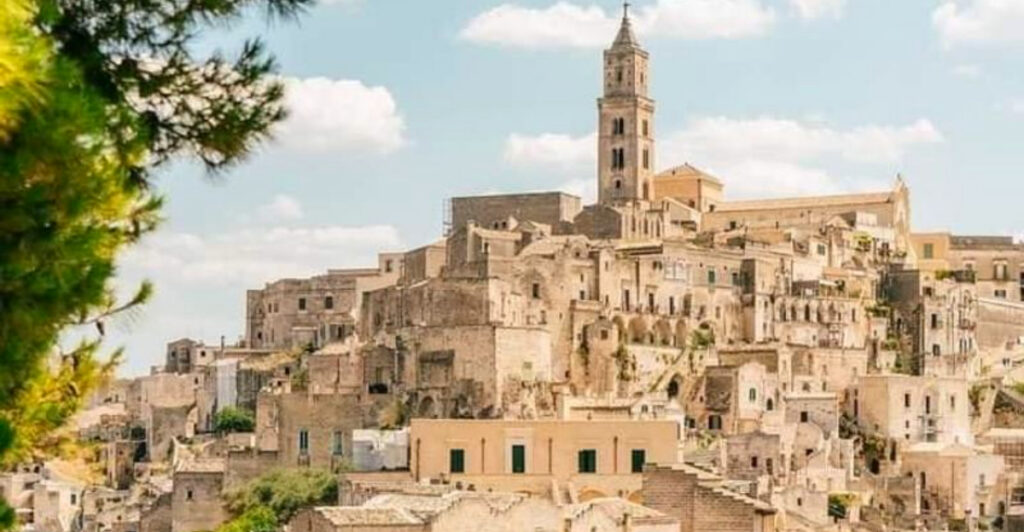
Matera looks like it was designed by a movie director with an unlimited budget and a love of ancient drama. The famous Sassi — thousands of cave homes and churches carved directly into rocky cliffs — create a skyline unlike anything else on Earth.
It was named a European Capital of Culture in 2019, and the city has been buzzing with creative energy ever since.
Here’s the fun part: you can actually sleep in one of those caves. Many Sassi have been converted into boutique hotels, cozy restaurants, and quirky museums.
It sounds expensive, but compared to similar “unique stay” experiences in western Europe, prices here remain very reasonable, especially if you visit outside summer peak weeks.
Wandering through Matera costs nothing but shoe leather. The winding paths between cave churches, rock-cut cisterns, and ancient neighborhoods are completely free to explore.
Budget travelers will find affordable lunch spots serving hearty Basilicata cuisine — think crusty bread, aged cheeses, and slow-cooked lamb. Matera rewards curious, unhurried visitors who enjoy getting wonderfully lost in a truly one-of-a-kind place.
Alberobello, Puglia
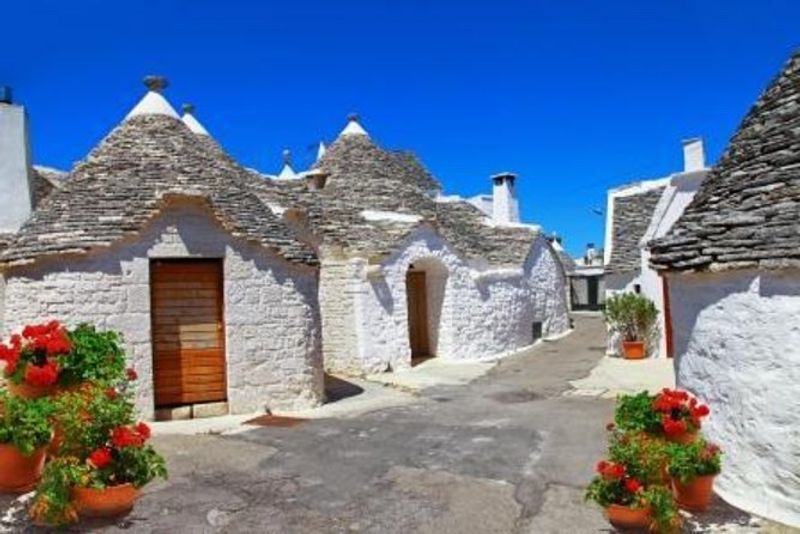
Stepping into Alberobello feels like someone shrunk a fairy tale and forgot to tell anyone. The town is famous for its trulli — round white stone houses topped with grey cone-shaped roofs — and seeing hundreds of them clustered together is genuinely surreal.
The entire historic district is a UNESCO World Heritage Site, which makes the low price tag here even more surprising.
Because Alberobello is a smaller town, competition among local restaurants and guesthouses keeps prices friendly. You can find a trullo to stay in overnight for a fraction of what a novelty accommodation costs elsewhere in Europe.
Breakfasts of fresh pastries and strong espresso run just a couple of euros at local bars.
Most of the town’s best sights are completely free — wandering the Rione Monti neighborhood, peeking into trullo interiors, and climbing the gentle hill for rooftop views costs nothing at all. Local shops sell handmade ceramics and olive oil at fair prices.
Alberobello is compact enough to explore on foot in a day but charming enough to make you want to linger for several more.
Bari, Puglia
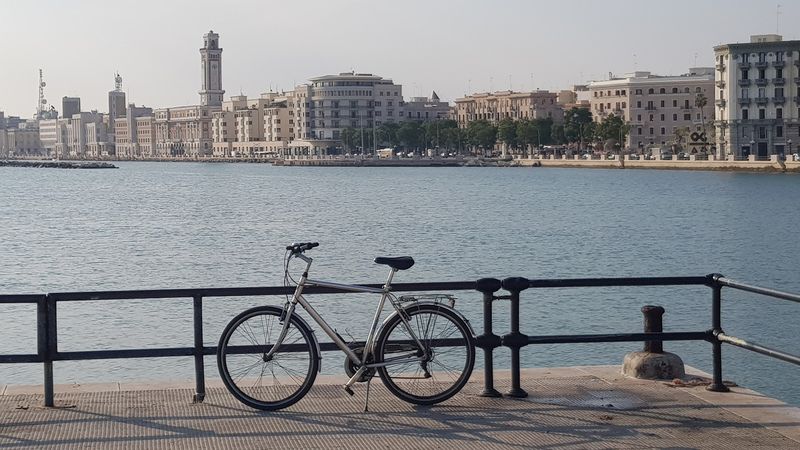
Bari is the kind of city that rewards travelers who skip the guidebook and just start walking. The old town, known as Bari Vecchia, is a maze of narrow medieval streets where grandmothers still sit in doorways hand-rolling orecchiette pasta — and yes, they’re happy to let you watch.
It’s an authentic slice of southern Italian daily life that no tour bus can replicate.
Food here is both spectacular and spectacularly cheap. Focaccia barese — thick, olive-oil-soaked flatbread topped with tomatoes and olives — costs just over a euro from a street bakery.
Fresh seafood at the morning market near the port is excellent, and a full sit-down meal at a local restaurant rarely breaks the bank. The city’s street food scene alone is worth the trip.
Beyond eating, Bari offers the striking Basilica di San Nicola, a lively waterfront promenade, and a buzzing atmosphere that feels genuinely Italian rather than tourist-polished. Accommodation options range from budget hostels to affordable family-run B&Bs.
Bari also serves as a convenient transport hub for exploring the wider Puglia region, making it a smart and satisfying base for any southern Italy adventure.
Tropea, Calabria
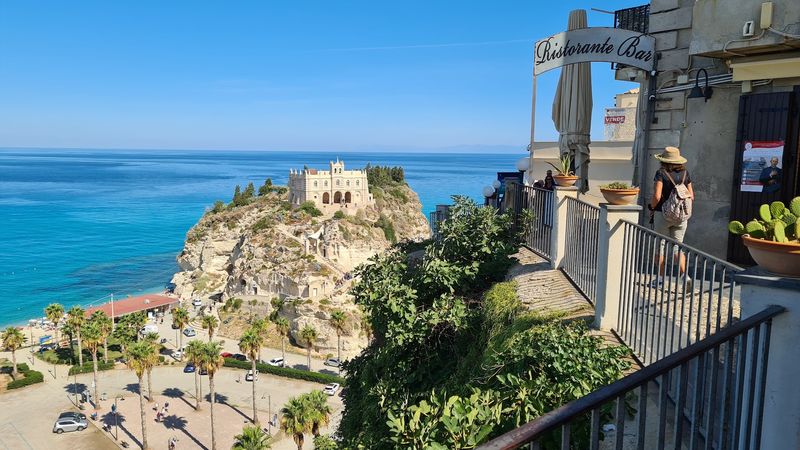
Perched dramatically on clifftops above water so blue it looks photoshopped, Tropea is one of southern Italy’s most jaw-dropping coastal towns. Located in Calabria — the “toe” of Italy’s boot — it offers picture-perfect scenery at prices that feel almost too good to be true.
Calabria is one of Italy’s least-touristed regions, which works entirely in your favor when it comes to the bill.
The beaches below the cliffs are genuinely stunning, with clear shallow water perfect for snorkeling. Getting down to the sand involves a scenic staircase carved into the rock, which is part of the adventure.
Beach facilities are available but optional — just bring a towel and enjoy the view for free.
Tropea’s town center is small, charming, and easy to explore on foot. Local restaurants serve grilled swordfish, fresh calamari, and Calabrian-spiced dishes at very reasonable prices.
The town is also famous for its sweet red onions, which locals use in everything from bruschetta to jam — yes, onion jam, and it actually works. Visiting in June or September means fewer crowds, lower prices, and weather that is still gloriously warm and sunny.
Polignano a Mare, Puglia
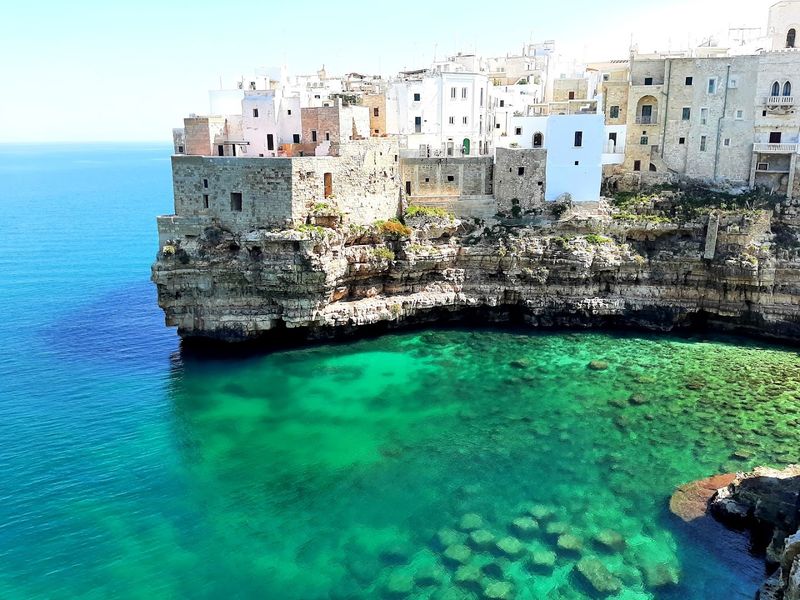
There is a reason Polignano a Mare keeps showing up on every “most beautiful Italian towns” list — the views here are genuinely ridiculous in the best possible way. Whitewashed houses balance on limestone cliffs above crystal-clear Adriatic waters, and sea caves yawn open at the base of the rock.
The town is also the birthplace of singer Domenico Modugno, who wrote “Volare” — a song that perfectly matches the feeling of standing on these cliffs.
Day-trippers from Bari flood in during summer weekends, but staying overnight changes everything. The crowds thin out by evening, prices at restaurants drop noticeably, and you get to enjoy the cliffside scenery in peaceful golden-hour light.
Shoulder season visits in May or October offer even better value with far fewer visitors.
The town’s main beach, Lama Monachile, sits in a dramatic cove between two cliff faces and is free to use. Gelato shops, bakeries, and small trattorias line the old town streets, and a filling lunch costs very little.
Polignano proves that some of Italy’s most spectacular scenery doesn’t require a luxury budget — just good timing and comfortable walking shoes.
Maratea, Basilicata
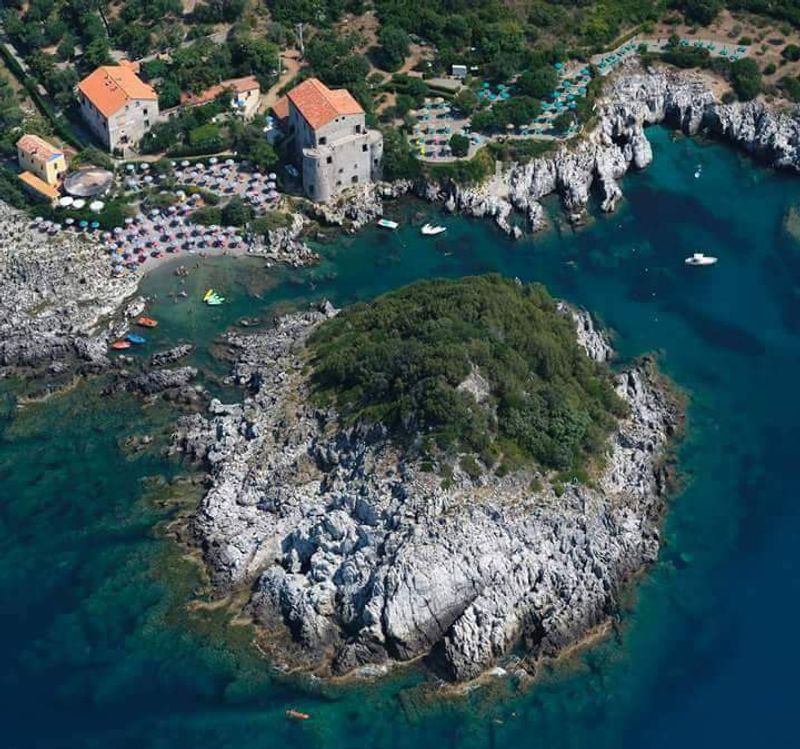
Crowned by a giant white statue of Christ the Redeemer on its hilltop — yes, a different one from Rio — Maratea has been quietly winning over travelers who stumble upon it by happy accident. Nicknamed the “Pearl of the Tyrrhenian Sea,” this small Basilicata town offers a gorgeous coastline, crystal-clear water, and mountain scenery all within a short drive of each other.
Not many places manage that combination.
Because Maratea sits off the main tourist trail, prices are noticeably lower than at famous Campania resorts like Positano or Ravello. Small family-run hotels and agriturismos offer excellent value, and meals at local restaurants feature fresh fish, homemade pasta, and local wines at prices that feel like a welcome throwback.
The pace of life here is wonderfully unhurried.
The coastline around Maratea features dozens of small beaches and rocky coves, many accessible only by boat or narrow footpath — which keeps them beautifully uncrowded. The hilltop old town is a lovely place for an evening stroll, with panoramic views over the sea turning spectacular at sunset.
Maratea is the kind of destination that people visit once and then spend years trying to convince their friends to visit too.
Cefalù, Sicily
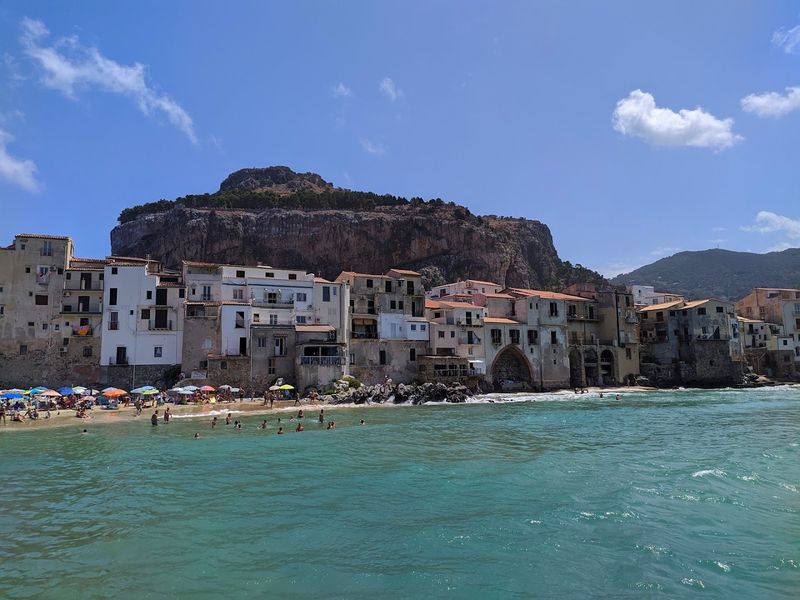
Cefalù has a Norman cathedral so massive and impressive that it makes the rest of the town look like it was built specifically to frame it — and honestly, that’s not far from the truth. Built in the 12th century by Roger II of Sicily, the cathedral’s twin towers dominate the skyline and contain some of the oldest Byzantine mosaics in Sicily.
It’s the kind of landmark that stops you mid-gelato-lick just to stare.
Beyond the cathedral, Cefalù wraps around a golden beach with shallow, warm Mediterranean water that is genuinely hard to leave. The medieval old town behind it is full of narrow lanes, small restaurants, and independent shops selling Sicilian ceramics and local products.
Prices here are noticeably gentler than in Taormina or Palermo’s tourist zones.
Affordable guesthouses and small hotels sit within walking distance of both the beach and the historic center. Seafood restaurants along the waterfront serve fresh catches at fair prices, and the local fish couscous — a nod to Sicily’s North African culinary history — is absolutely worth ordering.
Cefalù is a compact, beautiful, and genuinely relaxed town that delivers a full Sicilian experience without requiring a large budget.
Gallipoli, Puglia
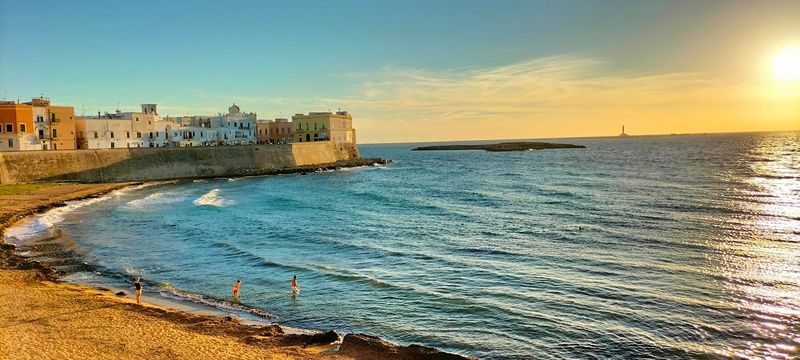
Gallipoli’s old town sits on a small island — a real one, surrounded by actual sea — connected to the mainland by a 17th-century stone bridge. Walking across that bridge into the historic center feels like entering a different century entirely.
Baroque churches, crumbling fortifications, and fishermen mending nets on the waterfront create a scene that hasn’t changed much in spirit for hundreds of years.
The town is famous across Puglia for its seafood, and the fish market near the harbor is one of the most atmospheric in the region. Locals shop there early every morning, and nearby restaurants turn the day’s catch into simple, brilliant dishes.
A plate of grilled octopus or fresh sea urchin pasta costs a fraction of what you’d pay at a similar seaside spot in Sardinia or the Amalfi Coast.
Gallipoli’s beaches stretch along the coast south of town and are among the best in Puglia — wide, sandy, and lapped by famously clear Ionian water. Accommodation ranges from budget rooms in the old town to simple apartments near the beach.
The town gets lively in summer, especially among Italian vacationers, which means the atmosphere is festive without being overwhelmingly touristic. Great value and great vibes.
Locorotondo, Puglia
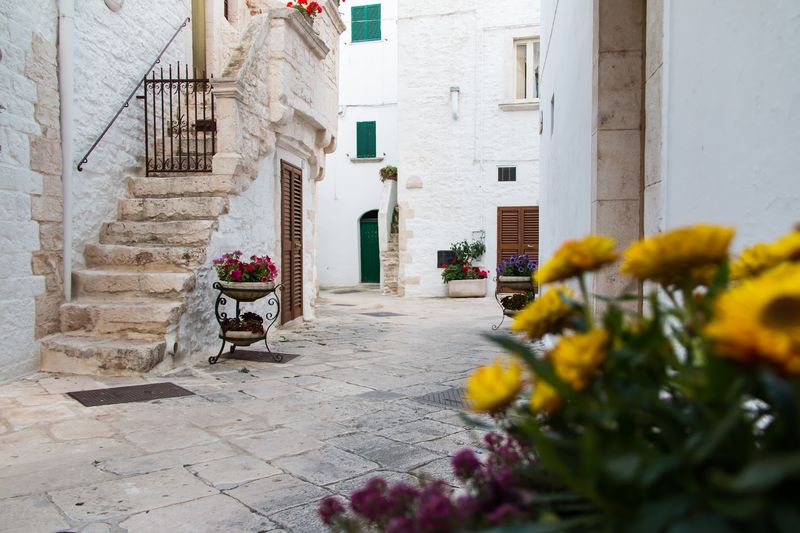
Locorotondo is so pretty it almost feels unfair to the other towns on this list. Perched on a gentle hill above the Valle d’Itria, its name literally means “round place” — a nod to its circular historic center, which is ringed by whitewashed houses with flower-spilling balconies and immaculate stone streets.
Walking through it on a quiet morning, with the smell of coffee drifting from open doorways, is one of those simple travel moments that stays with you.
The town is small and peaceful, with very little tourist infrastructure — which is actually a selling point. There are no overpriced souvenir shops or tourist menus here, just local bars, family trattorias, and a genuine sense of everyday Italian life.
Prices reflect the local economy rather than tourist demand, making meals and accommodation genuinely affordable.
Locorotondo is also one of Puglia’s wine towns, producing a crisp, dry white wine of the same name that pairs beautifully with local cheeses and cured meats. The surrounding countryside, dotted with trulli farmhouses and olive groves, is ideal for cycling or easy walks.
It’s a place where slowing down completely feels not just acceptable but absolutely necessary — and deeply rewarding.
Palermo, Sicily
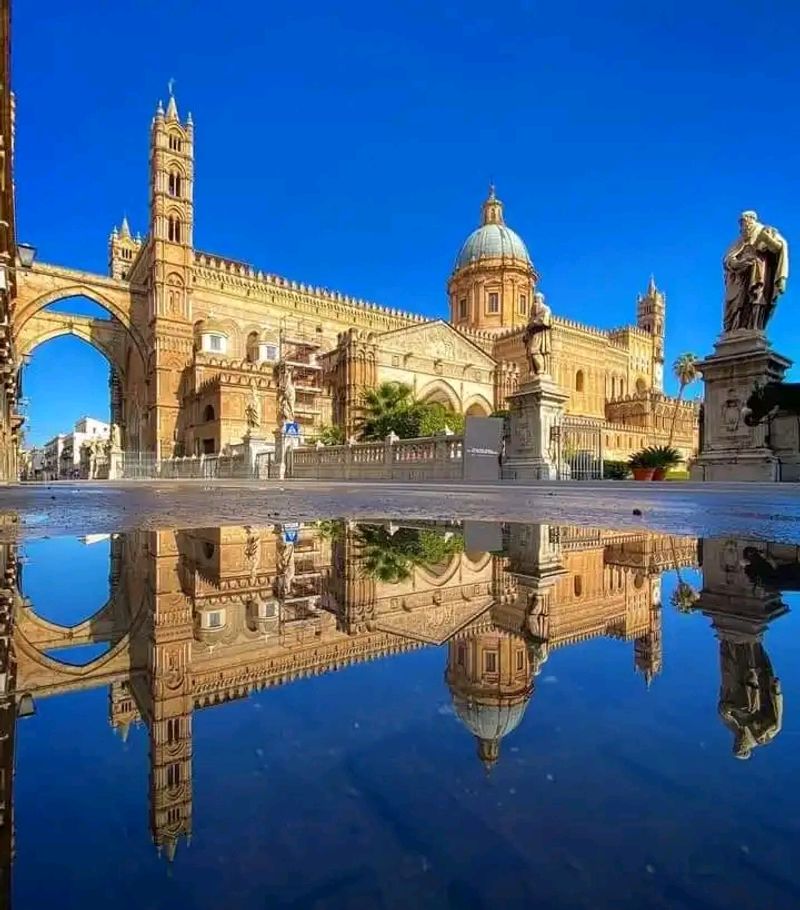
Forget everything you think you know about expensive Italian cities — Palermo plays by completely different rules. As Sicily’s capital, it is one of the most affordable major cities in all of Italy, with hotel rooms, restaurant meals, and public transport costing a fraction of what you’d spend in Rome or Milan.
The savings are real, and the city is absolutely enormous in terms of what it offers.
Palermo’s street food scene is legendary and genuinely cheap. Arancini (fried rice balls), panelle (chickpea fritters), and sfincione (Sicilian-style pizza) are sold from market stalls and small shops for just a euro or two each.
The Ballar’o and Vucciria markets are chaotic, colorful, and completely thrilling — they’ve been feeding the city for centuries and show no signs of slowing down.
Architecturally, Palermo is a fascinating mix of Arab, Norman, Baroque, and Art Nouveau influences — the result of centuries of conquest and cultural exchange. The Palatine Chapel inside the Norman Palace is one of the most breathtaking interiors in Europe, and entry costs very little.
With world-class museums, vibrant nightlife, and outstanding food at honest prices, Palermo punches well above its weight for budget-conscious travelers.
Monopoli, Puglia
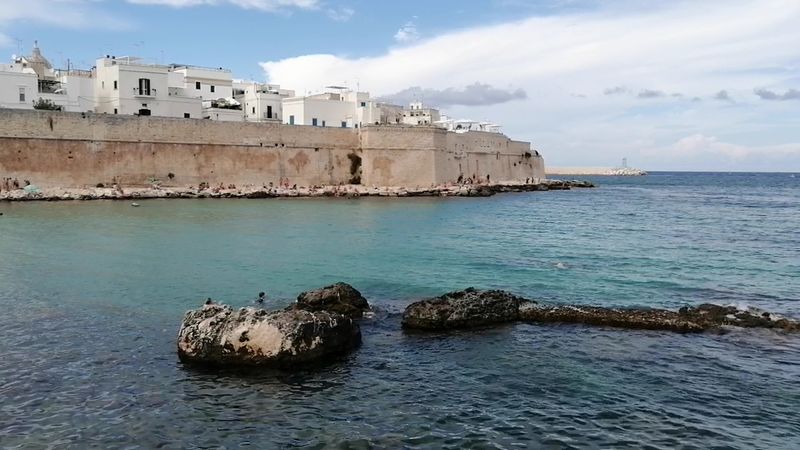
Colorful fishing boats bobbing in a harbor surrounded by whitewashed buildings — Monopoli looks like a postcard that someone forgot to mail. Located on the Adriatic coast between Bari and Brindisi, this charming Pugliese town is often overlooked by travelers rushing between bigger destinations, which is their loss and your gain.
Less foot traffic means better prices and a more relaxed experience all around.
The historic center is compact and wonderfully walkable, full of small piazzas, 16th-century castle walls, and tiny churches tucked into unexpected corners. Local restaurants around the harbor serve incredibly fresh fish — the town has been a working fishing port for centuries, so the supply chain is about as short as it gets.
A simple grilled fish lunch with local wine costs very little by Italian standards.
Monopoli also has excellent beaches within easy reach of the town center, ranging from sandy public stretches to rocky coves with clear water. Accommodation options include affordable B&Bs and small apartments in the old town.
The evening passeggiata — the Italian tradition of strolling through town before dinner — is a lovely local ritual here, and joining in costs absolutely nothing. Monopoli is a hidden gem worth uncovering.
Specchia, Puglia
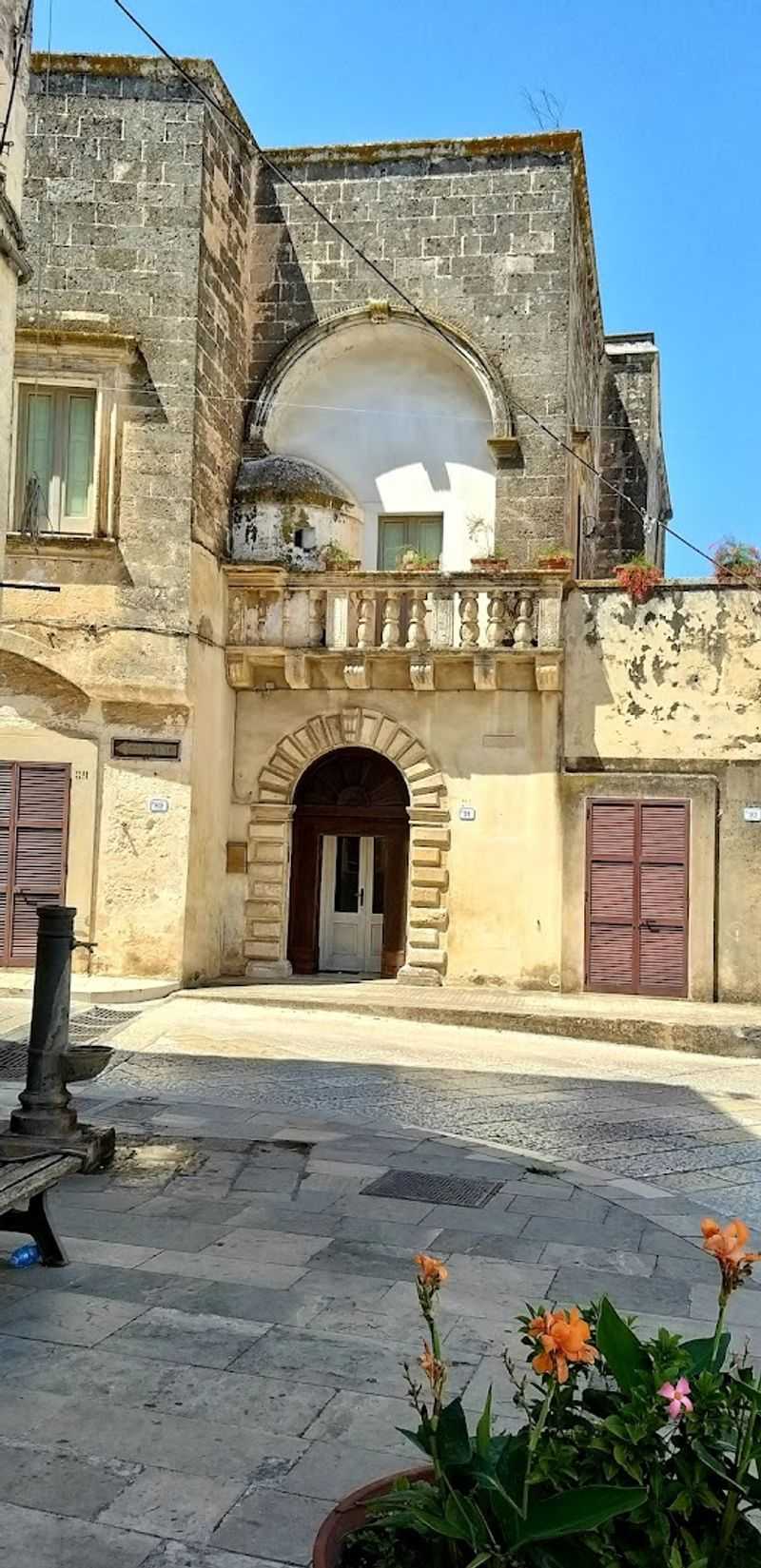
Specchia is the kind of place that makes you want to turn your phone off and just exist for a while. Tucked into the rolling countryside of the Salento peninsula, this small medieval hill town has barely changed in centuries — and that’s entirely the point.
Stone houses, arched doorways, and silent sun-drenched squares create an atmosphere of genuine, unhurried southern Italian life.
There are no major museums or famous landmarks here, and that’s actually refreshing. Specchia’s appeal is entirely about atmosphere — wandering its lanes, sitting in the main piazza with a coffee, and watching daily life unfold at a pace that city dwellers can barely imagine.
A handful of small restaurants and agriturismos serve traditional Salento cooking at extremely fair prices.
The surrounding countryside is beautiful for walking or cycling, with olive groves and dry-stone walls stretching in every direction. Specchia is located in the heart of Salento, which means beaches on both the Adriatic and Ionian coasts are within easy driving distance.
Budget travelers who prioritize authenticity over amenities will find this town deeply satisfying. It consistently appears on lists of Italy’s most beautiful villages, and spending time here makes it very clear why that recognition is completely deserved.
Taormina, Sicily
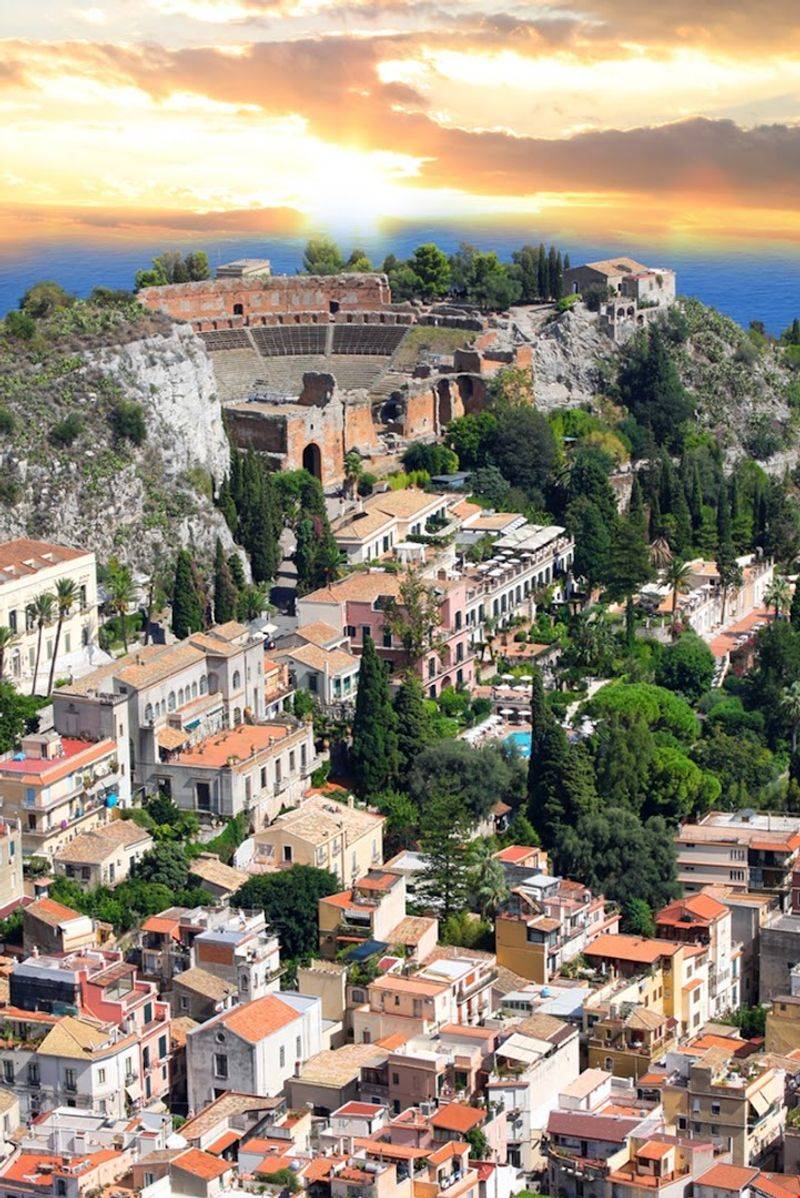
Few towns anywhere in the world can claim a view like Taormina’s — an ancient Greek Theatre framing the snow-capped cone of Mount Etna with the shimmering Ionian Sea below. It’s the kind of scenery that makes people stop mid-sentence and just stare.
Taormina has been attracting visitors since the 19th century, when European aristocrats and writers like D.H. Lawrence declared it one of the most beautiful places on Earth.
They weren’t wrong.
Peak summer prices can feel steep, but visiting in April, May, or October transforms the experience entirely. Crowds thin out dramatically, accommodation rates drop by a significant margin, and the weather remains warm and pleasant.
Many restaurants offer better value in shoulder season too, as they’re competing harder for a smaller pool of visitors.
The town’s main street, Corso Umberto, is lined with cafes, pastry shops, and boutiques that range from affordable to eye-wateringly expensive — but window shopping is free and the people-watching is excellent. The Greek Theatre hosts concerts and events throughout the season, and even the walk up to the ancient ruins through terraced gardens is memorable.
Taormina rewards smart timing with an experience that feels genuinely luxurious without necessarily costing that way.
Salerno, Campania
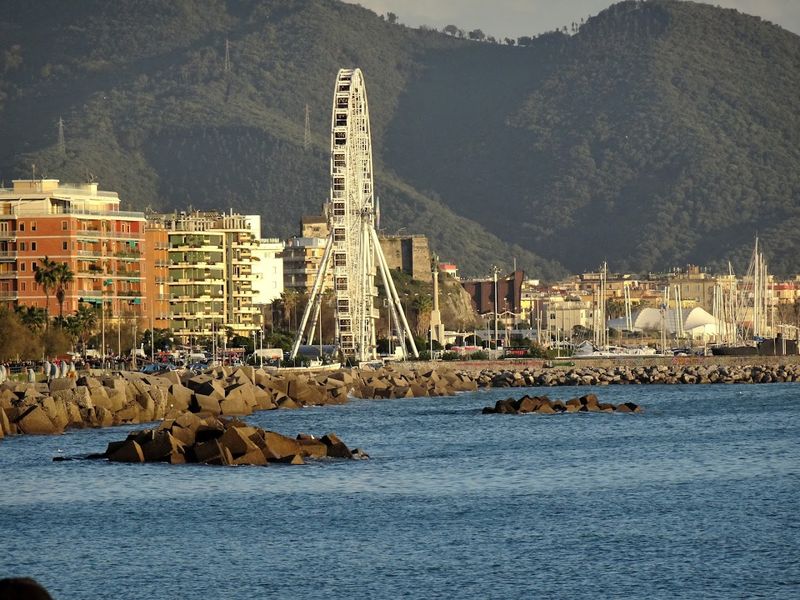
Smart travelers figured out a long time ago that staying in Salerno and day-tripping to the Amalfi Coast is one of the best budget hacks in all of southern Italy. The famous clifftop towns of Positano, Ravello, and Amalfi are all reachable by ferry or bus from Salerno — but back in Salerno, your hotel costs a fraction of the price and your dinner bill doesn’t require a moment of regret.
Salerno itself is far more than just a budget base camp. The city has a genuinely lovely waterfront promenade lined with palm trees and outdoor cafes, a beautifully preserved medieval old town, and the stunning Cathedral of San Matteo, which dates back to the 11th century and houses relics of the apostle Matthew.
It’s a proper city with real local character.
The restaurant scene here is excellent and authentically priced — think homemade pasta, fresh mozzarella, and wood-fired pizza served to actual Italians rather than tourists. Salerno also sits close to the ancient ruins of Paestum, home to some of the best-preserved Greek temples in the world.
For travelers who want Amalfi Coast scenery without Amalfi Coast prices, Salerno is the obvious and brilliant answer.
Share this story