Street food is one of the tastiest and most exciting ways to explore a new city. From sizzling woks in Asia to smoky grills in the Middle East, the best meals are often found not in fancy restaurants but on busy sidewalks and open-air markets.
Every city has its own signature bites that tell the story of its culture, history, and people. Get ready for a mouth-watering tour of 15 cities where eating on the street is practically an art form.
Bangkok, Thailand
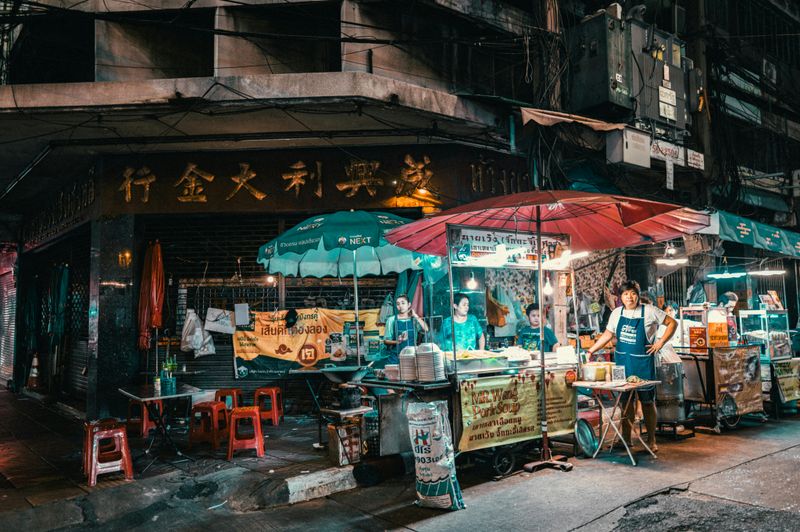
Step onto almost any street in Bangkok after dark and your senses go into overdrive — the sizzle of oil, the smell of lemongrass, and the glow of a hundred food stalls lighting up the night. Bangkok is widely regarded as the street food capital of the world, and honestly, it earns that title every single day.
The sheer variety here is staggering, from fiery curries to delicate noodle soups.
Yaowarat Road in Chinatown is the place to go for late-night feasting, where vendors have been perfecting their recipes for generations. Pad Thai cooked fresh in a blazing wok, crispy on the edges and perfectly tangy, is an absolute must.
Spicy papaya salad, known as som tam, packs a punch that sneaks up on you.
Mango sticky rice is the dessert that will ruin all other desserts for you — sweet, creamy, and dangerously good. Bangkok’s street food scene runs nearly 24 hours, so there is no wrong time to eat.
Whether you are a first-time visitor or a seasoned traveler, the city always has something new to discover on every corner.
Mexico City, Mexico
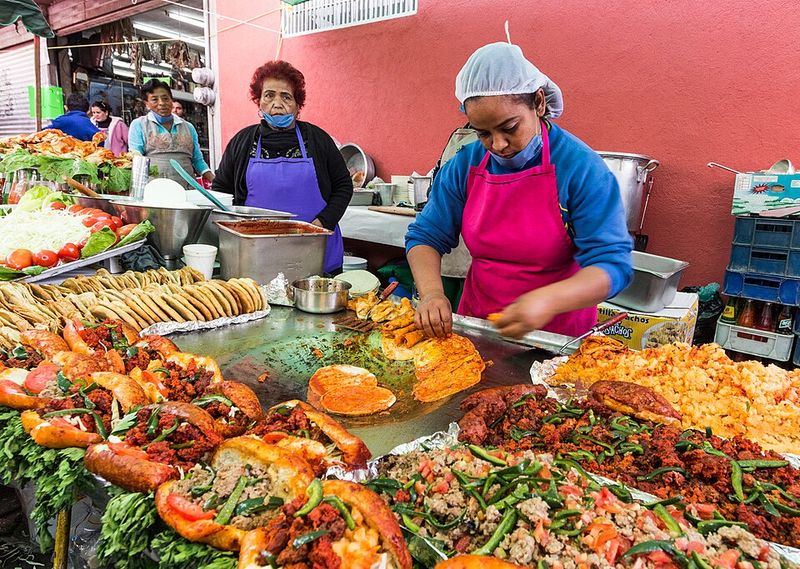
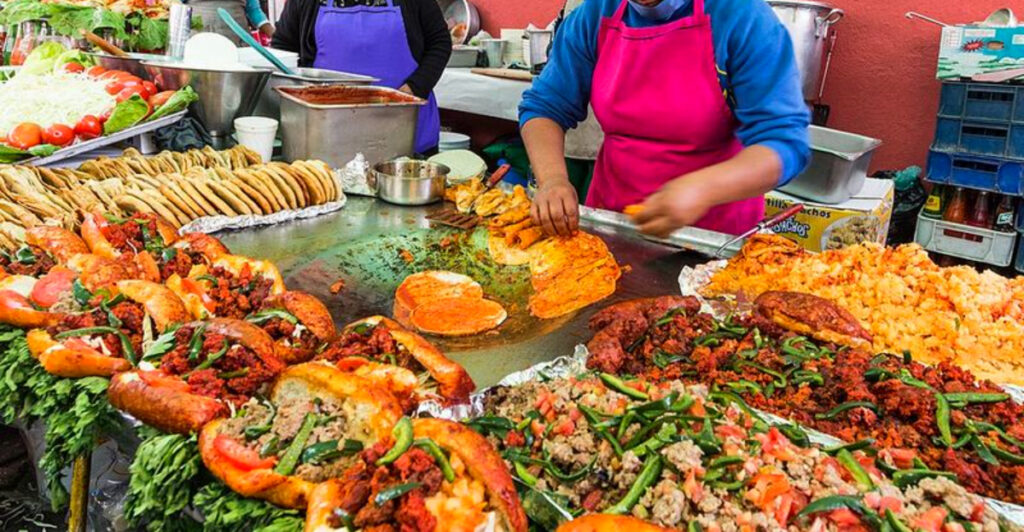
Tacos al pastor might just be the most perfect food ever invented — thin slices of marinated pork carved from a rotating spit, loaded into a warm corn tortilla with fresh pineapple and cilantro. Mexico City does this better than anywhere else on earth, and that is saying something.
The taco stands here operate like well-oiled machines, fast, flavorful, and totally addictive.
Beyond tacos, the city serves up tamales wrapped in banana leaves, quesadillas filled with huitlacoche (a smoky corn fungus locals adore), and elote slathered in mayo, chili, and cheese. Neighborhoods like Roma and Condesa come alive after midnight with taco carts surrounded by hungry crowds.
The energy is electric, and the food is even better.
Street food in Mexico City is deeply tied to identity — these recipes have been passed down for centuries, blending indigenous and Spanish culinary traditions into something truly extraordinary. A single visit to a busy street corner here can feel like a full history lesson and a delicious meal all at once.
Budget travelers will love that incredible food rarely costs more than a dollar or two per item.
Tokyo, Japan
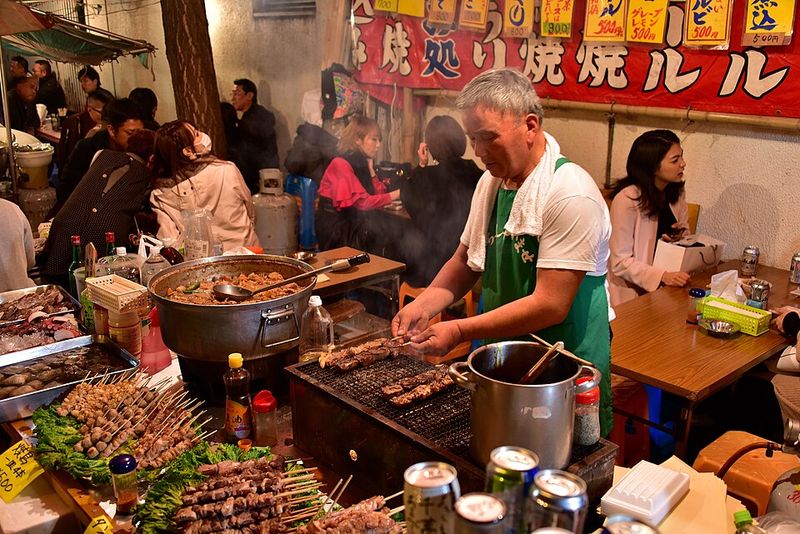
There is a reason people wait in line for 45 minutes for a single skewer of yakitori in Tokyo — the Japanese approach to street food is borderline obsessive, and the results are extraordinary. Every bite feels intentional, carefully seasoned, and cooked with a level of precision that feels almost theatrical.
Tokyo street food is not just a snack; it is a performance.
Takoyaki, those golden octopus-filled balls cooked in special cast-iron molds, are crispy outside and molten inside — topped with bonito flakes that dance in the steam like they are alive. Yakitori stalls tucked under railway arches fill the air with smoke and the sweet smell of tare sauce caramelizing over charcoal.
Ramen shops with just four stools and a steaming pot of broth are the stuff of food legends.
Tokyo also has a thriving culture of convenience store food, which sounds humble but is genuinely excellent — onigiri rice balls and steamed buns rival anything you would find at a sit-down restaurant. Food alleys called yokocho are scattered across the city, each one a tiny world of flavors.
First-timers should wander without a plan and just follow their nose.
Istanbul, Türkiye
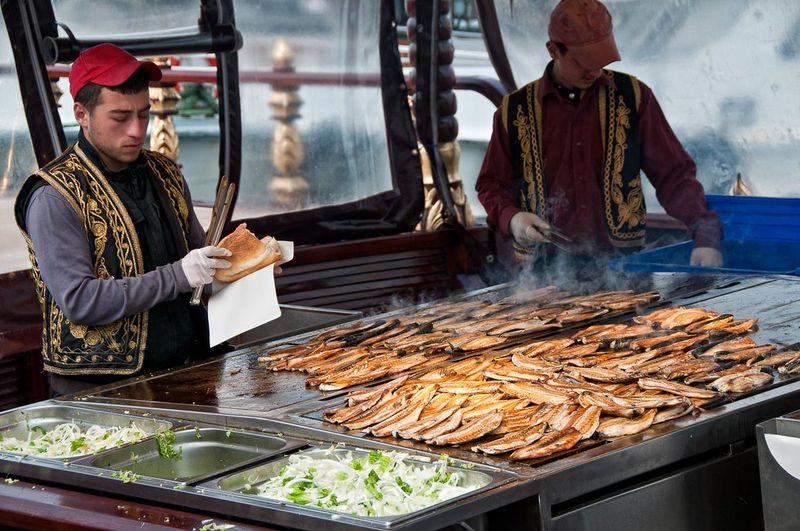
Walk across the Galata Bridge in Istanbul on any given morning and you will see fishermen casting lines on one side and vendors grilling fresh catch on the other — welcome to a city where street food is woven into daily life like thread through fabric. Istanbul sits at the crossroads of Europe and Asia, and its food reflects that extraordinary position beautifully.
Every bite tells a story of spice routes and ancient trade.
Simit, the circular sesame-crusted bread sold from red carts all over the city, is Istanbul’s most iconic street snack — chewy, warm, and perfect with a glass of strong tea. Döner kebab here is a religion, with thin-shaved meat piled into flatbread with yogurt and fresh herbs.
Gözleme, a thin savory pastry filled with cheese or spinach, is cooked on a wide griddle right in front of you.
Crossing the Bosphorus on a ferry and eating a fish sandwich called balik ekmek is one of the great simple pleasures of travel. The Spice Bazaar area is packed with vendors selling roasted chestnuts in winter and fresh pomegranate juice year-round.
Istanbul rewards slow walkers who stop often and eat freely.
Mumbai, India
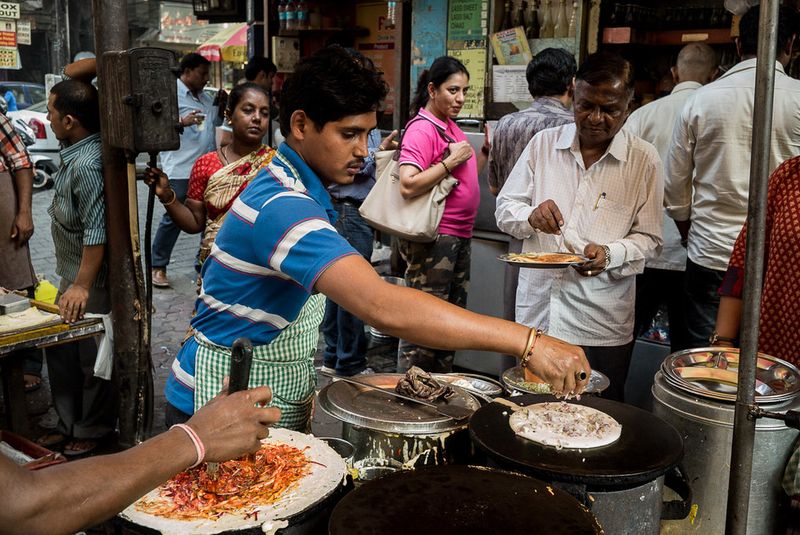
Mumbai never stops moving, and neither does its street food scene — this city runs on vada pav, the spiced potato fritter tucked into a soft bread roll that locals grab on the go like others grab coffee. Cheap, filling, and absolutely packed with flavor, it is the unofficial fuel of one of the world’s most energetic cities.
Food here matches the pace of the streets: fast, bold, and unapologetically intense.
Pani puri, those hollow crispy shells filled with spiced water and tangy tamarind chutney, deliver an explosion of flavor in a single bite. Pav bhaji, a buttery mashed vegetable curry served with toasted rolls, is the kind of comfort food that makes you close your eyes when you eat it.
Marine Drive and Juhu Beach are legendary spots to stand, eat, and watch the city buzz around you.
Mumbai’s street food culture is deeply democratic — everyone from office workers to students to tourists stands shoulder to shoulder at the same stalls. The flavors lean sweet, sour, spicy, and tangy all at once, which is a hallmark of Maharashtra’s culinary style.
Visiting Dadar or Crawford Market will introduce you to vendors who have been feeding this city for decades.
Singapore
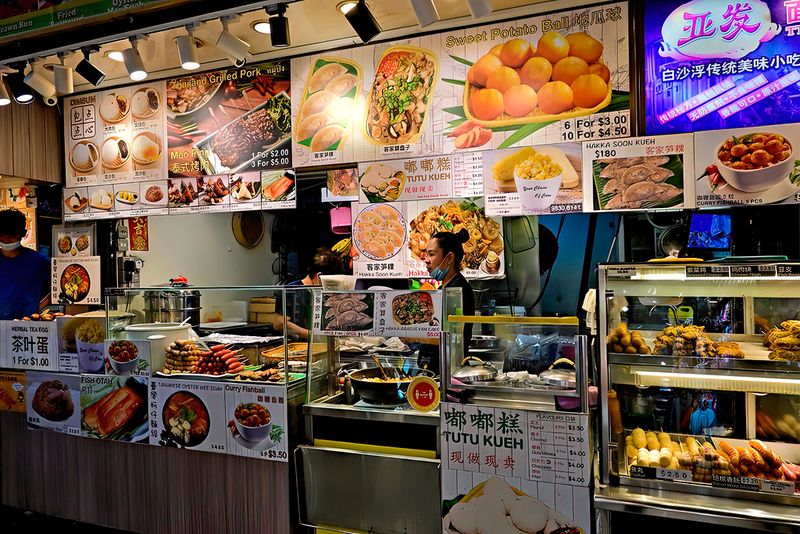
Singapore proved to the world that street food can be Michelin-starred when a humble chicken rice stall earned a star back in 2016 — and locals barely blinked, because they already knew how good it was. Hawker centers here are essentially open-air food courts where dozens of vendors cook traditional dishes at prices that seem almost impossibly affordable.
The food is exceptional, and the system is brilliantly organized.
Hainanese chicken rice is the dish most associated with Singapore — poached chicken served over fragrant rice cooked in chicken broth, with ginger sauce and chili on the side. Laksa, a spicy coconut noodle soup with layers of flavor that take years to perfect, is another non-negotiable order.
Chili crab, while pricier, is the kind of messy, glorious meal that defines a trip to the city.
What makes Singapore’s hawker culture special is its diversity — Chinese, Malay, Indian, and Peranakan dishes all exist side by side at the same center. UNESCO recognized hawker culture here as an Intangible Cultural Heritage in 2020, which is a big deal.
Maxwell Food Centre and Lau Pa Sat are two of the best places to start your edible education in this city.
Penang (George Town), Malaysia
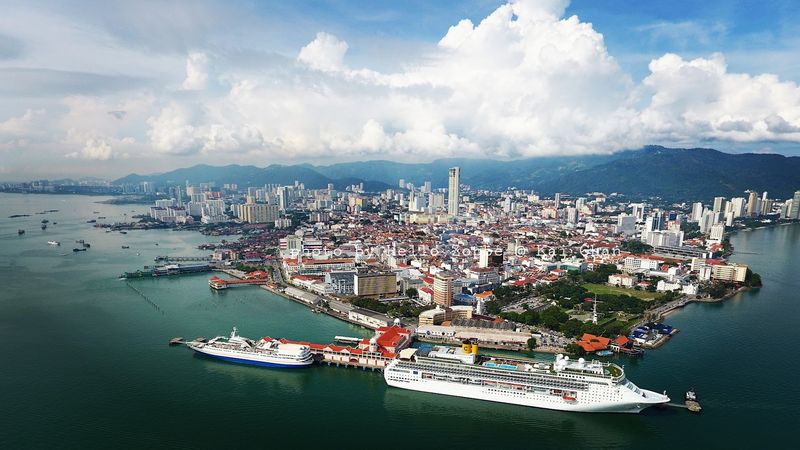
Food lovers in Southeast Asia speak about Penang with a kind of reverence usually reserved for sacred places — and after one bowl of asam laksa, you will completely understand why. George Town, the capital of this Malaysian island, is a UNESCO World Heritage city where the streets are as rich in history as they are in flavor.
The culinary scene here is the result of centuries of Chinese, Malay, Indian, and Thai influences colliding deliciously.
Char kway teow is the dish that put Penang on the global food map — flat rice noodles stir-fried in a blazing wok with shrimp, bean sprouts, and dark soy sauce, cooked over charcoal for a smoky depth that is almost impossible to replicate. Asam laksa, a sour and spicy fish-based noodle soup, is polarizing for newcomers but beloved by anyone who gives it a proper chance.
Cendol, a shaved ice dessert with coconut milk and palm sugar syrup, is the perfect cool-down reward.
Gurney Drive Hawker Centre and the food stalls along Lorong Baru are essential stops on any food crawl through George Town. Many of the best vendors here are third or fourth generation, carrying recipes that have barely changed in decades.
Penang is proof that a small island can have an enormous culinary identity.
Seoul, South Korea
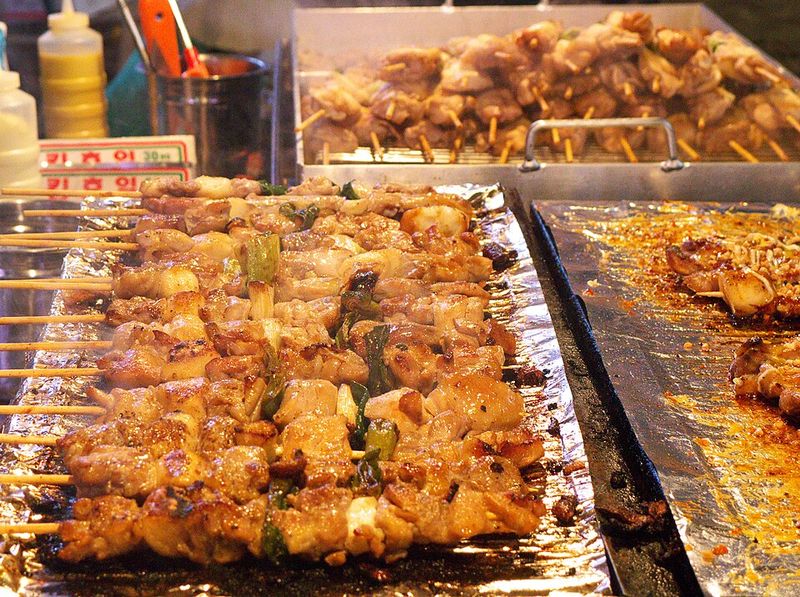
Spicy, chewy, sweet, and savory all at the same time — tteokbokki is the snack that captures everything addictive about Seoul’s street food in a single bite. These thick rice cakes smothered in a fiery red sauce are sold everywhere from school streets to massive night markets, and they are nearly impossible to stop eating once you start.
Seoul’s street food scene thrives on bold flavors and social energy.
Hotteok, a sweet pancake filled with brown sugar and crushed peanuts that melts as you bite into it, is a winter staple that draws long lines in the cold. Korean fried chicken — double-fried for maximum crunch and glazed in sweet and spicy sauce — has become a global phenomenon, but it tastes best on a Seoul street corner.
Gwangjang Market is one of the oldest markets in Korea and serves up bindaetteok mung bean pancakes that are crispy, savory, and deeply satisfying.
Myeongdong is the most tourist-friendly street food strip, lined with skewered snacks, corn dogs stuffed with mozzarella, and freshly made egg bread. The atmosphere is festive and loud, with vendors calling out to passersby.
Seoul’s food culture blends tradition with playful innovation in a way that keeps things endlessly exciting.
Ho Chi Minh City, Vietnam
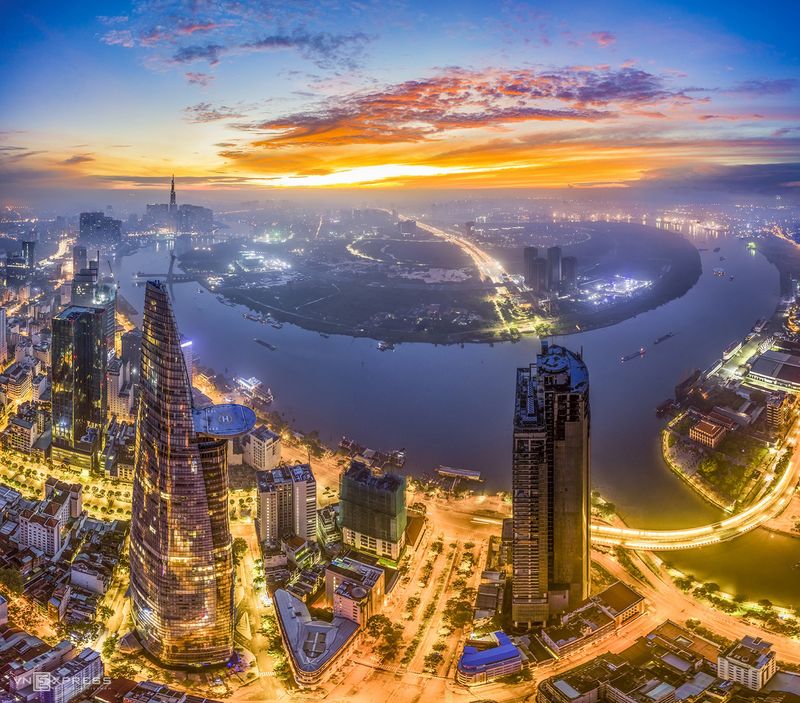
At six in the morning in Ho Chi Minh City, the sidewalks are already crowded with people crouching on tiny plastic stools, slurping bowls of pho before the heat of the day kicks in — and it is one of the most beautiful food scenes in the world. Street dining here is not a tourist activity; it is simply how the city eats, morning, noon, and night.
The food is fast, fresh, and built on the kind of flavor that only comes from cooking the same dish thousands of times.
Banh mi, the Vietnamese sandwich that fuses French baguette with pickled daikon, fresh herbs, and grilled pork or pate, is arguably the world’s greatest sandwich — affordable, portable, and wildly delicious. Pho, the clear and fragrant beef noodle soup, is a morning ritual for millions of locals.
Fresh spring rolls, called goi cuon, are light and bright, stuffed with shrimp, rice noodles, and herbs wrapped in translucent rice paper.
The Ben Thanh Market area and the streets around Bui Vien Walking Street are packed with options at all hours. Prices are remarkably low, making it possible to eat an entire day’s worth of meals for just a few dollars.
The food here connects you directly to the city’s rhythm and soul.
Marrakech, Morocco
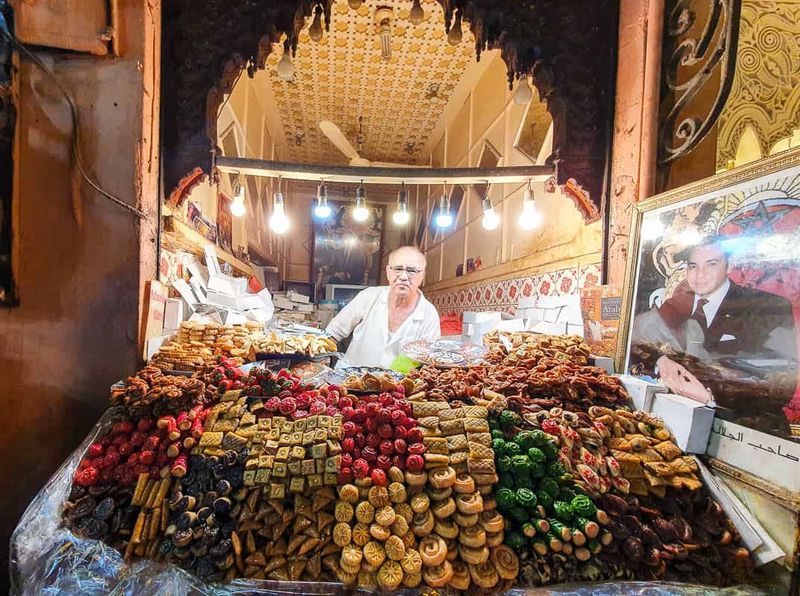
As the sun dips below the rooftops of Marrakech, Djemaa el-Fna square transforms into one of the most theatrical dining experiences on the planet — hundreds of stalls appear seemingly out of nowhere, smoke rises from a dozen grills at once, and the air fills with the aroma of cumin, coriander, and charred meat. This square has been a gathering place for storytellers, musicians, and food vendors for over a thousand years.
Eating here feels like stepping into a living piece of history.
Grilled lamb kebabs, skewered and cooked over glowing charcoal, are the centerpiece of most stalls in the square. Harira, a thick and warming soup made with tomatoes, lentils, and lamb, is traditionally eaten to break the fast during Ramadan but served year-round to hungry visitors.
Freshly baked khobz bread, used to scoop up everything from tagine to spiced olives, is sold from baskets throughout the medina.
Snake charmers and acrobats perform nearby while you eat, adding to the sensory overload in the best possible way. Vendors in the square are famously enthusiastic salespeople, so be prepared for a bit of friendly negotiation.
The food at Djemaa el-Fna is not just dinner — it is the whole evening’s entertainment.
Taipei, Taiwan
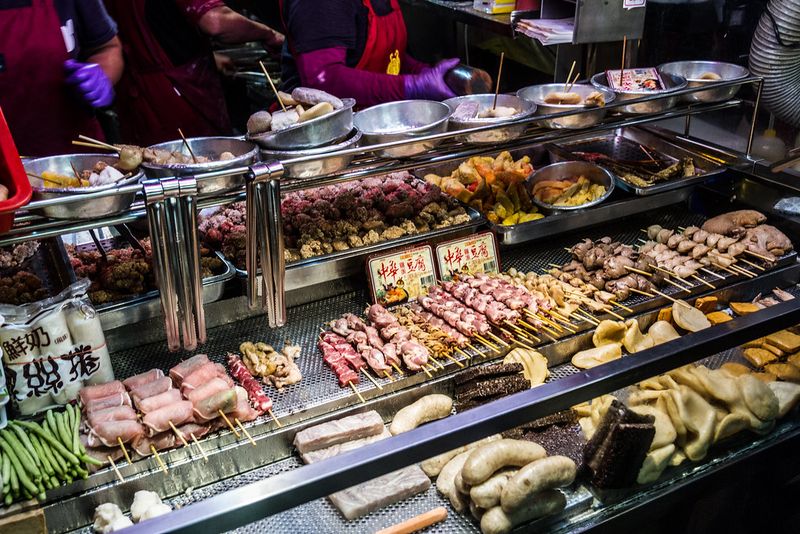
Shilin Night Market in Taipei is so massive and so packed with food stalls that first-timers often just freeze at the entrance, overwhelmed by the sheer number of things to eat. That is a completely reasonable reaction.
Taipei’s night market culture is legendary across Asia, and the city takes enormous pride in the creativity and quality of its street food scene.
Giant fried chicken cutlets, pounded thin and fried until golden and crispy, are almost comically large — they are bigger than your face and taste incredible. Bubble tea, the sweet milk tea loaded with chewy tapioca pearls, was invented in Taiwan and is available on practically every corner of the city.
Oyster omelets, cooked on a flat griddle with a starchy, slightly gooey texture, are a polarizing but deeply beloved local specialty.
Stinky tofu, fermented and fried until crispy on the outside, smells far more alarming than it tastes — it is actually rich and savory, and converts are made every night at the market. Raohe Street Night Market is a quieter but equally rewarding alternative to Shilin, with a famous pepper pork bun that draws its own dedicated crowd.
Taipei’s night markets are as much about the atmosphere as the food — lively, colorful, and genuinely fun.
New York City, USA
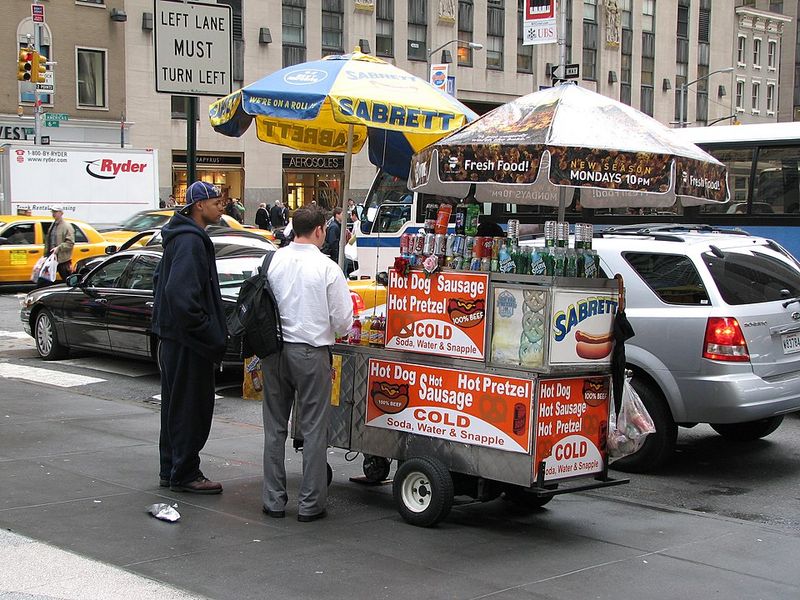
New York City has roughly 8.3 million people and seems to have nearly as many opinions about where to get the best street food — and that passionate disagreement is part of what makes the city’s food culture so exciting. Every borough has its own flavor, its own vendors, and its own loyal following.
Eating on the streets of New York is a crash course in global cuisine without ever needing a passport.
The Halal Guys cart on 53rd and Sixth Avenue in Midtown Manhattan is arguably the most famous street food stall in America, serving chicken and rice with a white sauce and hot sauce combination that people travel specifically to try. Hot dog carts are a New York institution — simple, fast, and deeply nostalgic.
Taco trucks in Jackson Heights, Queens, serve some of the most authentic Mexican street food outside of Mexico itself.
Brooklyn’s Smorgasburg open-air food market, held on weekends, showcases dozens of small food vendors with creative and diverse menus that change with the seasons. Pretzel vendors, roasted chestnut carts in winter, and ice cream trucks in summer all add to the layered street food identity of the city.
New York does not have one street food culture — it has dozens, stacked on top of each other like a very good sandwich.
Lima, Peru
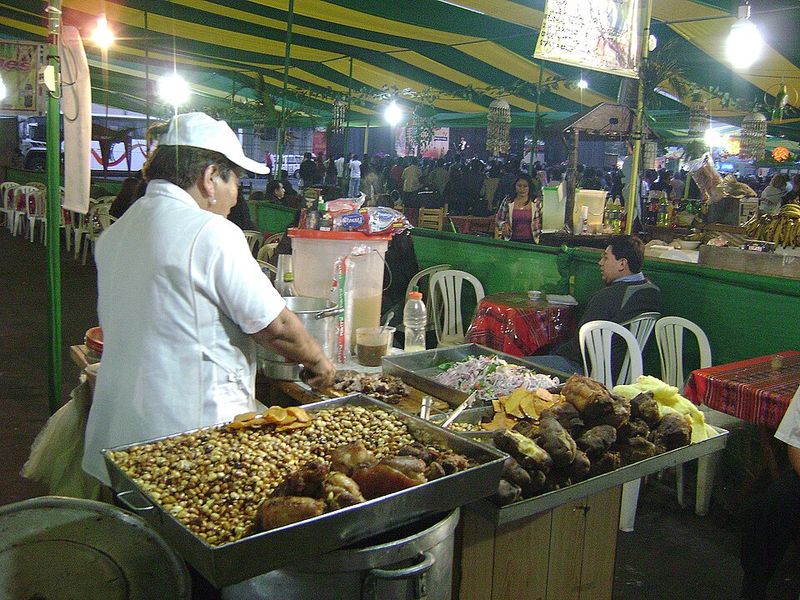
Peru has quietly become one of the most talked-about food destinations on earth, and Lima is at the center of that culinary revolution — but long before the fancy restaurants arrived, the city’s street vendors were already doing something remarkable. Anticuchos, grilled skewers of marinated beef heart cooked over charcoal until smoky and tender, have been a Lima street food staple since colonial times.
They smell incredible and taste even better than they sound.
Ceviche, Peru’s national dish of raw fish cured in lime juice with chili and onion, is sold at market stalls and roadside spots throughout the city — fresh, bright, and intensely flavorful. Churros here are fried to order and rolled in sugar, sometimes filled with dulce de leche, making them an irresistible afternoon snack.
The Surquillo and Miraflores markets are excellent places to graze through multiple dishes in one visit.
Lima’s street food reflects the country’s extraordinary biodiversity — ingredients like purple corn, aji amarillo chili, and fresh coastal fish show up in dishes you simply cannot find anywhere else. The city’s food scene has earned international recognition, but street vendors remain the soul of it all.
Eating in Lima feels like discovering a secret that the rest of the world is only just beginning to figure out.
Palermo, Italy
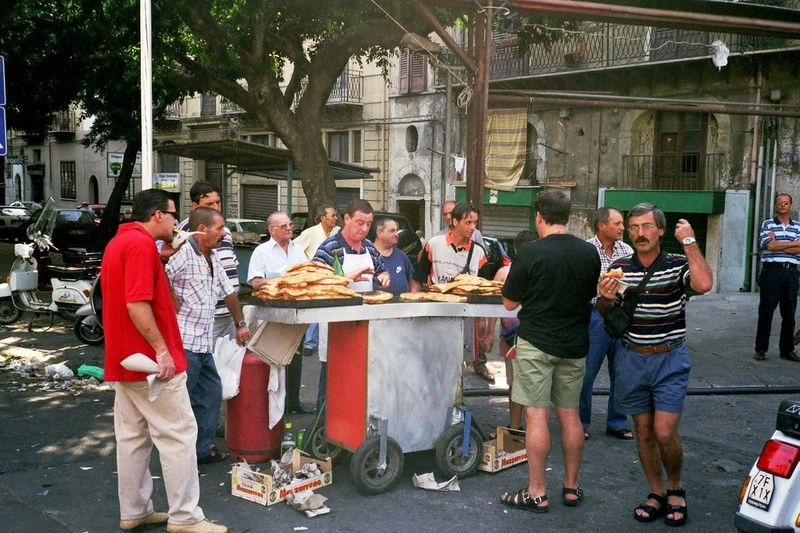
Palermo’s street food scene is not delicate or refined — it is loud, messy, smoky, and absolutely magnificent. Sicily’s capital has one of the oldest and most distinctive street food traditions in all of Europe, rooted in centuries of Arab, Norman, and Spanish influence that turned this island into a culinary crossroads.
The Ballar and Vucciria markets are the beating heart of it all, chaotic and wonderful in equal measure.
Arancini, golden fried rice balls stuffed with meat ragu or mozzarella and peas, are crispy on the outside and rich and gooey inside — the kind of snack that ruins your appetite for dinner and makes you completely okay with that. Panelle, thin chickpea fritters fried in olive oil and stuffed into sesame rolls, are a street food staple with roots in Arab-influenced Sicilian cooking.
Pane con la milza, a bread roll filled with slow-cooked spleen and ricotta, is the city’s most notorious and divisive sandwich — locals love it, adventurous tourists respect it.
Palermo street food is eaten standing up, usually dripping something onto the pavement, and that is entirely the point. The vendors here are proud, loud, and often third-generation cooks who consider their stalls a form of heritage.
This is not a city where street food is trendy — it is simply the way things have always been done.
Indore, India
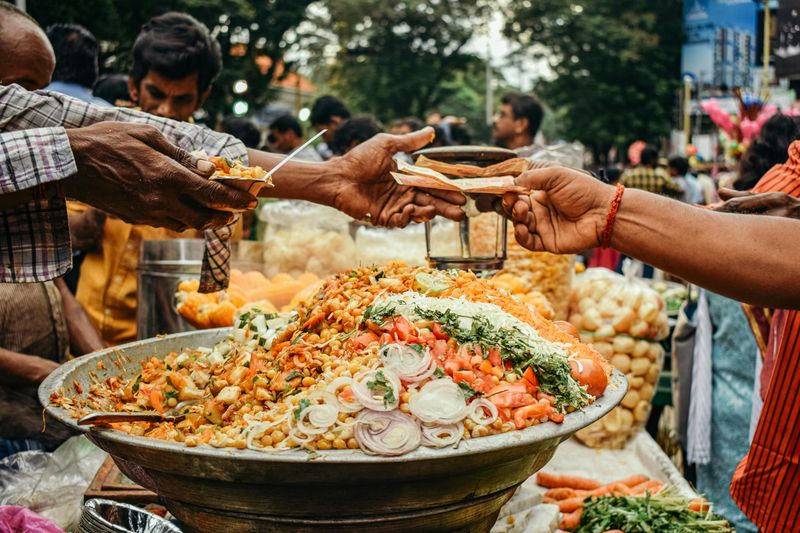
Indore has a secret that the rest of India has known for years but the world is only starting to catch on to — this city in Madhya Pradesh might be the most underrated street food destination on the entire subcontinent. Sarafa Bazaar, a jewelry market by day, transforms into a legendary food street every single night, with vendors setting up stalls under the glow of string lights to serve some of the most exciting snacks in India.
The energy here after dark is absolutely electric.
Poha, flattened rice cooked with mustard seeds, curry leaves, and turmeric, is Indore’s beloved breakfast dish — light, flavorful, and topped with a squeeze of lemon and fresh sev. Kachori, a deep-fried pastry stuffed with spiced lentils, is the kind of savory snack you eat one of and immediately order three more.
Jalebi, bright orange spirals of fried batter soaked in sugar syrup, are served piping hot and are the perfect sweet finish to any food crawl.
Chappan Dukan, which translates to 56 shops, is another essential stop — a strip of stalls offering dozens of snacks from garadu (fried yam) to shikanji lemonade. Indore takes its food culture seriously, and the city has repeatedly topped national surveys as India’s cleanest city, which says a lot about how it treats its beloved street food spaces.
Come hungry and plan to stay late.
Share this story