Tired of fighting crowds at the same old tourist traps? Some of the world’s most breathtaking places are hiding in plain sight, waiting for curious travelers to show up.
From medieval towns clinging to cliffsides to desert dunes that glow at sunset, these destinations offer real beauty without the chaos. Pack your bags, because your next favorite trip might be somewhere you’ve never even heard of.
Luang Prabang, Laos
Every morning before sunrise, hundreds of Buddhist monks walk silently through the streets of Luang Prabang collecting alms from locals. It is one of the most quietly moving traditions you can witness anywhere on Earth.
Watching it feels like stepping into a living, breathing ceremony that has continued for centuries without interruption.
The city itself sits at the meeting point of the Mekong and Nam Khan rivers, surrounded by misty mountains that give everything a dreamy, soft-focus quality. Golden temples dot nearly every block, and the French colonial architecture blends surprisingly well with traditional Lao design.
Night markets fill the streets with handmade crafts, local snacks, and friendly vendors.
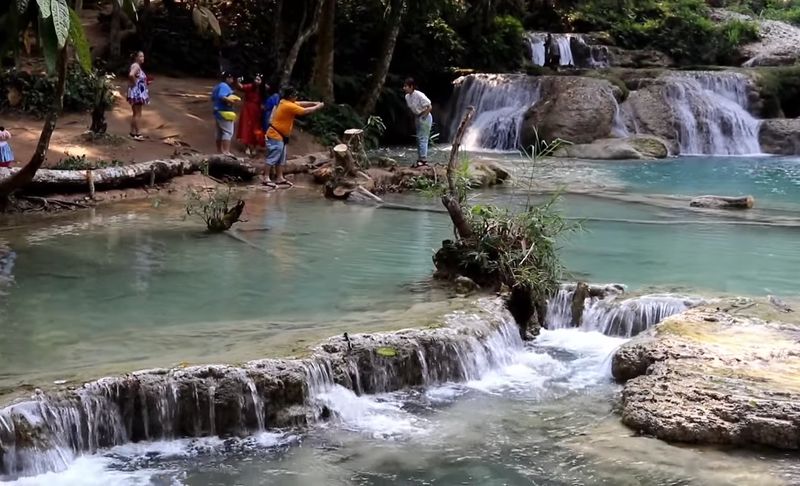
A short tuk-tuk ride leads to Kuang Si Waterfalls, where turquoise terraced pools cascade through the jungle. Swimming in those pools ranks among the most refreshing experiences a traveler can have in Southeast Asia.
Luang Prabang moves at its own gentle rhythm, and once you match that pace, leaving becomes genuinely difficult. Budget travelers and luxury seekers alike find something to love here.
Faroe Islands, Denmark
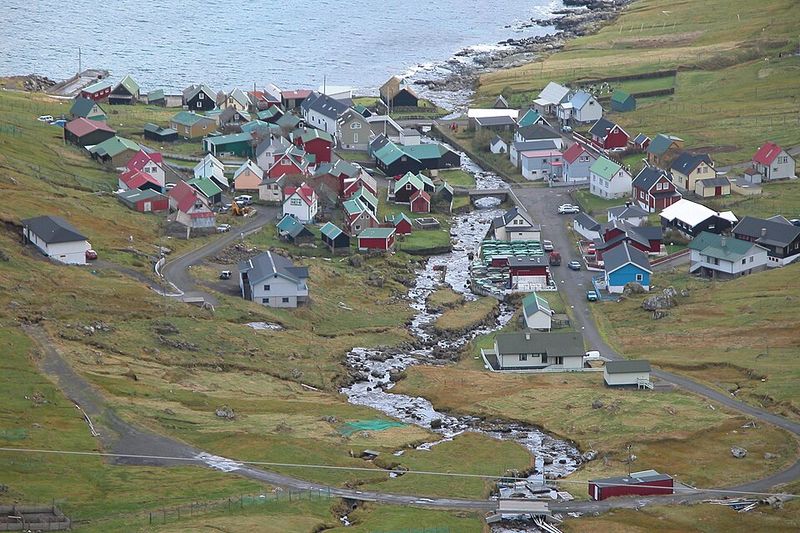
Somewhere between Norway and Iceland, a tiny cluster of islands rises from the North Atlantic like a scene from a fantasy novel. The Faroe Islands are all cliffs, waterfalls, and sheep-dotted hillsides wrapped in swirling Atlantic fog.
Even on a cloudy day, the scenery is almost aggressively dramatic.
Hikers have entire mountain trails virtually to themselves, which is almost unheard of in popular European destinations. The iconic Mulafossur Waterfall drops directly off a cliff into the ocean below, and standing near it feels genuinely surreal.
Photographers come from around the world chasing that single shot.
Tourism infrastructure is improving, but the islands still feel raw and real in a way that over-developed destinations simply cannot replicate. Villages like Gjogv and Saksun look untouched by modern tourism, with turf-roofed houses that seem to grow straight from the hillside.
Puffins, gannets, and other seabirds nest on the cliffs in enormous colonies during summer months. Visiting requires planning because flights are limited, but that small effort keeps the crowds away and makes every trail feel like your own private discovery.
Tbilisi, Georgia
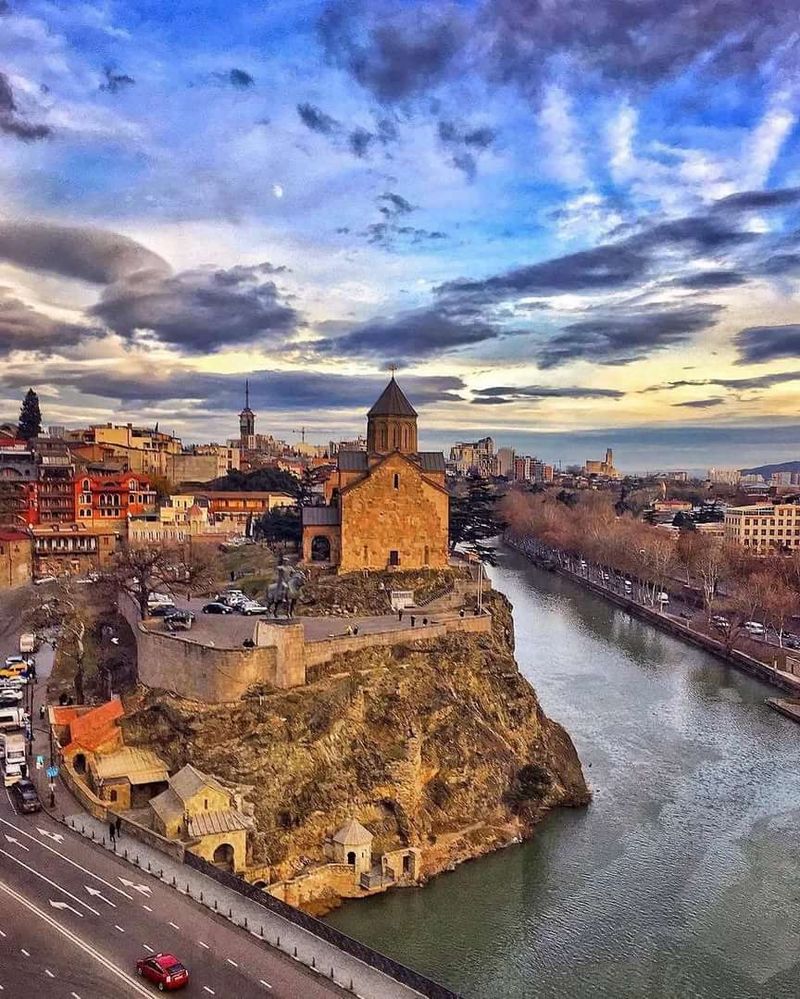
Tbilisi smells like fresh bread, sulfur from the famous bathhouses, and something ancient that no travel writer has quite managed to name yet. The old town is a wonderfully chaotic mix of crumbling mansions, Persian-style balconies, Orthodox churches, and modern art galleries all crammed into the same few blocks.
It should not work as well as it does.
The sulfur bathhouses in the Abanotubani district have been operating for over 1,500 years, and soaking in one costs surprisingly little. Georgian cuisine is another reason to visit, with dishes like khachapuri, a cheese-filled bread boat, and khinkali dumplings becoming instant obsessions for most first-time visitors.
Wine culture here runs deep, with Georgia widely considered the birthplace of wine itself.
From the hilltop Narikala Fortress, the whole city sprawls below in a gorgeous, slightly chaotic panorama. A cable car makes the trip up easy, and the views at sunset are worth every second.
Tbilisi’s growing arts and nightlife scene attracts a younger crowd, but the city never loses its old-soul charm. Costs remain very budget-friendly compared to most European capitals.
Kotor, Montenegro
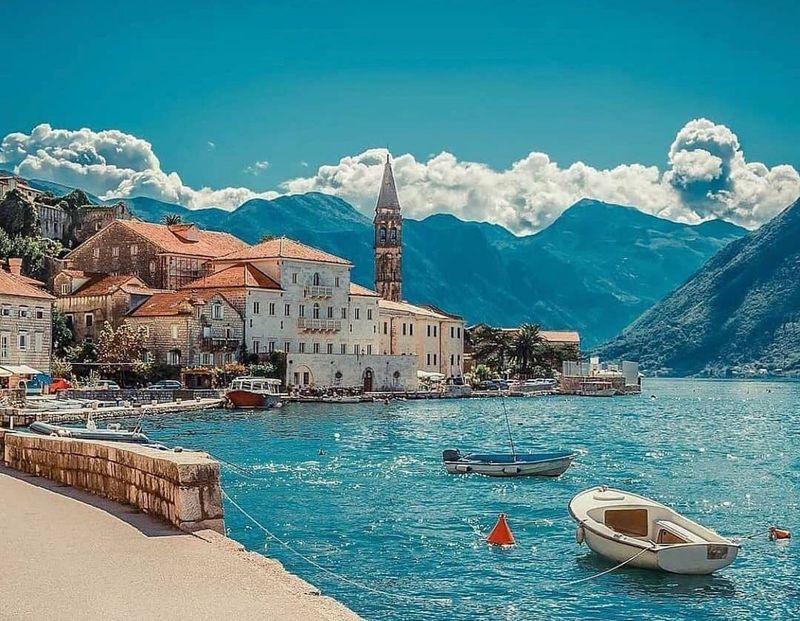
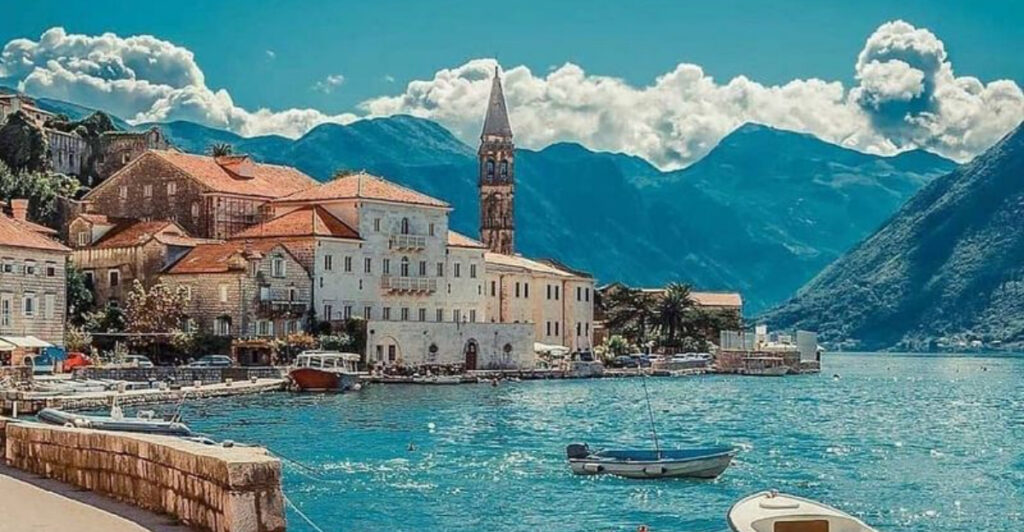
Hidden between towering limestone mountains and the glittering Adriatic Sea, Kotor looks like it was designed by someone who wanted to make every other city feel embarrassed. The old town is a maze of narrow cobblestone lanes, ancient churches, and cozy cafes tucked behind centuries-old stone walls.
Getting lost here is practically a requirement.
Climbing the fortress walls above the city rewards you with one of the most jaw-dropping views in all of Europe. The hike takes about 45 minutes, but every step upward reveals a better angle of the bay stretching below.
Bring water and wear comfortable shoes.
Because Montenegro hasn’t fully hit the mainstream travel radar yet, Kotor stays refreshingly calm compared to Dubrovnik just an hour away. Prices are lower, locals are friendlier, and you can actually find a table at a restaurant without a reservation.
History buffs, architecture lovers, and anyone craving that “discovered it myself” feeling will absolutely fall for this underappreciated gem on the Adriatic coast.
Paphos, Cyprus
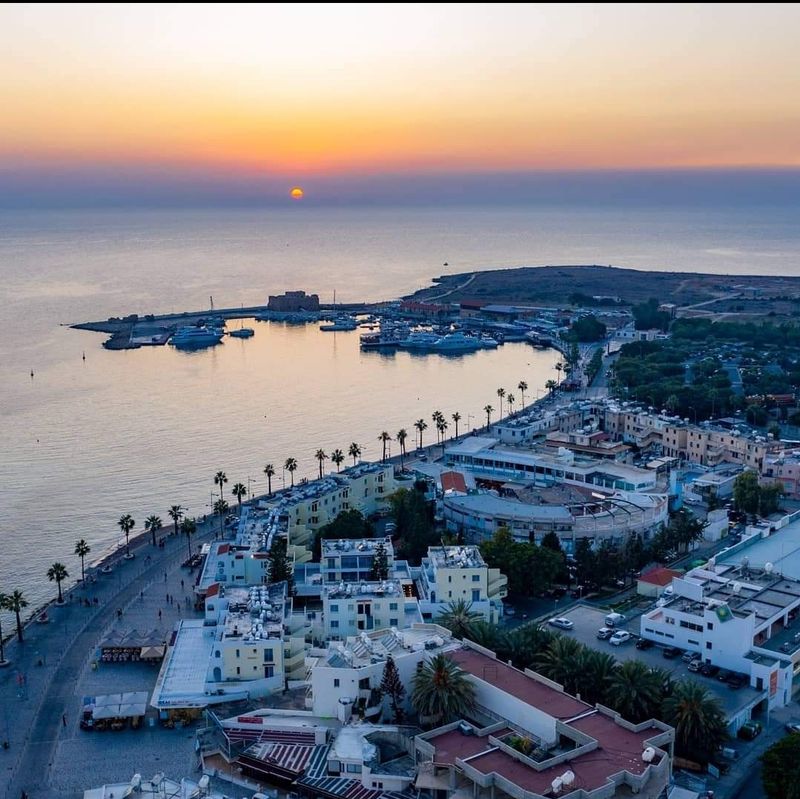
According to Greek mythology, Aphrodite herself was born from the sea foam near Paphos, which means this place has been considered special for a very, very long time. The Paphos Archaeological Park sits right along the coast and contains some of the finest Roman mosaics ever discovered, depicting mythological scenes in stunning detail.
Walking among those ruins while sea breezes roll in is a genuinely magical combination.
Beyond the ancient history, Paphos offers clean Mediterranean beaches, a relaxed harbor lined with seafood restaurants, and a pace of life that actively encourages doing nothing in particular. It is the kind of place where a planned two-hour beach visit quietly becomes an entire afternoon.
Nobody seems to mind.
Compared to busier Cypriot spots like Ayia Napa, Paphos keeps a calmer, more sophisticated atmosphere. The local food scene has improved dramatically in recent years, with traditional meze spreads offering dozens of small dishes that tell the whole story of Cypriot cooking in one sitting.
Spring and autumn bring ideal weather without summer’s peak crowds. Flights from across Europe are frequent and affordable, making Paphos one of the most accessible underrated destinations on this entire list.
Hydra, Greece
No cars. No motorcycles.
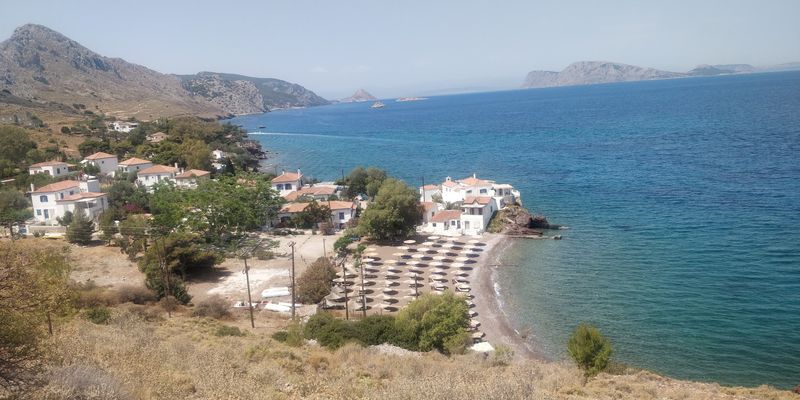
No motorized vehicles of any kind. Hydra made that decision decades ago and has never looked back, which means the only sounds you hear are the clip-clop of donkeys, the lapping of waves, and the occasional burst of laughter from a harborside cafe.
It is the quietest Greek island you will ever visit.
The harbor is postcard-perfect, ringed with stone mansions that once belonged to wealthy sea captains and now house boutique hotels and art galleries. Hydra has long attracted artists and writers, partly because of its beauty and partly because the absence of engines creates a mental stillness that is almost impossible to find elsewhere.
Leonard Cohen lived here for years, and the island clearly got into his songwriting.
Swimming spots are reached by water taxi or on foot, and the crystal-clear Aegean water makes every swim feel like a reward well earned. Restaurants serve fresh grilled fish and local cheeses at prices lower than Athens.
Day-trippers arrive from the mainland in the morning, but by evening the island settles back into its unhurried rhythm. Staying overnight is absolutely worth it for anyone who wants Hydra at its most peaceful and personal.
Samarkand, Uzbekistan
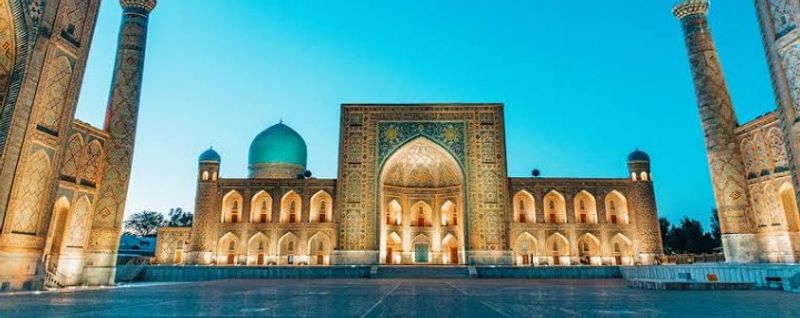
Standing in Registan Square feels like the universe forgot to tell you that you were allowed to be this impressed. Three enormous madrasas, each covered floor to ceiling in dazzling blue mosaic tiles, surround an open plaza that once served as the heart of the ancient Silk Road.
The scale and craftsmanship are genuinely hard to process at first glance.
Samarkand was once one of the most powerful and sophisticated cities in the world, a center of science, astronomy, and trade under the ruler Timur in the 14th century. That history is still physically present in every carved arch and glazed tile.
The Shah-i-Zinda necropolis, a street of stunning mausoleums, adds another layer of architectural wonder just a short walk away.
Uzbekistan has made significant efforts to welcome tourists in recent years, meaning visa access has improved and infrastructure is more traveler-friendly than ever before. Local food, particularly the national dish of plov, a rich rice and meat dish cooked in enormous cauldrons, is hearty and delicious.
Prices throughout the country are very low by international standards. Samarkand rewards the curious traveler with experiences that simply cannot be replicated anywhere else on Earth.
Ilulissat, Greenland
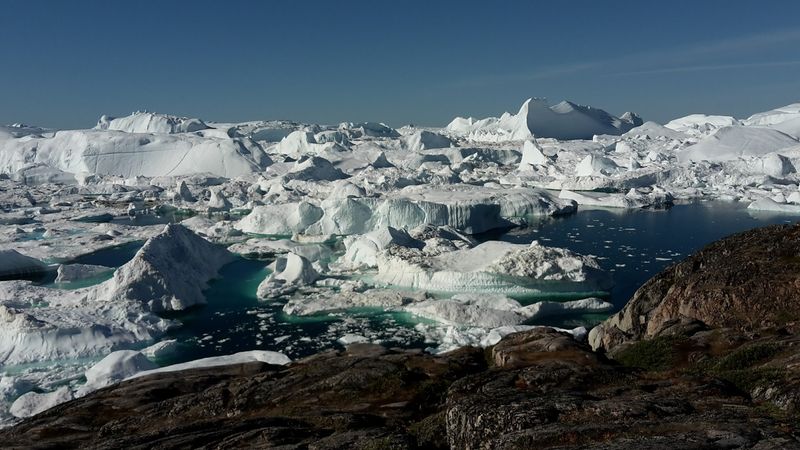
Some icebergs near Ilulissat are taller than the Statue of Liberty, and they drift past town with a slow, indifferent majesty that makes you feel very small in the best possible way. The Ilulissat Icefjord is a UNESCO World Heritage Site and one of the most productive glaciers outside Antarctica, calving massive ice chunks into the sea daily.
It is raw planetary power on full display.
The town itself is tiny, colorful, and surprisingly warm in spirit despite the Arctic temperatures. Greenlandic culture is deeply connected to the sea, and local hunters still use traditional dog sleds in winter to travel across the frozen landscape.
Visiting during winter means a real chance of seeing the Northern Lights dancing overhead on clear nights.
Summer brings the midnight sun, turning the sky a warm golden color for hours past what your brain considers bedtime. Whale watching tours offer sightings of humpback and bowhead whales feeding near the icebergs.
Hiking trails along the fjord edge provide some of the most surreal walking experiences available anywhere on the planet. Getting there requires a connecting flight through the Greenlandic capital, but the effort delivers scenery that genuinely has no equal.
Muscat, Oman
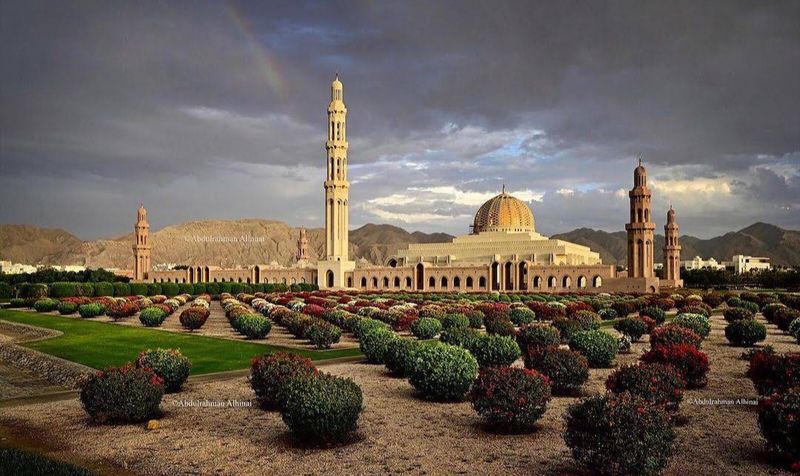
Muscat might be the most underestimated city in the entire Middle East, which is really saying something given the competition. While flashier neighbors chase record-breaking skyscrapers, Muscat keeps its skyline deliberately low, its streets genuinely clean, and its atmosphere calm in a way that feels almost therapeutic for road-weary travelers.
There is a quiet confidence here that does not need to show off.
The Sultan Qaboos Grand Mosque is one of the largest and most beautiful mosques in the world, and visitors of all backgrounds are welcome to tour its extraordinary interior during morning hours. The prayer hall houses a hand-woven Persian carpet that took four years and 600 women to complete.
That single fact tends to stop people mid-sentence.
Mutrah Souq, the old market district, overflows with frankincense, silver jewelry, spices, and traditional Omani crafts in an atmosphere that feels unchanged for generations. Coastal drives outside the city reveal dramatic rocky landscapes meeting crystal-clear water.
Oman as a whole is known for exceptional hospitality, and Muscat delivers that in every interaction. Safety is rarely a concern, and the food scene blends Omani tradition with international influences in ways that keep every meal interesting.
Con Dao Islands, Vietnam
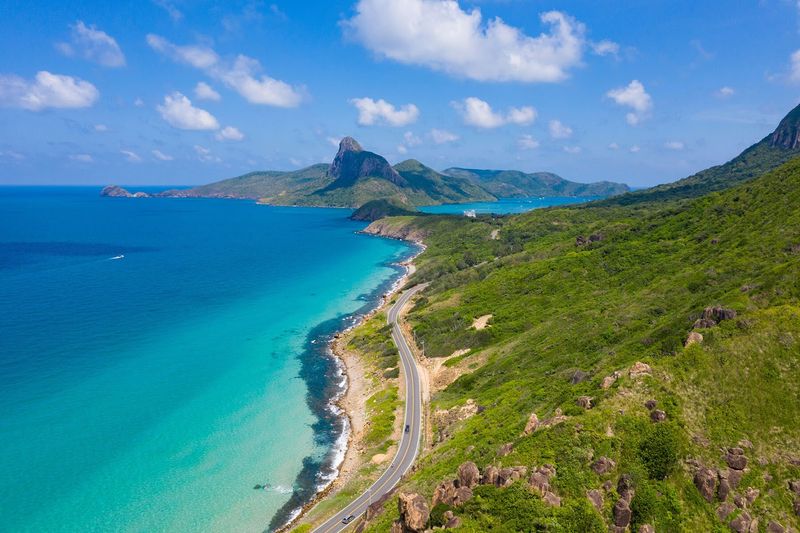
Con Dao carries one of the most dramatic reversals in travel history: these islands were once the site of brutal colonial prisons, and today they are among the most pristine marine environments in all of Southeast Asia. The contrast between that dark past and the stunning natural beauty that surrounds it gives Con Dao a weight and depth that typical beach destinations simply do not have.
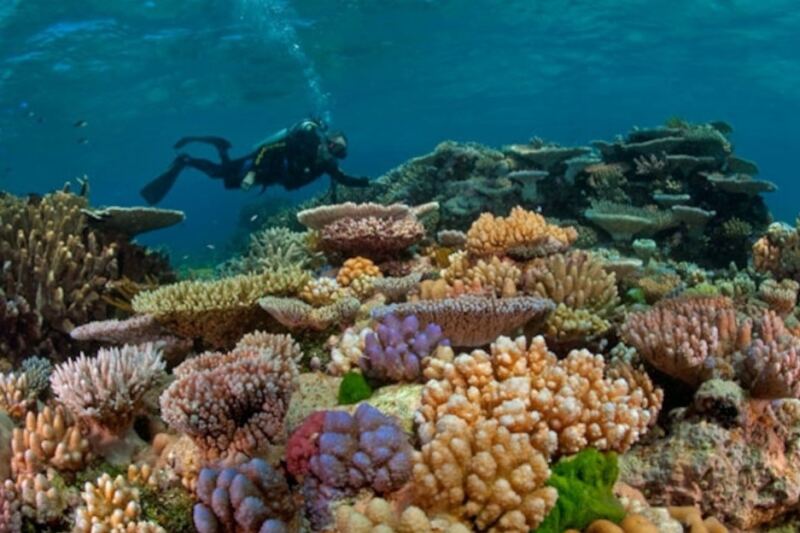
The waters around the islands are protected as a national marine park, which means coral reefs here are some of the healthiest in Vietnam. Snorkeling and scuba diving reveal sea turtles, reef sharks, and rainbow-colored fish in visibility that makes other dive sites look murky.
Sea turtles nest on the beaches between June and September, and guided night tours let visitors watch hatchlings making their first run to the sea.
Because Con Dao requires a short domestic flight from Ho Chi Minh City, mass tourism has not yet arrived in full force. Accommodation ranges from simple guesthouses to a beautifully restored colonial-era resort.
Restaurants serve incredibly fresh seafood caught that same morning. The island’s historical museum, housed in the former prison complex, provides sobering and important context that makes the natural beauty feel even more meaningful.
Apostle Islands, Wisconsin, USA
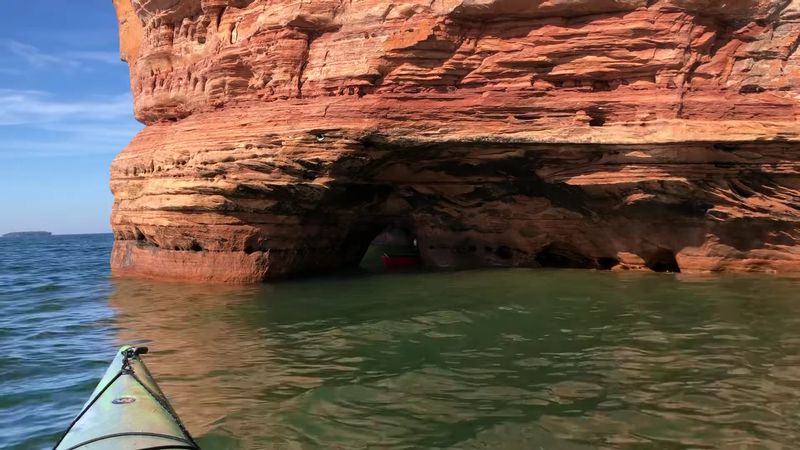
Most people do not think of Wisconsin when planning a dream vacation, which is precisely why the Apostle Islands remain one of the most rewarding surprises the entire country has to offer. Tucked along the southern shore of Lake Superior, this collection of 21 islands and their dramatic sandstone sea caves sit within a national lakeshore that sees a fraction of the visitors that national parks in the West receive.
That is very good news for anyone who shows up.
Kayaking through the sea caves in summer is a genuinely thrilling experience, with the sandstone walls glowing in shades of amber and rust just inches from your paddle. The islands also feature a collection of historic lighthouses, some of which can be toured or even rented for an overnight stay.
Camping on the outer islands feels authentically wild and remote.
Winter transforms the caves into something from another planet entirely. When Lake Superior freezes over, ice formations build up inside the caves in elaborate crystalline structures that attract ice hikers from across the Midwest.
The National Park Service monitors ice conditions and posts updates before visitors make the frozen trek out. Either season delivers scenery that belongs on far more travel bucket lists than it currently occupies.
Charlottetown, Prince Edward Island, Canada
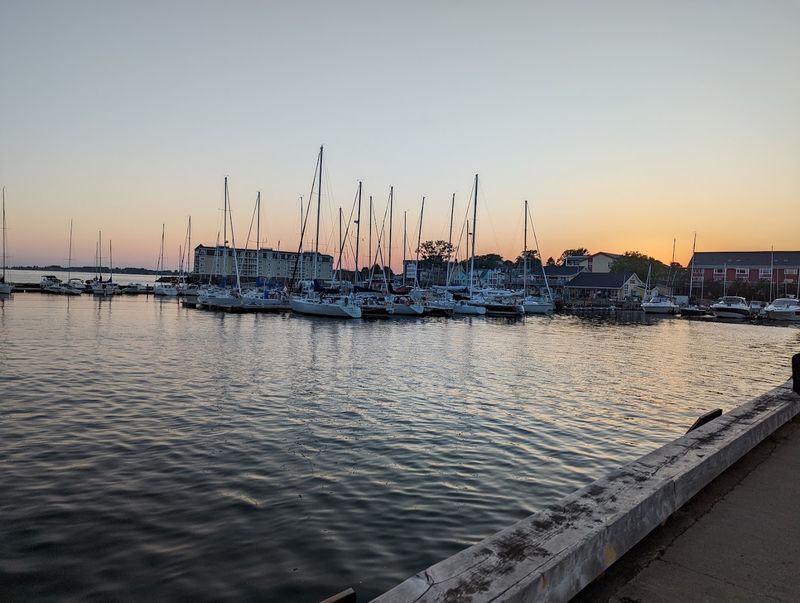
Charlottetown holds the proud distinction of being called the birthplace of Canadian Confederation, which sounds like a history textbook entry until you actually walk its streets and realize the whole city still carries that founding-era charm without trying too hard. Victorian architecture lines the downtown, the harbor smells of salt and lobster, and everyone seems to be moving at a pace that suggests they have nowhere urgent to be.
It is enormously refreshing.
Prince Edward Island’s red sand beaches are unlike anything else in North America, with iron-rich soil giving the coastline a warm reddish hue that contrasts beautifully with the blue-green water. The Confederation Trail stretches across the island for cyclists, passing through farmland, fishing villages, and forest.
Anne of Green Gables fans will recognize the rolling green landscape from their favorite childhood books.
The food culture on PEI is anchored by some of the finest seafood in the world. Malpeque oysters, fresh lobster rolls, and chowder made with local clams appear on nearly every menu, and the quality is consistently excellent.
The island also hosts a popular Fall Flavours festival each September celebrating local cuisine. Charlottetown itself is compact enough to explore entirely on foot, making it one of the most relaxed and effortless destinations on this list.
Loreto, Baja California Sur, Mexico
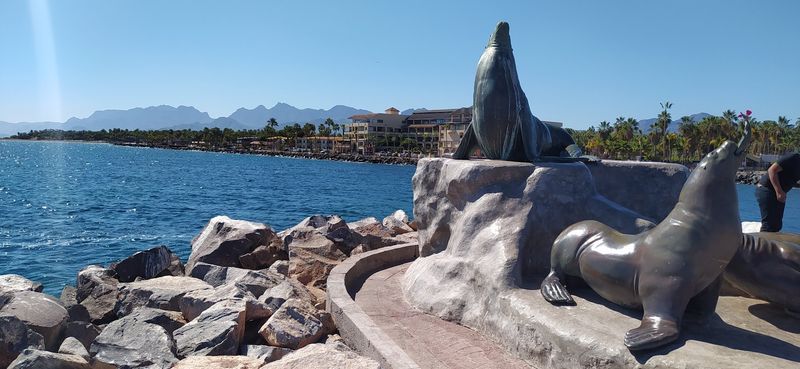
Jacques Cousteau once called the Sea of Cortez the aquarium of the world, and the waters surrounding Loreto prove he was not exaggerating even slightly. This quiet colonial town on Baja’s eastern coast sits at the edge of a marine park teeming with whale sharks, dolphins, sea lions, and more species of marine life than almost anywhere else on the planet.
Yet somehow, the crowds never quite arrived.
Loreto was actually the first permanent Spanish settlement in the Californias, and its beautifully restored mission church, founded in 1697, still holds Sunday Mass and anchors the charming town square. Wandering the streets near the malecon, the waterfront promenade, feels like finding Mexico before the resort developers showed up.
Taco stands, family-run restaurants, and small shops outnumber chain hotels by a wide margin.
Kayaking to nearby Coronado Island for a swim with sea lions is a half-day adventure that costs very little and delivers enormous amounts of joy. Whale watching tours run from January through March when blue and fin whales pass through the region.
Loreto lacks the nightlife and resort amenities of Los Cabos, but that is entirely the point. Travelers who choose Loreto tend to leave wondering why they ever bothered with anywhere else in Mexico.
Sossusvlei, Namibia

The sand dunes of Sossusvlei are so tall and so intensely red-orange that first-time visitors often spend several minutes just standing still, trying to convince themselves the landscape is real. Dune 45, one of the most photographed in the world, rises about 170 meters from the desert floor.
Climbing it before sunrise, while the colors shift from purple to gold to blazing orange, is one of the great physical experiences available to any traveler anywhere.
Deadvlei, a white clay pan surrounded by the tallest dunes in the area, contains the blackened skeletons of ancient camelthorn trees that died roughly 900 years ago and have never decomposed in the extreme dry heat. The visual contrast between white clay, black trees, red dunes, and blue sky creates a scene so dramatic that it seems digitally enhanced even when you are standing inside it.
Namibia as a whole is one of Africa’s most stable, safe, and well-organized travel destinations, yet it draws a fraction of the visitors that go to South Africa or Kenya. Wildlife in Etosha National Park and community-run conservancies adds another dimension to any Namibia trip.
Stargazing in the desert, far from any light pollution, rounds out a destination that offers experiences found absolutely nowhere else on Earth.
Kefalonia, Greece
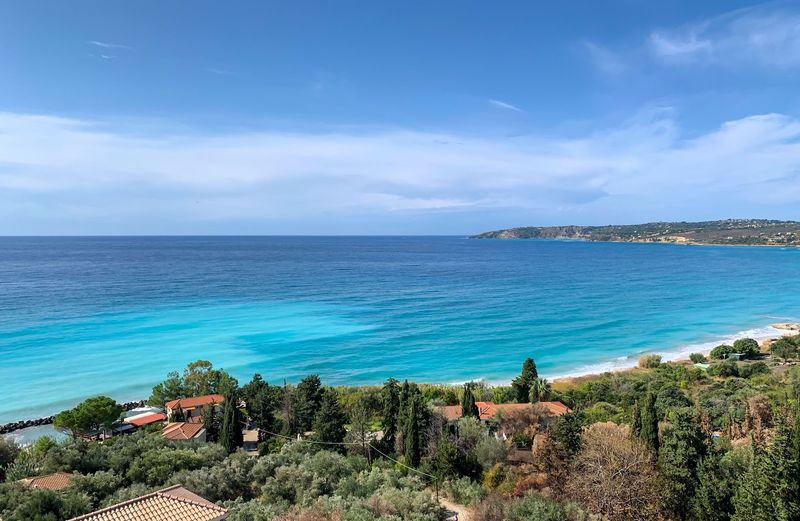
Myrtos Beach on Kefalonia has a color palette so extreme that travel photographers sometimes get accused of heavy editing when they post photos from it. The white pebble shore meets water that shifts from bright turquoise near the edge to deep cobalt further out, all framed by sheer limestone cliffs.
It is genuinely one of the most beautiful beaches in the entire Mediterranean, and it somehow remains less visited than beaches on islands a fraction as scenic.
Kefalonia is the largest of the Ionian Islands and packs an enormous variety of experiences into its borders. The village of Assos, perched on a narrow peninsula above a calm bay, is so picturesque it seems almost unfair.
Melissani Cave features an underground lake lit by natural sunlight filtering through a collapsed roof, turning the water an electric shade of blue that has to be seen in person.
Local wine production, particularly the dry white Robola grape, gives the island a food and drink culture worth exploring seriously. Tavernas in small villages serve grilled octopus, fresh feta, and slow-cooked lamb at prices well below what similar quality would cost on Santorini or Mykonos.
Renting a car and spending several days driving the island’s coastal roads reveals a Greece that feels unhurried, generous, and completely worth the trip.
Share this story