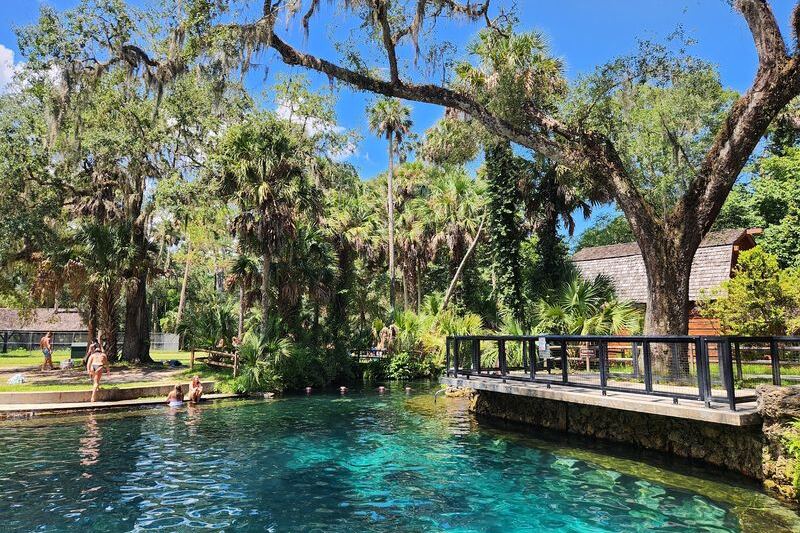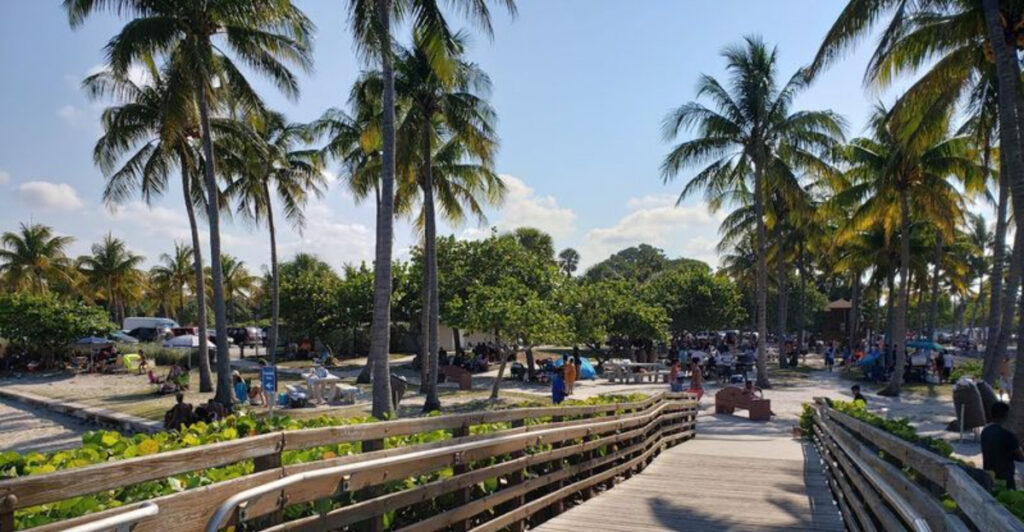
There is a waterfront spot in South Florida that somehow manages to stay off most tourist maps, even though the people who know it keep coming back weekend after weekend. It sits where a calm lagoon meets the open ocean, with palm trees swaying overhead and crystal-clear water in shades of blue that seem almost too good to be real.
I stumbled onto it during a road trip down the coast, and I genuinely could not believe it was free to enter. From snorkeling over underwater rocks to grilling lunch at a shaded picnic table while watching boats drift through the inlet, this place offers a full Florida day without the theme-park price tag.
Keep reading, because this one is worth every word.
Where Exactly This Place Is and How to Find It
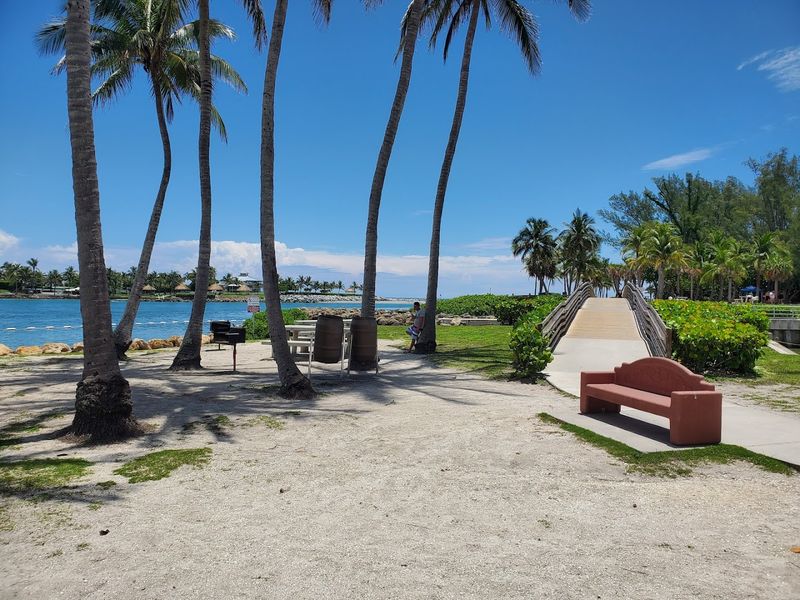
Tucked along the Jupiter Inlet in Palm Beach County, DuBois Park sits at 19075 Dubois Rd, Jupiter, right where the Intracoastal Waterway opens toward the Atlantic Ocean.
The address sounds simple enough, but the first time you pull up and see the water, you may need a moment to process what you are looking at.
On one side, a calm, shallow lagoon stretches out in brilliant turquoise. On the other, the open beach faces the ocean with waves rolling in from the east.
No entrance fee is charged, which still feels almost unbelievable given how beautiful the setting is. Getting here early on weekends is the smartest move you can make.
The History Behind the Land and the DuBois Pioneer Home
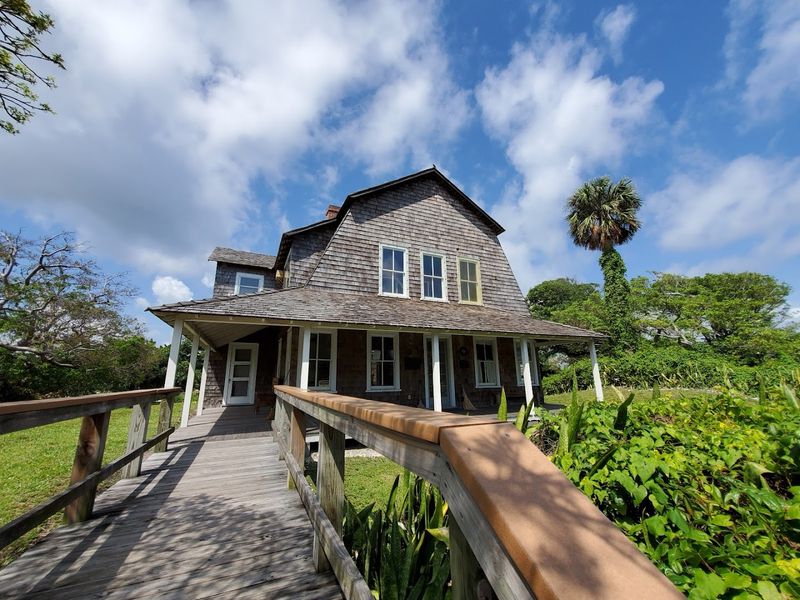
Long before the park benches and BBQ grills arrived, this land belonged to one of Jupiter’s earliest settler families. Harry and Susan DuBois built their homestead here in 1898, and the original structure still stands on the property today.
The DuBois Pioneer Home is a small, well-preserved wooden house that offers a rare look at what life along the inlet looked like more than a century ago.
Tours of the home are available, and the contrast between the historic structure and the modern park around it gives the whole visit a surprisingly layered feeling.
Standing near the house and looking out at the same inlet the DuBois family once depended on for fishing and travel is a genuinely interesting experience.
History lovers will find this corner of the park just as rewarding as the swimming spots, and it adds real depth to what could otherwise be a purely recreational stop.
The Lagoon That Makes Everyone Stop and Stare
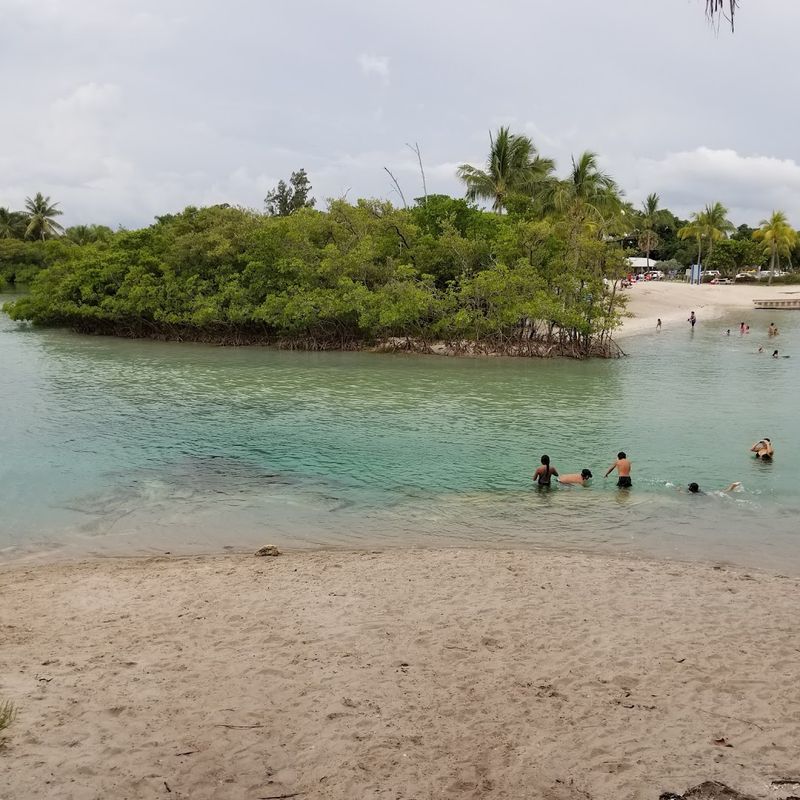
The lagoon at this park is the kind of water that makes you take out your phone before you even set your bag down.
The color shifts from pale aqua near the shore to a deeper, richer blue farther out, and on a sunny day the whole surface seems to glow.
What makes it especially appealing for families is how calm and shallow it stays. The lagoon is protected from ocean swells, so the water barely ripples unless a boat passes through the inlet nearby.
Kids wade through it without a worry, and adults float along on their backs staring up at the sky. I spent a solid hour just drifting in waist-deep water and felt no urge to move.
The clarity is remarkable too. You can see straight to the sandy bottom even in the deeper sections, which makes the whole experience feel more like a giant natural pool than a public park.
Snorkeling the Rocks Under the Bridge
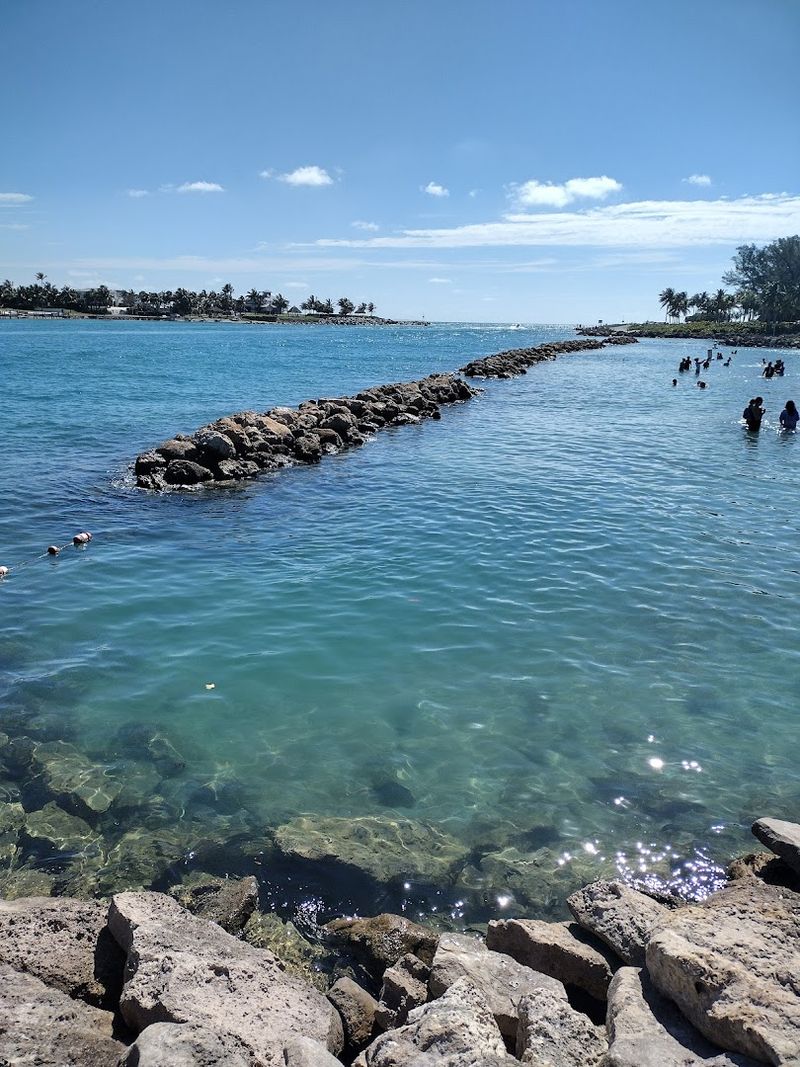
Most people come for the lagoon, but the real underwater surprise is tucked beneath the footbridge that connects the lagoon side to the ocean beach.
The rocks under and around the bridge host a small but active community of marine life. Fish dart through crevices, crabs tuck into corners, and the whole scene plays out in water clear enough to watch without getting your face wet.
With a basic mask and snorkel, you can spend a good chunk of the afternoon exploring without ever needing a dive buddy or ocean experience.
The depth under the bridge increases a bit compared to the open lagoon, reaching around three feet at low tide, which gives snorkelers just enough room to move comfortably.
This is one of those spots where the underwater world feels accessible to almost anyone, and the novelty of snorkeling in such calm, sheltered water never really wears off no matter how many times you visit.
The Ocean Beach Side and What to Expect There
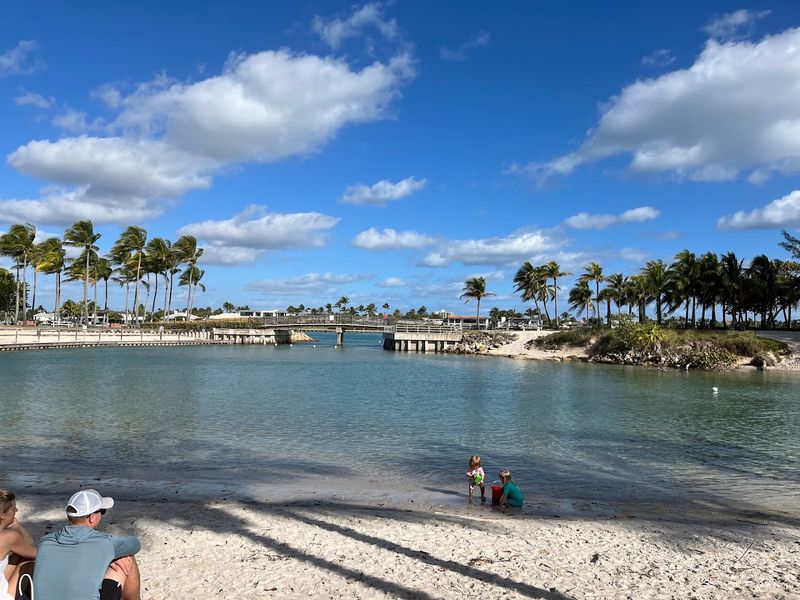
Cross the footbridge and the vibe shifts completely. The lagoon’s glassy calm gives way to actual Atlantic Ocean waves rolling in over white sand, and the whole scene feels broader and more open.
The beach on this side is clean, with fine sand and natural dune vegetation that gives it a wilder, less manicured feel than many South Florida beaches.
Waves here are manageable most of the year but can pick up depending on the season, so it is worth checking conditions before bringing very young children to this side.
Seashells collect along the waterline, and a slow walk down the shore almost always turns up something worth pocketing. I found a handful of decent shells in about twenty minutes without even trying.
The views from the beach looking back toward the inlet and the Jupiter Lighthouse are genuinely striking, and the beach rarely gets as crowded as the lagoon side, which makes it a good option for anyone wanting a quieter experience.
A View of the Jupiter Lighthouse You Will Not Forget
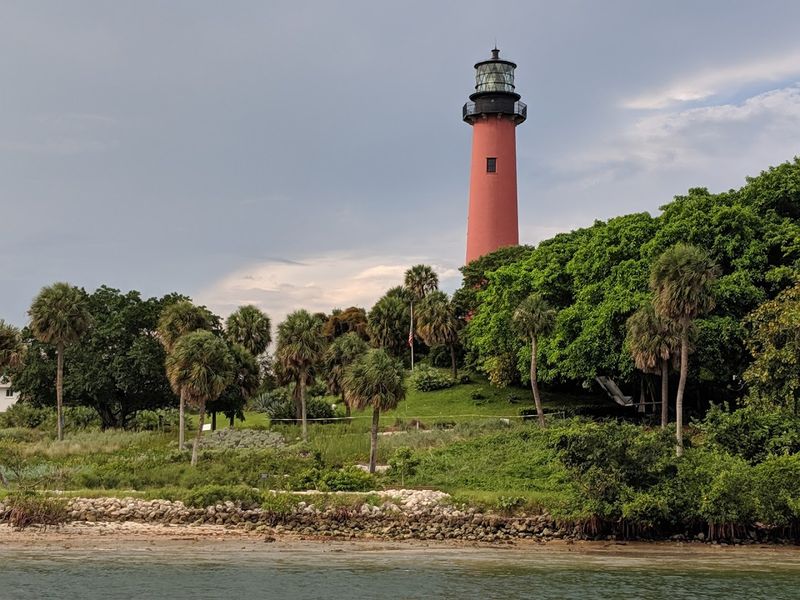
One of the most photographed views at this park has nothing to do with the water itself. From the lagoon shoreline, the Jupiter Lighthouse rises clearly into the sky just across the inlet, its red brick tower standing out against whatever the sky happens to be doing that day.
Built in 1860, the Jupiter Lighthouse is one of the oldest lighthouses in Florida and one of the tallest on the East Coast. Seeing it frame the inlet from the park side gives you an appreciation for the scale and history of the area that no photo quite captures.
Sunrise visits are especially rewarding. The light catches the tower in warm shades of orange and pink, and the water in the inlet reflects the whole scene back at you.
Even if lighthouses are not normally your thing, this view earns its place on the list of reasons to visit, and it costs nothing extra to enjoy from the park grounds.
Grilling and Picnicking Done the Right Way
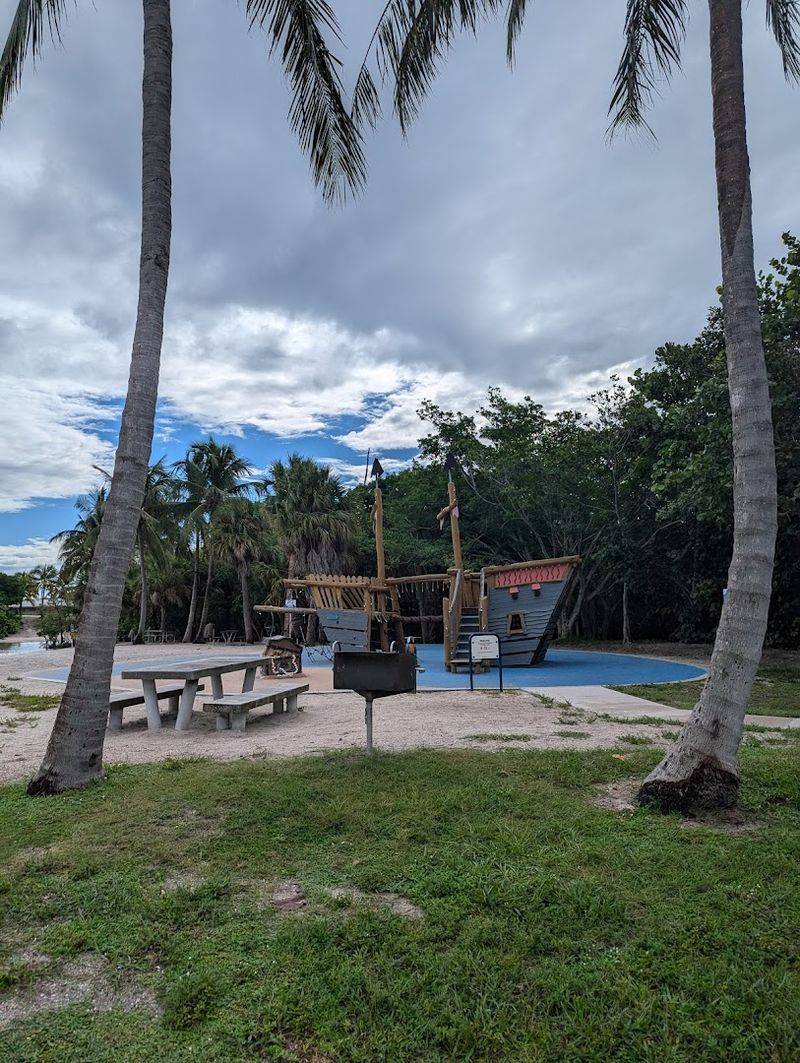
Every picnic table at DuBois Park comes with its own charcoal grill, which is a detail that sounds small until you are actually there watching families set up full cookouts at 9 in the morning.
Bringing your own charcoal and food is the move here. The grills are well-distributed around the park, many of them positioned under shade trees with water views, so even cooking lunch feels like a pleasant activity rather than a chore.
The setup encourages people to stay for the whole day rather than just a quick swim, and that energy is contagious. By midday, the smell of grilling food drifts across the park and makes everyone a little happier.
Picnic tables fill up fast on weekends, so arriving early secures the best spots. Weekdays offer a much more relaxed pace with plenty of tables available even in the afternoon, making them ideal for a laid-back lunch by the water.
The Playground and Family-Friendly Features
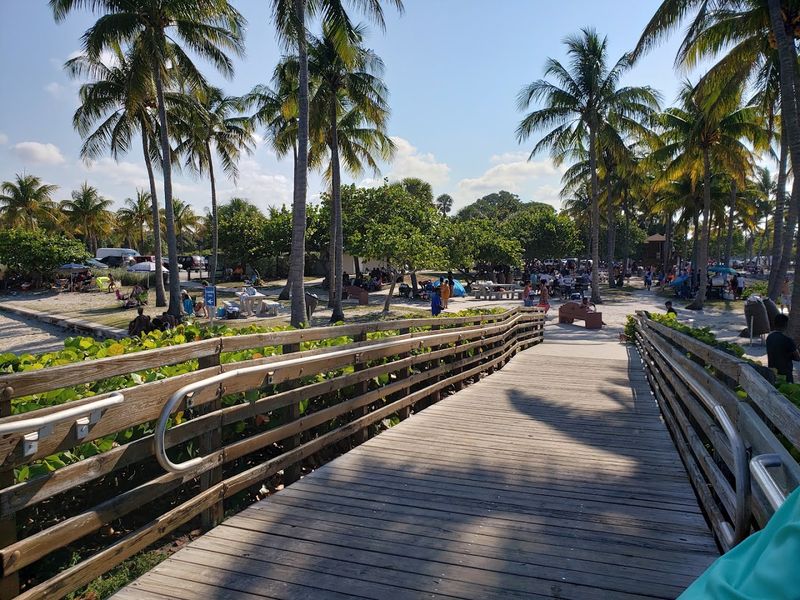
Families with young kids have a lot to work with here beyond just the water. The playground area keeps children entertained for stretches of time that give parents a genuine chance to relax nearby.
The equipment is well-maintained and positioned close enough to the lagoon that keeping an eye on kids moving between the playground and the water is easy.
Shaded areas are scattered throughout the park, which matters enormously in Florida summers when the sun is relentless from mid-morning onward. Finding a cool spot to sit while kids burn energy nearby is not a challenge here.
Outdoor showers and restroom facilities are available on site, which makes the post-swim cleanup process much smoother. Rinsing off before getting back in the car is a small luxury that parents especially appreciate.
The overall layout of the park feels genuinely thoughtful for families, with different activity zones that flow naturally into each other rather than feeling scattered or disconnected.
Fishing Off the Jetty and Along the Inlet
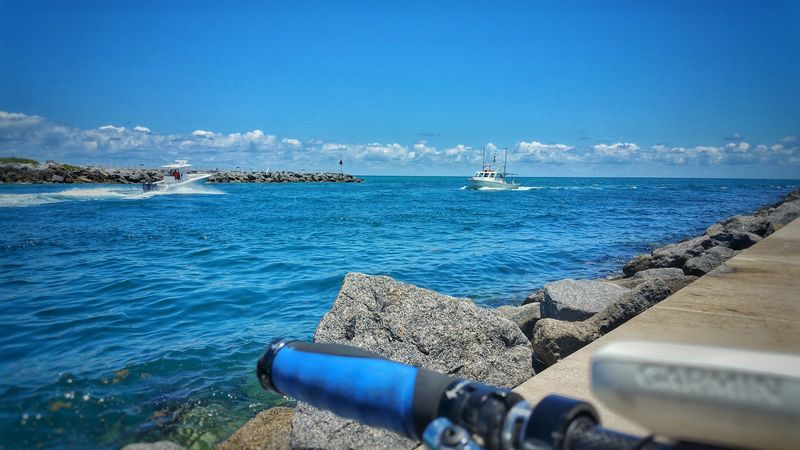
The jetty at DuBois Park is a solid fishing spot, and the people who use it regularly clearly know what they are doing. On my visit, I watched anglers at the end of the pier using live baitfish several inches long, which suggested they were targeting something worth the effort.
Fishing is permitted along the jetty and in areas outside the designated swim zones, giving anglers enough room to cast without conflicting with swimmers.
The Jupiter Inlet is known for strong fishing activity, and the park’s position right at the inlet mouth puts it in a prime location for a range of species depending on the season.
Even if fishing is not your main reason for visiting, watching the activity from the nearby paths or picnic tables adds a layer of local color to the experience.
The combination of calm lagoon water on one side and the moving current of the inlet on the other gives anglers two very different environments to work with within the same park.
Walking Paths and the Mangrove Shoreline
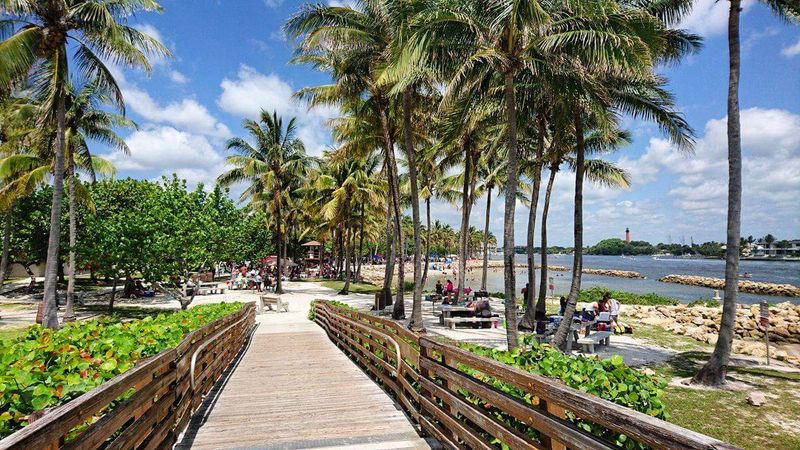
Not everything at this park requires getting wet. The walking paths that wind along the mangrove shoreline offer a quieter, more contemplative way to experience the property.
One stretch allows you to walk through calf-deep water right alongside the mangroves, which is an unusual and genuinely enjoyable experience. The roots create a natural maze at water level, and small fish and crabs move through the shallows around your feet.
Mangroves in Florida are a protected ecosystem, which means visitors are expected to observe rather than disturb them. Staying on the paths and keeping out of the root systems helps preserve the habitat for the wildlife that depends on it.
The walking paths also connect the different sections of the park in a way that makes exploring on foot feel natural and unhurried.
Early mornings on these paths are especially peaceful, with birds moving through the mangroves and the inlet glittering in the low light just a few yards away.
Sunrise and Sunset Visits Worth Waking Up For
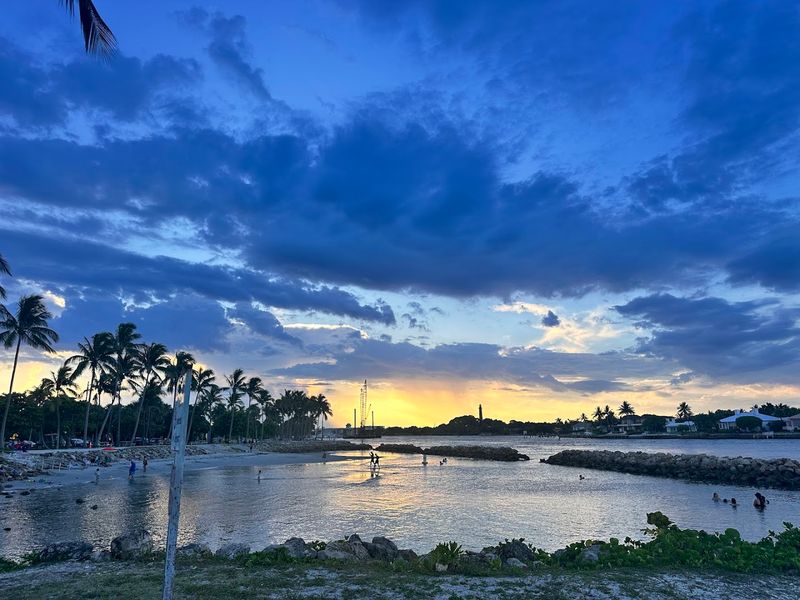
Early mornings at this park operate on a completely different frequency than midday visits. The parking lot is quiet, the water is glassy, and the light that comes off the inlet just after sunrise is the kind of thing that makes you feel glad you set an alarm.
The Jupiter Lighthouse catches the first warm light of the day in a way that feels almost theatrical, and the reflection on the inlet water doubles the effect.
Sunset visits are equally rewarding. The western sky over the lagoon fills with color as the sun drops, and the silhouettes of the palm trees against the orange and pink sky make for a scene that photographers and casual visitors alike appreciate.
Arriving at sunrise also solves the parking problem entirely. The lot is reliably open early, and you get the best of the park before the crowds arrive.
There is something genuinely special about having this much natural beauty to yourself, even if only for an hour.
The Wading Area and the Lazy River Float
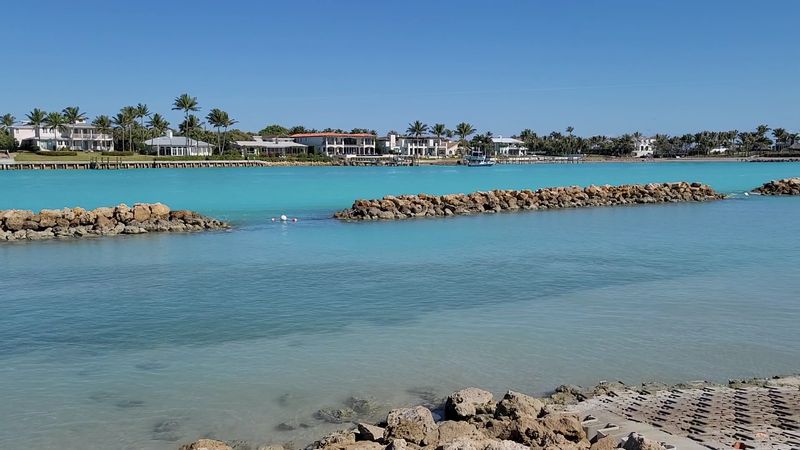
One of the more playful features of this park is the shallow inlet channel that runs along part of the property, where a gentle current lets you float downstream without any effort at all.
The water here moves slowly enough to be relaxing but just enough to give you a sense of drifting, which feels like a rare treat for a public park with no admission fee.
Families with young children particularly love this area because the depth stays manageable and the current is never strong enough to cause concern.
Adults who want to do absolutely nothing for twenty minutes will find this stretch of water perfectly suited to that goal. Floating along while the sun warms your face is a surprisingly restorative experience.
The channel connects naturally to the broader lagoon, so transitioning between the two is seamless. Most people end up spending time in both areas over the course of a full visit.
Parking Tips and the Best Times to Visit
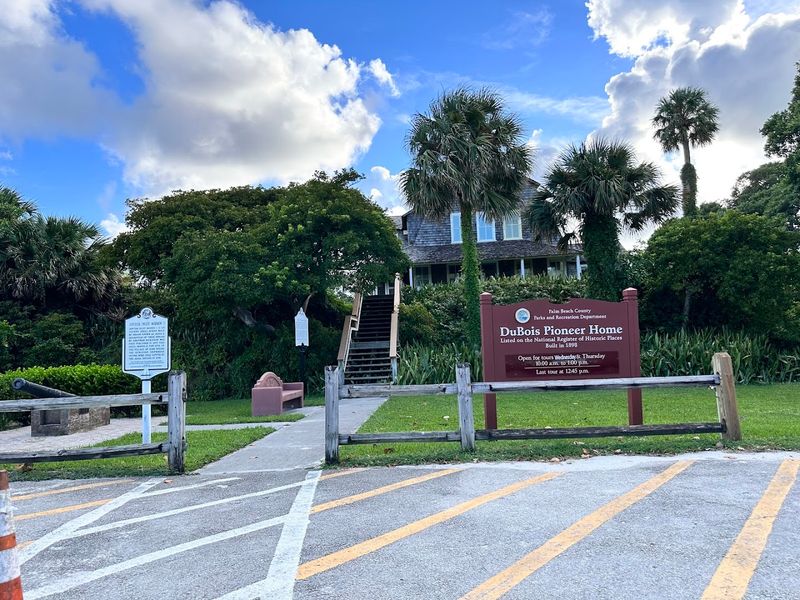
Parking at this park is free, which is a genuinely nice perk, but it comes with a catch: the lot fills up fast on weekends, sometimes before 10 in the morning during peak season.
Arriving by 8am on a Saturday or Sunday almost always guarantees a spot and gives you first pick of the picnic tables and grilling areas before the crowds settle in.
Weekdays are a completely different story. The lot stays open well into the afternoon, and the park itself has a calmer, more relaxed energy that makes it much easier to find a quiet corner by the water.
If a weekend visit is unavoidable, showing up after 3pm can occasionally open up spots as families with young children head home for nap time and dinner.
Off-season visits, roughly from late fall through early spring, come with far fewer parking headaches and a noticeably more peaceful atmosphere overall throughout the park.
Lifeguards, Safety, and What Makes This Park Feel Welcoming
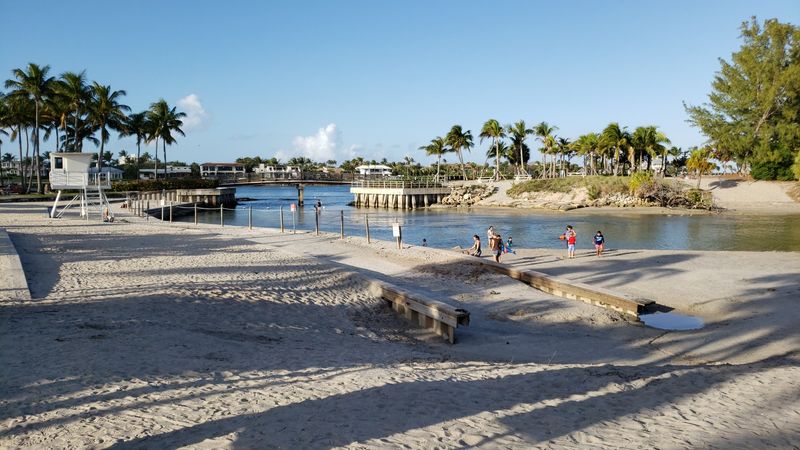
One of the details that stands out immediately upon arrival is how well-staffed and attentive the park feels. Lifeguards are present and actively watching the swim areas, which provides a level of comfort that not every public park offers.
The lagoon’s naturally calm, shallow water already reduces risk considerably, but having trained lifeguards on site makes the park genuinely suitable for families who want peace of mind while their kids swim.
Park rangers and security presence are also visible, which helps maintain a respectful atmosphere. The park stays clean, and the overall sense of order makes the experience more enjoyable for everyone.
Outdoor shower stations for rinsing off sand and restroom facilities are conveniently located within the park. These practical amenities make a long day visit much more comfortable.
The combination of natural beauty, thoughtful infrastructure, and attentive staffing is exactly why this park consistently earns strong praise from the people who visit it regularly.
Share this story