Most people drive right past Lithia, Florida without a second glance, and that is exactly how the locals like it. Tucked away from the noise of Tampa’s suburbs is a sprawling nature preserve that rewards anyone willing to make the trip.
The trails wind through scrubland, past ancient phosphate pits, and alongside wildlife that seems completely unbothered by human visitors. Whether you are a seasoned mountain biker, a weekend hiker, or someone who just wants to hear birds instead of traffic, this place has a way of pulling you back again and again.
I visited on a quiet Tuesday morning, and by the time I got back to my car, I was already planning my next trip.
Finding the Preserve: Address and First Impressions
The address is 15102 Co Rd 672, Lithia, and the drive out here already starts to feel like an adventure. The road narrows, the strip malls disappear, and suddenly you are surrounded by Florida flatwoods and open sky.
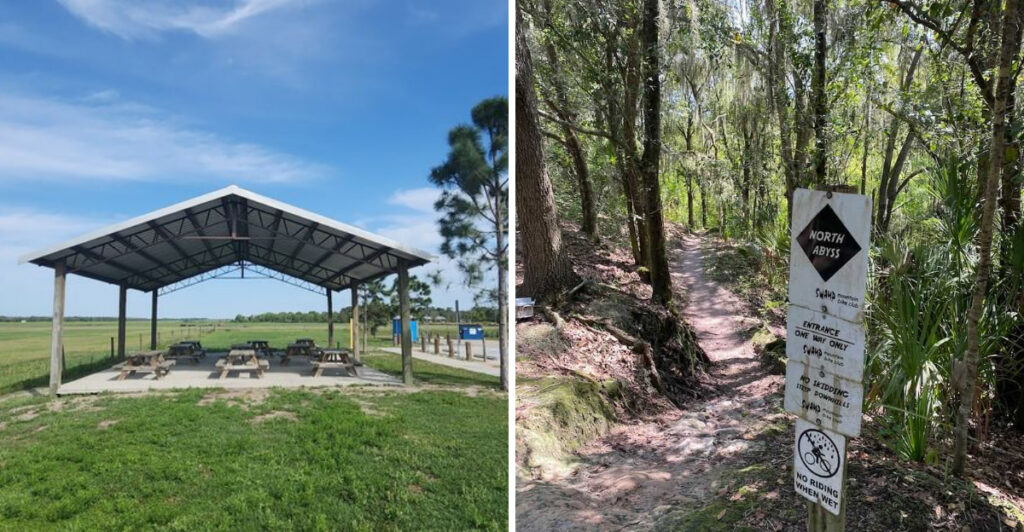
The parking area is spacious and well-organized, with a covered shelter full of picnic tables right at the trailhead. It is honestly a nicer welcome than some state parks charge admission for.
The preserve is managed by Hillsborough County and is completely free to enter, which makes it one of the best deals in the entire Tampa Bay region. Hours run from 8 AM to 6 PM every day of the week, so there is plenty of daylight time to explore.
The Landscape: Scrub, Sand, and Something Prehistoric
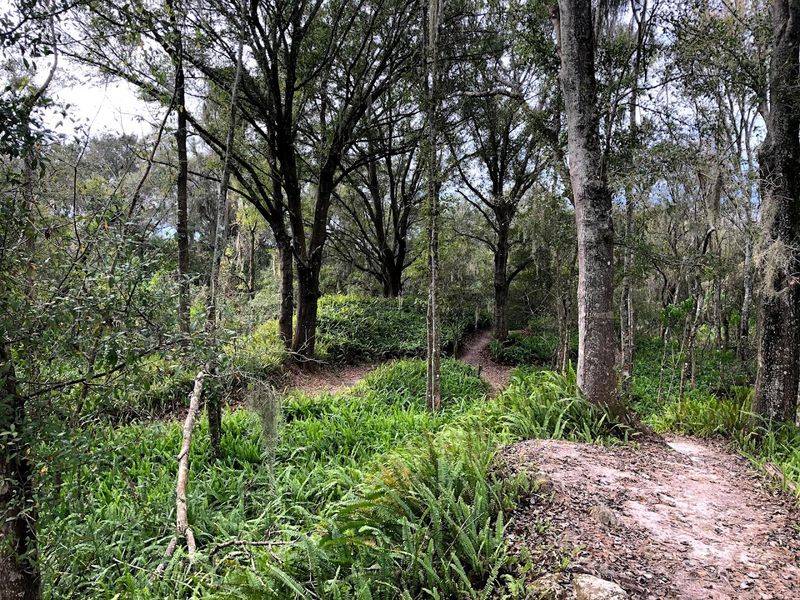
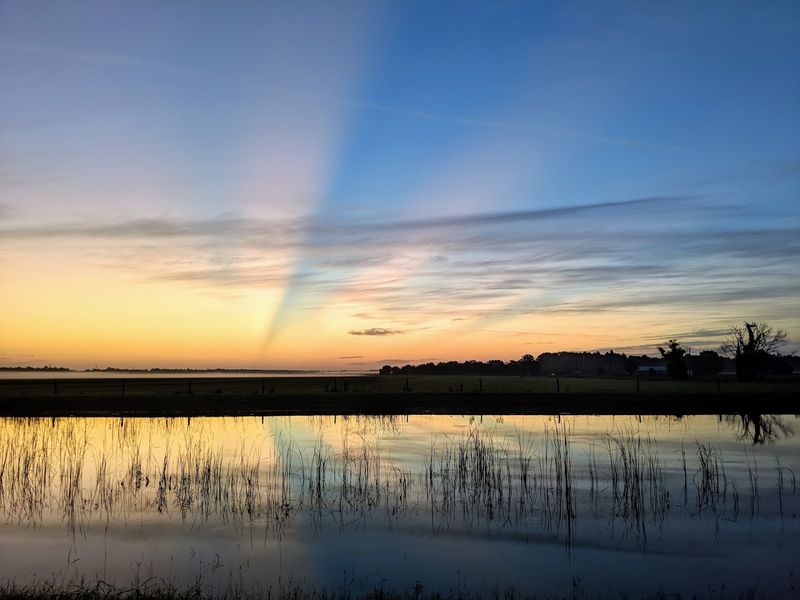
There is a particular quality to the light at Balm Boyette that you do not get anywhere else. The scrub habitat opens up into wide, sandy meadows that feel ancient and unhurried, like the land has been this way for thousands of years.
Florida scrub is actually one of the most endangered ecosystems in the state, home to species that exist nowhere else on earth. Walking through it feels less like a nature hike and more like a quiet history lesson.
The terrain shifts as you move deeper into the preserve. Sandy open stretches give way to denser tree cover, rooted paths, and eventually the dramatic landscape around the old phosphate mine pits.
One longtime visitor described the eastern section of the park as feeling like stepping into Jurassic Park, and honestly, that tracks. The vegetation around those deep pits is lush, layered, and genuinely wild.
Mountain Biking Trails: A Reputation That Speaks for Itself
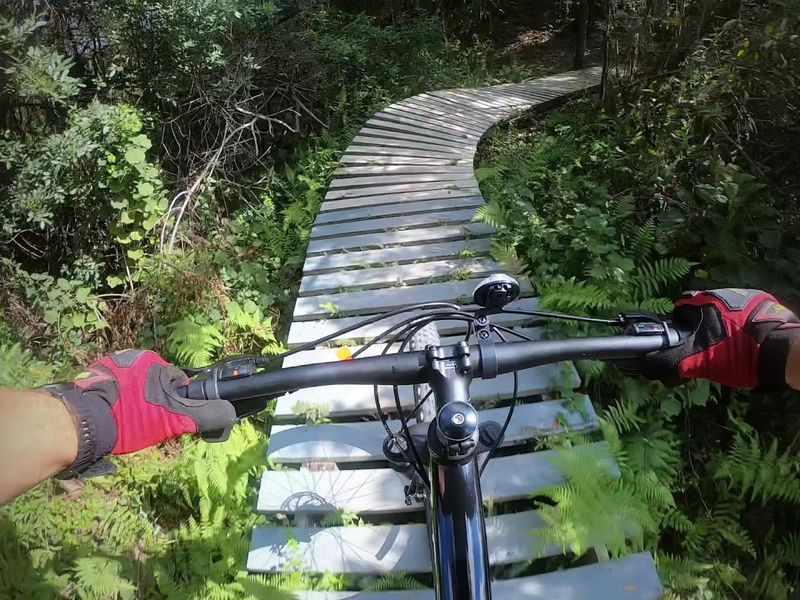
Ask any serious mountain biker in the Tampa Bay area where they ride, and Balm Boyette will come up within the first two sentences. The trail system here has earned a reputation that stretches well beyond Florida, with riders traveling from across the state just to experience it.
The Swamp Riders club has been instrumental in building and maintaining these trails, and their dedication shows in every curve and berm. Trails are rated green, blue, and black diamond, so there is a genuine range from family-friendly cruising to expert-level technical riding.
The Ridgeline Trail gets mentioned constantly by experienced riders as a highlight, offering elevation changes that feel surprising in a state known for being flat. The trail system maps well on Trailforks, which is worth downloading before your visit.
Bring everything you need, because once you are deep in the trails, there are no supply stops anywhere nearby.
Trail Difficulty Levels: Something for Every Rider and Walker
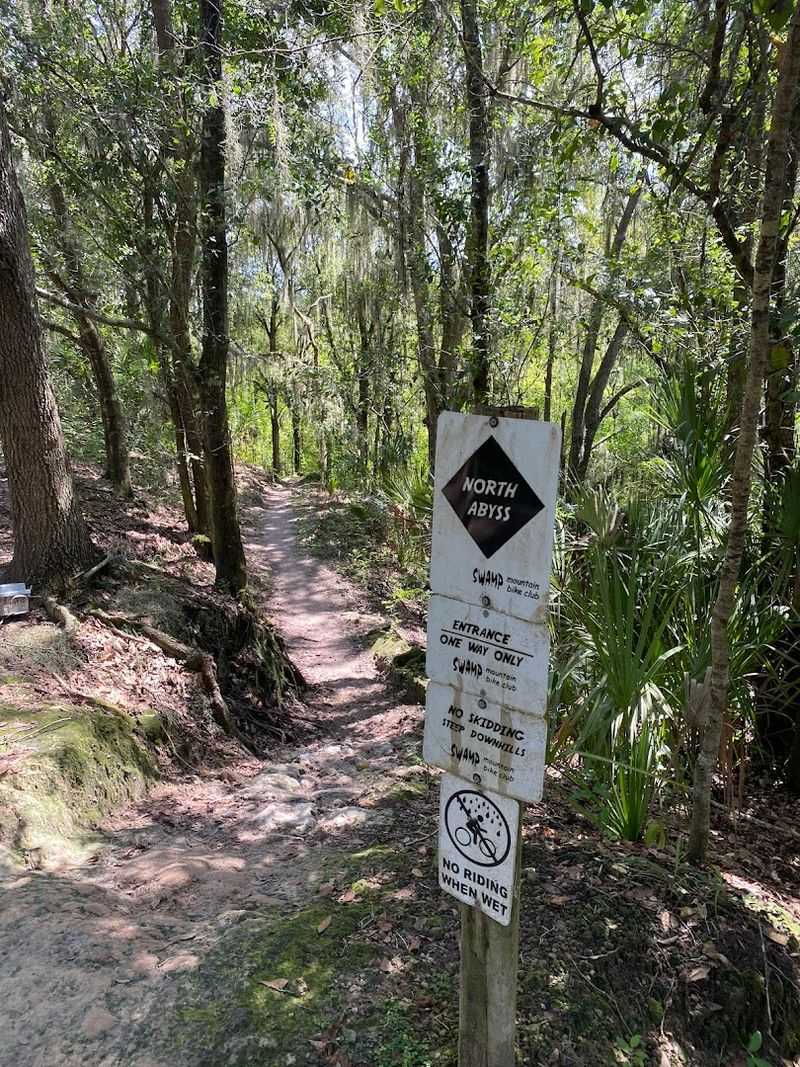
One of the things that sets this preserve apart from other trail systems is how genuinely well it caters to different skill levels. A complete beginner can have a great time on the green trails without feeling overwhelmed, while an advanced rider can push hard on the black diamond routes.
The Easy Double Path is a long, wide trail that works well for families or anyone new to trail riding. It is open and relatively flat, which makes it a comfortable introduction to the landscape without any sudden surprises.
For hikers and runners who are not on bikes, the foot trails offer a different experience entirely. One runner logged 5.5 miles on a single morning visit and called it a gorgeous outing.
The main tip for non-bikers is to stay alert on shared sections and stick to the access roads when the bike trails get busy on weekends.
Wildlife Encounters: More Than You Might Expect
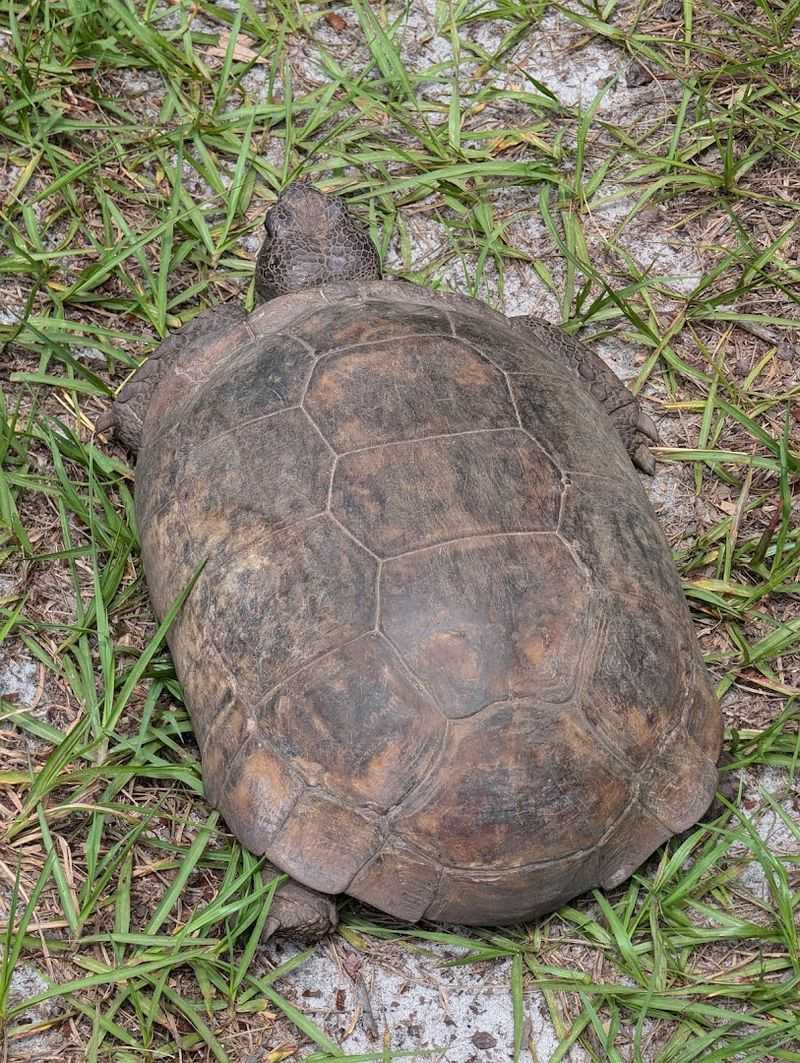
The wildlife here does not wait for you to go looking for it. On my visit, I spotted a gopher tortoise crossing the trail with all the confidence of someone who owns the place, which, in a way, it does.
Gopher tortoises are a keystone species in Florida scrub, meaning their burrows provide shelter for dozens of other animals. Spotting one is always a good sign that the habitat is healthy and well-protected.
Birds are everywhere throughout the preserve, from common species to more unusual sightings depending on the season. Wild deer have been spotted by visitors along the quieter access roads, especially on weekday mornings when foot traffic is low.
There are also reports of wild hogs moving through the denser sections, so dogs should be kept close and leashed at all times. The biodiversity packed into this one preserve is genuinely impressive for a county-managed park.
The Old Phosphate Mines: History Hiding in Plain Sight
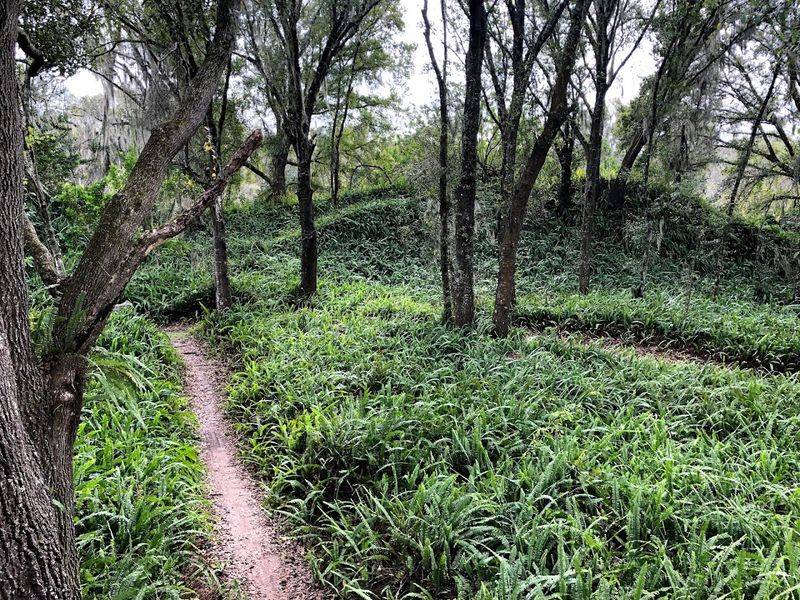
Florida has a deep phosphate mining history, and Balm Boyette carries some of that story in its landscape. The eastern section of the preserve contains large, deep pits that were once active phosphate mines, now completely reclaimed by native vegetation.
These pits are dramatic to see up close. The walls drop steeply and the bottoms are thick with trees and shrubs that have grown in over decades, creating a layered, almost otherworldly look that stops you mid-trail.
For mountain bikers, these old mine pits add an extra dimension to the riding experience, with trails that weave along their edges and require real attention. For hikers, they are simply fascinating landmarks that add historical depth to what might otherwise feel like a standard nature walk.
The combination of ecological recovery and industrial history in one location makes this section of the preserve unlike anything else in the county.
Open Meadow Sections: The Quiet Heart of the Preserve
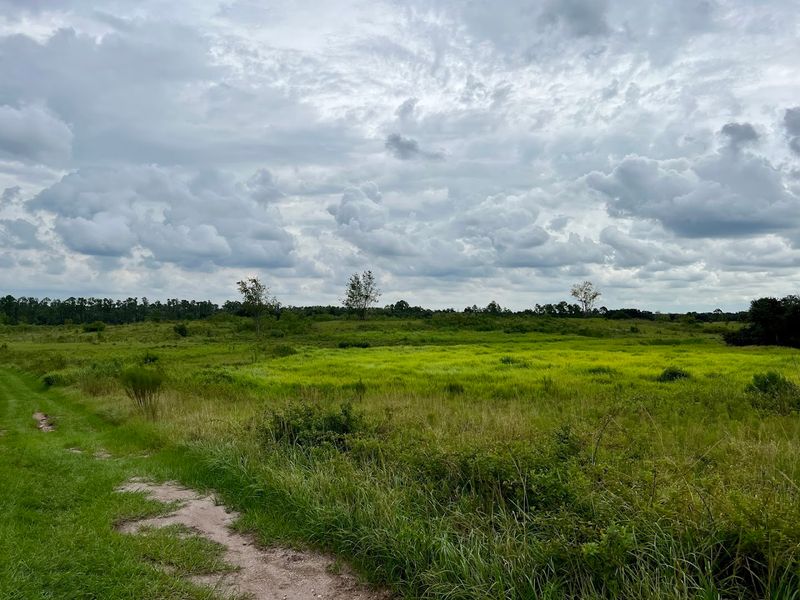
Not every part of Balm Boyette is dense and technical. The open meadow sections in the northwestern portion of the preserve offer a completely different mood, one that is spacious, calm, and almost meditative.
The grid of trails through this area forms a square that covers a wide expanse of open scrubland. Walking or riding through here on a cool morning, with the sun low and the birds active, is one of the most peaceful experiences the preserve has to offer.
The contrast between the open meadows and the denser, shadier sections further in gives the whole park a sense of variety that keeps every visit feeling fresh. Some visitors specifically come just for this section, spreading out a blanket at one of the scattered picnic tables and spending an hour watching the sky.
It is a reminder that not every outdoor experience needs to be high-intensity to be worthwhile.
Practical Tips: What to Bring and What to Expect
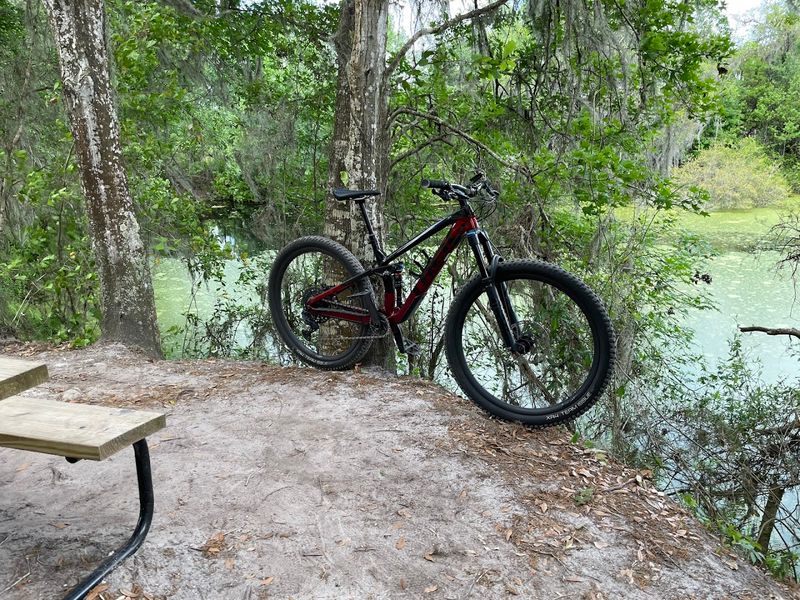
A few practical realities about Balm Boyette are worth knowing before you arrive. There are no permanent restrooms at the preserve, just portable toilets near the parking area.
There is also no water fountain on site, so bringing your own hydration is not optional, it is essential.
The sandy soil means some trails can feel slow and soft underfoot, especially after dry stretches. Thorn-bearing plants, including cactus, grow off the sides of certain trails, so staying on the marked path protects both you and your bike tires.
A printed trail map is highly recommended because the network is extensive and the intersections can get confusing, especially deeper into the preserve. Cell signal is not always reliable out here.
The Trailforks app works well for bikers, but downloading the map offline before you leave home is a smart move. Sunscreen and bug spray are non-negotiable during warmer months.
Best Time to Visit: Timing Your Trip Right
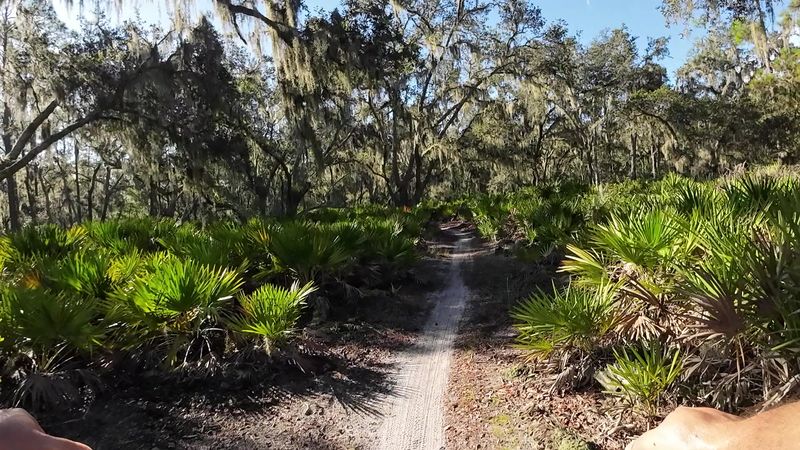
Florida weather plays a major role in how enjoyable a visit to Balm Boyette turns out to be. The cooler months between October and March are widely considered the best window, with lower humidity, fewer insects, and more comfortable temperatures for extended outdoor activity.
Mosquitoes can be brutal during summer and after rainy periods. One experienced visitor noted that going after a couple of consecutive cold days below 50 degrees makes a noticeable difference in insect activity.
That is a genuinely useful tip that can turn an uncomfortable outing into a great one.
Weekdays are quieter than weekends, which matters if you are a hiker or runner sharing trails with mountain bikers. Early mornings offer the best wildlife sightings and the softest light for photography.
Late afternoon visits are possible but keep an eye on the clock since the preserve closes at 6 PM every day.
Running and Hiking: Two-Wheeled Territory With Foot Traffic Welcome
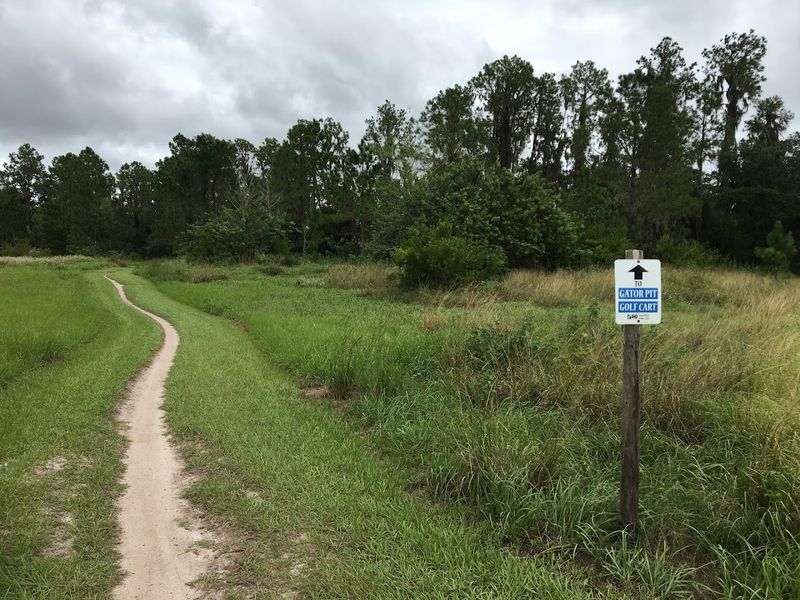
Balm Boyette is primarily known as a mountain biking destination, but hikers and runners have been quietly enjoying it for years. The access roads that run through the preserve are open to foot traffic and offer a solid route for anyone who wants distance without technical terrain.
Runners who have logged miles here consistently describe the experience as scenic and satisfying, though the sandy surface does add resistance that makes it feel harder than a paved route of the same length. Consider it a built-in workout bonus.
The main challenge for non-bikers is navigation. Trail signage is primarily designed with cyclists in mind, so hikers need to pay attention and ideally bring a map.
Staying to the side and yielding to bikers on shared sections keeps everything running smoothly. The foot trails in the eastern section, away from the main bike routes, offer a genuinely peaceful walking experience with almost no interruptions.
Picnic Facilities and the Covered Shelter
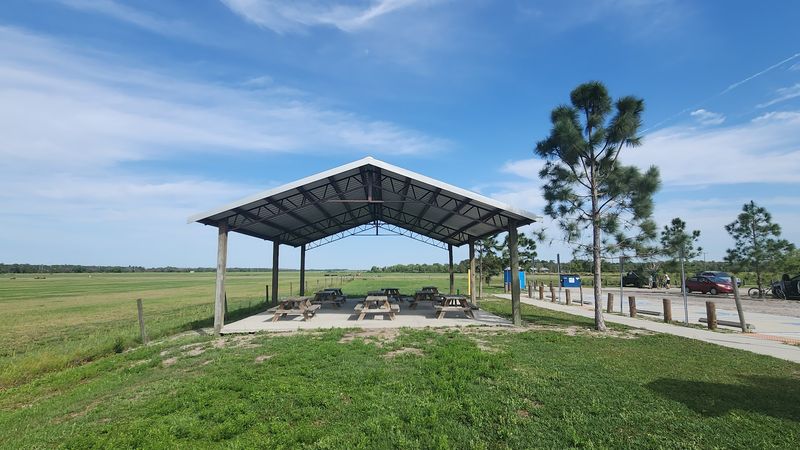
Right at the parking area, there is a covered shelter with multiple picnic tables that makes a genuinely welcoming spot to start or end a visit. It is shaded, clean, and well-positioned to catch whatever breeze is moving through.
Additional picnic tables are scattered throughout the preserve along the trails, which means you can stop for a snack or a rest without having to hike all the way back to the trailhead. That kind of thoughtful placement makes longer trips feel much more manageable.
The shelter area also serves as a natural gathering point for groups. Families with kids who are not quite ready for the full trail network often hang out here while other members of the group head out on bikes.
It is a flexible setup that works for mixed groups with different energy levels. Packing a full lunch and making a half-day of it is a perfectly reasonable plan here.
The Swamp Riders Club: Community Behind the Trails
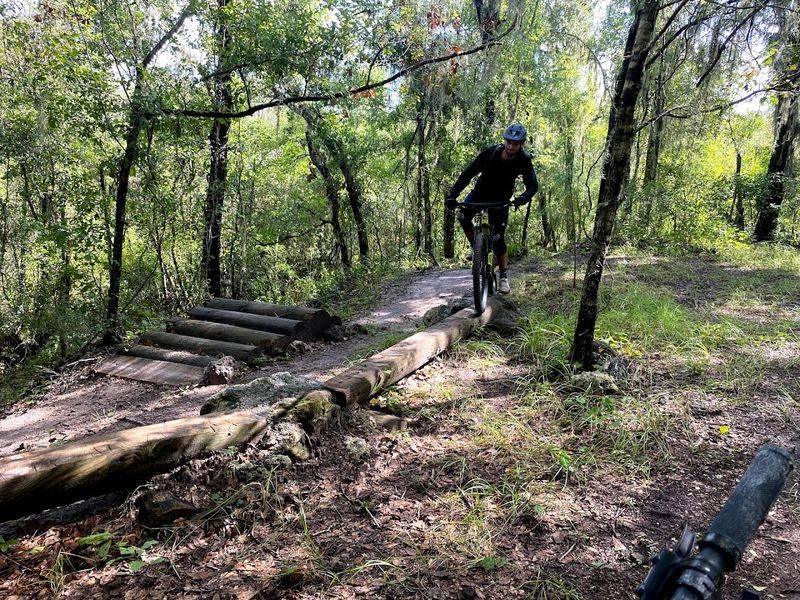
Behind every well-maintained trail system is a group of dedicated people who show up with tools and a genuine love for the outdoors. At Balm Boyette, that group is the Swamp Riders, a mountain biking club that has played a central role in designing and caring for the trail network over the years.
Their work is visible in the quality and creativity of the trails, which feel intentional and rider-focused rather than casually worn into the landscape. The variety of difficulty levels, the smooth transitions, and the overall flow of the system all reflect serious planning and consistent upkeep.
Supporting clubs like the Swamp Riders is one of the best ways to keep free public trail systems like this one thriving. Volunteering for a trail day, spreading the word, or simply being a respectful visitor all contribute to keeping Balm Boyette in great shape for the next person who discovers it.
Share this story