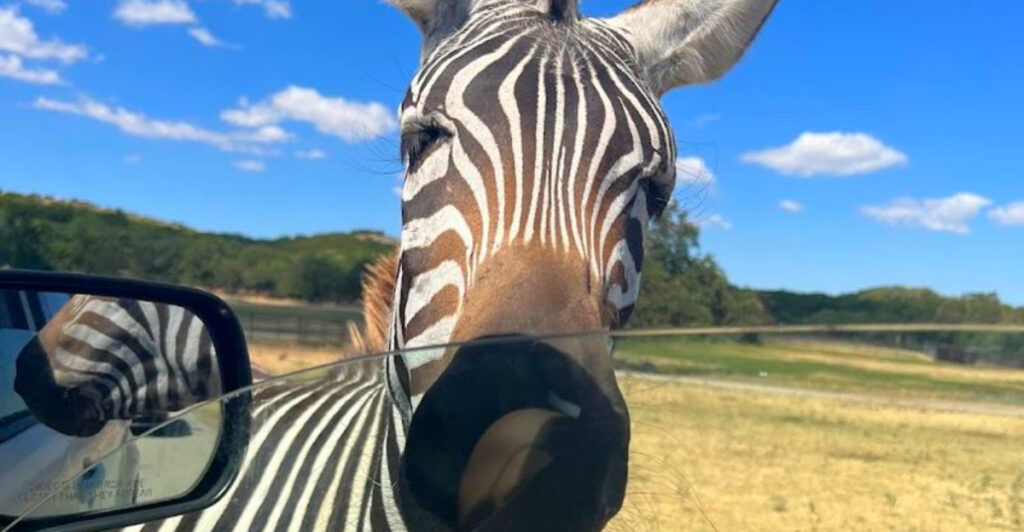
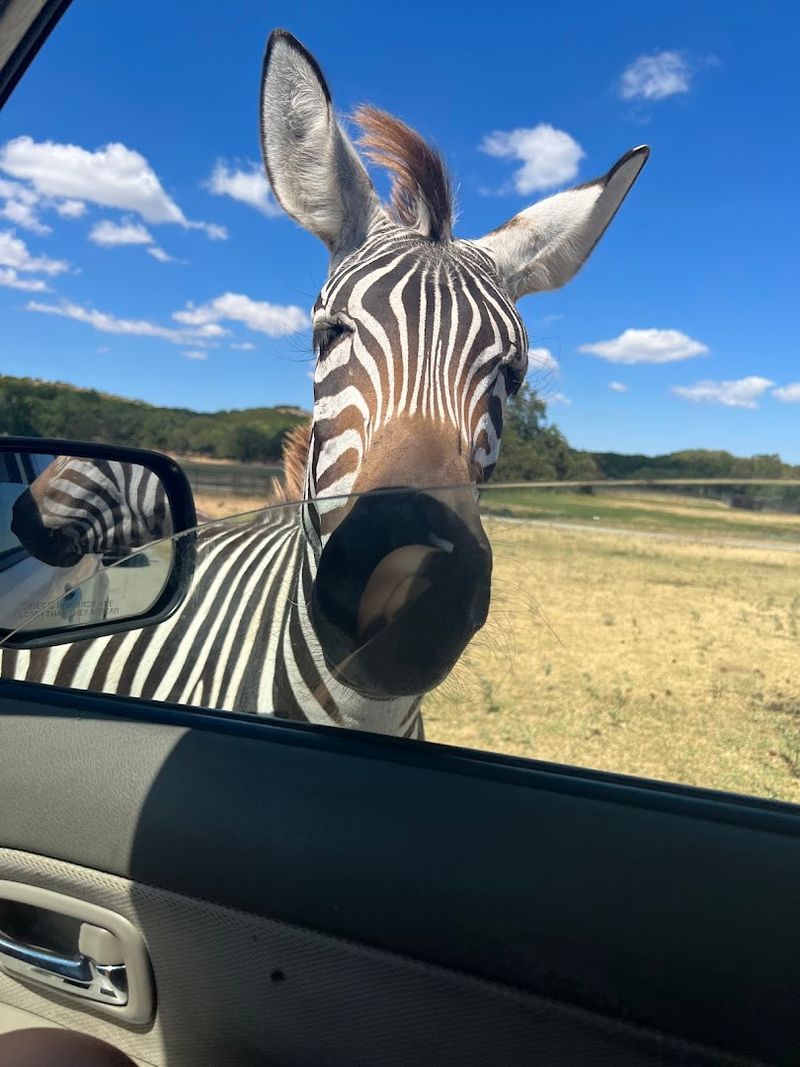
There is a place in Oklahoma where a zebra might press its face against your car window, a donkey might chase you down the road for a snack, and a giraffe will gently eat right out of your hand. No plane ticket required, no exotic travel budget, and no zoo barriers between you and the animals.
Just a gravel road, a cup of feed pellets, and a whole lot of wildlife doing exactly what it wants. Arbuckle Wilderness in Davis, Oklahoma is the kind of road trip stop that turns a regular afternoon into a story you will be telling for years, and this article covers everything you need to know before you go.
Where the Wild Things Are: Location and First Impressions
The address is 6132 Kay Starr Trail, Davis, OK 73030, and it sits right off I-35 in southern Oklahoma, making it one of the most convenient wild animal detours you will ever take on a road trip.
The first thing you notice when you pull up is how low-key the whole setup looks from the outside. A gift shop, some signage, and a parking area greet you before you even get a hint of what is waiting beyond the gate.
Do not let the modest entrance fool you. Once you buy your tickets inside the gift shop and grab your cups of feed, the real experience begins the moment that gate swings open and the road ahead disappears into open fields full of animals.
The park sits on a generous stretch of land in the Arbuckle Mountains region, giving the drive a surprisingly open and natural feel. It does not feel like a zoo at all.
It feels more like you accidentally drove into someone’s very exotic backyard, and every animal there is absolutely fine with that.
The Drive-Thru Experience: What Actually Happens Inside
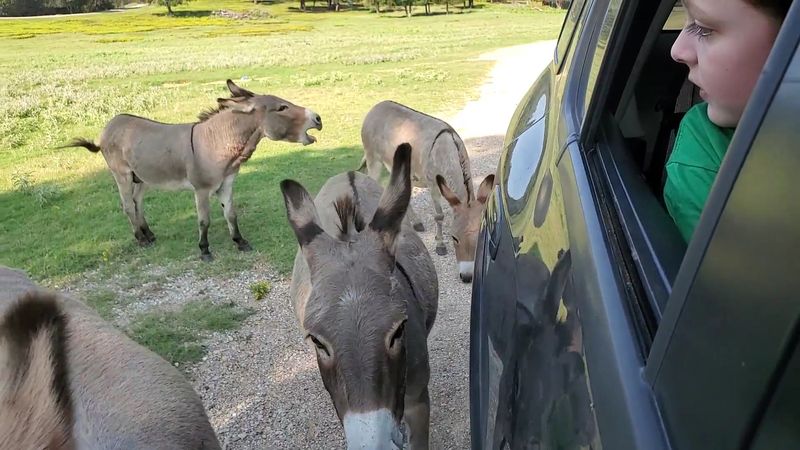
The whole concept is beautifully simple. You drive your car through miles of open land, and the animals come to you.
There are no guides, no scheduled tours, and no rush. You set your own pace, which is part of what makes it so fun.
The road through the park runs roughly three to four miles, and depending on how long you linger at each animal cluster, the full drive can take anywhere from forty-five minutes to well over an hour.
Animals roam freely along most of the route, and they have clearly figured out that cars mean food. The llamas will block your path without hesitation.
The donkeys will literally walk head-on toward your front bumper to make you stop.
A fair warning about the road itself: there are potholes, uneven pavement, and some steep inclines. Bringing a vehicle with decent ground clearance is genuinely a good idea, and more than one visitor has learned that lesson the hard way after hearing their low-clearance car scrape along the rougher stretches.
Feed Cups and Feeding Tips: Getting the Most Out of Every Cup
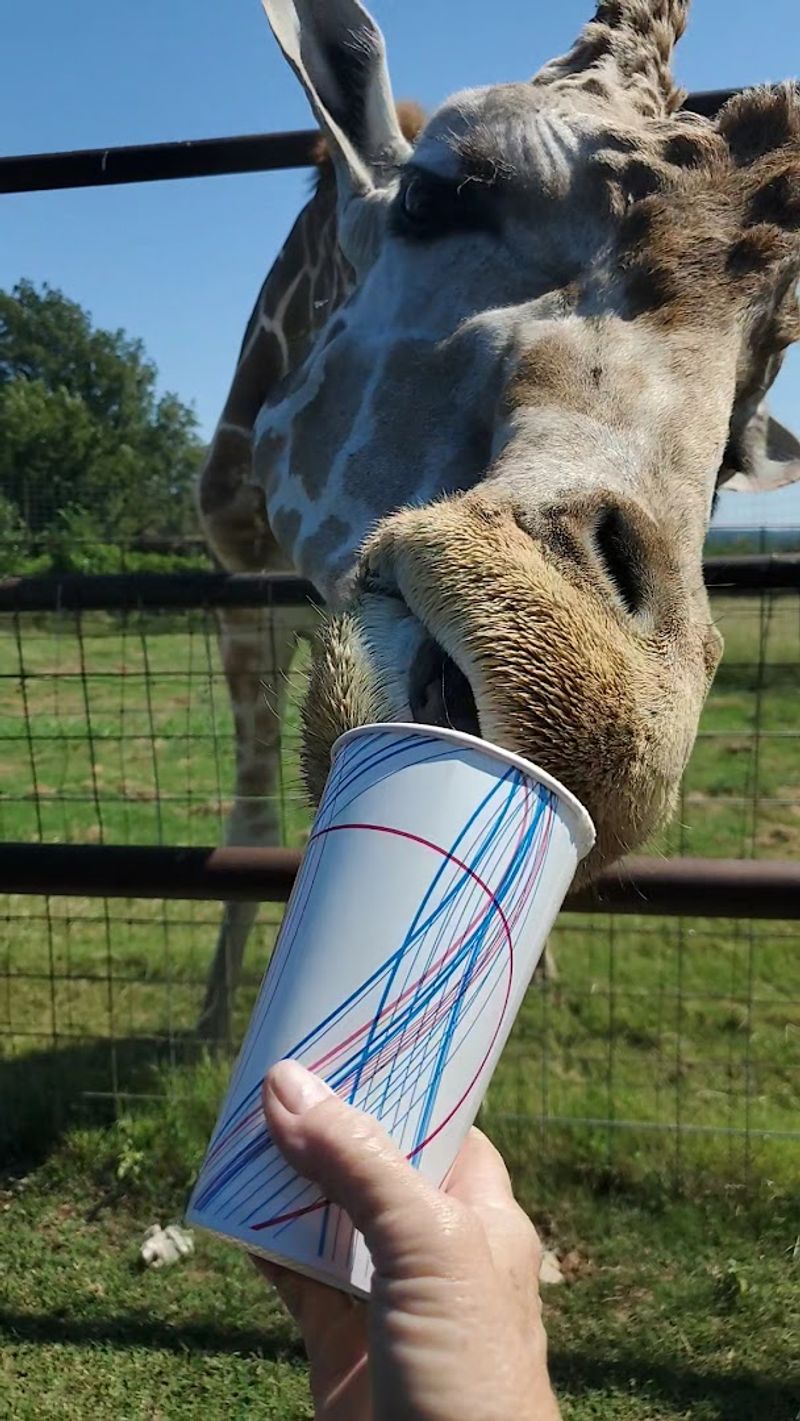
Three cups of feed costs about six dollars at the gift shop, and buying at least two sets is strongly recommended if you want to make it through the full drive without running out before the best animals show up at the end.
The reason rationing matters is that the llamas and donkeys at the start of the route are extremely enthusiastic, and they will drain your supply fast if you let them. They are charming about it, but they are also relentless.
One donkey reportedly yanked an entire bucket right out of a visitor’s hand during a feeding moment, which is both hilarious and a good reminder to hold on tight. The animals are not aggressive, just very motivated by snacks.
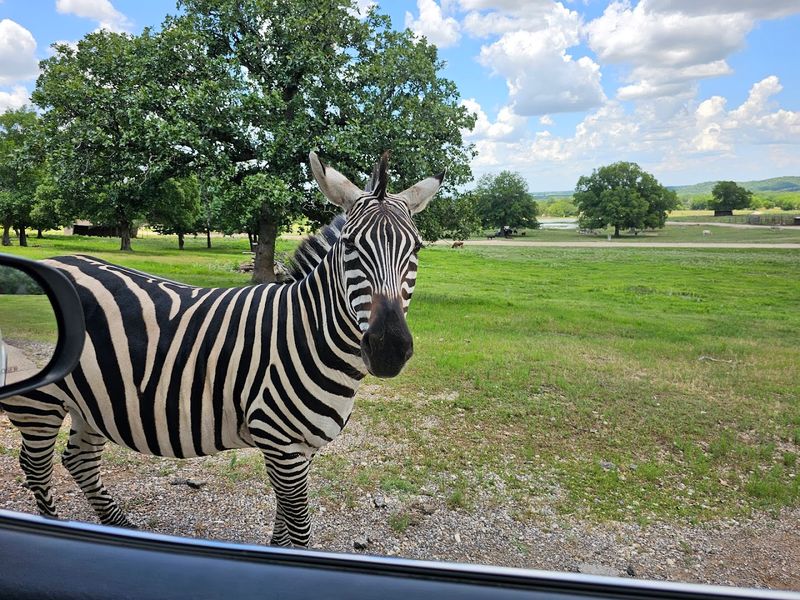
Save some feed for the bison, zebras, and ostriches toward the back half of the drive. Those encounters feel more dramatic and special, and running out of food before you reach them is a genuinely disappointing way to end an otherwise great trip through the park.
Star Animals of the Route: Donkeys, Llamas, and the Charismatic Crew
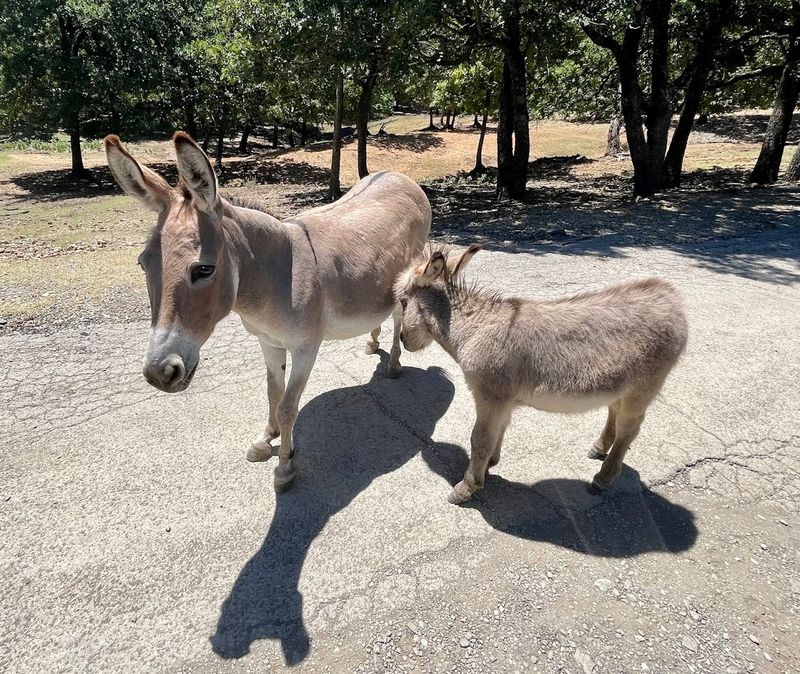
The donkeys at this park are the undisputed personalities of the whole operation. They chase cars, block roads, and stare you down with the kind of confident energy that suggests they know exactly how entertaining they are.
Llamas are equally present and equally bold. They will follow your car for a surprisingly long distance, and they have a way of making eye contact that feels almost personal.
Several visitors have described the llamas as the most photogenic animals on the entire route.
Deer wander through the mix as well, far more relaxed than their suburban counterparts. Geese and ducks tend to cluster near certain stretches and occasionally waddle directly into your path with complete indifference to the cars around them.
The variety of free-roaming animals also includes cattle, water buffalo, goats, sheep, and various antelope species. None of them are in a hurry, and most of them treat the whole situation as a perfectly normal afternoon.
Their collective confidence is honestly one of the best parts of the whole drive.
The Exotic Residents: Tigers, Wolves, Giraffes, and More
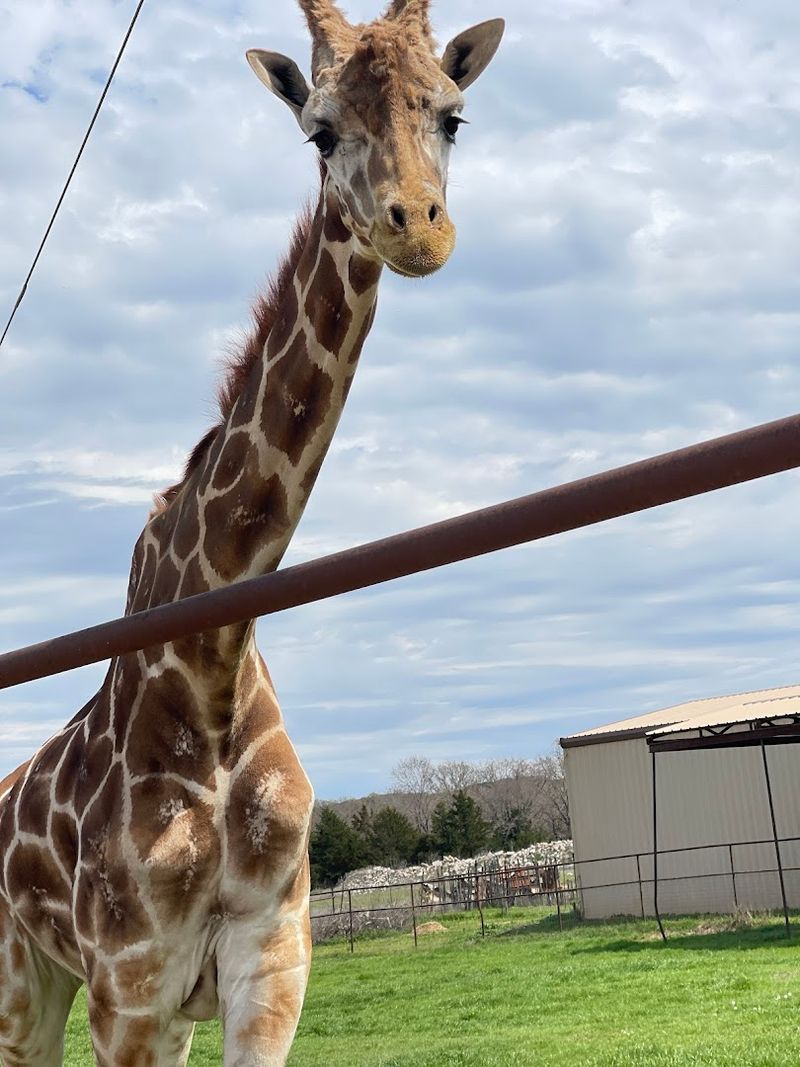
Not every animal at the park roams the open road. Some of the more exotic residents are kept in enclosures along the route, and they are absolutely worth slowing down for even if you cannot feed them directly.
The white tiger is one of the most talked-about animals in the park. Visitors have spotted it cooling off in water on hot days, and the sheer size and presence of the animal tends to produce a collective silence in the car that says more than any words could.
White wolves are also housed in an enclosure along the route, and their calm, watchful energy is striking. A giraffe can be found further along the drive, and while it is not free-roaming, it is close enough to the road to feel like a genuine encounter.
A rhino, hyena, kangaroos, and a camel round out the more unusual residents. These enclosures give the park a zoo-within-a-safari quality that adds real variety to the experience, making the route feel like it keeps delivering surprises all the way to the end.
The Gift Shop and Ticketing: Your First Stop Inside
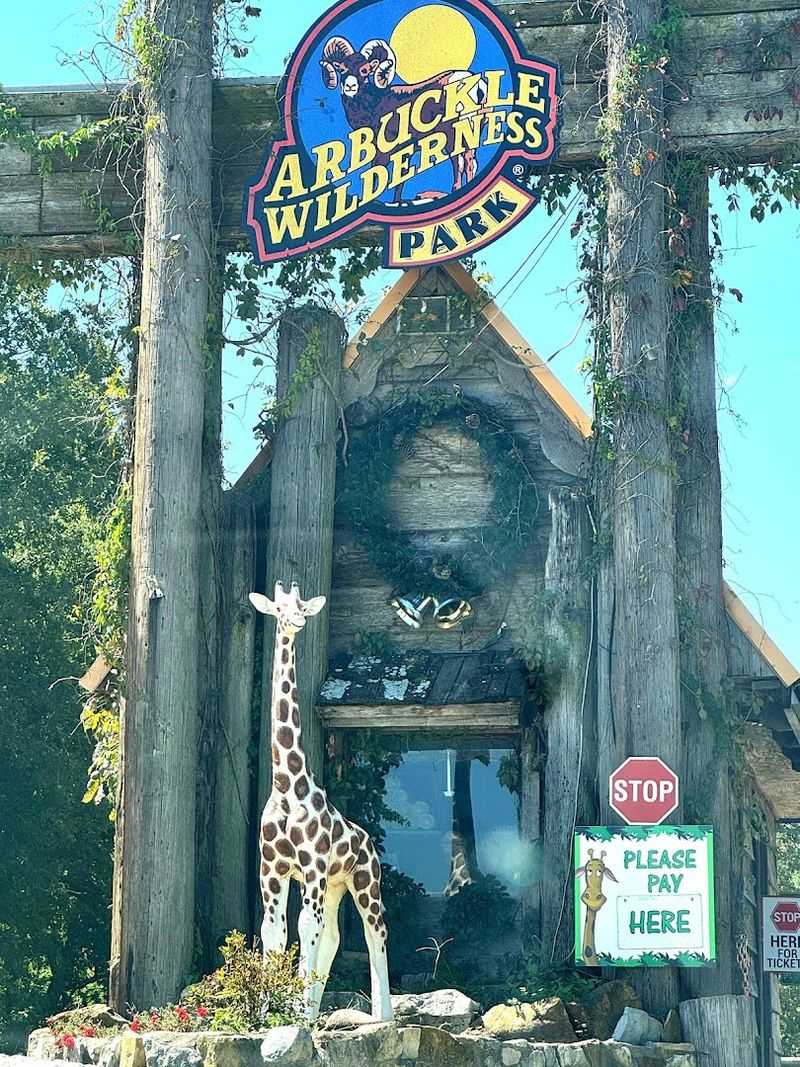
Before you ever get behind the wheel for the drive, the gift shop is where the experience actually starts. Tickets are purchased here, feed cups are picked up here, and the whole vibe of a friendly, family-run attraction starts to sink in the moment you walk through the door.
There is a parrot inside the shop that tends to catch first-time visitors off guard in the best possible way. A lemur has also been spotted in the gift shop area, which is not something you expect to see next to the postcard rack.
The staff throughout the park has a reputation for being genuinely warm and helpful. The owner has been known to chat with visitors personally, which gives the whole place a refreshingly unpretentious atmosphere that bigger commercial attractions rarely manage to pull off.
T-shirts, bracelets, postcards, and various animal-themed souvenirs fill the shelves. It is not a high-end boutique, but it is charming and well-stocked enough that most people walk out with at least one thing they did not plan on buying when they pulled into the parking lot.
Hours, Pricing, and Planning Your Visit
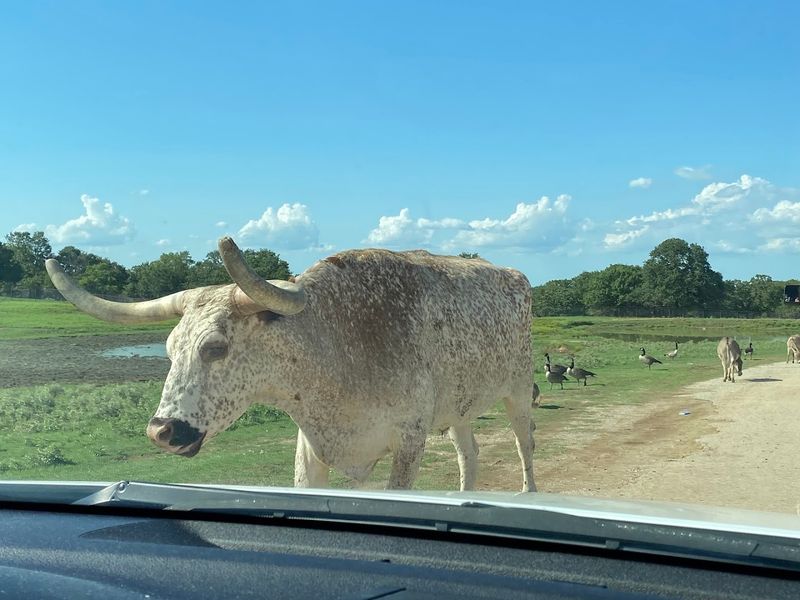
The park is open Monday through Friday from 9 AM to 4:30 PM, and on weekends the hours extend slightly to 5 PM. Arriving early on a weekday tends to mean shorter lines and a more relaxed drive through the property.
Weekday mornings are particularly good for visitors who want the road mostly to themselves. The animals are just as active and just as hungry, but the experience feels more personal when there are fewer cars lined up behind you waiting to move forward.
Feed pricing runs around six dollars for three cups, and most experienced visitors recommend buying at least two sets. Ticket prices for the drive-thru experience are separate and can be confirmed by calling ahead at the park’s phone number: 580-369-3383, or by checking the official website at arbucklewildernesspark.com.
Weekend visits tend to draw bigger crowds, especially during warmer months when families are out exploring Oklahoma. Going earlier in the day on any given weekend also helps avoid the longest wait times at the entrance gate before you begin the drive.
Road Conditions and Vehicle Tips: What to Know Before You Roll In
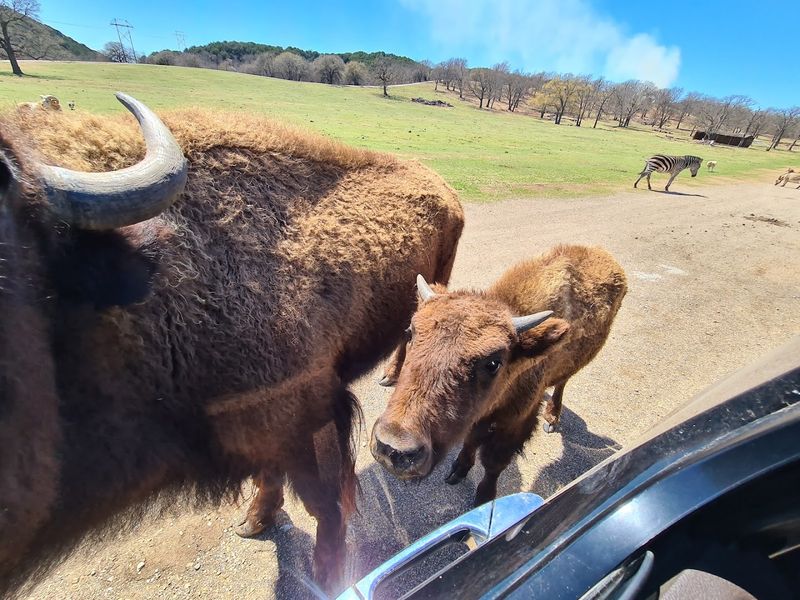
The road inside the park is one of the most consistently mentioned topics in visitor conversations, and for good reason. It ranges from passable to genuinely rough in spots, with potholes, washed-out pavement sections, and several steep inclines scattered throughout the route.
An SUV or truck is the recommended vehicle type for this experience. Minivans can make it through, though some visitors have reported scraping the undercarriage on the deeper potholes despite careful driving.
Low-clearance sports cars and sedans are a real gamble.
The uneven terrain actually adds a certain charm to the whole thing, especially if you have kids in the car. The bumpy road, the unpredictable animals, and the dusty open fields combine to create a sensory experience that feels genuinely adventurous rather than polished and commercial.
Keeping your windows fully open when feeding is also important for safety. Cracking the window halfway and trying to feed through the gap can put pressure on the glass and potentially harm both the window mechanism and the animal reaching in, so full open is always the better call.
A Slice of Oklahoma History: The Park Through the Decades
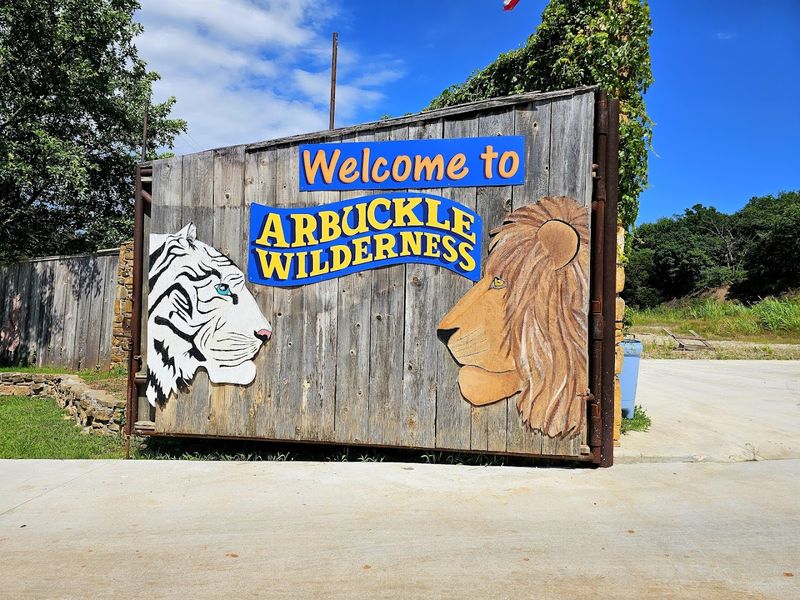
Arbuckle Wilderness has been operating for decades, and longtime Oklahoma residents have a particular fondness for it that goes beyond a simple tourist attraction. For many families, it is a place they first visited as children and now bring their own kids to experience.
Back in the 1990s, the park had additional attractions including go-karts and a Wild West Town area that added an entertainment park dimension to the animal experience. Those features are no longer operating, and some visitors who remember them feel their absence.
The core drive-thru safari has remained the heart of the park throughout its history, and that element has held up well enough to keep drawing visitors year after year. Some families have made it an annual tradition, returning each season to see familiar animals and introduce new family members to the experience.
There is something quietly enduring about a place like this in an era dominated by polished, high-tech attractions. It operates on a simpler premise: animals, open land, and the basic human joy of getting unexpectedly close to something wild and beautiful.
Final Thoughts: Is It Worth the Drive to Davis, Oklahoma
For anyone within a reasonable distance of Davis, Oklahoma, this park is the kind of stop that rewards a spontaneous decision. Multiple visitors have pulled off I-35 on a whim after seeing a roadside sign and walked away calling it one of the best unplanned stops they have ever made.
The experience is not perfect. The roads need attention, some of the enclosures could use improvements, and a few of the rarer animals are farther from the road than you might hope.
These are real and fair observations from people who have driven through.
That said, the core experience of driving through open land while zebras, bison, llamas, and donkeys crowd around your car is genuinely hard to replicate anywhere in the region. The white tiger alone is worth a slow roll past its enclosure.
Oklahoma has no shortage of natural wonders, but this one has a personality all its own. Whether you are on a family road trip, a solo drive, or just looking for something unexpected on a Tuesday afternoon, Arbuckle Wilderness delivers the kind of story worth telling long after you have washed the zebra slobber off your car.
Share this story