Your 50s are a golden window for travel — the kids are grown, the career is settled, and you finally have the wisdom to slow down and actually enjoy the journey. The best part?
You don’t need a massive budget to have incredible experiences. From scenic road trips to cozy coastal towns, there are more affordable adventures out there than most people realize.
Whether you’re a seasoned traveler or just starting to explore, these trips prove that the best years of travel are still very much ahead of you.
National Park Road Trip

Pull up a map of national parks and you’ll quickly realize you’re sitting on a goldmine of affordable adventure. A road trip through parks like Yellowstone, the Grand Canyon, or Zion gives you jaw-dropping scenery without the jaw-dropping price tag.
The America the Beautiful Senior Pass, available at age 62 — or the regular annual pass — can save you hundreds of dollars in entry fees alone.
You set the pace entirely. Sleep in at a cozy park lodge, wake up to elk grazing outside your window, or spend a lazy afternoon watching geysers do their thing.
Short, well-marked trails mean you stay active without pushing your body too hard. Many parks have accessible paths that make the experience comfortable for all fitness levels.
Campgrounds and budget cabins keep accommodation costs low, and cooking your own meals adds to the savings. Wildlife spotting, scenic drives, and stargazing are all completely free.
Road trips also cut out expensive flights, giving you more money to spend on experiences. Few trips offer this much variety, flexibility, and value rolled into one unforgettable adventure.
Coastal Slow Travel Getaway
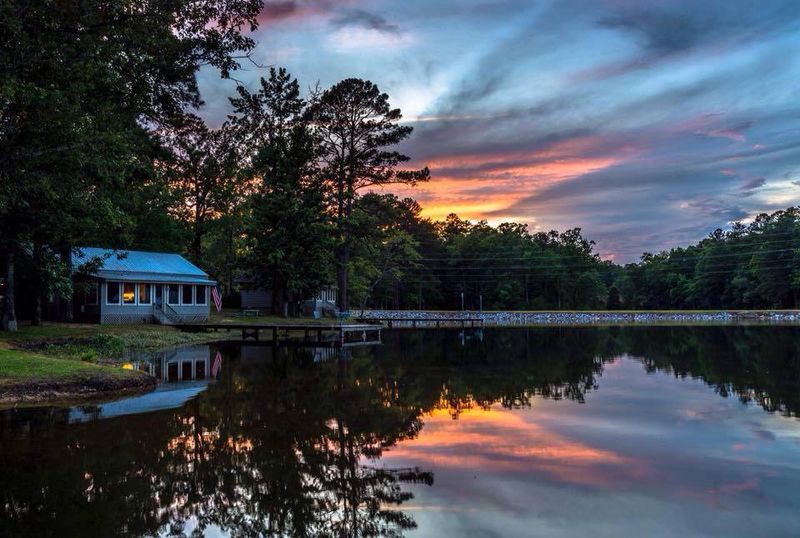
There’s something quietly magical about waking up in a small coastal town with nowhere urgent to be. Destinations like Porto in Portugal, Hvar in Croatia, or Sayulita in Mexico offer stunning scenery at prices that won’t make your bank account flinch.
Renting a local apartment for a week or two is almost always cheaper than booking hotel nights, and it instantly makes you feel like a resident rather than a tourist.
Your days can look however you want them to. Morning walks along the waterfront, fresh seafood at a market stall, afternoon coffee at a sun-drenched café — this is the rhythm that your 50s were made for.
You’re not rushing to tick off attractions; you’re actually absorbing a place.
Slow travel also reduces costs in ways people don’t always expect. You shop locally, cook occasionally, and skip the expensive tourist traps that package tours push you toward.
Shoulder season — spring or fall — drops prices even further while keeping the weather pleasant. A coastal slow travel getaway isn’t just a trip; it’s a genuine reset that reminds you what enjoying life actually feels like.
Scenic Train Journey
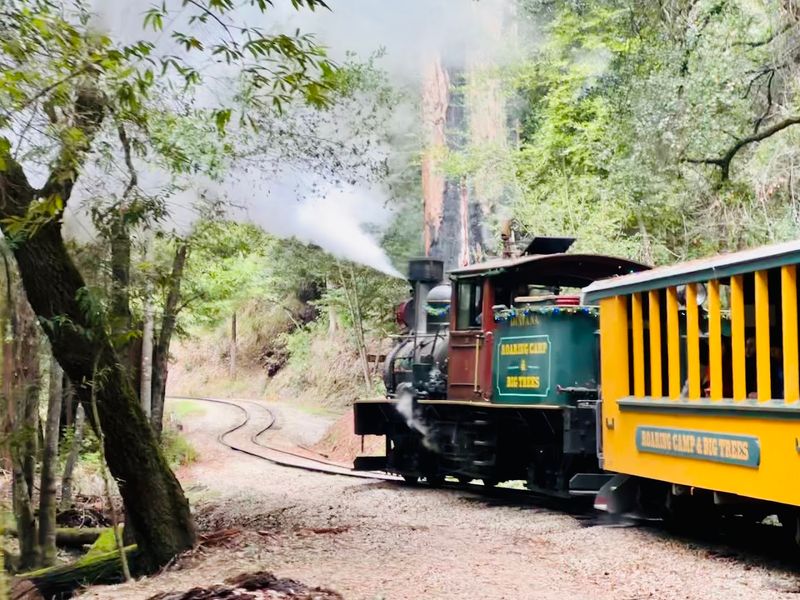
Forget white-knuckle highway driving — some of the world’s best views are best seen from a comfortable train seat with a coffee in hand. Scenic rail routes like the Glacier Express in Switzerland, the Rocky Mountaineer in Canada, or the Bernina Express deliver landscapes so stunning that the journey itself becomes the destination.
You don’t need a rental car, GPS stress, or a parking nightmare.
Rail passes in Europe, like the Eurail Pass, offer excellent value when booked in advance, especially for travelers planning multiple stops. Early booking discounts can slash ticket prices significantly.
Train stations drop you right into city centers, meaning you spend less on taxis and transfers once you arrive — a saving that quietly adds up over a multi-city trip.
There’s also something deeply relaxing about train travel that other transport simply can’t match. You can read, nap, people-watch, or strike up a conversation with a fellow traveler.
Your luggage stays with you, security lines are minimal, and the whole experience feels civilized rather than chaotic. For travelers in their 50s who want scenery, comfort, and affordability wrapped in one ticket, a scenic train journey delivers every single time.
Cultural City Break in Eastern Europe
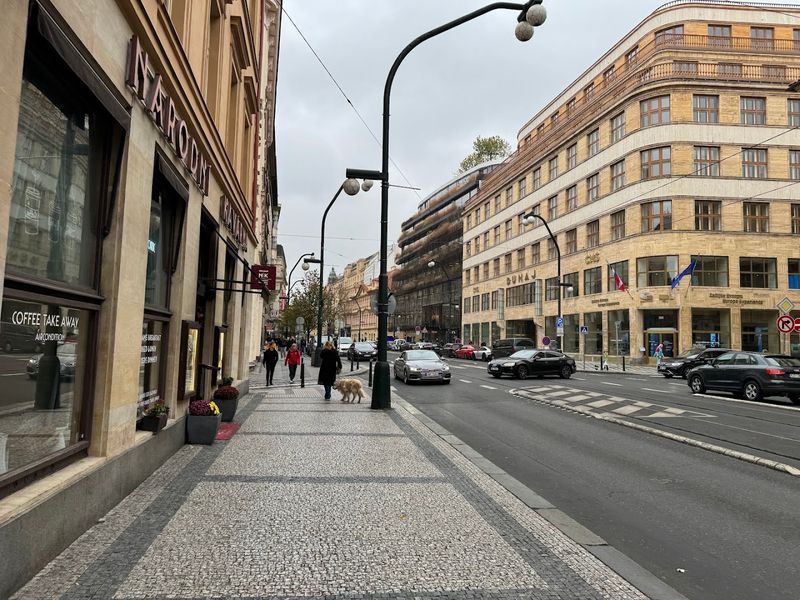
Budapest will absolutely spoil you — thermal baths, ruin bars, grand parliament buildings, and some of the best goulash you’ll ever taste, all at prices that feel almost suspiciously low compared to Paris or Amsterdam. Eastern European cities like Kraków, Sofia, and Tallinn offer equally rich cultural experiences for a fraction of Western Europe’s cost.
Your euros, dollars, or pounds simply stretch much further here.
Accommodation in these cities ranges from charming boutique guesthouses to well-rated budget hotels, often in beautifully restored historic buildings. Many top museums and galleries charge minimal entry fees or are free on certain days.
Walking tours — often pay-what-you-wish — give you brilliant local insight without the hefty price tag of organized group tours.
The food scene alone is worth the trip. Local restaurants serve hearty, traditional meals for prices that feel like a happy accident.
Markets overflow with fresh produce, street food, and local crafts that make for meaningful souvenirs. These cities are also compact and walkable, so transportation costs stay minimal.
For culture-hungry travelers in their 50s who want history, flavor, and great value, Eastern Europe is practically unbeatable.
Small-Ship or Budget Cruise
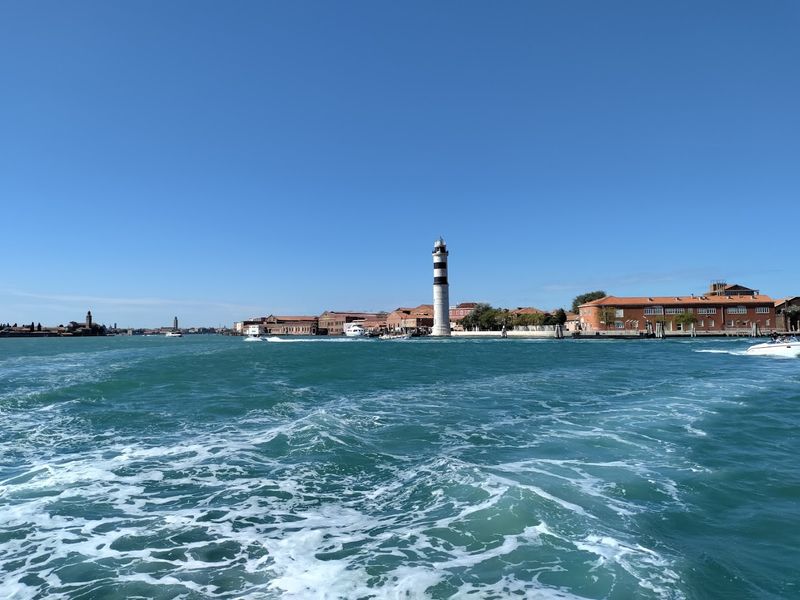
Cruises have a reputation for being lavish, but the budget end of the cruise market tells a very different — and very appealing — story. Small-ship and regional cruises, particularly in the Mediterranean, Baltic, or Caribbean, regularly offer off-season deals that include meals, accommodation, and entertainment for one surprisingly manageable price.
When you break it down per day, the value is genuinely hard to beat.
Smaller ships are a particularly smart choice for travelers in their 50s. They visit ports that giant mega-ships can’t access, meaning you get charming fishing villages and hidden harbors instead of crowded tourist docks.
The onboard atmosphere tends to be quieter, more relaxed, and far less chaotic than the floating resort experience people sometimes dread.
Booking during shoulder season — think May, October, or early November — can cut prices dramatically while still delivering lovely weather. Many cruise lines also offer last-minute deals that reward flexible travelers.
Once onboard, your biggest daily decision is whether to explore the port or enjoy the deck. For anyone in their 50s who loves variety, convenience, and the gentle rhythm of waking up somewhere new every morning, a small-ship cruise is a brilliant option.
Wine Region Exploration
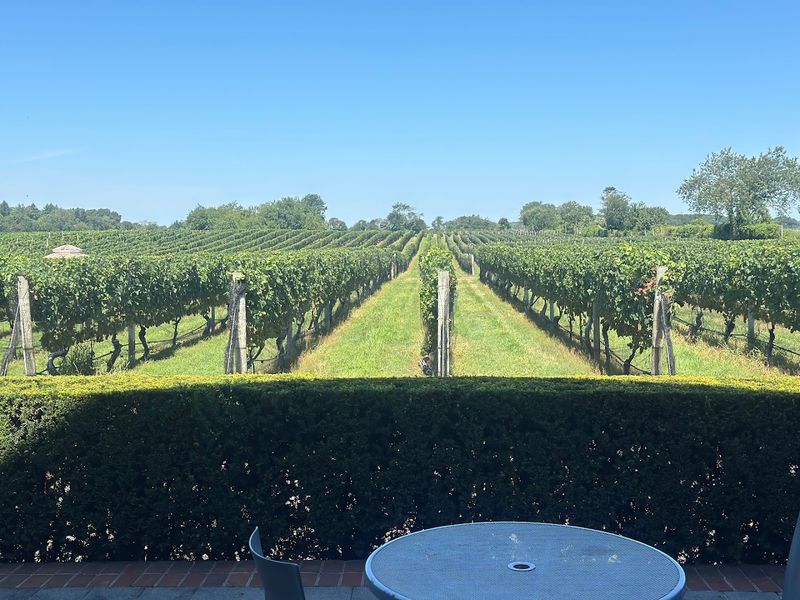
Rolling hills, golden light filtering through vine leaves, and a glass of something excellent in your hand — wine region travel hits differently when you’re not in a rush. Tuscany is the obvious dream, but regions like the Douro Valley in Portugal, Alsace in France, or even the Willamette Valley in Oregon offer equally gorgeous landscapes at lower price points.
The countryside is always cheaper than the city, and wine regions tend to be gloriously peaceful.
Most wineries offer tasting sessions for just a few euros or dollars, and some include tours of the cellar or vineyard. Countryside guesthouses and agriturismos — farm-stay accommodations — are often incredibly affordable and wildly charming.
Waking up surrounded by vines with a home-cooked breakfast waiting for you is one of life’s genuinely underrated pleasures.
The pace of a wine region trip suits your 50s beautifully. There’s no rushing between landmarks or checking boxes on a tourist list.
You wander, you taste, you eat well, and you sit outside until the light goes golden. Local markets, medieval hill towns, and scenic cycling routes add variety without adding stress.
It’s the kind of travel that feels like a full exhale.
Volunteer Travel Experience
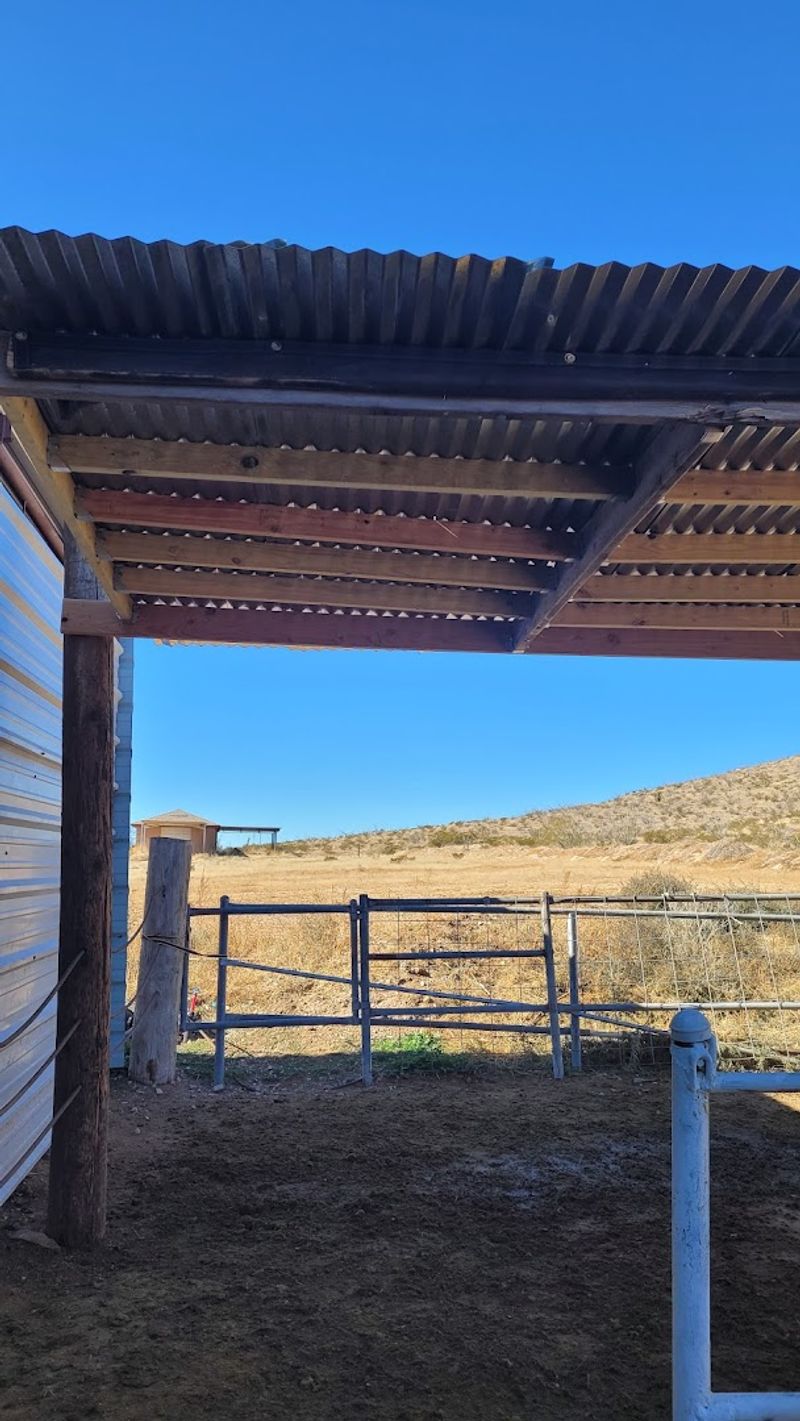
Somewhere between a vacation and a calling, volunteer travel is one of the most rewarding ways to see the world — and it often costs far less than a standard holiday. Many programs include accommodation and meals as part of the package, which dramatically cuts your overall expenses.
You trade a portion of your time for a bed, food, and an experience that no five-star hotel can replicate.
Options range widely: marine conservation in Costa Rica, community building in Nepal, wildlife rehabilitation in South Africa, or teaching English in Southeast Asia. The variety means you can find a program that genuinely excites you rather than settling for something generic.
Reputable organizations like Workaway, WWOOF, or established NGO volunteer programs make it easy to find legitimate, well-run placements.
What makes volunteer travel particularly powerful in your 50s is the perspective it brings. You’ve spent decades building skills — organizational ability, patience, problem-solving — and suddenly those skills matter in a completely new context.
The connections you make with local communities and fellow volunteers tend to be unusually genuine. You go home with stories that aren’t just about beautiful places, but about meaningful moments that quietly change how you see the world.
Island Hopping on a Budget
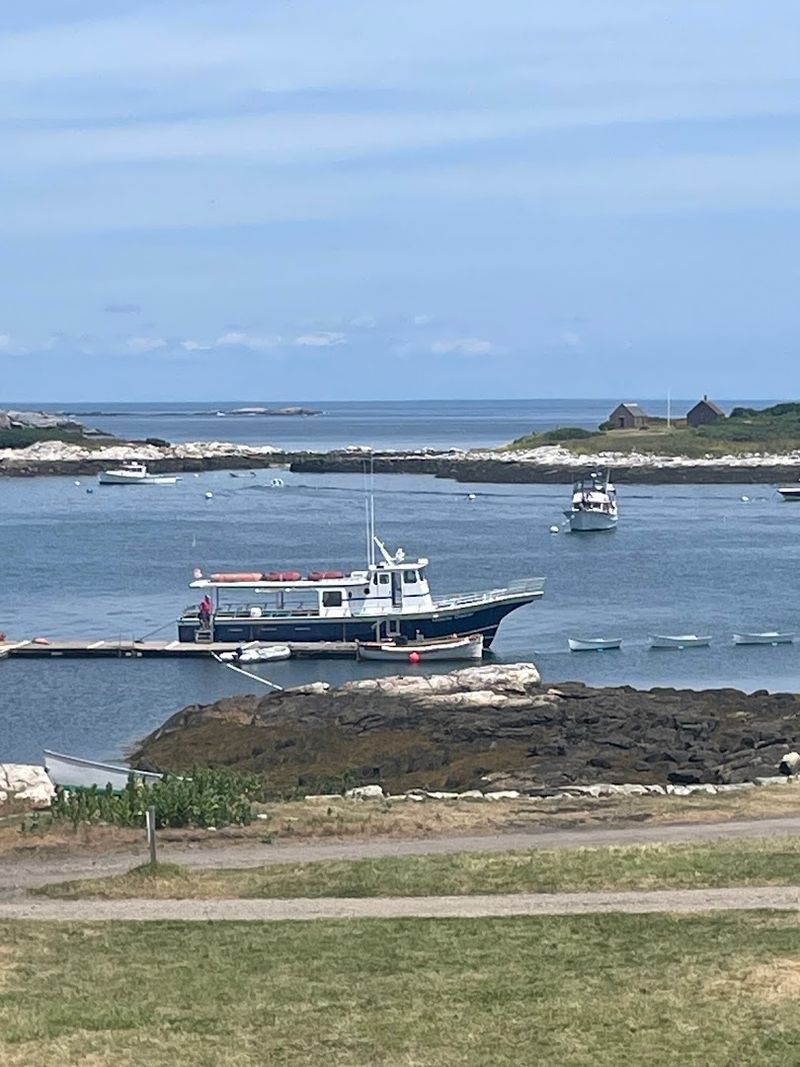
Here’s a travel secret that seasoned explorers already know: the lesser-known islands are almost always better than the famous ones. While Santorini and Mykonos charge premium prices for everything from coffee to a sunbed, islands like Naxos, Milos, or Ikaria in Greece offer the same sparkling Aegean magic at a fraction of the cost.
The same principle applies in Thailand, Croatia, and the Philippines — go slightly off the beaten path and your budget goes much further.
Budget ferry systems connect most island chains affordably and efficiently. In Greece, a ferry ticket between islands often costs less than a city bus fare in major European capitals.
In Thailand, longtail boats and local ferries keep island-hopping accessible and genuinely fun. Accommodation on smaller islands skews toward family-run guesthouses rather than international hotel chains, which means better prices and far more character.
Island hopping suits the 50s traveler well because it combines relaxation with gentle exploration. You’re not locked into one resort or one beach.
Each island has its own personality — different food, different architecture, different vibe. You can spend two nights somewhere quiet, then catch a ferry to somewhere livelier.
It’s flexible, affordable, and endlessly enjoyable.
Mountain Retreat or Wellness Escape
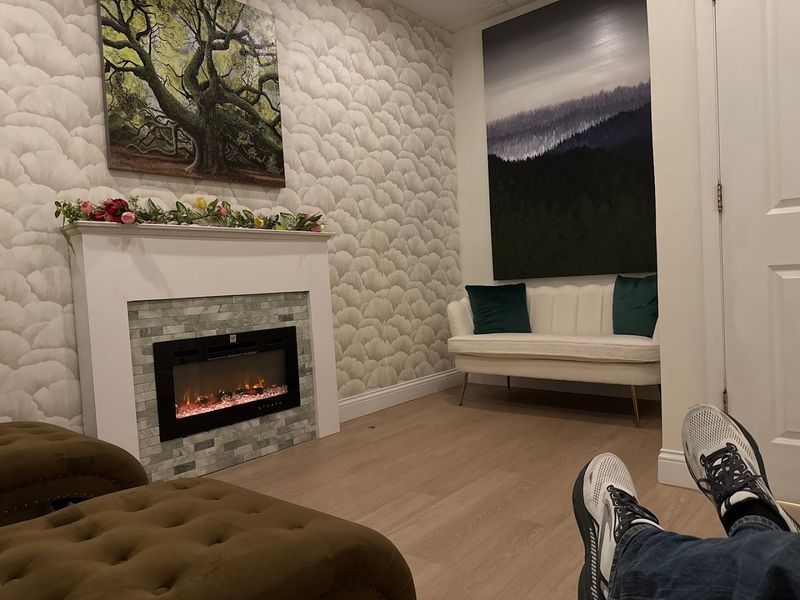
There’s a particular kind of quiet you only find in the mountains — the sort that makes your shoulders drop about three inches the moment you step outside. A mountain retreat doesn’t require a luxury resort budget to deliver that feeling.
Guesthouses and self-catering cabins in the Appalachians, the Balkans, or the Pyrenees can be remarkably affordable, especially if you book outside the peak ski season when rates fall and crowds disappear.
Wellness retreats have also become much more accessible in recent years. Budget-friendly yoga and meditation centers operate across destinations like Bali, Portugal’s Alentejo region, and the Austrian Alps.
Some offer work-exchange programs, while others simply keep prices reasonable by staying small and locally run. A few days of guided yoga, forest walks, and good food can do more for your wellbeing than a month of scrolling wellness content online.
Physical activity in the mountains doesn’t have to mean extreme hiking. Gentle trails through pine forests, morning stretches on a cabin deck, and afternoon soaks in a local thermal pool all count.
Your body will thank you for the movement, the fresh air, and the elevation. Mountains have a way of making everything else feel smaller — in the best possible way.
Microadventure Close to Home
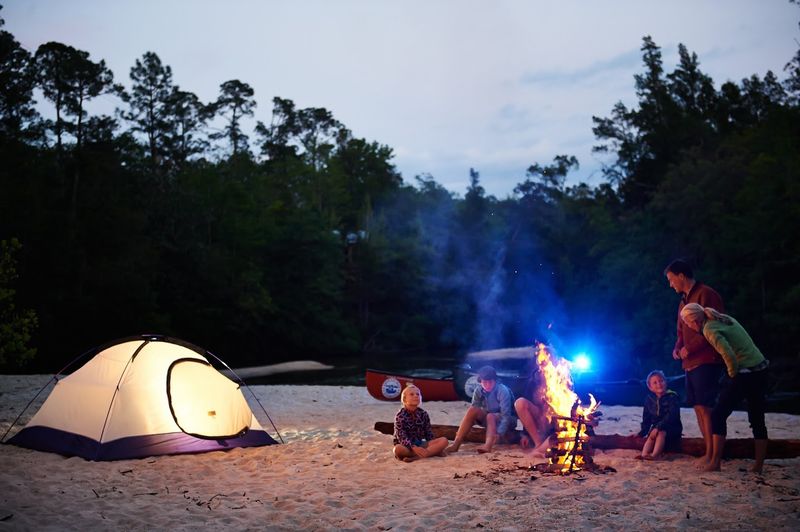
Not all great adventures require a passport, a long-haul flight, or a savings account dent. The microadventure concept — coined by British adventurer Alastair Humphreys — is built on a beautifully simple idea: extraordinary experiences are available just outside your front door, if you’re willing to look for them.
A weekend camping trip, an overnight hike, a cycling route through nearby countryside, or even exploring a town two hours away can genuinely scratch the travel itch.
The practical advantages are hard to argue with. No expensive flights, no jet lag, no lengthy planning process, and no stress about lost luggage.
You can decide on Friday and leave Saturday morning. That kind of spontaneity is surprisingly rare in travel and surprisingly refreshing when you rediscover it.
Microadventures are also easy to repeat, meaning your travel life stays active throughout the year rather than being limited to one big annual trip.
There’s also something genuinely eye-opening about exploring your own region with fresh curiosity. Most people dramatically underestimate what’s nearby.
A local waterfall, a historic market town, a coastal path you’ve driven past a hundred times — seen properly, these places have real magic. Your 50s are a great time to stop overlooking what’s already close and start actually experiencing it.
Share this story