Some towns keep people for reasons that go well beyond pretty views. A railroad arrival in one decade, a college boom in another, a harbor economy, a farming tradition, or a festival that still shuts down the main street can shape local loyalty for generations.
That is what makes these places interesting: they are not just attractive on paper, they have built habits, institutions, and identities that quietly persuade people to stay put. Keep reading and you will see how geography, history, and community memory turn a hometown into a place residents leave briefly, talk about constantly, and often choose again.
1. Bozeman, Montana
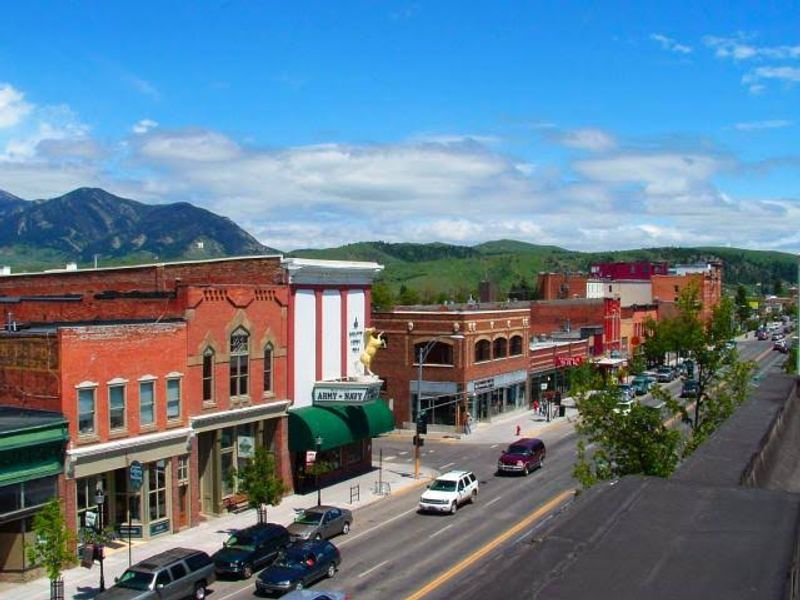
Bozeman makes its case with a handshake between frontier history and modern trail culture. Founded as a supply stop in the 1860s and later shaped by ranching, rail links, and Montana State University, it developed a local identity that prizes both practical work and open-air freedom.
You can still trace that balance in everyday life. Winter revolves around Bridger Bowl and nearby Big Sky, summer leans toward hiking and fishing, and longtime families often know the valleys the way other people know neighborhoods.
The place has changed, especially as remote workers and new businesses arrived, yet the basic rhythm remains stubbornly local. Residents stay because the mountains are not just scenery here, they structure calendars, friendships, and family traditions, and once your year is built around that pattern, moving away can feel like changing your native language.
2. Traverse City, Michigan
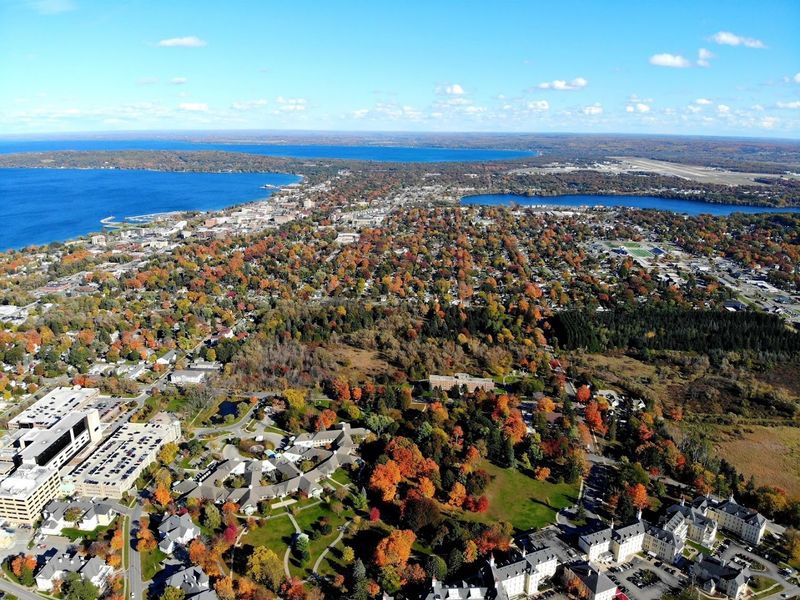
Traverse City has a habit of sending people away and then politely waiting for their return. Long known for cherry production, shipping, and a strategic position on Grand Traverse Bay, it built a regional identity around agriculture, freshwater recreation, and a downtown that never fully surrendered its local character.
The National Cherry Festival helped turn that identity into civic theater. Generations grew up measuring summer by orchard work, beach days, and familiar storefronts, while nearby vineyards and food businesses later added a newer layer without erasing the older one.
You can leave for college or a bigger job, but the pull is surprisingly organized. Family cabins, school friendships, and a manageable scale make it easy to imagine raising children there, and Lake Michigan provides the sort of daily reference point that stays with people long after they move to places with more lanes, noise, and stress.
3. Burlington, Vermont
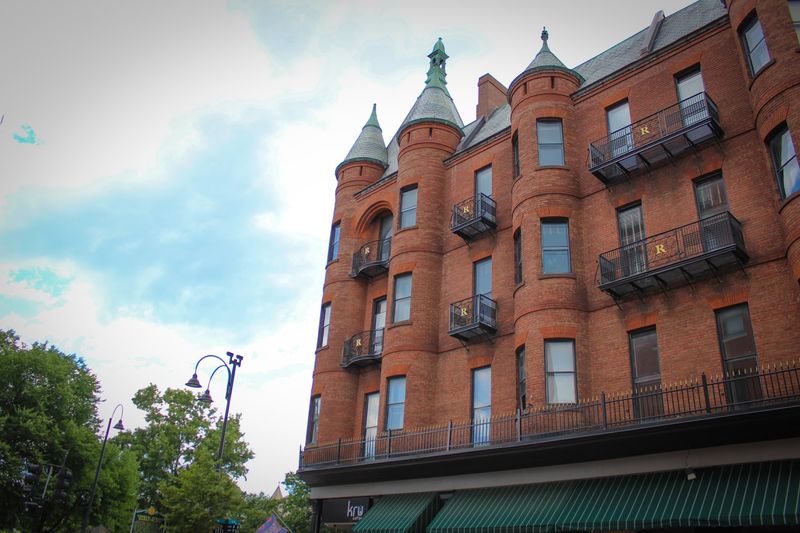
Burlington keeps things interesting by mixing civic seriousness with a touch of flannel-era independence. Its growth as a lake port, lumber center, and later university city gave it a compact but layered identity, where commerce, education, and reform-minded politics all left visible marks.
Church Street became a symbol of that local confidence when downtown pedestrian planning arrived before many cities took the idea seriously. Add Lake Champlain, neighborhood co-ops, and one of the country’s stronger local food cultures, and daily life starts to feel less generic than it does in larger metros.
Residents often stay because the place rewards participation. You can bike to errands, see familiar faces at markets, argue about town issues with people who actually vote, and still reach trails or water quickly, so Burlington manages a rare trick: it feels small enough to matter and active enough that staying never feels like settling.
4. Charleston, South Carolina
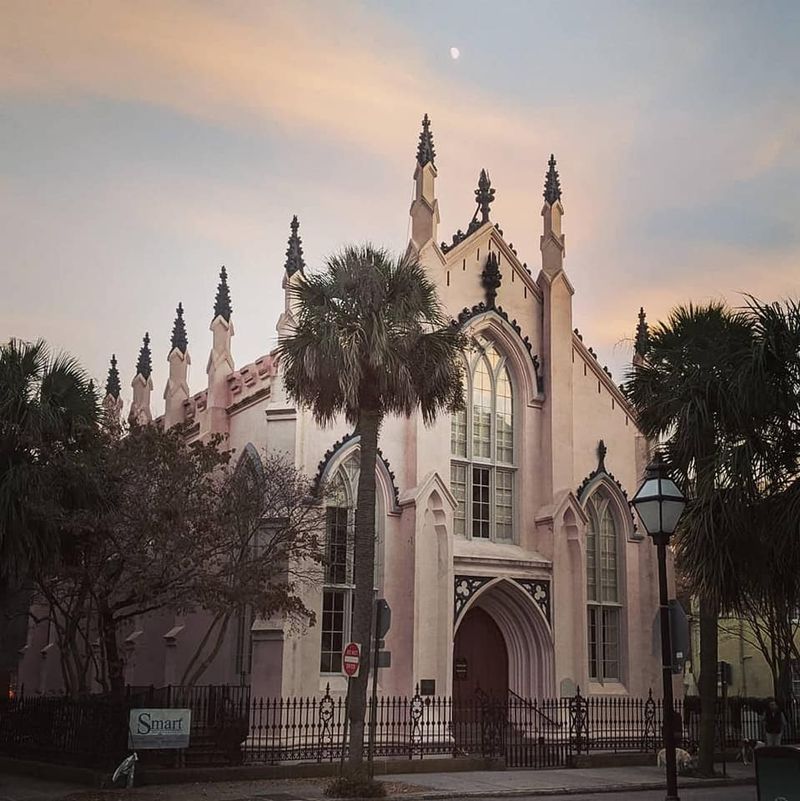
Charleston does not need to chase identity because it has been collecting it since the colonial period. Founded in 1670, shaped by Atlantic trade, port commerce, and a famously preserved historic core, the city built a civic memory that reaches from architecture to family names to neighborhood customs.
Preservation became a local practice early in the twentieth century, long before many American cities treated old buildings as assets instead of obstacles. That decision helped protect streetscapes, markets, and houses that keep daily life tied to the city’s past rather than forcing it into a fully interchangeable coastal script.
You can see why families remain for generations. Churches, schools, food traditions, and social networks overlap in durable ways, and even as tourism and growth reshape parts of the city, locals often stay because Charleston still offers something more binding than beauty: an inherited sense that the place remembers who you are.
5. Duluth, Minnesota
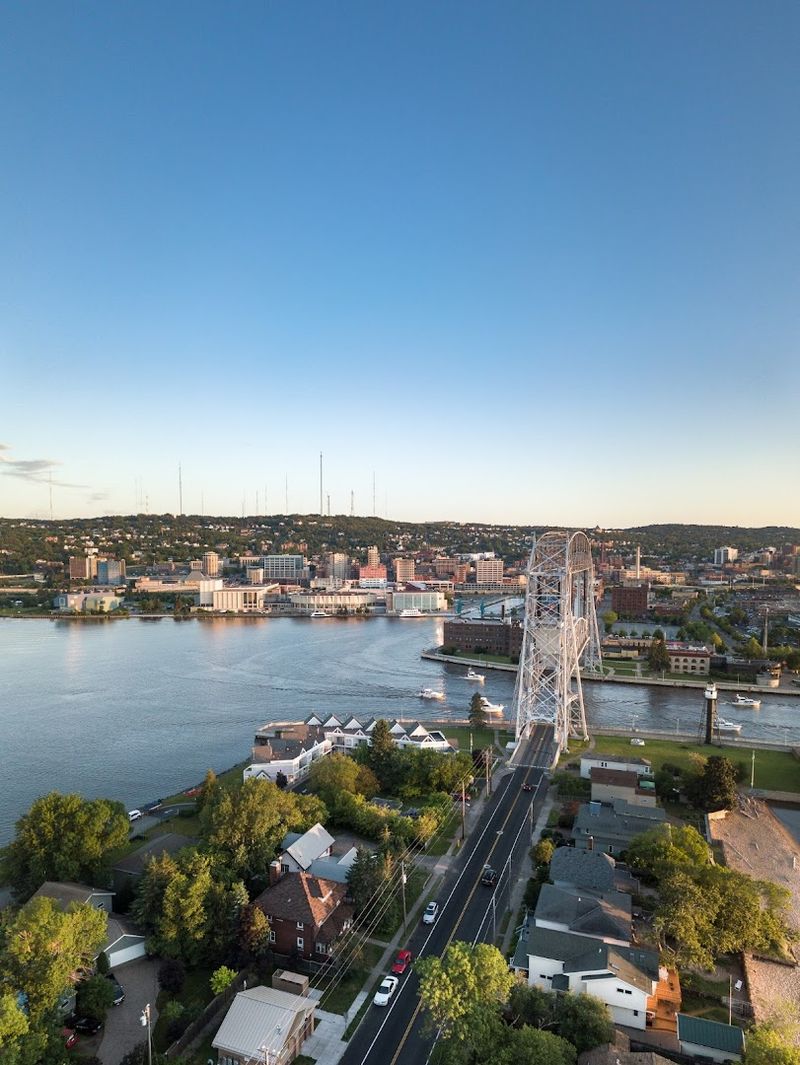
Duluth wins loyalty through grit, geography, and the kind of local pride that does not waste words. Built on shipping, ore, timber, and railroads, it became one of the great inland port cities, with Lake Superior shaping both the economy and the city’s practical temperament.
That history still matters because the landscape keeps it visible. Hills, working harbor views, old industrial structures, and neighborhoods connected by weather-tested routines create a place where people tend to value competence, community, and the ability to enjoy winter without delivering a speech about it.
Residents stay for reasons that are less flashy than convincing. Housing has long been more attainable than in many scenic cities, outdoor access is immediate, and local traditions from hockey to cabin weekends reinforce a shared rhythm, so once Duluth becomes your baseline for how a city should function, many other places start to look overly crowded and needlessly complicated.
6. Asheville, North Carolina
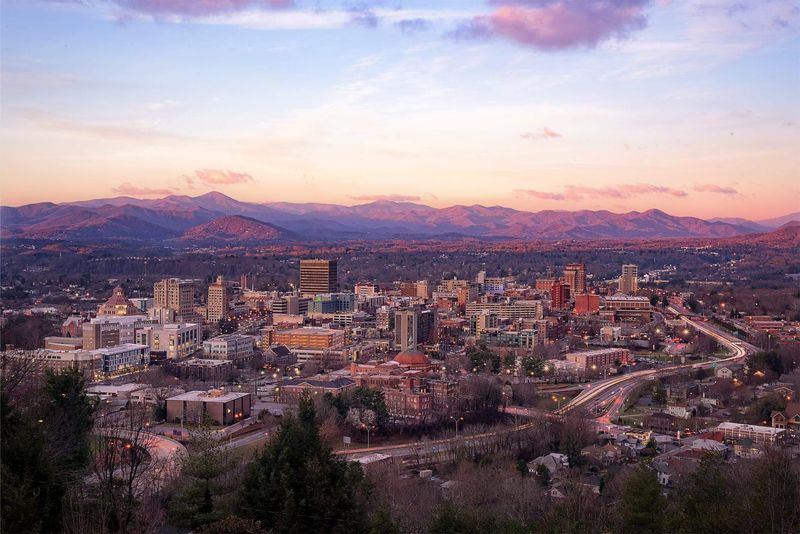
Asheville built its staying power by refusing to act like only one kind of town. Railroad expansion, mountain tourism, health retreats, and later a strong arts revival all shaped the city, giving it a history that blends Appalachian tradition with a persistent taste for reinvention.
The downtown Art Deco buildings are not decorative trivia. They mark a period when Asheville saw itself as ambitious and culturally distinct, and that attitude survives in galleries, music venues, local food businesses, and craft traditions that keep the city from flattening into a generic scenic destination.
You can understand why residents get attached. The Blue Ridge setting offers easy access to hiking and river days, but the deeper pull is social rather than picturesque: people build networks through studios, markets, festivals, and neighborhood institutions, and over time Asheville becomes the sort of place where your hobbies, your friends, and your sense of home all end up sharing the same zip code.
7. Holland, Michigan
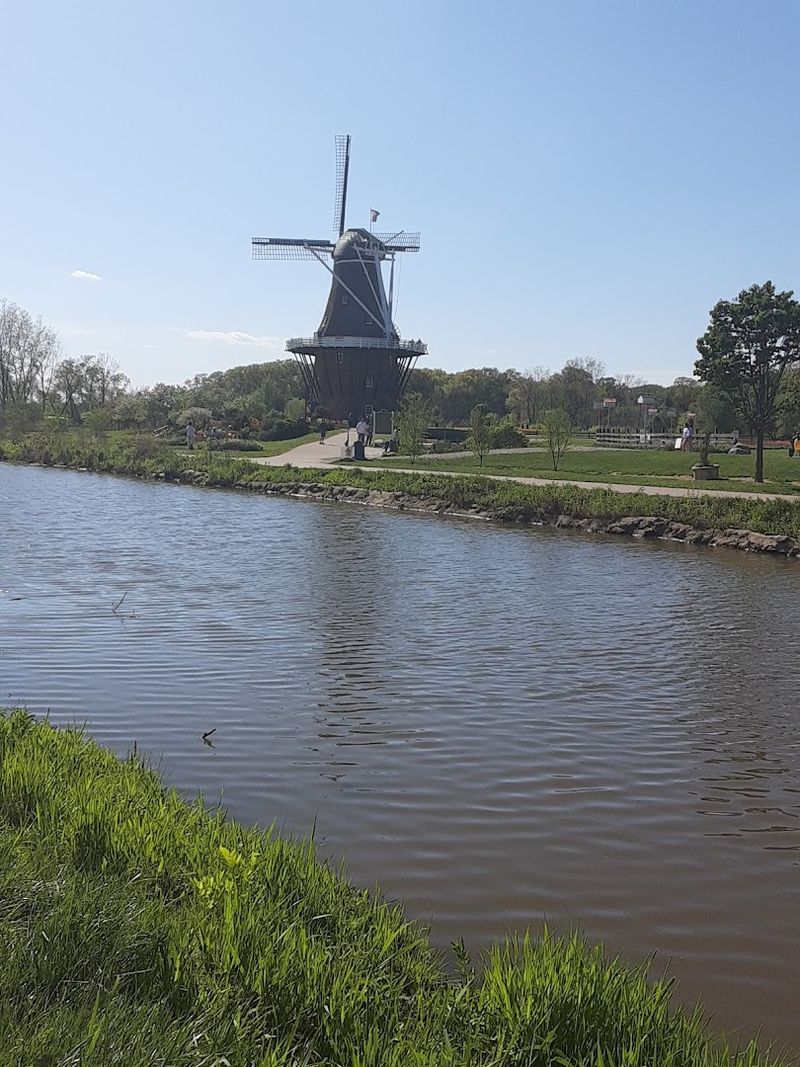
Holland makes permanence look organized, which is fitting for a town shaped by Dutch settlement and disciplined community building. Founded in 1847 by immigrants seeking religious autonomy, it developed churches, schools, businesses, and civic traditions that tied daily life tightly to shared heritage.
The Tulip Time festival is the headline, but it is not the whole story. Dutch Reformed institutions, family-owned companies, neighborhood routines, and Lake Michigan recreation created a local culture where tradition and practical prosperity reinforced each other rather than competing for attention.
That combination helps explain why many residents stay close. You grow up with familiar seasonal markers, strong intergenerational networks, and a town that still treats local identity as something to maintain instead of market, so even when people leave for school or work, Holland often remains the default picture of how community should operate, celebrate, and look after its own.
8. Flagstaff, Arizona
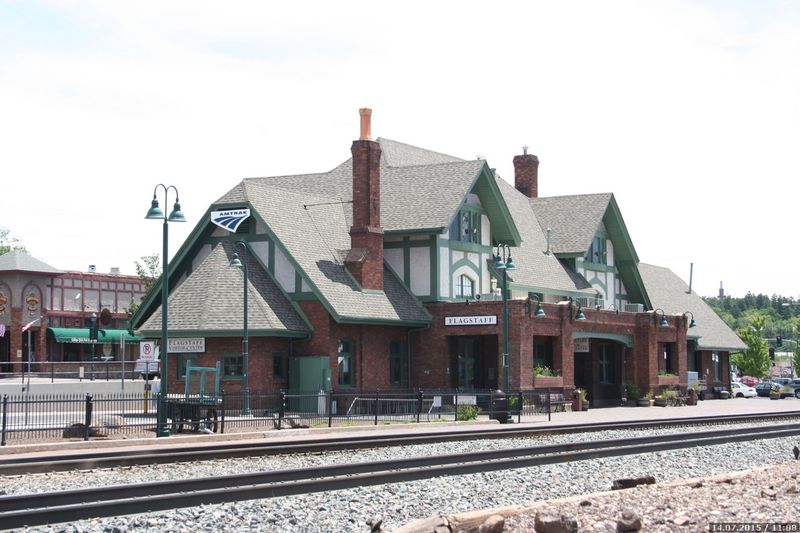
Flagstaff surprises newcomers by being Arizona with a sweater. Its history runs through railroad expansion, Route 66 traffic, ranching, astronomy, and Northern Arizona University, which together created a mountain town identity that feels distinct from the desert image many people expect from the state.
The city’s elevation has always been part of the story, not just a weather detail. It made Flagstaff a practical stop, later a scientific hub with Lowell Observatory, and now a place where skiing, hiking, and forest access shape ordinary weekends rather than special occasions.
Locals tend to stay because the town is both useful and unusual. You get student energy, historic commercial streets, proximity to major landscapes, and a climate that encourages year-round outdoor habits, so Flagstaff often becomes more than a residence.
It becomes a rare compromise between work, recreation, and identity, and people are understandably reluctant to surrender that arrangement.
9. Madison, Wisconsin
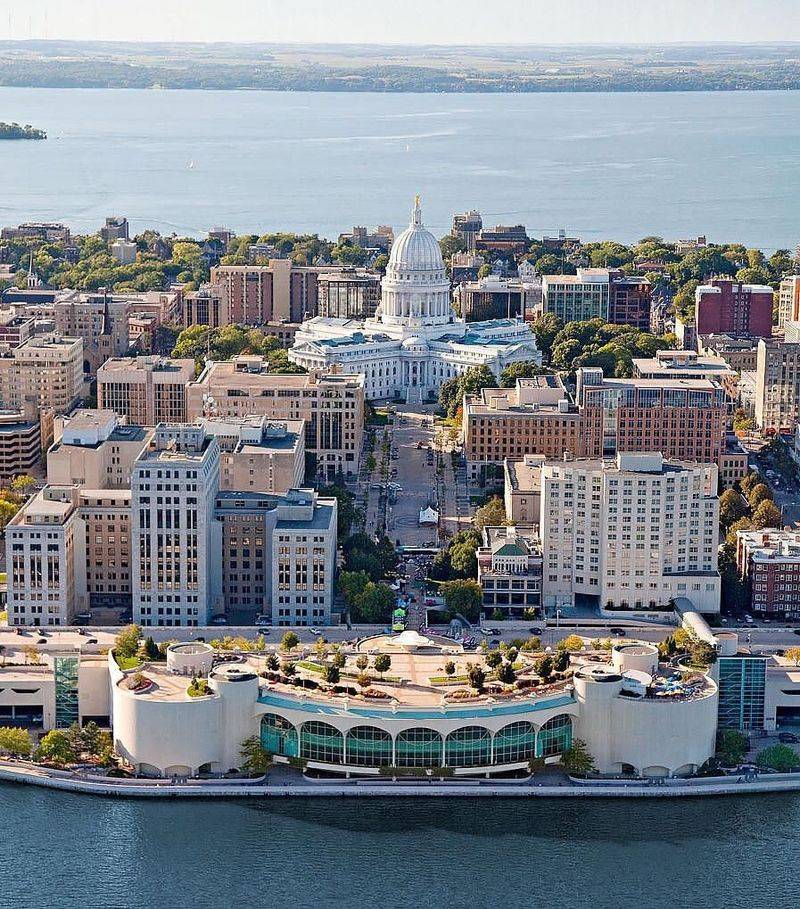
Madison keeps a remarkable number of former students on a long, unofficial extension program called adulthood. Planned as Wisconsin’s capital in the 1830s and later transformed by the University of Wisconsin, the city grew into a place where government, education, and neighborhood life overlap with unusual efficiency.
The isthmus geography gives the city a built-in identity. Lakes Mendota and Monona shape recreation, commuting, and land use, while the capitol square, farmers market, and bike network make public life feel active rather than theoretical.
People stay because Madison offers a civilized balance that is hard to duplicate. There is enough intellectual energy to keep conversation moving, enough green space and water to keep routines healthy, and enough local loyalty that neighborhoods feel like real communities, so what begins as a college stop often turns into a long-term choice made by people who realize they can have ambition without surrendering livability.
10. Bar Harbor, Maine
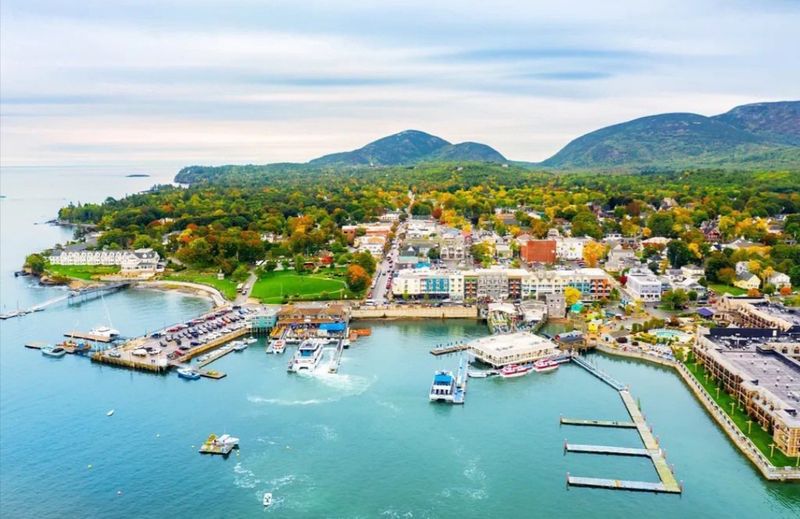
Bar Harbor has spent more than a century proving that scenic places can also be deeply habitual places. Once a fishing and shipbuilding community, it later became a summer destination for wealthy visitors, yet its identity remained tied to Mount Desert Island’s working rhythms and coastal practicality.
Acadia National Park strengthened that connection rather than replacing it. The park brought visitors and national attention, but it also preserved landscapes that locals use constantly, turning trails, shoreline access, and familiar views into everyday structure instead of occasional spectacle.
Residents stay because the town’s scale encourages recognition and responsibility. People know the seasonal cycles, know which businesses matter, and know how much community effort it takes to maintain a place that is both visited and lived in, so Bar Harbor often inspires a protective loyalty that goes beyond postcard appeal and settles into something sturdier: attachment built from routine, memory, and shared upkeep.
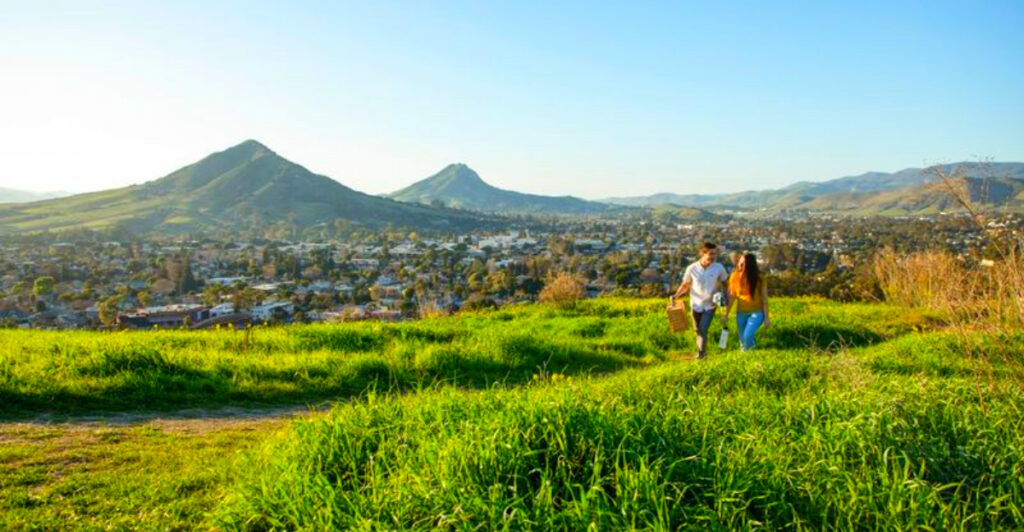
11. San Luis Obispo, California
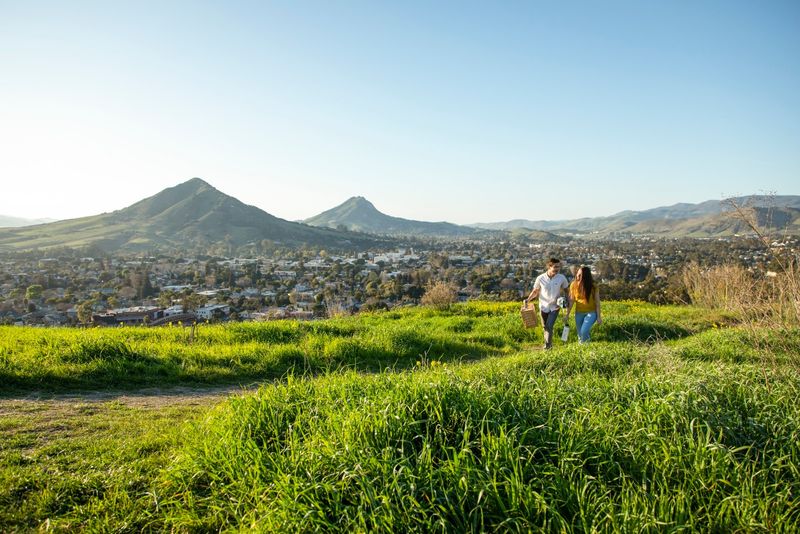
San Luis Obispo has the unnerving habit of making ordinary errands feel well planned. Established around Mission San Luis Obispo de Tolosa in 1772 and later shaped by ranching, rail connections, and California Polytechnic State University, the city developed with a steadier rhythm than many fast-expanding California communities.
That history shows in its compact downtown, civic pride, and persistent emphasis on local quality of life. The Thursday farmers market, preserved core, and easy access to coast and hills create a practical version of the California dream that relies less on spectacle and more on routines people can actually sustain.
Locals stay because the city solves several problems at once. It offers mild weather, a manageable scale, strong schools, and enough economic and cultural activity to keep people engaged, so many residents decide there is little point in trading a place that feels organized, attractive, and livable for a bigger market that may offer more options but far less ease.
12. Missoula, Montana
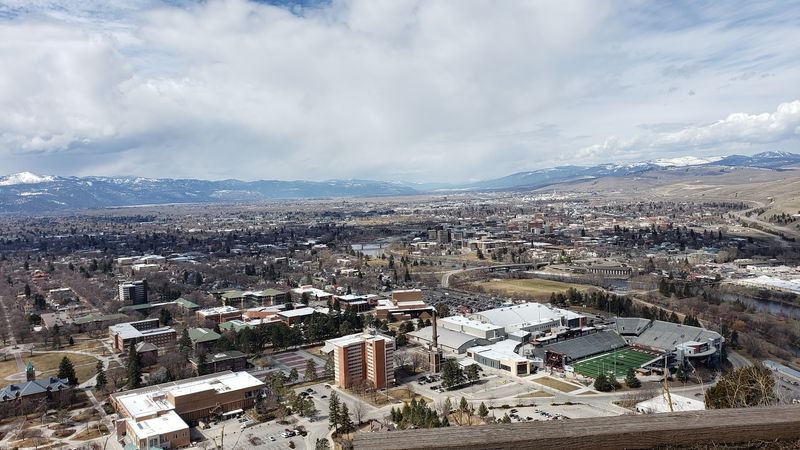
Missoula earns devotion by pairing river-town ease with a surprisingly robust civic brain. Its development through timber, railroads, and the University of Montana produced a city where outdoor access and intellectual life grew together instead of in separate corners.
The Clark Fork River is central to that identity, but so are bookstores, music venues, and local institutions that keep public life active. Missoula has long punched above its weight culturally, which helps explain why people who arrive for school, work, or a season outdoors often find reasons to keep renewing the lease.
You can stay engaged there without feeling overmanaged. Trails, floating, college sports, arts programming, and neighborhood routines fit into a daily pattern that is social but not frantic, and many residents come to value that balance so highly that leaving seems less like an upgrade and more like an exchange of one unusually coherent life for a collection of disconnected conveniences.
13. Fredericksburg, Texas
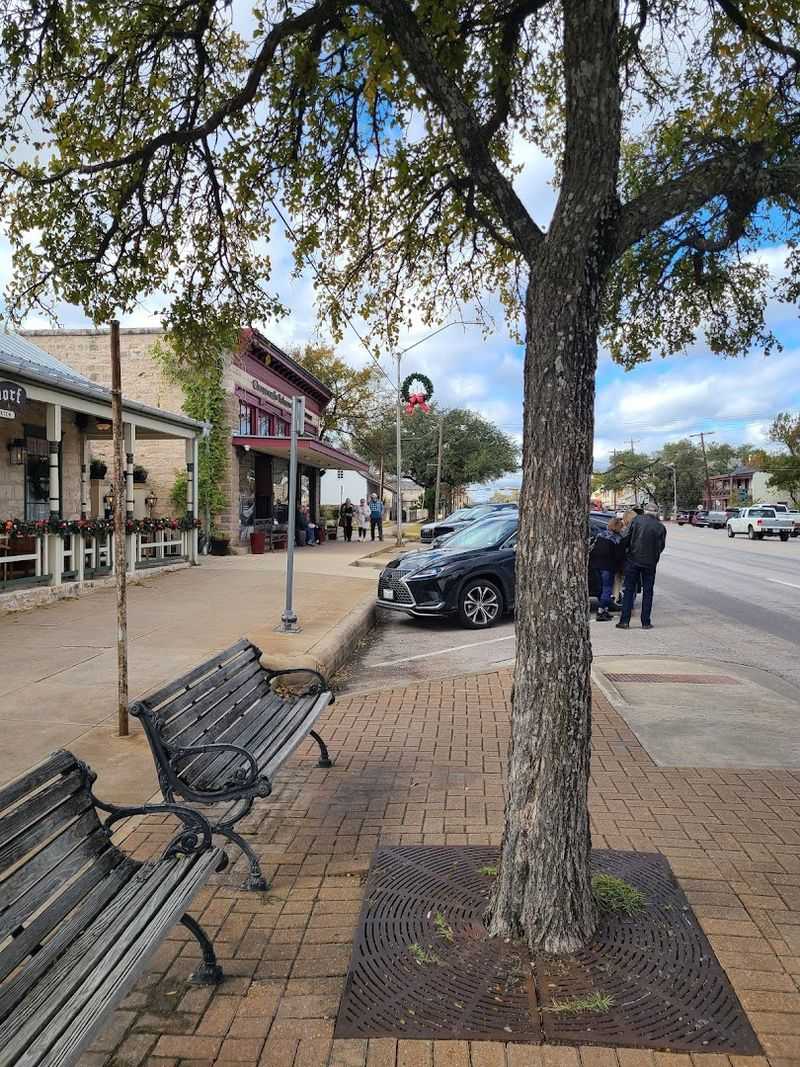
Fredericksburg holds on to people with a very specific trick: heritage that still functions in public life. Founded in 1846 by German immigrants in the Texas Hill Country, it preserved language patterns, architecture, food traditions, and civic customs that continue to shape the town’s personality.
Main Street and the Vereins Kirche story are not museum pieces for locals. They connect present-day business life, church communities, festivals, and family memory to a settlement history that remains unusually legible, even as tourism and wine-country attention have expanded the town’s audience.
Residents often stay because Fredericksburg gives them continuity without isolation. The surrounding ranchland and Hill Country landscape support a strong sense of place, while schools, local events, and multigenerational ties keep identity rooted in something more durable than weekend appeal, so the town becomes the kind of place where family stories, economic life, and civic tradition are still close enough to reinforce one another.
14. St. Augustine, Florida
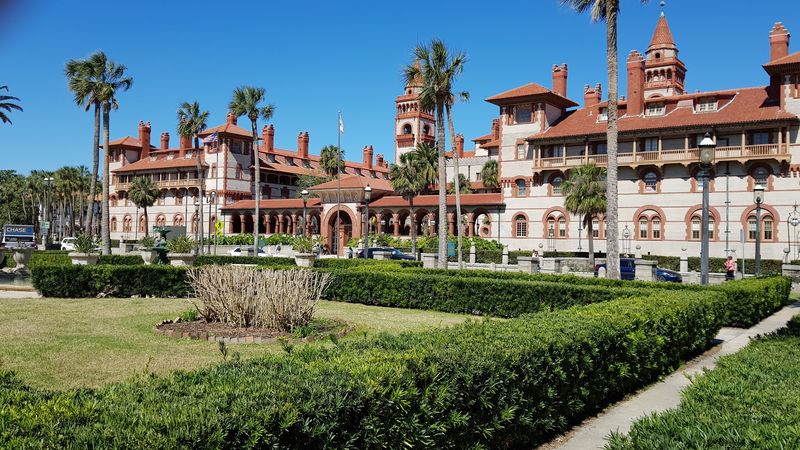
St. Augustine can casually mention that it was founded in 1565 and then continue with its day. That depth of history gives the city an unusual civic backbone, shaped by Spanish colonial planning, coastal trade, tourism, preservation, and a street pattern that still reflects centuries of adaptation.
The historic district is not just a visitor zone. For residents, it is part of daily orientation, a place where architecture, schools, churches, and waterfront habits keep the city’s long timeline visible without turning ordinary life into a costume performance.
People stay because the combination is hard to replace. You get ocean access, walkable history, local rituals, and a community identity that feels older than most American cities, which creates a strong sense of continuity.
Even as development and visitor traffic bring modern pressures, many locals remain attached because St. Augustine offers something rare: a hometown that can still tell you, in plain physical terms, how it became itself.
Share this story