Some stories are so powerful that no amount of time can silence them. Native American legends have been passed down for thousands of years, carrying wisdom, warnings, and wonder in every word.
They explain the world, teach values, and keep cultures alive across generations. From trickster ravens to sacred pipes, these 15 legends still shape how millions of people understand life, land, and community today.
Dreamcatcher (Ojibwe)
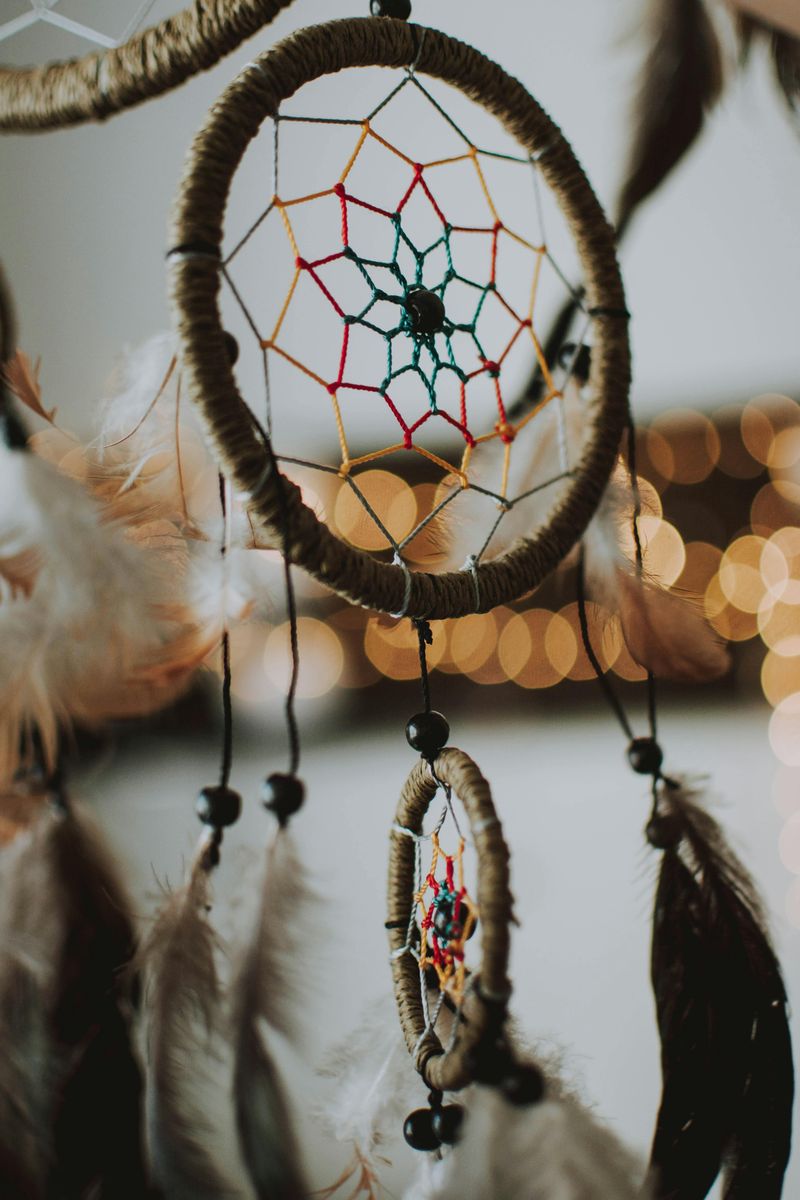
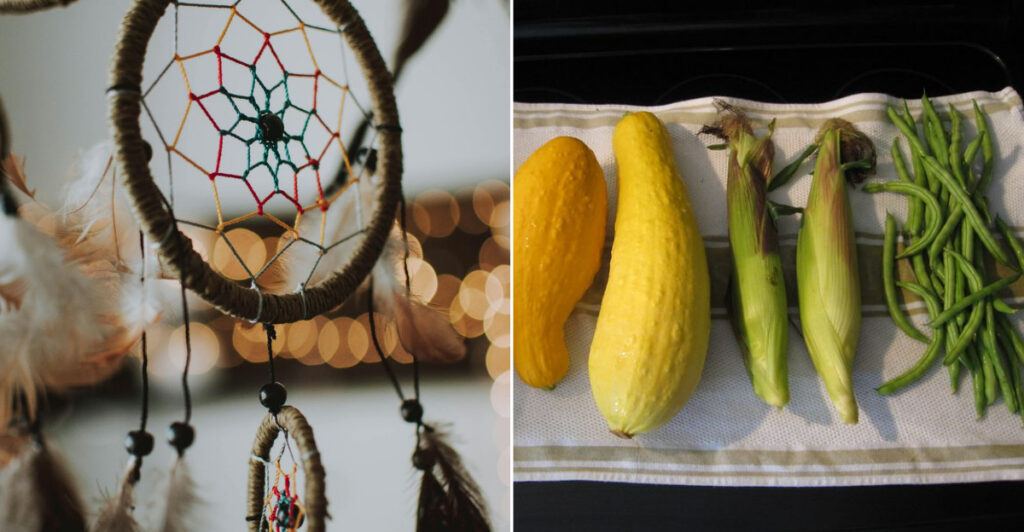
Not every legend comes with homework, but the dreamcatcher actually does. In Ojibwe tradition, Spider Woman, known as Asibikaashi, was the spiritual protector of her people.
As the nation grew and spread across the land, she needed help watching over every sleeping child.
So the dreamcatcher was born. Woven in a web pattern, it was hung above beds to catch harmful dreams before they could reach a sleeping child.
Good dreams slipped through the center hole and floated down the feathers safely.
I grew up thinking dreamcatchers were just cool wall decor. Learning the real story behind them completely changed how I saw them.
They are not decoration. They are devotion.
The Ojibwe people believed that protecting a child’s sleep was sacred work. That idea alone says everything about how deeply this tradition values community and care for its youngest members.
The Three Sisters (Iroquois/Haudenosaunee & Cherokee)
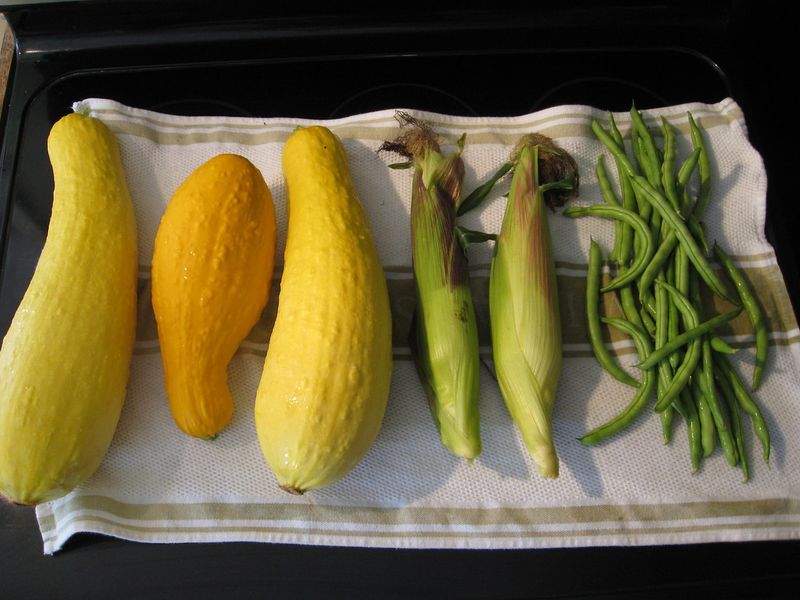
Corn, beans, and squash walk into a garden and absolutely nail the roommate situation. The Haudenosaunee people called these three crops the Three Sisters, and they were not just food sources.
They were family.
Corn grows tall and gives beans something to climb. Beans pull nitrogen into the soil, feeding their sisters.
Squash spreads wide, shading the ground and keeping weeds out. Together, they thrive in ways none of them could manage alone.
This legend is also a lesson wrapped in soil. The Three Sisters teach that cooperation produces more than competition ever could.
Haudenosaunee storytelling connects these plants to agriculture, community, and the responsibility people have to care for the earth that feeds them. Modern scientists have confirmed that this planting method, called companion planting, genuinely works.
Ancient wisdom and modern agriculture agree: these three sisters were always onto something brilliant.
How the Raven Stole the Sun (Tlingit & Haida)
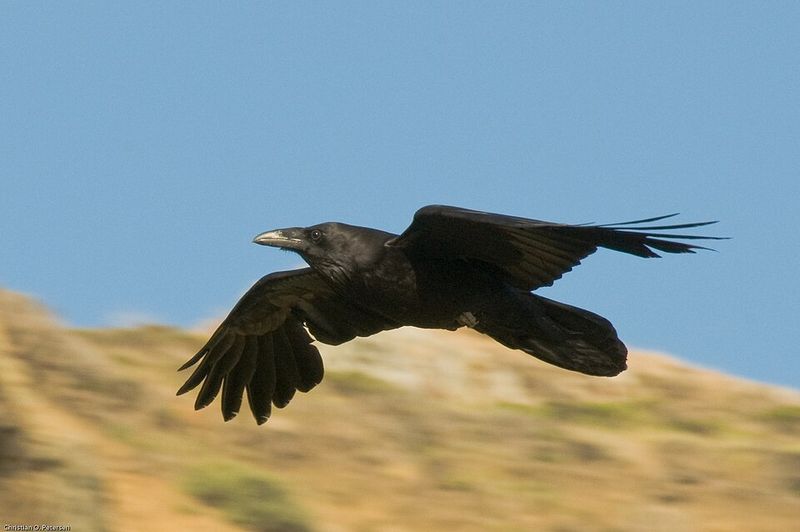
Before the sun existed in the sky, the world was completely dark, and one bird decided that was simply unacceptable. Raven, the legendary trickster of Tlingit and Haida tradition, hatched a plan so bold it literally lit up the world.
A powerful chief had locked the sun away, hoarding its light for himself. Raven, never one to respect a bad rule, used cleverness and shapeshifting to steal it back.
He released it into the sky, and just like that, the world had daylight.
Raven is not a typical hero. He is selfish, sneaky, and wildly entertaining.
But somehow his chaos always produces something good. This is the genius of the trickster archetype in Indigenous storytelling.
Raven reminds us that change often comes from unexpected places, and that the rules keeping people in darkness deserve to be broken. Pacific Northwest art is filled with Raven for very good reason.
Great Turtle Island (Lenape & Iroquois)

The earth did not just appear out of nowhere, at least not according to the Lenape and Iroquois. Their creation story starts with a woman falling from the sky and a group of animals who refused to let her sink.
Sky Woman tumbled through the heavens and landed on water. Animals gathered quickly.
A great turtle rose to the surface, offering its back as solid ground. Other animals dove deep to bring up mud, spreading it across the turtle’s shell until land formed.
That land became Turtle Island, which is what many Indigenous nations still call North America today.
What strikes me most about this story is how it centers community over conquest. No single hero saves the day.
Every animal contributes. The earth itself is built on cooperation and generosity.
That is a creation story worth knowing. Many Indigenous activists still use the name Turtle Island today as a reminder of whose land this truly is.
White Buffalo Woman (Lakota)
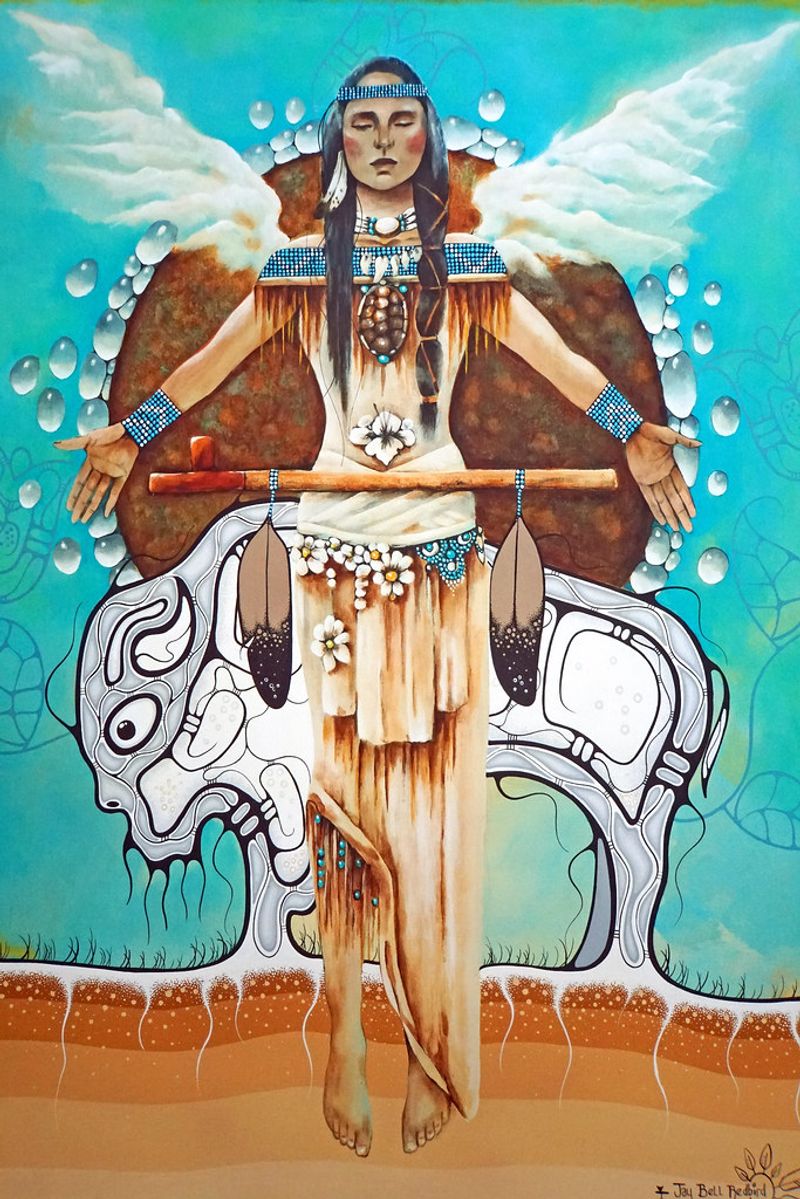
Few figures in any tradition carry the spiritual weight of White Buffalo Calf Woman. Known in Lakota as Ptesanwin, she appeared to two hunters long ago, carrying teachings that would shape Lakota spiritual life for generations.
One hunter approached her with disrespect and was immediately destroyed. The other listened, and she gave him the sacred pipe along with seven sacred rites.
These ceremonies became the foundation of Lakota spiritual practice, guiding how people pray, heal, and connect with the Creator.
White Buffalo Woman did not come to perform miracles. She came to teach responsibility.
The sacred pipe she brought was not just a religious object. It was a symbol of the relationship between humans, the earth, and all living things.
When a white buffalo calf is born today, many Lakota people consider it a sacred sign connected to her return. This legend is very much alive, not just remembered.
Coyote and the Origin of Death (Various Tribes)
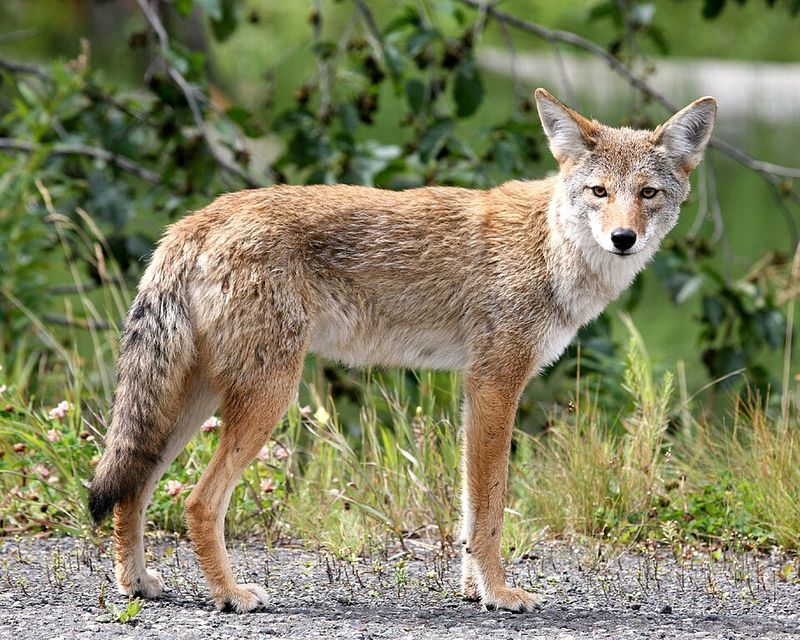
Coyote walks into a council meeting about death and immediately makes everything worse. That is basically the plot summary of one of the most widespread trickster legends across Native nations.
Many versions of the story share a common thread: the people were debating whether death should be permanent or temporary. Some argued that people should come back after dying.
Coyote, in his signature chaotic fashion, voted for permanent death, often as a joke or out of selfishness. Then his own child died first, and he desperately tried to undo his decision.
The story is equal parts funny and gut-wrenching. Coyote gets exactly what he asked for, and it costs him everything.
Across many tribes, Coyote stories work this way. They use humor and consequence to teach serious lessons about greed, arrogance, and the limits of human cleverness.
Death is permanent, and Coyote is why. You have to respect the storytelling power in that.
The Thunderbird (Pacific Northwest & Plains)
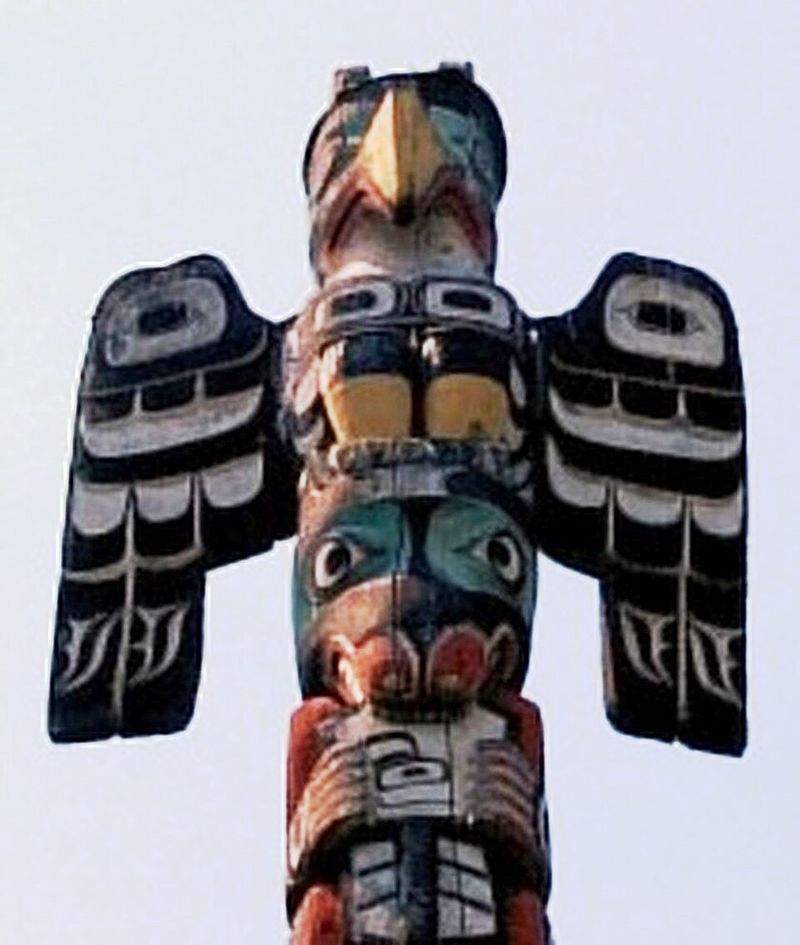
When thunder rolls across the sky, some cultures say it is just weather. Others know better.
Across Pacific Northwest and Plains nations, the Thunderbird is the real explanation, and honestly it is a much better story than atmospheric pressure.
Thunderbird is enormous, powerful, and ancient. The beating of its wings creates thunder.
Its eyes flash lightning. It battles great serpents in the sky and sea, and those battles shape the storms that humans experience below.
Sightings appear in oral histories, carvings, and totem poles across multiple Indigenous cultures.
What is fascinating is how widespread this figure is. From the Pacific Coast to the Great Plains, different nations hold versions of the Thunderbird story.
That kind of reach suggests something deeply rooted in human observation of nature and a shared need to explain its raw power. Thunderbird imagery remains one of the most recognizable symbols in Indigenous art, printed on everything from ceremonial regalia to sports team logos today.
The Wendigo (Algonquian)
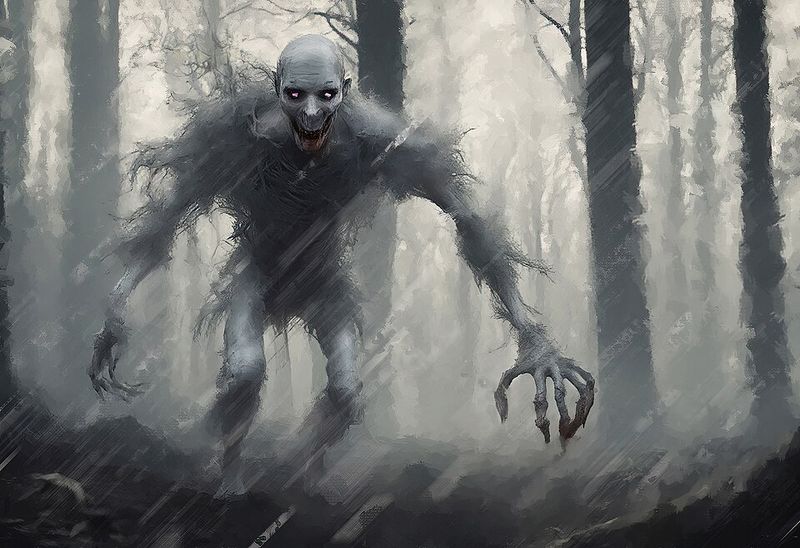
Winter in the northern forests was brutal, and the Algonquian peoples had a legend that matched that severity perfectly. The Wendigo is not just a monster story.
It is a moral warning dressed in terrifying clothing.
Described as a gaunt, insatiable creature tied to winter and starvation, the Wendigo represented what happened when someone abandoned the community and gave in to selfish, destructive impulses. Cannibalism, greed, and the breakdown of human bonds were all wrapped into this one chilling figure.
The legend served a serious social purpose. In communities where survival depended on sharing food and looking out for each other, the Wendigo warned what happened to those who chose themselves over everyone else.
Modern pop culture has turned Wendigo into a horror franchise, which somewhat misses the point. The original story was not about scaring people for fun.
It was about reminding them that community is survival, and greed is the real monster worth fearing.
The Skinwalker (Navajo)
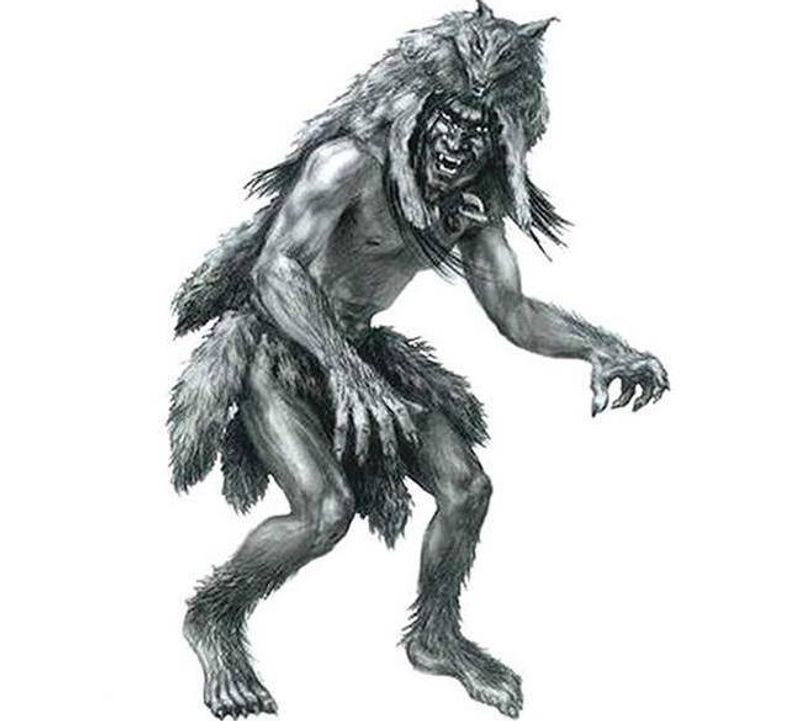
Some stories deserve to be handled with care, and the Skinwalker is absolutely one of them. In Navajo culture, the yee naaldlooshii is a deeply serious subject, not entertainment material for late-night campfire spooking.
A Skinwalker is described as a person who has obtained harmful powers through taboo practices, including the ability to take animal form. This is not a lighthearted trickster tale.
Many Dine people consider it disrespectful for outsiders to retell or sensationalize these accounts. The cultural weight attached to this subject is real and significant.
What the Skinwalker tradition reveals is how seriously Navajo culture treats the consequences of misusing spiritual power. It is a warning about corruption, the violation of sacred boundaries, and the dangers of pursuing power through harmful means.
Internet culture has turned it into clickbait, which Navajo scholars have repeatedly pushed back against. Respecting this legend means understanding what it actually represents, not turning it into a thriller.
Sleeping Bear Dunes (Anishinaabe/Ojibwe)
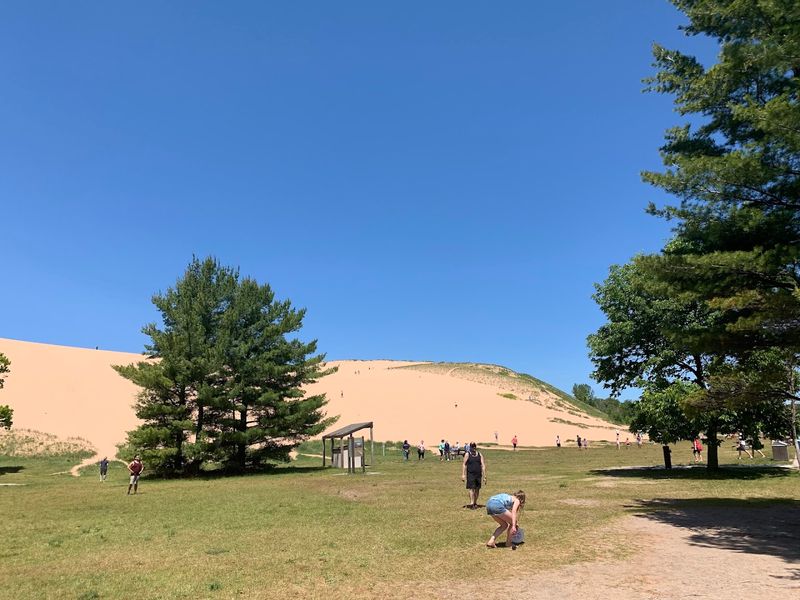
Michigan’s Sleeping Bear Dunes National Lakeshore is strikingly beautiful, but the Anishinaabe legend behind it hits even harder than the view. This is a story about a mother’s love that literally shaped the landscape.
Long ago, a mother bear and her two cubs were driven from their Wisconsin home by a great fire. They swam across Lake Michigan to escape.
The cubs grew exhausted and fell beneath the waves. The mother reached the shore and climbed a bluff to wait for her cubs, watching the water endlessly.
The Great Spirit Manitou honored her grief and devotion by transforming her into the large dune we see today. Her two cubs became North and South Manitou Islands, visible from the shore.
The National Park Service actively shares this tradition as part of the site’s cultural story. Standing at those dunes knowing this legend makes the landscape feel completely different.
Geography has never been more emotional.
Maid of the Mist (Haudenosaunee/Iroquois/Seneca)
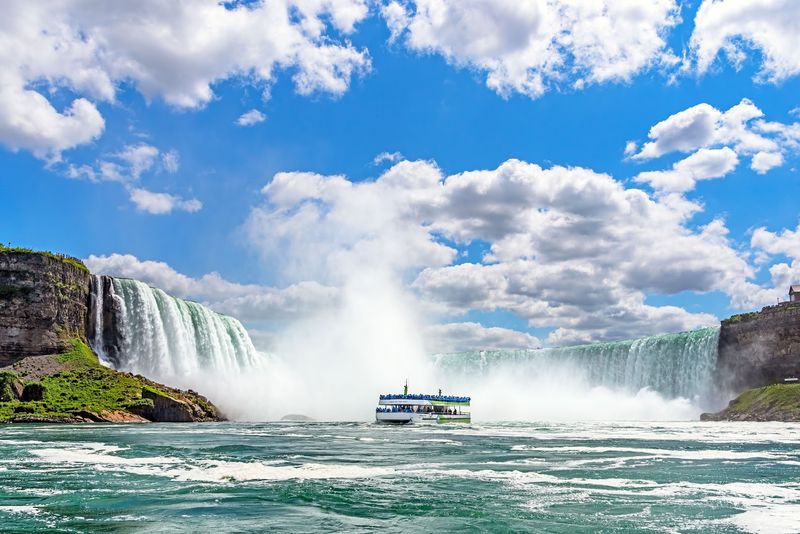
Niagara Falls already has enough drama on its own, but the Maid of the Mist legend adds a whole extra layer of history and heartbreak to one of North America’s most visited natural wonders.
Popular retellings connect this legend to Haudenosaunee tradition, describing a young woman and the powerful spirit said to dwell behind the falls. However, scholars and Indigenous historians have pointed out that many versions of this story have been heavily romanticized, particularly through tourism storytelling in the 1800s and beyond.
That context matters. Some accounts may reflect genuine oral tradition while others were shaped by outsider interpretations designed to attract visitors.
Presenting this as a legendary tale rather than confirmed historical practice is the honest approach. What remains true is that Niagara Falls held deep spiritual significance for Haudenosaunee peoples long before it became a tourist destination.
The legend, however it evolved, points back to that original reverence for the water’s extraordinary power.
Origin of Fire (Cherokee)
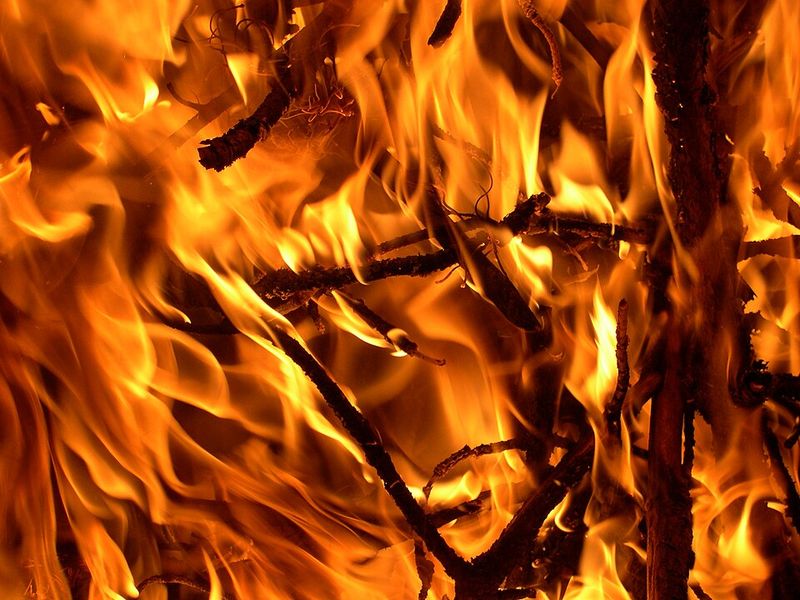
Every animal tried to fetch fire and failed spectacularly. Then Water Spider stepped up, and absolutely nobody saw that coming.
The Cherokee origin of fire story is a masterclass in underdog storytelling.
Fire was being kept away from the people. Larger, stronger animals attempted the mission first.
Each one failed or got burned trying. Then Water Spider, small and overlooked, wove a tiny bowl from her body, carried it to the fire, and brought back a single glowing coal.
Job done.
The lesson is not subtle, and that is what makes it great. Brute strength is not always the answer.
Ingenuity, creativity, and cooperation matter far more. Water Spider succeeded because she thought differently and used what she had.
Cherokee storytelling frequently celebrates cleverness over power. This particular story has been shared in classrooms across the country because its message translates across every culture: the smallest among us can accomplish what the strongest cannot.
Share this story