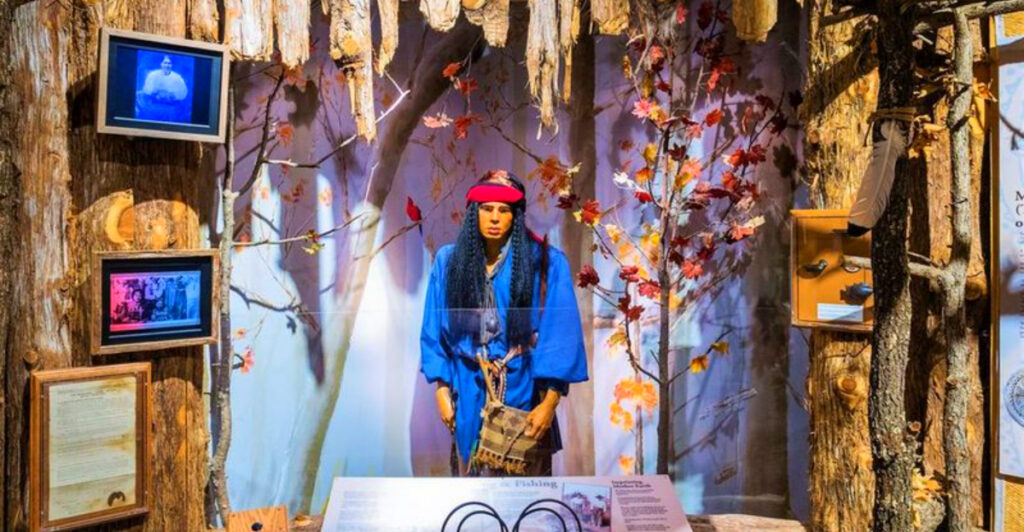
There is a small building on a main street in Broken Arrow, Oklahoma, that holds more American history than most people realize is possible in one place. From the muskets of the Revolutionary War to the gear carried in Afghanistan, every chapter of U.S. military service is represented here, told not just through artifacts but through the voices of the veterans who lived parts of that history themselves.
The guides are not actors or history teachers. They are real veterans who know these stories from the inside, and that changes everything about the experience.
If you have ever wanted to feel genuinely connected to the sacrifices that shaped this country, this museum delivers that in a way that is honest, personal, and completely unforgettable.
The Address and Setting of the Museum
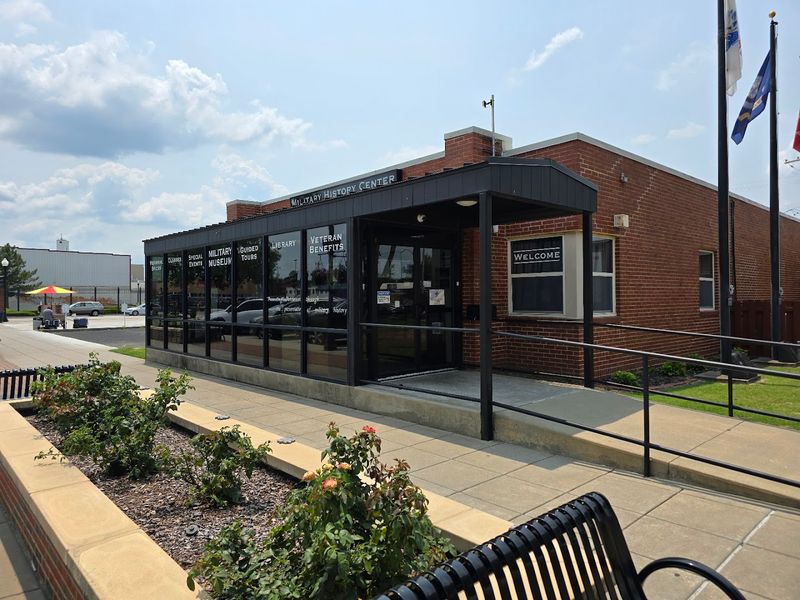
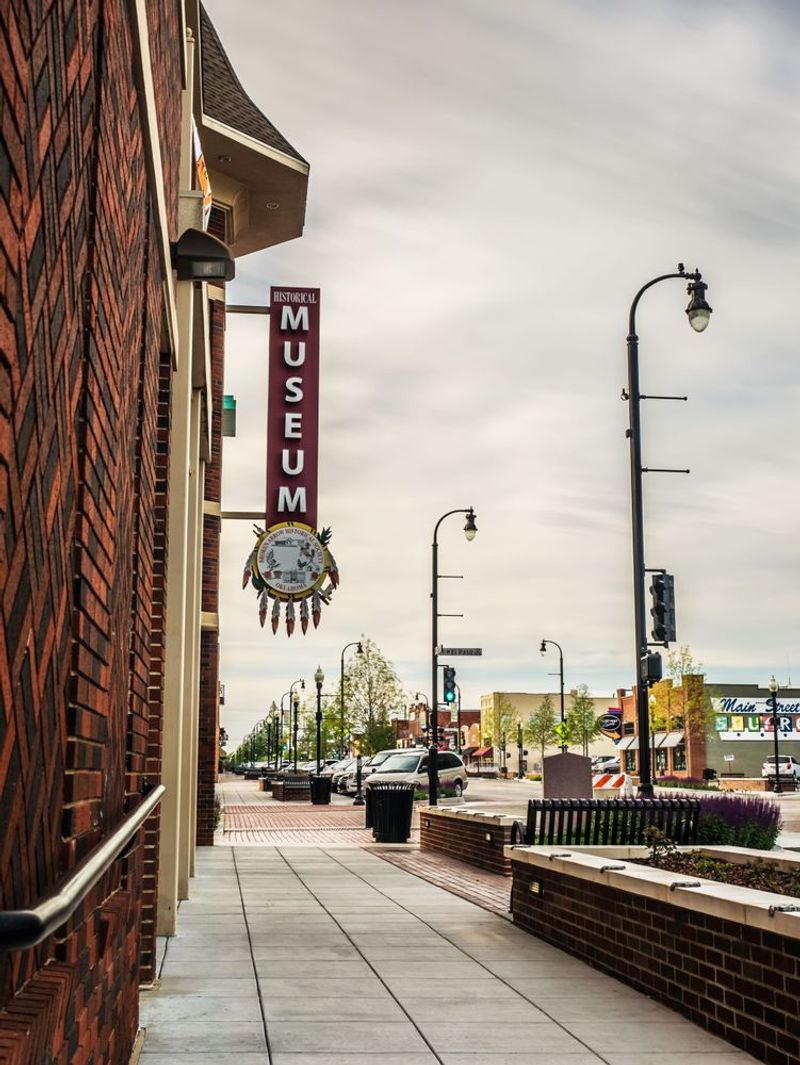
Right in the heart of Broken Arrow, Oklahoma, at 112 N Main St, this museum sits quietly on a street that might make you do a double take. The building does not shout for attention, but once you step inside, the sheer depth of what has been collected here makes the modest exterior feel like a clever disguise.
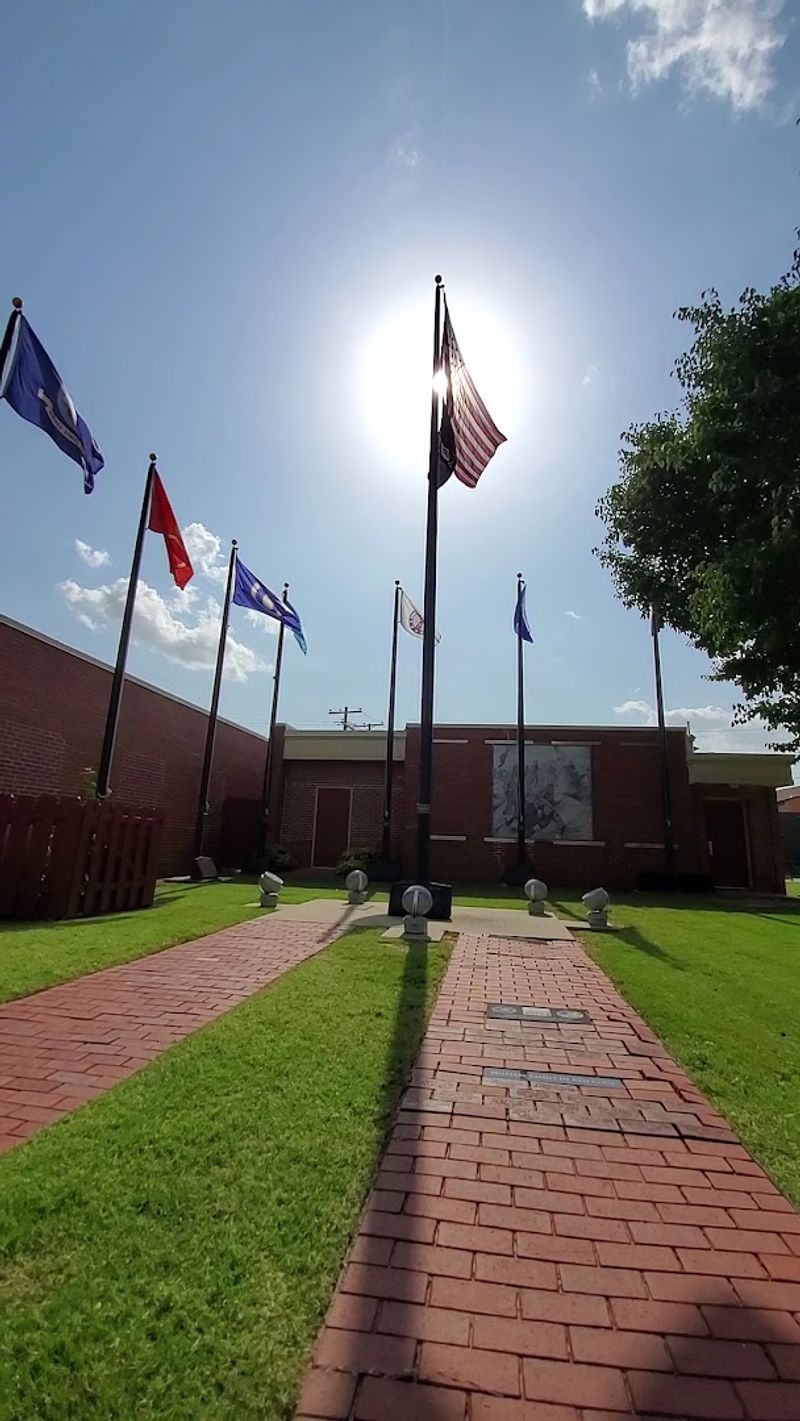
The address is easy to find and parking is available nearby, though the street can get busy during peak hours. A few outdoor memorial displays stand near the entrance, giving visitors a preview of the respect and care that defines everything inside.
The museum is open Tuesday through Friday from 10 AM to 4 PM and on Saturdays from 10 AM to 2 PM. It is closed on Sundays and Mondays, so planning ahead is worth it.
You can also reach the team at (918) 794-2712 or visit okmhc.org before your trip. The location feels like a neighborhood secret that deserves a much bigger spotlight.
A Collection That Spans Every American Conflict
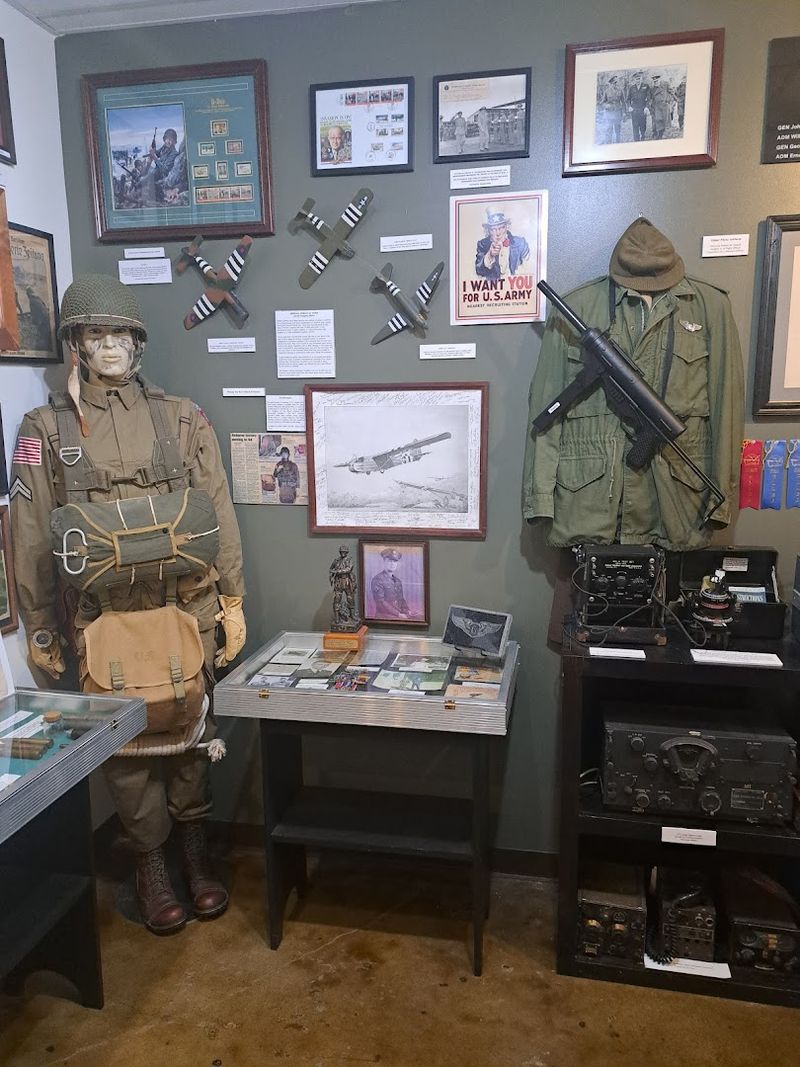
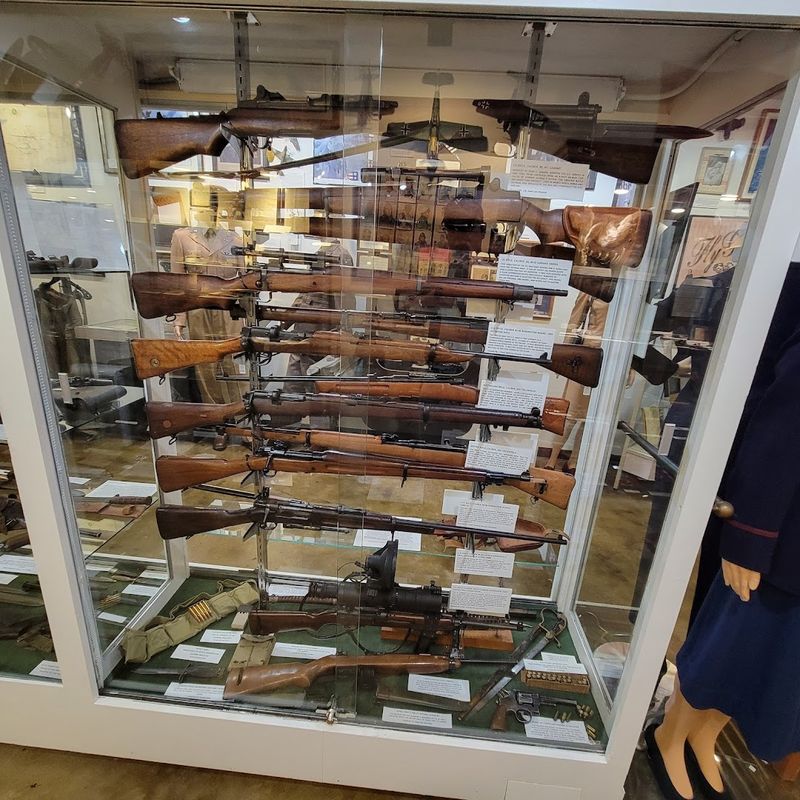
Not many museums can honestly say they cover every major American conflict, but this one earns that claim without stretching the truth. The collection runs from the War of Independence all the way through the wars in Iraq and Afghanistan, with each era represented by genuine artifacts, uniforms, weapons, and personal items that belonged to real service members.
The range is genuinely impressive. You might find yourself standing in front of a hand-crafted flintlock rifle from the 1700s and then walking a few steps to see equipment used in the deserts of the Middle East just a couple of decades ago.
The transitions between eras feel natural rather than jarring, which speaks to how thoughtfully the collection has been arranged.
What keeps this from feeling like a dusty storage room is the context each piece carries. The artifacts are not just objects sitting behind glass.
They are connected to stories, to people, and to moments in history that shaped the country you live in today. Every corner of this museum rewards a slow and curious visitor.
The Veterans Who Run the Tours
The single biggest reason this museum stands apart from others is who gives the tours. Every guide here is a veteran, and that is not a detail you notice once and forget.
It shapes every single moment of the visit in ways that are hard to put into words until you experience it yourself.
These are men who have served, who have trained, and in some cases who have been in the situations that the exhibits describe. When a guide points to a piece of equipment and explains what it was used for, there is a weight to that explanation that no textbook can replicate.
The knowledge is deep, the stories are real, and the patience these guides show with every question is remarkable.
Tour guides like Dennis and John have become something of local legends among visitors, known for their mix of sharp historical knowledge, genuine warmth, and the kind of humor that puts everyone at ease. One retired pilot even gave a young visitor an impromptu lesson on the flight simulator during a tour, which tells you everything about the spirit of the people here.
The Revolutionary War and Early American Exhibits
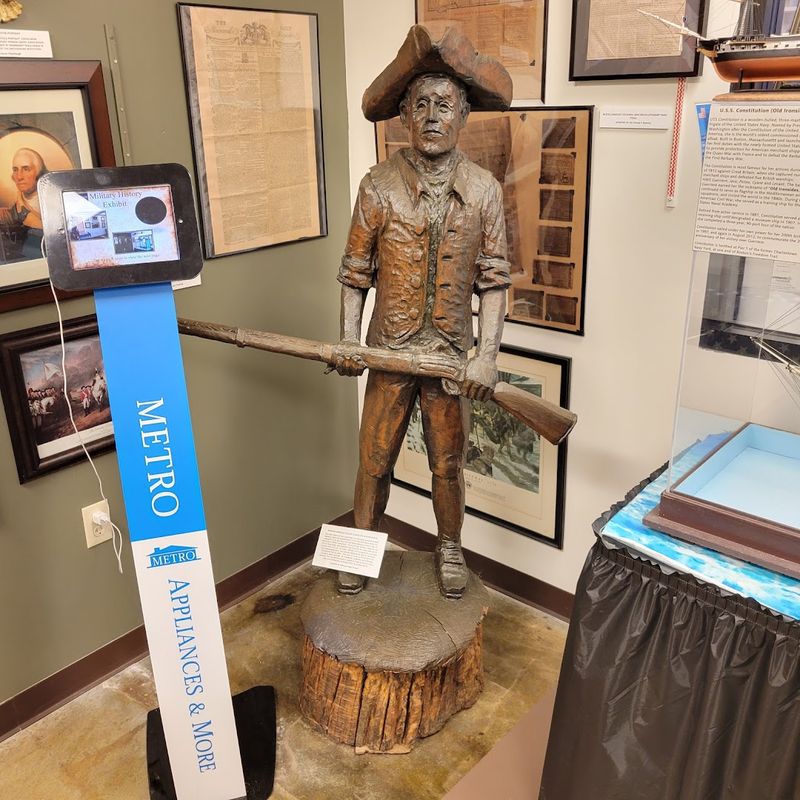
Few things make American history feel as tangible as standing in front of a hand-crafted flintlock rifle that was made to be historically accurate down to the smallest detail. The Revolutionary War section of this museum does exactly that, grounding visitors in a period of American history that can feel distant and abstract when read about in a book.
The early American exhibits cover the founding conflicts of the nation with a level of care and specificity that history enthusiasts will appreciate. Uniforms, weapons, and personal items from that era are displayed with enough context to make each piece meaningful rather than mysterious.
What makes this section especially effective is how it sets the tone for the rest of the museum. By starting at the very beginning of American military history, the collection builds a narrative thread that you follow from room to room.
By the time you reach the more recent conflicts, you have a much stronger sense of the long arc of service and sacrifice that connects every generation of American soldiers to the ones that came before them.
World War II Highlights and Model Collections
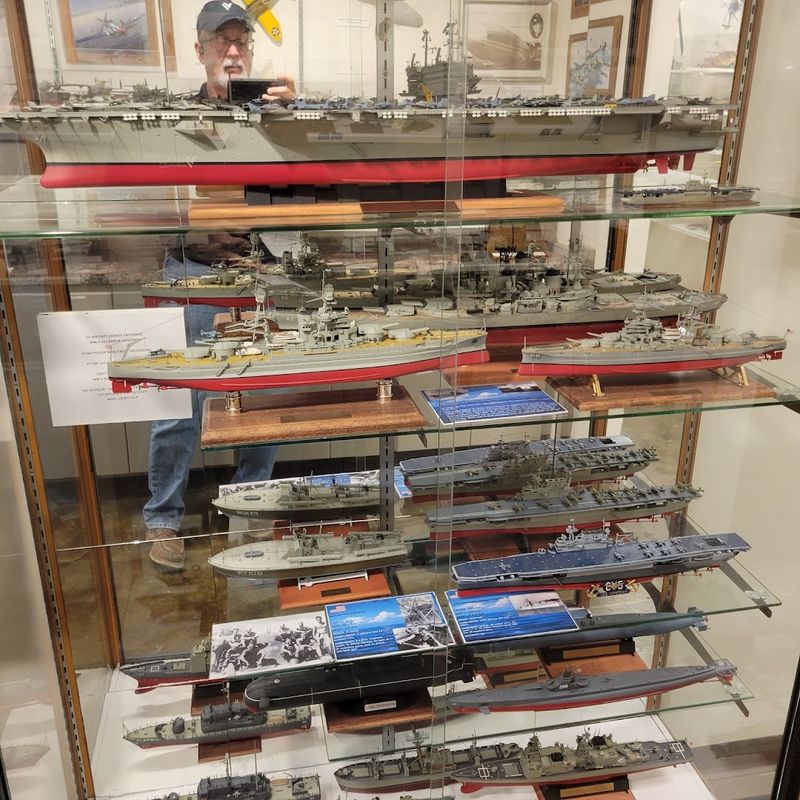
World War II tends to be the section that draws the longest stops and the most questions, and this museum handles that era with the depth it deserves. The collection includes uniforms, personal effects, weapons, and documents that paint a vivid picture of what service members carried with them, both literally and emotionally, during that conflict.
One feature that genuinely surprised me was the hall of miniatures, which showcases an impressive collection of scale model planes and ships. These are not cheap hobby-store kits.
The detail and craftsmanship on display are the kind that stop you mid-step and make you lean in for a closer look. For younger visitors especially, the models have a magnetic quality that pulls them in and sparks real curiosity about the history behind each vessel or aircraft.
The WWII section also benefits enormously from the guides who cover it. Their knowledge of specific battles, units, and individuals brings the artifacts to life in a way that transforms a collection of objects into a genuine story.
Plan to spend more time here than you think you will need, because the details keep revealing themselves the longer you look.
The Flight Simulator Experience
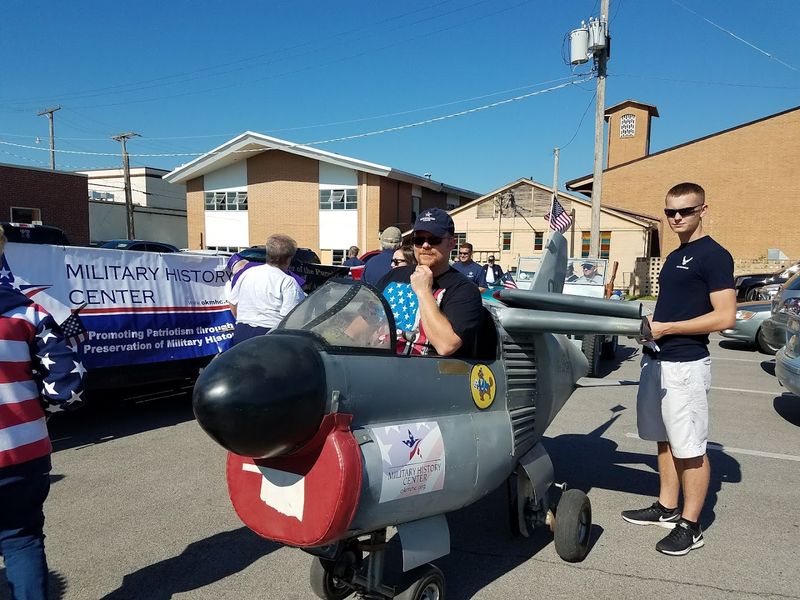
Somewhere between the display cases and the guided tour, there is a flight simulator that has a way of turning any visit into something genuinely memorable, especially for younger guests. The simulator gives visitors a hands-on experience that breaks up the more contemplative pace of moving through exhibits and adds a layer of active engagement to the day.
During one visit, a retired pilot on staff took the time to walk a young child through the basics of the simulator, explaining the controls and the feel of flight with the kind of patience and enthusiasm that only comes from someone who truly loves what they are sharing. That kind of spontaneous, personal interaction is not something you can plan for, but it happens here because the staff genuinely cares about connecting visitors to the material.
Adults enjoy the simulator too, and it serves as a natural conversation starter with the veteran guides who can explain the real aircraft it is modeled after. It is a small feature in the context of the full collection, but it leaves a disproportionately large impression on everyone who tries it.
Some visitors specifically mention coming back just for another turn.
Native American Military Contributions Exhibit
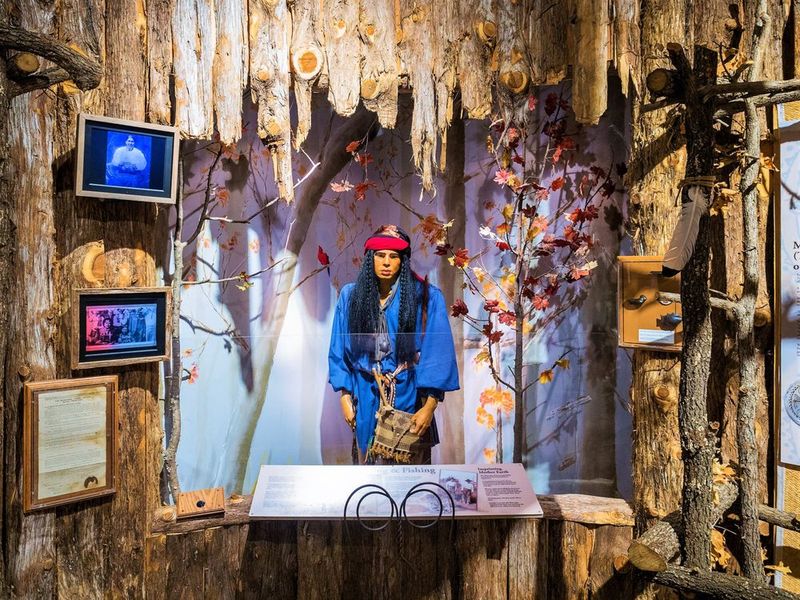
One of the more distinctive features of this museum is its dedicated exhibit honoring the contributions of Native American service members. This is not a footnote or a single placard.
It is a thoughtful section that gives proper recognition to a part of American military history that is too often overlooked in mainstream historical narratives.
Oklahoma has a deep and complex relationship with Native American history, and this exhibit reflects that context with care and specificity. The items on display and the stories they represent speak to a tradition of service that spans multiple generations and multiple conflicts, from the early wars of the nation through the 20th century and beyond.
For many visitors, this section prompts some of the most meaningful conversations with the guides, who bring personal knowledge and genuine respect to the subject. The exhibit does not shy away from complexity, but it handles that complexity with honesty and dignity.
It is the kind of display that stays with you after you leave, making you want to learn more and think more carefully about the full breadth of who has served this country and why.
Local Heroes and Personal Stories on Display
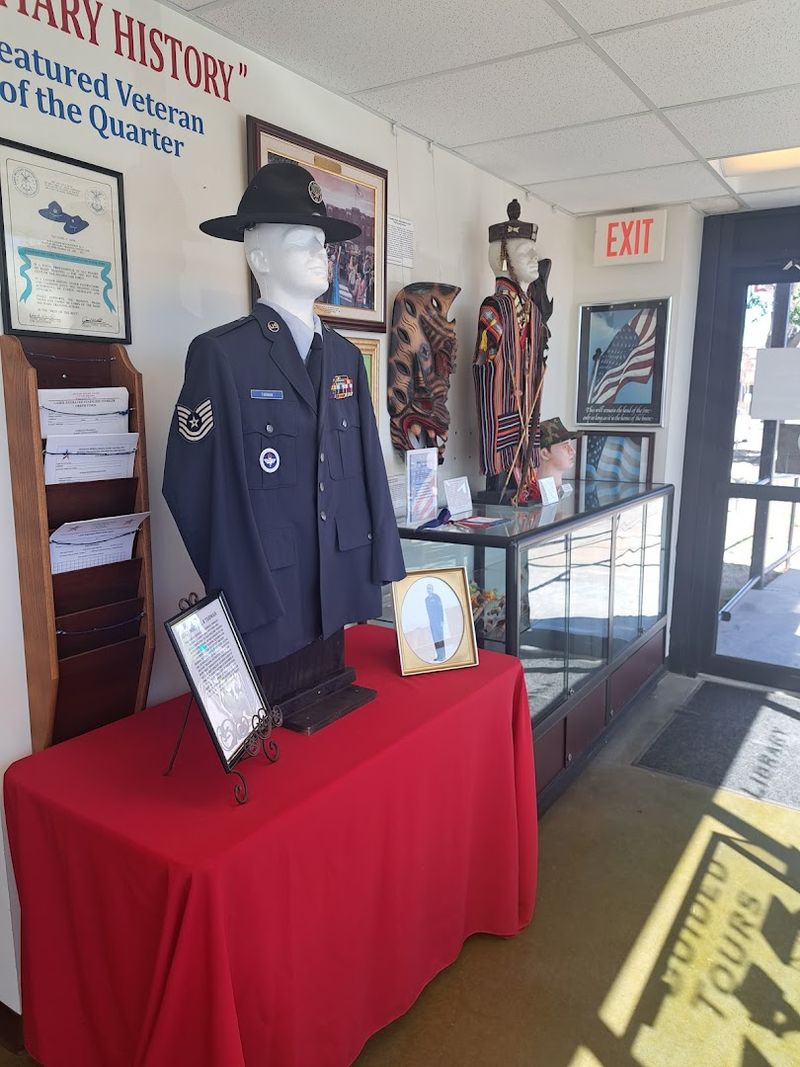
Beyond the broad sweep of American military history, this museum carves out meaningful space for the local heroes of Oklahoma who served in conflicts across the centuries. These personal displays bring the history close to home in a way that broader national narratives sometimes cannot.
Seeing photographs, letters, medals, and personal items from people who grew up in the same region where you live creates a different kind of connection than reading about famous generals or major battles. These are ordinary people who made extraordinary choices, and the museum honors them with the same care given to the larger historical pieces in the collection.
The local focus also makes the museum especially relevant for school groups and families with ties to Oklahoma military history. Grandparents have walked in and recognized names on displays.
Parents have found themselves explaining to their children that the uniform behind the glass belonged to someone from their own community. That kind of personal resonance is rare in any museum, and it is one of the things that earns this place its near-perfect rating from visitors who come from near and far.
The Research Library and Reference Collection
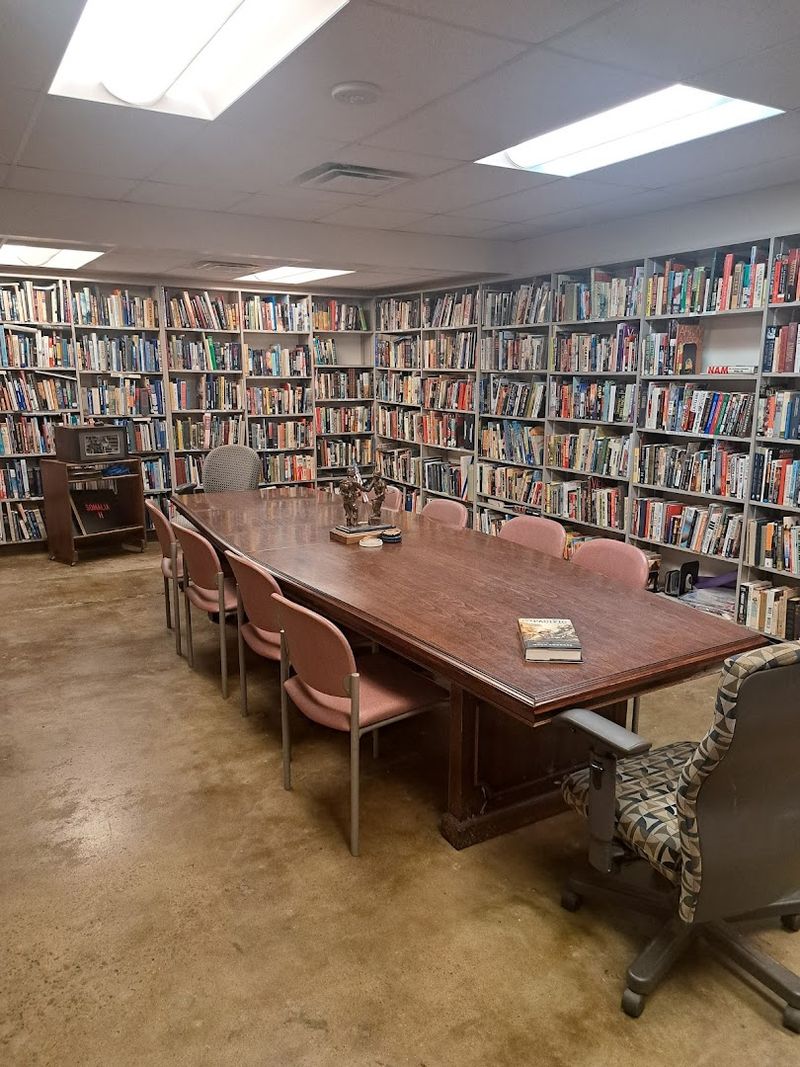
Tucked within the museum is a library that serious history enthusiasts will find genuinely useful. The collection of books and reference materials covers American military history across multiple eras, and the depth of the holdings reflects the same level of commitment to accuracy and completeness that defines the rest of the museum.
The library is not just decorative. Visitors who want to go deeper into a specific conflict, unit, or period can find resources here that support real research.
For students working on history projects or adults with a specific area of interest, the library adds a dimension to the visit that goes beyond what any exhibit can offer on its own.
The guides are often willing to point visitors toward specific books or resources based on what caught their attention during the tour, which makes the library feel like a natural extension of the conversation rather than a separate room you stumble into. It is a quiet space in a museum that is otherwise full of stories and voices, and that contrast gives it a particular kind of appeal for those who like to read their history as well as see it.
Admission, Accessibility, and Visitor Tips
One of the most pleasant surprises about this museum is that admission is free. There is no ticket counter, no tiered pricing, and no fee that might make a family hesitate at the door.
The museum operates on donations and the dedication of its volunteer staff, which makes every visit feel like a privilege rather than a transaction.
The free admission policy also makes the museum an ideal destination for school groups, scout troops, and families looking for an educational outing that does not require a large budget. The staff is experienced with groups of all sizes and has managed tours for parties of more than twenty visitors by splitting them into smaller groups, keeping the experience personal and manageable for everyone involved.
Plan to spend at least ninety minutes to two hours, though many visitors find themselves staying longer once the conversations with the guides get going. Comfortable shoes are helpful since the exhibits cover a good amount of ground.
The museum’s website at okmhc.org has current hours and contact information, and a quick call to (918) 794-2712 can confirm any changes before you make the trip. Arriving early on a Saturday gives you the best chance of a relaxed, unhurried visit.
Why Families and Kids Connect With This Museum
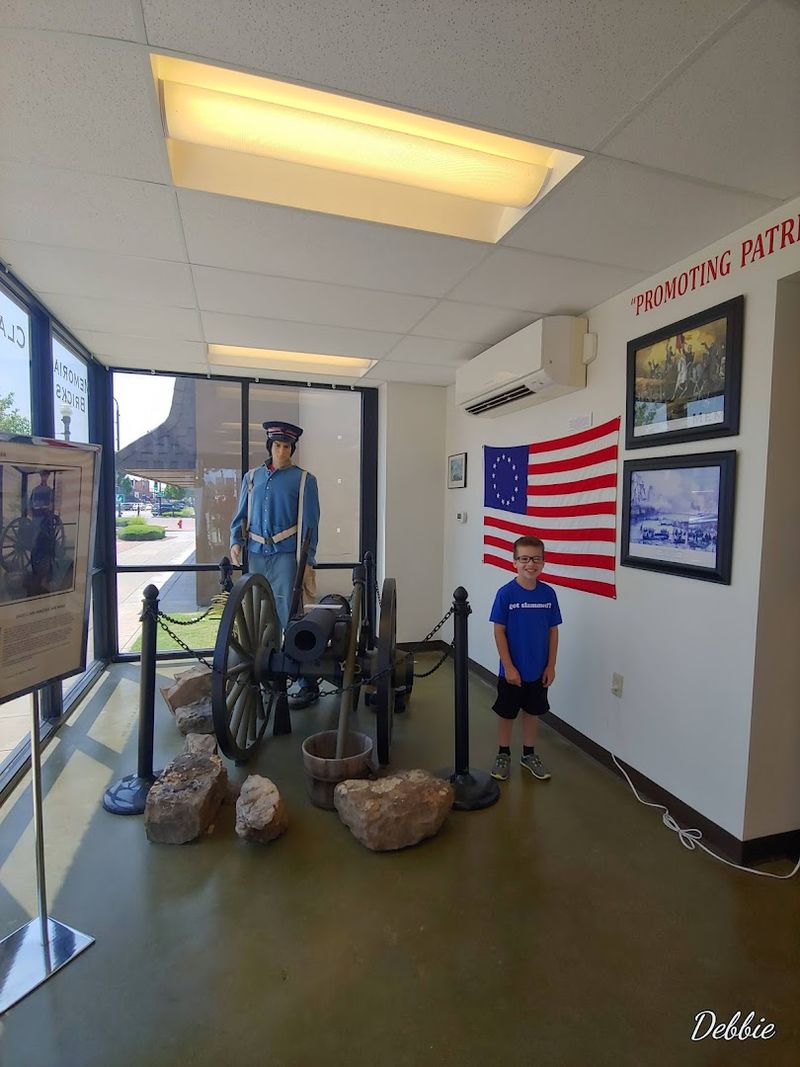
History museums can sometimes feel like obligations for younger visitors, but this one tends to flip that dynamic pretty quickly. The combination of hands-on elements like the flight simulator, the visual impact of the model collection, and the storytelling style of the veteran guides keeps kids engaged in ways that a typical exhibit-and-placard format rarely does.
Parents consistently note that their children ask questions here that they have never asked before, prompted by something they saw or heard from a guide. That kind of curiosity is one of the best outcomes any educational visit can produce, and the staff is clearly skilled at nurturing it without making the experience feel like a classroom.
The museum also handles mixed-interest groups well. A parent who came mainly to accompany a history-obsessed child has walked out equally fascinated, and couples where only one person had a strong interest in military history have both left with something meaningful.
The personal nature of the stories told here has a way of reaching people regardless of how much prior knowledge or enthusiasm they brought through the door, which is a rare and valuable quality in any cultural institution.
A Place Worth Returning To
A 4.9-star rating from over 150 reviews is not something a museum earns by accident. It reflects years of consistent effort, genuine passion, and a commitment to honoring the people and stories that make American military history worth understanding.
This museum in Broken Arrow, Oklahoma, has built that reputation one visit at a time.
Many visitors return more than once, drawn back by the depth of the collection and the knowledge that there is always something new to notice or a conversation to pick up where the last one left off. The guides themselves are a reason to return, since their stories and insights shift depending on what you ask and what you already know.
The outdoor memorials near the entrance give the building a presence that extends beyond its walls, and they serve as a quiet reminder of what the museum is ultimately about. Whether you are a lifelong history enthusiast, a family looking for a meaningful afternoon, or someone who simply wants to understand more about the country you live in, this museum offers something real and lasting.
Few places this size carry this much weight, and fewer still carry it this gracefully.
Share this story