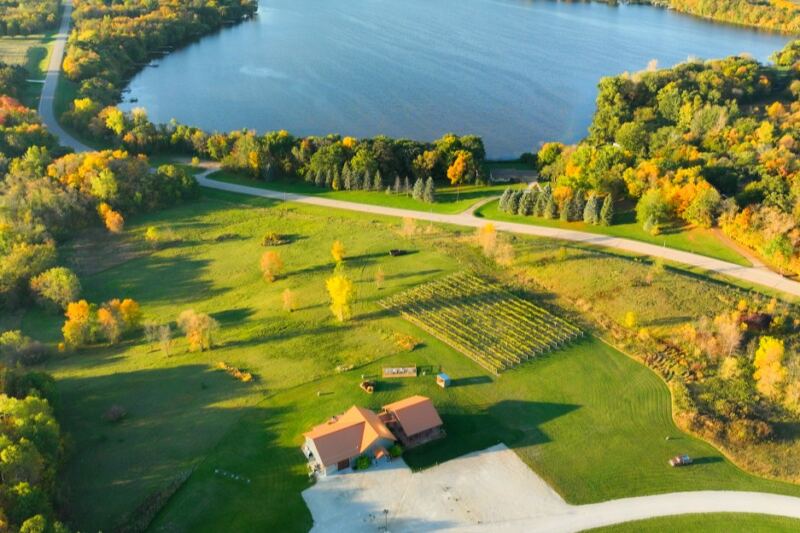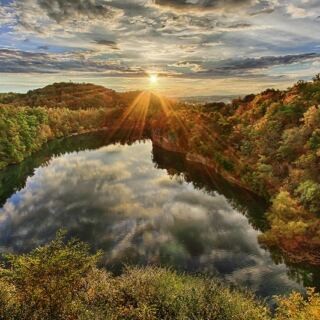
Tucked away in the heart of northern Minnesota, there is a small town that quietly sits among dozens of sparkling lakes, tall pines, and winding rivers. It is the kind of place where locals know each other by name, the air smells like pine needles after rain, and the pace of life feels refreshingly slow.
I had heard about this town from a friend who kept raving about its charming downtown, its wild rice paddies, and its surprisingly rich history. After finally making the trip myself, I completely understood the hype.
This cozy northern retreat turned out to be one of the most genuinely enjoyable places I have visited in Minnesota, and I cannot wait to share everything I discovered about it with you.
Welcome to Grand Rapids, Minnesota
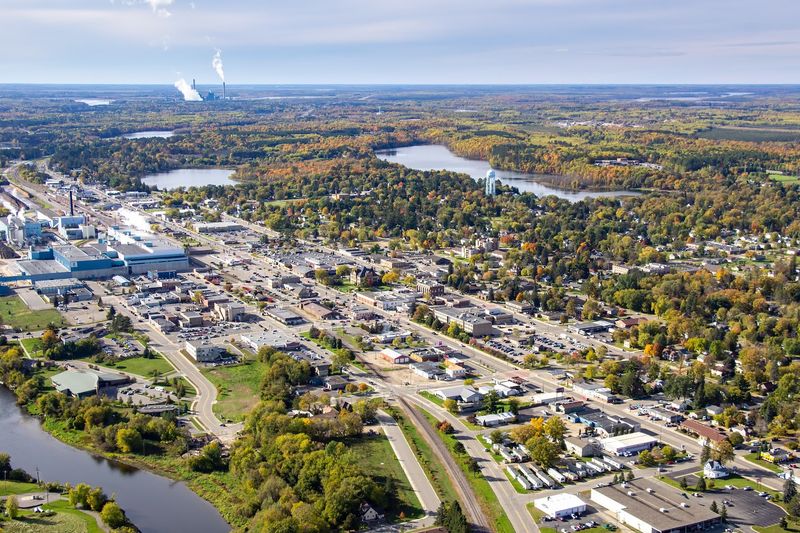
Right at the edge of Itasca County, nestled among more than a thousand lakes, Grand Rapids, Minnesota sits at 47.2369615, -93.5283275, with its official address listed as Grand Rapids. The city serves as the county seat of Itasca County and has a population of roughly 11,000 people.
What struck me immediately was how the town manages to feel both welcoming and genuinely alive. The downtown area has real local businesses, not just chain stores, and the streets are clean and walkable.
Grand Rapids is positioned along the Mississippi River, which actually begins its long journey to the Gulf of Mexico just a short drive away. That detail alone made me feel like I was standing at the start of something enormous.
The town’s official website at grandrapids.govoffice.com has useful visitor information worth checking before your trip.
The Mississippi River Starts Here
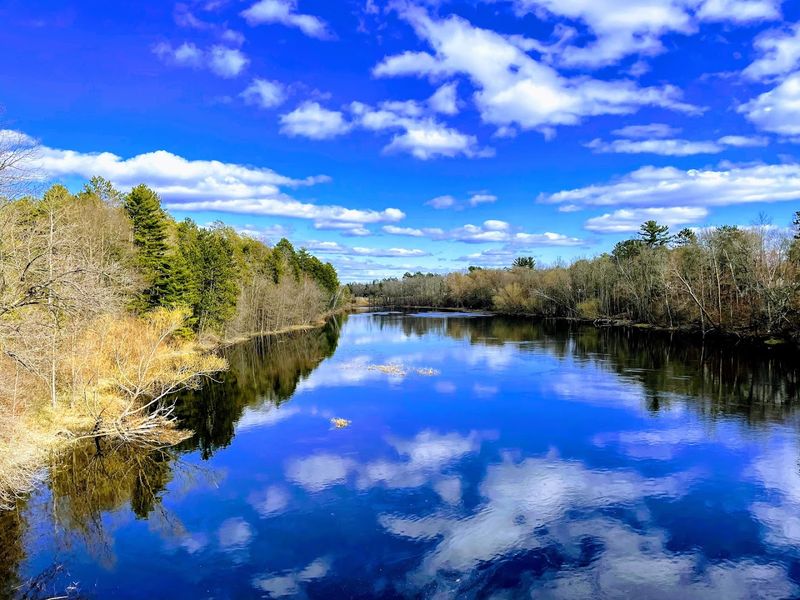
Most people picture the Mississippi River as a wide, muddy giant rolling through New Orleans or Memphis. Up here near Grand Rapids, it is something else entirely: a quiet, clear stream that looks more like a hiking trail than one of the world’s great rivers.
Lake Itasca, located about 30 miles west of Grand Rapids, is the official headwaters of the Mississippi. I actually waded across it, which felt like a small but oddly thrilling thing to do.
The river flows right through Grand Rapids itself, and you can watch it from several spots downtown. Canoe rentals are available locally, and paddling a stretch of the upper Mississippi is one of those experiences that stays with you.
The water is calm, the scenery is dense with birch and pine, and the whole thing feels wonderfully removed from the noise of modern life.
A Downtown That Actually Has Character
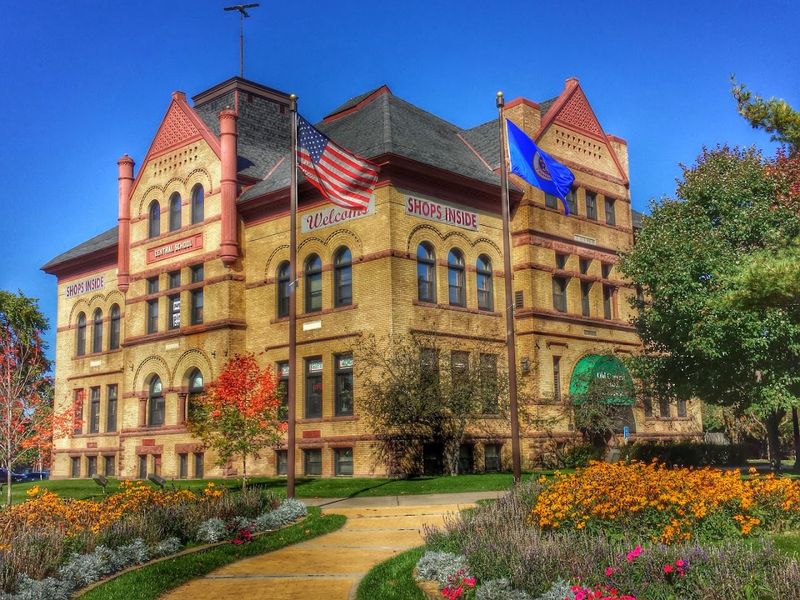
A lot of small towns have a downtown that exists mostly in memory. Grand Rapids is not one of those places.
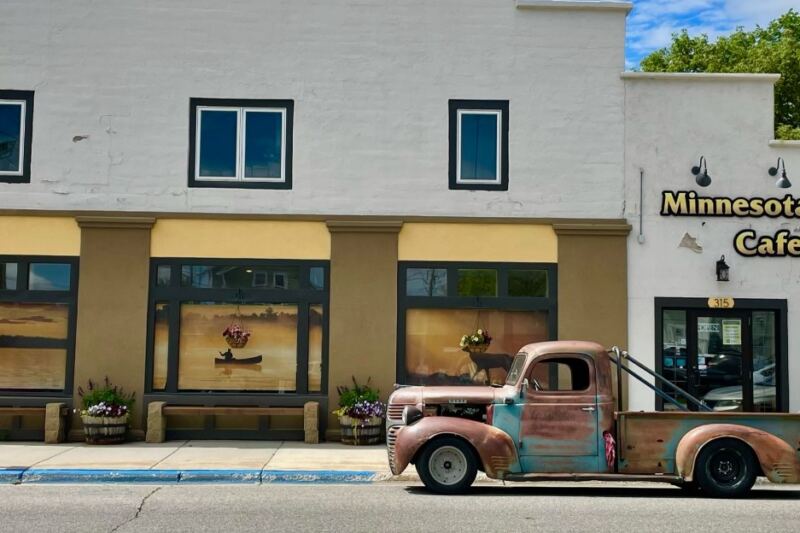
The main street area has a genuine mix of locally owned shops, coffee spots, and restaurants that give it a lived-in, non-manufactured feel.
I spent a good chunk of one morning just wandering around, popping into a bookstore, grabbing coffee, and chatting with a shop owner who had been in business for over two decades. There is something rare about a downtown where people actually want to spend time.
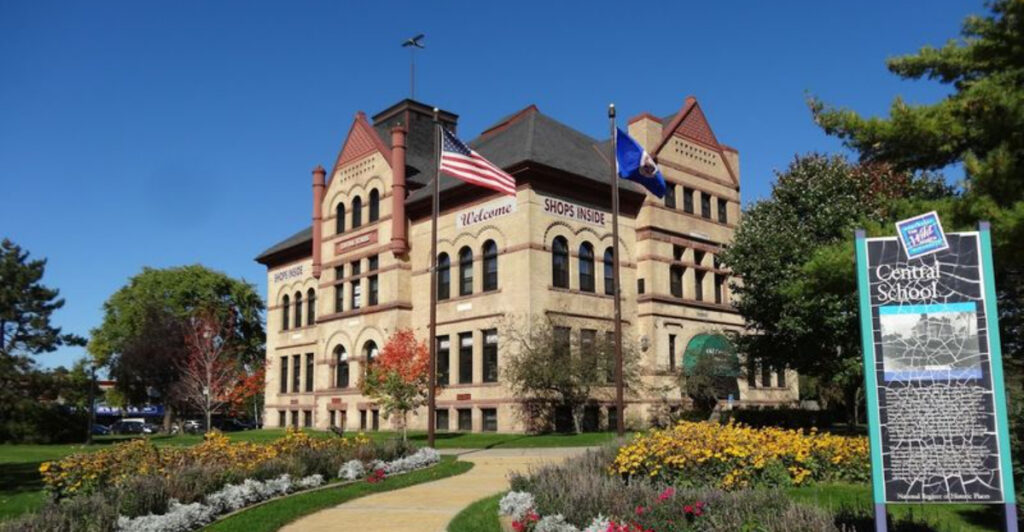
The architecture leans toward classic brick storefronts with a few newer additions that blend in without being jarring. Seasonal decorations were up during my visit, which added to the warmth of the whole scene.
If you enjoy slow mornings with good coffee and no agenda, this downtown will feel like it was made for you.
Judy Garland Was Born Here

Here is a fact that catches most visitors off guard: Grand Rapids is the birthplace of Judy Garland, the legendary actress and singer best known for playing Dorothy in The Wizard of Oz. She was born here on June 10, 1922, in a house that still stands today.
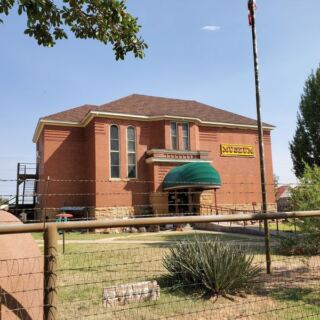
The Judy Garland Museum is one of the town’s most visited attractions, and for good reason. It houses an impressive collection of memorabilia, including one of the original pairs of ruby slippers from the 1939 film.
I spent nearly two hours there and still felt like I had not seen everything.
Every June, Grand Rapids hosts the Judy Garland Festival, drawing fans from across the country. The connection between this quiet northern town and one of Hollywood’s most iconic figures is both surprising and genuinely moving.
It adds a layer of cultural depth that you do not expect from a town this size.
Lakes in Every Direction
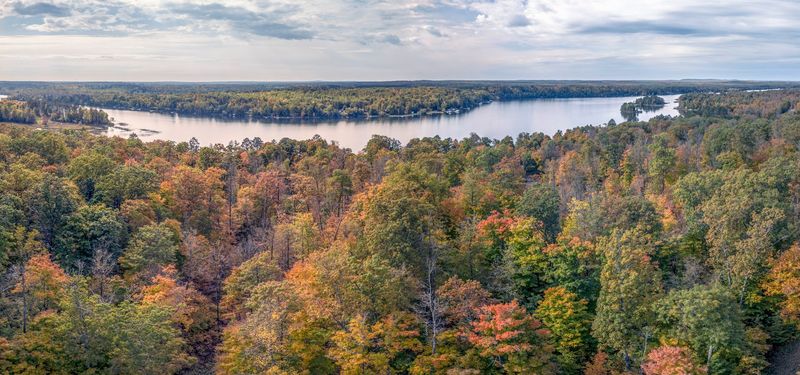
The Itasca County area around Grand Rapids contains more than 1,000 lakes, and that number is not an exaggeration. You are never more than a few minutes from open water, and the variety is remarkable: small fishing ponds, wide recreational lakes, and everything in between.
Some of the most popular lakes near Grand Rapids include Pokegama Lake, which is large enough for boating and has several public access points. Bass Lake and Prairie Lake are also nearby and tend to attract anglers looking for walleye, northern pike, and bass.
I rented a kayak on one of the calmer lakes and spent an afternoon drifting along the shoreline, watching loons and listening to the kind of quiet that is genuinely hard to find. If you are the type of person who recharges near water, you will find Grand Rapids almost impossibly easy to love.
Pokegama Lake: The Local Favorite
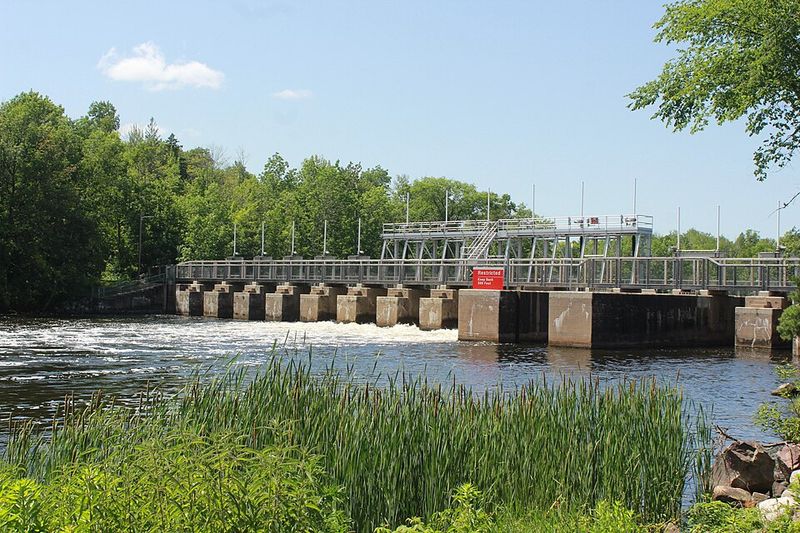
Of all the lakes in the area, Pokegama Lake holds a special place for locals and returning visitors alike. It is one of the larger lakes near town, covering about 5,900 acres, and it offers a full range of outdoor activities across all four seasons.
During summer, the lake is busy with pontoon boats, fishing rigs, and kayakers. The public boat launch is well-maintained, and there are several resorts and cabins along the shoreline that rent by the week.
I stayed at a small cabin on the north shore and woke up each morning to the sound of loons calling across the water.
In winter, Pokegama transforms into an ice fishing destination, with anglers setting up portable shelters across its frozen surface. The walleye fishing here has a strong local reputation.
Whether you visit in July or January, this lake has a way of making you want to stay longer than planned.
World-Class Fishing in Itasca County
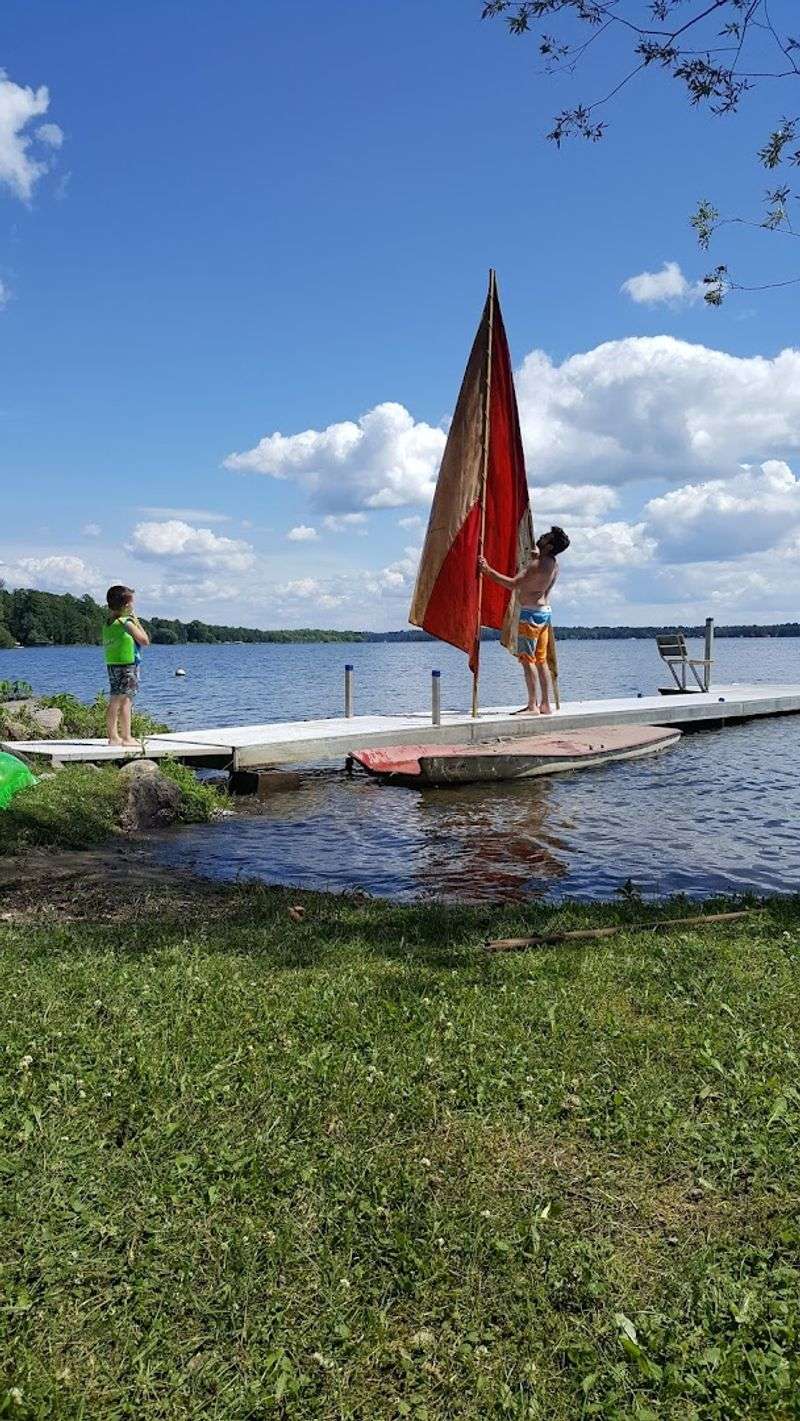
Fishing is not just a hobby in this part of Minnesota. It is practically a local language.
Itasca County is one of the top fishing destinations in the entire state, and Grand Rapids sits right at the center of that reputation.
Walleye is the most sought-after species here, but anglers also chase northern pike, muskellunge, largemouth bass, and crappie throughout the county’s many lakes and rivers. Local bait shops are genuinely helpful, and the staff at the ones I visited gave me specific, honest advice rather than just selling me gear I did not need.
The fishing opener in mid-May is a major local event, drawing thousands of visitors who come specifically for that first weekend on the water. If you plan to visit then, book your accommodations several months in advance.
The lakes fill up fast, and the energy around town during opener weekend has a festive, community-driven feel that is hard to replicate.
The Blandin Paper Mill and Forest Industry History

Grand Rapids has a deeper industrial history than most visitors realize. The Blandin Paper Company, founded in the early 20th century, played a defining role in shaping the town’s economy and identity for generations.
The mill operated along the Mississippi River and was one of the largest employers in the region for decades.
While the mill itself has gone through significant changes over the years, its legacy is woven into the fabric of the community. Many long-time residents have family ties to the paper industry, and local museums reference this history with genuine pride rather than nostalgia for its own sake.
The Blandin Foundation, which grew out of the original company, continues to invest in rural Minnesota communities and has funded education, leadership, and community development programs across the state. That kind of lasting civic contribution is something worth knowing about before you arrive.
It explains a lot about why Grand Rapids feels like a town that takes care of itself.
The Itasca County Historical Society
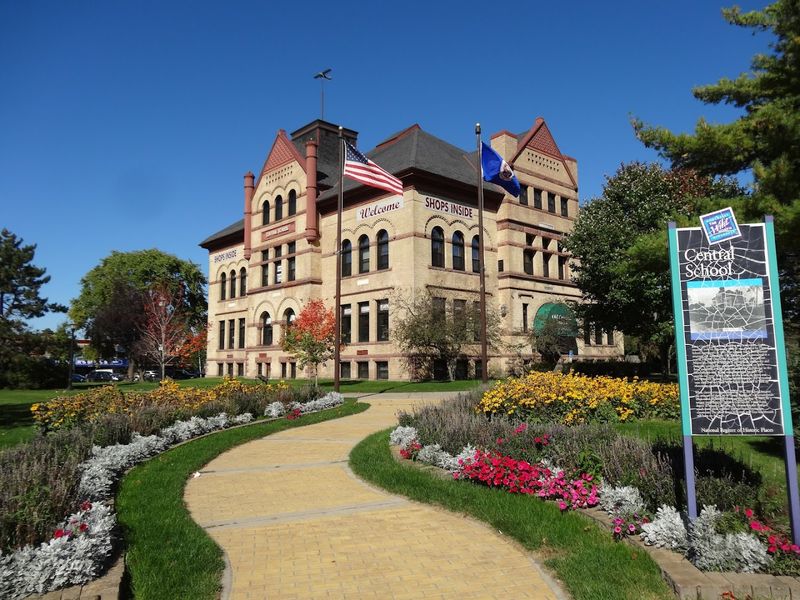
For anyone curious about what life looked like in northern Minnesota before the highways and resorts arrived, the Itasca County Historical Society is worth a dedicated visit. The museum covers the region’s Indigenous history, the logging era, early settlement, and the development of the paper industry all in one well-organized space.
I was particularly drawn to the exhibits on the Ojibwe people, who have deep roots in this region and whose cultural presence is still very much felt today. The museum handles this history with appropriate care and context.
The logging exhibits were also fascinating. The scale of the white pine harvest that took place in northern Minnesota during the late 1800s is almost hard to fathom, and the museum does a good job of conveying both the industry’s economic impact and its environmental consequences.
History presented honestly, without airbrushing, always makes for a more compelling visit.
Hiking and Nature Trails Around Town
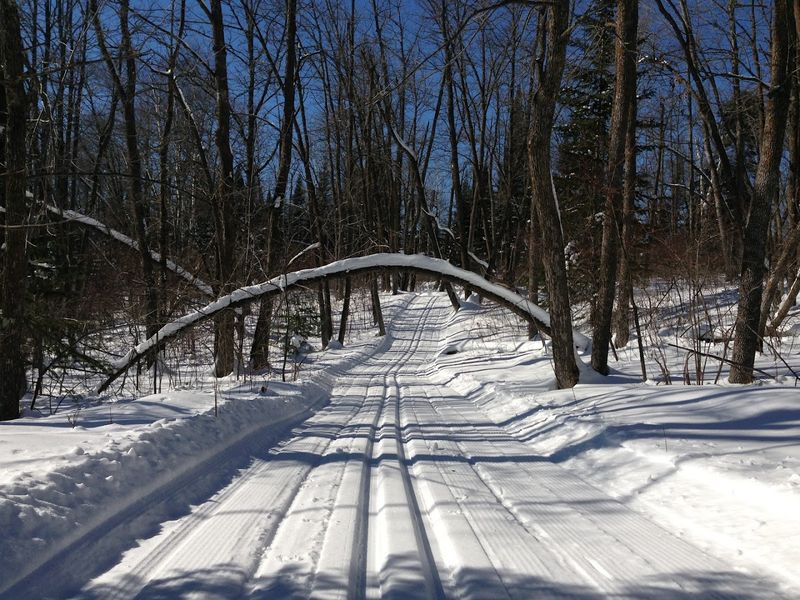
Grand Rapids is surrounded by public lands that offer excellent hiking, and the trails range from easy lakeside walks to more demanding forest routes. The Chippewa National Forest, which covers a large portion of Itasca County, provides millions of acres of public land with well-marked trails accessible year-round.
One of my favorite short hikes near town follows a stretch of the Mississippi River through a mixed forest of birch, aspen, and pine. The trail is not technically challenging, but it delivers a lot of scenery for the effort involved.
Fall colors along this route are reportedly spectacular, though my visit was in early summer.
The Sugar Hills Trail system, located just outside Grand Rapids, is popular with mountain bikers in summer and cross-country skiers in winter. It covers around 16 miles of groomed trails through rolling forested terrain.
Even if you only walk a portion of it, the quiet and the tree cover make the effort completely worthwhile.
Winter in Grand Rapids: A Different Kind of Beautiful
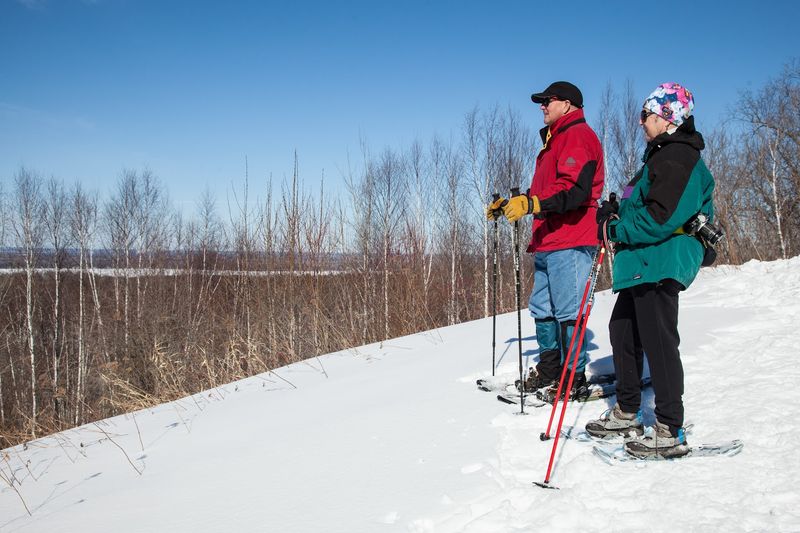
Some towns lose their appeal in winter. Grand Rapids leans into the cold season with obvious enthusiasm.
The area receives an average of 60 inches of snow per year, and rather than treating that as a problem, locals treat it as an opportunity.
Ice fishing on Pokegama and the surrounding lakes draws a dedicated crowd from November through March. Cross-country skiing on the Sugar Hills trails is a popular weekend activity, and the grooming is consistently well-maintained.
Snowmobiling is also huge here, with hundreds of miles of marked trails connecting the lakes and forests of Itasca County.
The town itself takes on a different character in winter: quieter, slower, and lit up with a warmth that contrasts sharply with the temperatures outside. Cozy coffee shops and local diners fill up with regulars who seem genuinely happy to be exactly where they are.
Winter in Grand Rapids is not something to endure. It is something to enjoy.
The Judy Garland Festival: A June Tradition
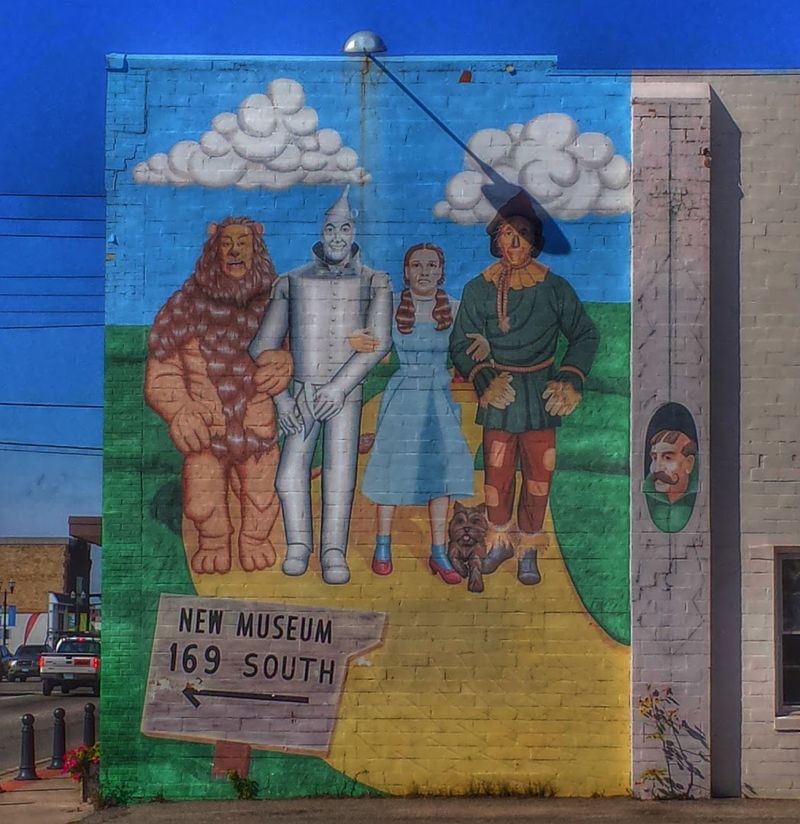
Every June, Grand Rapids transforms into a celebration of one of its most famous daughters. The Judy Garland Festival draws fans, collectors, and curious visitors from across the United States and even internationally, all converging on this small northern town for a weekend of events, screenings, and performances.
The festival includes a parade down the main street, live entertainment, vendor markets, and special programming at the Judy Garland Museum. I spoke with several attendees who had been coming for years and described it as one of the most genuinely warm community festivals they attend anywhere.
What makes the event work is that it feels locally rooted rather than commercially manufactured. The town is proud of its connection to Garland without being over-the-top about it.
The festival manages to honor her legacy while also giving visitors a real taste of what Grand Rapids is like as a community. It is a weekend well worth planning around.
Local Dining Worth Seeking Out

The dining scene in Grand Rapids is not pretentious, and that is entirely a compliment. The restaurants here focus on honest, satisfying food served in comfortable settings, with an emphasis on local ingredients when the season allows.
Wild rice shows up on menus throughout the area, which makes sense given that Minnesota is one of the primary producers of natural wild rice in the country. I had a wild rice soup at a local spot that was genuinely one of the best bowls of soup I have eaten anywhere, thick, nutty, and deeply warming.
The town has a handful of casual sit-down restaurants, a few fast-casual spots, and several bakeries and coffee shops that are worth lingering in. Nothing here is trying too hard to impress you, and that relaxed confidence in the food is exactly what makes it satisfying.
Bring a healthy appetite and zero expectations, and you will leave happy.
Wildlife Watching in the Surrounding Forests
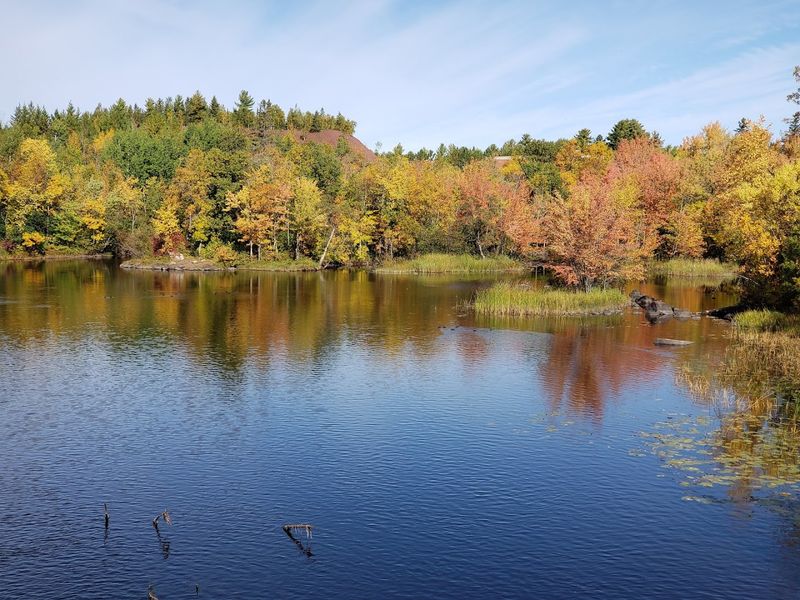
The forests and wetlands around Grand Rapids are home to a remarkable variety of wildlife, and you do not need to go far from town to encounter it. Bald eagles are common here, particularly along the Mississippi River and near the larger lakes, and spotting one feels thrilling no matter how many times it happens.
Loons are practically the soundtrack of the area. Their calls echo across the lakes at dawn and dusk, and watching a pair of them dive and resurface on a calm morning is one of those simple pleasures that is hard to put a value on.
Black bears, white-tailed deer, and moose are also present in the surrounding forests, though moose sightings require some patience and luck.
The Chippewa National Forest, which borders the Grand Rapids area, is one of the best places in the lower 48 states to observe nesting bald eagles. Birders in particular will find this region endlessly rewarding across every season of the year.
Share this story