Some musicians don’t just write songs about life. They live them, fight through them, and perform them even when their bodies are telling them to stop.
The stories on this list are about artists who kept going when most people would have quit. Whether battling illness, disability, or the slow creep of time, these musicians gave everything they had, right up to the very last note.
Freddie Mercury: The Show Must Go On
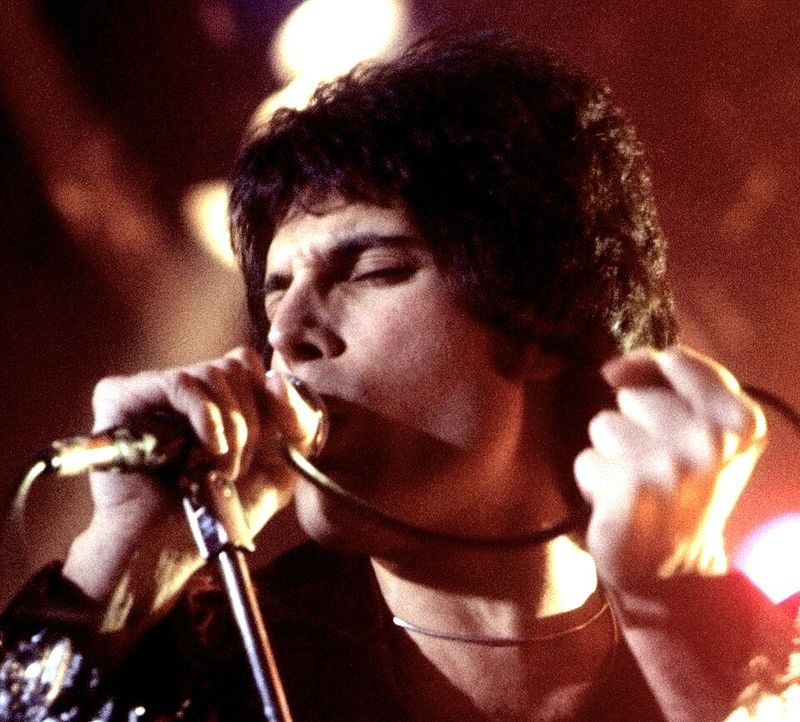
Brian May handed Freddie Mercury the lyrics to “The Show Must Go On” and genuinely wasn’t sure if his friend could pull it off. Mercury was visibly ill by 1990, weakened by a disease the world didn’t yet know he had.
So what did he do? He downed a shot of vodka, walked up to the mic, and absolutely nailed it.
That vocal performance is still one of rock music’s most jaw-dropping moments. Not because it was perfect, but because of what it cost him to do it.
Mercury knew what the song was really about, and he sang it anyway.
I still get chills every single time that opening piano line kicks in. The song became his unofficial mission statement.
Every note Mercury sang on those final Queen recordings carried a weight that only makes sense now, looking back. He didn’t just perform through the pain.
He turned the pain into art.
David Bowie: Blackstar Was His Goodbye Letter
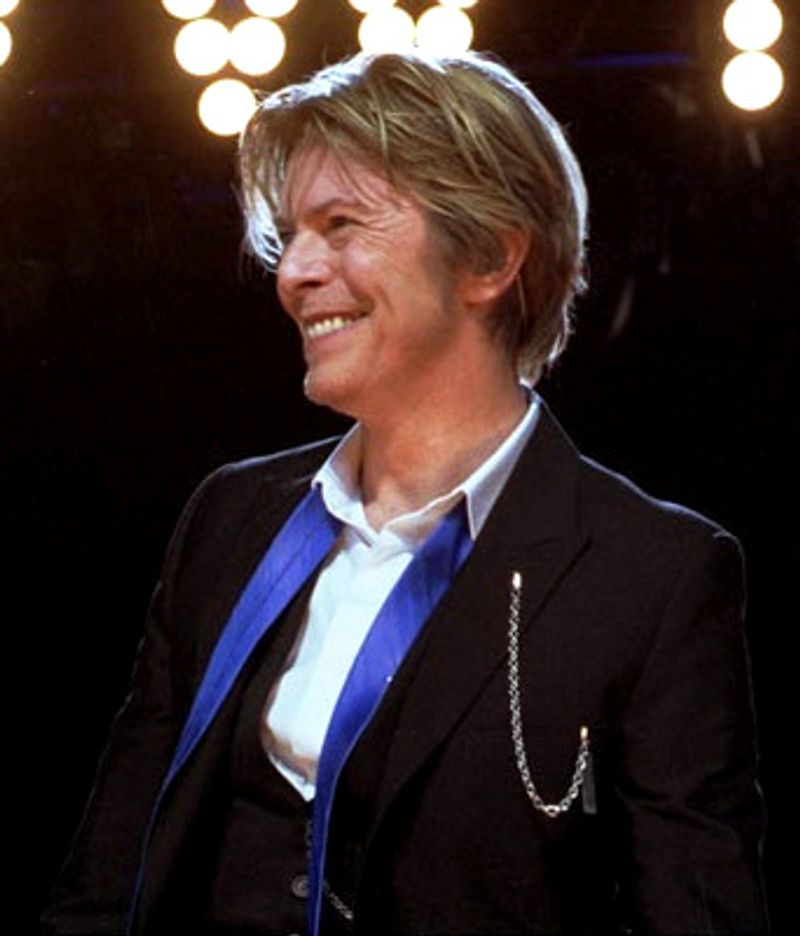
David Bowie released his final album “Blackstar” on January 8, 2016, which also happened to be his 69th birthday. Two days later, he was gone.
The timing wasn’t a coincidence. It was a masterplan.
Bowie had been secretly battling liver cancer for 18 months. Almost nobody outside his closest circle knew.
He used that time to create one of the most deliberately crafted farewell albums in music history. Every lyric, every visual, every production choice was intentional.
The album is dense, jazzy, and a little unsettling, which is exactly what Bowie wanted. He wasn’t interested in going quietly.
He wanted to leave one more piece of work that would make people stop and think. Mission accomplished. “Blackstar” debuted at number one in multiple countries, and critics immediately recognized it as something extraordinary.
It wasn’t just a great album. It was a final act of artistic genius from a man who never stopped reinventing himself, even at the very end.
Leonard Cohen: The Last Tour
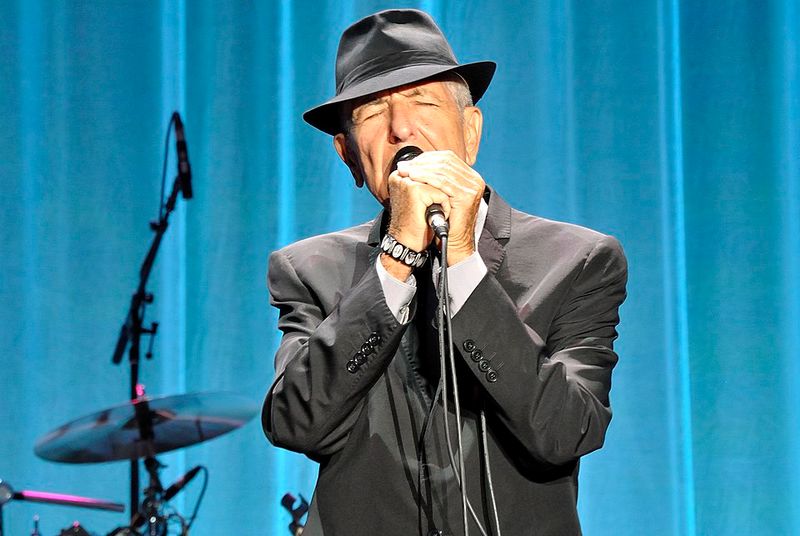
Leonard Cohen returned to touring in 2008 after a long break, largely because his manager had stolen his retirement savings. Nothing like financial ruin to get a 73-year-old back on the road.
By 2013, his final touring run was wrapping up, and those shows were something special. Cohen was performing sets that stretched past three hours.
He kneeled on stage regularly, not for dramatic effect, but because his knees genuinely couldn’t hold him up for that long. He did it anyway.
Audiences described those concerts as almost religious experiences. Cohen had this rare ability to make a room full of strangers feel like they were sharing something deeply private.
His voice had deepened into something almost geological by then, slow and heavy and full of cracks. But those cracks were the point.
He once said the cracks are how the light gets in. Watching him on that final tour, you understood exactly what he meant.
Warren Zevon: The Wind at His Back
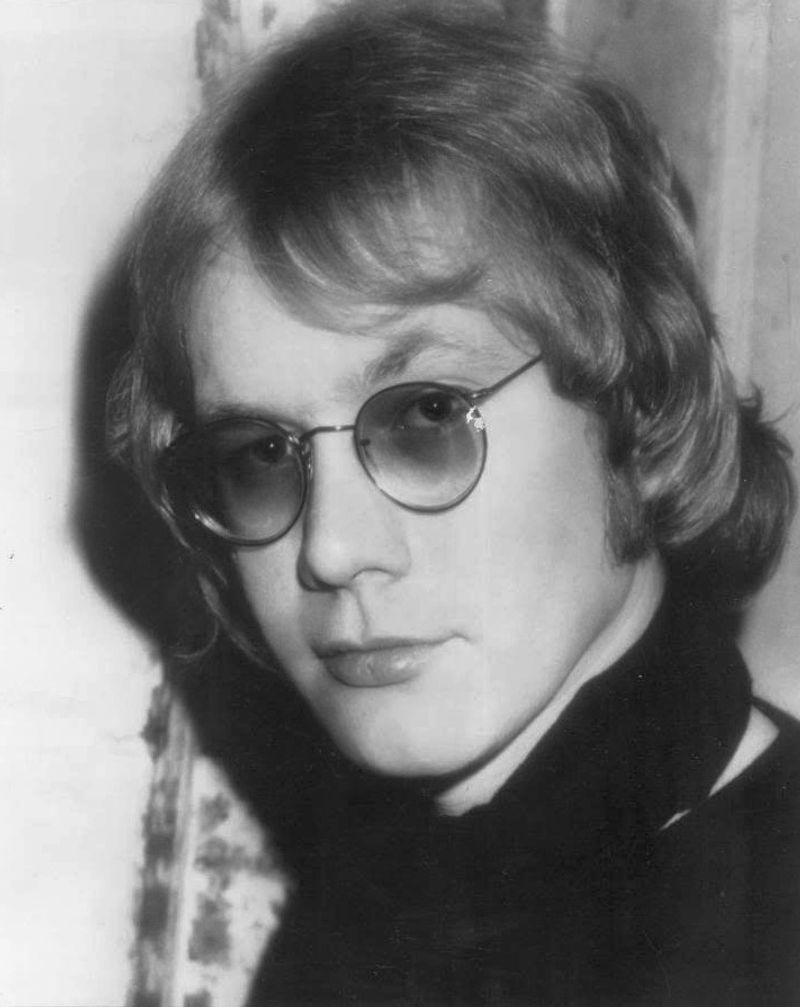
Most people, upon receiving a terminal cancer diagnosis, would not immediately book a recording studio. Warren Zevon was not most people.
He had about a year to live, and he used it to make one final album with an all-star cast of friends.
“The Wind” was released on August 26, 2003. Zevon died on September 7, just 12 days later.
The timing is almost absurdly precise, like he had a deadline and he met it, because of course he did.
Collaborators on the record included Bruce Springsteen, Tom Petty, Jackson Browne, and Emmylou Harris. Friends showed up, played their parts, said their goodbyes through music, and let the man finish his work.
The album won a Grammy for Best Contemporary Folk Album. Zevon didn’t live to accept it, but honestly, finishing the record at all was the real award.
That kind of focus under pressure is almost impossible to fathom.
Johnny Cash: Hurt Like He Meant It
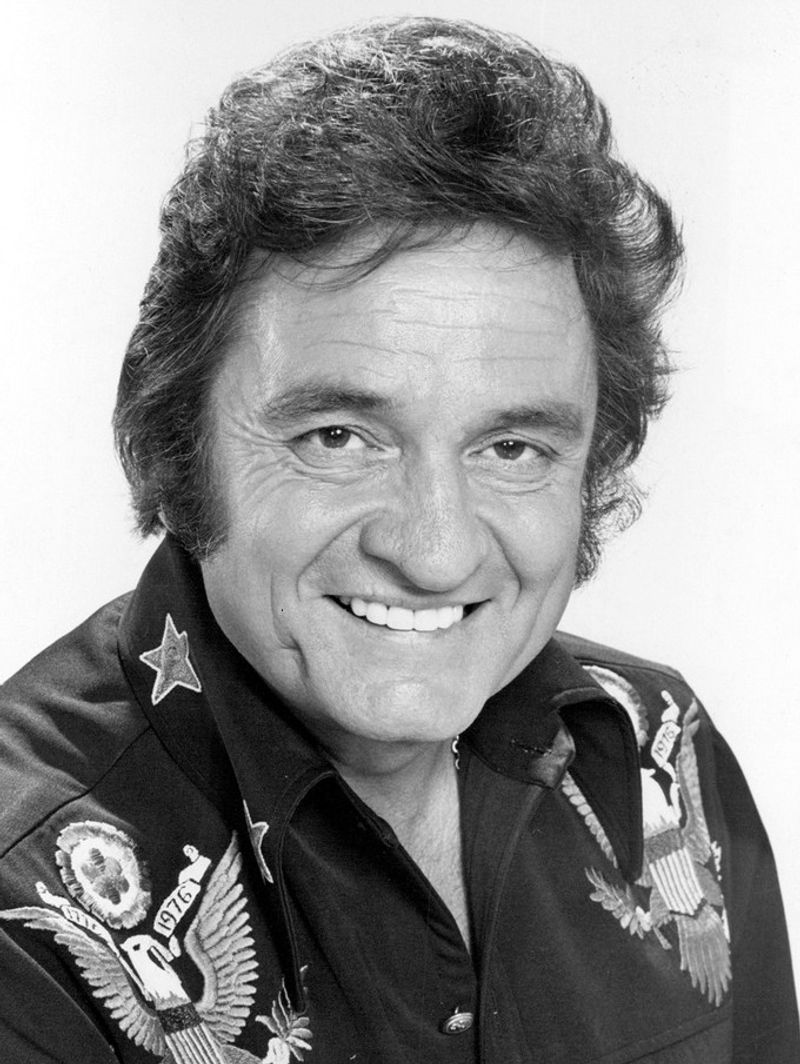
Johnny Cash covered Nine Inch Nails’ “Hurt” in 2002 and somehow made Trent Reznor feel like a guest at his own song. Reznor himself said after watching the video that the song no longer felt like his.
That’s either a massive compliment or the most polite theft in music history.
Cash was dealing with autonomic neuropathy from diabetes during those sessions, which affects the nervous system and causes serious physical complications. His hands shook.
His voice had changed dramatically. None of that stopped him.
The music video, directed by Mark Romanek, is one of the most powerful short films ever made. Cash sits at a table surrounded by relics of his career, looking like a man reviewing his entire life.
June Carter Cash appears briefly, and knowing she would die just four months before him makes it almost unbearable to watch. “Hurt” wasn’t a comeback. It was a reckoning, and Cash delivered it without flinching.
George Harrison: Brainwashed and Beautiful
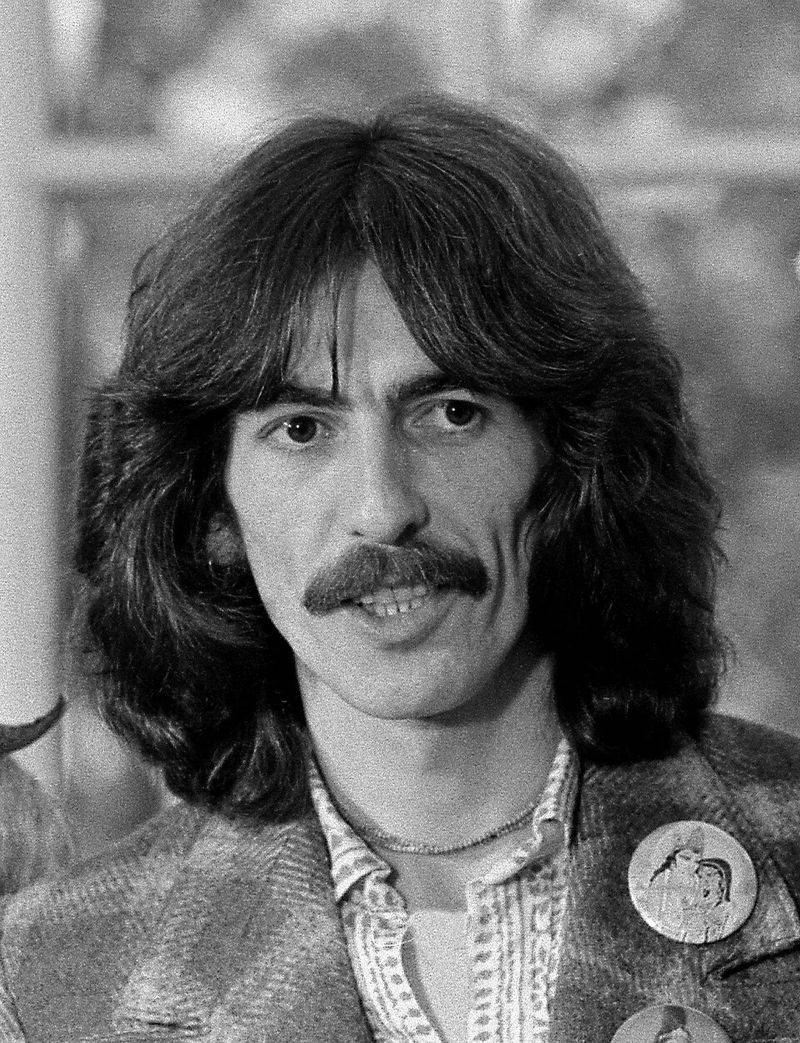
George Harrison spent his final years working on what would become “Brainwashed,” even as cancer spread through his body. He had been battling lung cancer and a brain tumor, and yet he kept showing up to work on the record.
That level of dedication is either inspiring or slightly alarming, possibly both.
Harrison died in November 2001 before the album was finished. His son Dhani and longtime collaborator Jeff Lynne stepped in to complete it, using Harrison’s detailed notes and recordings.
The album came out in November 2002 to strong reviews.
The closing track, “Any Road,” features the lyric “if you don’t know where you’re going, any road will take you there.” It’s vintage Harrison: philosophical, gentle, a little cheeky. The album doesn’t sound like a death-bed project.
It sounds like a man still fully engaged with life, still curious, still making something worth hearing. That might be the most Harrison thing about it.
Nina Simone: Carnegie Hall, One Last Time
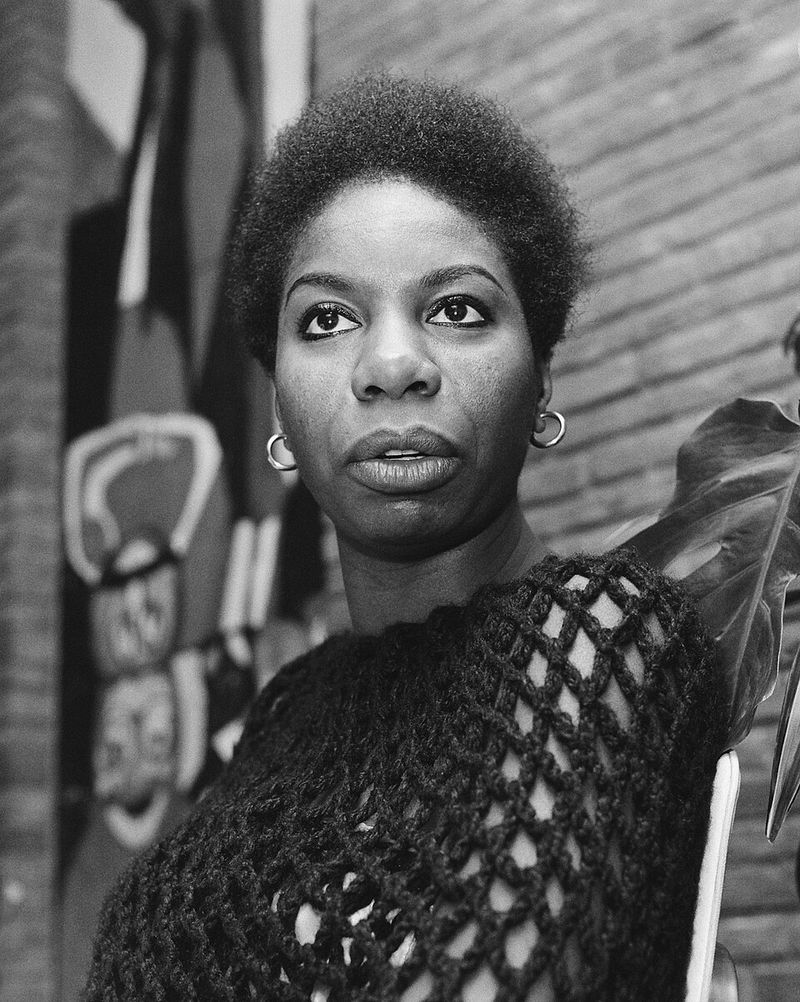
Nina Simone performing at Carnegie Hall on April 13, 2002, for Rock for the Rainforest was one of her last major public appearances, and by that point in her life, she had become genuinely unpredictable on stage. That was part of the draw.
Simone had dealt with bipolar disorder for decades, and her later performances were sometimes brilliant, sometimes chaotic, and almost always unforgettable. She was not the kind of artist who played it safe.
She never had been.
Her relationship with performing was complicated. She once said she had never wanted to be a singer at all.
Her real dream was to be a classical pianist, and she played Carnegie Hall the way someone reclaiming something that was always rightfully theirs. By 2002, her voice had weathered considerably, but her piano playing retained that extraordinary authority.
She died in April 2003, almost exactly a year after that performance. The stage had always been her true home, even when she fought it.
Glen Campbell: The Goodbye Tour
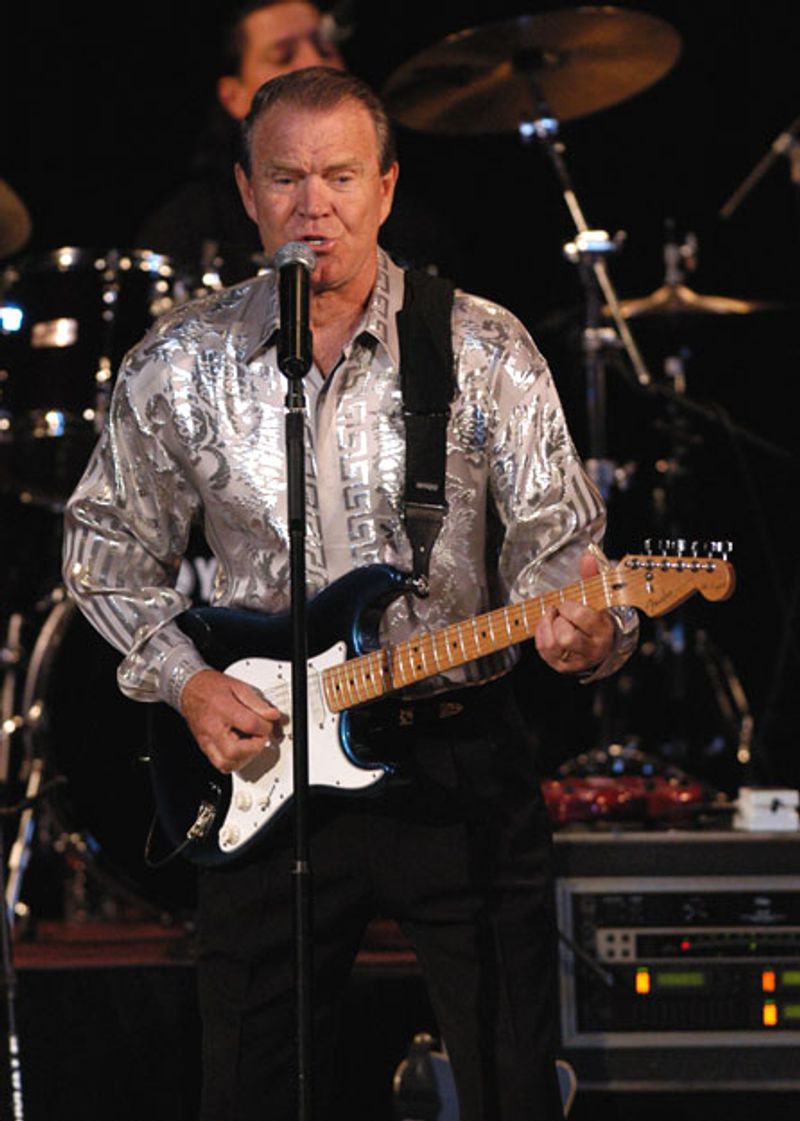
Glen Campbell announced his Alzheimer’s diagnosis in 2011 and then did something nobody expected: he went on tour. Not a short run of shows.
A full-scale, 151-date tour that ran from August 2011 to November 2012. Alzheimer’s be darned, apparently.
What made the Goodbye Tour remarkable wasn’t just that he did it. It was how well he did it.
Campbell’s musical memory held up far longer than his other memories, which is actually a well-documented phenomenon. Music lives in a different part of the brain, and for Campbell, that part stayed sharp.
There were moments on stage where he forgot lyrics mid-song, and the audience would sing them back to him. Nobody left.
Nobody complained. They just helped him through it, because that’s what you do for someone who has given you that much music.
The documentary “I’ll Be Me” captured the tour, and it’s one of the most moving music films ever made. Campbell played his heart out, every single night.
Joey Jordison: Fighting Back to the Kit
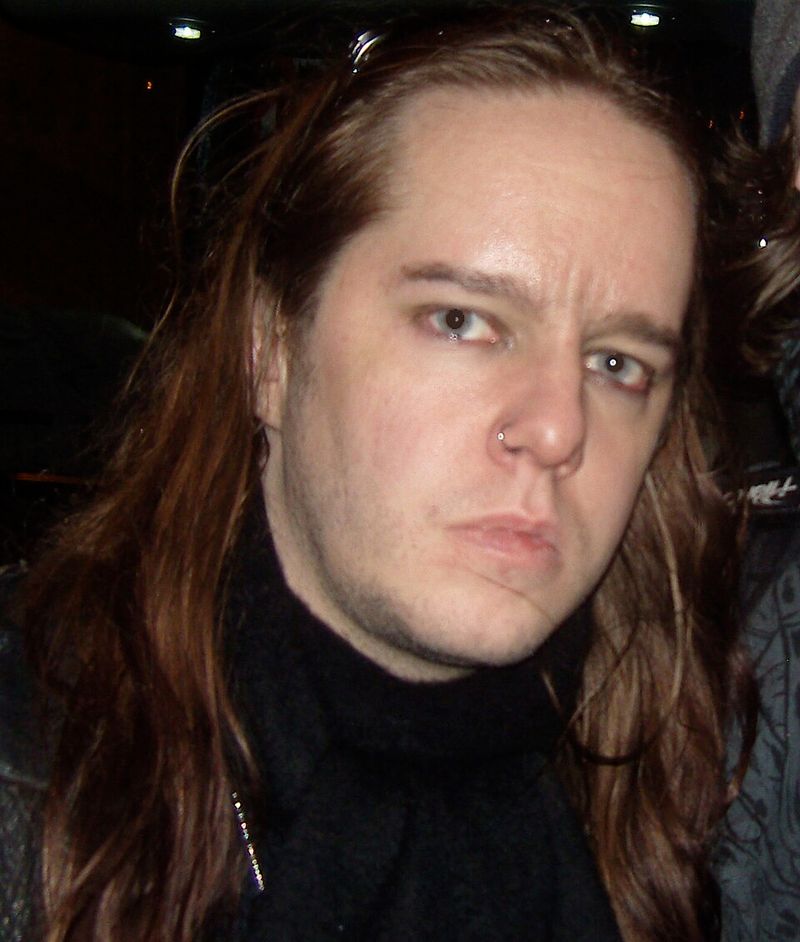
Joey Jordison was one of the most technically gifted drummers of his generation, so when he was quietly removed from Slipknot in 2013, fans were confused and the official explanations were vague. The real story, which Jordison revealed later, was that he had developed transverse myelitis, a rare neurological disorder that caused paralysis in his legs.
He couldn’t walk. He couldn’t play drums.
For a musician whose entire identity was built around physical precision and explosive energy, that diagnosis must have been devastating. Most people would have accepted it and moved on.
Jordison didn’t accept it. He went through intensive rehabilitation, relearned how to walk, and worked his way back to the drum kit through sheer stubborn determination.
He eventually announced he was “100% back” and formed new bands, including Sinsaenum and Vimic. Jordison died in July 2021 from a non-related medical condition, but not before proving that his talent was bigger than any diagnosis.
The comeback alone was extraordinary.
Maurice White: The Quiet Exit
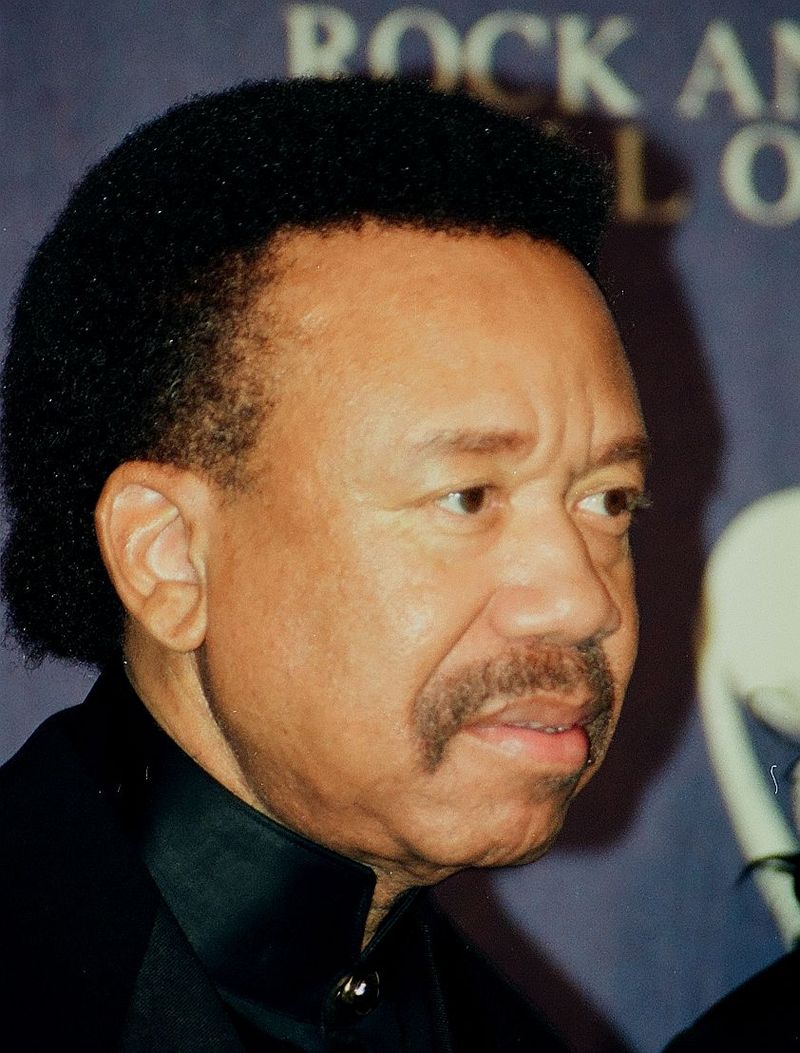
Maurice White founded Earth, Wind and Fire in 1970 and spent the next two decades turning the band into one of the most joyful, life-affirming acts in music history. Then in 1994, at the peak of his legacy, he quietly stepped back from touring.
The reason was Parkinson’s disease.
White was diagnosed with Parkinson’s in the late 1980s, but he kept it private for years. When the touring became physically impossible, he handed the reins to his brother Verdine and continued working behind the scenes as a producer and creative director.
The band didn’t stop. It just continued without him at the front.
That decision, to protect the music rather than force himself through something his body couldn’t handle, took a different kind of courage. White died in February 2016, and tributes poured in from across the entire music world.
Earth, Wind and Fire’s catalog is a monument to what he built, and he spent his final years making sure it stayed standing. That’s a quiet legacy, but a mighty one.
Share this story