Rock music has given the world some of the most electrifying performers in history, but fame can fade faster than a guitar solo. Many stars who once filled arenas and topped the charts are now barely a blip on the radar for younger listeners.
If you are under 25, some of these names might sound completely unfamiliar, even though they shaped the music you probably still hear today. Here is a look at 15 rock legends who were once household names but have quietly slipped out of the spotlight for a new generation.
1. David Lee Roth (Van Halen)
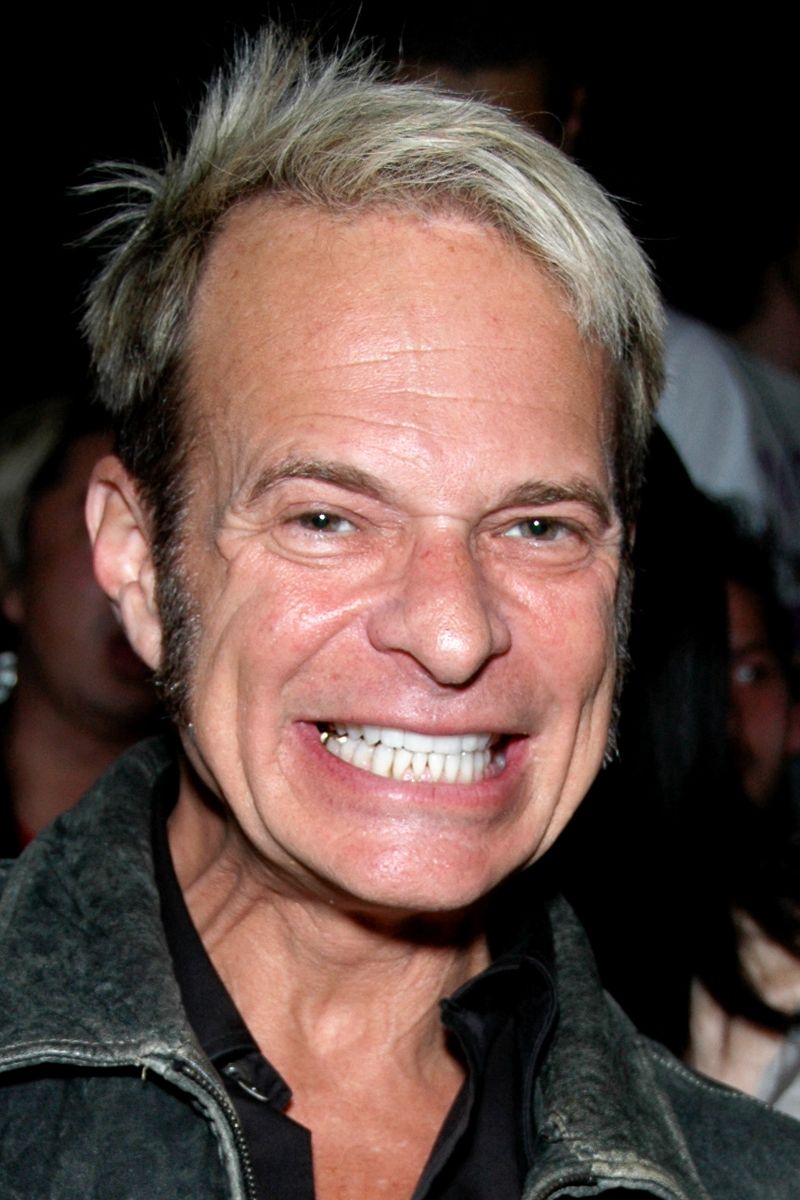
Back in the 1980s, David Lee Roth was basically the definition of a rock star. As the frontman of Van Halen, he was known for his wild stage jumps, flashy outfits, and a personality that could fill any arena without even plugging in a guitar.
Songs like “Jump” and “Hot for Teacher” made Van Halen one of the biggest bands on the planet.
Most younger listeners today know the band’s music, but if you say “David Lee Roth,” you might get a blank stare. The band’s name carries the legacy, while the man who helped build it has quietly faded from mainstream recognition.
He left Van Halen in 1985, pursued a solo career, and later rejoined, but none of that kept his personal fame alive with newer audiences. He is a rock icon whose face has become a mystery to those under 25.
2. Steven Adler (Guns N Roses)
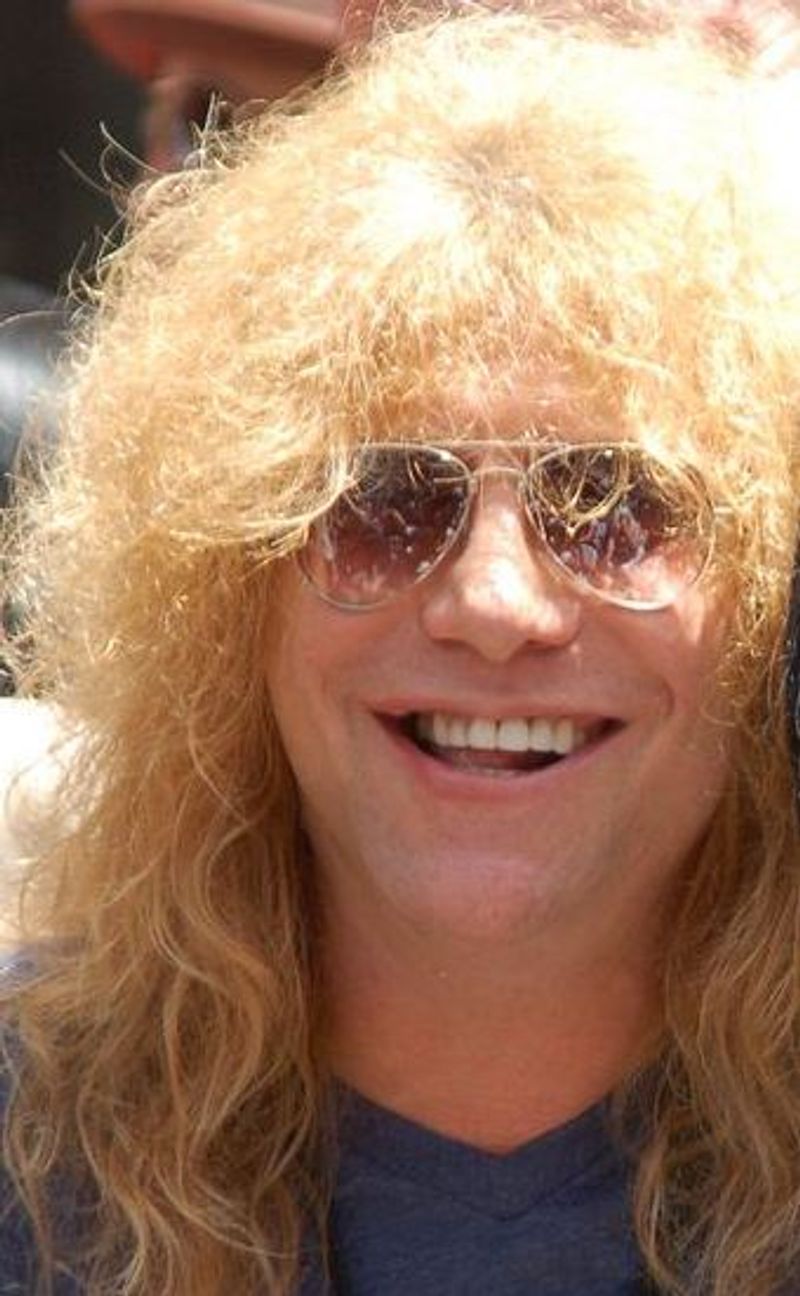
When Guns N Roses exploded onto the scene in the late 1980s, Steven Adler was the heartbeat behind the band, literally. His drumming on classic tracks like “Welcome to the Jungle” and “Sweet Child O Mine” helped define one of the most explosive eras in rock history.
He was a founding member and a key part of why that debut album hit so hard.
Today, Axl Rose and Slash are the faces most people associate with Guns N Roses, and understandably so. Adler was dismissed from the band in 1990 due to personal struggles, and his story became a quieter chapter in a very loud rock narrative.
Younger fans who love the band’s music rarely know his name, even though his drumming is baked into the songs they stream. His contribution deserves far more credit than it typically receives.
3. Dennis DeYoung (Styx)
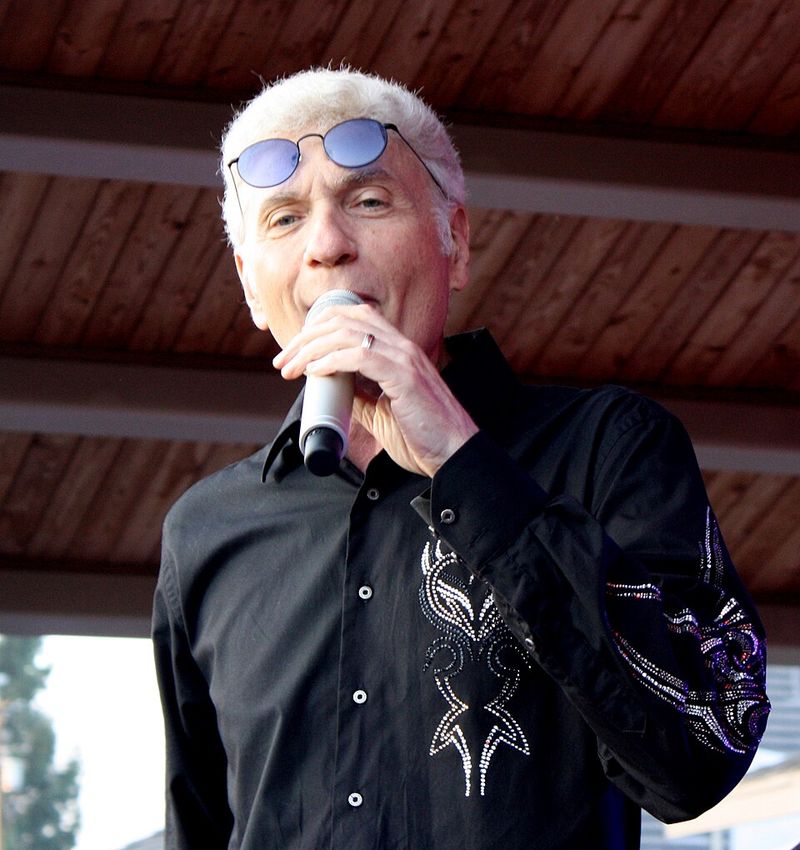
Ask someone under 25 if they know “Come Sail Away” and there is a decent chance they have heard it, maybe even from a movie or TV show. But ask them who sang it, and the name Dennis DeYoung will likely mean nothing at all.
He was the primary vocalist, keyboardist, and songwriter for Styx during their commercial peak in the late 1970s and early 1980s.
Styx racked up massive hits like “Mr. Roboto,” “Babe,” and “Lady,” all of which carried DeYoung’s theatrical vocal style front and center. His influence on arena rock was enormous, blending pop melodies with progressive rock ambition in a way few bands could pull off.
Despite all of that, his name recognition among younger generations is nearly nonexistent. The songs live on in playlists and commercials, but the man behind them has become a mystery to a whole new era of listeners.
4. Mark Farner (Grand Funk Railroad)
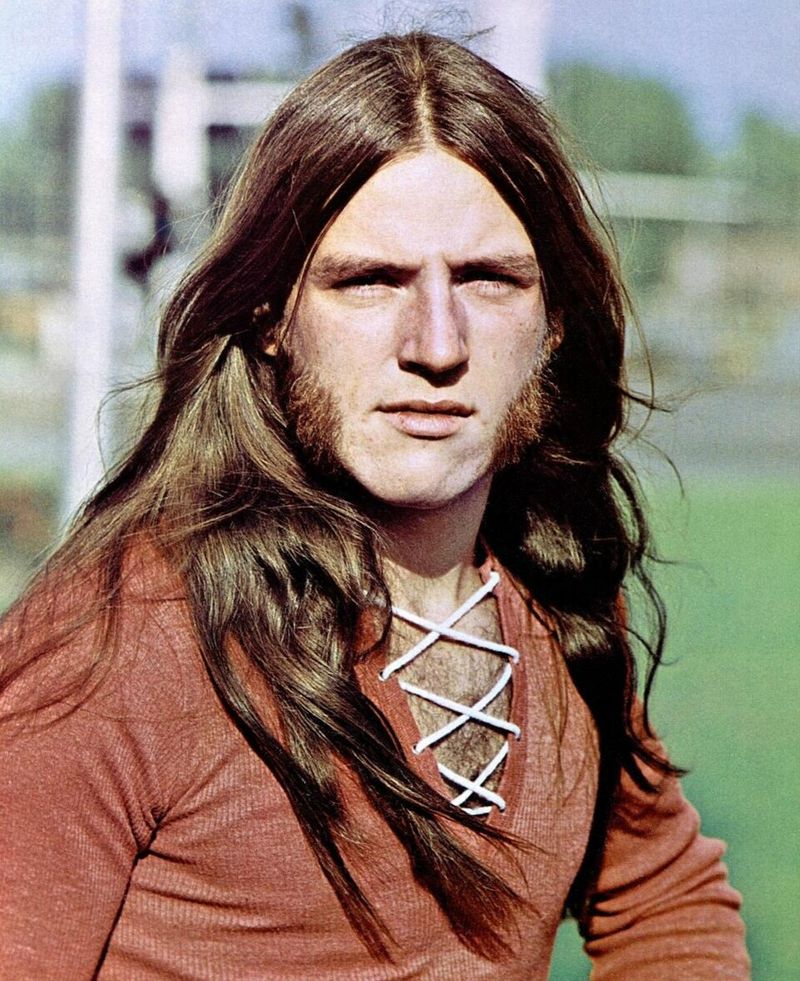
Grand Funk Railroad was one of the most popular hard rock bands of the early 1970s, and Mark Farner was the engine that drove them. His raw, powerful voice and aggressive guitar playing helped the band sell out stadiums faster than the Beatles did, which was a remarkable achievement for any rock act at the time.
Hits like “We’re an American Band” and “Some Kind of Wonderful” put Grand Funk Railroad on the map, and Farner’s shirtless, high-energy performances became the stuff of rock legend. But somewhere between the classic rock era and today’s streaming age, his name got left behind.
Younger listeners who stumble onto those songs rarely connect them to Farner specifically. Grand Funk Railroad is already a niche reference for most people under 25, making Farner himself even more of an unknown quantity in today’s music conversation.
5. Lou Gramm (Foreigner)
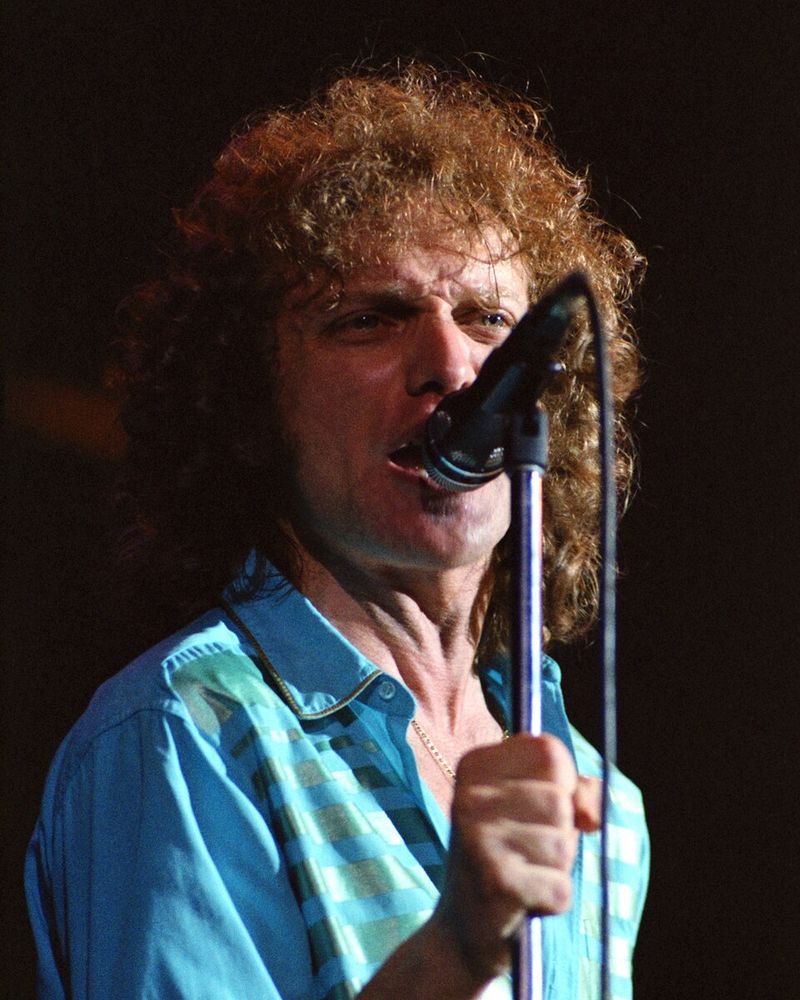
Foreigner songs like “I Want to Know What Love Is,” “Cold as Ice,” and “Waiting for a Girl Like You” are still heard on radio stations and in movies all the time. The melodies are instantly recognizable, but the voice behind them, Lou Gramm, is a name that barely registers with listeners under 25.
He was the original lead vocalist who gave those songs their emotional punch.
Gramm’s voice had a rare combination of grit and warmth that made Foreigner stand out in an era packed with rock competition. He faced serious health challenges in the late 1990s, including a brain tumor, which affected his career significantly.
He eventually parted ways with the band, and Foreigner continued without him. The songs remain popular, but the man who made them iconic has been largely erased from the memory of a younger generation that streams the music without ever knowing his name.
6. Brad Delp (Boston)
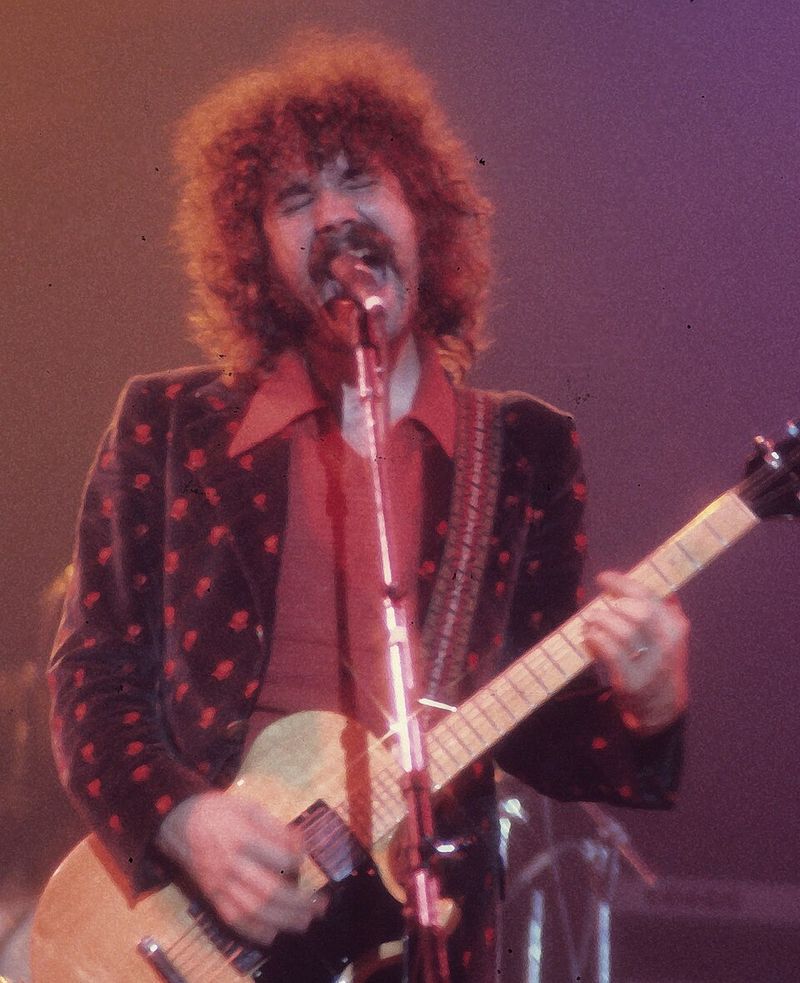
“More Than a Feeling” is one of those songs that almost everyone has heard at some point, whether they know it or not. That soaring, unforgettable vocal belongs to Brad Delp, the lead singer of Boston.
When the band released their debut album in 1976, it became one of the best-selling debut albums in rock history, and Delp’s voice was a huge reason why.
His range was extraordinary, hitting notes that most singers could only dream about. Songs like “Peace of Mind” and “Amanda” showcased a vocal talent that should have made him a household name for decades.
Sadly, Delp passed away in 2007, and his legacy has been largely overshadowed by the band’s overall reputation rather than his individual contribution. Many younger listeners who love Boston’s music have no idea who sang those songs, which is a genuine loss for music history.
7. Mickey Thomas (Jefferson Starship and Starship)
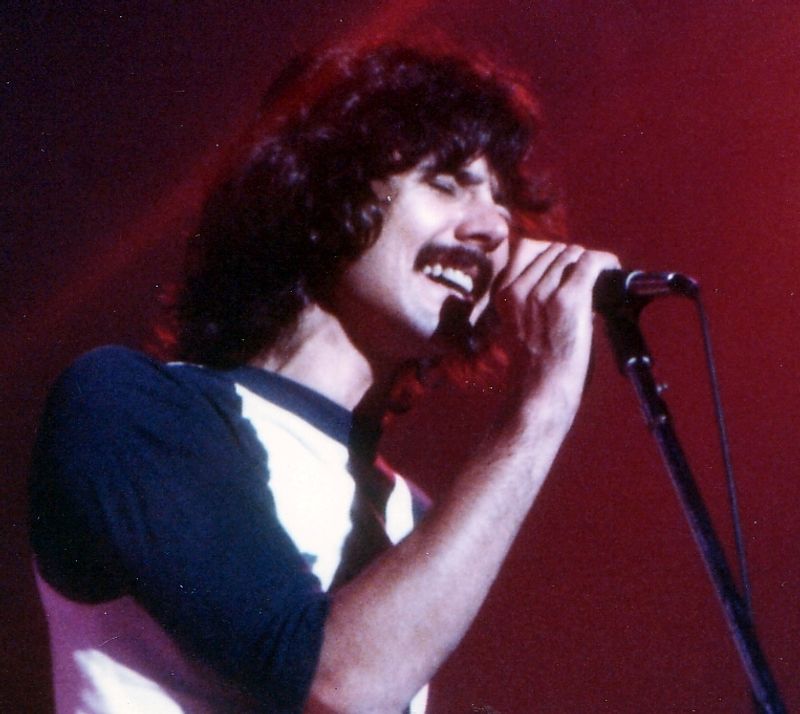
“We Built This City” is one of those songs that people either love or love to debate, but either way, it was everywhere in 1985. The voice leading that massive pop-rock anthem belonged to Mickey Thomas, who had taken over as lead vocalist for Jefferson Starship and later Starship.
The band had already gone through a dramatic evolution from their psychedelic roots, and Thomas was the one steering them into the mainstream 1980s sound.
He also sang on hits like “Sara” and “Nothing’s Gonna Stop Us Now,” giving the group a polished radio-friendly identity that matched the decade perfectly. But for listeners under 25, Mickey Thomas is essentially a ghost.
The songs pop up in nostalgic playlists and movie soundtracks, yet his name is rarely attached to them in any meaningful way. He gave a band a second life, and history has mostly forgotten to thank him for it.
8. Kevin Cronin (REO Speedwagon)
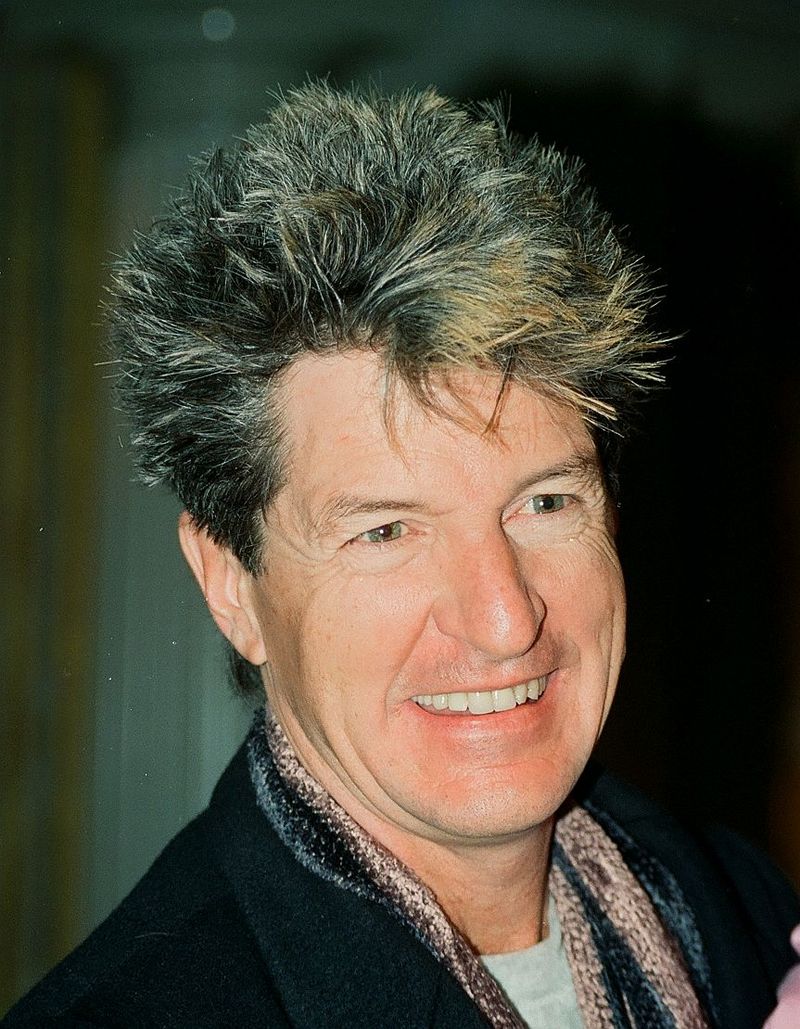
REO Speedwagon had one of the most commercially successful runs of the early 1980s, and Kevin Cronin was the voice and creative force at the center of it all. “Keep On Loving You” and “Can’t Fight This Feeling” were massive ballads that dominated radio and became part of the emotional soundtrack for an entire generation of music fans.
Cronin’s passionate delivery and earnest songwriting style gave those songs a sincerity that connected with millions of listeners. The band was not just a one-hit wonder, racking up a string of charting singles throughout the decade.
But time has not been kind to name recognition. Younger audiences might hum along to those songs without ever knowing who wrote or sang them.
REO Speedwagon as a band name still rings a bell for some, but Kevin Cronin himself has become largely invisible to the under-25 crowd.
9. Rick Parfitt (Status Quo)
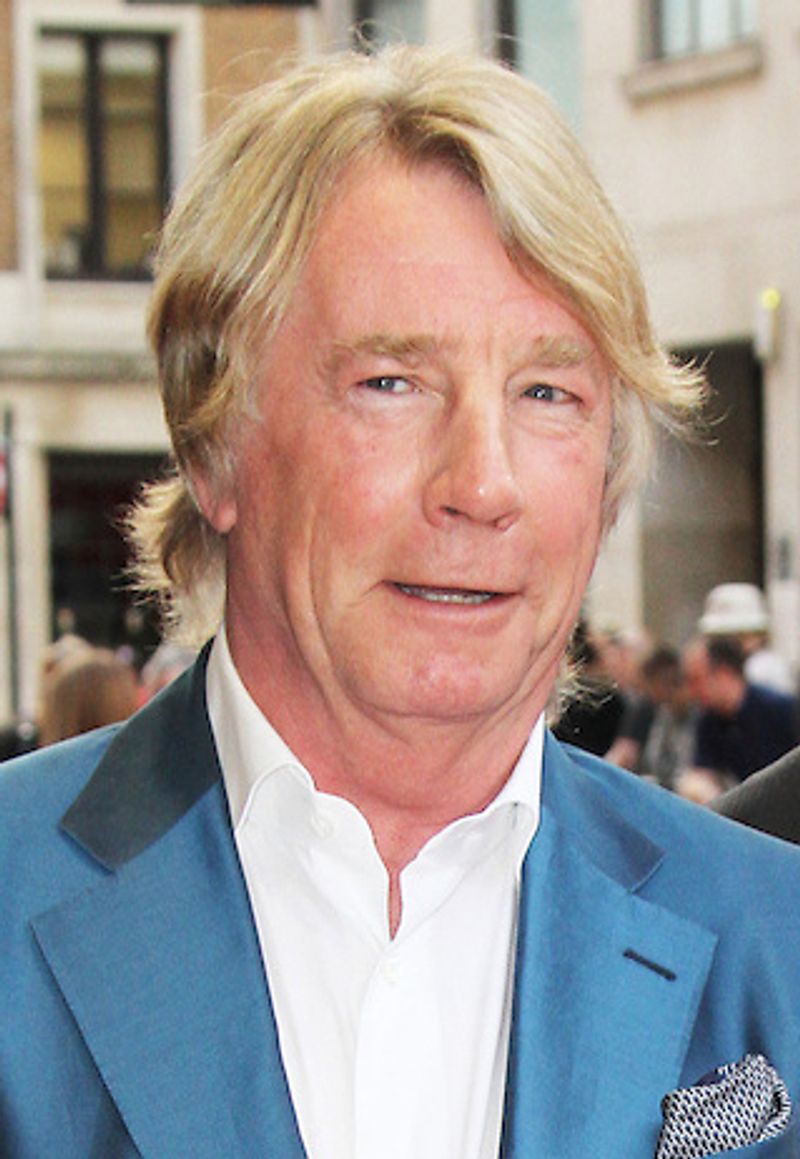
In the United Kingdom, Status Quo was not just a band, it was a cultural institution. Rick Parfitt, alongside Francis Rossi, was one half of the guitar-driven duo that kept the band rocking for decades.
Their boogie-based hard rock style earned them a record number of UK chart hits and a devoted fanbase that followed them from the 1970s all the way through the 2000s.
But outside of the UK, and especially among younger global audiences, Parfitt’s name is essentially unknown. Status Quo never broke through in North America the way they did at home, which limited their international legacy considerably.
Parfitt passed away in December 2016 after suffering a heart attack, and tributes poured in across Britain. Yet most listeners under 25, particularly outside the UK, would not recognize his face or his name.
He was a rock institution in one country, invisible in most others.
10. Peter Frampton
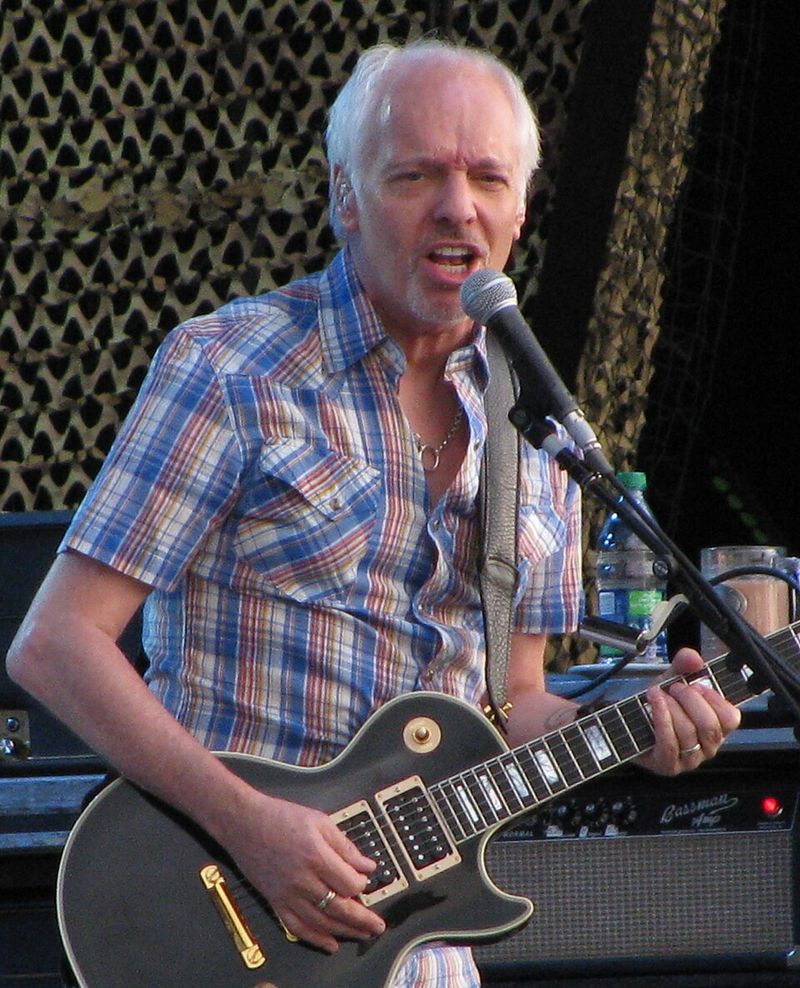
In 1976, Peter Frampton released “Frampton Comes Alive!” and it became one of the best-selling live albums ever recorded. For a brief but brilliant moment, he was one of the biggest rock stars on the planet.
The talk box guitar technique he used on songs like “Do You Feel Like We Do” became one of the most imitated sounds in rock history.
His boyish charm and undeniable guitar skills made him a magazine cover staple and a concert sellout throughout the mid-1970s. But fame at that level can be difficult to sustain, and Frampton’s commercial peak was relatively short-lived.
His later work never matched the massive success of that live album. Today, younger listeners may recognize the talk box sound from other artists without ever knowing Frampton invented the approach.
He is a genuine guitar hero whose name has quietly disappeared from the conversations of a younger generation.
11. Sammy Hagar (Van Halen and Solo)
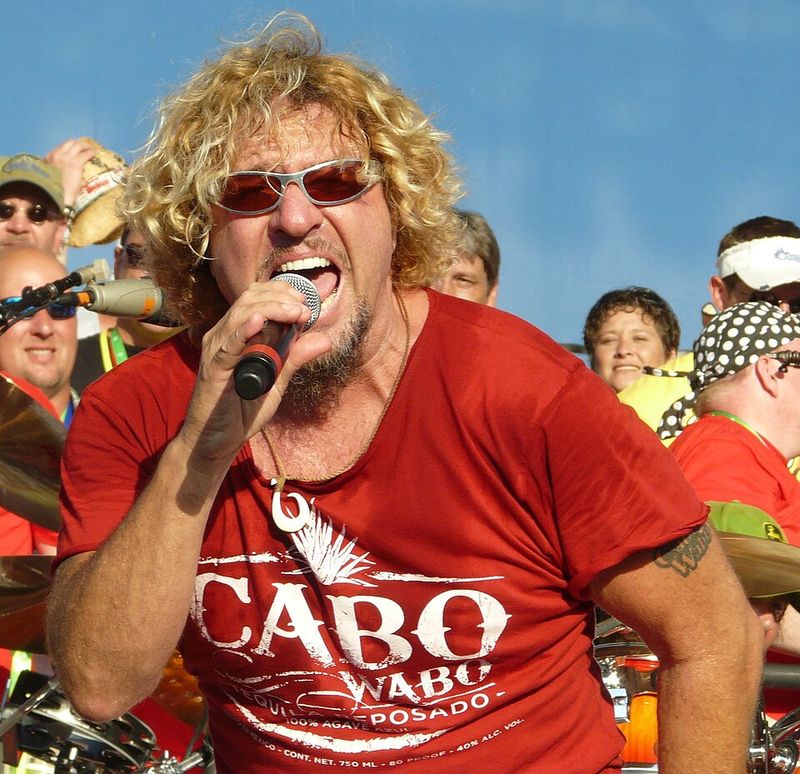
When David Lee Roth left Van Halen in 1985, Sammy Hagar stepped in and the band kept right on rolling. Songs like “Why Can’t This Be Love” and “Right Now” came from the Hagar era, and the band continued selling out arenas throughout the late 1980s and early 1990s.
He also had a successful solo career before joining, with the anthem “I Can’t Drive 55” becoming a rock radio staple.
But here is the tricky part: most younger fans who know Van Halen associate the band almost entirely with the Roth era, leaving Hagar’s significant contributions in a strange middle ground. His solo work is even less known to listeners under 25, despite the fact that he remained active in music and business ventures for years.
He is a rock star who genuinely succeeded twice over, yet somehow both chapters of his career have slipped past a whole new generation of listeners.
12. Paul Rodgers (Bad Company and Free)
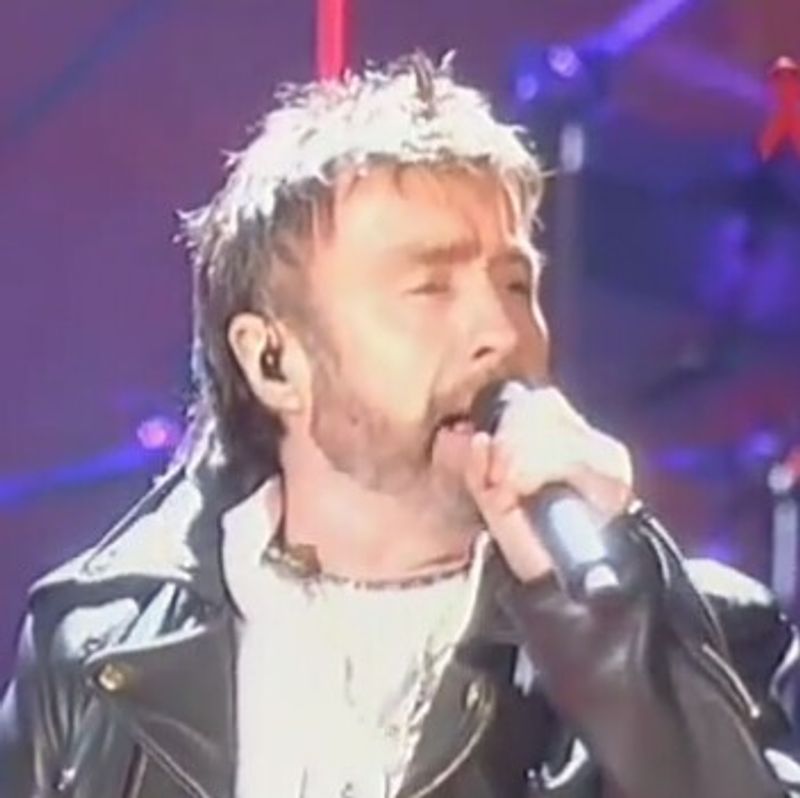
Many musicians and critics consider Paul Rodgers to have one of the greatest raw rock voices in history, a bold claim that is surprisingly easy to defend once you hear him. As the frontman of Free, he delivered the timeless “All Right Now” in 1970, a song that still sounds fresh today.
He then co-founded Bad Company, which became one of the most successful rock acts of the mid-1970s.
Hits like “Feel Like Makin Love,” “Bad Company,” and “Rock Steady” showcased a vocal power that few singers have ever matched. He later toured with the surviving members of Queen, a move that underlined just how highly his peers regarded him.
But younger listeners under 25 rarely know his name. The songs he sang have outlived his fame, floating through classic rock stations and movie soundtracks while his identity quietly fades into the background of music history.
13. Ian Gillan (Deep Purple)
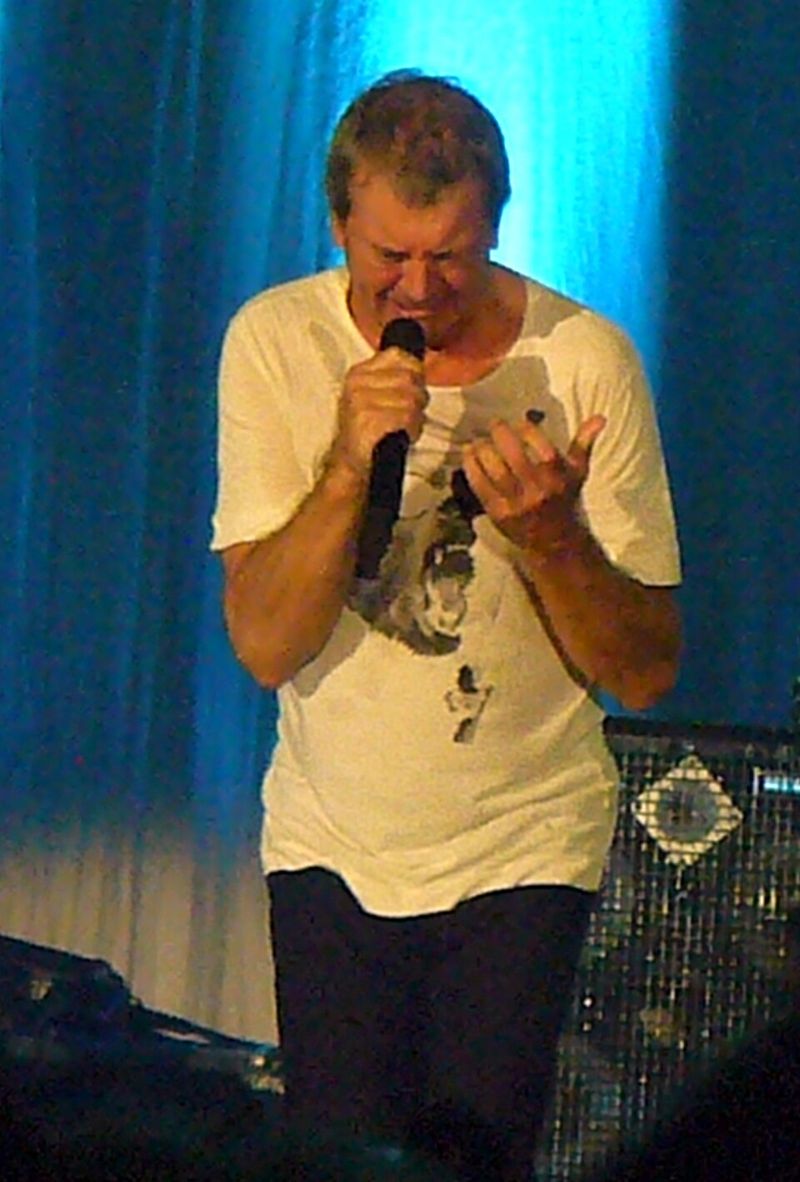
Deep Purple is widely recognized as one of the founding bands of heavy metal, and Ian Gillan is the voice that made their most iconic recordings unforgettable. His screaming high notes on “Child in Time” are considered some of the most technically impressive moments in rock vocal history.
He also sang the original Jesus Christ Superstar recording, which gave him a reach far beyond the world of hard rock.
“Smoke on the Water” remains one of the most recognizable guitar riffs ever written, and Gillan’s vocal performance on that track is equally memorable. But while the riff is famous, the singer behind it is largely unknown to younger audiences.
Deep Purple as a band name might ring a faint bell for some listeners under 25, but Ian Gillan as an individual is rarely part of that recognition. His vocal legacy deserves far more attention than the streaming era has given it.
14. Tom Scholz (Boston)
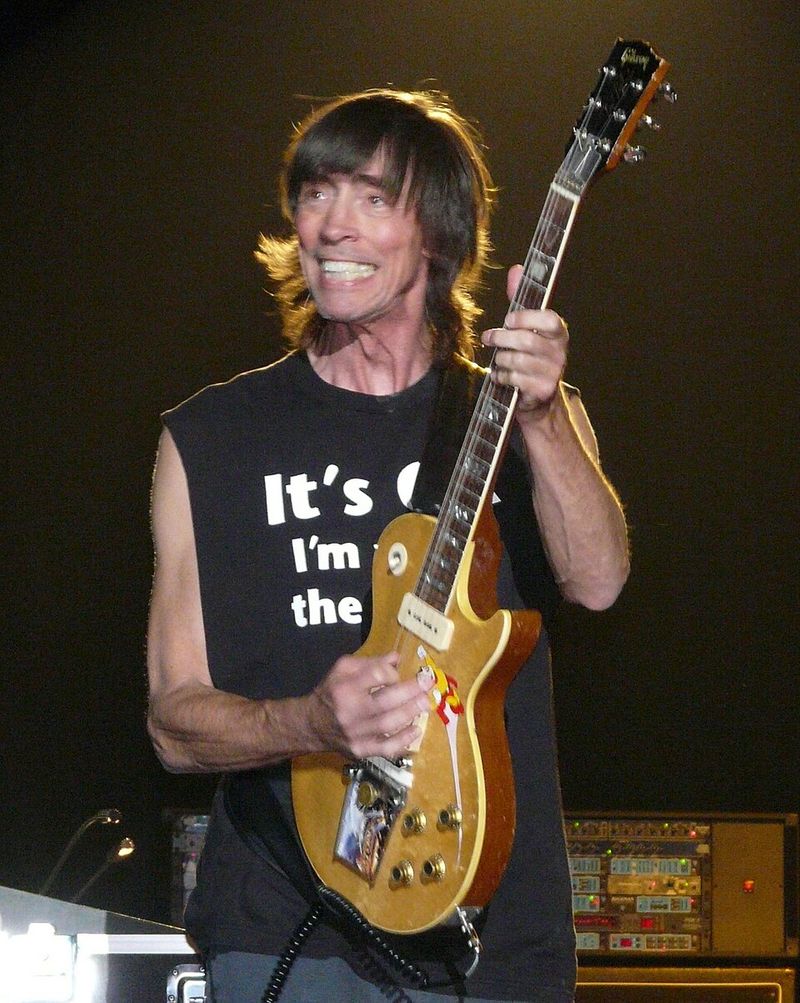
Behind every great rock sound, there is usually someone obsessing over the technical details, and for Boston, that person was Tom Scholz. A trained engineer with a degree from MIT, Scholz built a recording studio in his basement and essentially invented the guitar tone that defined Boston’s sound.
He wrote, produced, and played most of the instruments on that landmark 1976 debut album.
His perfectionism was legendary in music industry circles. Boston albums sometimes took years to complete because Scholz refused to release anything that did not meet his exacting standards.
The result was a catalog of music that sounded unlike anything else on the radio. But because he was more of a behind-the-scenes genius than a front-of-stage personality, his name never became truly famous beyond dedicated rock fans.
Younger listeners who love Boston’s music almost never know who created it, making Scholz one of rock’s most underappreciated architects.
15. Joe Lynn Turner (Rainbow and Deep Purple)
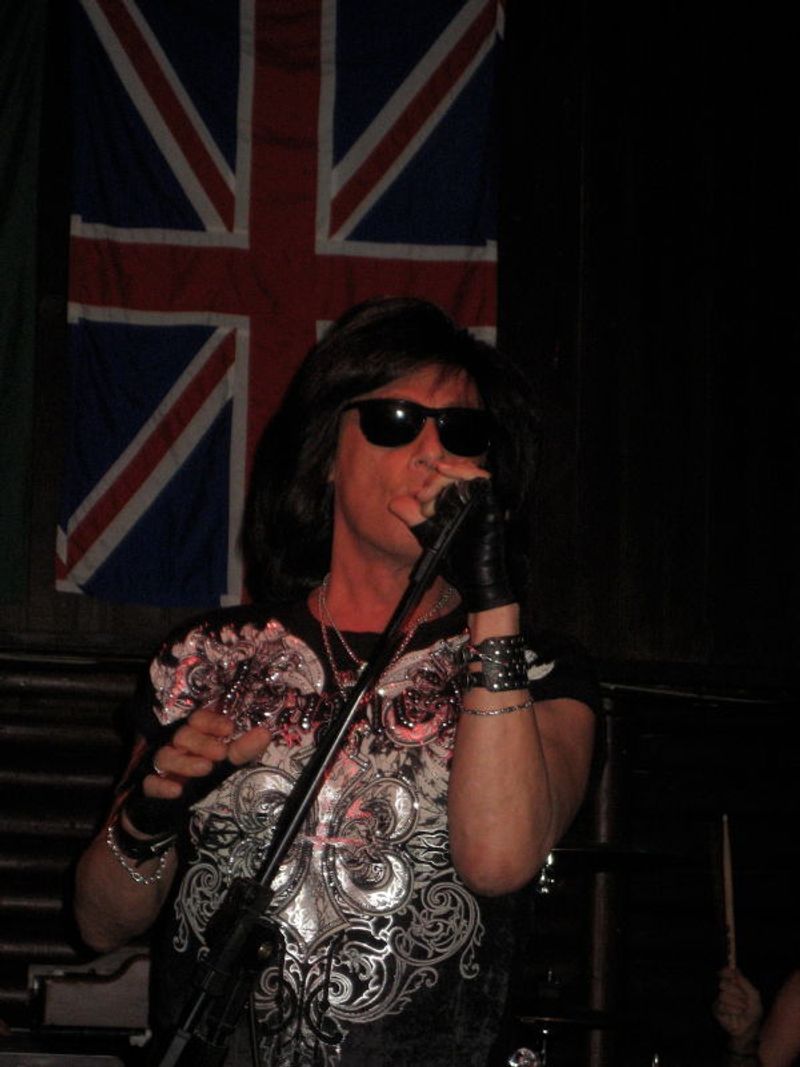
Joe Lynn Turner had a voice that fit perfectly into the melodic hard rock sound of the 1980s, smooth enough for radio but powerful enough for the stage. He joined Rainbow in 1981 and helped steer the band toward a more commercial direction, landing hits like “Stone Cold” that got significant radio play.
His tenure with Rainbow showed he could handle both the technical demands of hard rock and the polish required for mainstream success.
He later had a stint with Deep Purple in the early 1990s, recording the album “Slaves and Masters” and further cementing his reputation among dedicated rock fans. But outside of those circles, Turner remains almost completely unknown.
Younger listeners who love 1980s rock radio hits rarely trace those songs back to him. He is the kind of singer that musicians respect deeply but casual fans have never heard of, a common and somewhat unfair fate in the world of classic rock.
Share this story