Most people drive past Pennsville, New Jersey without a second thought. It is a small, quiet town in Salem County that does not exactly make the tourist brochures.
But tucked along the western edge of the state, right on the banks of the Delaware River, sits a state park that manages to pack history, nature, and river views into one surprisingly compact and well-kept package. The fortifications here date back to the 1890s, the trails wind through woods and along the shoreline, and the whole place is free to enter.
There is a working ferry in summer, a museum full of real artifacts, and concrete gun batteries that once stood ready to defend the entire Delaware River valley. For a park that most New Jerseyans have never heard of, it delivers far more than expected, and that is exactly what makes it worth the detour.
Where Exactly This Park Sits
Fort Mott State Park sits at 454 Fort Mott Road in Pennsville, New Jersey 08070, right along the western edge of Salem County where the land meets the Delaware River.
The park is part of a larger historic triangle that also includes Fort Delaware on Pea Patch Island and Fort DuPont in Delaware City, all three of which once worked together as a coordinated coastal defense system.
Getting there is straightforward from Interstate 295, and the drive into Pennsville is short. The park opens at 8 AM daily and closes at 6 PM, giving visitors a solid window of time to explore without rushing.
Admission to the park itself is free, which makes it an easy choice for families or anyone looking to spend a few hours outdoors without spending much. Parking is available on site, and the lot is well maintained throughout the week.
The History Behind the Fort
Fort Mott was built in the 1890s as part of the Endicott System, a nationwide program to modernize American coastal defenses after the Civil War revealed serious gaps in the country’s ability to protect its waterways.
The fort was named after Major General Gershom Mott, a New Jersey native who served with distinction during the Civil War. Construction on the gun batteries began in 1896, and the fort was officially garrisoned in 1897.
Here is a detail that tends to surprise first-time visitors: the guns at Fort Mott were never actually fired in combat. The fort served as a training and readiness post through both World Wars before being decommissioned in 1943.
That history is well documented throughout the park, with interpretive signs posted at key locations that explain each structure’s role in the broader defense strategy. The museum adds even more depth to the story for those who want the full picture.
The Concrete Batteries Up Close
The most striking physical feature of Fort Mott is its gun batteries, and they are every bit as impressive in person as they look in photographs.
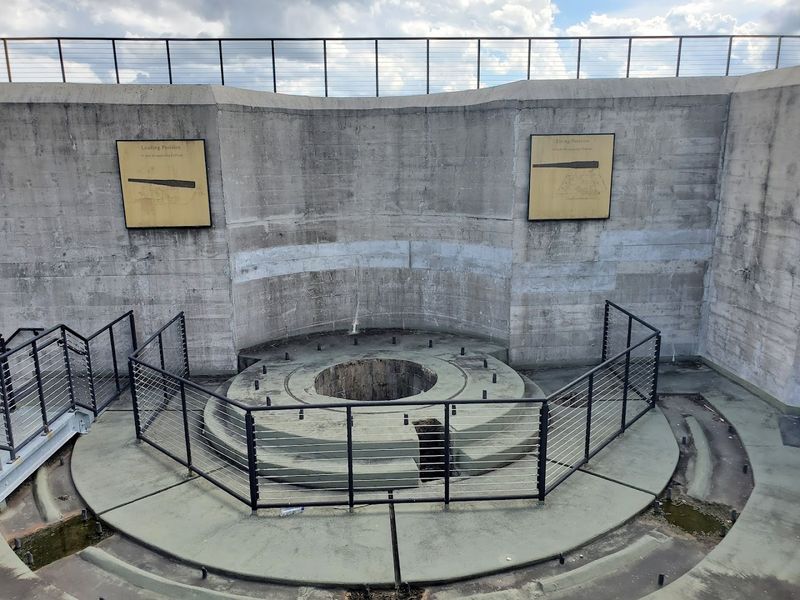
Battery Harker, Battery Edwards, and Battery Krayenbuhl are the three main emplacements, each built from thick reinforced concrete and designed to hold disappearing guns that could rise to fire and then drop back below the parapet to reload out of sight of enemy ships.
Walking through these structures gives a clear picture of the engineering involved. The walls are thick, the chambers are deep, and the scale of the whole system makes it obvious that this was built to last and built to perform under pressure.
Some sections of the batteries are open for self-guided exploration, and interpretive signs placed throughout explain the mechanics of how each gun emplacement worked. Bring a flashlight if you plan to go deep into the darker interior spaces, because the lighting inside can be limited.
The Museum Worth Stopping For
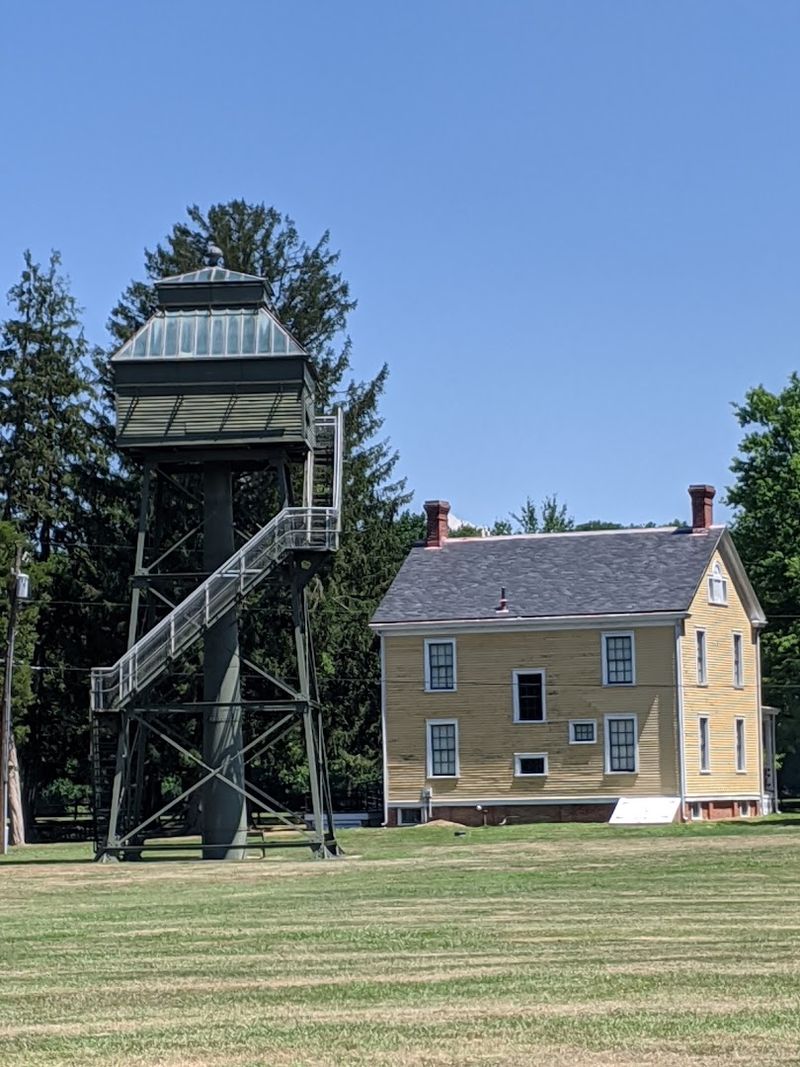
The visitor center and museum at Fort Mott is small but genuinely well put together, and it deserves more attention than it usually gets from people who come just to walk the grounds.
Inside, the exhibits cover the full arc of the fort’s history, from its construction in the 1890s through its role in World War I and World War II and on to its eventual decommissioning. Miniature models of the fort show how the whole defense system was laid out, which helps make sense of what you see when walking the grounds.
Artifacts on display include military equipment, uniforms, and photographs that bring the timeline to life in a way that the outdoor signs alone cannot. The staff members working the museum are notably knowledgeable and willing to answer detailed questions.
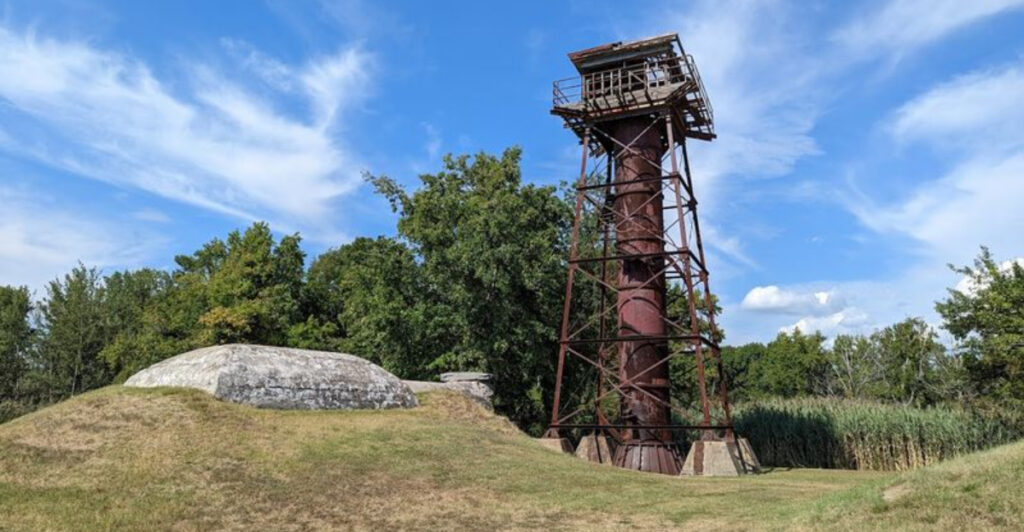
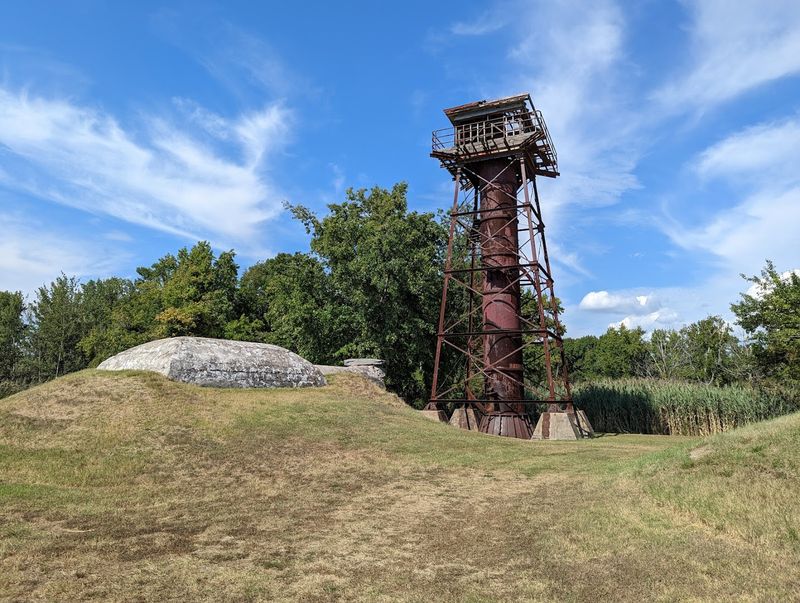
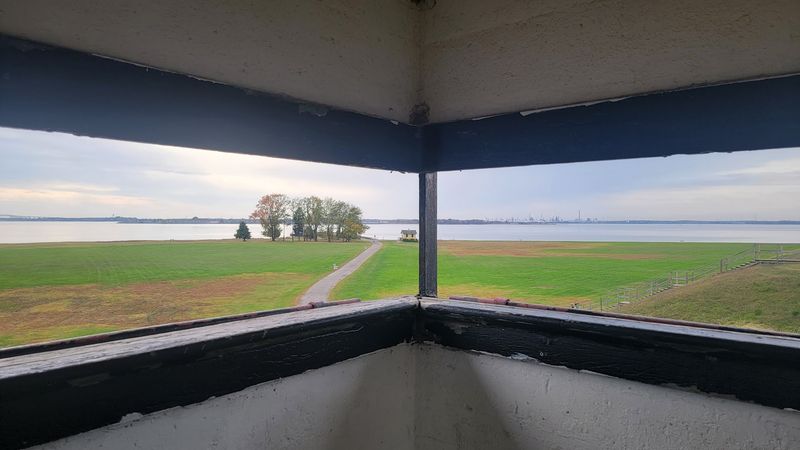
If the fire control tower happens to be accessible during your visit, it is worth asking about access, as the elevated view of the river and surrounding landscape adds real context to everything else in the museum.
Trails Through the Trees and Along the Shore
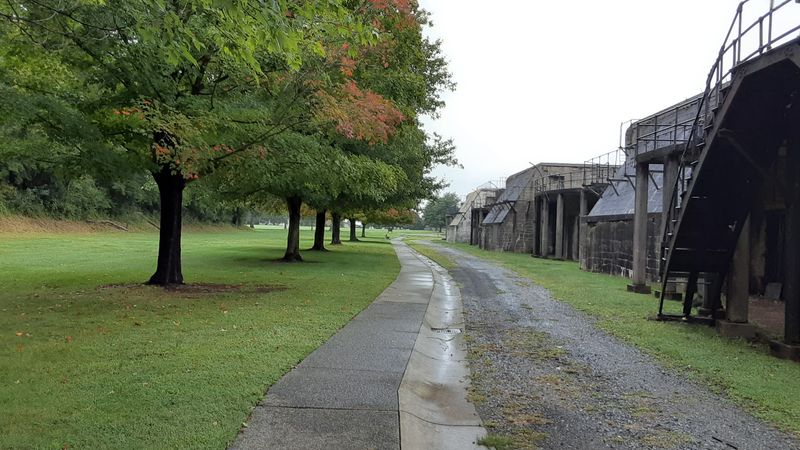
Fort Mott offers two main trails that cover different types of terrain and appeal to different types of walkers.
The Fort Mott History Trail winds through the fortification area itself, connecting the major batteries and historical markers in a loop that takes most people between 30 and 45 minutes to complete at a relaxed pace. It is flat, well-maintained, and easy enough for young children to handle without any trouble.
The Finns Point Trail extends beyond the main fort area and leads through wooded terrain toward Finns Point National Cemetery. Along this route, turtles are frequently spotted near the roadside, especially in warmer months, making it a quiet favorite for anyone who enjoys casual wildlife watching.
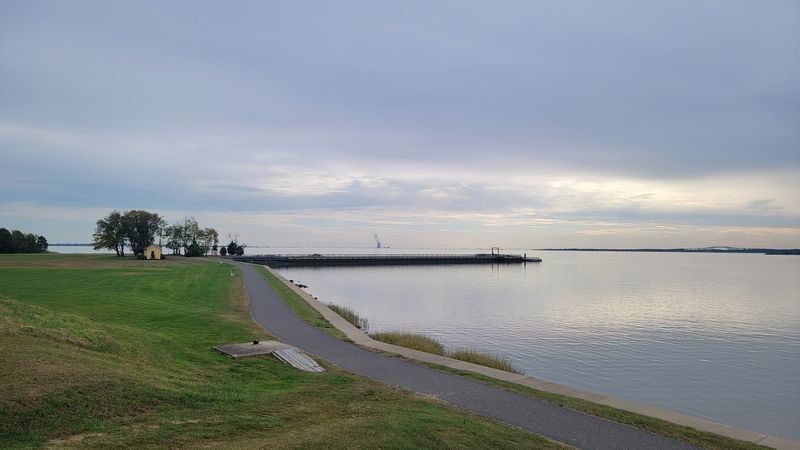
The shoreline path along the Delaware River provides open views of the water and is a popular spot for photography, especially in the late afternoon when the light over the river changes. Neither trail requires special gear or advance preparation to enjoy.
Finns Point National Cemetery Next Door
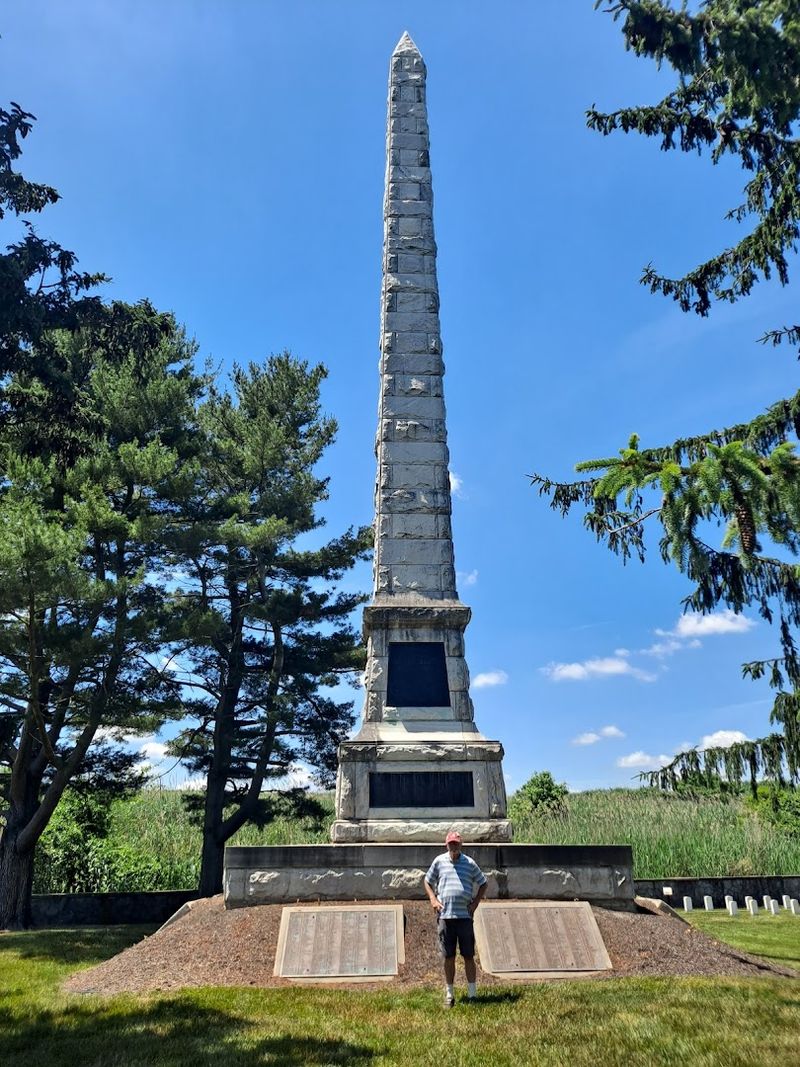
Just a short walk or drive from the main park area, Finns Point National Cemetery is a place that tends to stop people in their tracks once they realize what they are looking at.
The cemetery is the final resting place for over 2,400 Confederate prisoners of war who passed away while held at Fort Delaware on Pea Patch Island during the Civil War, as well as Union soldiers and German prisoners of war from World War II. A tall iron obelisk marks the Confederate section, and the rows of markers are arranged with quiet precision.
The National Park Service maintains the cemetery, and it is open to the public. Many people who visit Fort Mott make the short trip to Finns Point as part of the same outing, treating it as a natural extension of the park experience.
The wooded path connecting the two sites adds a peaceful transition between the fort’s military history and the more reflective atmosphere of the cemetery grounds.
The Ferry to Fort Delaware
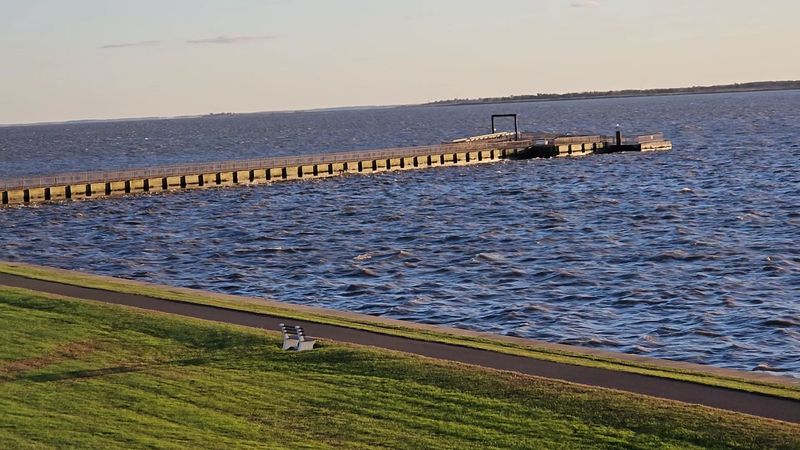
One of the most underrated features of Fort Mott is the seasonal ferry service that runs from the park’s pier to Pea Patch Island, home of Fort Delaware State Park in Delaware.
The ferry operates during summer months and gives visitors the chance to extend their day into a full historic triangle experience, covering Fort Mott, Fort Delaware, and Fort DuPont across two states in a single outing. Fort Delaware is a well-preserved Civil War-era fort that offers its own tours, reenactments, and exhibits.
The ferry ride itself is short, crossing the Delaware River in just a few minutes, but the view from the water back toward the New Jersey shoreline and the Fort Mott grounds is a perspective that most people do not get otherwise.
Checking the current ferry schedule before visiting is recommended, as hours and availability can vary by season. The pier at Fort Mott is well marked and easy to find from the main parking area.
Picnic Areas, Pavilions, and the Playground
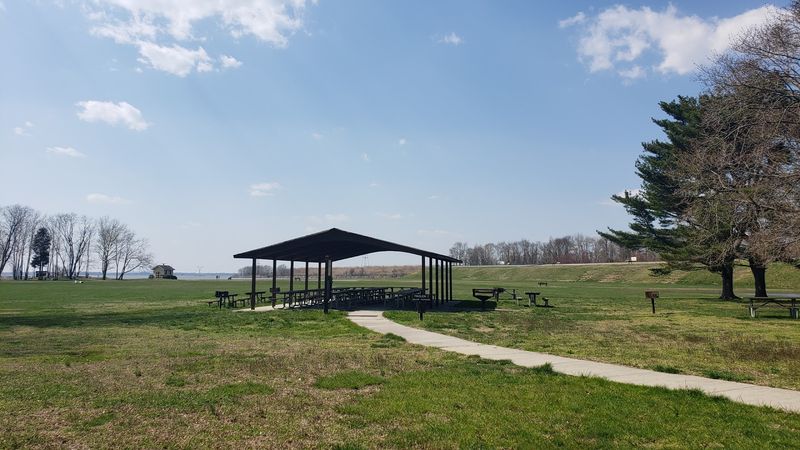
Fort Mott is not just a history destination. It functions as a full-service park that families use regularly for outings that have nothing to do with military fortifications.
The picnic areas are spread throughout the grounds, with tables and grills positioned to take advantage of the river views. Pavilions are available for larger groups and can be reserved in advance for a small fee, which makes the park a practical option for organized outings, group gatherings, and school field trips.
The playground is well-maintained and appropriate for younger children, with enough space nearby for kids to run freely while adults relax at the picnic tables. Clean restrooms are available on site and are consistently kept in good condition during park hours.
The combination of open lawn space, shaded picnic spots, and proximity to both the fort and the river makes this a park that works equally well for a quick lunch stop or a full day out with the whole family.
Wildlife, Sea Glass, and Shoreline Finds
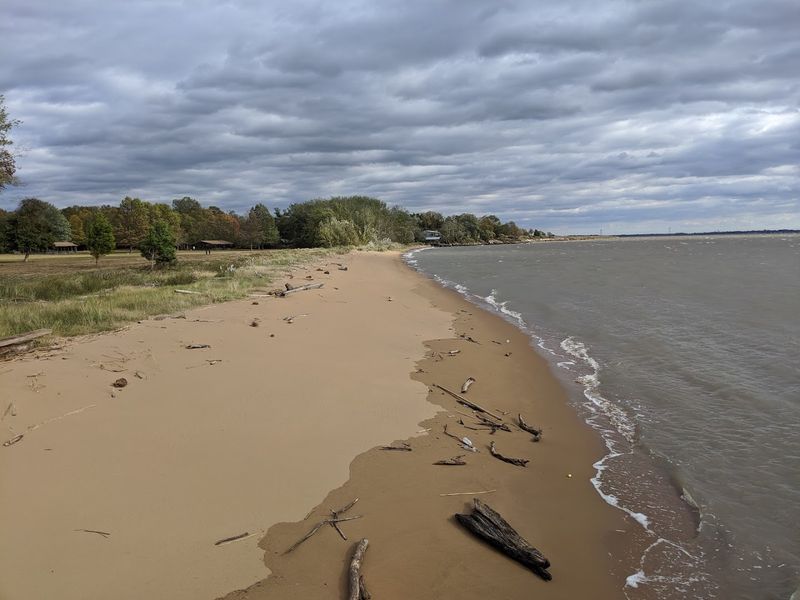
The shoreline at Fort Mott has a habit of rewarding people who take the time to look down as well as out across the water.
Sea glass turns up regularly along the beach area, worn smooth by the river current and deposited along the bank in small colorful pieces. Driftwood is also common, and both make for popular finds among people who enjoy collecting natural objects as souvenirs of a walk.
The wooded sections of the park support a range of bird species, making the trails a quiet option for birdwatching during migration seasons. Turtles are frequently spotted along the Finns Point Trail, particularly in spring and early summer when they are most active near the road edges.
The small beach area near the water is not a swimming beach, but it offers direct access to the river’s edge and a clear view south toward the nuclear power plant and the Delaware shore, giving the landscape an unexpected industrial-natural contrast.
Best Times to Visit and What to Bring
Fort Mott is open seven days a week from 8 AM to 6 PM, and the best seasons to visit are spring, early summer, and fall, when the weather is comfortable and the grounds are at their most photogenic.
Late September and October are particularly popular for photography, with fall color adding contrast to the gray concrete batteries and the wide blue stretch of the Delaware River. Weekday mornings tend to be quieter, with fewer people on the trails and more time to explore the batteries without a crowd.
Bug spray is genuinely worth packing, especially for summer visits. The wooded areas around Battery Edwards and Battery Krayenbuhl are known for mosquitoes during warm months, and being unprepared can cut a visit short faster than anything else.
Comfortable walking shoes, a water bottle, and a camera cover the basics. The park is free to enter, so the only real cost is the drive out to Pennsville, which from the I-295 corridor is a short and easy detour.
Share this story