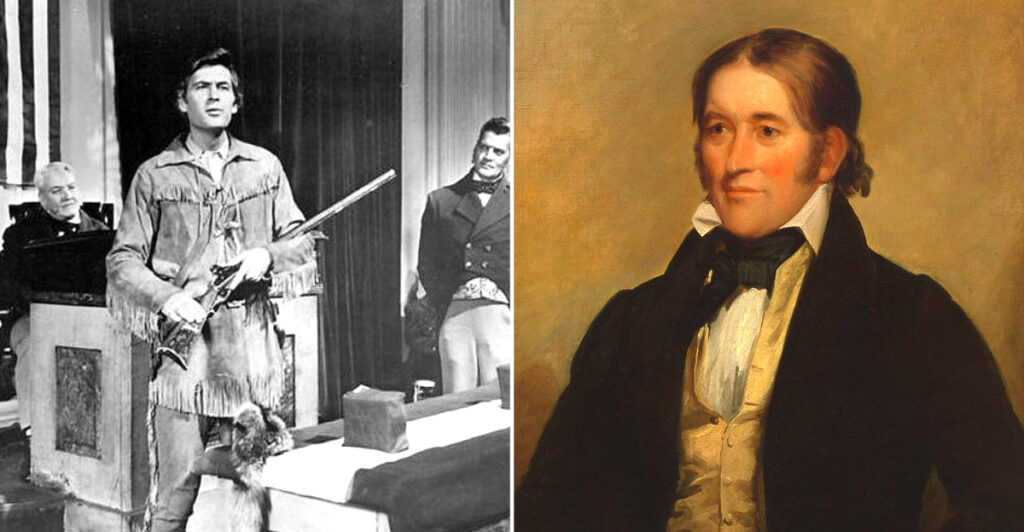
Most people picture Davy Crockett as a coonskin-cap-wearing frontier hero, but the real story is far more interesting. He was a congressman, a self-made storyteller, and a man constantly pushed west by changing times.
Behind the legend is a life shaped by politics, hardship, and a growing America – and it’s much more compelling than the myth.
1. He Didn’t Actually Wear a Coonskin Cap
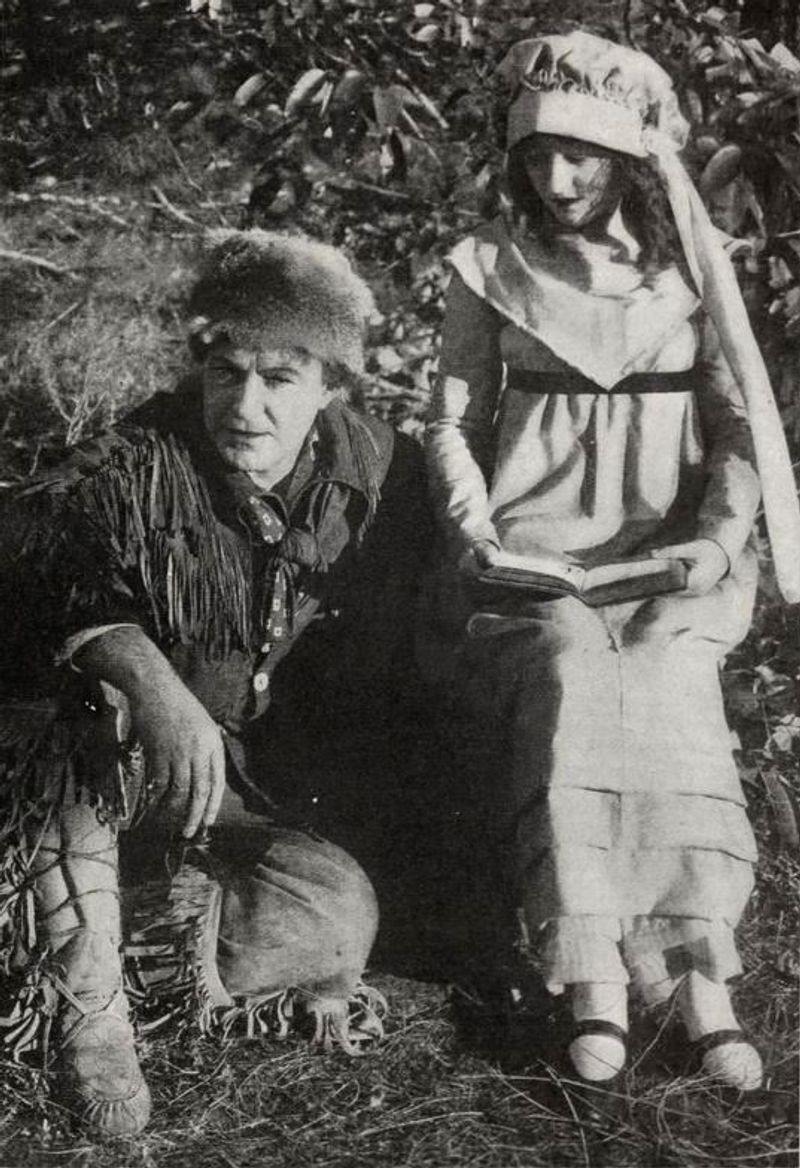
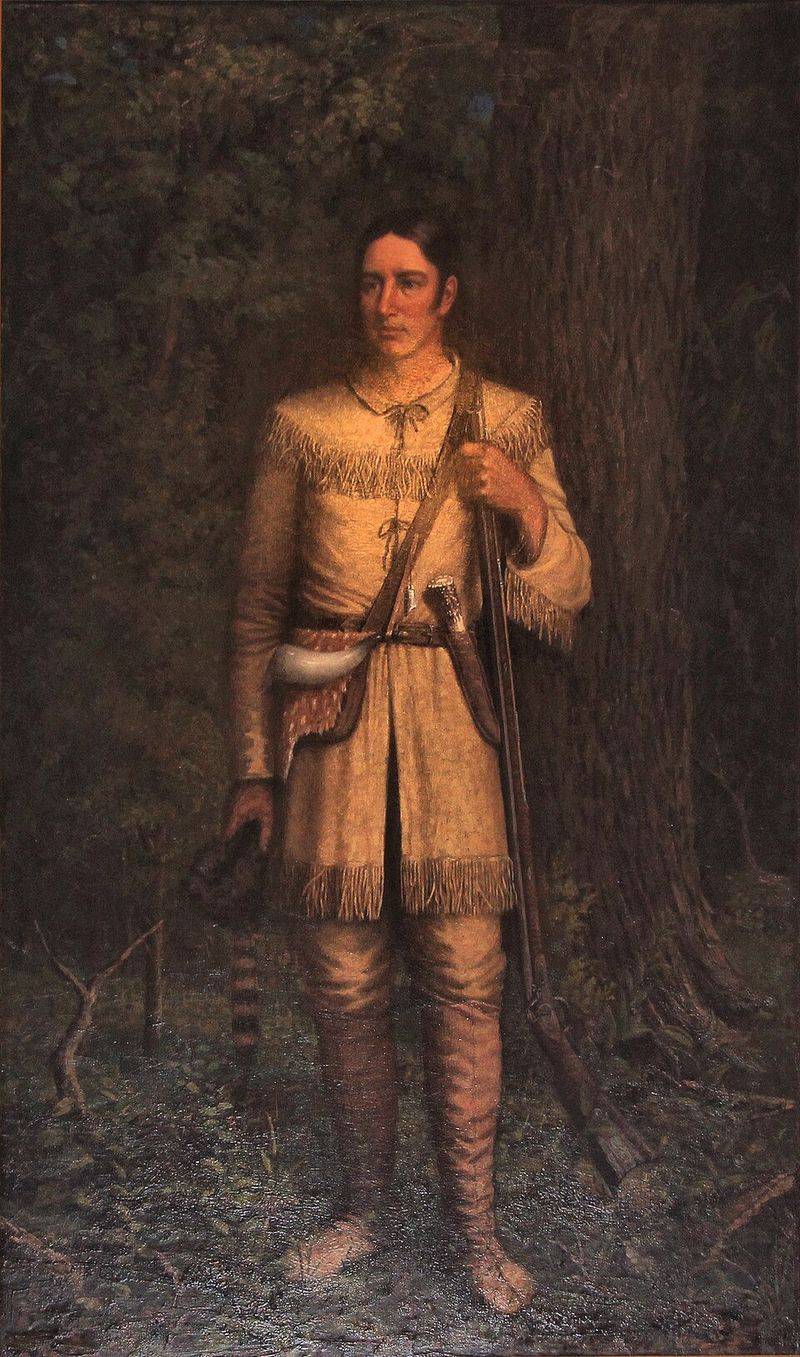
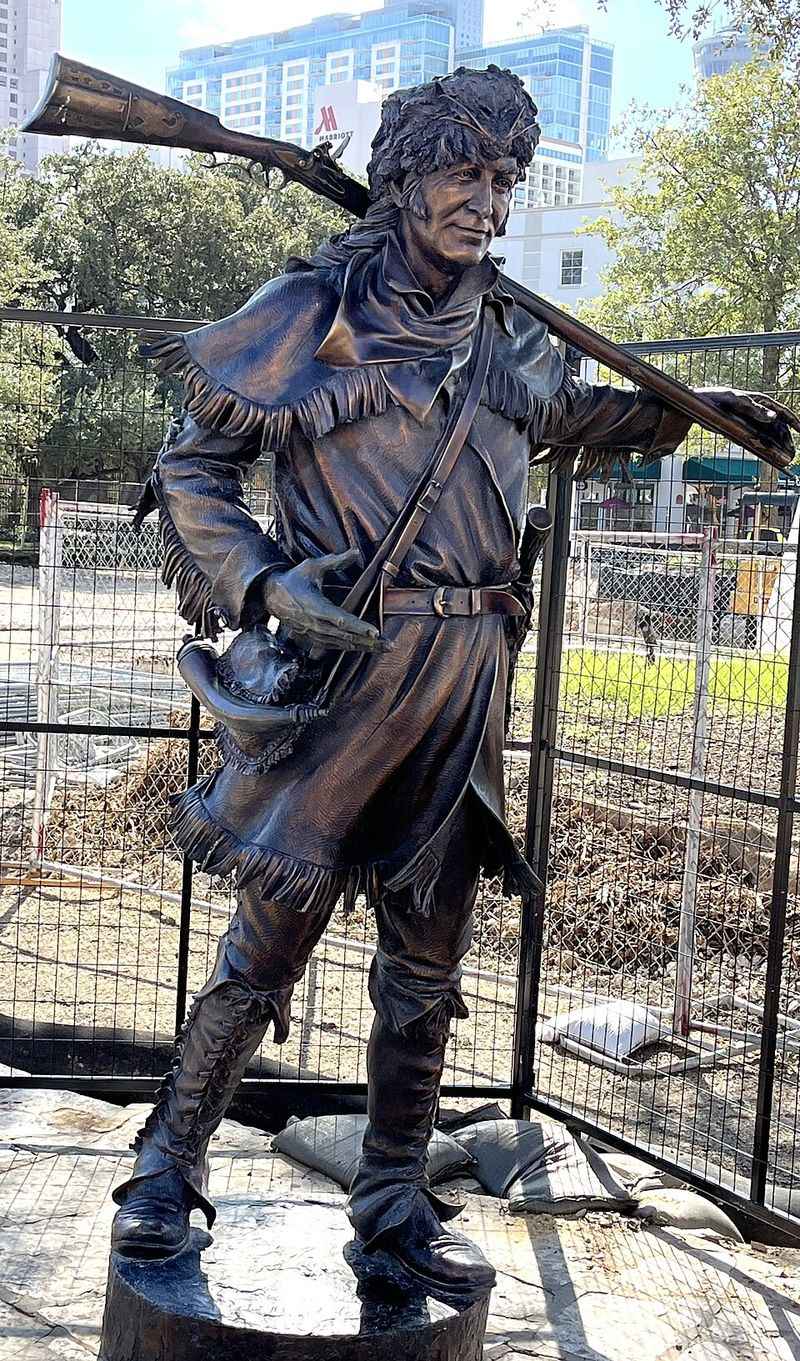
Few pieces of American iconography are as instantly recognizable as the coonskin cap, and almost none are as historically shaky. No solid evidence confirms that Crockett ever wore one regularly during his lifetime.
Early illustrations from the 1830s actually show him in a wide-brimmed felt hat, which was far more practical for a working frontiersman.
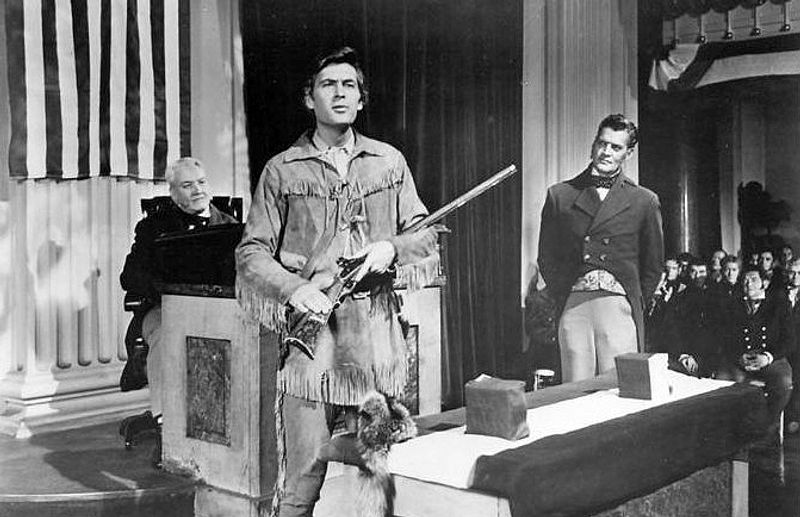
The coonskin cap image gained serious traction after the 1831 stage play “The Lion of the West,” which featured a Crockett-inspired character named Nimrod Wildfire sporting the raccoon headgear. That theatrical version of Crockett stuck in the public imagination long after the play closed.
By the time Walt Disney’s 1955 television series turned Fess Parker into a coonskin-capped sensation, the cap had become permanent. Millions of children across the country rushed to buy their own versions.
The real Crockett likely would have found the whole thing puzzling, since he reportedly preferred practical clothing that actually kept him warm and dry.
2. He Grew Up on the Edge of the American Frontier
Eastern Tennessee in the late 1700s was not the settled, organized region it would become. When Crockett was born on August 17, 1786, near present-day Limestone, the area was technically part of the short-lived State of Franklin, a breakaway territory that never received official recognition from the federal government.
His family moved frequently, which was standard for frontier households that followed land availability and economic opportunity. His father John Crockett ran a tavern for a time, and the family struggled to maintain financial stability across multiple relocations through Greene and Jefferson counties.
Growing up in that environment meant learning to hunt, navigate forests, and manage hardship from an early age. There were no reliable schools, no stable community institutions, and no guarantee of what tomorrow would bring.
That upbringing gave Crockett a practical intelligence and self-reliance that formal education rarely produces. It also gave him a deep familiarity with the landscape and the people who worked it every day.
3. His Early Life Was Full of Travel and Hardship
At around 12 years old, Crockett was hired out by his father to help drive cattle to a buyer in Virginia. That trip turned into a much longer adventure when the young Crockett kept moving rather than returning home.
He worked for various employers across Virginia and Maryland for several years, learning trades and building independence far from Tennessee.
When he eventually returned home, his father enrolled him briefly in a local school. Crockett’s total formal education lasted roughly four months.
He could barely read when he started, and his academic training never went much further, yet he developed a sharp mind through observation, conversation, and direct experience.
He also ran away from home again as a teenager to avoid debt trouble his father had gotten into, spending more years working and wandering before settling back in Tennessee. Those years of movement were not wasted.
They built the storytelling instincts, people skills, and tough-minded adaptability that would later make him a popular political figure and a national personality.
4. He Made His Name in the Creek War
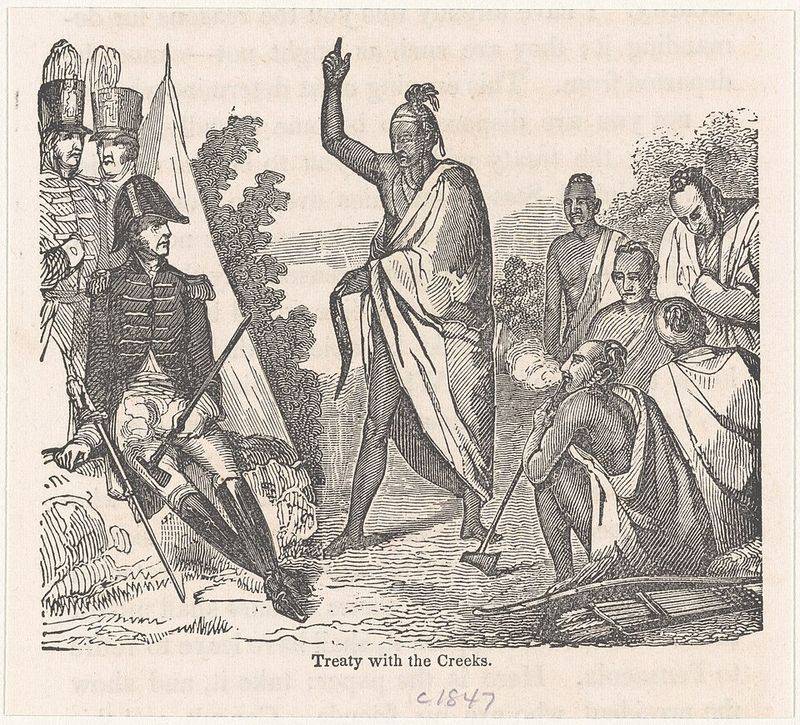
Crockett volunteered for military service in 1813 during the Creek War, a conflict that arose from tensions between American settlers and the Creek Nation across what is now Alabama and Georgia. He served under General Andrew Jackson and participated in several campaigns through difficult terrain in the Deep South.
His role was primarily as a scout and hunter, which suited his skills perfectly. He was not a decorated officer or a battlefield commander, but his knowledge of wilderness navigation and his reliability in the field earned him respect among fellow volunteers.
He served multiple enlistments over several years.
What made the Creek War significant for Crockett’s future was less about military glory and more about name recognition. He returned to Tennessee with a reputation as a capable, dependable frontiersman who had served his country under challenging conditions.
That credibility among ordinary settlers and veterans became the foundation of his early political appeal when he ran for local office just a few years later.
5. He Turned Frontier Fame Into a Political Career
Crockett entered politics almost by accident. He was elected to the Tennessee state legislature in 1821 after becoming well known locally for his hunting reputation and plain-spoken personality.
He had no legal training, no wealthy connections, and no political machinery behind him, just a crowd of voters who recognized his name and trusted his character.
He was elected to the U.S. House of Representatives in 1827, representing a district in western Tennessee.
In Congress, he focused on land legislation that would benefit poor settlers, which reflected the struggles he had witnessed and lived firsthand. His plain frontier image played well in Washington, where he stood out as something genuinely different from the polished lawyers and landowners surrounding him.
Crockett won his congressional seat three times, though not consecutively. His career was interrupted by defeats tied to his increasingly independent political positions.
Still, the fact that a man with four months of schooling and no inherited wealth reached Congress three times says something real about the era’s possibilities and his own considerable personal appeal.
6. He Spoke Out Against Andrew Jackson
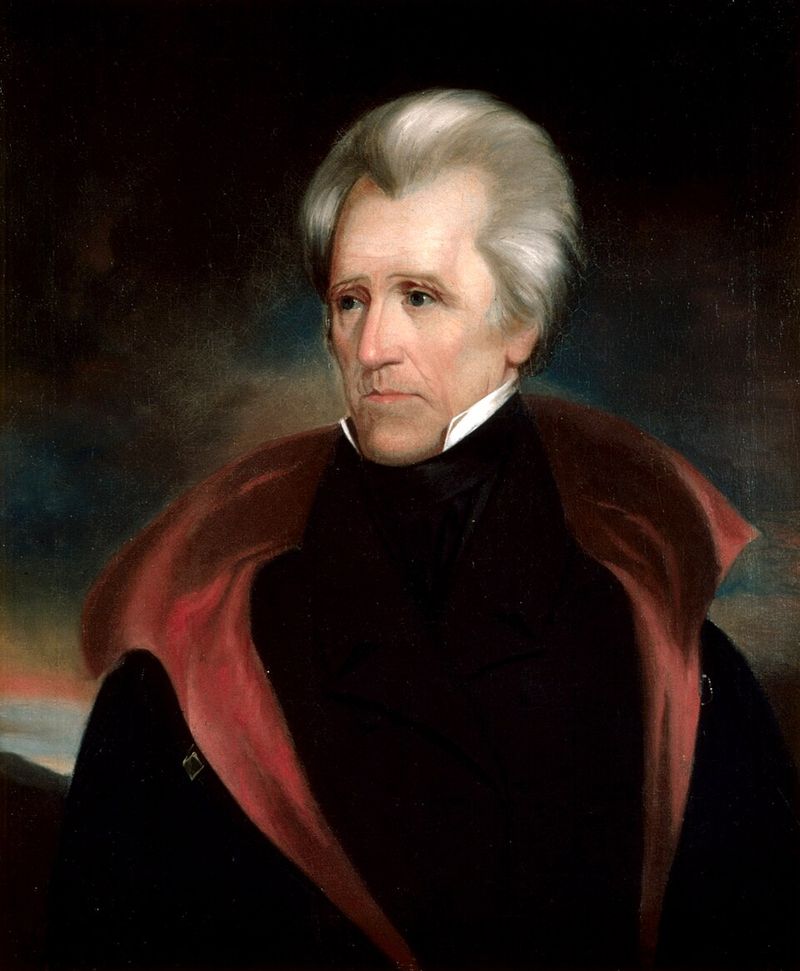
Crockett’s political independence became most visible when he broke with President Andrew Jackson over the Indian Removal Act of 1830. Jackson pushed the legislation to forcibly relocate Native American nations from their southeastern homelands to territory west of the Mississippi.
Crockett voted against it, one of only a handful of representatives willing to do so.
His opposition was not just symbolic. He spoke publicly about his objections, arguing that the act was unjust and violated treaty commitments the federal government had made.
That position put him directly at odds with the most powerful political figure in the country and with most of his own party.
The political cost was real. Jackson’s allies worked actively to unseat him, and Crockett lost his congressional seat in 1831.
He won it back in 1833 but lost again in 1835, largely due to organized opposition from Jackson’s political network. Crockett reportedly told his constituents after his final defeat that they could go to a very uncomfortable place, and he would go to Texas instead.
7. He Was One of America’s First Folk Heroes
Before radio, film, or television, celebrity traveled through print, and Crockett became one of the first Americans to benefit from that system on a national scale. Starting in the early 1830s, a series of publications called the Crockett Almanacs spread wildly exaggerated stories about his hunting feats, physical strength, and frontier adventures across the country.
These almanacs were not written by Crockett and often had nothing to do with his real life. They depicted him wrestling bears, stopping the sun from freezing, and performing impossible physical feats.
Readers understood these were tall tales in the tradition of frontier humor, but the stories attached his name to an entire cultural mythology.
His genuine autobiography, published in 1834, was far more grounded and offered a real window into his life. But the almanac versions of Crockett took on a life of their own and outlasted anything he actually wrote.
By the time he reached Texas in 1835, he was already a national figure whose reputation had grown well beyond anything he personally controlled or entirely approved of.
8. He Helped Create His Own Legend
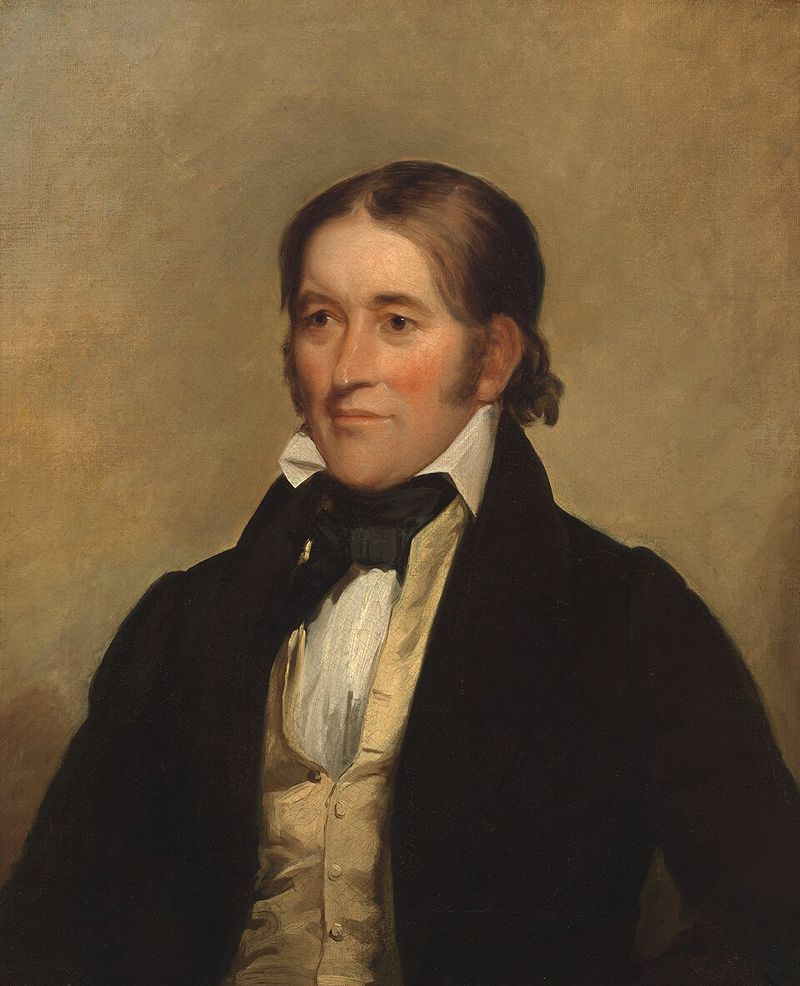
Crockett understood something that few politicians of his era grasped clearly: a well-crafted personal story could be as powerful as any policy position. His 1834 autobiography, “A Narrative of the Life of David Crockett of the State of Tennessee,” was written in a deliberately folksy style designed to reinforce his image as an honest, self-made man of the frontier.
Whether he wrote every word himself is a matter of some historical debate. Scholars believe a collaborator helped shape the manuscript, but the voice and the anecdotes came from Crockett directly.
The book sold well and reached audiences far beyond Tennessee, cementing his national profile at a time when he was actively considering a presidential run.
He also gave speeches that leaned into his frontier persona while making sharp political points, a combination that felt fresh and authentic to audiences used to formal oratory. Crockett was not just a product of his environment.
He actively shaped how that environment was presented to the public, making him one of the earliest examples of a politician managing his own brand with real strategic awareness.
9. He Headed to Texas in Search of a New Beginning
After losing his final congressional race in 1835, Crockett made a decision that reflected both personal frustration and a broader pattern of the era. He gathered a small group and headed for Texas, which was then a Mexican territory with a growing population of American settlers pushing toward independence.
Texas represented exactly what Crockett had always been drawn to: open land, fresh opportunity, and a chance to start over without the weight of past political defeats. Land grants were being offered to settlers, and the region was actively recruiting capable men willing to take a risk on an uncertain future.
He arrived in Nacogdoches, Texas, in January 1836 and reportedly swore an oath to support the provisional government of Texas. His arrival was noted and celebrated locally.
He was still a famous man, and his presence carried symbolic weight for a territory on the edge of a major conflict with the Mexican government. The fresh start he was seeking would last only a matter of weeks before history intervened.
10. The Alamo Marked the Final Chapter of His Journey
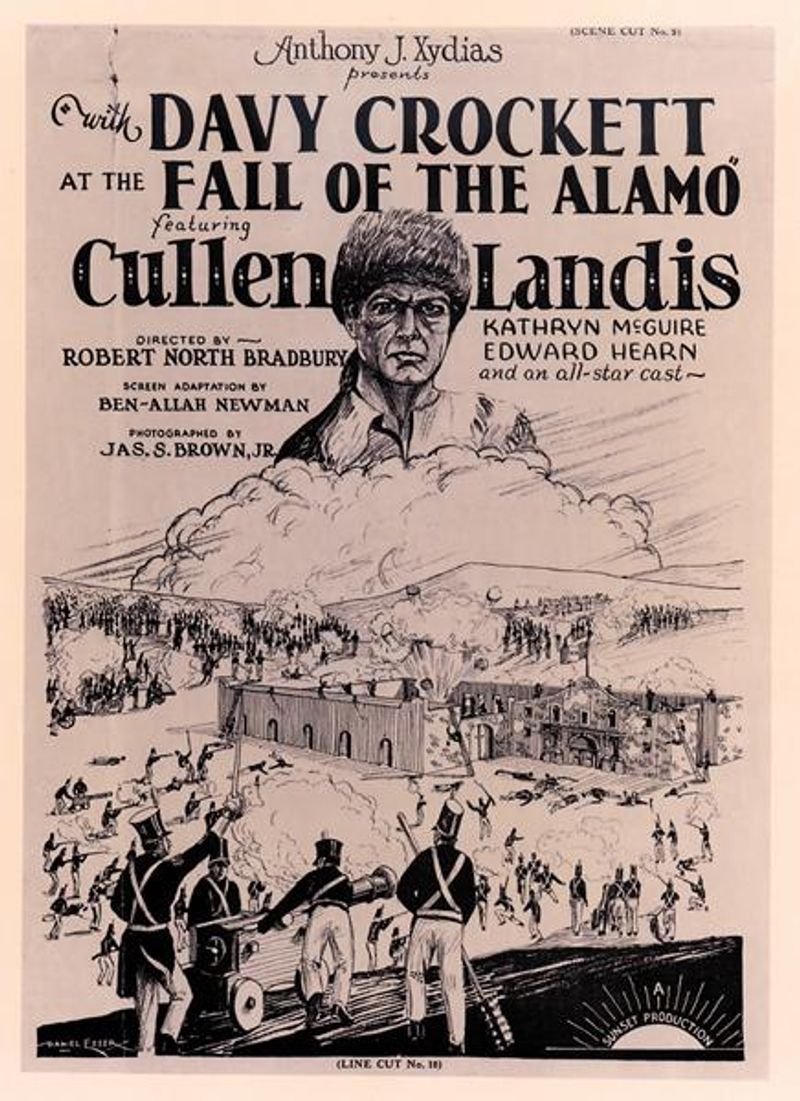
Crockett arrived at the Alamo in February 1836 as part of a small group of Tennessee volunteers. He was not a commanding officer.
Historical records indicate he held the rank of private and was one of roughly 200 defenders facing a Mexican army of several thousand under General Antonio Lopez de Santa Anna.
The siege lasted 13 days. When the Alamo fell on March 6, 1836, all defenders were reported to have been killed in the battle or immediately after.
The exact circumstances of Crockett’s end have been debated by historians for decades, with some accounts suggesting he was among those who surrendered and were executed, while others maintain he fought until the very end.
A diary attributed to Mexican officer Jose Enrique de la Pena, published in the 20th century, describes Crockett as one of several survivors executed on Santa Anna’s orders. The diary’s authenticity remains contested.
What is documented is that Crockett was at the Alamo, that he fought there, and that he did not leave alive.
11. His Life Spanned America’s Changing Landscape
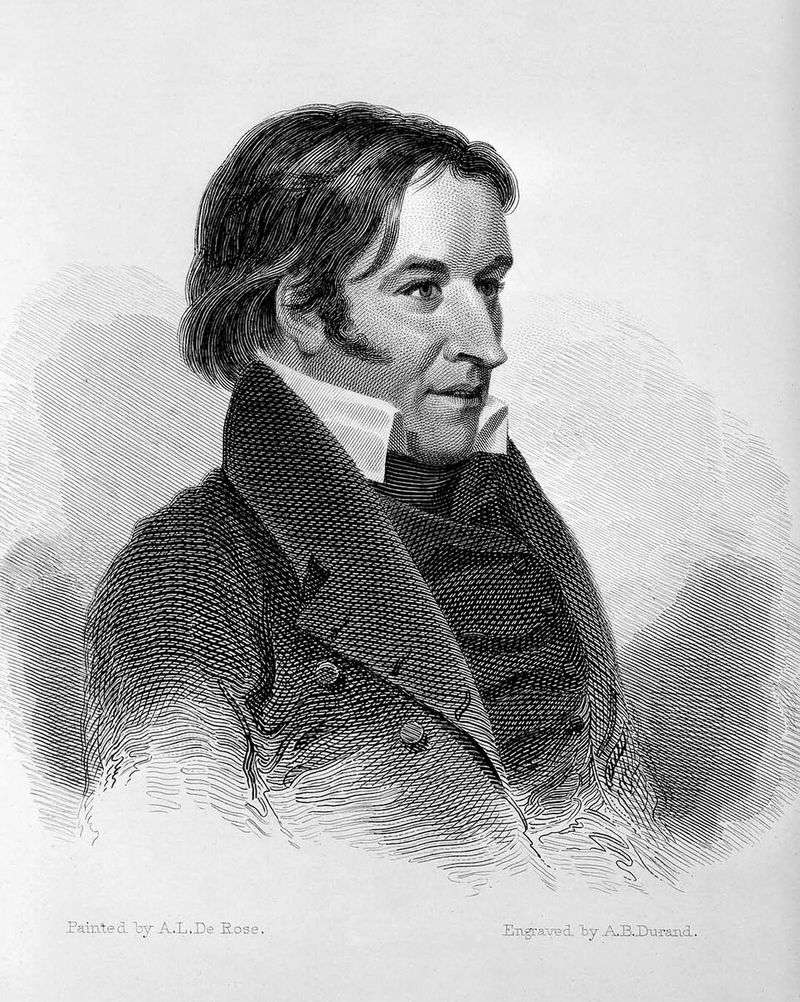
Crockett lived from 1786 to 1836, exactly the fifty years during which the United States transformed from a loosely connected collection of eastern states into a continental ambition pushing hard toward the Pacific. His personal geography tracked that expansion almost perfectly.
He was born when Tennessee was barely organized territory. He grew up as the state developed its first institutions.
He served in a war that pushed Native American nations further from their homelands. He served in a Congress that debated the very policies shaping westward expansion.
He moved to Texas just as American settlers were forcing a confrontation with Mexican authority.
Every stage of his life corresponded to a specific phase of national growth, not by design, but because he was always moving toward whatever edge existed at the time. His story is not just biography but a kind of physical record of how the country expanded, contracted, and reorganized itself across five restless decades.
Few lives of that era map so directly onto the larger arc of American territorial history.
12. His Legend Lives On in the Places He Traveled
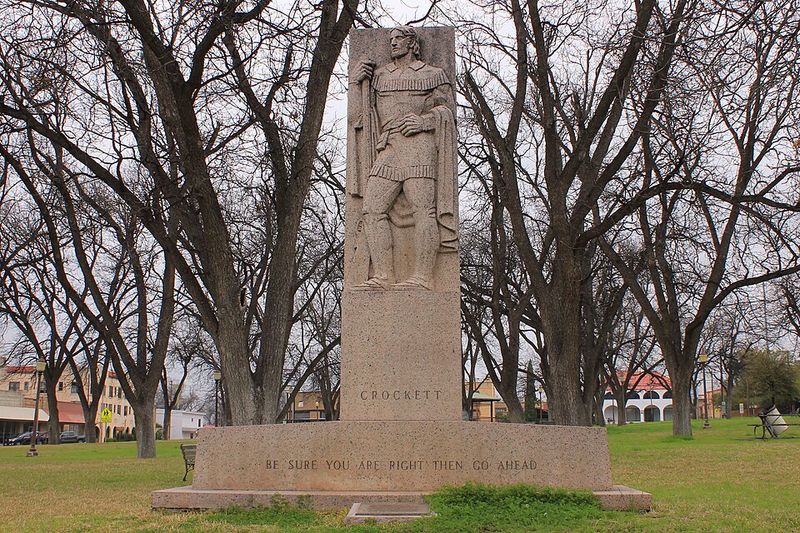
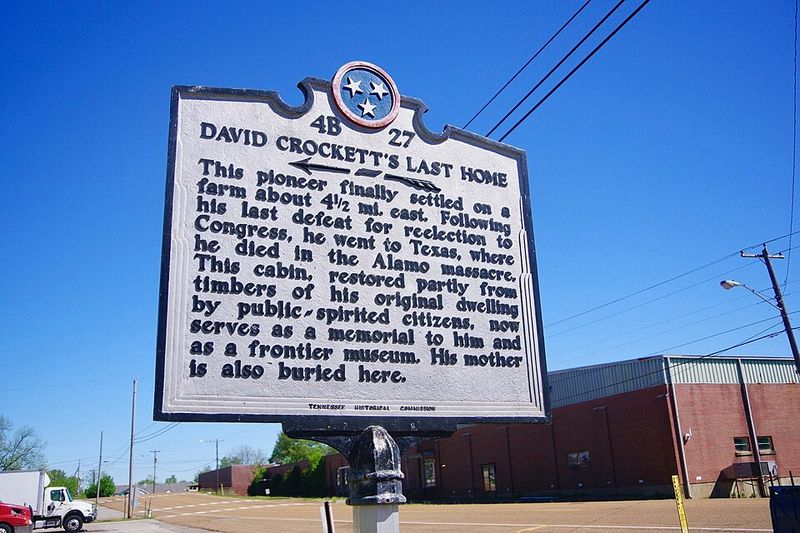
Crockett left a geographic footprint that modern travelers can still follow. His birthplace near Limestone, Tennessee, is marked by Davy Crockett Birthplace State Park, which preserves a replica of the type of cabin where he was born.
The surrounding landscape still gives a sense of the rough, wooded country where he spent his earliest years.
Further west in Tennessee, Lawrence County and Gibson County both have historical connections to his adult life and political career. The Alamo in San Antonio, Texas, now draws over 1.5 million visitors per year and remains one of the most visited historical sites in the country, with Crockett’s story woven into nearly every telling of the 1836 siege.
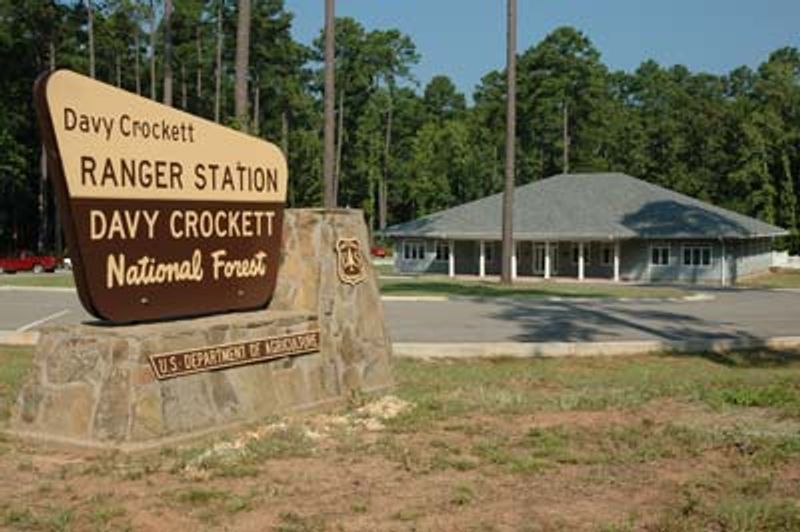
Beyond physical locations, his name appears on schools, counties, and roads across multiple states. A Tennessee county bears his name.
A national forest in Texas carries it as well. The places associated with Crockett offer something more useful than myth: they provide concrete anchors to a real historical journey that shaped how Americans understood the frontier and themselves.
Share this story