Few songs settle into memory the way “The Old Rugged Cross” has, its melody familiar even outside church walls. The story behind it leads to Reed City, where a small museum traces the life of the man who wrote it.
Inside are preserved rooms, personal belongings, and instruments that place the hymn in a much wider local history. It’s an unassuming stop, but it tends to leave an impression that lingers.
Where the Hymn Meets the Hometown
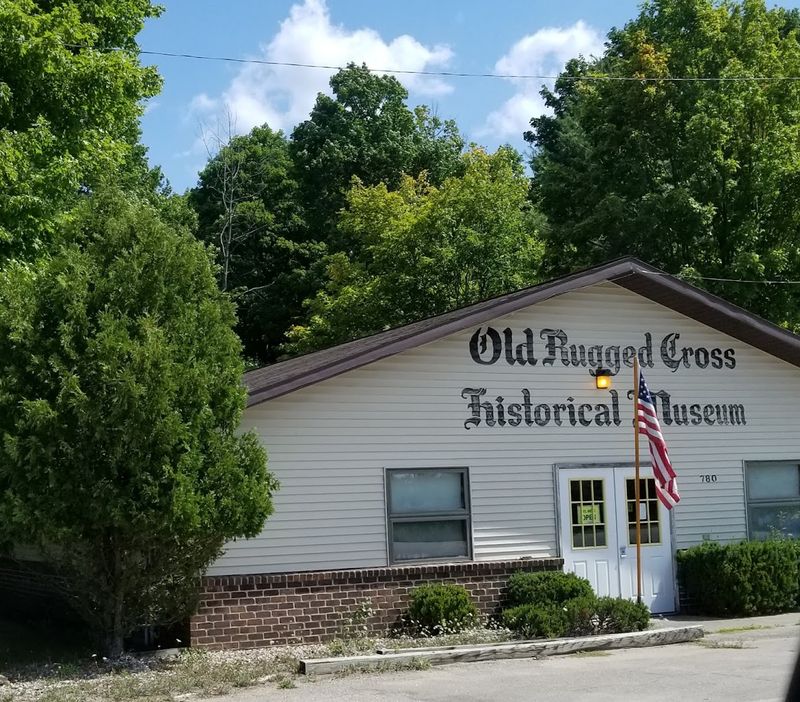
Most people have no idea that one of the most recognized Christian hymns in American history was written by a man who eventually settled in a quiet Michigan town called Reed City. The Old Rugged Cross Historical Museum stands at 138 W Slosson Ave, Reed City, MI 49677, right in the heart of Osceola County in western Michigan.
The museum was established to honor Reverend George Bennard, who composed “The Old Rugged Cross” in 1912 and saw it performed publicly for the first time in 1913. Bennard retired to Reed City and spent his final years here before passing away in 1958.
The building itself is modest and easy to miss if you are not paying attention, which is part of its charm. There is parking along the side of the building, and that same entrance brings you directly into a world that feels genuinely preserved rather than staged.
And the admission price? Completely free.
The Man Behind the Music
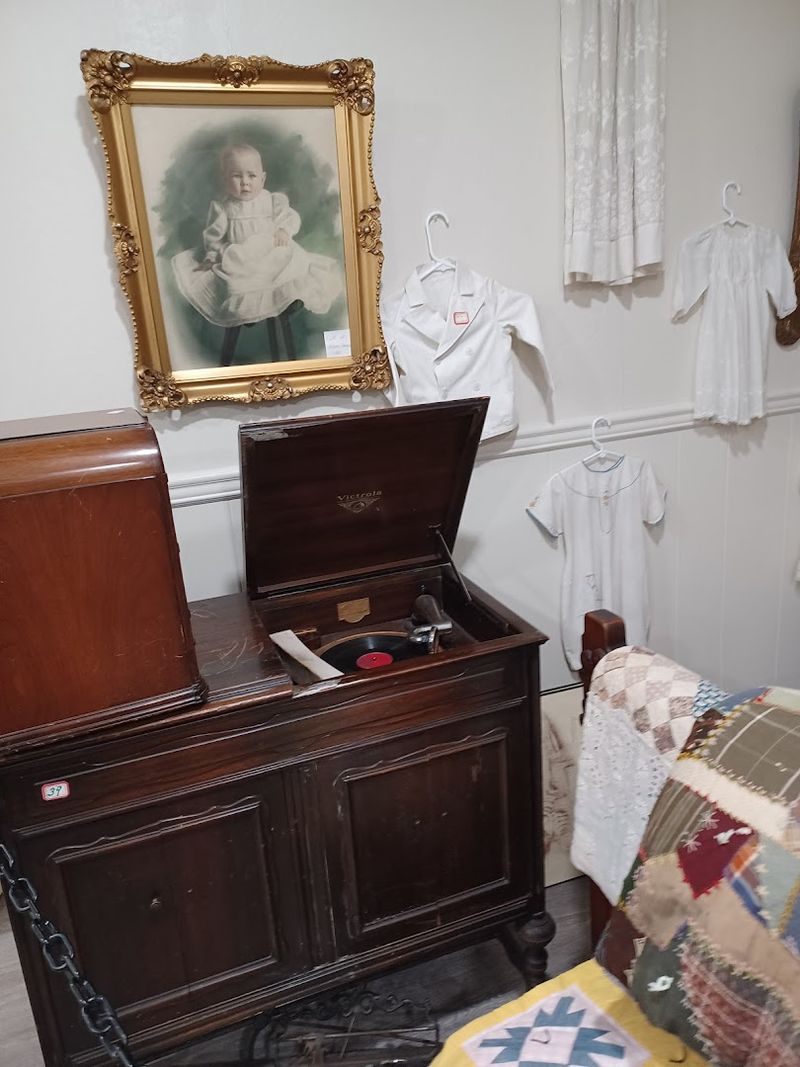
George Bennard was not a polished celebrity or a famous theologian. He was a traveling evangelist who spent decades moving from town to town, preaching and leading people in song across the United States and Canada.
The hymn came to him slowly, over months of prayer and reflection, and he reportedly worked on the melody and lyrics through periods of personal hardship.
That backstory makes the museum feel more personal than you might expect. The displays about Bennard’s life read almost like flipping through someone’s private journal.
You get a real sense of who he was beyond the one song that made him famous.
He was in his late thirties when he wrote “The Old Rugged Cross,” and the emotion behind the words feels earned when you understand the kind of life he led. Learning his full story before exploring the rest of the museum gives everything else a richer, more meaningful context that stays with you long after you leave.
His Guitar, His Piano, and the Silence Between Notes
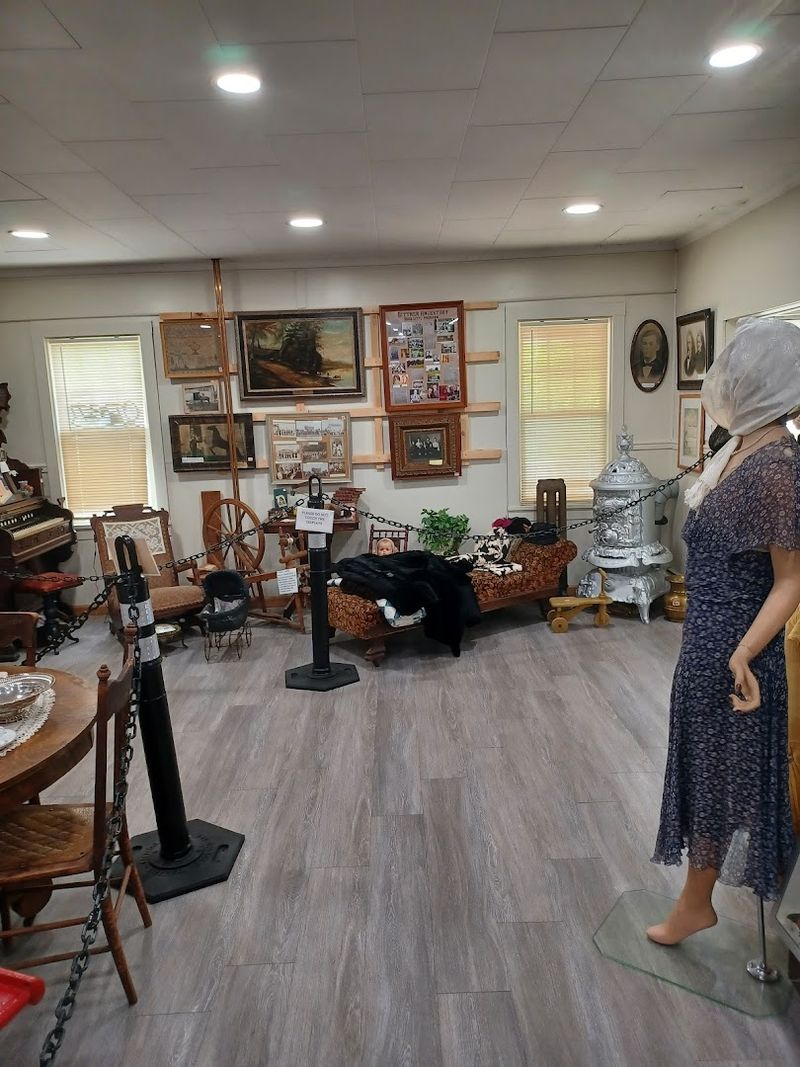
One of the quietest and most powerful moments inside the museum happens when you stand in front of George Bennard’s actual guitar and piano. These are not replicas or similar-era instruments borrowed from a collection.
They belonged to him personally, and the museum has preserved them with real care.
There is something about seeing a composer’s own instrument that makes the music feel suddenly very close. You find yourself thinking about the specific hands that played those keys, in what room, during what season, working out a melody that would eventually be sung by millions of people worldwide.
The piano in particular draws visitors in. It is the kind of upright instrument common in early twentieth century homes, slightly worn in the way that only real use can produce.
No velvet ropes keep you at a dramatic distance. The museum’s intimate scale means you can get close enough to notice every detail, and that closeness is exactly what makes this stop so unexpectedly affecting.
Rooms That Take You Back Before 1900
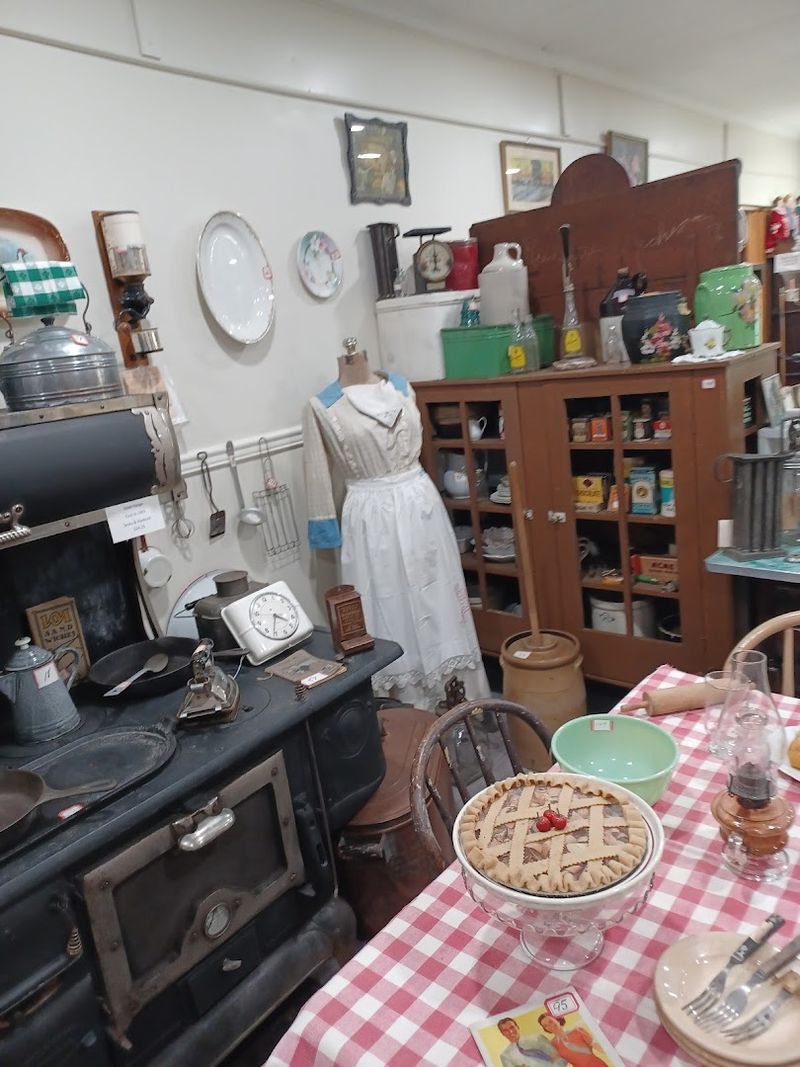
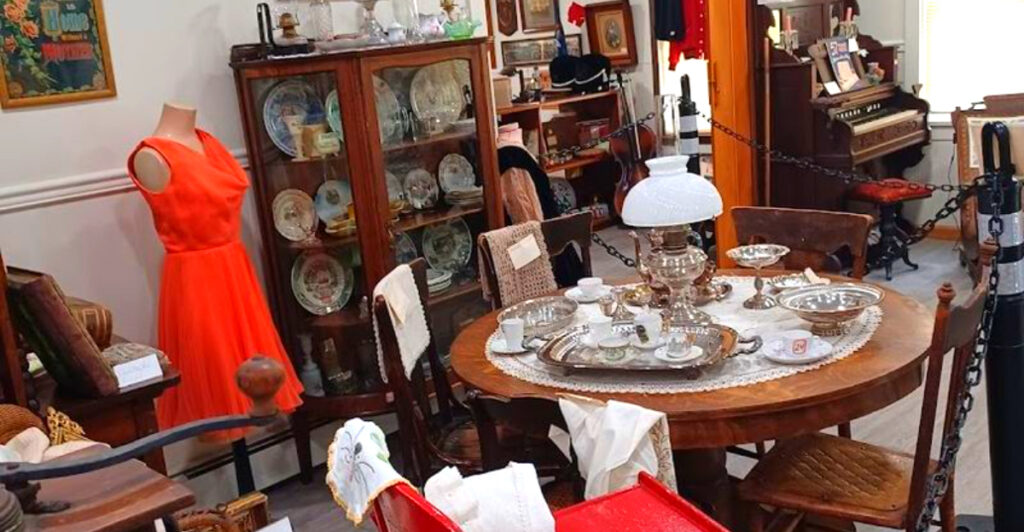
Beyond the Bennard collection, the museum opens up into a series of rooms that recreate everyday life in Reed City before the year 1900. A dining room, kitchen, parlor, bedroom, office, and clothing room are each set up with period-appropriate furnishings and objects that feel genuinely sourced from the era rather than mass-produced for display.
The clothing room alone is worth a slow walk-through. Garments from the late 1800s hang and fold in ways that remind you how different daily life looked before synthetic fabrics and department stores changed everything.
The parlor is especially striking because it captures a kind of domestic formality that has completely disappeared from modern homes. Families once reserved their best furniture and decorations for a room that guests might see, and this display brings that social ritual back to life in a way that is easy to understand and genuinely interesting to observe.
More surprises are waiting just around the next corner of the building.
A Town’s Whole History Squeezed Into One Building
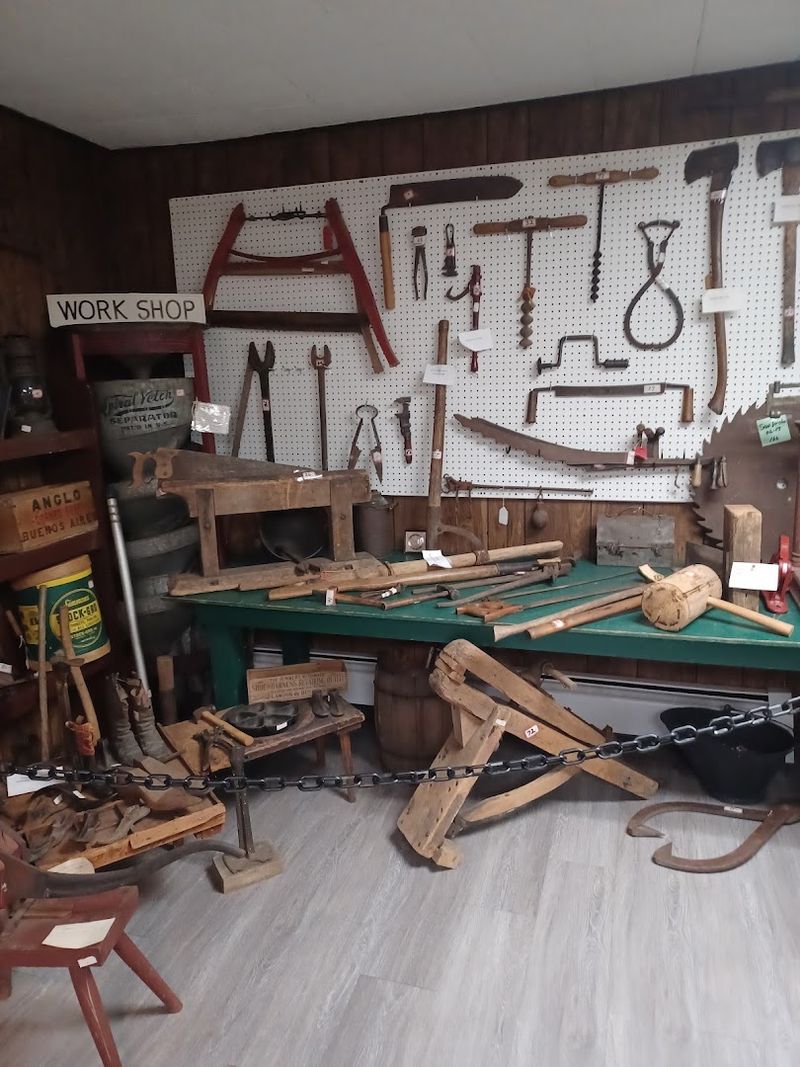
Reed City’s history goes well beyond one famous hymn, and the museum makes sure you know it. The collection includes early farm equipment that reflects the agricultural roots of Osceola County, antique shop tools from trades that no longer exist in the same form, and detailed scale models of early logging operations that were central to Michigan’s economy in the 1800s.
Native American artifacts are also part of the collection, offering a glimpse into the region’s history that predates European settlement by centuries. These pieces are displayed respectfully and with enough context to make them educational rather than simply decorative.
There is also a section dedicated to the Reed City factory of Michigan Cottage Cheese, which might sound oddly specific until you realize how important that industry was to the local economy for generations. The museum treats all of these stories as equally worth preserving, and the result is a surprisingly complete portrait of a small American town that has seen quite a lot in its time.
The Old Schoolroom, the Dentist Chair, and Other Unexpected Finds
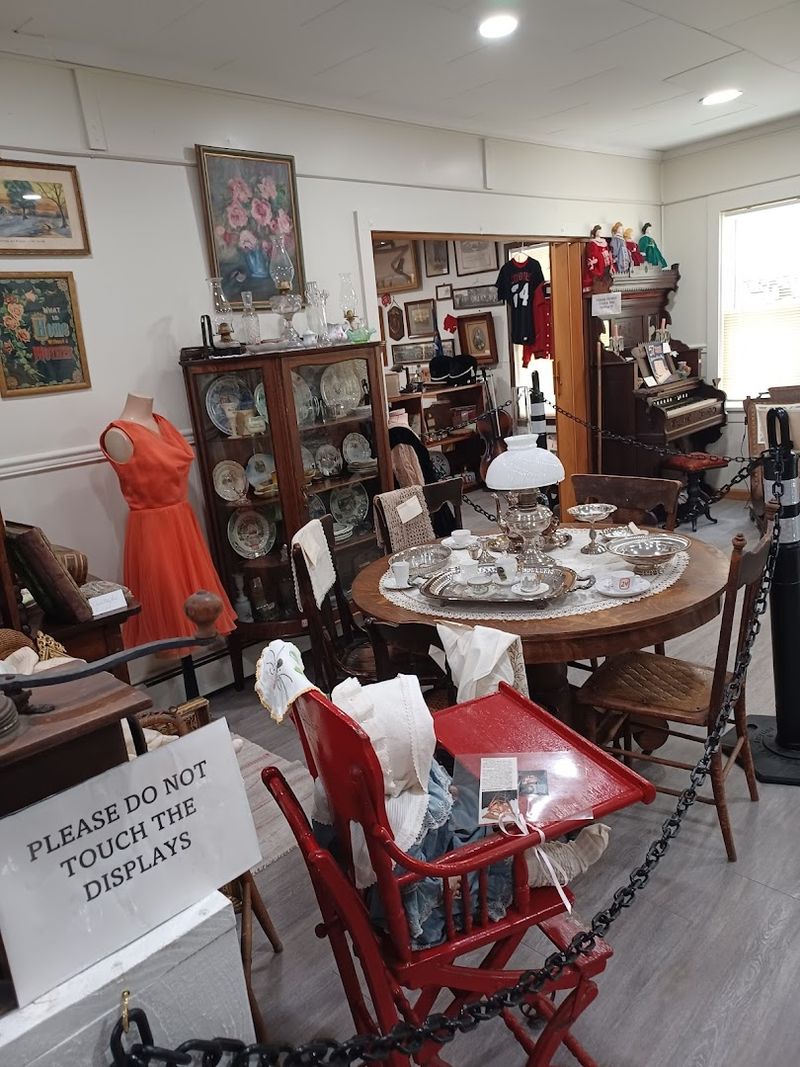
One of the genuine surprises inside the museum is how many distinct little worlds are packed into its rooms. Beyond the farming and logging displays, there are recreated scenes from an old schoolroom, a hairdresser’s shop, and a dentist’s office that will make you very grateful for modern dental technology.
The dentist chair, in particular, has a way of stopping visitors in their tracks. It is the kind of object that communicates a whole era of medical history without needing a single word of explanation.
You look at it and immediately understand something about what it felt like to need a tooth pulled in 1890.
There is also an antique fire truck on display, which tends to be a favorite among younger visitors and anyone who appreciates the sheer mechanical craftsmanship of early emergency vehicles. The museum manages to make each of these separate displays feel connected to a larger story about how communities in small-town Michigan actually functioned day to day.
Antique Organs and the Sound of Another Era
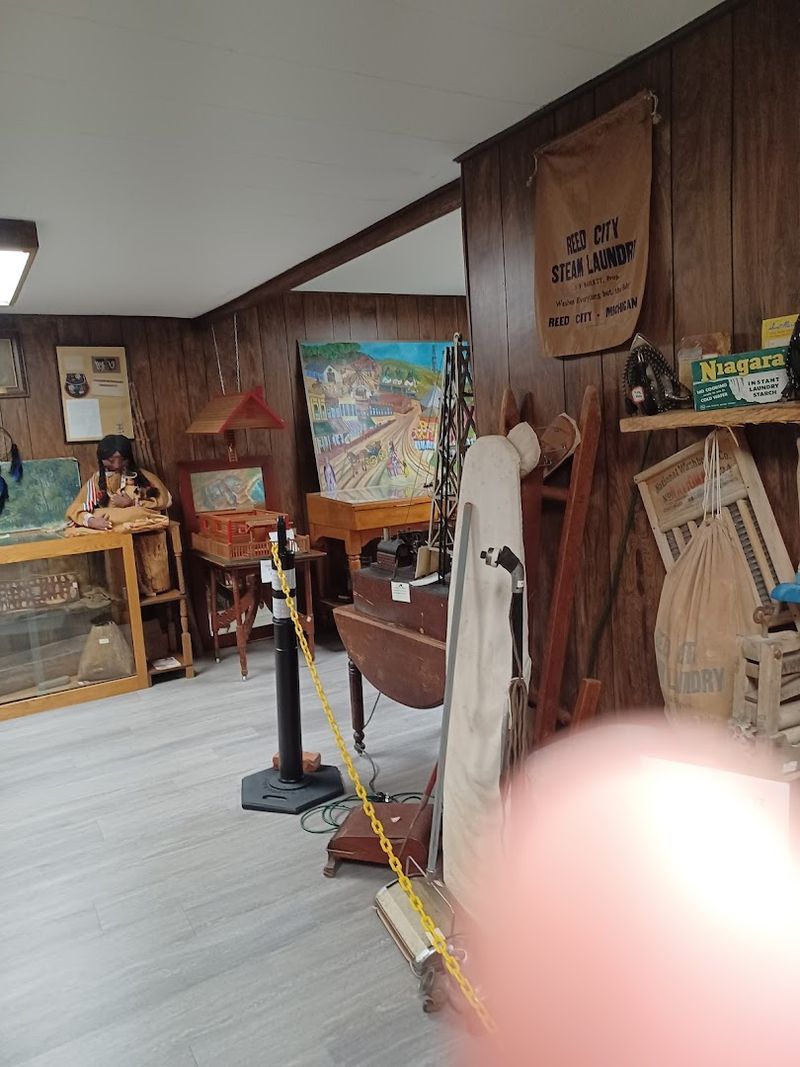
Alongside George Bennard’s personal piano, the museum holds a collection of antique organs that are genuinely impressive to see up close. Pump organs were a staple of American homes and churches in the nineteenth century, and the examples here show the kind of craftsmanship that went into instruments that families expected to last for generations.
The carved wooden cases on some of these organs are beautiful in a way that modern electronic keyboards simply cannot replicate. Each one represents hours of skilled labor and a cultural moment when making music at home was a central part of family life rather than a hobby reserved for the especially dedicated.
For anyone with even a passing interest in music history, this section of the museum carries real weight. You do not need to be a musician to appreciate what these instruments meant to the communities that owned them.
The connection between these objects and the hymn that the museum was built around becomes quietly obvious the longer you spend in the room.
Free Admission and the Donation Jar That Keeps It All Running
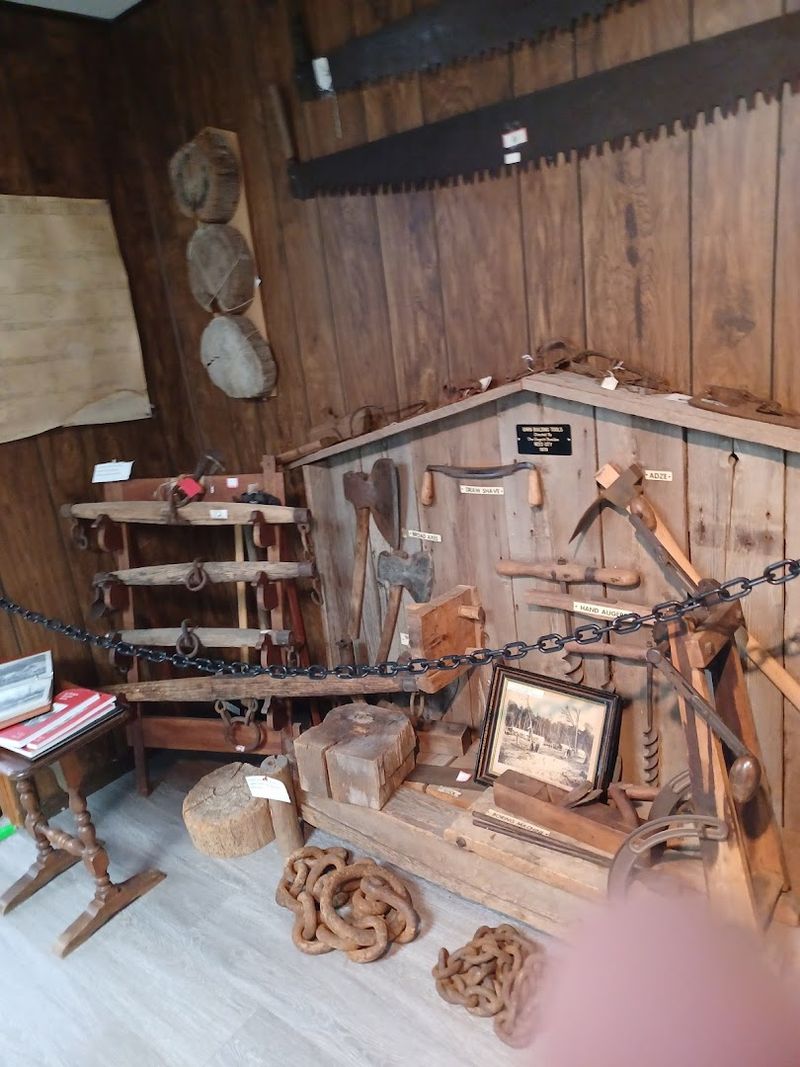
Here is something that does not happen often enough in American cultural life: a museum that charges absolutely nothing to enter. The Old Rugged Cross Historical Museum operates entirely on donations and the dedication of volunteer staff who clearly care about what they are preserving.
The donation jar near the entrance is easy to spot, and after spending an hour inside, most visitors feel genuinely motivated to contribute. The people running the museum are knowledgeable about its collections and happy to answer questions, which adds a warmth to the visit that paid-admission museums sometimes struggle to match.
A small selection of gift items is also available for purchase, including souvenirs related to the hymn and local history that make for meaningful keepsakes. Bringing cash is a good idea, both for donations and for any items that catch your eye in the gift area.
The museum’s generosity in keeping the doors open without a ticket price is one of the things that makes it feel genuinely community-owned rather than commercially operated.
When to Go and How to Plan Your Visit
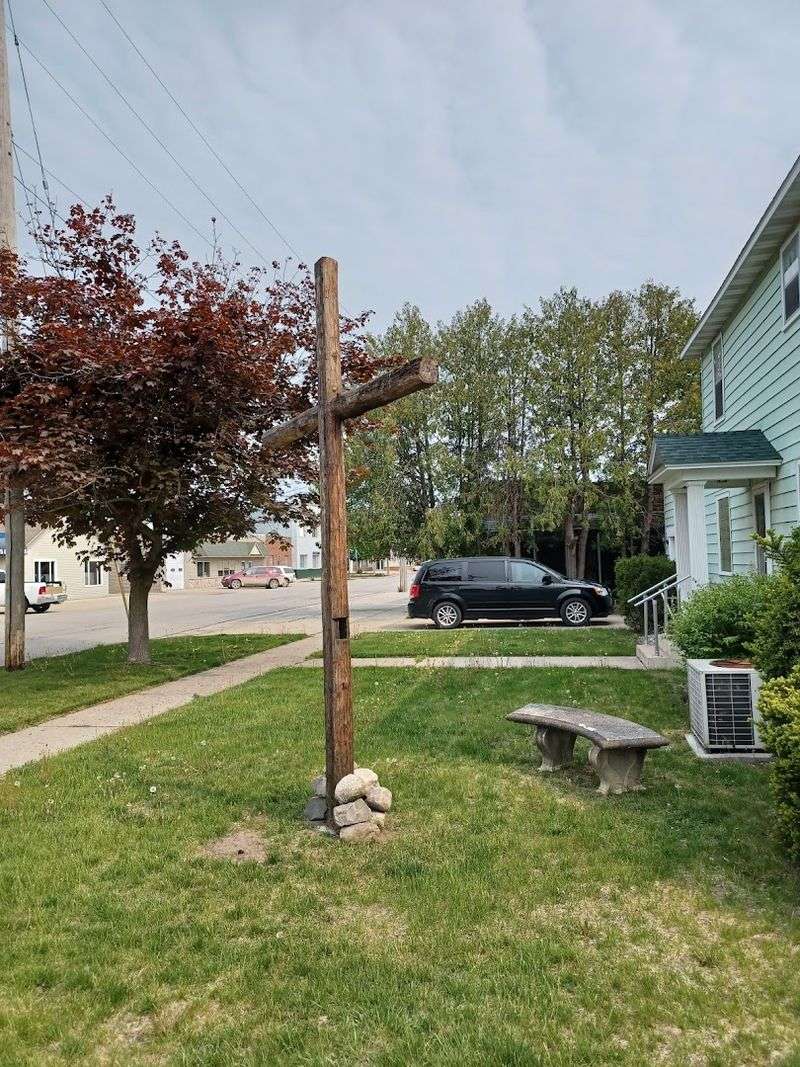
Planning ahead matters here more than it does at larger museums. Current hours show the museum open Friday through Monday from 1 to 4 PM, which is a narrower window than many visitors expect.
Arriving outside those hours means finding a locked door, and more than one traveler has made that frustrating discovery.
The museum’s phone number is (231) 465-4045, and reaching out before your visit is genuinely worth the two-minute call, especially if you are traveling any significant distance. Group tours and private tours are available by appointment year-round, which makes it accessible even outside the regular seasonal schedule.
The museum also maintains a Facebook page at facebook.com/rchmuseum where updates and announcements are posted. Checking that page the day before your visit is a smart habit.
The building has ample parking on the side, which doubles as the main entrance, so you will not spend any time circling the block trying to figure out where to go once you arrive.
Why a Small-Town Museum Leaves a Lasting Impression
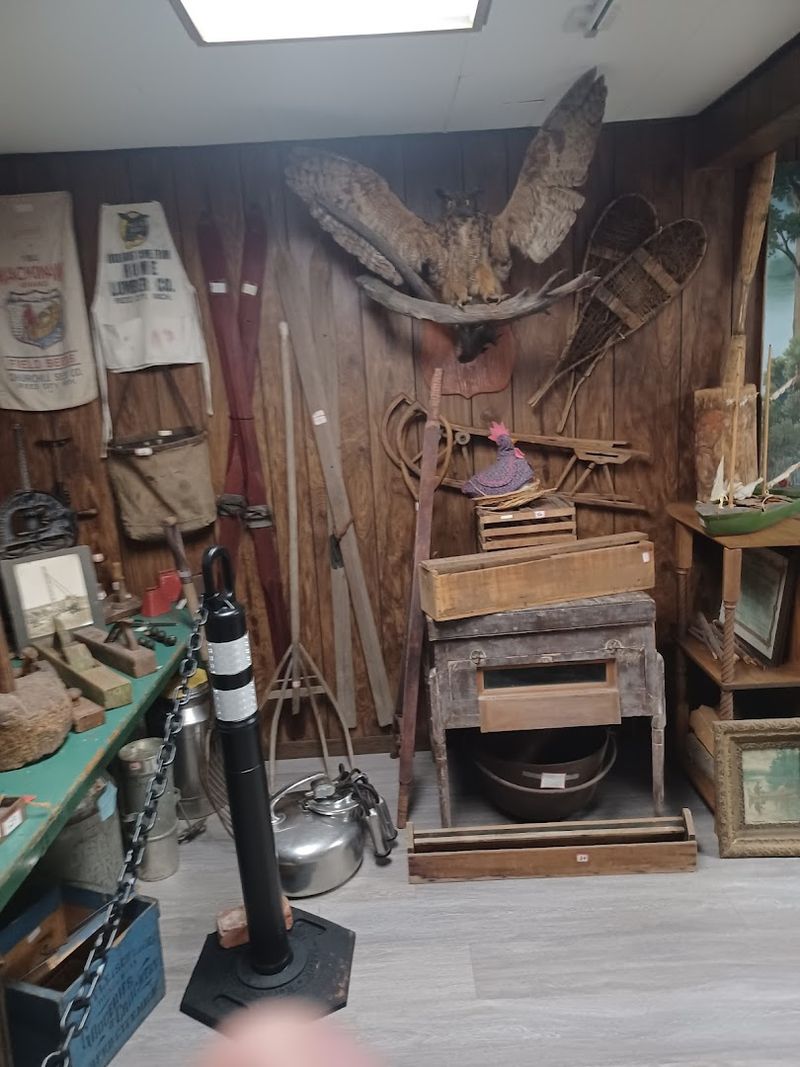
There is a particular kind of cultural experience that only small museums can offer, and the Old Rugged Cross Historical Museum delivers it fully. Nothing here is overly produced or digitally enhanced.
The artifacts are real, the stories are local, and the people who maintain the collection do so out of genuine pride in their community’s history.
The museum holds a 4.6-star rating from visitors who have taken the time to review it, which is a solid reflection of how consistently it delivers on its promise. Visitors who enjoy history, music, American religious culture, or just the pleasure of discovering something unexpected on a road trip through Michigan tend to walk away with something they did not anticipate finding.
Reed City itself is a quiet place, the kind of town that does not announce itself loudly. But that quiet is part of what makes this museum feel so right where it is.
Some of the most meaningful things in American history happened in places exactly this size, and this museum proves that point beautifully.
Share this story