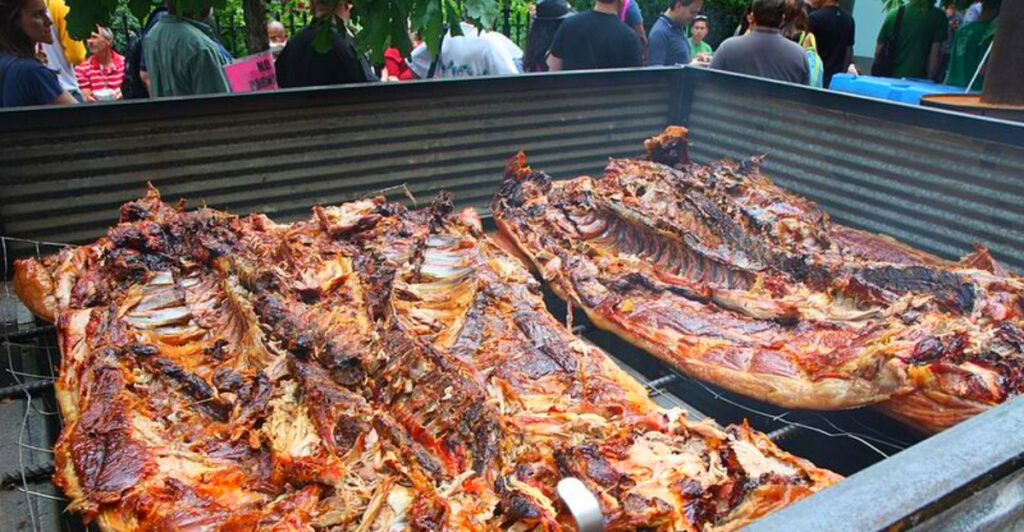
Some meals win you over immediately, but the most memorable ones often require a return trip and a little confidence. The first visit is usually full of cautious ordering, quick decisions, and a vague sense that regulars know something you do not.
By the second round, the menu starts making sense, the rituals feel less mysterious, and the food lands exactly as it should. That is when a good place stops being merely interesting and turns into somewhere you keep thinking about on the way home.
1. Ramen at a Serious Ramen Shop
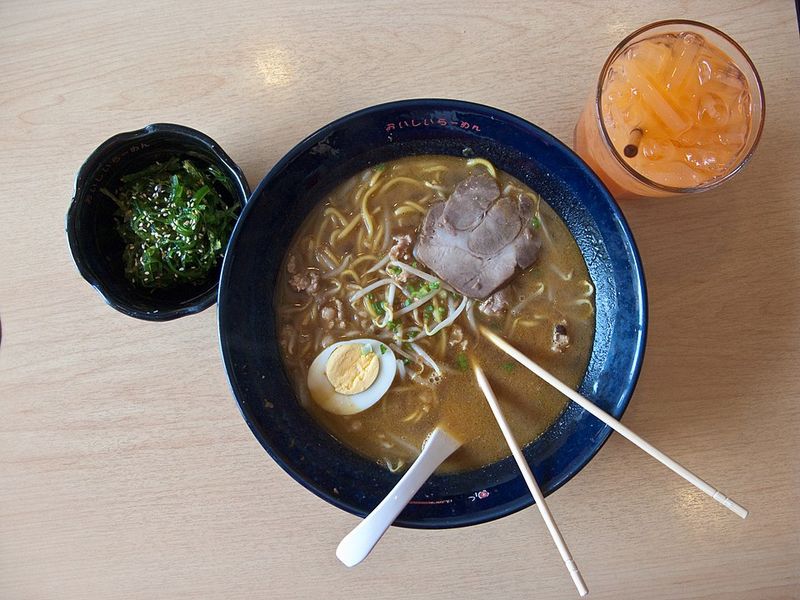
The first bowl can feel like a small exam you did not study for. You are decoding broth styles, noodle firmness, toppings, and the quiet confidence of people who ordered in ten seconds.
By visit two, the whole experience clicks into place. You know whether you want shoyu, miso, or tonkotsu, and you stop treating the extra egg like a major life decision.
That familiarity matters because serious ramen shops are built on precision. Broth can take many hours, tare defines the bowl’s backbone, and noodle texture changes the balance more than first-timers expect.
On round one, many people order cautiously and miss the house specialty. On round two, you trust the shop, add the right topping, and maybe ask for firmer noodles because now you understand the point.
Ramen culture rewards repeat visitors rather than rushed dabblers. The second visit is where you stop sampling and start participating, which is exactly when the bowl begins to taste like it was made for you.
2. A Proper Burger From a Local Joint
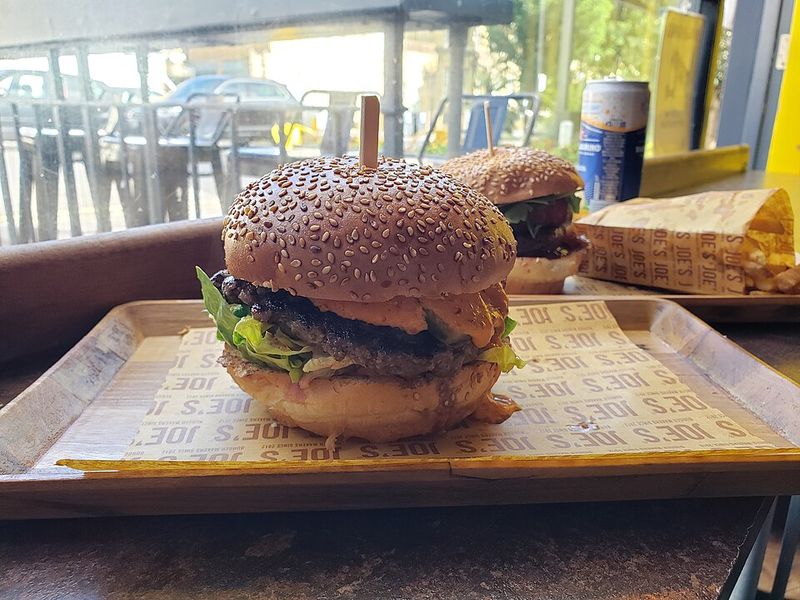
A local burger place rarely shows all its cards to cautious first-timers. You order something respectable, maybe even sensible, and only later realize the regulars were operating under a different set of rules.
The second visit is when you finally understand the house style. Maybe the move is double patties, grilled onions, a soft bun, and the sauce you skipped because you were trying to stay in control.
Great burger joints often have their own internal logic, shaped by griddle technique, beef blend, bun choice, and decades of neighborhood preferences. Some are descendants of postwar roadside stands, others of luncheonettes that turned practicality into a craft.
That history still shows up in the menu. The signatures are often hidden in plain sight, and the plain burger that seemed fine on day one was never really the full story.
Once you know what the place does best, everything tightens into focus. The second burger tastes better because it is less of a guess and more of a decision, which is exactly how locals order.
3. Sushi at a Small, Trusted Spot
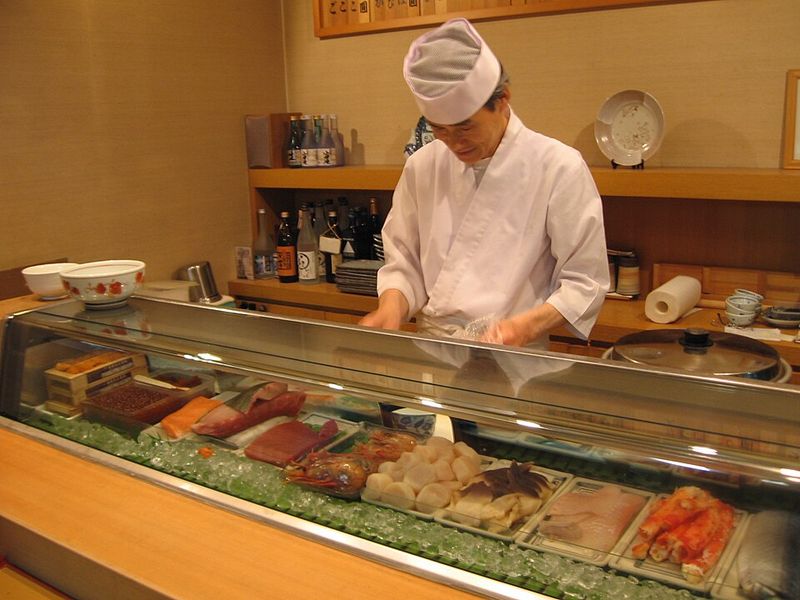
Sushi is one of those meals that improves the moment hesitation leaves the table. On a first visit, many people stay safe with familiar rolls and spend half the meal wondering whether they are ordering incorrectly.
Then the second visit changes everything. You recognize the pace, trust the chef more, and stop treating the menu like a test of social knowledge.
Small sushi spots reward that shift because they often run on reputation, consistency, and a close reading of regular customers. In many places, the strongest choices are not the longest rolls but the cleaner nigiri, hand rolls, and seasonal specials.
Once you return, you are more likely to ask what is best that day or let the chef guide a few pieces. That tiny act of trust can reshape the whole meal.
The food tastes better partly because you notice more, but mostly because you stop over-managing the experience. A good sushi counter is built on confidence, and the second visit is when you finally bring enough of your own.
4. BBQ From a Place With a Line
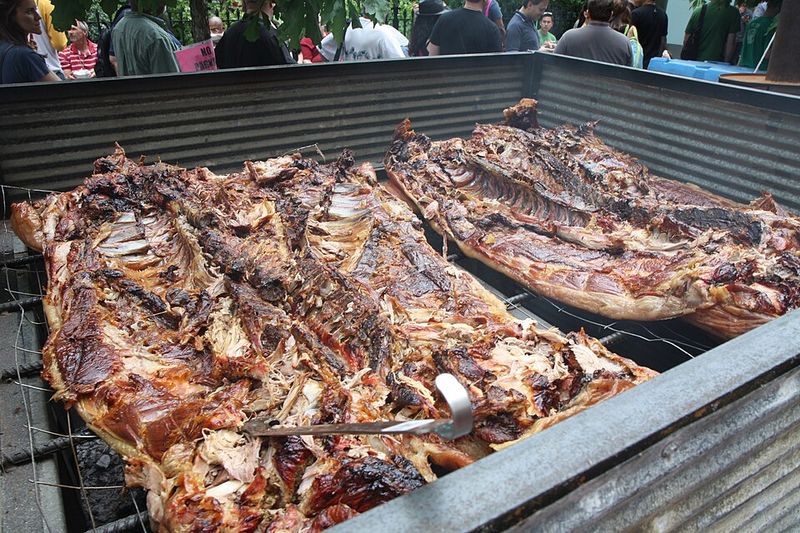
Nothing tests your patience like barbecue that comes with a line and a reputation. On the first visit, you are busy calculating wait time, portion sizes, and whether you somehow chose the wrong day to be hungry.
Visit two is calmer and smarter. You arrive earlier, know the house specialties, and understand that ordering timidly at a busy pit stop is a rookie move.
Great barbecue places often follow routines shaped by fire management, early sellouts, and a menu that changes with the day’s cook. That system has roots in regional traditions where brisket, ribs, pork, or sausage each carried local pride and practical methods.
First-timers often spread themselves too widely or miss the item the place is known for. Returning diners usually focus, order with purpose, and build a better tray.
The meal tastes better partly because the stress disappears. Once you know where to stand, when to show up, and what deserves your money, the whole experience shifts from public puzzle to private triumph.
5. Street Tacos From a Busy Stand
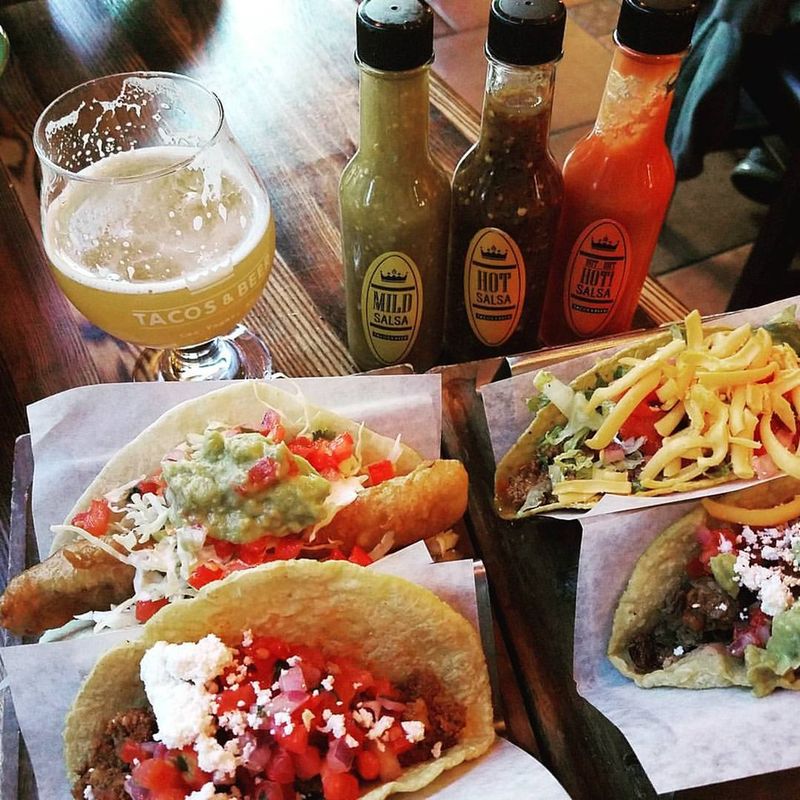
A busy taco stand can make a first order feel oddly high stakes. The line moves fast, the menu is brief, and the regulars seem to know exactly which fillings deserve immediate respect.
By your second visit, the uncertainty is gone. You know whether to order three or five, which salsa actually suits your choice, and why one taco was never going to be enough.
Street tacos taste better once you understand their economy and purpose. They are built for speed, specialization, and strong local habits, whether the stand leans toward carne asada, al pastor, barbacoa, birria, or something regionally specific.
First-timers often overthink toppings or split attention across too many options. Returning diners order more directly, choose better combinations, and respect the stand’s strengths instead of trying to redesign dinner in real time.
That confidence changes the meal completely. The second visit lets the tacos be what they are meant to be: quick, focused, and deeply satisfying in a way that only makes full sense once you stop hesitating and start ordering like you belong there.
6. Indian Thali at a Traditional Restaurant
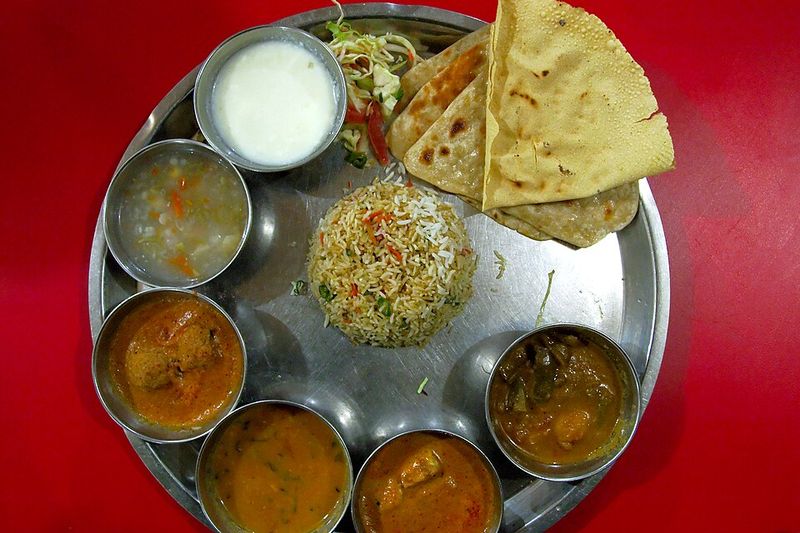
A thali can look less like lunch and more like a well-organized quiz on your first visit. There are bowls, breads, rice, condiments, and enough variety to make a cautious diner freeze for a second.
The return visit is when the format becomes brilliant instead of overwhelming. You start mixing, pairing, and pacing the meal the way it was always meant to be enjoyed.
Traditional thali service reflects regional Indian eating patterns shaped by balance, season, custom, and practicality. Instead of one dominant centerpiece, the platter brings together dals, vegetables, breads, rice, pickles, and sometimes sweets in a structure that rewards curiosity.
On the first round, many people treat each component separately and miss the conversation happening across the plate. On the second, you combine bites, reset with rice, and understand why no single dish tells the whole story.
That is when thali becomes more than a sampler. It turns into a complete meal with its own rhythm, and the second visit feels better because you finally stop decoding it and start enjoying how intelligently it was designed.
7. Pizza From a Local Favorite Spot
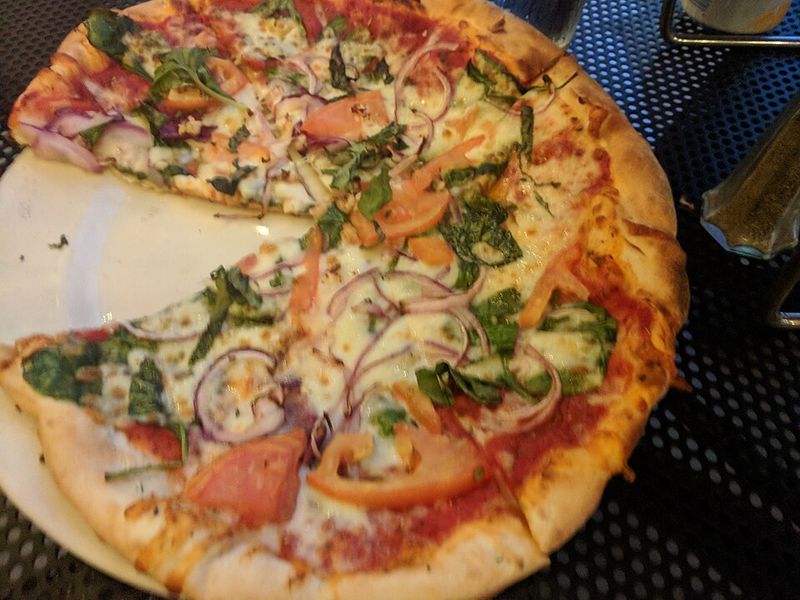
A beloved neighborhood pizza place rarely reveals its best move to a first-time order. Most people play it safe, choose a basic pie, and leave thinking it was good without realizing they missed the point.
Then comes the second visit, when someone tells you about the signature combination. Suddenly the place makes complete sense, and your original order looks like a polite introduction rather than the main event.
Local pizza favorites often build reputations around specific crust styles, oven habits, topping combinations, and decades of customer loyalty. In some towns, the classics come from immigrant traditions adapted to local ingredients, while in others the shop’s identity is tied to one famous pie.
That house specialty exists for a reason. It is usually where the dough, sauce, cheese, and toppings are balanced most intentionally, not where the menu sounds the safest.
Returning helps because you stop using pizza as a generic category and start treating the shop as an individual place. The second pie tastes better because it reflects the pizzeria’s personality, not just your first-visit caution.
8. A Full English Breakfast at the Right Place
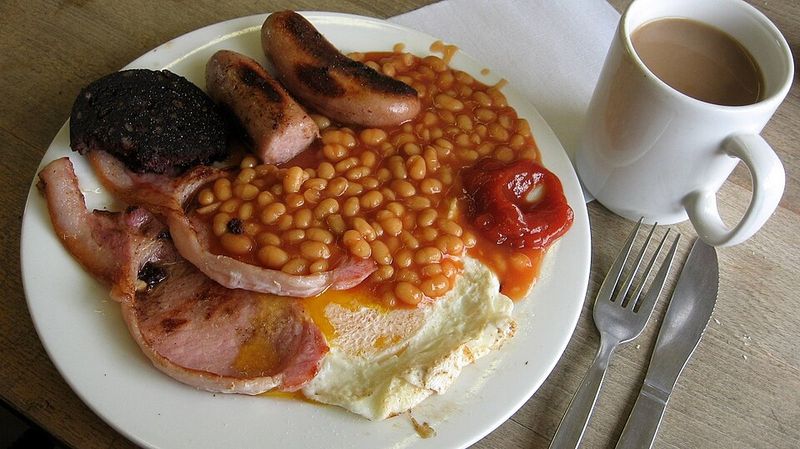
A full English can look like a challenge rather than a meal when it first arrives. You study the plate, wonder about the proper order, and quietly question whether breakfast should really be operating at this scale.
The second visit is where it starts to win. You stop negotiating with the format and begin appreciating how each component pulls its weight.
This breakfast has roots in British dining habits shaped by class, labor, hotels, cafes, and changing ideas about what counted as a substantial start to the day. Over time, sausages, eggs, bacon, beans, toast, mushrooms, and tomatoes became a familiar template, with regional variations and strong opinions attached.
At the right place, none of it feels random. The plate is designed around balance, pace, and staying power, which first-timers often miss because they are too busy reacting to the size.
By the second round, you know what you like, what to skip, and how the whole thing fits together. That confidence turns a daunting classic into a meal you unexpectedly begin to seek out.
9. Fried Chicken From a Neighborhood Classic
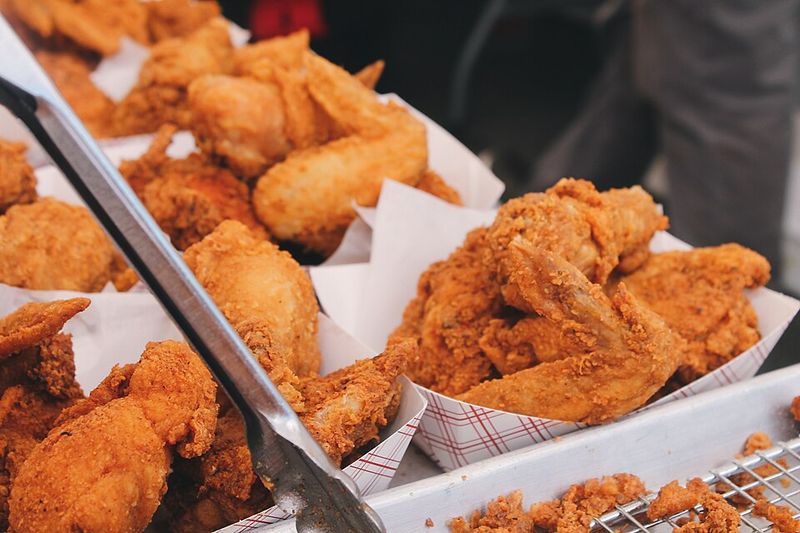
Some neighborhood fried chicken places hide their greatness behind complete lack of self-promotion. The first visit can feel almost too ordinary, as if the room is asking you to trust decades of local loyalty without offering a sales pitch.
Then you come back, and the consistency becomes impossible to ignore. The chicken is just as good, the timing feels right, and you realize the place was never trying to impress you theatrically.
That kind of restaurant often survives because it understands repetition better than novelty. Many classics were built in eras when neighborhood spots depended on routine customers, dependable frying methods, and menus that changed very little because there was no reason to chase trends.
First-time diners sometimes underestimate that steadiness and order too cautiously. Returning customers know the best sides, the ideal piece count, and whether the kitchen shines brightest at lunch or dinner.
The second visit tastes better because you recognize what makes the place special: not reinvention, not gimmicks, just the rare pleasure of a local institution doing one thing extremely well over a very long stretch of time.
10. A Bowl of Pho at a No-Frills Restaurant
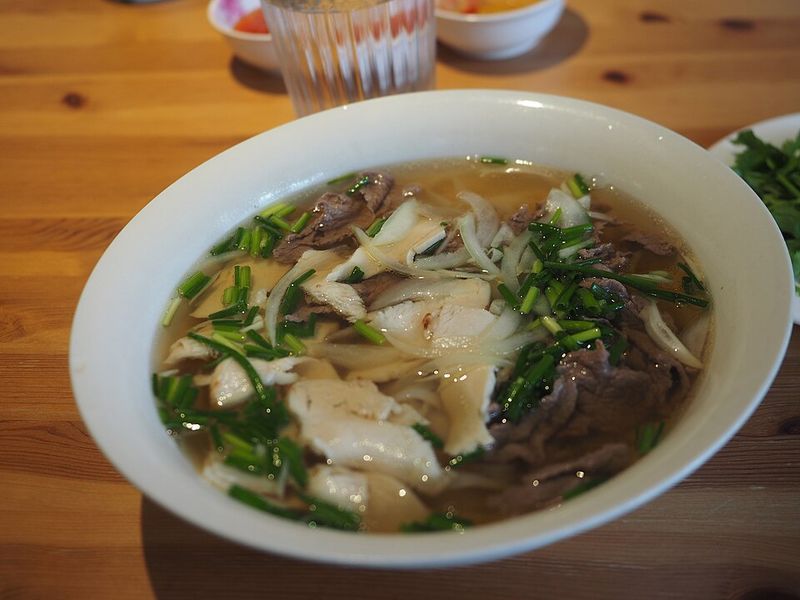
Pho often begins as a simple bowl and ends as a small education. On the first visit, it can seem straightforward enough until the plate of herbs, sauces, and extras arrives and turns lunch into a set of choices.
The second visit is where the bowl opens up. You learn what to add, what to leave alone, and how much adjustment actually improves the broth rather than burying it.
No-frills pho restaurants usually build their reputation on stock quality, noodle timing, meat options, and consistency rather than décor. That restraint reflects the dish’s practical strength: a clear structure with room for personal preference, but not endless reinvention.
First-timers sometimes overdo the add-ins immediately or treat every condiment as mandatory. Returning diners tend to taste first, add carefully, and understand that the broth deserves a little respect before customization begins.
That small shift changes the entire meal. The second bowl tastes better because you finally catch the balance between the kitchen’s work and your own choices, which is exactly where good pho starts to feel personal.
11. Pasta at a Cozy Italian Spot
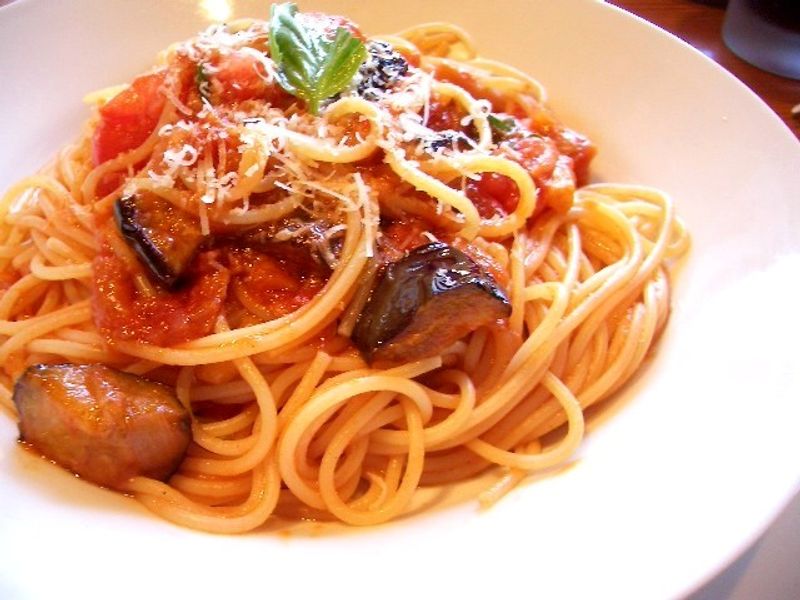
A cozy Italian restaurant can lure you into ordering the most familiar pasta on earth. The first visit often brings a safe choice, which is comforting enough but not always the dish that explains why the place has loyal regulars.
Round two is where the story improves. You ask about the house specialty, choose the sauce the restaurant is known for, and discover that restraint on the first visit cost you the better meal.
Many Italian spots build their identity around a handful of signature preparations rooted in region, family habit, or long-standing local preference. That could mean a ragù that takes patience, a stuffed pasta linked to a particular tradition, or a shape that carries sauce in a very deliberate way.
First-timers often order by familiarity rather than curiosity. Returning diners know to follow the menu’s hints, trust the server, and pay attention to what the kitchen clearly cares about most.
The second plate tastes better because it reflects the restaurant’s actual personality. Once you stop asking for generic pasta and start ordering the house memory on a plate, the whole visit becomes far more rewarding.
12. Dumplings at a Family-Run Spot
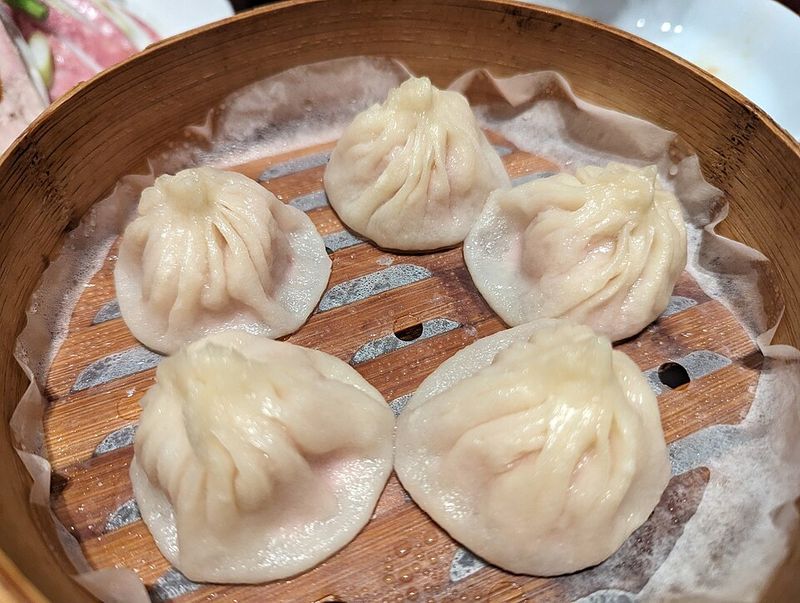
The first visit is usually all steam, speed, and guessing. You are trying to decide between boiled or pan-fried, pork or chive, chili oil or black vinegar, while the regulars order like they have been rehearsing all week.
The meal is good, but part of your brain is still catching up.
By the second trip, you know your move before you sit down. You order extra sauce, maybe a cold cucumber salad, and suddenly the dumplings taste fuller, juicier, more specific.
Familiarity sharpens every bite, and what felt rushed the first time now feels like exactly the point.
Share this story