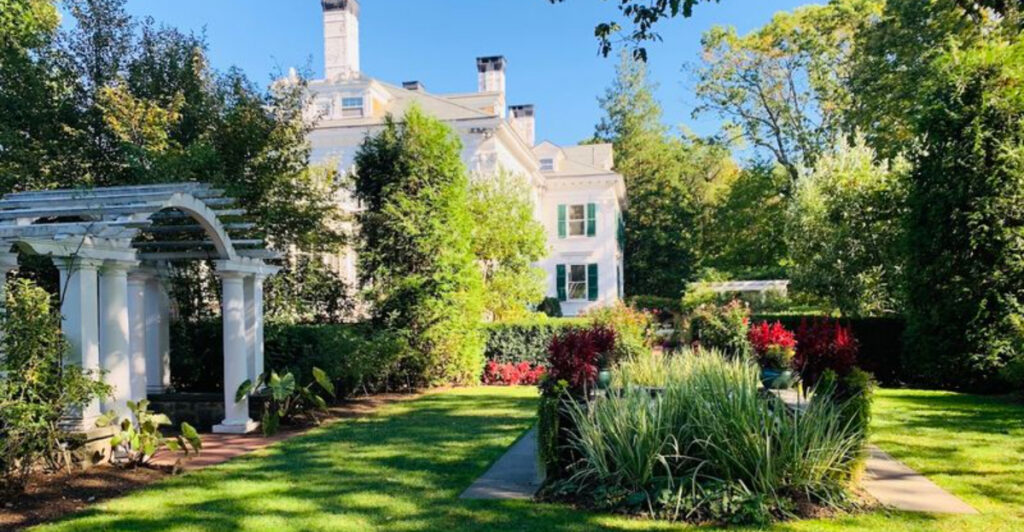
There is a 127-acre property in Morristown, New Jersey, where the lawn is always trimmed, the paths are always clear, and the whole place feels like it belongs in a different era. It is not a theme park, not a botanical garden with a steep admission fee, and not a place you stumble upon by accident.
The Frelinghuysen Arboretum has been drawing curious walkers, nature enthusiasts, photographers, and families for years, and for good reason. Beyond the rose garden and the flowering trees, there are hiking trails, a historic mansion, a stone labyrinth, educational programs, and a calendar packed with events that have nothing to do with flowers at all.
This article covers everything worth knowing before your first visit, or your tenth.
Where It All Begins: Address and Location
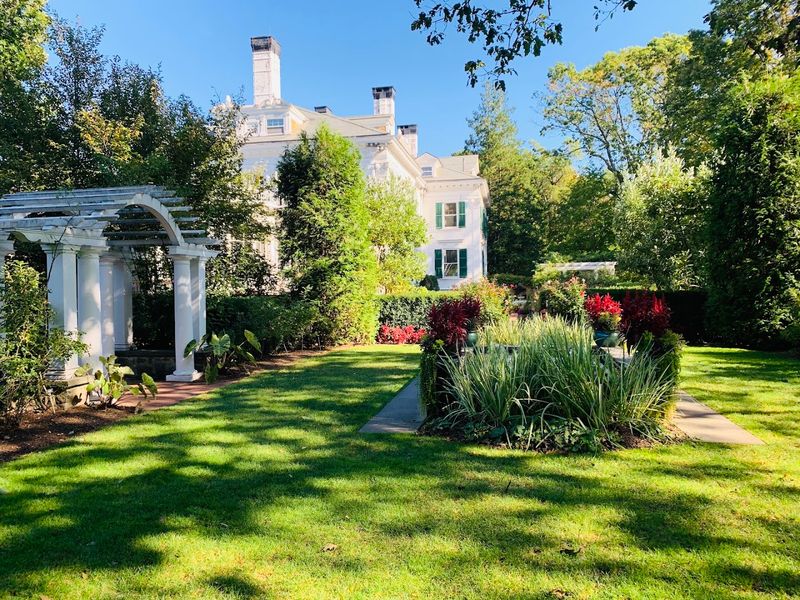
The Frelinghuysen Arboretum sits at 353 E Hanover Ave, Morristown, NJ 07960, right in Morris County, one of northern New Jersey’s most historically rich areas.
The property was once known as Whippany Farm, a private estate owned by the Frelinghuysen family, and it now operates as part of the Morris County Park Commission system.
Getting there is straightforward, with ample free parking spread across several interconnected lots near the main entrance. The arboretum is open to the public at no cost, which makes it one of the most accessible green spaces in the entire state.
No admission fee means no barrier to entry, and that openness is part of what keeps the grounds feeling welcoming rather than exclusive.
Whether visiting from nearby Morristown or driving in from a neighboring town, the location is easy to find and well worth the trip.
A Colonial Revival Mansion With a Story to Tell
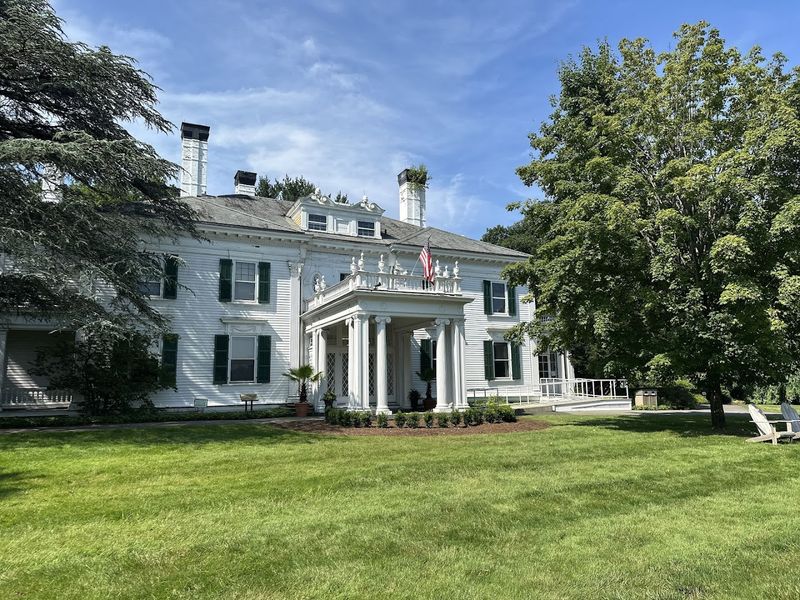
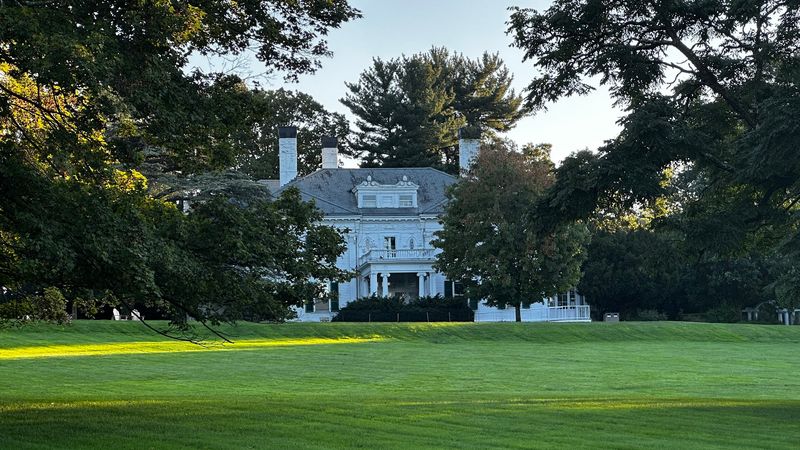
The centerpiece of the entire property is the Colonial Revival mansion that stands prominently on the grounds, and it commands attention the moment it comes into view.
Built in the late 19th century, the mansion was the private residence of the Frelinghuysen family, who were prominent figures in New Jersey’s political and social history for generations.
The building itself is a well-preserved example of Colonial Revival architecture, with classic lines and a dignified presence that fits perfectly against the backdrop of open lawns and mature trees.
While the mansion is not currently open for interior tours, the exterior is fully visible and makes for a compelling focal point during any walk through the grounds.
Photography enthusiasts tend to gravitate toward it for obvious reasons, and the surrounding rose garden adds to the visual appeal of that entire section of the property.
18 Different Gardens Worth Exploring One by One
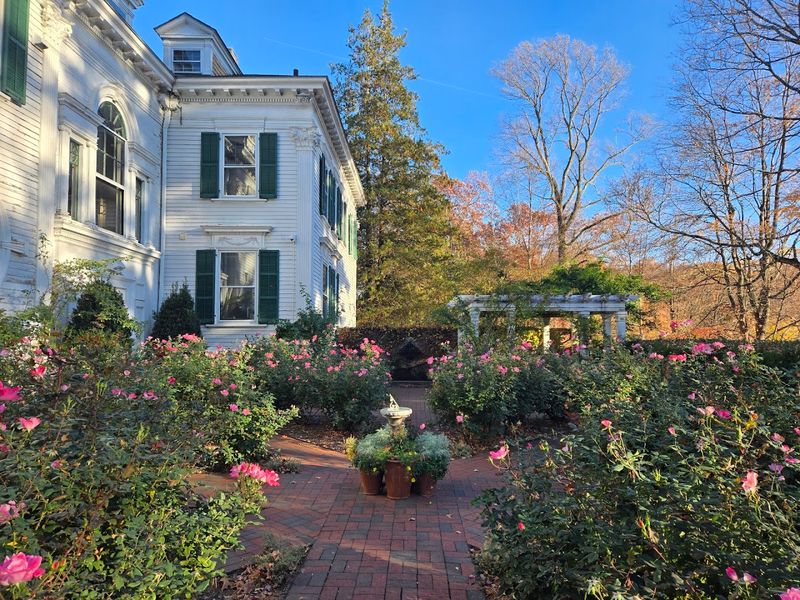
Eighteen distinct garden areas spread across the property, and each one has its own character, plant collection, and layout that sets it apart from the others.
The rose garden, positioned close to the mansion, is consistently cited as one of the standout areas, featuring rows of carefully pruned roses in a range of colors that peak during late spring and early summer.
Beyond roses, there are woodland corners, ornamental shrub collections, perennial borders, and specialty plantings that reflect horticultural diversity from many different climate zones around the world.
The Pinetum area, featuring a collection of conifers and evergreen species, offers a noticeably different atmosphere from the more formal garden sections and draws visitors who prefer a quieter, more woodland-like setting.
Moving from garden to garden feels less like a chore and more like turning pages in a very large and well-illustrated book about plants.
Hiking Trails That Go Beyond a Simple Stroll
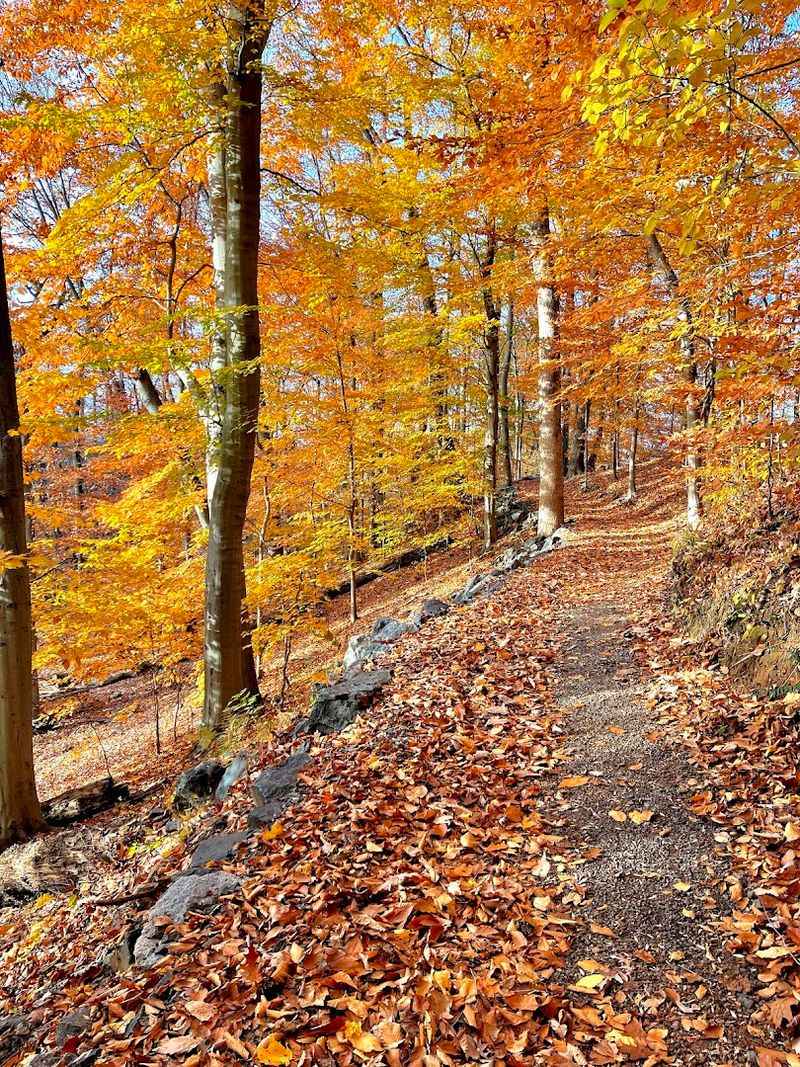
The arboretum is not just a place for slow, contemplative walks along manicured paths. Several hiking trails run along the borders of the property, offering a more active and immersive outdoor experience.
Color-coded trail markers make navigation manageable, and the terrain is generally flat to gently rolling, which makes the trails accessible to a wide range of fitness levels.
Hikers report completing most of the colored trails in a single visit, with the red trail being one of the longer options for those who want to push a little further.
The tree canopy along the trails provides natural coverage, which makes the property especially pleasant to visit during warmer months when shade becomes a priority.
For anyone who assumed the arboretum was strictly a garden destination, the trail system is a genuine surprise that turns a casual outing into something that actually gets the heart rate up a little.
New Jersey Champion Trees and a Big Tree Tour
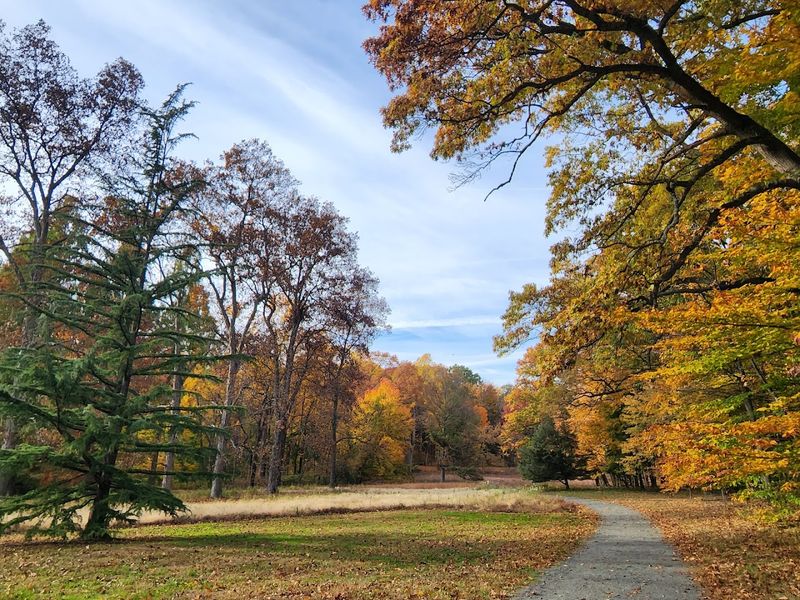
Not every park can claim to have New Jersey champion trees on its grounds, but the Frelinghuysen Arboretum can, and that distinction is worth paying attention to.
Champion trees are the largest known specimens of their species within a given state, measured by a combination of height, trunk circumference, and crown spread. Finding one in the middle of a public park is genuinely unusual.
The arboretum offers a big tree tour that guides visitors through the most notable specimens on the property, covering species from similar climate zones all over the world that were planted during the estate’s long history.
Beech trees, in particular, stand out for their size and the way their smooth gray bark contrasts with the surrounding landscape.
For anyone with even a passing interest in trees, this tour reframes the entire visit and turns a pleasant walk into something that feels closer to a genuine discovery.
Picnic Spots Spread Generously Across the Grounds
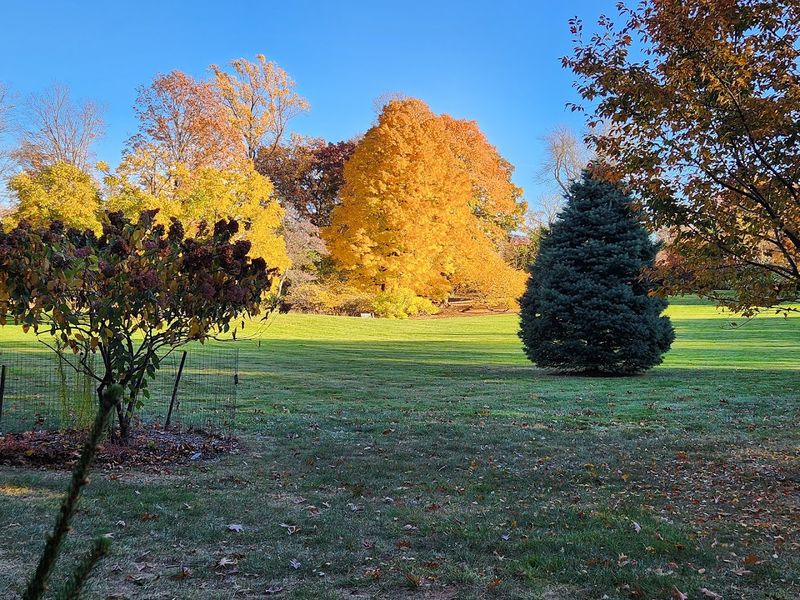
The arboretum does not just tolerate picnics; it practically encourages them. Multiple areas across the property feature tables and chairs, benches, and open lawn space that work well for outdoor meals of any size.
The grounds are clean and well-maintained, which makes spreading out a blanket on the grass feel like a genuinely good idea rather than a compromise.
A large tent structure on the property is available for events and gatherings, making the arboretum a practical option for outdoor celebrations that need a little more structure than an open field provides.
Weddings and family reunions have been held here, and the combination of manicured grounds and natural scenery gives any gathering an elevated backdrop without requiring elaborate decoration.
For a straightforward afternoon with food and fresh air, the arboretum’s picnic areas deliver exactly what they promise: a clean, quiet, and genuinely pleasant place to eat outside without any fuss.
Accessibility That Actually Works for Everyone
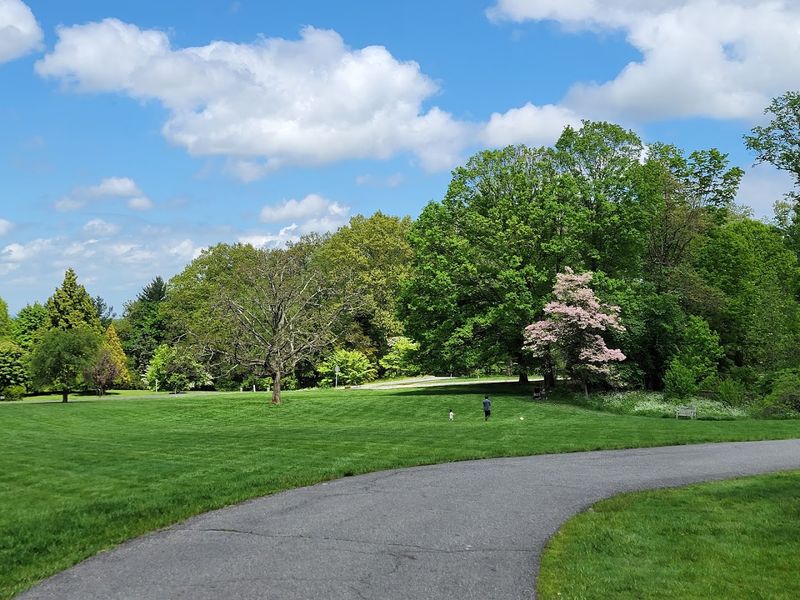
Accessibility at outdoor spaces is often mentioned but rarely delivered consistently, and the Frelinghuysen Arboretum is one of the exceptions worth noting.
The main paths through the gardens are wide, well-surfaced, and flat enough to accommodate wheelchairs and strollers without significant difficulty. Visitors with limited mobility have noted that the property is genuinely manageable, not just technically compliant.
For wheelchair users, the recommended route goes from the mansion back toward the road, which follows a gentler grade compared to some of the gravel trail sections that lose elevation more quickly.
Strollers move easily along the primary garden paths, and families with young children report no major obstacles during typical visits.
Restrooms are available year-round, which is a practical detail that matters more than it gets credit for. A clean, accessible restroom open in all seasons is the kind of unglamorous feature that makes a real difference for families, older visitors, and anyone planning a longer stay.
Spring Blooms That Justify a Dedicated Visit
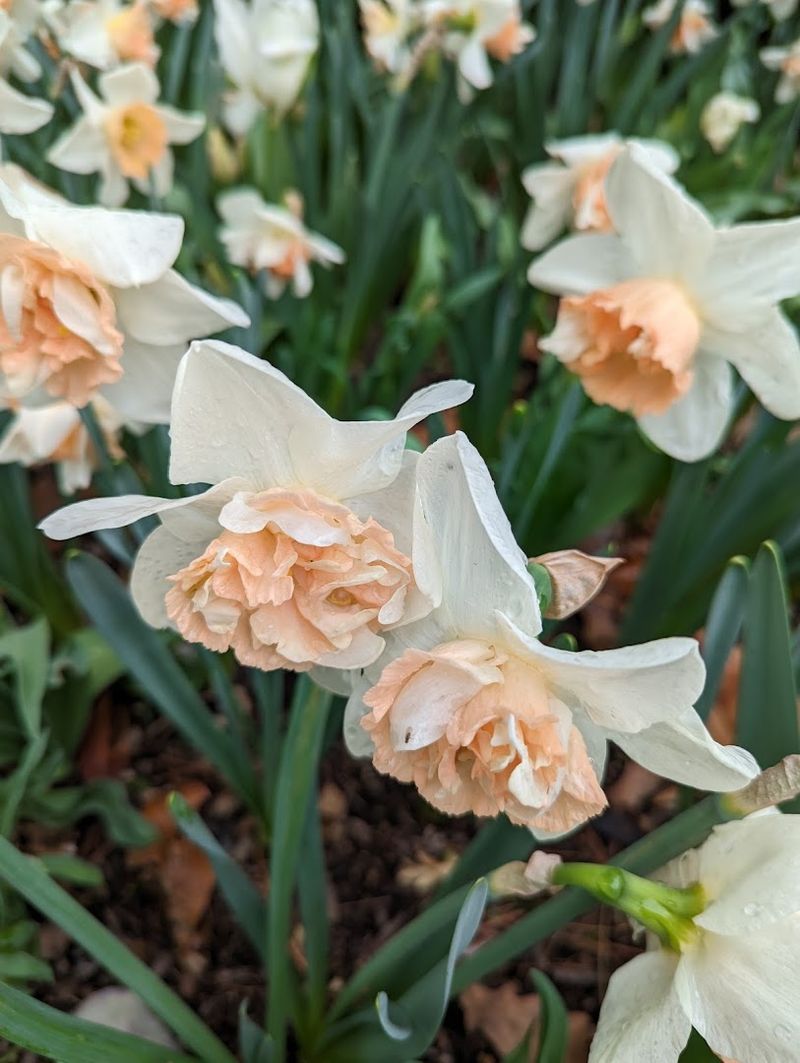
Late April is arguably the best time to visit the arboretum if flowers are the main draw, and the property does not disappoint during that window.
Early spring brings snowdrops, crocuses, and daffodils pushing through the ground before most other plants have fully woken up. Winter-blooming hellebores add color during the colder months when the rest of the garden is still dormant.
As temperatures rise, flowering trees begin to blossom across the grounds, and the rose garden reaches its peak in late May and into June. The seasonal progression means the arboretum looks noticeably different depending on when you visit.
Red-tailed hawks and other birds become more active during spring as well, adding a layer of wildlife observation that complements the botanical display.
Planning a visit around the spring bloom cycle rewards the effort with a property that looks like it was designed specifically to show off what New Jersey’s growing season can produce at its most cooperative.
Photography Opportunities Around Every Corner
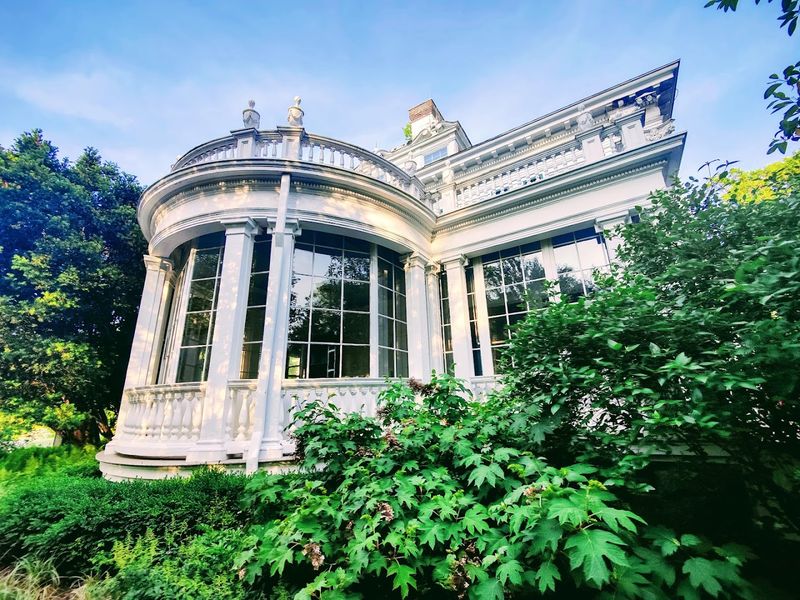
Nature photographers consistently rank the arboretum among the best locations in New Jersey for outdoor shooting, and the variety of subjects available in a single visit supports that reputation.
The rose garden provides close-up opportunities with color and texture, while the woodland sections offer filtered light and layered backgrounds that work well for wider compositions. The mansion adds architectural contrast to any collection of natural subjects.
Water features on the grounds introduce reflective surfaces and additional compositional options that straight garden paths do not provide. The stone labyrinth, with its geometric ground pattern, is a less obvious but genuinely interesting subject for overhead or low-angle shots.
The well-maintained condition of the property means there is very little visual clutter to work around, which makes framing a clean shot considerably easier than at less carefully tended outdoor spaces.
Visiting on a weekday tends to mean fewer people in the background, which is a practical tip that can make a meaningful difference in the final results.
The Carriage Museum Hidden on the Property
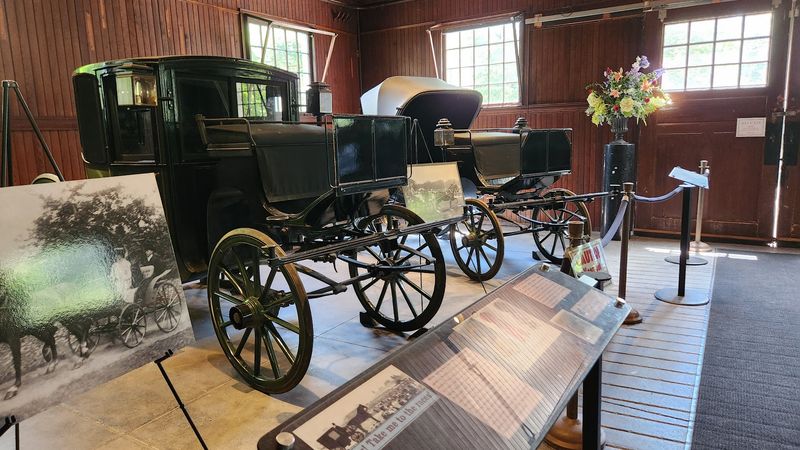
Beyond the gardens and the trails, the arboretum grounds include horse barns that now serve as a display space for historic carriages, adding a layer of history that most first-time visitors do not expect to find.
The carriages on display reflect the era when the Frelinghuysen family used the estate as a working private property, and they offer a tangible connection to the way wealthy New Jersey families traveled and lived in the late 19th and early 20th centuries.
The barn setting itself adds to the experience, with the original structure providing an authentic backdrop that a purpose-built museum building would struggle to replicate.
This is the kind of detail that elevates a visit from a pleasant garden walk into something with more historical depth, and it tends to catch visitors off guard in the best possible way.
The carriage display is a quiet reminder that the arboretum was once a fully functioning private estate with a life well beyond horticulture.
Free Admission and a Few Rules Worth Knowing
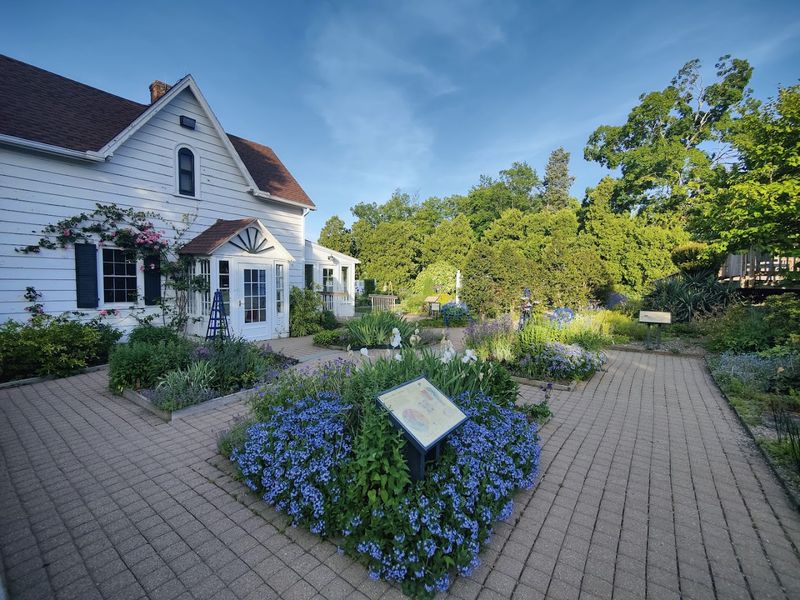
Free admission to a 127-acre, well-maintained property with multiple gardens, hiking trails, historic buildings, and regular events is not something that should be taken for granted, but that is exactly what the arboretum offers.
There are no suggested donation boxes, no ticket booths, and no tiered access based on what you pay. The entire property is open to everyone during operating hours, which is a genuinely rare arrangement for a space of this quality.
A few rules apply and are worth knowing before arriving. Dogs are not permitted on the grounds, which helps maintain the condition of the gardens and keeps the environment calm for all visitors.
Litter is expected to leave with whoever brought it, and the community largely respects that expectation, which is part of why the grounds stay in such good condition.
Checking the official hours before visiting is recommended, as the main gate does not always align with the hours listed on third-party platforms.
A Closing Thought on What Makes This Place Worth Returning To
The Frelinghuysen Arboretum does not rely on a single attraction to justify a visit. The combination of 18 gardens, champion trees, hiking trails, a historic mansion, a stone labyrinth, a carriage museum, and a rotating calendar of community events creates a destination that holds up across multiple visits and different seasons.
Each trip tends to surface something that was missed the last time, whether it is a garden section that was skipped, a trail that was left for another day, or a seasonal bloom that was not yet open on the previous visit.
The fact that all of this is free, well-maintained, and located within easy reach of one of New Jersey’s most historic towns makes it an even stronger case for putting it on the regular rotation.
Some places are worth visiting once. The Frelinghuysen Arboretum is the kind of place that quietly earns a spot on the list of places worth coming back to, again and again, without needing to explain why.
Share this story