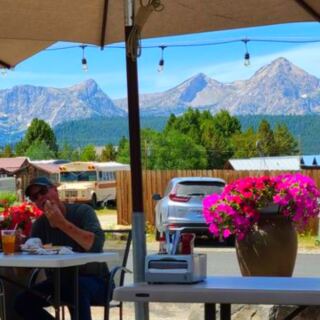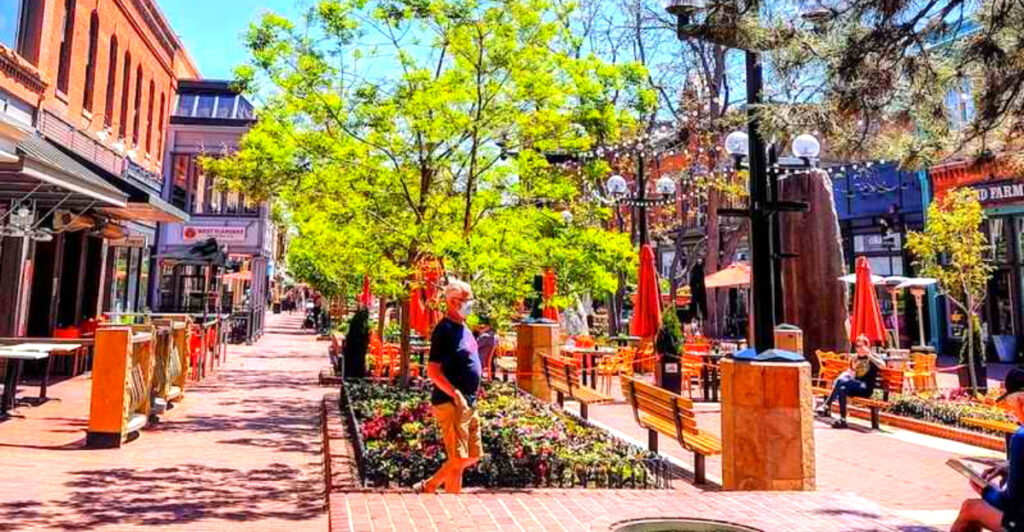
American cities do not all grow or shrink in tidy census-chart fashion. Some operate on a revolving schedule shaped by theme parks, football Saturdays, ski lifts, cruise schedules, college move-in weekends, and festival calendars, so the number of people on the ground can change fast enough to rewrite traffic patterns, housing demand, and even what a grocery line looks like.
That kind of fluctuation is not just a tourism footnote – it is a civic rhythm with roots in postwar car culture, the rise of mass air travel, university expansion, convention economics, and the long boom in recreation-driven travel from the 1970s onward. If you keep reading, you will see how these 17 places became experts at living with temporary crowds, and why their busiest seasons say as much about modern American habits as any official population total does.
1. Orlando, Florida
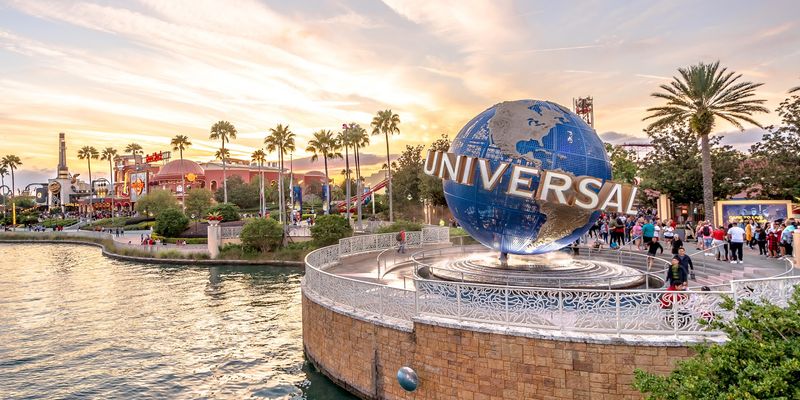
Few American cities treat the census like a rough suggestion quite the way Orlando does. What looks like a standard Sun Belt metro is constantly reshaped by Walt Disney World, Universal Orlando, convention traffic, and a year-round stream of family vacations.
After World War II, central Florida sold sunshine and motor courts, but the 1971 opening of Disney changed the scale entirely. Visitor counts now reach into the tens of millions annually, creating spikes that influence roads, hotel construction, airport volume, and service jobs far beyond the city limits.
You can see the swing in everything from packed restaurant districts to quiet residential pockets just a few miles away. Orlando feels less like one fixed city than a rotating cast of tourists, workers, and conventioneers moving through the same map.
2. Las Vegas, Nevada
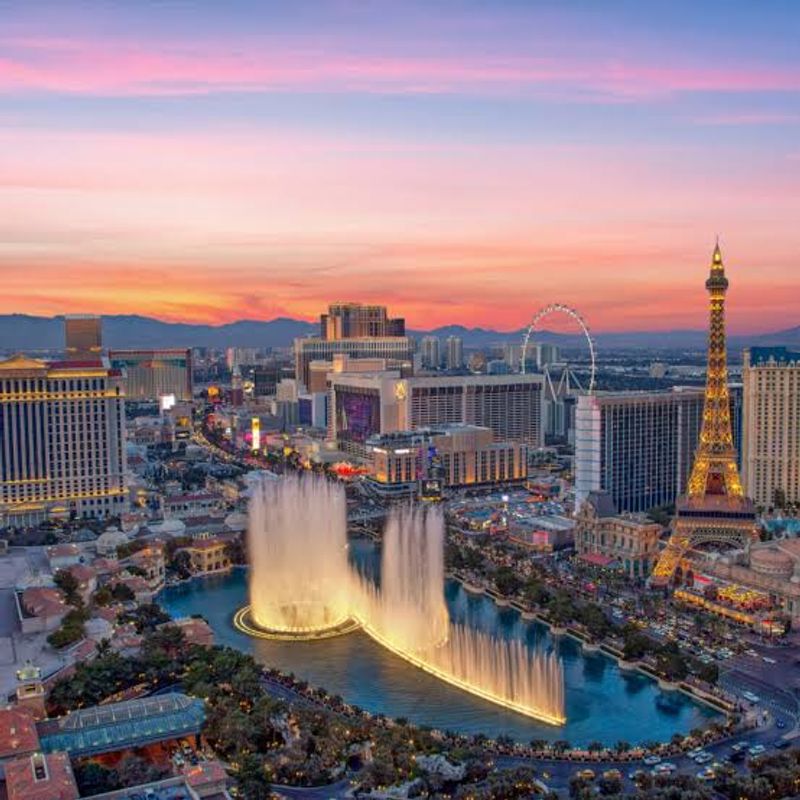
Las Vegas treats temporary population as part of the basic business model. With more than 40 million visitors in many recent years, the city routinely absorbs waves of weekend travelers, conventioneers, sports fans, and holiday crowds that make the resident total feel almost secondary.
The city grew fast after legal gambling, cheap flights, and postwar highway travel turned it into a national escape valve. By the late twentieth century, giant resorts, convention halls, and nonstop entertainment made visitor surges a normal feature rather than an occasional event.
You notice it in airport traffic, hotel occupancy, and the way major events can redraw the street map overnight. Las Vegas is a place where population is always in motion, peaking with trade shows, title fights, and three-day weekends that keep the city perpetually overbooked.
3. Myrtle Beach, South Carolina
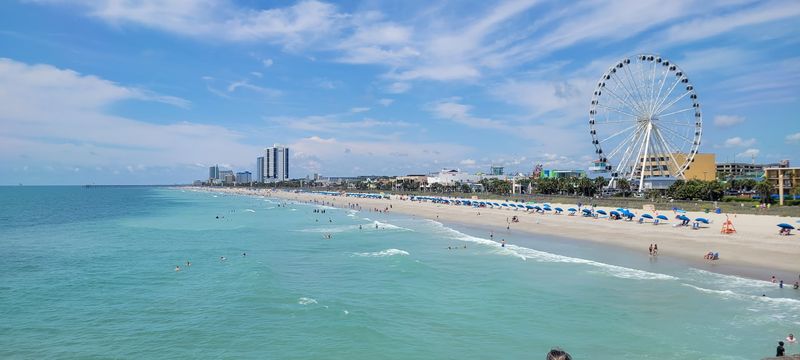
Summer turns Myrtle Beach from a modest coastal city into a full-scale migration route. The permanent population stays relatively small, yet the broader Grand Strand fills with vacationing families, golfers, and beachgoers who arrive in such numbers that local routines bend around them.
This swing has deep roots in postwar automobile tourism, when roadside motels and family attractions made beach travel a democratic American ritual. Seasonal businesses, short-term rentals, and sprawling resort development helped build an economy designed for dramatic summer peaks rather than steady year-round volume.
You can trace the pattern through packed roads, suddenly scarce parking, and neighborhoods that feel entirely different in January than in July. Myrtle Beach lives by the calendar, and its busiest months still reflect the old national habit of loading the car and heading coastward.
4. Aspen, Colorado
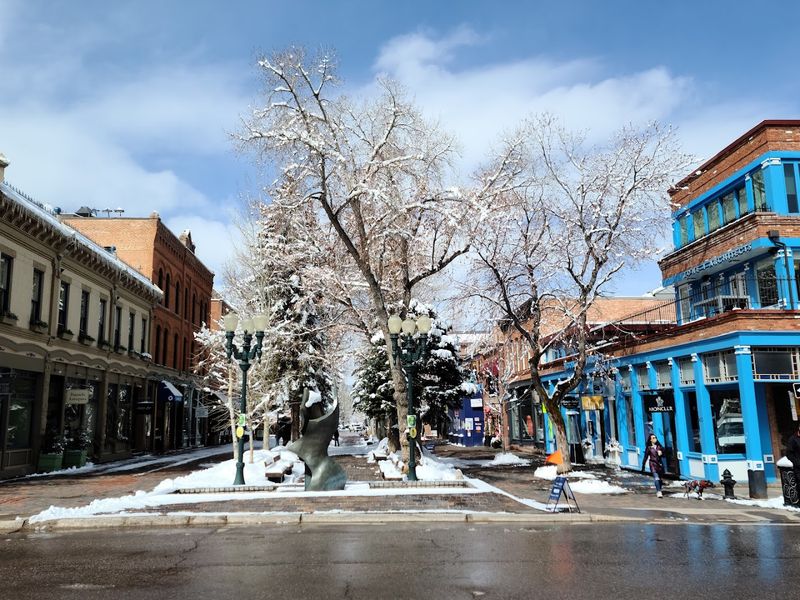
Aspen can look like a tiny mountain town until the calendar flips and the visitors arrive in force. Its permanent population is small, but winter ski season and summer cultural events bring in affluent travelers, second-home owners, hospitality workers, and outdoor enthusiasts at a scale locals know well.
The city changed dramatically after its mining era faded and skiing revived its fortunes in the mid twentieth century. By the 1950s and 1960s, Aspen had become a symbol of recreation-driven wealth, and that identity encouraged sharp seasonal surges tied to snow conditions, festivals, and vacation schedules.
You see the swing in housing pressure, restaurant reservations, and the presence of workers who keep the whole machine running. Aspen is not just busy or quiet – it alternates between intimate mountain settlement and international resort, often within the same year.
5. Ann Arbor, Michigan
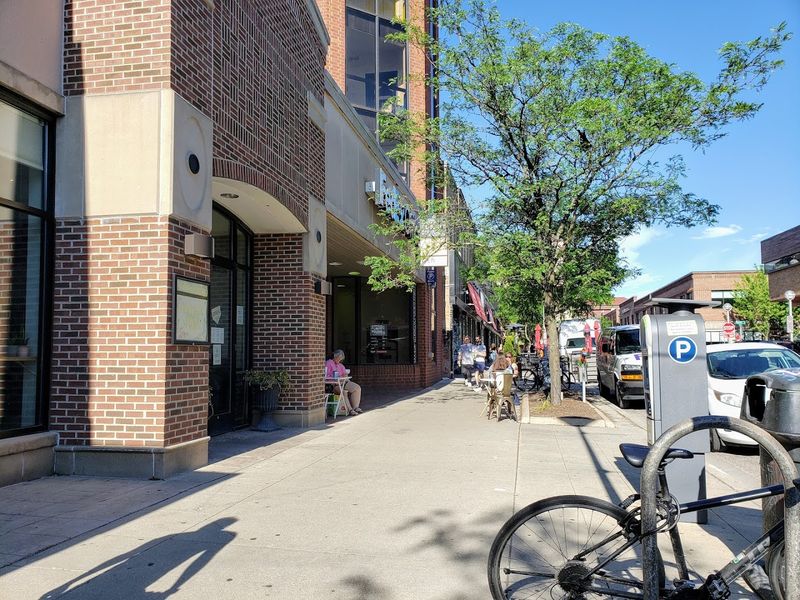
Ann Arbor changes personality when the students return, and the shift is immediate. Home to the University of Michigan, the city swells each fall as tens of thousands of students, faculty, visiting families, and football crowds fold into a community that feels noticeably calmer during summer.
College towns have long worked on this academic accordion system, but Ann Arbor does it on a particularly visible scale. Housing demand, bus ridership, downtown foot traffic, and game-day logistics all expand with the school year, reflecting the university’s nineteenth-century roots and its enormous present-day footprint.
The contrast is especially clear between quiet summer stretches and packed autumn weekends when campus life dominates the map. Ann Arbor remains a substantial city year-round, yet its population rhythm still follows the university calendar with almost metronomic precision, right down to move-in day traffic.
6. Lake Tahoe (South Lake Tahoe), California/Nevada
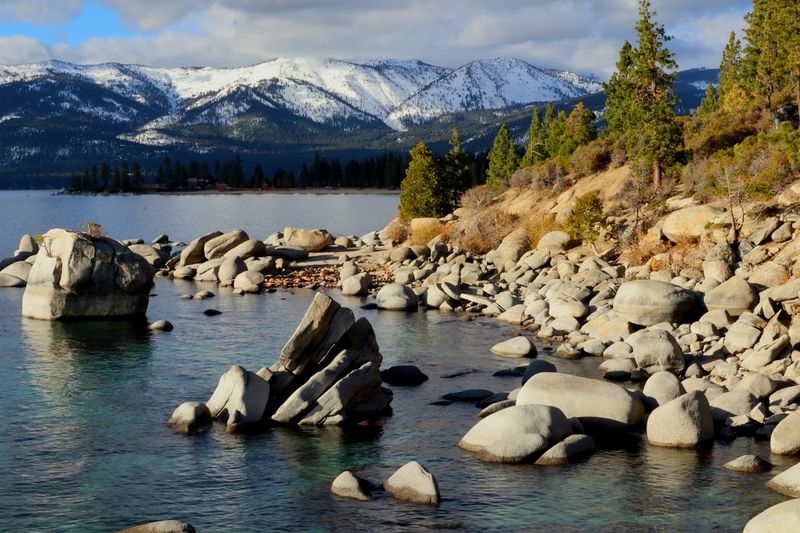
At Lake Tahoe, the headcount can change with the weather report and the school calendar. South Lake Tahoe experiences major swings as winter skiers arrive for nearby resorts and summer visitors flood the lakeshore for boating, hiking, and long holiday weekends.
The region’s popularity grew with twentieth-century highway improvements, winter sports marketing, and the broader rise of recreation travel in the American West. Because the permanent population is modest, each tourism season becomes highly visible in lodging demand, restaurant turnover, and the sheer number of people circulating through a limited mountain road network.
You feel the contrast between shoulder season calm and the packed stretches when parking becomes its own strategic exercise. South Lake Tahoe functions as both community and gateway, and those roles keep its population in regular motion across two very different peak seasons.
7. Key West, Florida
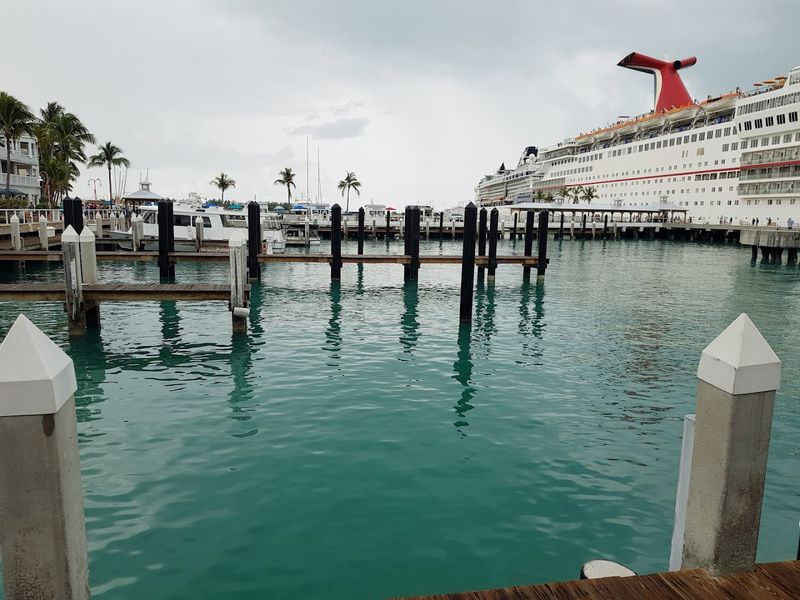
Key West has a talent for feeling both remote and overrun at the same time. Its permanent population is limited by geography, yet cruise arrivals, winter tourism, and big event weekends can send the number of people on the island far beyond what the year-round census suggests.
That pattern grew from Key West’s long reinvention as a destination, first for curiosity-seeking travelers and later for mainstream tourism. Improved transportation links, a strong winter travel market, and headline-grabbing events like Fantasy Fest turned the island into a place where short-term visitors often define the public mood.
You can watch the swing play out in crowded sidewalks, full guesthouses, and the constant balancing act between local life and visitor demand. Key West is not merely a southern endpoint on the map – it is one of America’s clearest examples of tourism changing a city’s daily population in real time.
8. Park City, Utah
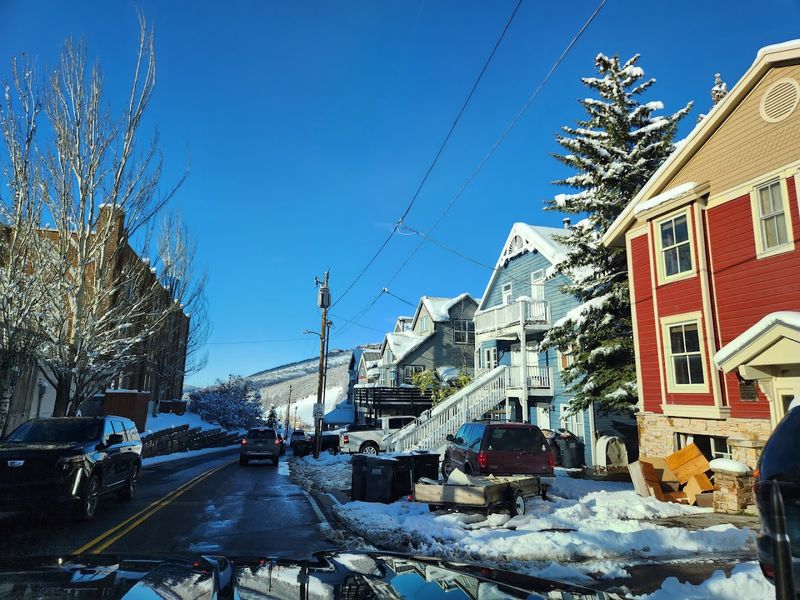
Park City can pivot from ski town to media circus with almost comic efficiency. Its population surges in winter as skiers, seasonal workers, and second-home visitors arrive, then jumps again when the Sundance Film Festival turns a mountain community into one of the country’s busiest cultural staging grounds.
The city’s mining past gave way to recreation in the twentieth century, and that transition rewrote its economic calendar. Ski infrastructure, resort development, and the festival’s national profile created recurring influxes that strain roads, lodging, and staffing while keeping the town firmly on the national radar.
You do not need a chart to spot the difference between off-season quiet and peak January intensity. Park City operates on event time, where a small permanent base is repeatedly joined by waves of visitors who temporarily expand the town’s size, price points, and social pace.
9. State College, Pennsylvania
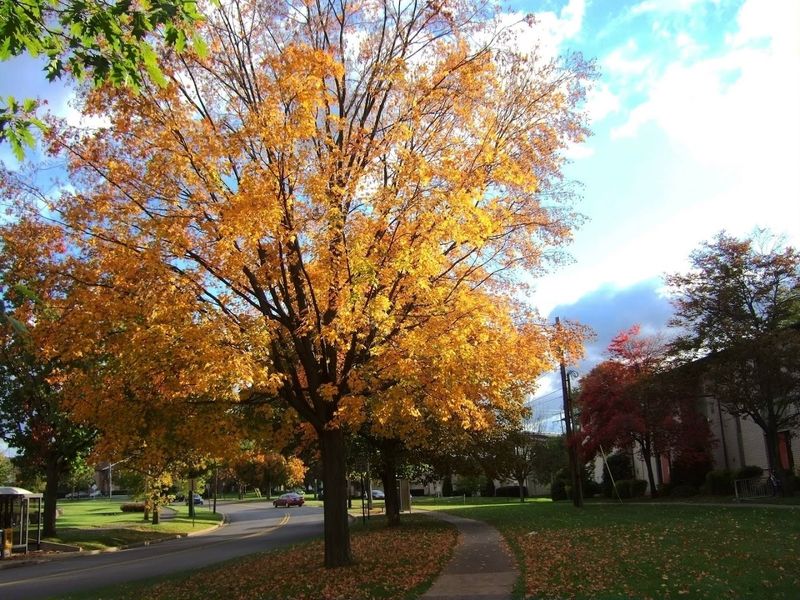
On major football weekends, State College stops pretending it is a small town. The permanent population is modest, but Penn State home games can bring in enormous crowds that transform traffic, hotel bookings, restaurant waits, and the overall scale of activity almost overnight.
That swing is rooted in the broader history of college football as regional ritual and economic engine. As Penn State grew into a national brand, game days became temporary mass gatherings, while the academic calendar already guaranteed another layer of fluctuation through student arrivals, breaks, and summer lulls.
You can see the contrast in the space between ordinary weekdays and Saturdays when roads fill with alumni, vendors, and visiting fans. State College has the classic college-town rhythm, but football adds a second pulse that can make the place feel several sizes larger without changing a single boundary line.
10. Nashville, Tennessee
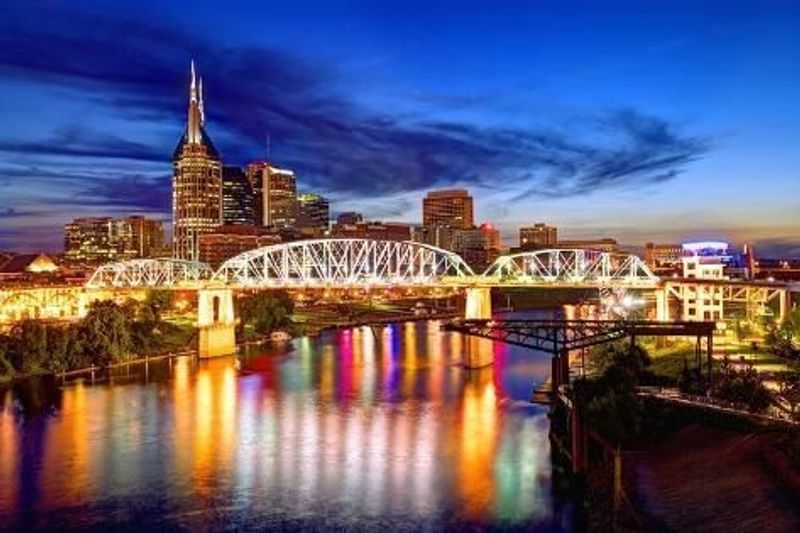
Nashville has become one of those cities where the weekend population seems to arrive with its own itinerary. Tourism tied to music history, bachelor and bachelorette travel, festivals, conventions, and sports has created recurring surges that make downtown feel far larger than the resident count suggests.
The city always had cultural capital through radio, recording studios, and country music institutions, but its visitor boom accelerated in the twenty-first century. New hotels, a stronger convention business, and a carefully marketed identity turned Nashville into a place where short-term guests now shape the tempo of whole districts.
You notice the swing most clearly from Thursday through Sunday, when streets, bars, and entertainment zones operate at a very different volume than midweek. Nashville remains a major metro, yet its highly concentrated visitor waves give parts of the city an almost festival-like cycle year-round.
11. Santa Fe, New Mexico
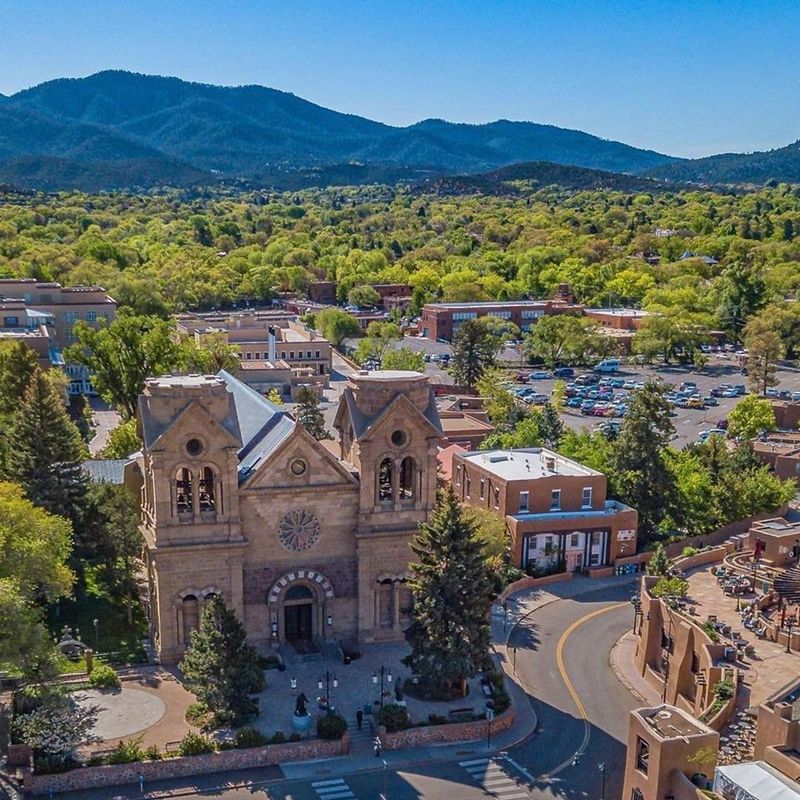
Santa Fe knows how to look steady while quietly operating on a festival clock. The city sees notable population swings during summer art markets, opera season, and major cultural events, when visitors interested in galleries, architecture, food, and regional history crowd a place with a relatively small permanent base.
Its appeal has been carefully built for more than a century through preservation, tourism promotion, and the branding of Santa Fe as an arts capital. By the late twentieth century, that identity drew seasonal travelers, second-home owners, and retirees, creating periodic influxes that affect lodging, traffic, and local commerce.
The result is a city that can feel measured one month and highly compressed the next. Santa Fe’s population shifts are not as loud as a beach town’s, but they are substantial, and they reveal how culture itself can function as seasonal infrastructure.
12. Hilton Head Island, South Carolina
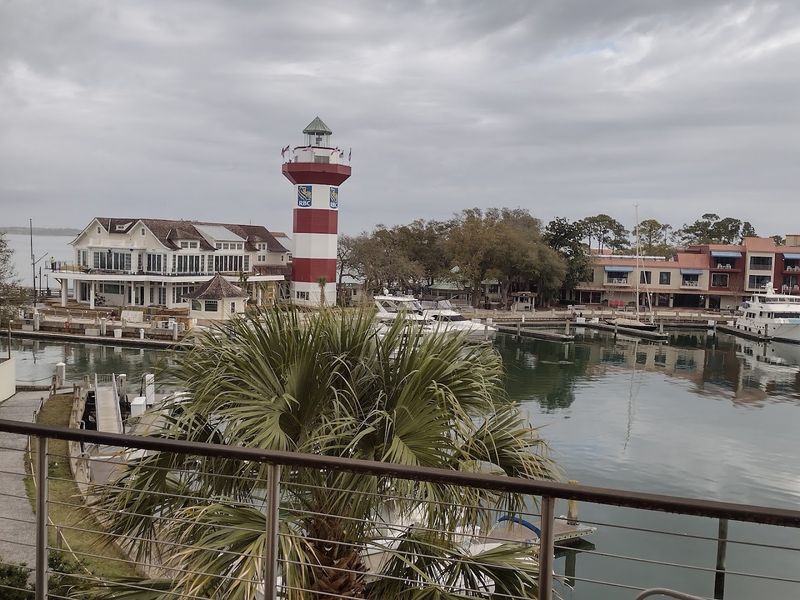
Hilton Head Island practically comes with a built-in vacation multiplier. The permanent population is fairly small, but beach season, golf travel, school breaks, and family reunions can swell the island dramatically, turning a planned resort community into a temporary city of visitors.
Its modern identity emerged in the second half of the twentieth century, when master-planned development emphasized controlled growth, leisure, and car-oriented access. Resorts, rental homes, and tournament traffic encouraged a pattern in which short-term guests regularly outnumber locals, especially during warm-weather peaks and holiday stretches.
You can track the change in road congestion, restaurant demand, and the weekly ritual of arrivals and departures at vacation rentals. Hilton Head is a useful reminder that some population swings are engineered rather than accidental, built directly into a place’s design and marketing from the start.
13. Bozeman, Montana
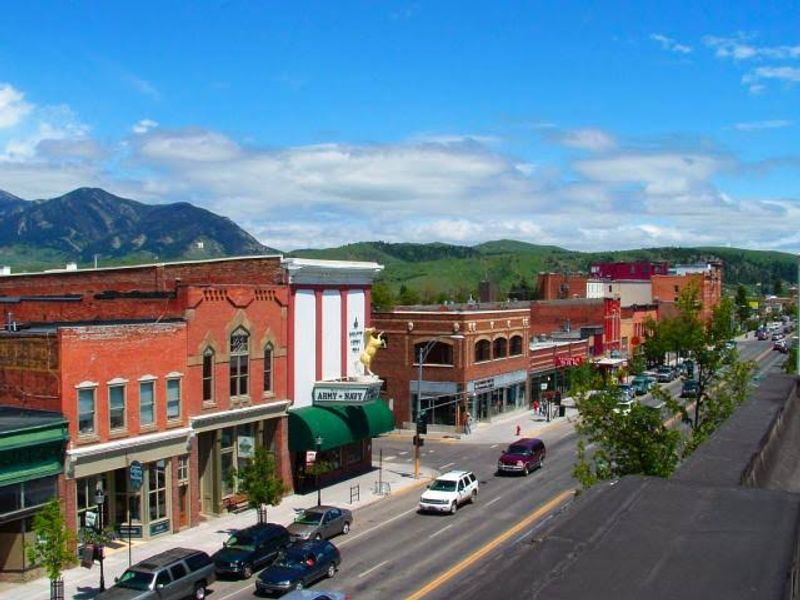
Bozeman has gone from regional college town to national magnet with surprising speed. Seasonal tourism connected to Yellowstone, Big Sky Resort, and summer outdoor travel now mixes with Montana State University’s academic cycle, creating noticeable fluctuations in a city whose permanent population has also been rising quickly.
Historically, Bozeman served as a gateway and service center, but recent decades expanded that role through recreation branding and migration to the Rocky Mountain West. Visitors arrive for skiing, park access, fishing, and hiking, while students add another annual wave that changes housing demand, traffic, and retail patterns.
The combination gives Bozeman a double rhythm that locals feel even without studying the numbers. One part follows semesters, the other follows snow and summer vacation schedules, making the city a clear example of how universities and recreation economies can amplify each other’s population swings.
14. New Orleans, Louisiana
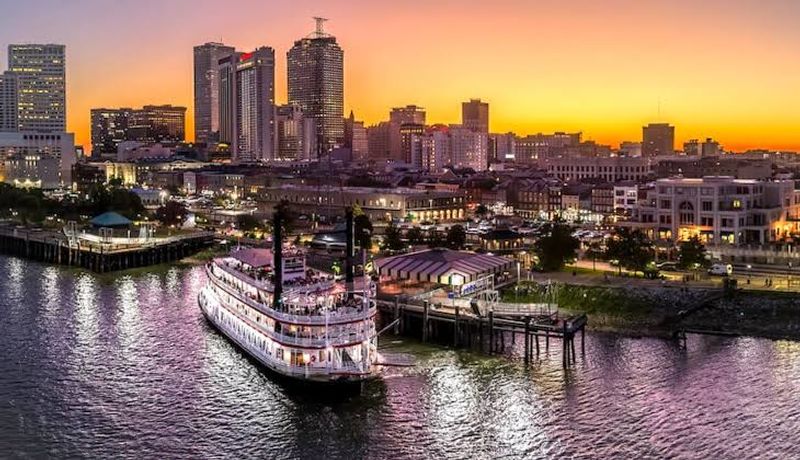
New Orleans can add a temporary city’s worth of people when its calendar gets busy. Mardi Gras, Jazz Fest, conventions, and major sporting events bring huge visitor surges, often concentrating crowds into historic districts where the difference between resident population and on-the-ground activity becomes impossible to miss.
The city’s event-driven rhythm has long roots in carnival traditions, port-city hospitality, and a tourism economy that expanded through the twentieth century. As air travel, music tourism, and convention business grew, New Orleans became a place where specific weeks could reshape transportation, hotel demand, and public space almost instantly.
You can read those swings through packed hotels, altered street patterns, and neighborhoods adjusting to an influx that is festive but highly logistical. New Orleans always has a distinct cultural identity, yet its most famous seasons make it function like a much larger city for brief, intense stretches.
15. Panama City Beach, Florida
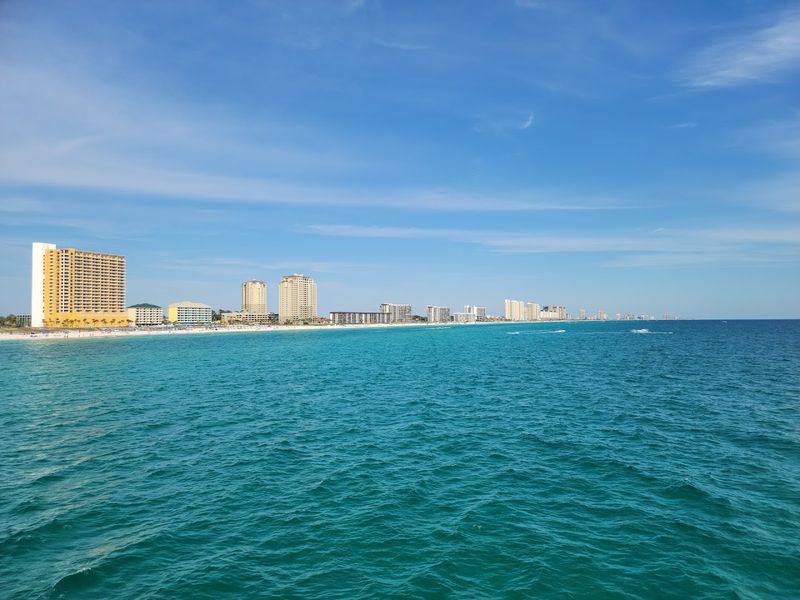
Panama City Beach has long treated spring and summer like separate invasions on the calendar. Its resident population is modest compared with the crowds that arrive for spring break, family beach trips, and warm-weather tourism along the Gulf Coast.
The city became nationally known through postwar beach culture and later through its spring break reputation, when cheap lodging and easy access drew college-age visitors in enormous numbers. Summer then brings a different audience, with family vacationers filling condos, restaurants, and roads in a second major seasonal surge.
You can see how these waves shape local policy, policing, rental patterns, and the annual business cycle. Panama City Beach is a textbook case of a place where temporary population does not just supplement the city – it largely defines how the city plans, staffs, and markets itself.
16. Boulder, Colorado
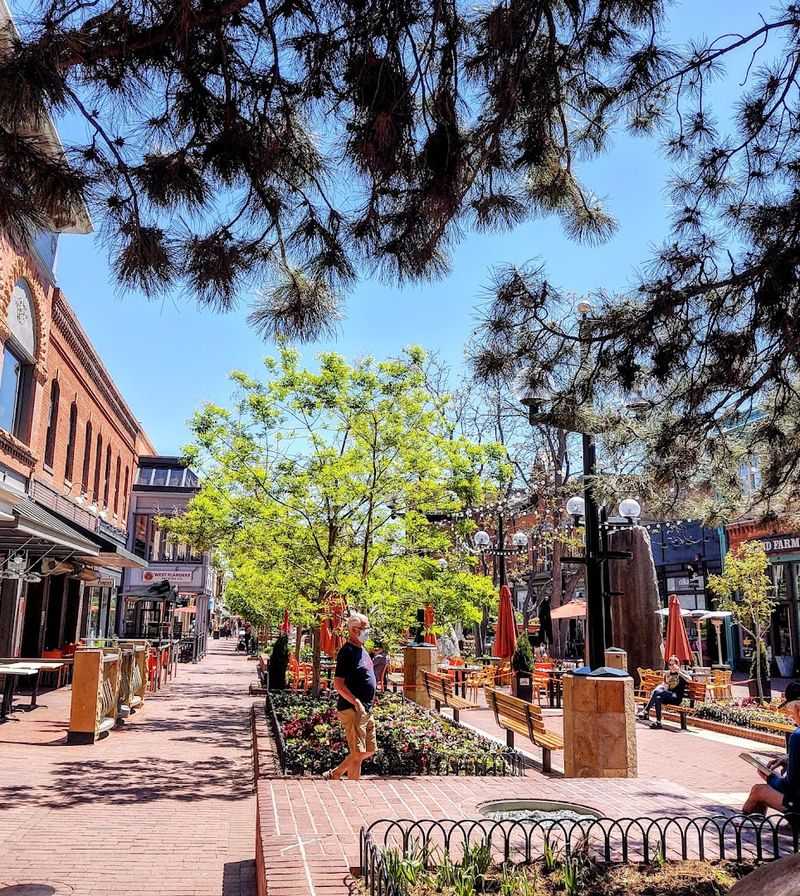
Boulder manages to be both a college town and an outdoor base camp, which keeps its population in steady motion. The University of Colorado drives clear academic fluctuations, while visitors drawn by hiking, cycling, and mountain access add another layer of seasonal change that is easy to spot.
The city’s modern reputation developed through university growth, environmental planning, and its appeal to recreation-minded travelers. Students return each fall and depart for breaks, while visitors cycle through during warmer months and key event periods, affecting rental markets, parking pressure, and the overall pace of downtown life.
That overlap gives Boulder a more complex rhythm than a typical campus community. Some weeks feel student-dominated, others visitor-heavy, and many combine both at once, creating a city where population changes are tied not just to classes but to the broader national appetite for outdoor-oriented places.
17. Jackson, Wyoming
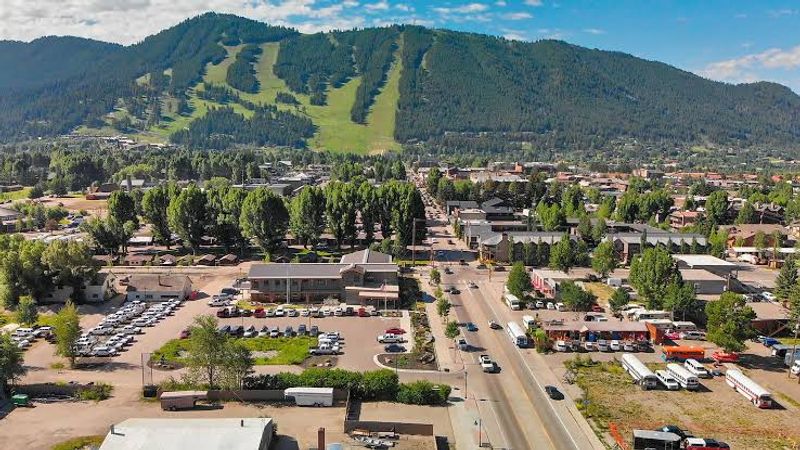
Jackson starts small, then the parks and ski slopes do the rest. As a gateway to Grand Teton and Yellowstone and a major winter recreation hub, the town sees striking visitor waves during both summer sightseeing season and the colder months when ski travel takes over.
Its location made it valuable early on, but modern transportation and national park tourism pushed Jackson into a very different category. Because the permanent population is limited, each influx of vacationers, seasonal workers, and second-home residents becomes highly visible in housing costs, road congestion, and service demand.
The result is a place where quiet intervals feel genuinely brief compared with the main travel seasons. Jackson’s swings are especially noticeable because the baseline is so small, making every summer caravan and winter booking rush seem to magnify the town far beyond its official size.
Share this story