Some places hold so much history that just standing there gives you chills. American battlefields are exactly that kind of place.
From the first shots of the Revolution to the final clashes of the Civil War, these grounds shaped the country we live in today. Whether you are a history buff or just curious, visiting these sites is one of the most powerful ways to connect with the past.
Gettysburg National Military Park (Pennsylvania)
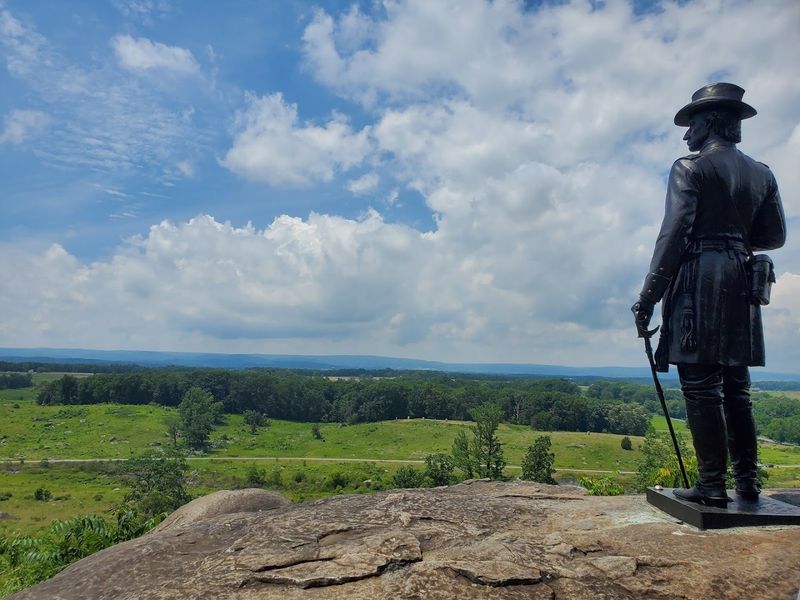
With roughly 51,000 casualties over just three days, Gettysburg holds the grim title of the Civil War’s bloodiest battle. Fought July 1 to 3, 1863, this Pennsylvania showdown became a turning point that shifted the war’s momentum toward the Union.
The sheer scale of what happened here is hard to wrap your head around.
The park stretches across 6,000 acres and is dotted with over 1,300 monuments, markers, and memorials. Rent a bike or take an auto tour to cover the key spots without wearing out your sneakers.
The famous Cyclorama painting at the visitor center is a must-see — it wraps around you like a 360-degree history lesson.
Abraham Lincoln delivered the Gettysburg Address here in November 1863, just months after the battle. That speech, barely two minutes long, became one of the most quoted in American history.
Come for the cannons, stay for the chills.
Yorktown Battlefield (Virginia)
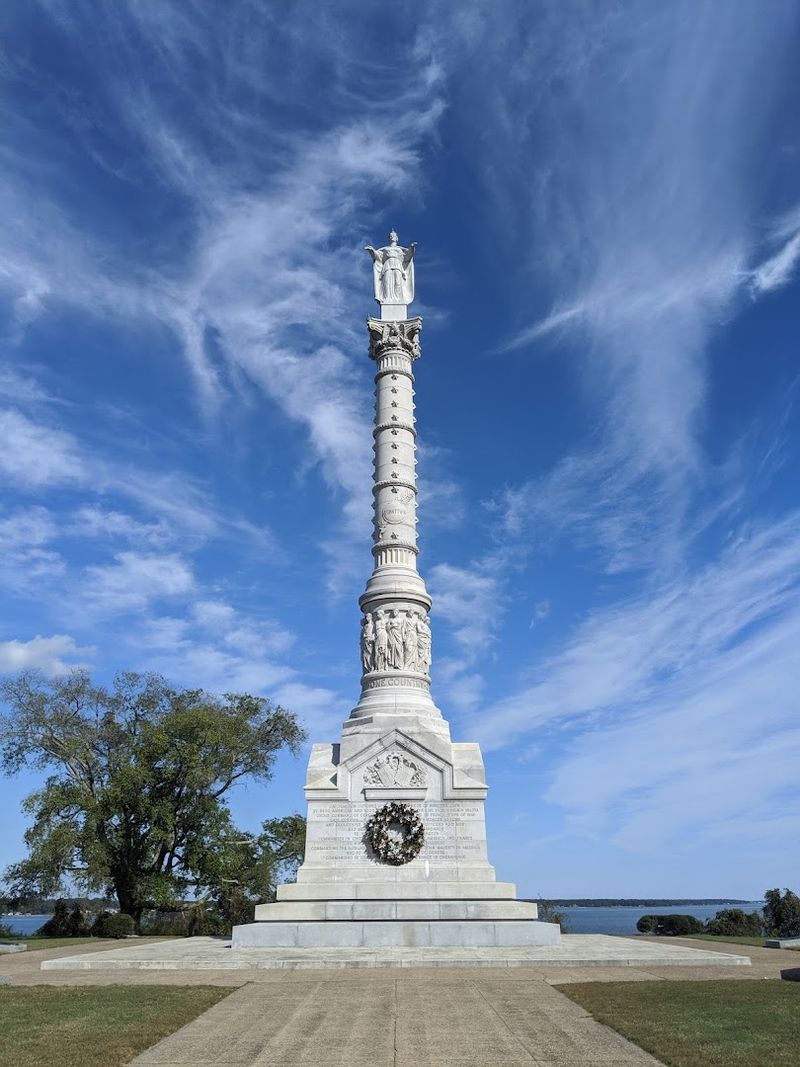
October 19, 1781 was the day British General Cornwallis officially gave up the game. George Washington, working alongside French allies, had cornered Cornwallis at Yorktown, Virginia, and the siege left the British no good options.
That surrender effectively ended the last major battle of the American Revolution.
The battlefield sits within Colonial National Historical Park, which also includes Jamestown nearby. You can walk the original siege lines and see reconstructed redoubts where some of the fiercest fighting happened.
The French contribution here is massive and often underappreciated — without them, the outcome could have been very different.
The visitor center has a solid film and museum that sets the scene nicely before you head outside. Ranger-led tours bring the strategy to life in a way that no textbook quite manages.
Fun fact: the British band reportedly played a tune called “The World Turned Upside Down” during the surrender ceremony.
Little Bighorn Battlefield (Montana)
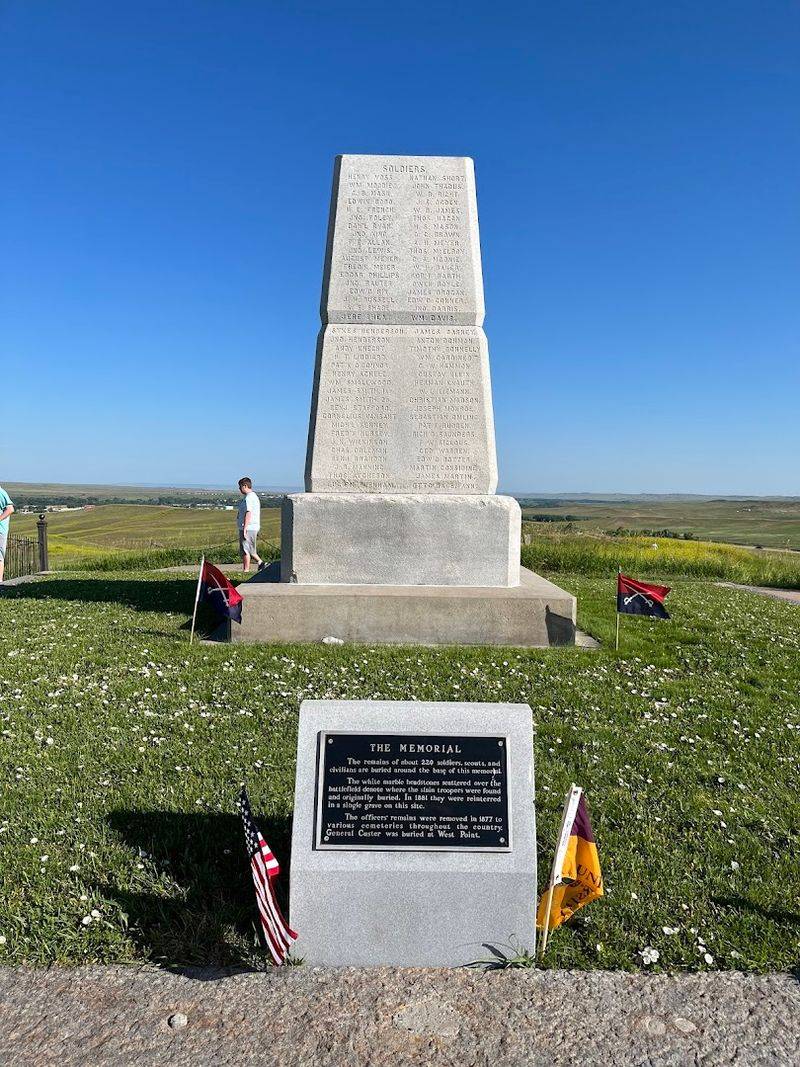
June 25, 1876 did not go well for Lt. Col.
George Armstrong Custer. Lakota, Cheyenne, and Arapaho warriors completely overwhelmed his 7th Cavalry regiment in what became one of the most famous military defeats in American history.
The battle lasted less than an hour in its most intense phase.
What makes this site different from most battlefields is how it tells multiple sides of the story. The Indian Memorial, added in 2003, honors the warriors who fought to defend their land and way of life.
White marble markers show where soldiers fell, while red granite markers indicate where Native warriors died.
The battlefield sits on the Crow Indian Reservation in southeastern Montana, and Crow Agency guides offer a perspective you simply cannot get from a textbook. The landscape is wide open and windswept, which makes the whole experience feel raw and real.
Bring layers — Montana weather does not negotiate.
Antietam National Battlefield (Maryland)
September 17, 1862 packed more death into a single day than almost any other in American military history. Around 23,000 soldiers were killed, wounded, or went missing in roughly twelve hours of fighting near Sharpsburg, Maryland.
That number is almost impossible to process — it is larger than the entire population of many small towns.
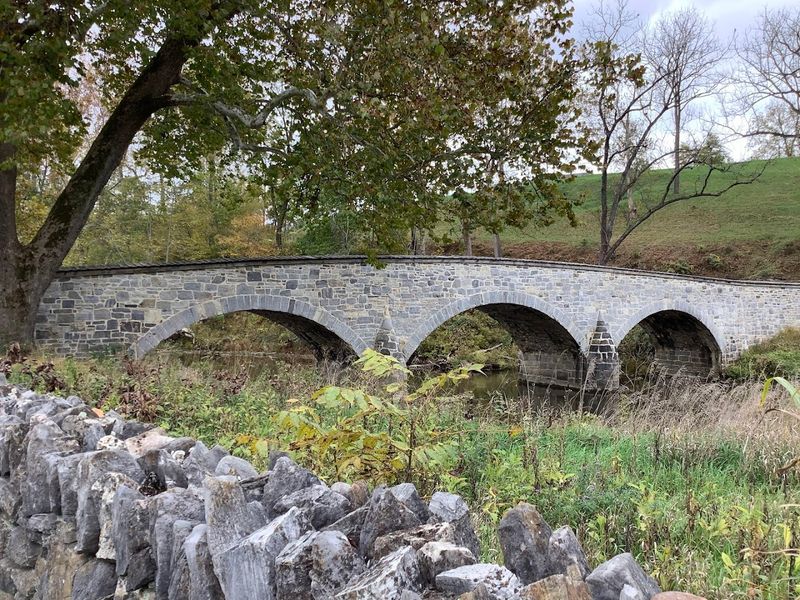
The iconic Burnside Bridge is one of the most photographed spots on the battlefield, and for good reason. Union soldiers tried to cross it under heavy Confederate fire, turning a simple stone bridge into a symbol of desperate courage.
The cornfield at Antietam became so contested that it changed hands multiple times in one morning.
President Lincoln visited the battlefield shortly after and used the Union’s slim strategic victory to issue the Emancipation Proclamation. The park is beautifully maintained and peaceful today, which creates a striking contrast with its brutal past.
Autumn is a stunning time to visit.
Fort Sumter (South Carolina)
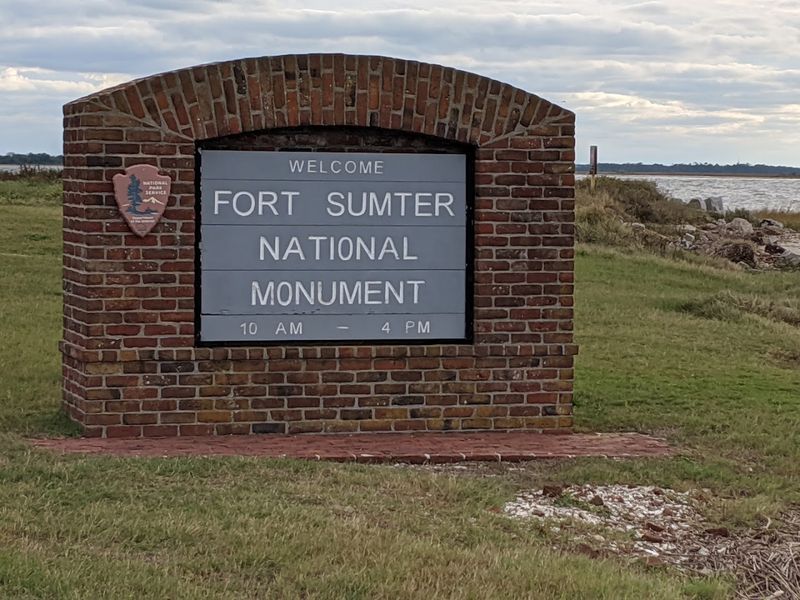
On April 12, 1861, Confederate artillery opened fire on Fort Sumter, and just like that, the Civil War had officially begun. The U.S. garrison inside held out for 34 hours before surrendering.
Nobody died in the bombardment itself, which makes the whole thing feel almost like a very loud announcement rather than a battle.
Getting to Fort Sumter requires a ferry ride from Charleston, which is honestly part of the fun. The boat trip gives you a great view of the harbor and lets you appreciate just how exposed and isolated the fort was.
Once you arrive, National Park rangers walk you through the fort’s layout and the events of those tense spring days.
Charleston itself is worth exploring before or after your visit. The city’s history is deeply tied to the Civil War, slavery, and the Confederacy.
Fort Sumter is not just a starting point for a war — it is a starting point for understanding a very complicated chapter in American life.
Lexington and Concord (Massachusetts)
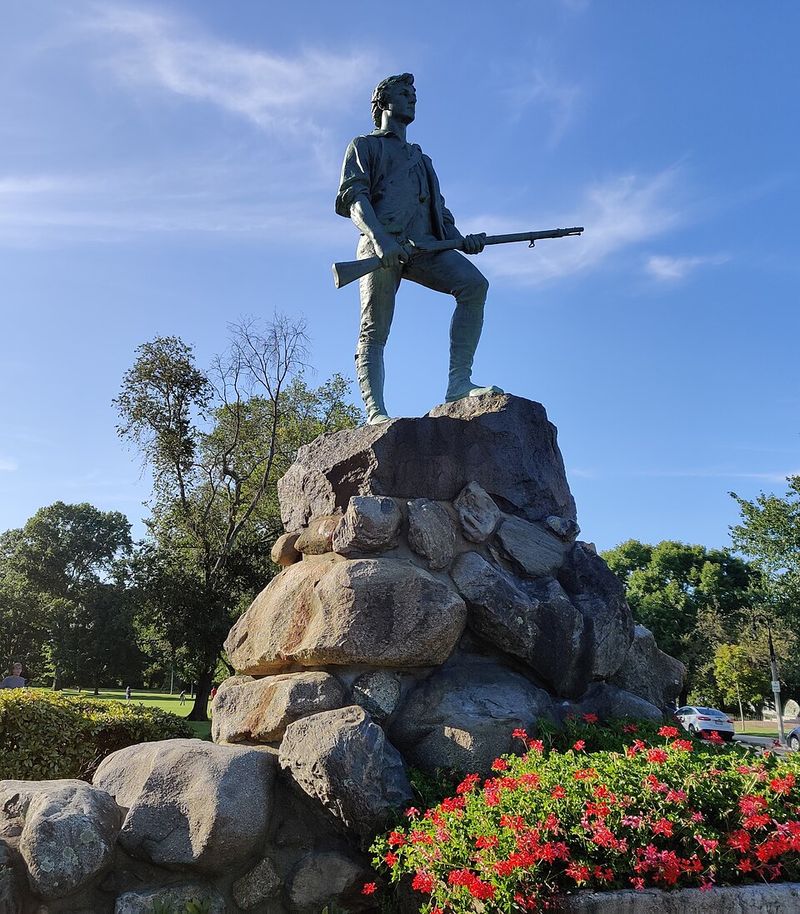
The shot heard round the world was fired here on April 19, 1775, and the American Revolution was off and running. Minute Man National Historical Park preserves the sites across Lexington, Lincoln, and Concord where colonial militiamen stood up to the most powerful military in the world.
Spoiler: they held their ground.
The Battle Road Trail is a 5.5-mile path that follows the route British troops took from Concord back to Boston, harassed the whole way by Patriot snipers firing from behind stone walls and trees. Walking it gives you a real sense of how scrappy and unconventional early American resistance was.
The North Bridge in Concord, where the first organized armed resistance happened, is genuinely moving to stand on.
The visitor center at the Hartwell Tavern section is excellent and offers ranger programs throughout the day. April is especially lively, with Patriots Day reenactments drawing big crowds.
This is where American stubbornness became a national virtue.
Shiloh National Military Park (Tennessee)
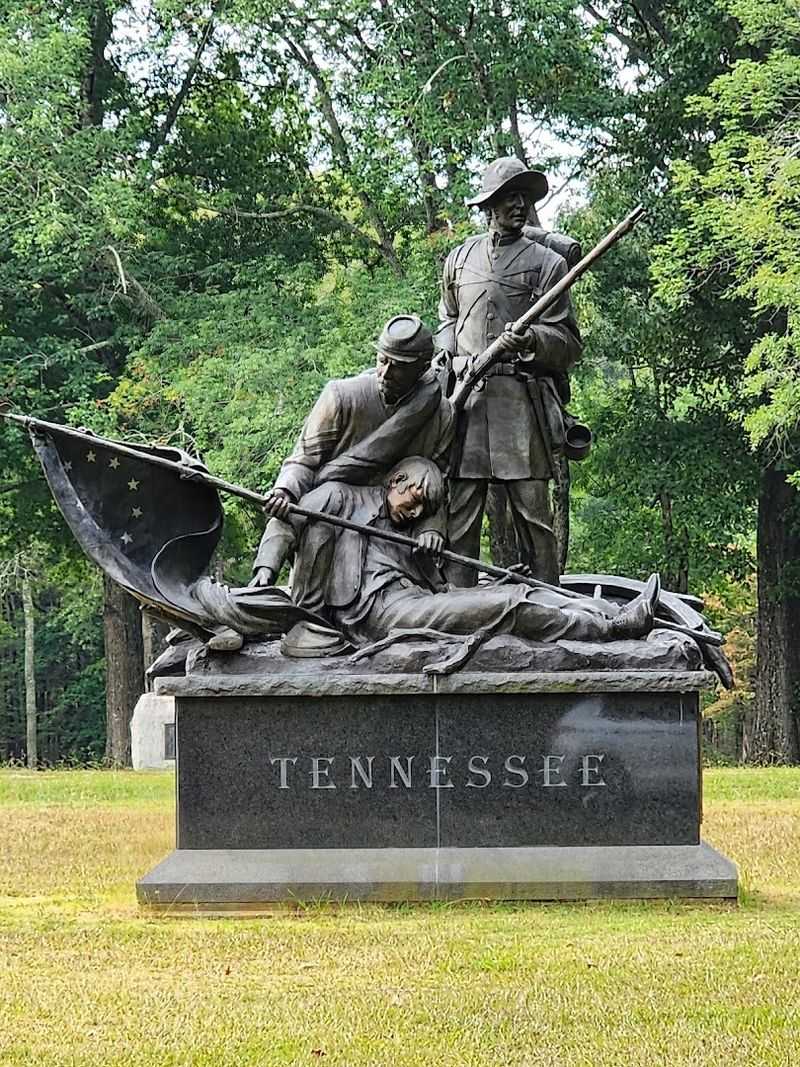
Before Shiloh, many people on both sides thought the Civil War would be short. After April 6 and 7, 1862, nobody was laughing about that anymore.
The two-day battle in southwestern Tennessee produced nearly 24,000 combined casualties and shocked the entire country into realizing this war was going to be long and brutal.
The park sits along the Tennessee River and covers about 4,000 acres of preserved battlefield. The Shiloh Indian Mounds, also within the park, add another layer of history that stretches back thousands of years.
It is one of those rare places where multiple eras of American history overlap in the same space.
I visited on a quiet weekday and had entire sections of the battlefield almost to myself — which made the experience feel personal and a little eerie. The Shiloh National Cemetery on the grounds holds nearly 4,000 Union soldiers.
Pick up the self-guided auto tour map at the entrance — it is genuinely helpful.
The Alamo (Texas)
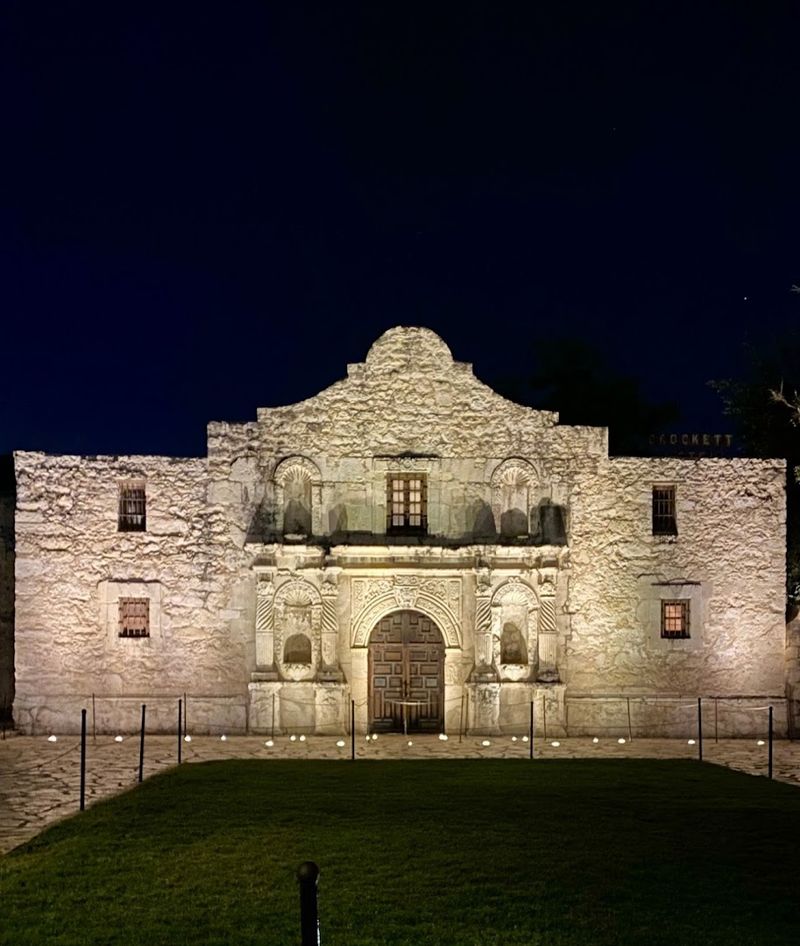
Thirteen days. That is how long a small garrison of Texian defenders held out inside the Alamo before Mexican forces under General Santa Anna overwhelmed them on March 6, 1836.
Every single defender was killed, including famous frontiersmen Davy Crockett and Jim Bowie. The defeat became the rallying cry that fueled Texas independence just weeks later.
The Alamo sits right in the middle of downtown San Antonio, which makes it one of the most accessible historic sites in the country. You do not have to drive out to the middle of nowhere — just park downtown and walk over.
The contrast between the ancient stone chapel and the modern city around it is genuinely striking.
The Long Barrack Museum next to the chapel tells the fuller story of the siege with solid exhibits and artifacts. Free admission makes this an easy yes for families on a budget. “Remember the Alamo” is not just a saying — after visiting, you actually will.
Saratoga National Historical Park (New York)
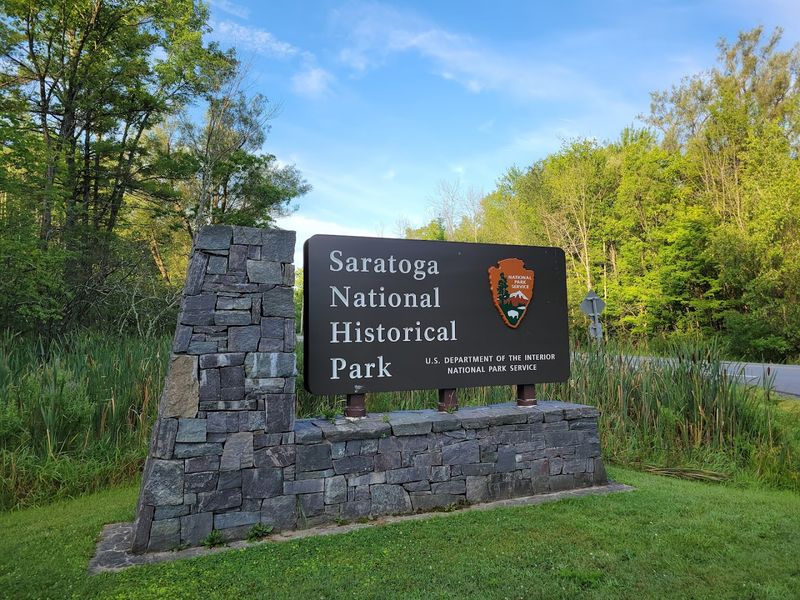
British General John Burgoyne had a plan to split the colonies in two by marching south from Canada. That plan fell apart spectacularly at Saratoga in October 1777, when he surrendered his entire army to American forces.
The National Park Service calls it one of the most pivotal moments of the whole war, and they are not exaggerating.
The Saratoga victory convinced France to formally enter the war as an American ally, which changed everything. Without French money, troops, and naval power, American independence would have been a much longer shot.
So in a very real sense, this New York battlefield helped make France a deciding factor in American history.
The park has a 9.5-mile auto tour road with ten stops covering key battle positions. The Neilson Farm, used as an American headquarters, is one of the best-preserved historic structures on the grounds.
Fall foliage turns this already scenic battlefield into something genuinely beautiful.
Chickamauga and Chattanooga (Georgia and Tennessee)
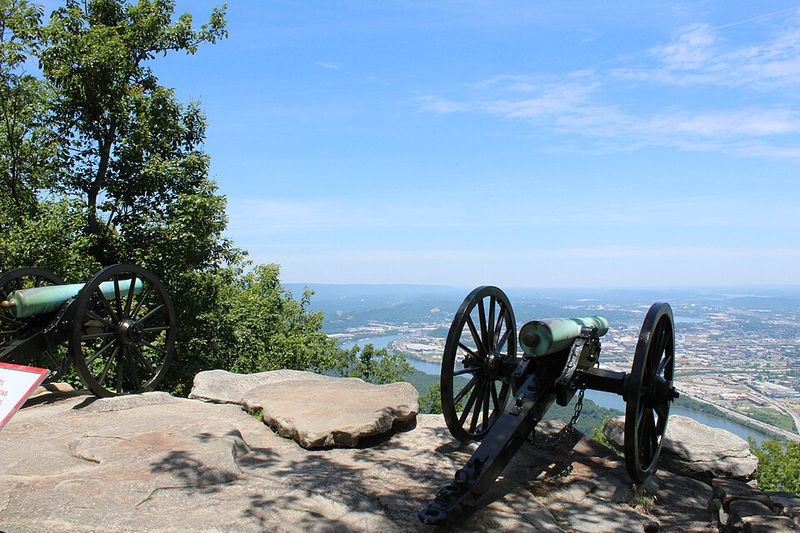
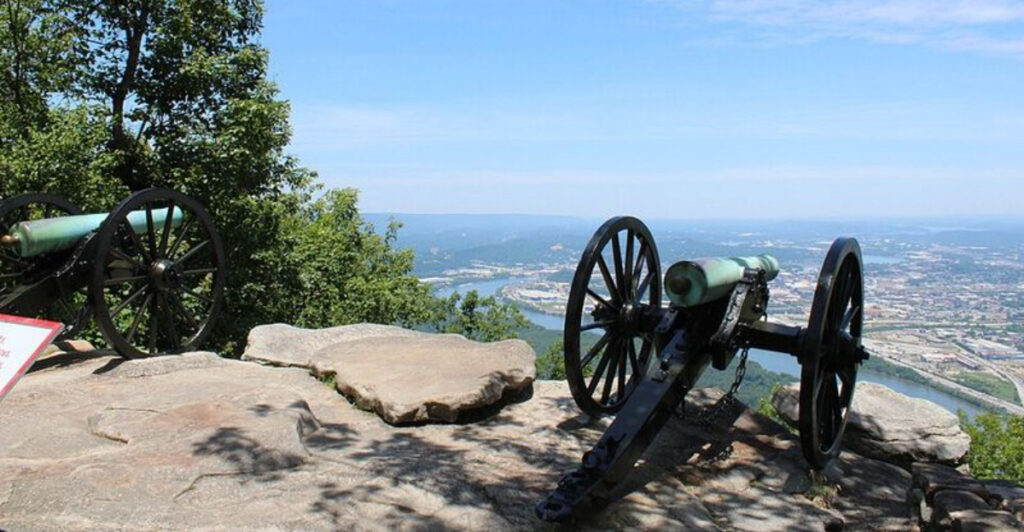
Chickamauga is a Cherokee word that some historians translate as “River of Death,” which tells you a lot about what happened there in September 1863. The Confederates won that brutal two-day fight, but Union forces held a defensive line at Snodgrass Hill that prevented a total rout.
It was a Confederate victory that did not feel much like one by the end.
Two months later, Union forces bounced back at Chattanooga and seized the city, which the Confederates had called the Gateway to the Deep South. Controlling Chattanooga opened the door for Sherman’s famous March to the Sea in 1864.
The campaign basically shifted the war’s momentum in the Western Theater.
Chickamauga and Chattanooga together form the oldest and largest military park in the United States, established in 1890. The Fuller Collection of American military arms at the visitor center is surprisingly fascinating for anyone into military history.
Plan at least a full day — this park is massive.
Bunker Hill Monument (Massachusetts)
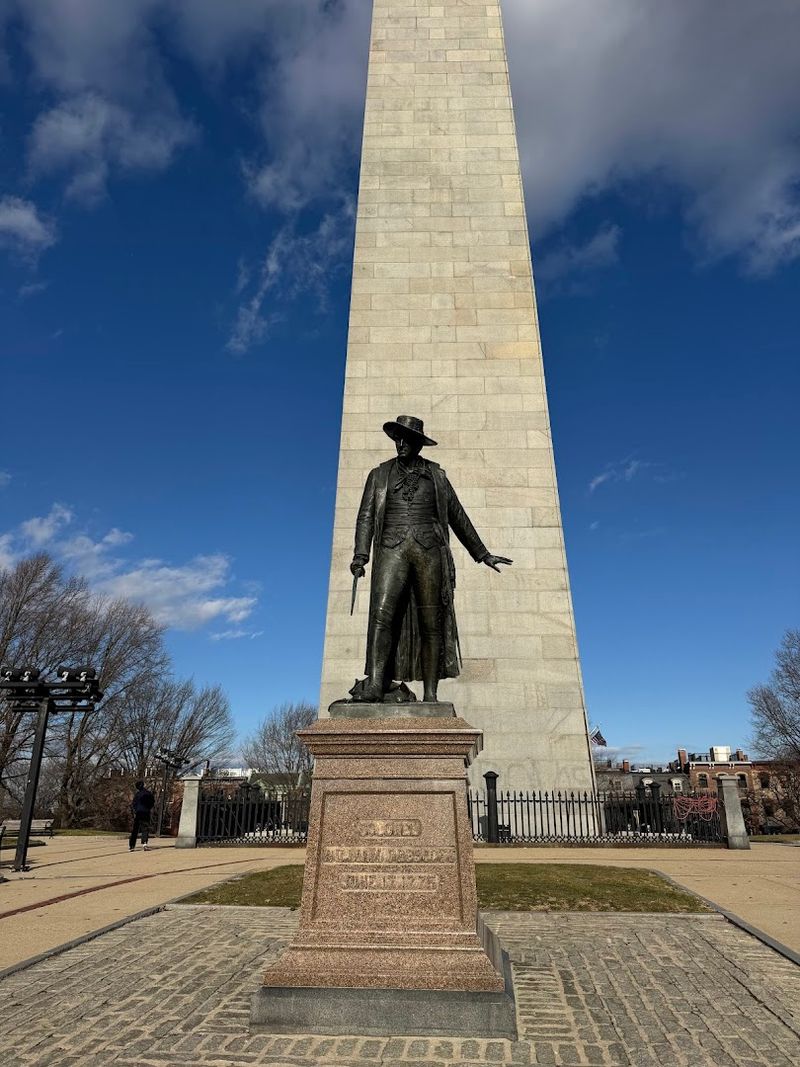
Technically, most of the June 17, 1775 fighting happened on Breed’s Hill, not Bunker Hill – but nobody wanted to rename the monument after the fact. The British won the battle but lost about 1,000 men in the process, which was a brutal shock for a force that expected to crush colonial resistance quickly.
The Patriots proved they could fight toe to toe with professional soldiers.
The granite obelisk standing today is 221 feet tall and was completed in 1843. Yes, you can climb the 294 steps to the top for a sweeping view of Boston Harbor and the city skyline.
No, there is no elevator. Consider this your pre-trip warning and your motivation to take the stairs.
The lodge at the base has a free museum with exhibits on the battle and the monument’s construction. The surrounding Charlestown neighborhood is packed with great restaurants and other historic sites.
Pair it with a visit to the nearby USS Constitution for a full day of American history.
Fort Ticonderoga (New York)
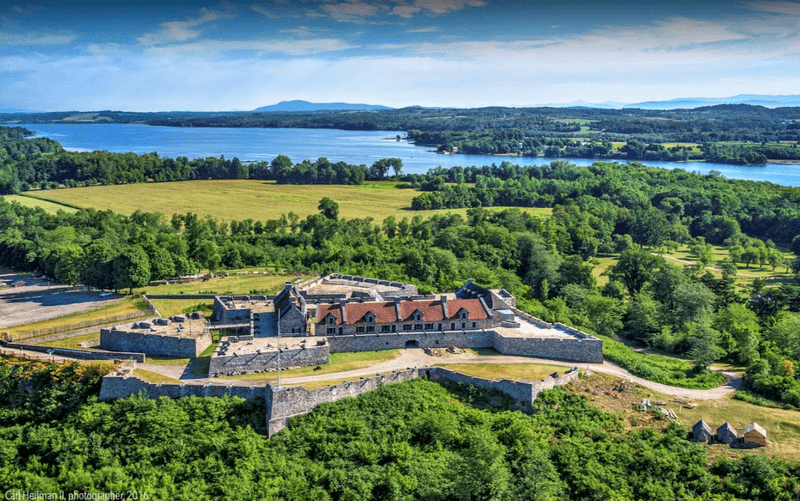
On May 10, 1775, Ethan Allen and his Green Mountain Boys captured Fort Ticonderoga from a very surprised British garrison – reportedly before breakfast. The fort sat at the strategic junction of Lake Champlain and Lake George, making it one of the most important military positions in colonial North America.
Whoever held Ticonderoga controlled a key travel corridor between Canada and the colonies.
The cannons captured here were dragged across hundreds of miles of winter wilderness by Henry Knox and positioned on Dorchester Heights above Boston. That bold move forced the British to evacuate Boston in March 1776 without firing a shot.
So in a very real way, Fort Ticonderoga’s cannons helped liberate a city they never even visited.
The privately operated fort has excellent living history programs, cannon firings, and a museum with impressive artifact collections. The views of Lake Champlain from the fort walls are genuinely stunning.
It is one of the most hands-on historic sites in the Northeast.
Cowpens National Battlefield (South Carolina)
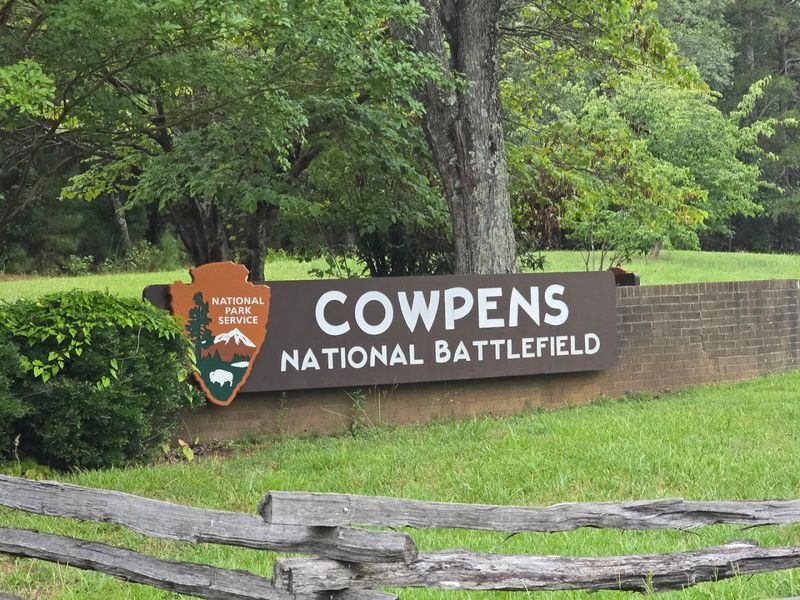
January 17, 1781 was a very bad morning for British Lieutenant Colonel Banastre Tarleton. American General Daniel Morgan pulled off one of the most tactically clever battlefield maneuvers of the entire Revolution, using a deliberate fake retreat to lure Tarleton’s cavalry into a deadly trap.
The British force was nearly wiped out in under an hour.
The Cowpens victory came at a critical moment when the Southern Campaign was going badly for the Patriots. It gave American morale a major boost and set up the chain of events that eventually led to Yorktown.
Military historians still study Morgan’s double envelopment tactic in classrooms today.
The battlefield is compact and easy to explore, with a 1.3-mile walking trail and a 3.8-mile auto tour road. The visitor center has a fiber optic battle map that does a great job explaining the troop movements.
Cowpens is often overlooked in favor of bigger-name sites, which means you will likely have the trails mostly to yourself.
Vicksburg National Military Park (Mississippi)
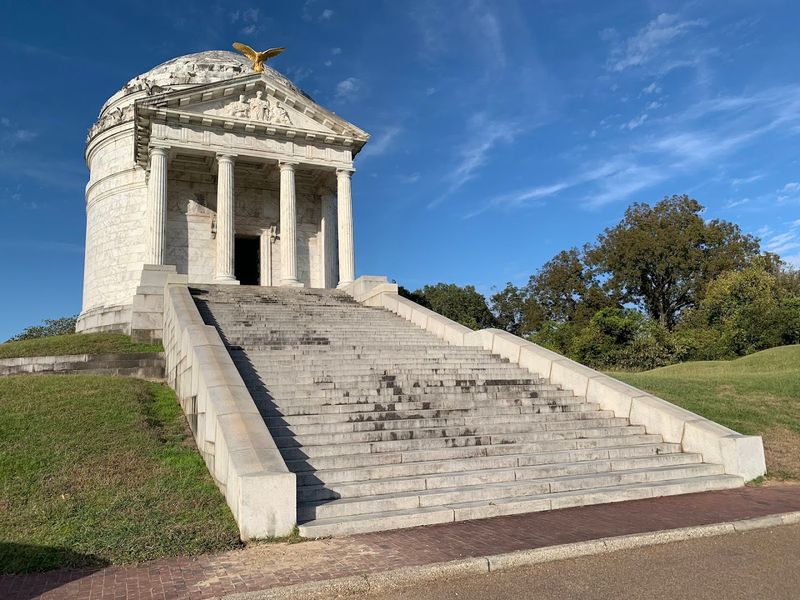
When Vicksburg surrendered on July 4, 1863, the Union gained full control of the Mississippi River and effectively cut the Confederacy in two. Combined with the fall of Port Hudson just days later, the entire western half of the Confederate states was cut off from the east.
President Lincoln called the Mississippi River the key to the whole war — and he was right.
The park contains one of the most impressive collections of monuments and memorials of any battlefield in the country, with over 1,300 markers representing every state and unit that fought there. The USS Cairo, a Union ironclad gunboat raised from the river in the 1960s, sits in its own museum within the park.
Seeing an actual Civil War warship up close is a genuinely unexpected highlight.
The 16-mile tour road winds through the former siege lines, offering stop after stop of well-interpreted history. Vicksburg is a full-day commitment and worth every minute.
The city itself has great food and a lively riverfront worth exploring after your visit.
Palo Alto Battlefield (Texas)
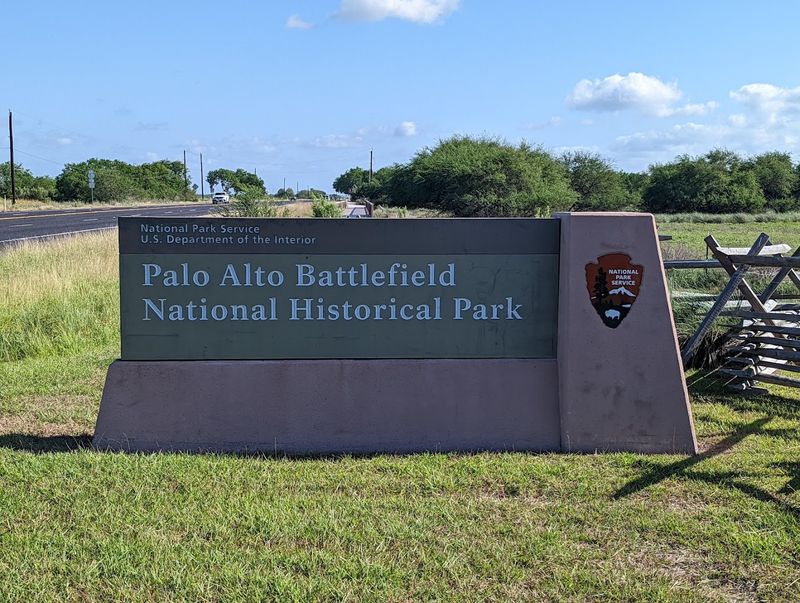
Most Americans can name a dozen Civil War battlefields but draw a complete blank on Palo Alto — which is a shame, because this Texas site marks the opening shots of the Mexican-American War on May 8, 1846. U.S. forces under General Zachary Taylor faced a much larger Mexican army and used superior artillery to win a decisive tactical victory.
That win set the tone for the entire war.
The Mexican-American War reshaped the entire map of North America, eventually adding California, New Mexico, Arizona, Nevada, Utah, and parts of Colorado to the United States. Without Palo Alto, the modern American Southwest might look very different.
That is a lot of real estate riding on one afternoon battle.
The park near Brownsville, Texas, has a solid visitor center with exhibits covering both sides of the conflict — a refreshingly balanced approach. The flat, open prairie landscape has been carefully preserved to look much like it did in 1846.
Palo Alto is proof that the lesser-known battlefields often have the most surprising stories.
Share this story