There is a stretch of Florida coastline that looks nothing like the postcard beaches most people picture when they think of the Sunshine State. No beach umbrellas, no volleyball nets, no crowds of tourists slathered in sunscreen.
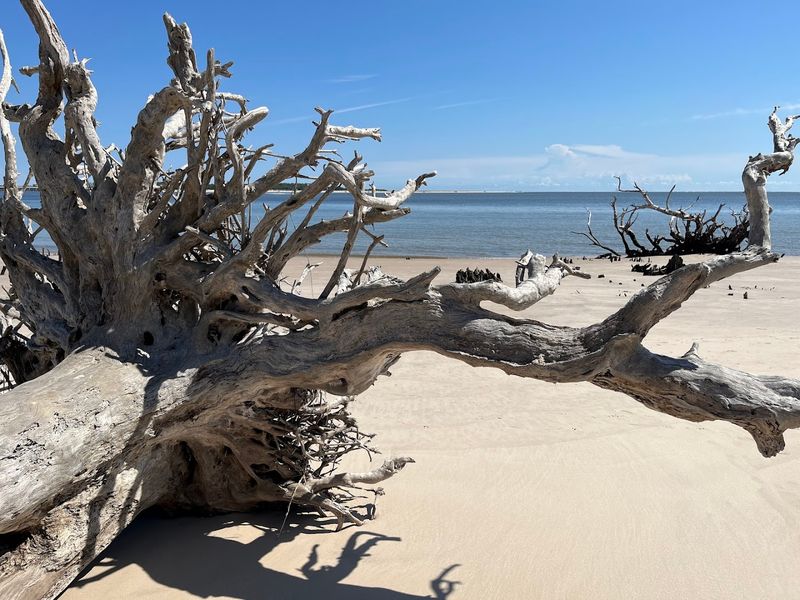
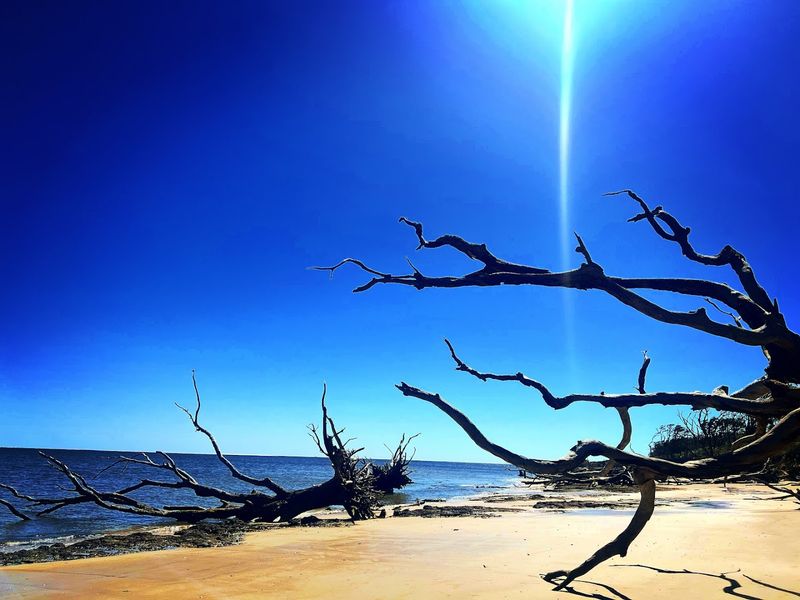
Instead, you get a hauntingly beautiful landscape covered in the skeletal remains of ancient trees, tangled roots, and bleached white driftwood that seems to stretch on forever. The first time I walked onto this beach, I genuinely stopped in my tracks and just stared.
It felt like I had stumbled onto the set of a science fiction film, except it was completely real and completely free of special effects.
Where Exactly You Will Find This Wild Place
Boneyard Beach sits within Big Talbot Island State Park, located at Jacksonville, on the northeastern Florida coast. It is part of the Talbot Islands State Parks system, a protected coastal area that has been preserved specifically to keep this kind of raw, natural scenery intact.
Getting here requires a short drive north from downtown Jacksonville, and the journey itself is scenic, winding past salt marshes and tidal creeks that hint at the wild landscape ahead. The park sits where the Nassau River meets the Atlantic Ocean, creating a brackish environment that plays a huge role in shaping the beach’s otherworldly look.
The coordinates place you at approximately 30.5032 degrees north latitude, well away from the busy tourist corridors of Florida’s more famous beaches. That geographic isolation is exactly what keeps this place feeling so untouched and genuinely special.
The Story Behind the Eerie Name
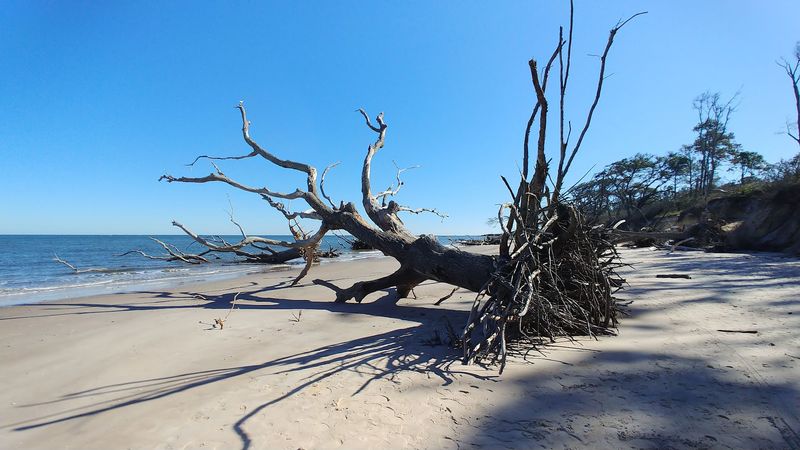
The name Boneyard Beach did not come from a marketing team trying to sound edgy. It came directly from the landscape itself, which looks exactly like what the name suggests: a graveyard of trees.
Over many decades, coastal erosion has caused the bluff edge to crumble, sending massive oak and cedar trees tumbling onto the shore below. The salt water, wind, and sun then bleach those fallen trees into pale, ghostly structures that look like the bones of some enormous creature stretched across the sand.
This process is entirely natural and ongoing, meaning the beach is technically always changing. New trees fall, old ones get worn down by tides, and the whole composition shifts slowly over time like a living sculpture garden that nobody designed but everyone admires.
The name is honest, accurate, and honestly a little poetic once you understand the science behind it.
The Trail That Gets You There
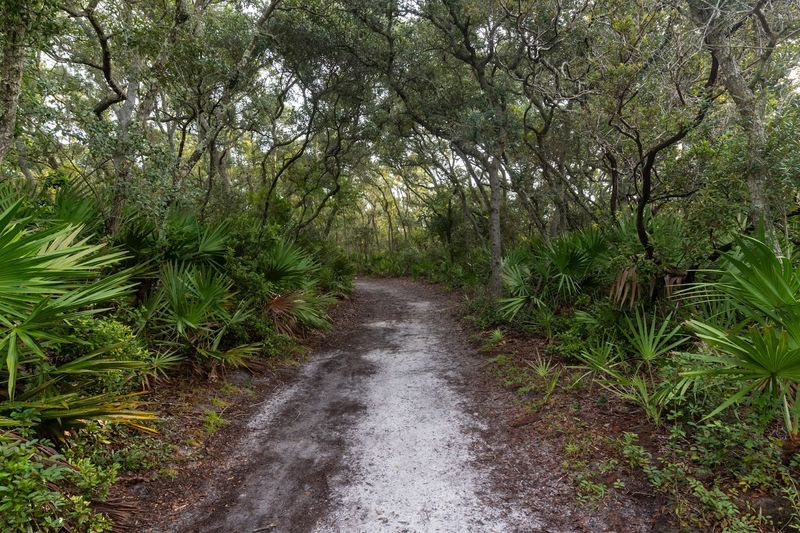
The beach does not reveal itself immediately, and that is part of its charm. From the parking area, visitors walk a trail that runs just under half a mile through a shaded maritime forest before the trees open up and the beach suddenly appears.
The trail itself is mostly flat and sandy, making it accessible for most fitness levels, though the sandy surface can feel soft underfoot and slow you down slightly if you are used to paved paths. Families with wagons or strollers have managed it, though it takes a little extra effort.
One thing worth noting is that the trail passes through areas where bugs can be quite active, especially in warmer months. Mosquitoes and gnats are common, so packing bug spray is genuinely one of the best decisions you can make before heading out here.
Good walking shoes are also strongly recommended over sandals.
What the Beach Actually Looks Like Up Close
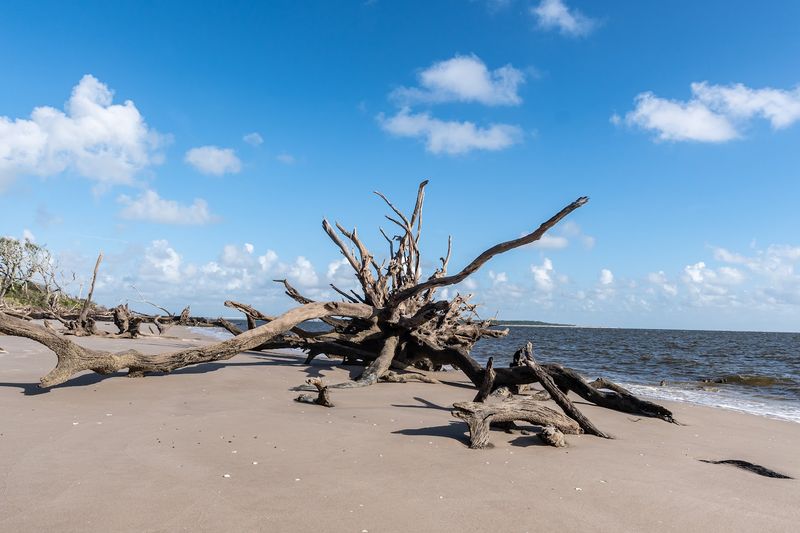
Nothing quite prepares you for the first full view of the beach when the tree line breaks. The sand is pale and wide, but it is almost completely covered in the silver-gray remains of fallen trees, some of which are enormous, with root systems that fan out like giant hands grasping at the shore.
The trees come in all sizes. Some are slender and smooth, worn down to simple curved shapes by years of tidal action.
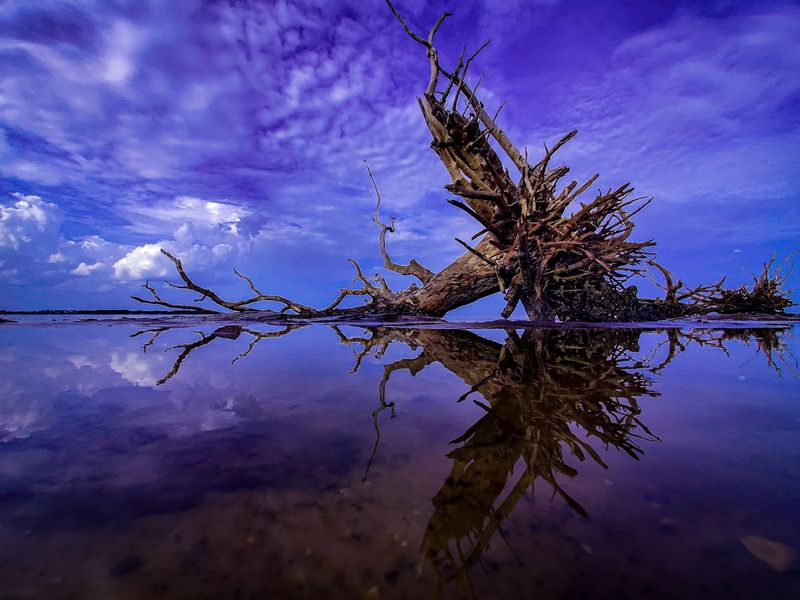
Others are massive, with twisted trunks and jagged branches that create natural frames perfect for photography. The whole scene has a quiet, almost meditative quality to it.
Walking through the driftwood requires a bit of careful footwork because some of the roots and stumps poke up through the sand at unexpected angles. The effort is completely worth it, though, because every few steps reveals a new composition that looks like something out of a nature documentary.
Photography Opportunities That Are Hard to Beat
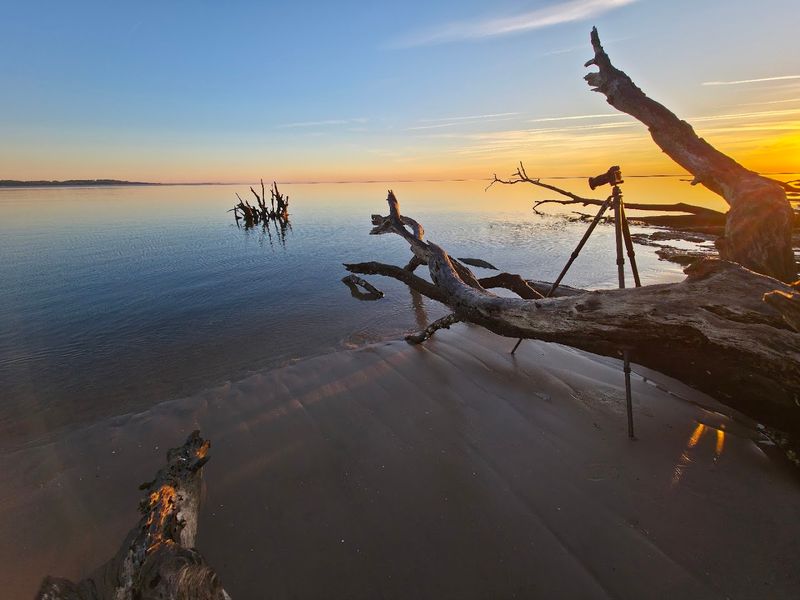
Photographers absolutely love this place, and it is easy to see why the moment you arrive. The combination of bleached wood, open sky, and ocean backdrop creates natural compositions that require almost no effort to make look stunning.
Golden hour, the period just after sunrise or just before sunset, transforms the beach into something that looks almost unreal. The warm light catches the pale wood and turns everything a soft amber and gold, while the ocean in the background shifts through layers of pink and orange.
Families come here specifically for non-traditional holiday photos, and couples use the driftwood formations as natural backdrops for portraits. Even casual smartphone photographers come away with shots that look professionally staged.
The key tip from frequent visitors is to arrive early on weekend mornings to get the best light and the least amount of foot traffic, giving you more freedom to compose your shots without other people walking through the frame.
The Coastal Ecology That Creates This Landscape
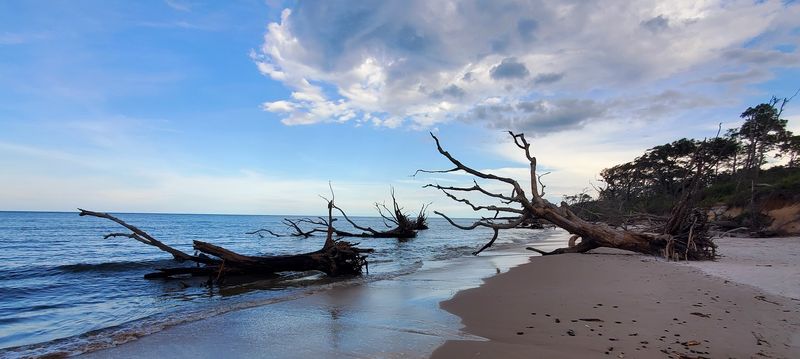
The science behind Boneyard Beach is genuinely fascinating and worth understanding before you visit. Big Talbot Island has a naturally eroding coastline, meaning the ocean is slowly claiming the edge of the island and pulling the bluff apart piece by piece.
As the bluff erodes, the trees that once stood on stable ground lose their footing and fall onto the beach below. The salt water and brackish environment then preserve and bleach the wood rather than breaking it down quickly, which is why the fallen trees can remain on the beach for years, sometimes decades.
The beach sits at the point where the Nassau River’s freshwater output meets the salt water of the Atlantic, creating a brackish zone that supports a unique mix of plant and animal life. This ecological crossroads is part of what makes the whole area feel so different from a typical Florida beach.
Wildlife You Might Spot Along the Way
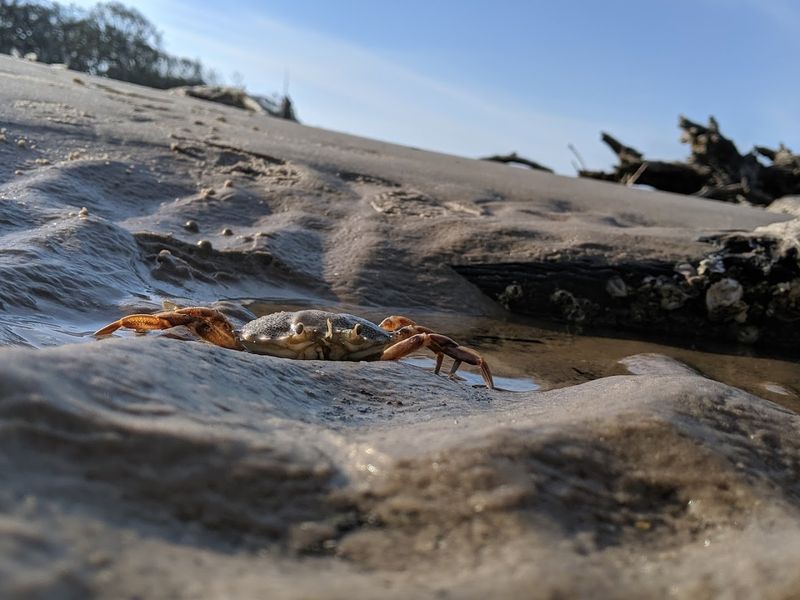
The trail and beach are both rich with wildlife, and keeping your eyes open pays off in a big way here. The maritime forest along the trail is home to a variety of bird species, and the sounds of the surrounding wildlife are one of the most memorable parts of the experience for many visitors.
Shorebirds are common on the beach itself, picking through the wet sand near the waterline. Great blue herons, willets, and various sandpiper species are regular sightings.
During certain seasons, migratory birds also pass through, making it a worthwhile stop for birdwatchers.
The beach also sees occasional jellyfish wash up along the tide line, particularly near the base of the driftwood roots where they can get caught during tidal shifts. It is worth watching your step near the water’s edge, especially after a high tide, to avoid stepping on anything unexpected.
Fishing at the Beach and Nearby Waters
Swimming is not permitted at Boneyard Beach, and the signage makes this clear. The currents near the Nassau River inlet can be unpredictable, and the mix of tidal flow and river output creates conditions that make the water unsafe for recreational swimming.
Fishing, however, is a completely different story. The area near the western end of the beach, where the shoreline curves toward the inlet, is a popular spot for anglers who come specifically for the access to both river and ocean fish populations.
The mix of fresh and salt water draws a variety of species that you would not find on a typical open-ocean beach.
Several visitors mention fishing as a regular reason to return, and the relaxed, uncrowded atmosphere makes it a genuinely pleasant way to spend a morning. Bring your own gear since there are no rentals or tackle shops nearby.
Parking, Fees, and Practical Logistics
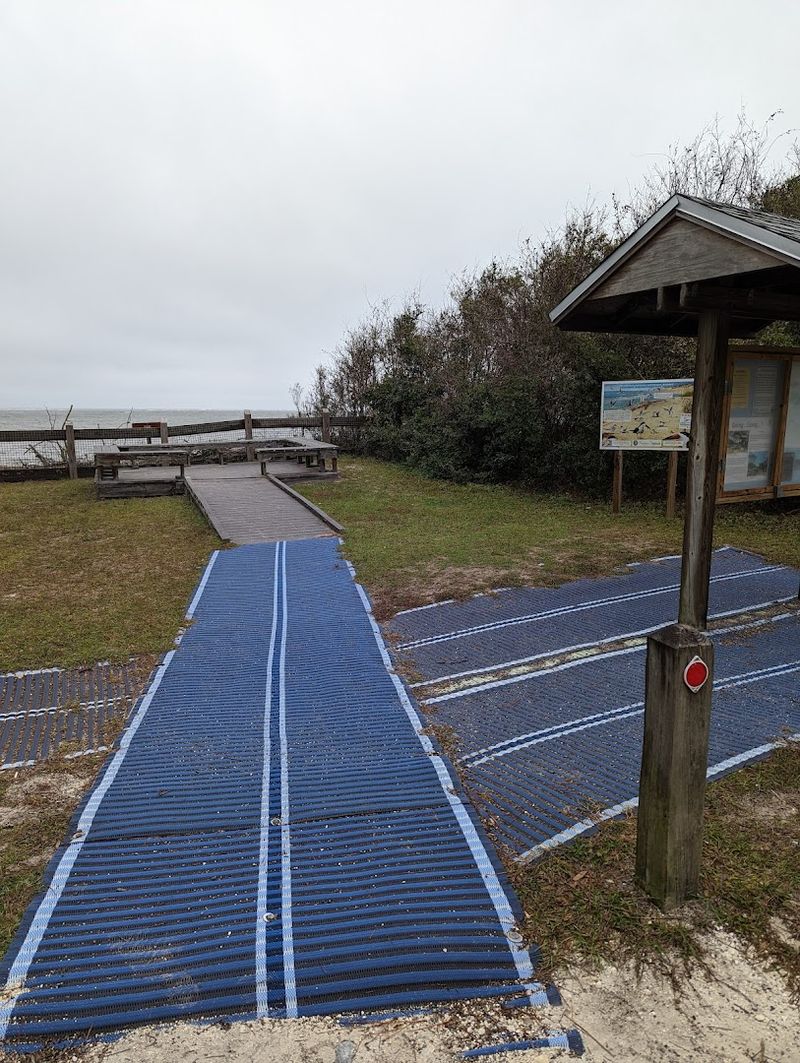
Getting to Boneyard Beach requires a small parking fee, which is collected through a mobile app rather than a traditional pay station. The fee is modest, typically in the range of three to five dollars per vehicle, and the payment process is straightforward once you have the app set up on your phone.
The parking area itself is small and shaded, with a few picnic tables where visitors can eat before or after their walk. There are also portable restroom facilities on site, which are basic but functional and appreciated given how far the beach is from any commercial services.
One important note for pet owners: dogs are not permitted on the beach. The restriction is in place to protect the natural environment and the wildlife that depends on the undisturbed shoreline.
There are alternative areas within the broader Talbot Islands park system where leashed pets are welcome.
Best Times of Year to Make the Trip
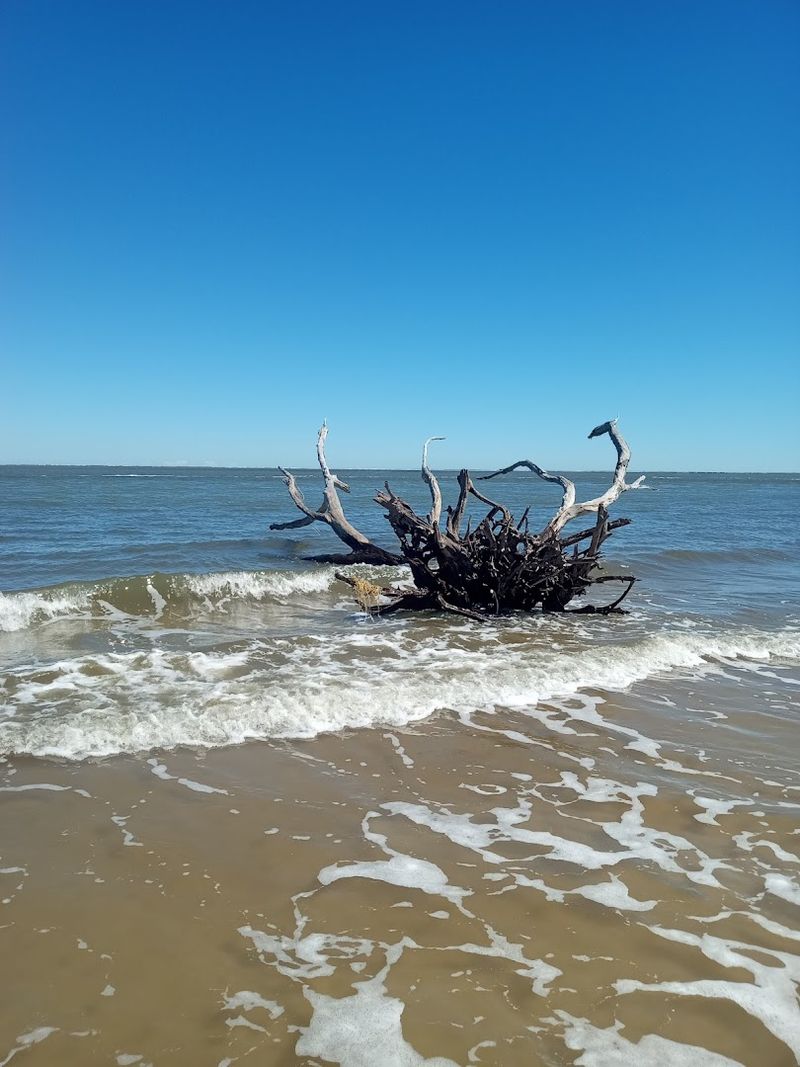
Florida’s subtropical climate means Boneyard Beach is technically visitable year-round, but some seasons are noticeably better than others. The cooler months, roughly from October through March, bring lower humidity, fewer bugs, and more comfortable walking temperatures, which makes the trail and the beach far more enjoyable.
Summer visits are absolutely possible, but the heat and humidity in northeastern Florida during July and August can be intense. Bug activity also peaks in summer, particularly mosquitoes and gnats, so anyone planning a warm-weather visit should come prepared with insect repellent and loose, breathable clothing that covers the arms and legs.
Mornings are consistently the best time of day to visit regardless of the season. The light is better for photography, the temperatures are lower, and the beach tends to be quieter before midday visitors begin arriving.
Weekend mornings in fall and spring can still draw small crowds of photographers and families.
How to Explore the Full Length of the Beach
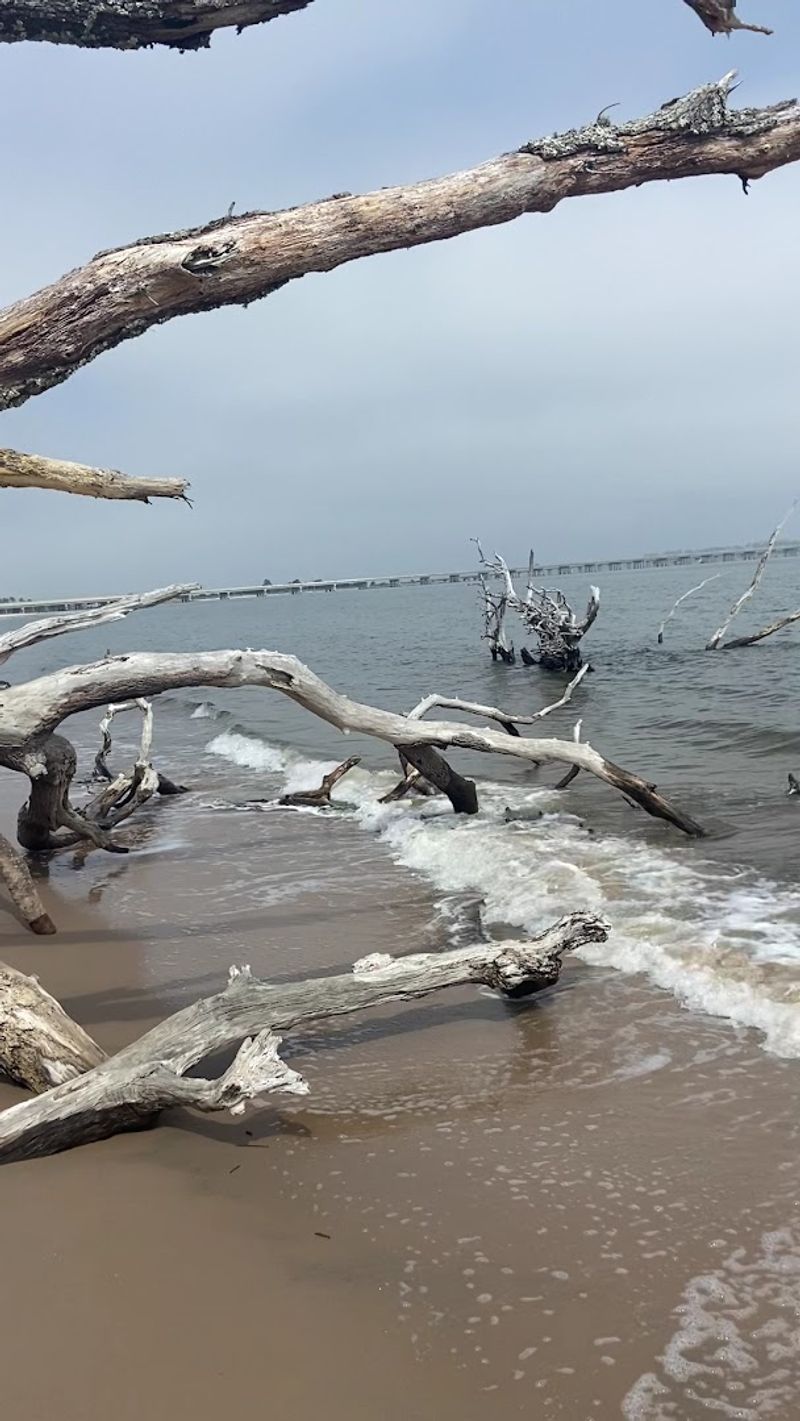
Once you step onto the beach, the exploration options open up in two directions. Heading west from the main trail access point takes you toward the Nassau River inlet, where the water narrows and the landscape shifts into a more sheltered, marshy environment.
This end of the beach is particularly good for fishing and quiet reflection.
Heading east takes you along a longer stretch of open shoreline where the driftwood formations are most dramatic and the Atlantic views are widest. The full length of the beach from one end to the other covers approximately one mile, so a round trip walk along the full shoreline adds up to around two miles of beach walking on top of the trail hike.
Wearing comfortable shoes rather than bare feet is genuinely advisable here, since the sand hides plenty of root tips and sharp wood fragments that are easy to miss until you step on one.
The Graffiti Boardwalk and Unique Approach Route
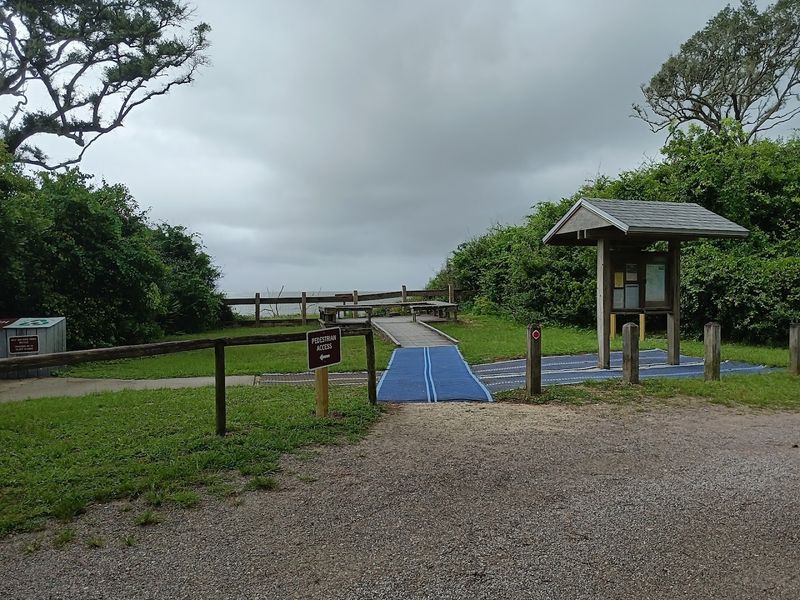
One of the more unexpected details about the Boneyard Beach experience is the graffiti-covered section visitors pass through on certain approach routes. Several people who have walked or biked in from the Sawpit Creek boat ramp area mention a graffiti walkway that adds a surprisingly urban art element to what is otherwise a deeply natural setting.
The contrast between the spray-painted walls and the surrounding maritime forest creates a genuinely unusual transition zone, as if the beach itself is asking you to leave ordinary expectations behind before you arrive. It is a small but memorable detail that sticks with visitors long after the trip.
The bike trail approach from Sawpit Creek boat ramp is also worth considering if you have access to bikes. Riders can lock their bikes at the parking area near the trailhead and walk the rest of the way to the beach, turning the whole outing into a longer, more immersive adventure.
What to Pack for a Comfortable Visit
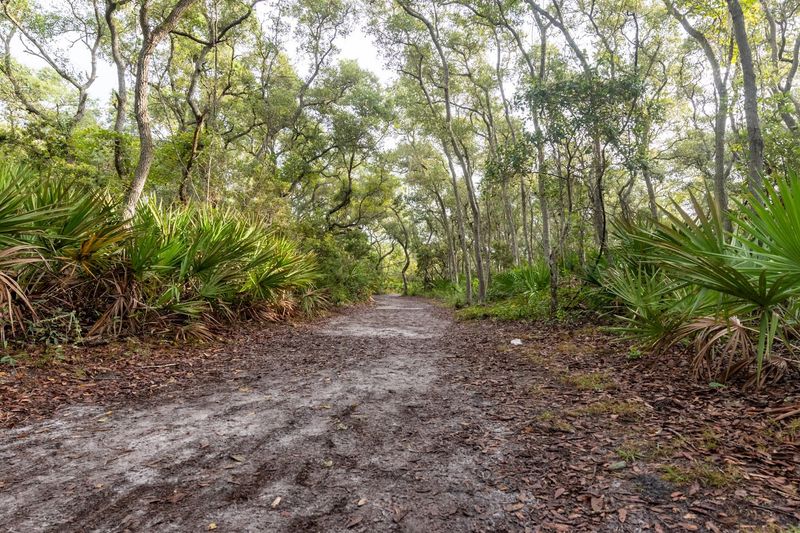
A well-packed bag makes a significant difference at Boneyard Beach compared to a typical day at a developed beach. Bug spray sits at the top of almost every experienced visitor’s packing list, and it is not an optional item during the warmer months.
The trail through the woods and the beach itself can both have active insect populations.
Sturdy walking shoes or trail sneakers are a much better choice than flip-flops or sandals, given the uneven terrain of both the sandy trail and the driftwood-covered beach. A hat and sunscreen are standard Florida necessities regardless of the season.
Bringing your own water is important since there are no vendors, snack stands, or water fountains anywhere in the area. A small backpack with snacks, a blanket for sitting, and a fully charged camera or phone rounds out a solid kit for a few comfortable hours at one of Florida’s most unusual natural spots.
Why This Beach Stays With You Long After You Leave
Most beaches fade into a pleasant blur after a few days. Boneyard Beach does not work that way.
The landscape is specific enough and strange enough that the memory stays sharp, the way a truly unusual experience tends to linger even when ordinary ones slip away.
Part of what makes it so memorable is that it asks something of you. The walk to get there, the careful navigation through the driftwood, the absence of any commercial noise or distraction: all of it puts you squarely in the middle of a natural environment that operates entirely on its own terms.
People who visit once tend to return, often bringing someone new who has never seen it before, just to watch that first moment of stunned silence when the forest opens up and the beach reveals itself. That reaction, quiet and wide-eyed and completely genuine, is the best possible endorsement any place could ever earn.
Share this story