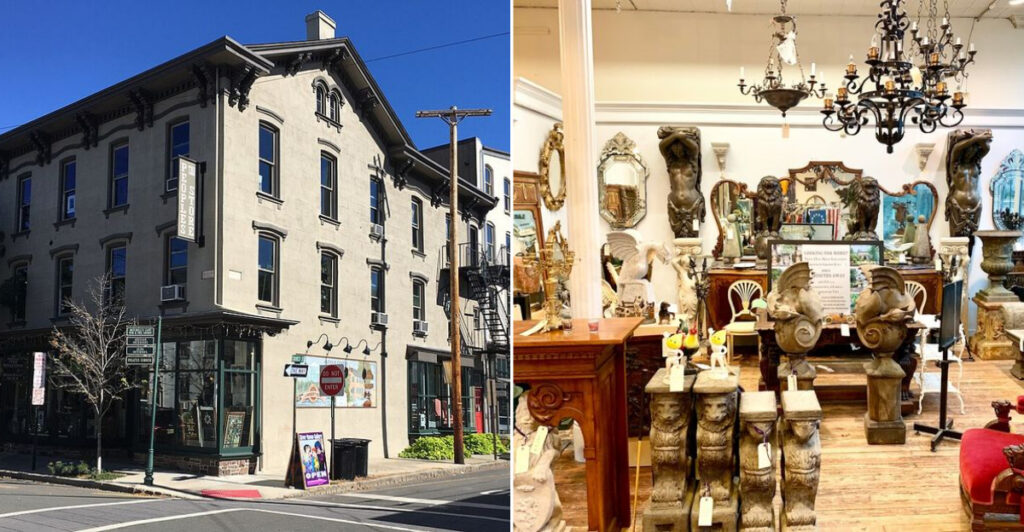
Lambertville, New Jersey has a quiet reputation as one of the best small towns in the state for antique hunting, and there is one building on North Union Street that proves exactly why. A four-story structure packed with over 50 independent dealers, it has been drawing collectors, designers, and curious first-timers for years.
The range of what you can find inside is genuinely hard to wrap your head around until you are actually standing in the middle of it. Prices stretch from a few dollars to well over five thousand, and the inventory shifts constantly because dealers are restocking every single day.
Whether someone is looking for a rare sculpture, a piece of vintage jewelry, or just a fun afternoon of browsing through rooms full of unexpected things, this place delivers. The whole experience has a way of making two hours disappear without warning.
A Building With Deep Roots
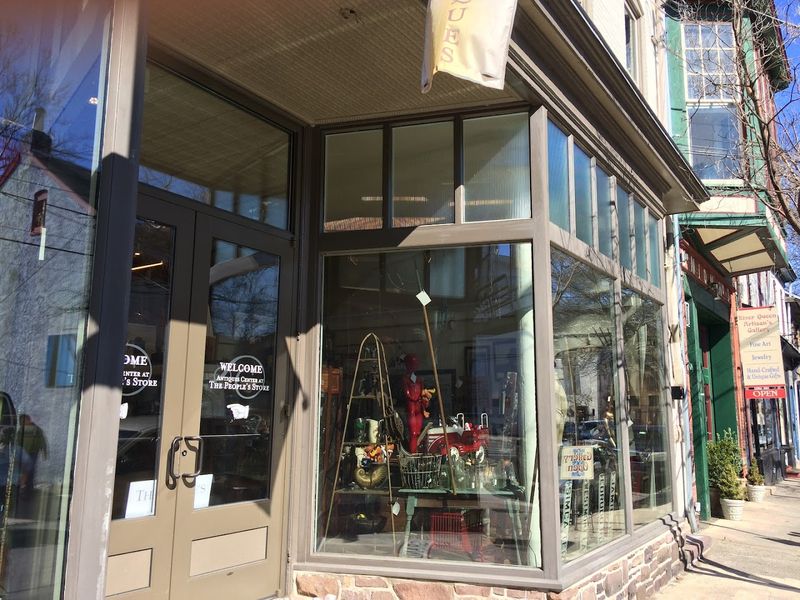
The Antiques Center at the People’s Store sits at 28 N Union St, Lambertville, NJ 08530, and the address alone carries a lot of history behind it. The building has been in operation since 1839, which makes it one of the longest-running commercial spaces in the region.
That kind of longevity is not accidental. The structure has adapted over the decades while keeping its core identity intact, and today it functions as a multi-dealer antique marketplace that draws people from across the tri-state area.
The building occupies a corner lot and rises four stories, which gives it a presence on the street that is hard to miss. Inside, the layout is divided into distinct spaces and rooms managed by individual dealers, each bringing their own specialty and style to the mix.
The store is open daily from 10 AM to 6 PM, making it easy to plan a visit any day of the week.
Four Floors, Zero Shortcuts
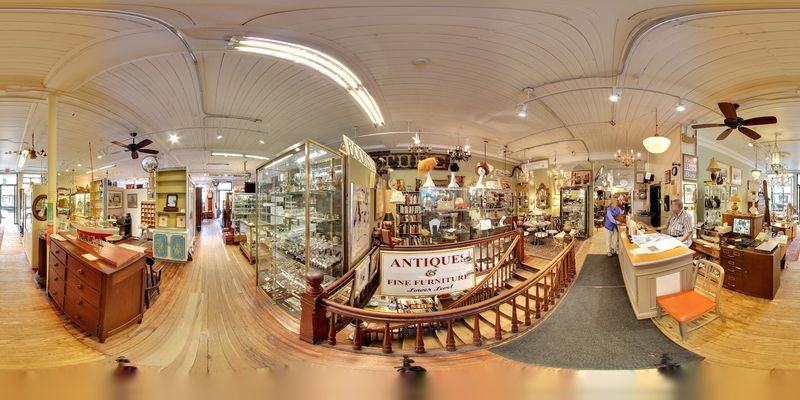
Most antique shops can be covered in under an hour. This one is a different situation entirely.
The four floors of the People’s Store are packed with dealers who each occupy their own corner, booth, or room, and the sheer volume of what is on display makes a quick visit almost impossible.
First-timers consistently report that they could not cover the entire building in a single trip, and that is not an exaggeration. The layout encourages wandering, with rooms leading into other rooms and staircases connecting levels that each have their own character.
Setting aside two to three hours is a reasonable starting point for anyone who wants to actually look at things rather than rush through. The inventory changes daily, so even repeat visitors tend to find something new each time they come back.
That constant rotation is a big part of what keeps people returning to this spot season after season.
Over 50 Dealers Under One Roof
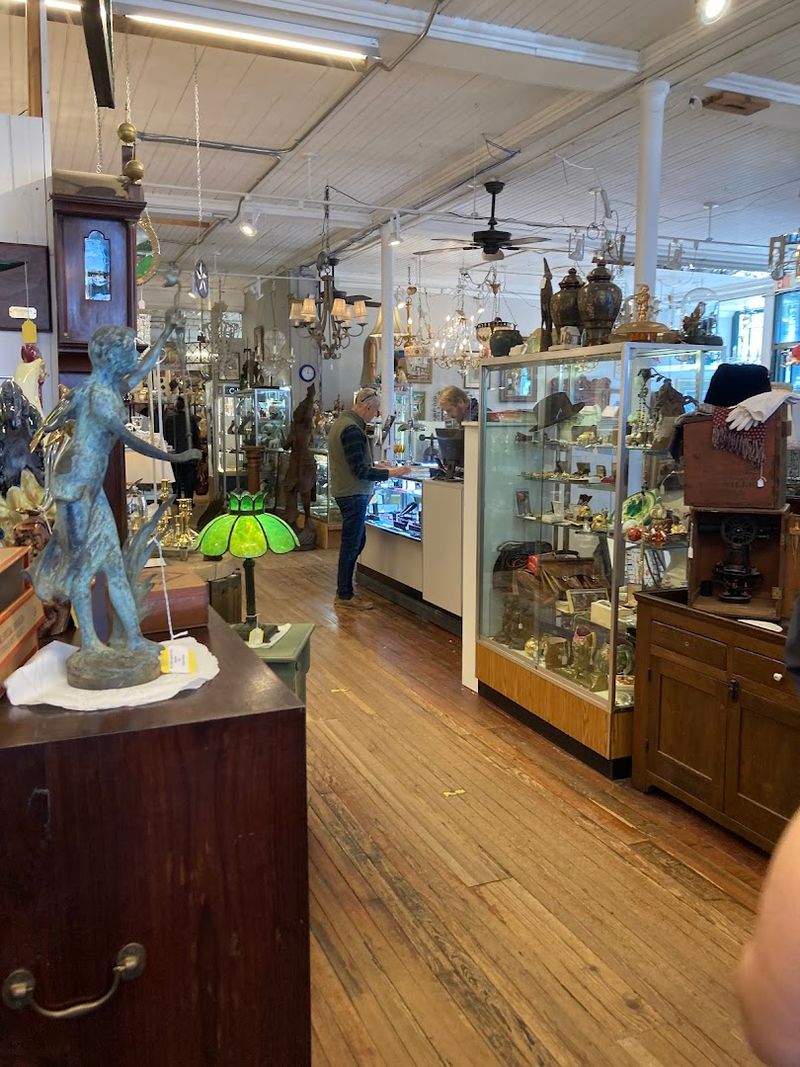
One of the things that sets this place apart from a standard antique shop is the sheer number of independent dealers operating inside the building. With around 50 vendors working out of the same space, the variety of what is available at any given moment is enormous.
Each dealer brings their own area of expertise, which means the inventory covers an unusually wide range of categories. You are not just getting one person’s taste or one collector’s specialty.
You are getting dozens of different perspectives on what is worth buying and selling.
That structure also means the stock turns over constantly. Dealers are actively sourcing new pieces, flipping merchandise, and restocking their spaces on a regular basis.
The management has noted that around four hundred pieces sell every day, which gives a sense of how active the trading actually is inside this building. There is always something that was not there on the last visit.
What You Can Actually Find Here
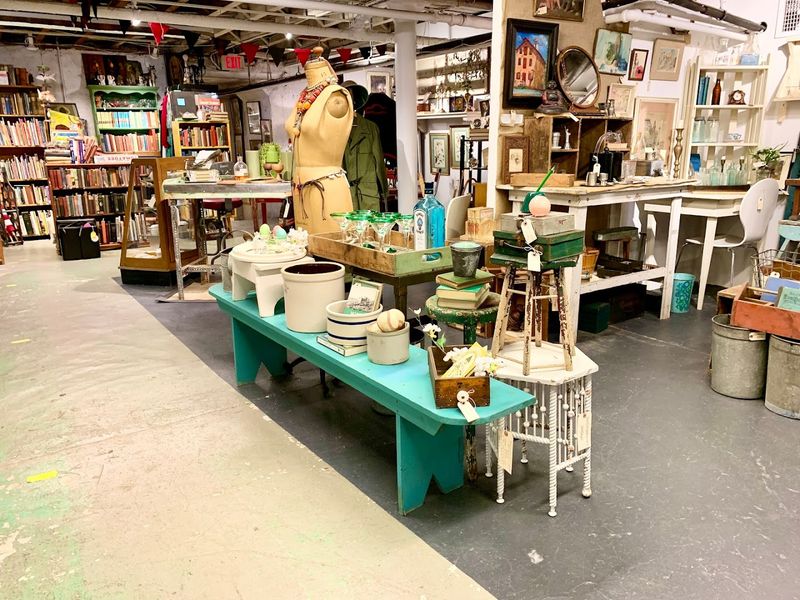
The range of categories covered inside the People’s Store is broad enough that most people will find at least one thing that catches their attention. Vintage clothing and jewelry are well represented, with a selection that includes pieces you would not find in a standard thrift store.
Vinyl records have their own dedicated space on the second floor, managed by a dealer who has been in the business for generations and professionally checks and cleans the stock before it goes on sale. Beyond music, the building holds furniture, sculptures, artwork, glassware, books, postcards, and decorative objects of all kinds.
The upper floors lean toward art, with studios and galleries that give the space a creative energy distinct from the lower levels. Prices across the building range from around five dollars for small finds up to several thousand dollars for significant furniture or rare pieces.
That spread means there is genuinely something for almost every budget.
The Vinyl Record Department
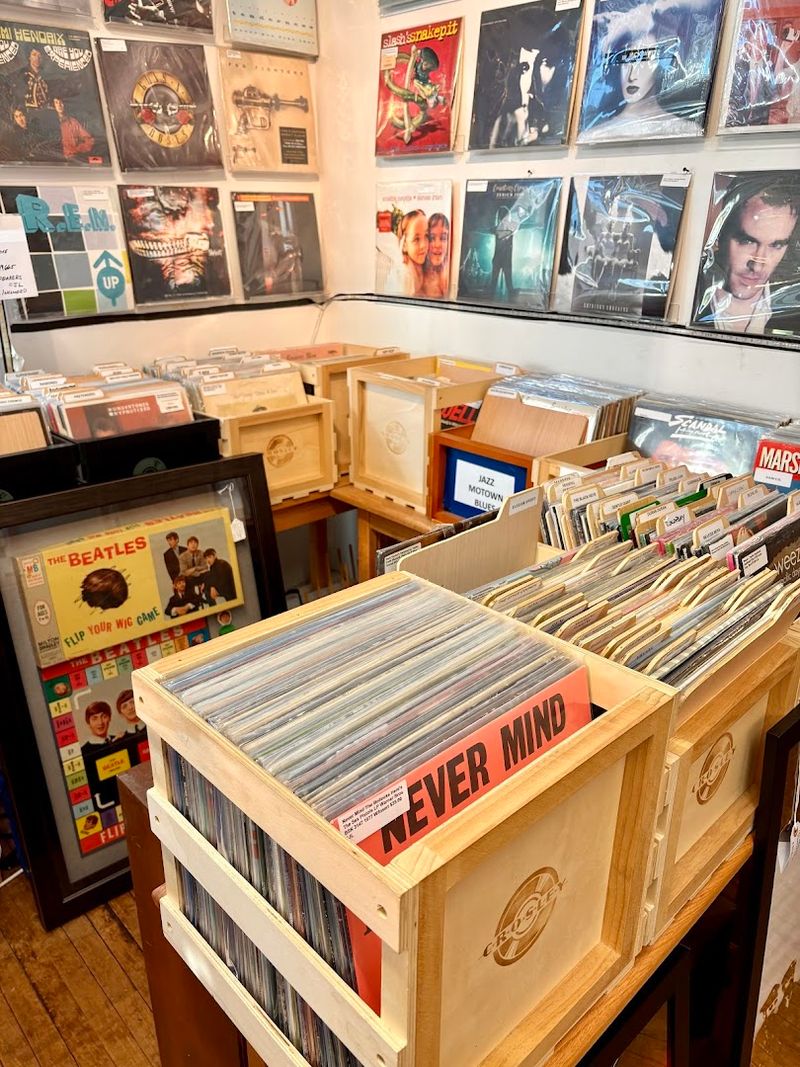
Record collectors tend to have strong opinions about where they shop, and the vinyl section at the People’s Store has earned a specific reputation worth knowing about. The second-floor record dealer is a specialist who has been handling records professionally for decades, and the stock reflects that level of experience.
Every record that comes in goes through a process of checking and cleaning before it is priced and put out for sale. That attention to condition is something that separates this operation from the kind of casual record bin you might find at a general flea market.
The selection covers a range of genres and eras, and pricing reflects the market value of each piece rather than a flat rate. Collectors who know what they are looking for will find the setup here more organized and reliable than many comparable spots in the region.
It is a department worth spending real time in, especially for anyone serious about building a collection.
Art Studios on the Upper Floors
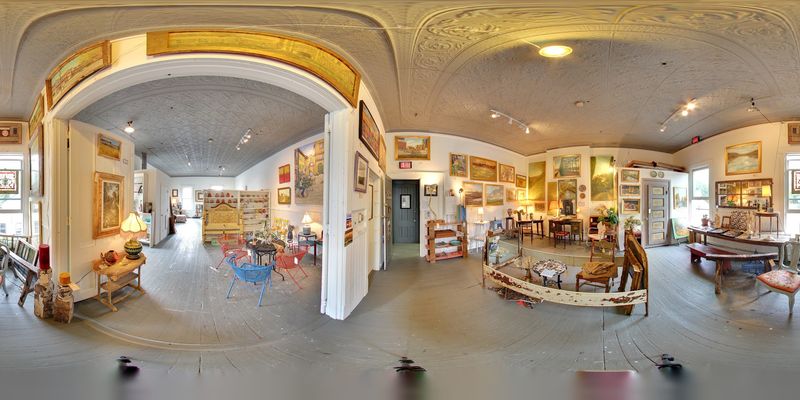
The upper levels of the People’s Store shift the atmosphere noticeably compared to the lower floors. While the ground and second levels are dense with dealer booths and collectible displays, the higher floors open up into artist studios where working artists maintain their spaces.
This is not just a gallery setup where work is hung on walls and left alone. The artists are often present, which gives anyone who wanders up there the chance to talk directly with the people making the work.
That kind of access is rare in a retail environment and adds a dimension to the visit that goes well beyond typical antique shopping.
The mix of fine art, sculpture, and decorative pieces up top gives the building a layered quality that surprises a lot of first-time visitors. It is one of the details that makes the People’s Store feel more like a cultural destination than a straightforward antique market.
The upper floors are worth the climb.
Lambertville as the Perfect Backdrop
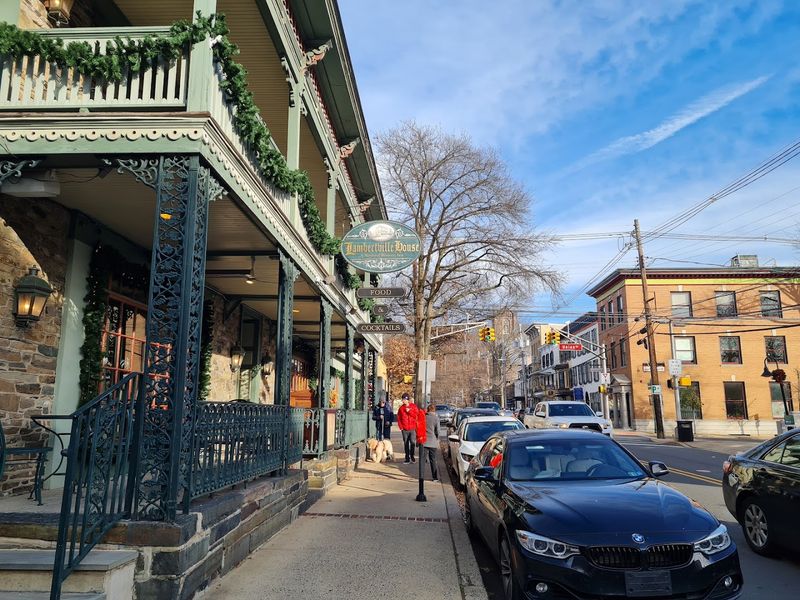
The People’s Store does not exist in isolation. It sits in Lambertville, a small city along the Delaware River in Hunterdon County that has built a strong identity around antiques, art, and independent retail.
The town draws people specifically because of the concentration of quality shops and galleries packed into a walkable area.
North Union Street, where the building stands, is part of a corridor that rewards slow exploration. There are other dealers, restaurants, and boutiques within easy walking distance, which makes it practical to turn a visit to the People’s Store into a full day out rather than a quick stop.
The town itself has a well-preserved historic character that fits naturally with the antique-focused businesses that anchor it. For anyone driving in from a larger city, the combination of the building’s inventory and the surrounding neighborhood makes the trip feel worthwhile from the moment you arrive.
Lambertville has a way of holding your attention longer than planned.
A Price Range That Covers Everyone
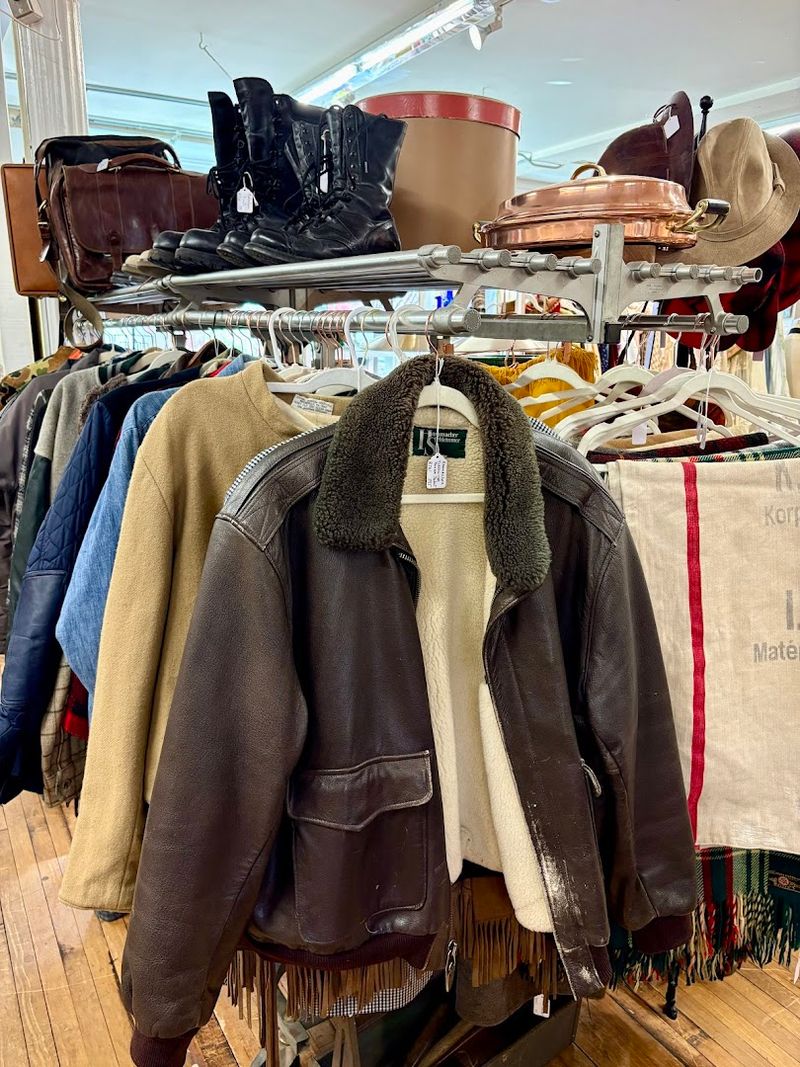
Pricing at the People’s Store is one of the topics that comes up most often in any conversation about the place, and the honest answer is that it varies significantly depending on which dealer and which item you are looking at. The range runs from roughly five dollars for small finds up to over five thousand dollars for significant pieces.
Some categories, particularly vintage clothing and certain collectibles, carry prices that reflect the current resale market rather than thrift-store logic. A jacket or a scarf from a specific era might be priced at what feels like a premium, and that can be surprising if someone is expecting bargain-bin numbers across the board.
On the other end of the spectrum, postcards, small decorative items, and everyday collectibles are often very accessible. The key is knowing what you are looking for and understanding that dealer-run markets price based on market knowledge, not sentiment.
Browsing with an open mind tends to yield the best results regardless of budget.
How the Inventory Stays Fresh
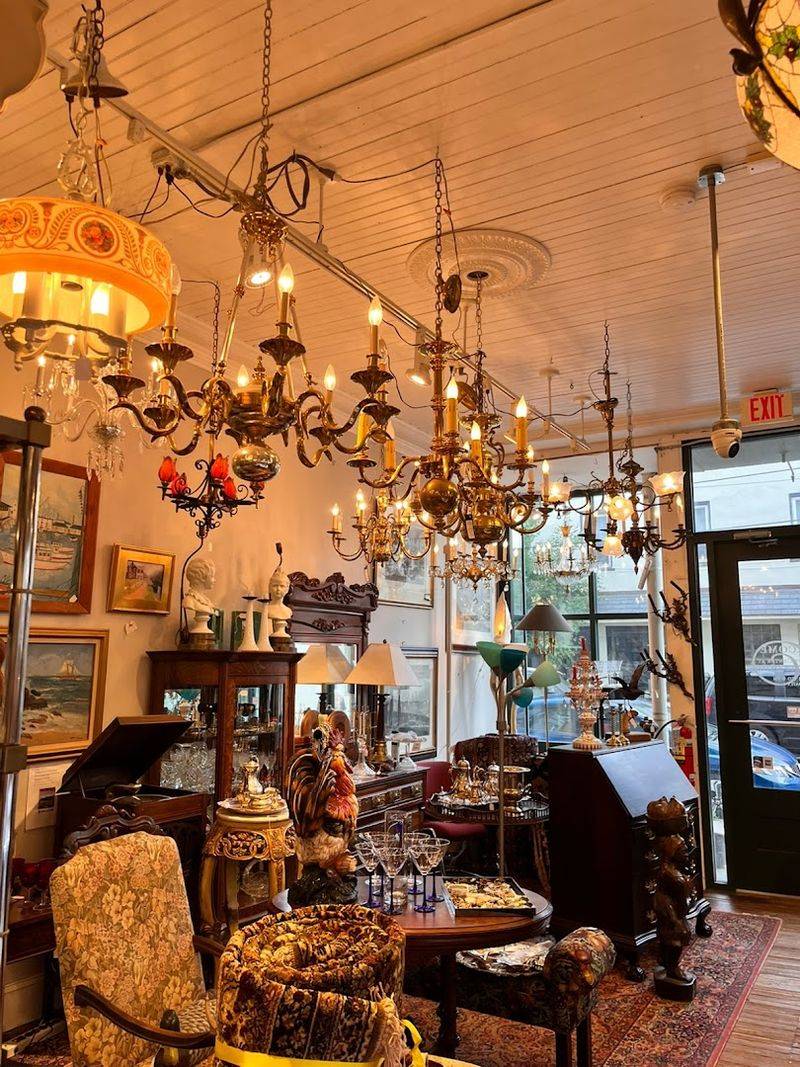
One of the more impressive operational details about the People’s Store is how quickly the inventory moves and refreshes. With around 50 dealers actively sourcing and restocking, new pieces arrive on a daily basis rather than on a seasonal or monthly cycle.
The management has described the model as similar to a farm-to-table concept, where items move from source to floor quickly and are priced to sell rather than sit. That philosophy keeps the stock feeling current and gives regular visitors a genuine reason to come back often.
The practical result of this system is that no two visits are exactly the same. A piece of furniture that caught someone’s eye last month may already be gone, and something entirely different will have taken its place.
For collectors and dealers who shop the market professionally, that turnover rate is a significant draw. Many antique dealers from outside the region source from the People’s Store and resell elsewhere at a profit.
Tips for First-Time Visitors
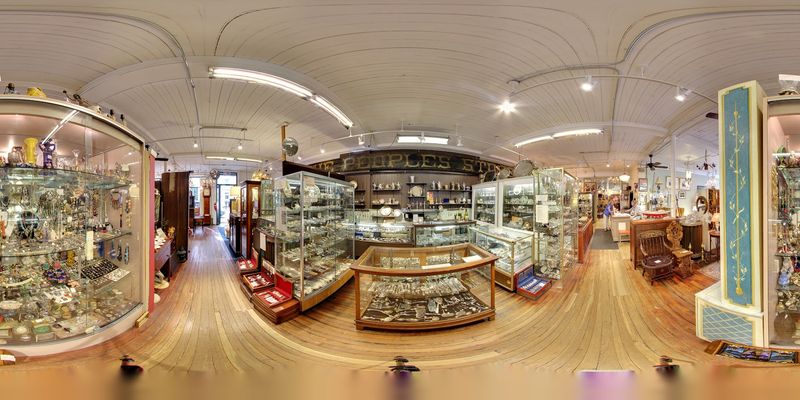
Walking into the People’s Store for the first time without any preparation can feel a bit overwhelming, and that is not a complaint. It is just the reality of a four-story building filled with dozens of independent dealers and thousands of individual items spread across a large footprint.
A few practical notes help. Arriving earlier in the day gives more time and energy for thorough exploration.
Wearing comfortable shoes matters more than it might seem, because the floors involve a lot of walking and stair climbing. Bringing cash is useful since some individual dealers may have limitations on card payments, though the main counter handles standard transactions.
The building is open every day from 10 AM to 6 PM, so weekday visits tend to be quieter than weekend afternoons, which can get busy. Planning for at least two to three hours is realistic for anyone who wants to cover the building properly.
Rushing through it means missing things, and missing things at this place is genuinely unfortunate.
The Furniture and Sculpture Scene
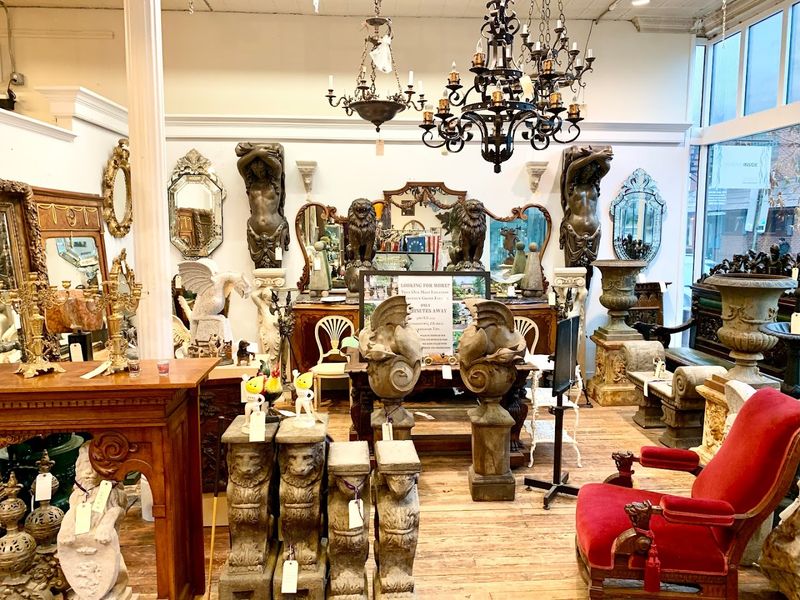
Furniture is one of the stronger categories at the People’s Store, with pieces ranging from smaller decorative items to full-sized cabinets, tables, and chairs that carry real character. The selection skews toward pieces with age and history rather than reproduction items, which is what serious furniture buyers tend to want.
Sculptures show up throughout the building in various materials and styles, from small decorative figures to larger statement pieces that would work in a home or professional space. Some of the most striking finds in the building fall into this category, and at least one visitor has described discovering an exceptional sculpture on a visit that made the whole trip worthwhile.
For interior designers and homeowners looking for one-of-a-kind pieces, the furniture and sculpture selection here is a practical resource rather than just a browsing experience. The inventory changes often enough that checking back regularly is a reasonable strategy for anyone with a specific aesthetic in mind.
Jewelry and Vintage Clothing
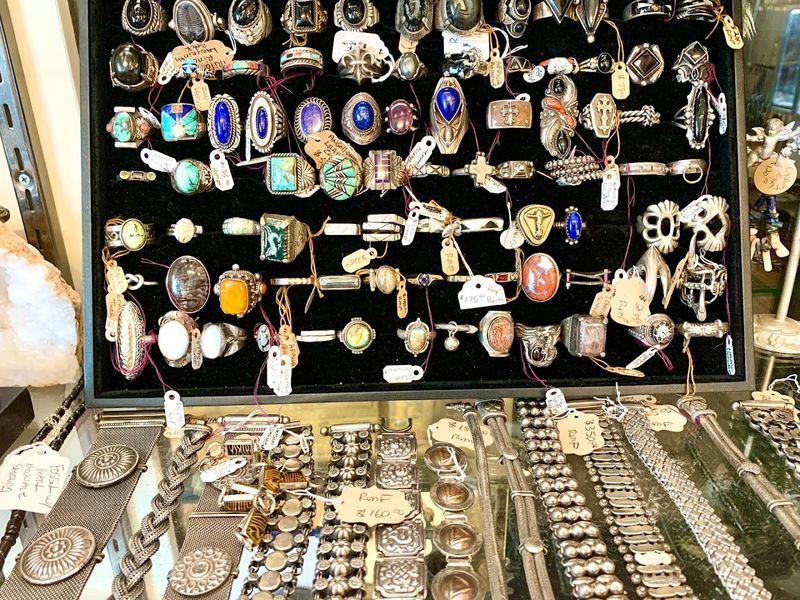
The jewelry selection at the People’s Store spans a wide range of styles, periods, and price points. Brooches, bracelets, rings, and necklaces from various decades show up regularly, and the quality of individual pieces varies depending on which dealer is stocking them.
Vintage clothing occupies its own space within the building and tends to attract a specific crowd of shoppers who know what they are looking for. The selection includes items from multiple eras, and condition levels vary across the inventory.
Some pieces are in excellent shape and priced accordingly, while others are more affordable and suit buyers who are less particular about perfect condition.
Both categories reward patience and repeat visits. The stock turns over regularly, so a specific type of piece that was not available one week might appear the next.
For anyone building a wardrobe around vintage finds or adding to a jewelry collection, this building is one of the more reliable stops in the region for that kind of shopping.
The Building’s Atmosphere Floor by Floor
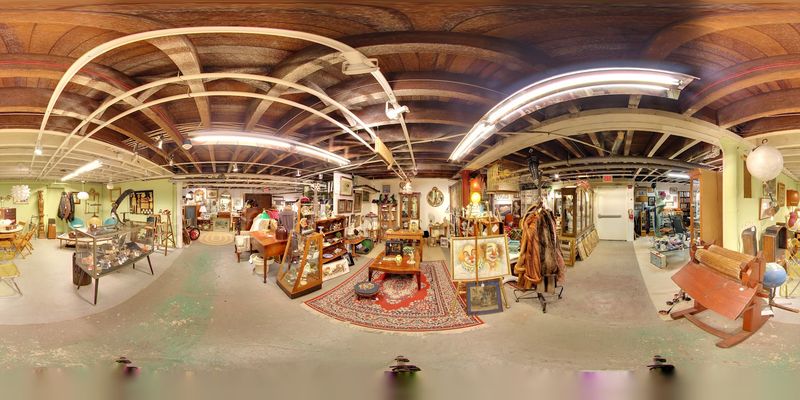
Each floor of the People’s Store has its own character, and moving between them feels like shifting between distinct environments rather than just climbing to a higher level of the same space. The ground floor tends to be the busiest, with heavier foot traffic and a dense mix of dealers and display cases.
The second floor carries a slightly different energy, with the record dealer’s space giving it a more focused, specialist quality alongside other vendors. Higher floors become progressively more open and art-oriented, with the studio spaces on the upper levels offering a quieter, more contemplative atmosphere compared to the bustle below.
The building itself adds to the experience. Wooden floors, older architectural details, and the general character of a structure dating back to 1839 give the interior a texture that modern retail spaces simply cannot replicate.
The layout is not perfectly polished, and that actually works in its favor. It feels like a place where things are genuinely discovered rather than curated for display.
Why People Keep Coming Back
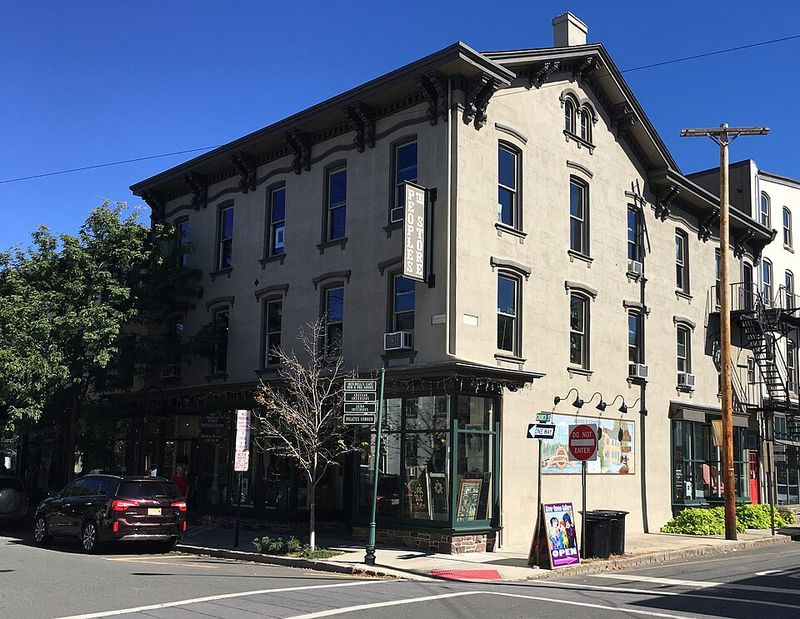
The People’s Store has been operating since 1839, and the reason it has lasted this long is not complicated. It consistently offers something that is hard to find elsewhere: a large, well-stocked, multi-dealer marketplace in a building with genuine historical character, located in a town that already draws people for its broader antique and arts culture.
The combination of daily inventory turnover, a wide price range, and over 50 active dealers means that repeat visits almost always yield something new. That is a practical reason to come back, separate from any loyalty to the building or the town.
For anyone who has not yet made the trip to Lambertville, the People’s Store is a strong anchor for planning a visit. It is the kind of place that tends to surprise people who were expecting something smaller or more predictable.
Four floors of constantly changing inventory in a building that has been at this for nearly two centuries is a hard combination to match anywhere in New Jersey.
Share this story