New Jersey might be famous for its diners and turnpike, but tucked between the suburbs and shore towns lies a wild world most people never see. From ancient gorges and glowing minerals to mysterious balanced boulders and hidden ice caves, this state is packed with jaw-dropping natural surprises.
I grew up thinking Jersey was all parking lots and pizza, until a road trip changed everything. Buckle up, because these 14 natural wonders are about to flip everything you thought you knew about the Garden State.
Ken Lockwood Gorge Wildlife Management Area, Califon and Lebanon Township
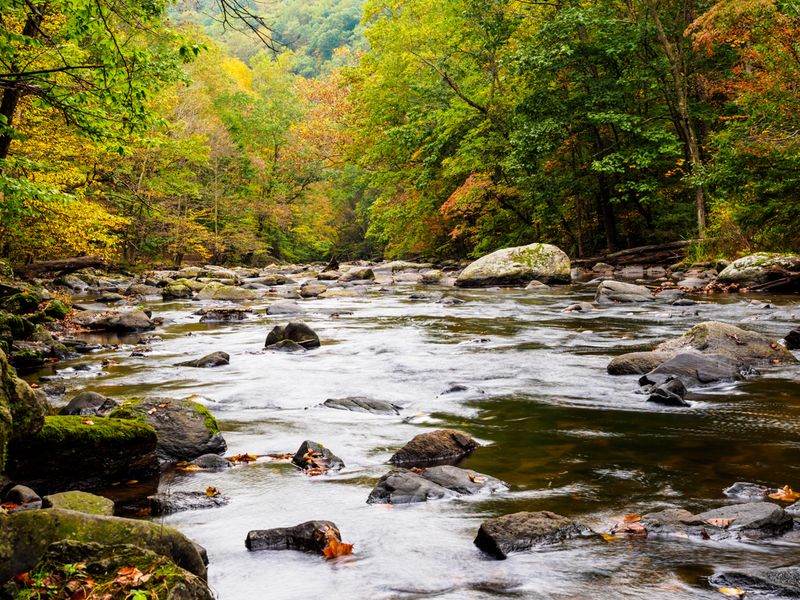
Nobody warns you that New Jersey hides a gorge this stunning. Ken Lockwood Gorge stretches about two miles along the South Branch of the Raritan River, carving through forested cliffs that tower above the water.
It feels less like Jersey and more like a scene from a nature documentary.
The gorge is a paradise for fly fishermen, hikers, and anyone who needs a serious break from traffic. The dirt road through the gorge is closed to most vehicles, which means you actually get peace and quiet here.
That alone makes it worth the drive.
Spring and fall are the best times to visit when wildflowers and foliage put on a show. Keep an eye out for great blue herons hunting along the riverbank.
Wildlife sightings here are genuinely common, not just lucky accidents. Pack a sandwich, bring good shoes, and give yourself at least two hours to soak it all in properly.
Musconetcong Gorge, Bloomsbury
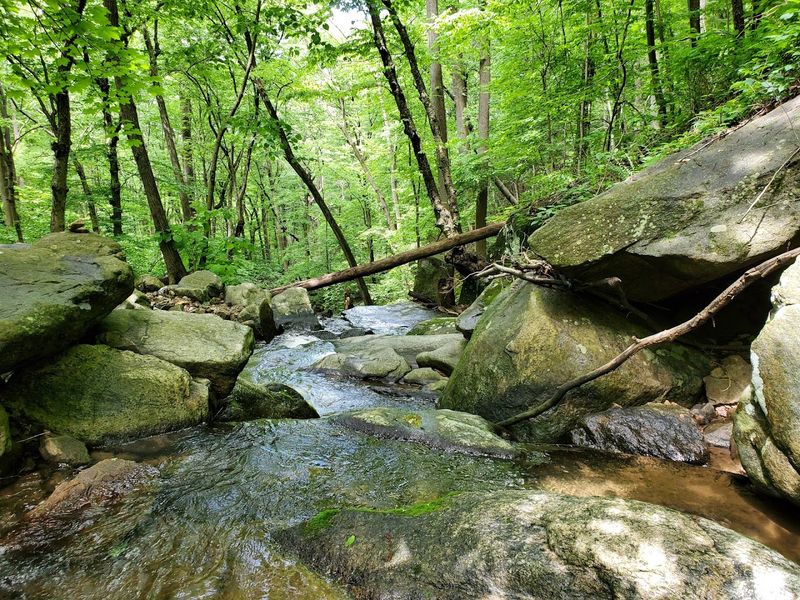
The Musconetcong Gorge is one of those places that makes you stop mid-hike and question why you ever paid for a vacation. Carved by the Musconetcong River over thousands of years, this gorge near Bloomsbury features dramatic rocky walls, crystal-clear water, and trails that wind through old-growth forest.
This stretch of river is actually designated a National Wild and Scenic River, which is a big deal for a state that people constantly underestimate. The geology here is ancient, with exposed rock formations that tell stories going back hundreds of millions of years.
Geology nerds, this one is for you.
Fishing, hiking, and wildlife watching are the main attractions. Bald eagles have been spotted along this corridor, so bring binoculars and look up occasionally.
The gorge is relatively uncrowded compared to more popular spots, making it a fantastic option when you want nature without the selfie stick crowds.
Sterling Hill Mine, Ogdensburg
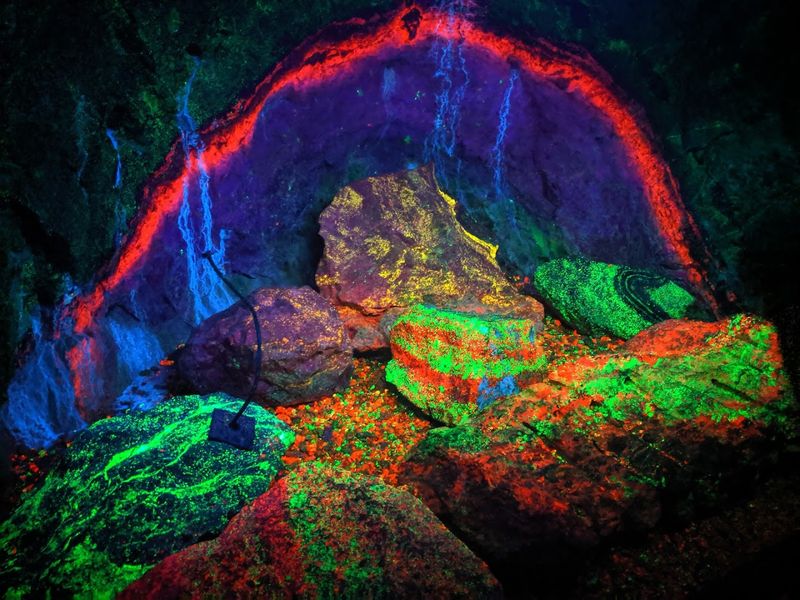
Sterling Hill Mine is where rocks go to glow. Under ultraviolet light, the minerals here explode into electric greens, reds, and oranges that look less like geology and more like a rave.
New Jersey has more fluorescent mineral species than anywhere else on Earth, and this is ground zero for that wild fact.
The mine operated as a zinc mine for over a century before becoming a museum and educational attraction. Today, visitors can take underground tours through actual mine tunnels and witness the fluorescent phenomenon firsthand.
Kids absolutely lose their minds when the lights go UV.
The outdoor dump area lets you hunt for your own fluorescent specimens to take home, which makes this one of the most interactive natural attractions in the state. Bring a UV flashlight for the best experience.
Even if rocks are not usually your thing, watching ordinary-looking stones transform into glowing art will absolutely change your mind.
Marble Hill Ice Cave, Philippsburg
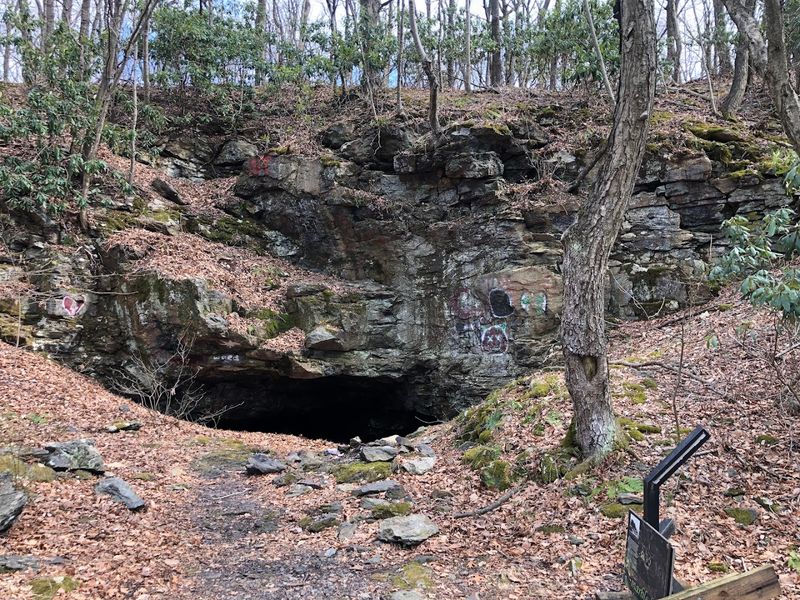
Most people do not expect to find an ice cave in New Jersey, and honestly, that reaction is completely valid. The Marble Hill Ice Cave near Phillipsburg is a natural rock crevice where cold air gets trapped, keeping ice formations intact even when temperatures outside are warm.
Nature basically built its own refrigerator here.
The cave is not a massive cavern, but that is part of its charm. It is a geological oddity tucked into a forested hillside, and finding it feels like a genuine discovery.
I stumbled across a mention of it in a hiking forum and thought it had to be exaggerated. It was not.
Getting there requires a bit of a hike through wooded terrain, so wear sturdy footwear. The ice is most impressive in late winter and early spring.
Visit on a warm day for the full surreal effect of reaching into a rocky hillside and feeling actual cold air rush out to greet you.
Paterson Great Falls, Paterson
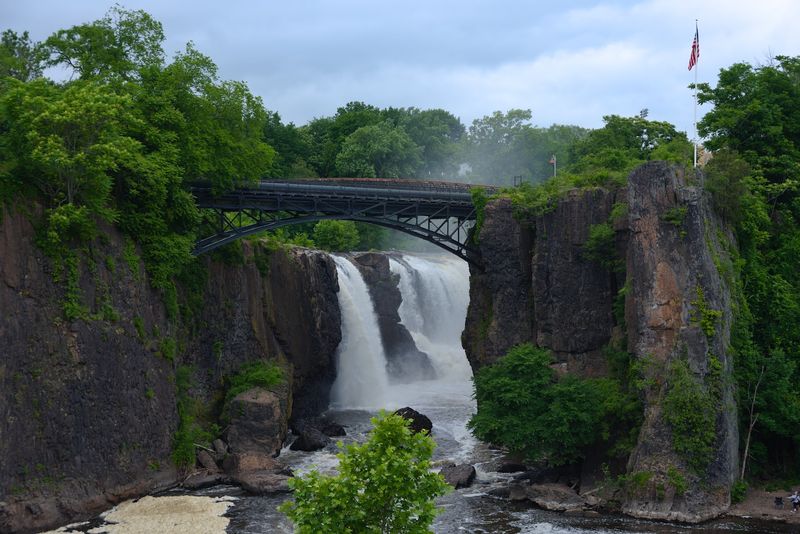
Seventy-seven feet of raw water power crashing through an urban neighborhood is not something you expect, but Paterson delivers exactly that. The Great Falls of the Passaic River is one of the largest waterfalls by volume in the eastern United States, and it sits right in the middle of a city.
Alexander Hamilton saw it and immediately thought: industrial revolution starts here.
Hamilton convinced George Washington to visit in 1778, and the falls eventually powered America’s first planned industrial city. The site is now a National Historical Park, blending natural spectacle with genuinely fascinating American history.
The viewing platforms get you impressively close to the roaring cascade.
Spring is peak flow season when snowmelt turns the falls into something truly thunderous. The surrounding park has been revitalized with new pathways and overlooks.
Whether you are a history buff, a waterfall chaser, or just someone who likes watching massive amounts of water do dramatic things, Paterson Great Falls delivers every single time.
Buttermilk Falls, Layton
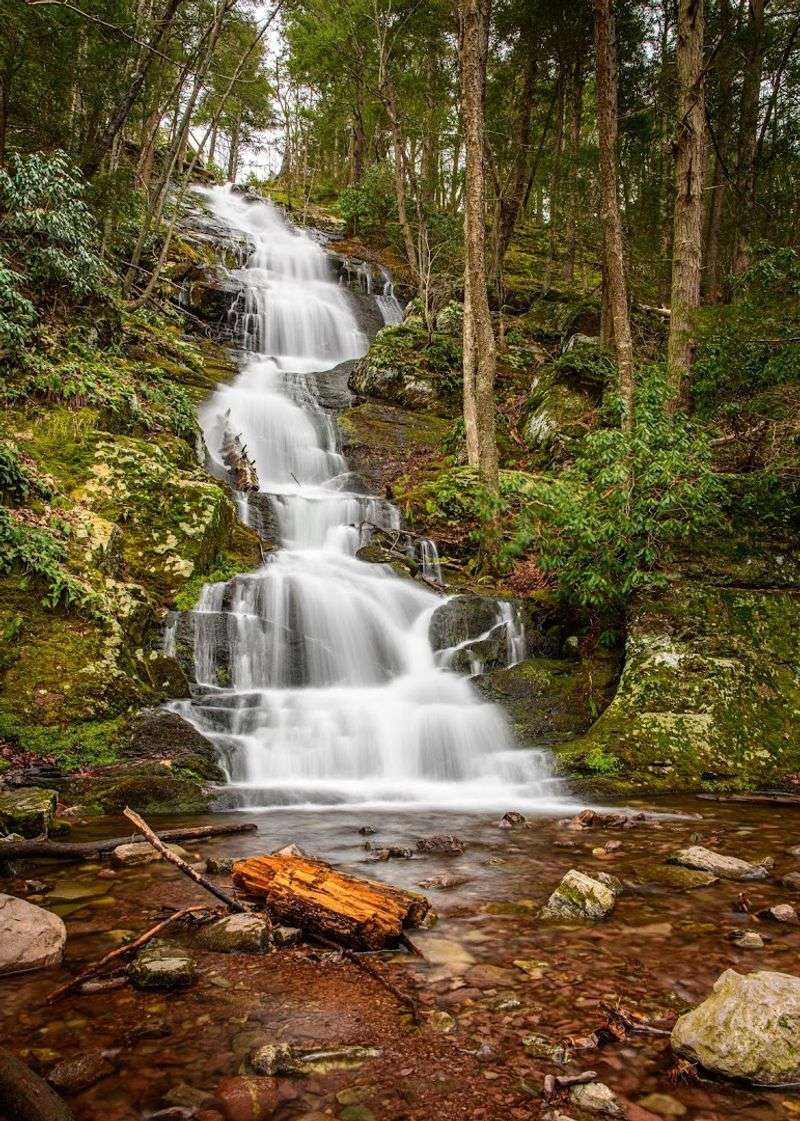
Buttermilk Falls holds the title of New Jersey’s tallest waterfall, dropping around 200 feet through a series of cascades in Sussex County. The name comes from the frothy, churning white water that rolls down the rocky face.
It looks exactly like what the name promises, which is refreshingly honest for a natural landmark.
The falls are located within private land that has historically allowed public access, though visiting rules can change so always check current access information before heading out. The trail to reach them winds through quiet forest and rewards patience with a genuinely spectacular payoff at the end.
Best flow happens after heavy rain or during spring snowmelt when the full cascade is at its most dramatic. Even in drier months, the falls remain beautiful and worth the trip.
Photographers especially love the layered cascade effect, which creates multiple frames within a single shot. Bring a wide-angle lens and your most waterproof boots.
Hemlock Falls, South Orange
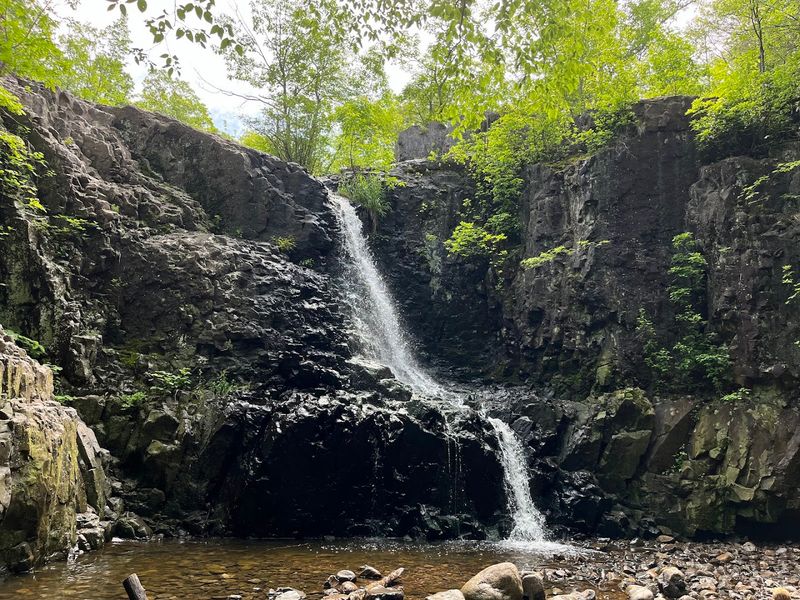
Tucked inside South Mountain Reservation in Essex County, Hemlock Falls is the kind of secret that suburban New Jersey keeps embarrassingly well. A short hike through shaded hemlock forest leads to a lovely 25-foot waterfall that drops into a rocky pool.
The whole setting feels wildly out of place given how close it sits to Newark and the rest of civilization.
The reservation itself covers over 2,000 acres and offers miles of trails beyond the falls. It is a genuine outdoor escape that thousands of commuters drive past daily without ever stopping to explore.
That is their loss and your gain.
The falls are most impressive after rainfall when the flow picks up considerably. The hemlock trees surrounding the area create a cool, cathedral-like atmosphere that makes the short walk feel longer than it actually is.
Families with younger kids love this spot because the trail is manageable and the waterfall payoff is immediate and satisfying.
High Point State Park, Sussex
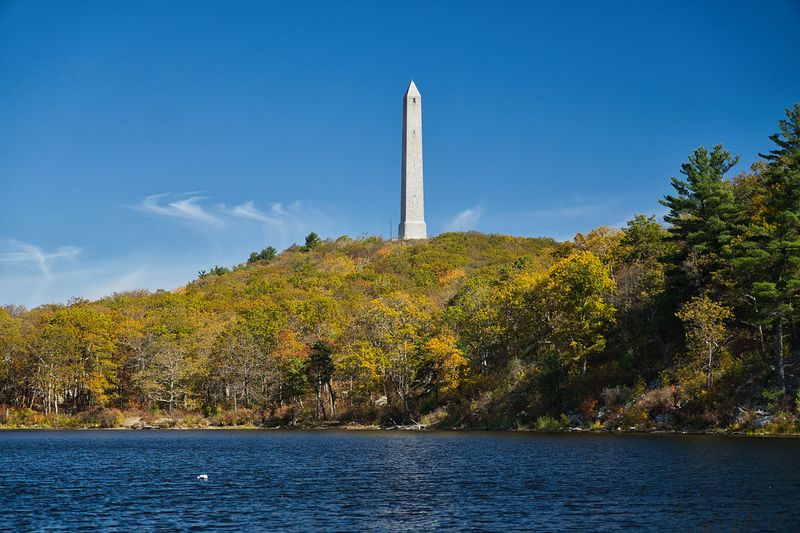
Standing at 1,803 feet above sea level, High Point is quite literally the top of New Jersey. A 220-foot obelisk monument marks the summit, visible for miles around and surprisingly dramatic against an open sky.
On a clear day, you can see into New York, Pennsylvania, and Delaware from the same spot. Three states for the price of one hike.
The park offers far more than just the summit view. Lake Marcia, the highest lake in New Jersey, sits right within the park and is open for swimming during summer.
Hiking trails range from easy lakeside strolls to more challenging ridge walks with continuous views.
Fall foliage season transforms High Point into something spectacular. The surrounding Kittatinny Ridge turns every shade of red, orange, and gold while you stand above it all feeling very accomplished.
Cross-country skiing takes over in winter when snow blankets the trails. Honestly, every season here has something genuinely worth getting off the couch for.
Mount Tammany, Knowlton Township
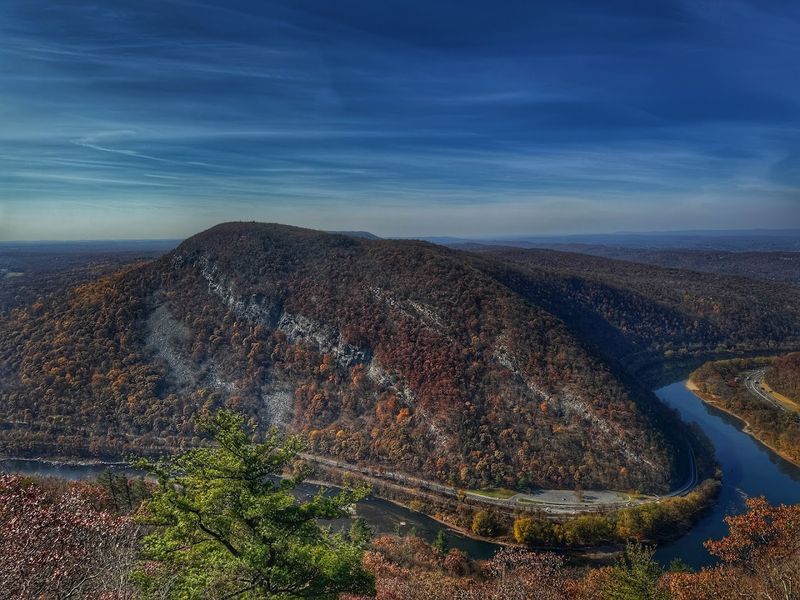
Mount Tammany is where New Jersey hikers go to earn their bragging rights. The red trail up the eastern face is steep, rocky, and relentless in the best possible way.
At the top, the Delaware Water Gap opens up below you in a sweeping panorama that makes every burning quad muscle feel completely worth it.
The mountain rises about 1,527 feet and sits directly across from Mount Minsi on the Pennsylvania side, framing the Delaware River in a dramatic natural gateway. This gap was carved by glacial meltwater during the last ice age, which somehow makes the view even more impressive when you know what caused it.
The loop trail combines the red and blue trails for a satisfying circuit that takes most hikers two to three hours. Weekends get busy, especially in fall.
Arriving early is genuinely good advice here, not just filler. The parking lot fills fast, and the summit view is always worth the early alarm.
Cape May Point State Park, Cape May
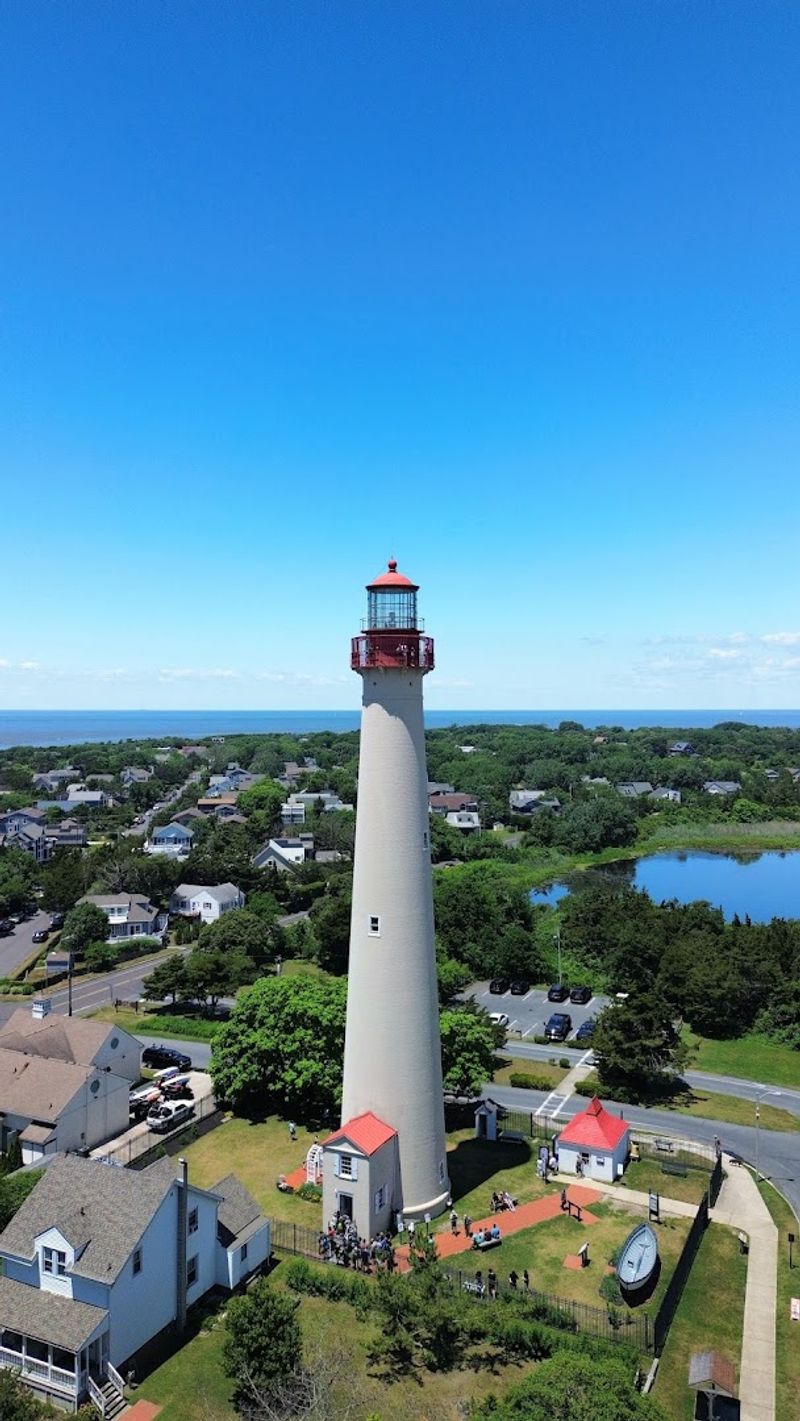
Cape May Point is where birds, butterflies, and birders all converge in one of the most remarkable wildlife spectacles on the East Coast. Every autumn, millions of migratory birds funnel through this narrow peninsula tip before crossing Delaware Bay.
The concentration of species here during migration is genuinely staggering.
The 1859 Cape May Lighthouse stands at the park entrance, offering tours that take you to the top for sweeping views of the coastline. The surrounding trails wind through dunes, freshwater ponds, and coastal scrub habitat, each zone hosting different species.
Monarch butterflies also migrate through here by the thousands in September.
Even outside migration season, the park rewards visitors with beach access, excellent fishing, and some of the most dramatic sunsets on the Jersey Shore. The combination of lighthouse history, wildlife spectacle, and coastal scenery makes Cape May Point one of those rare places that genuinely delivers no matter when you show up.
Tripod Rock, Pyramid Mountain Natural Historic Area in Boonton
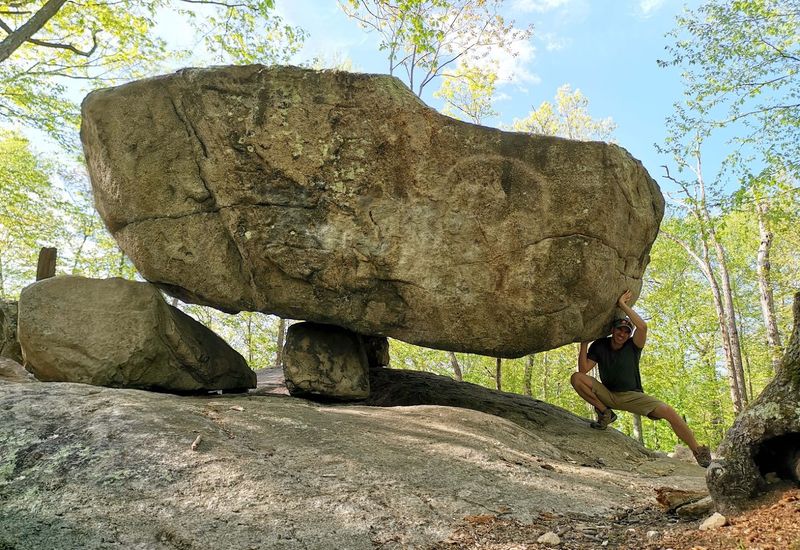
A boulder the size of a small car, balanced perfectly on three tiny rocks, sitting in the middle of a New Jersey forest. That is Tripod Rock, and no, nobody put it there.
Glaciers did, roughly 18,000 years ago, and the result is one of the most visually striking geological oddities in the entire Northeast.
Pyramid Mountain Natural Historic Area protects Tripod Rock along with several other glacial erratics and some intriguing Native American stone structures nearby. Researchers have noted that the rock may have been used as a solar calendar marker by the Lenape people, which adds a serious layer of historical mystery to an already fascinating site.
The hike to Tripod Rock is moderate, covering about three miles round trip through pleasant Morris County forest. The payoff when you round the corner and see that enormous boulder perched impossibly on its three tiny supports is genuinely thrilling.
Even skeptics who hear about it beforehand still gasp a little when they actually see it.
The Palisades, Northeastern New Jersey along the Lower Hudson River
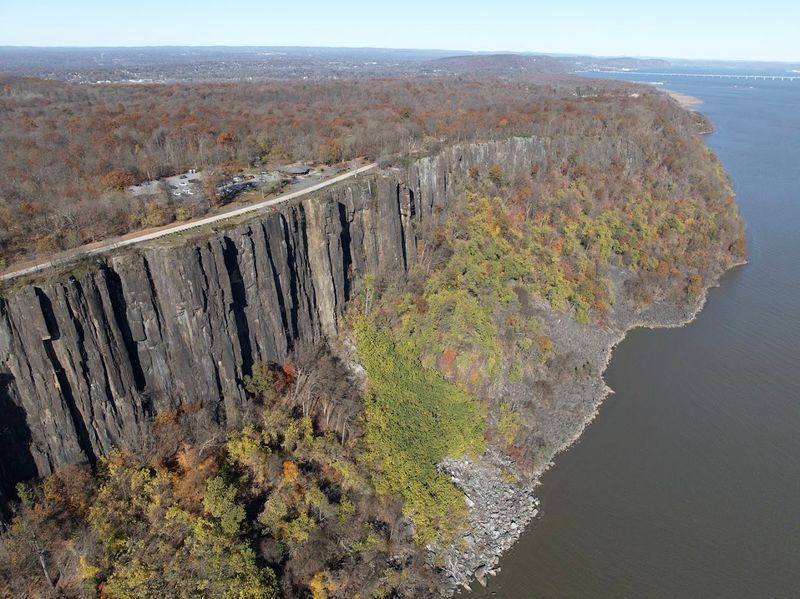
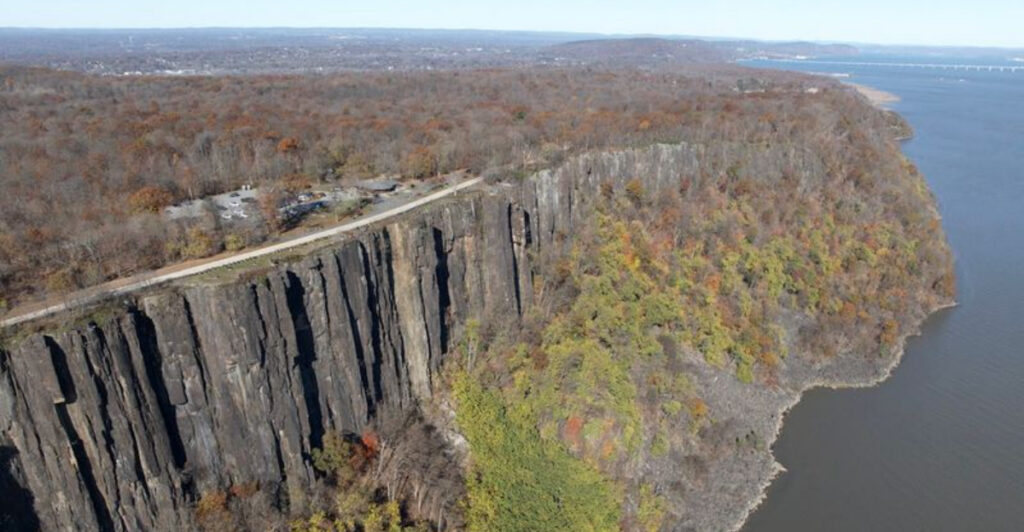
The Palisades are a 200-million-year-old wall of volcanic rock running along the Hudson River, and they are absolutely the most dramatic geological feature in the entire state. These columnar basalt cliffs rise up to 540 feet in some sections, forming a natural fortress that has defined the Hudson Valley skyline for centuries.
The rock formed when magma intruded between layers of sedimentary rock and slowly cooled into those distinctive vertical columns. The result is a cliff face that looks almost too geometric to be natural.
Early Dutch settlers named them “de Palisaden” after the wooden fence-like appearance of the columns.
The Palisades Interstate Park runs along the top of the cliffs, offering trails with stunning river views and access to the Long Path hiking route. The view from the top of the Palisades looking down at the Hudson and across to Manhattan is one of the most underrated perspectives in the New York metro area.
Absolutely worth the effort.
Sunfish Pond, Worthington State Forest in Warren County
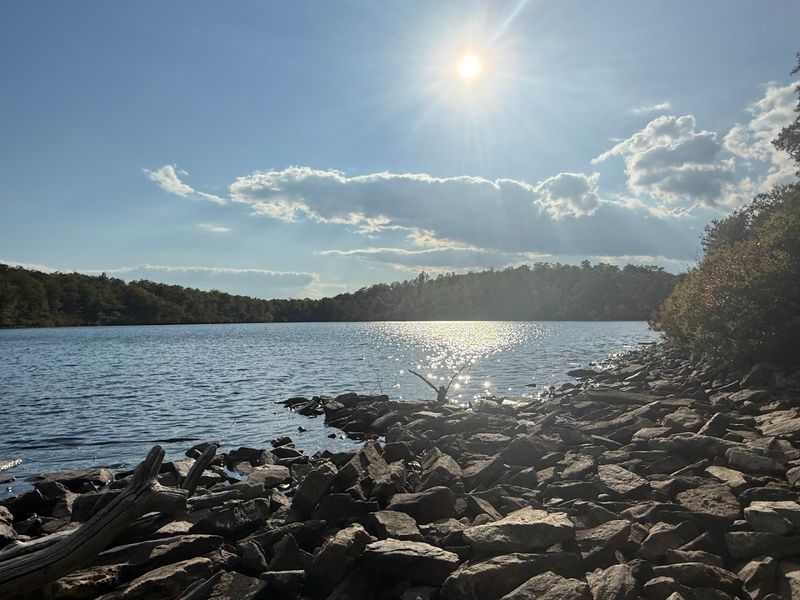
Sunfish Pond earned the nickname “the jewel of the Appalachian Trail” in New Jersey, and that is not marketing fluff. This glacial lake sits at 1,382 feet elevation in Worthington State Forest, completely surrounded by forest with no development in sight.
The water is so clear it almost looks fake.
The pond formed about 12,000 years ago when a glacier carved a depression in the ridge and left behind a kettle lake. It sits right on the Appalachian Trail route, making it a beloved rest stop for thru-hikers and day visitors alike.
The trail around the pond perimeter offers gorgeous views from multiple angles.
Getting there requires a hike of roughly six miles round trip from the main trailhead, which keeps the crowds manageable. The effort level is moderate but the terrain is rocky in sections, so proper footwear matters.
Sunfish Pond is a no-swimming, no-fishing zone, which preserves the pristine quality that makes it so stunning in the first place.
The Pine Barrens, Inland Southeast New Jersey
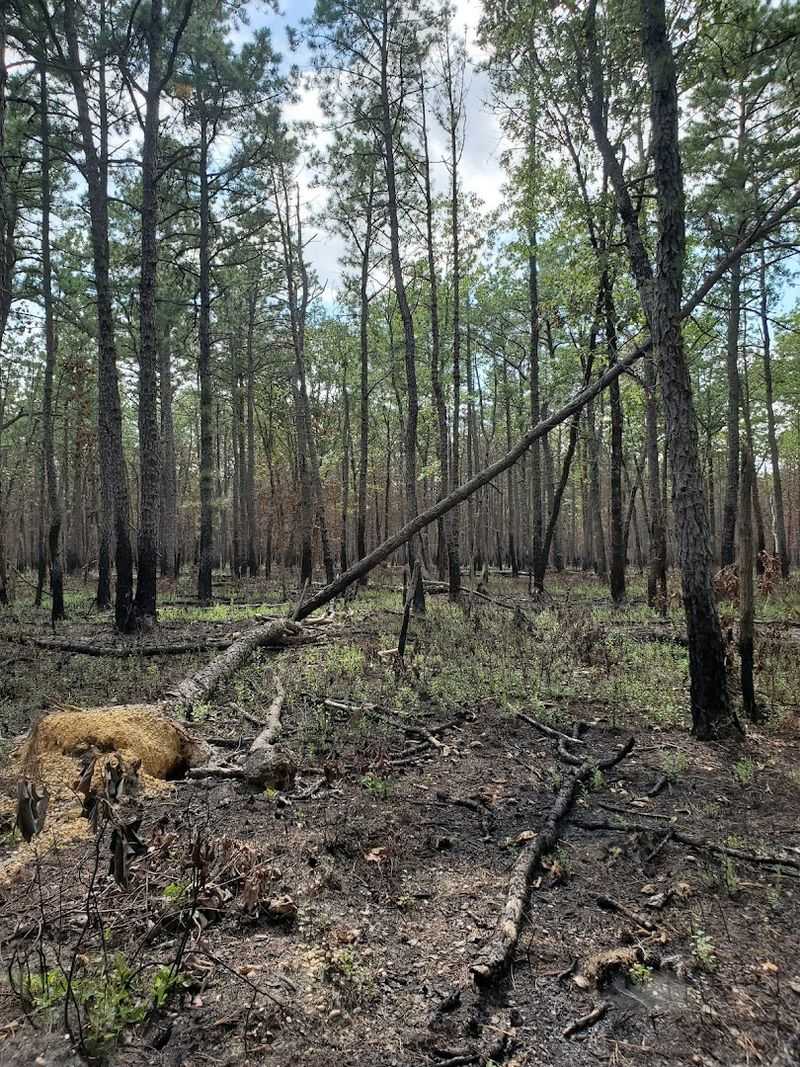
The Pine Barrens cover over one million acres of inland South Jersey, making them the largest tract of open land on the East Coast between Boston and Richmond. That statistic alone should stop people in their tracks.
A million-acre wilderness sitting in the most densely populated state in America is genuinely mind-bending.
The ecosystem here is unlike anything else in the region. Sandy, nutrient-poor soil supports pitch pines, scrub oaks, and rare carnivorous plants.
The cedar streams run dark amber from organic tannins, giving the water an eerie but completely natural color. The region also sits above the Kirkwood-Cohansey Aquifer, holding an estimated 17 trillion gallons of fresh water.
The Pine Barrens are home to over 850 plant species, 39 of which are threatened or endangered. Canoeing the Mullica or Batsto Rivers is one of the best ways to experience the interior.
The silence out here is remarkable, and the landscape has a haunting, prehistoric quality that sticks with you long after you leave.
Share this story