When most people write a will, they stick to the basics: who gets the house, the car, and the savings account. But celebrities?
They tend to do things a little differently. From leaving fortunes to pets to requesting their ashes be fired from a cannon, some of the world’s most famous figures have left behind final wishes that range from heartwarming to truly head-scratching.
Get ready to discover 15 of the most unusual celebrity will requests ever recorded.
1. Leona Helmsley Leaves $12 Million to Her Dog
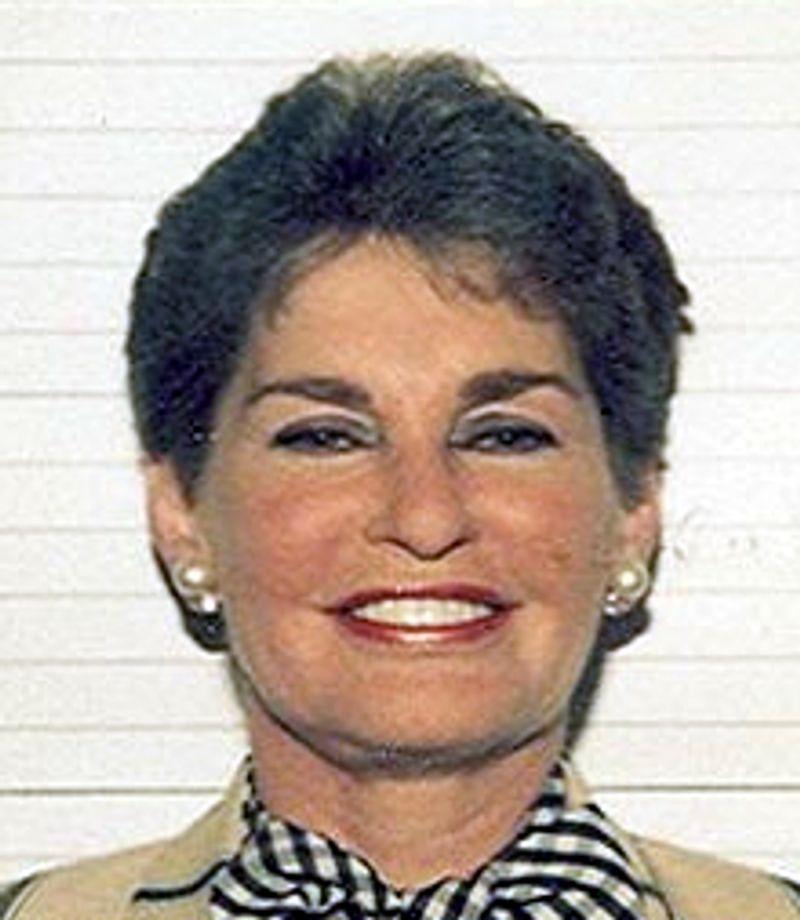
Leona Helmsley, the famously fierce New York hotel mogul nicknamed “The Queen of Mean,” had a soft spot for at least one living creature: her Maltese dog, Trouble. When Helmsley died in 2007, she left $12 million in her will specifically for the care of her beloved pet.
The amount stunned the public and sparked immediate legal debate.
A judge later reduced the trust to $2 million, ruling that the original sum was excessive. Still, Trouble lived out her days in genuine luxury, with round-the-clock security and a full-time caretaker.
The dog reportedly cost more to maintain each year than most Americans earn.
Helmsley left two of her grandchildren out of the will entirely, while two others received money only under strict conditions. Her decision to prioritize her dog over family members made headlines around the world and remains one of history’s most talked-about inheritance stories.
2. Wellington R. Burt’s Multi-Generational Inheritance Delay
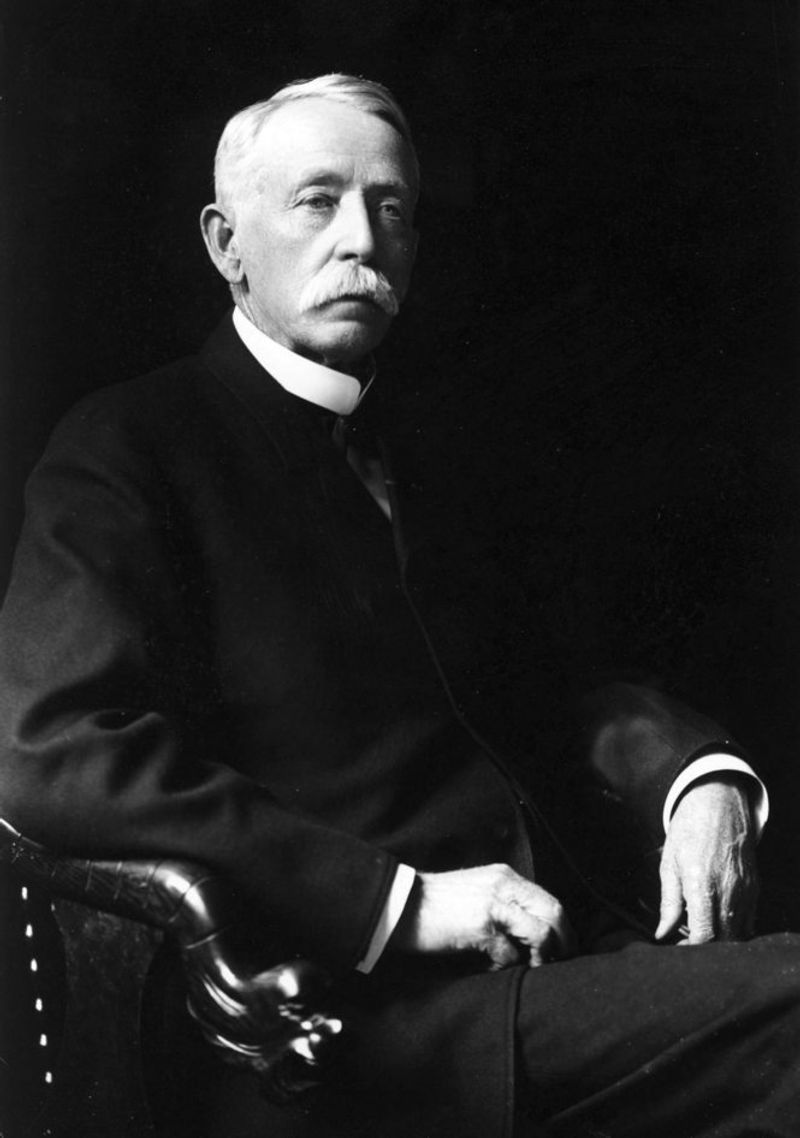
Wellington R. Burt was one of Michigan’s wealthiest men in the early 1900s, having built his fortune through lumber and iron.
When he died in 1919, he left behind a will that may be the ultimate act of financial control: he ordered that his massive fortune not be distributed until 21 years after the death of his last surviving grandchild. That delay stretched the wait all the way to 2011.
By the time the money was finally released, the estate had grown to approximately $110 million. Twelve of Burt’s descendants, many of whom had never even met him, split the inheritance.
Some were in their 90s by the time they received a single cent.
Historians believe Burt was deeply unhappy with his own children and deliberately structured the will to cut them out entirely. His decision turned a personal grudge into a century-spanning legal saga that captivated genealogists and estate lawyers for generations.
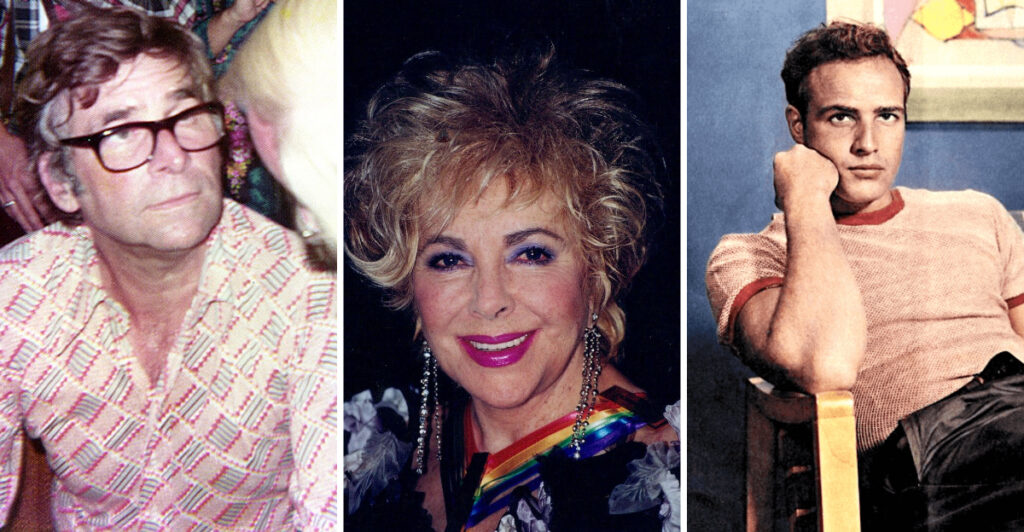
3. Elizabeth Taylor’s Fashionably Late Funeral Request
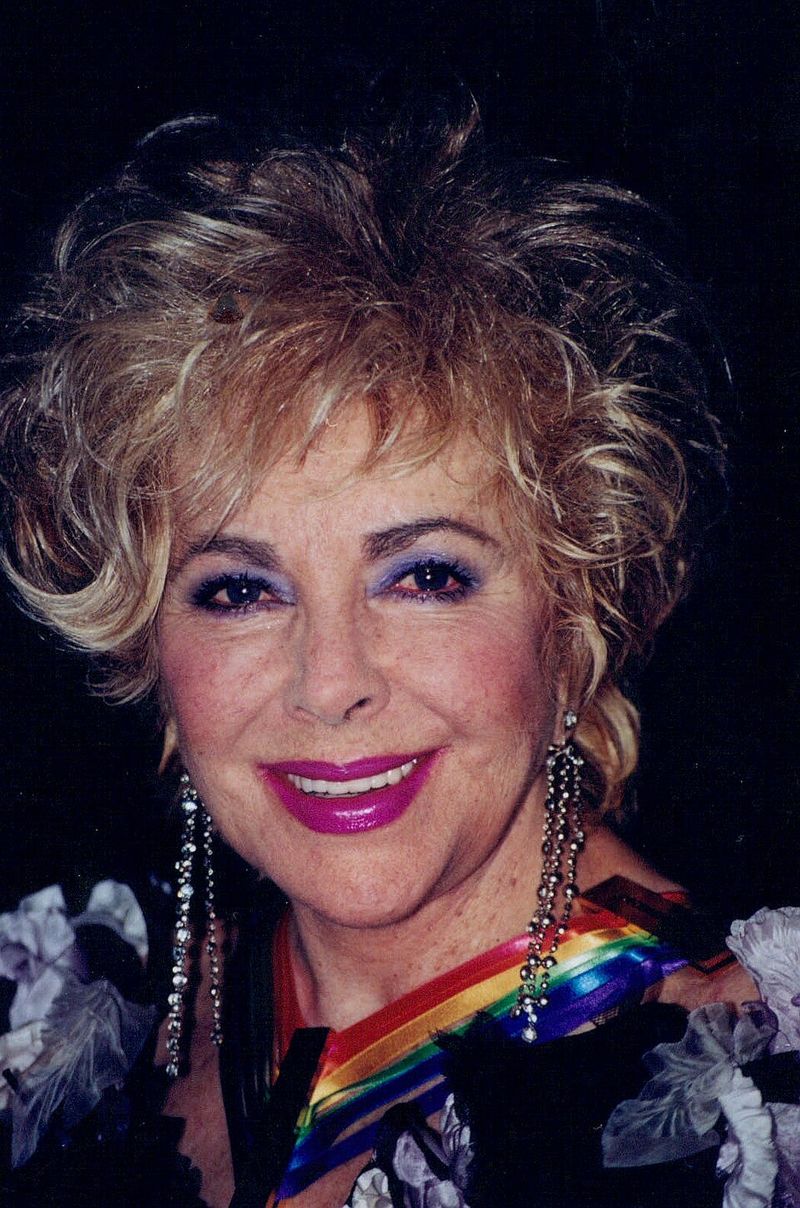
Elizabeth Taylor lived her entire life on her own terms, and she made sure her exit would be no different. The legendary actress, known for her violet eyes and larger-than-life personality, left specific instructions in her will that her funeral should begin exactly 15 minutes after the scheduled start time.
Her reasoning? She wanted to be late one last time.
True to her wishes, her 2011 memorial service at Forest Lawn Memorial Park in Glendale, California, started 15 minutes behind schedule. Guests and family members honored the request, and many said it felt completely in character for Taylor, who was famously known for keeping people waiting throughout her career.
The gesture was widely praised as charming and perfectly on-brand. Taylor had a gift for theatrics, and even in death, she managed to remind the world that she played by her own rules.
It remains one of the most endearing final wishes in Hollywood history.
4. Napoleon Bonaparte’s Hair Distribution Wish
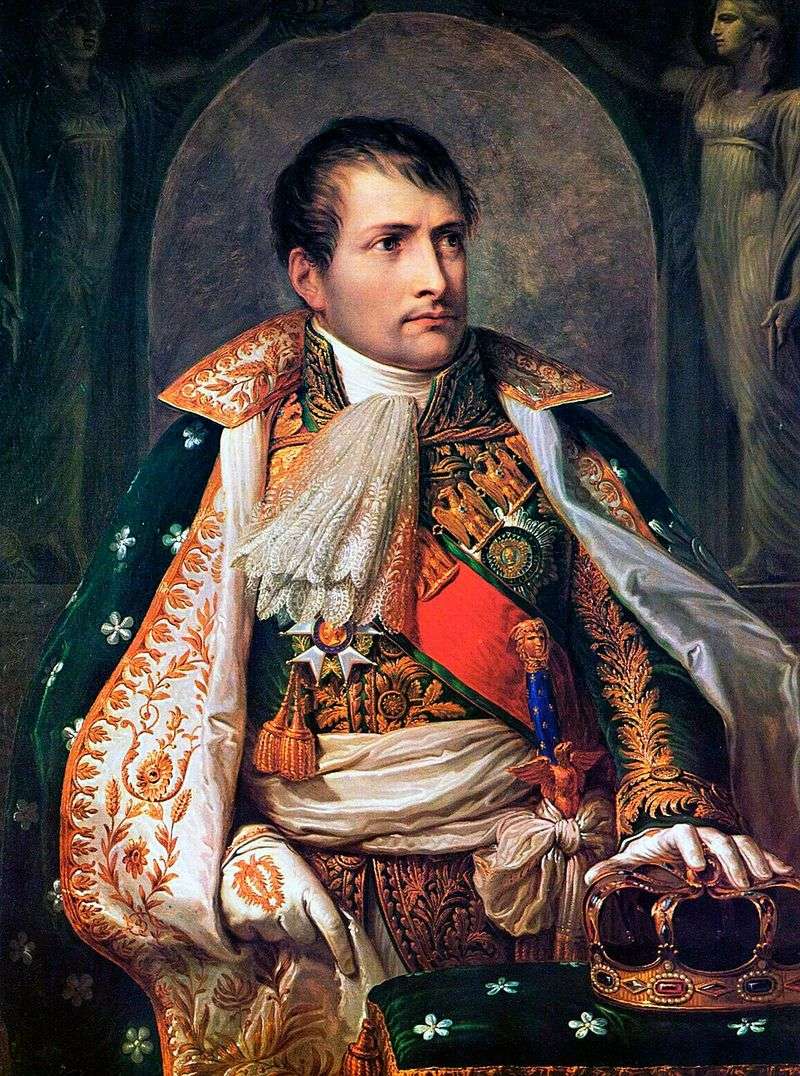
Napoleon Bonaparte may have commanded armies and reshaped the map of Europe, but one of his final wishes was surprisingly personal. Before his death in 1821, Napoleon requested that locks of his hair be cut and distributed among his friends and family as keepsakes.
It was a common mourning tradition of the era, but the sheer number of people he included made the gesture notable.
Hair from Napoleon has since shown up in museums, private collections, and auction houses around the world. Some strands have even been used by scientists to study theories about his death, including claims that he may have been slowly poisoned by arsenic.
The hair samples provided genuine forensic evidence centuries after the fact.
What started as a sentimental farewell turned into a historical treasure hunt. Napoleon’s locks have sold for thousands of dollars at auction, making his parting gift one of the most scientifically and culturally significant final requests in recorded history.
5. Harry Houdini’s Secret Code for the Afterlife
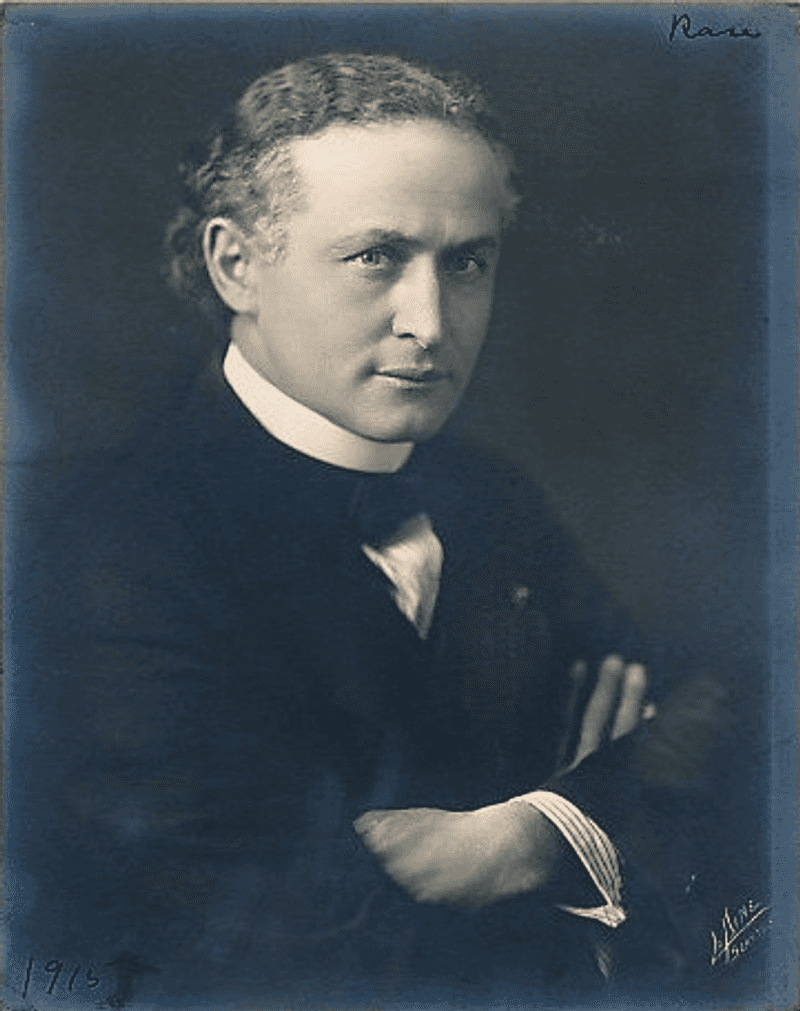
Harry Houdini spent much of his career debunking fake psychics and exposing fraudulent mediums, so it might seem strange that he left behind a secret code in his will. But Houdini, ever the showman, had a plan.
He gave his wife Bess a specific coded message and told her that if communication from beyond death were truly possible, he would find a way to send it through.
After his death in 1926, Bess held annual seances on Halloween for ten years, hoping to receive the secret phrase. No confirmed message ever came, and she eventually declared the experiment over. “Ten years is long enough to wait for any man,” she reportedly said.
The stunt captured the public imagination and blurred the line between magic and mystery in a way only Houdini could manage. His coded will request remains one of the most theatrical and philosophically fascinating final wishes any entertainer has ever left behind.
6. William Shakespeare’s Second-Best Bed Bequest
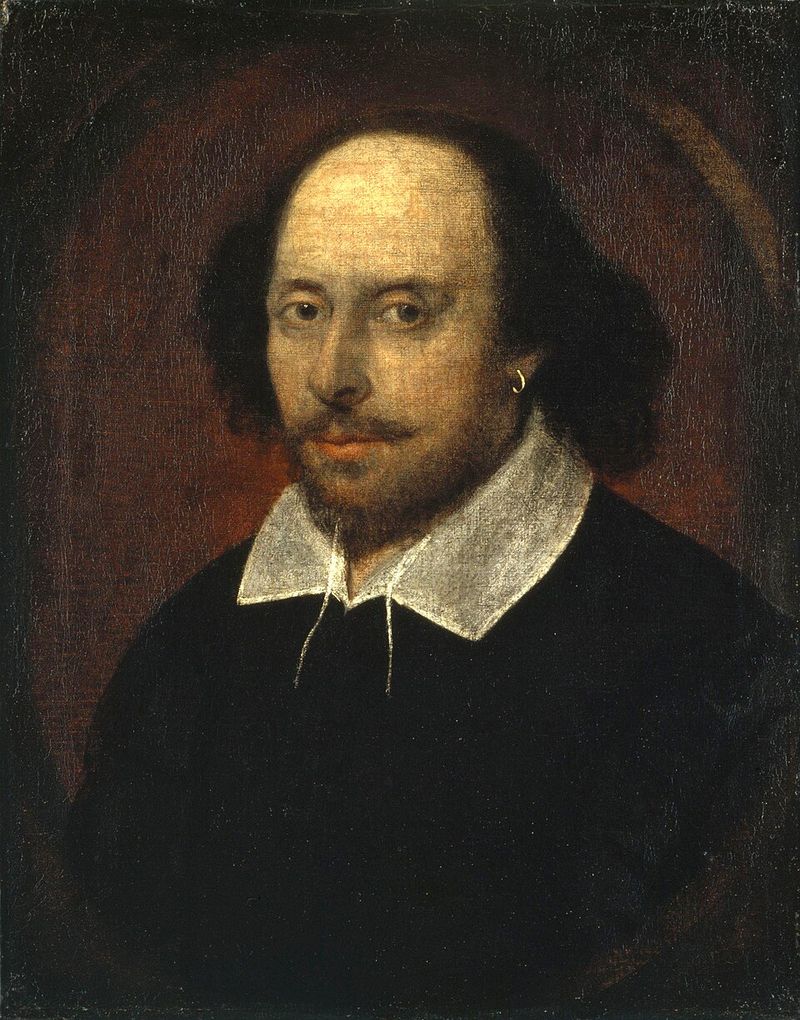
William Shakespeare’s will is one of the most analyzed documents in literary history, and one line in particular has puzzled scholars for centuries. In his 1616 will, the Bard left his wife, Anne Hathaway, his “second-best bed.” The phrasing seems almost like an insult, but historians have debated its meaning ever since.
Some researchers argue the second-best bed was actually the couple’s personal marriage bed, since the best bed in a household was typically reserved for guests. Under that interpretation, the bequest was actually quite intimate and meaningful.
Others believe Shakespeare and Anne had a strained relationship, and the odd gift reflected genuine coldness.
The rest of the estate went to his daughter Susanna, which was standard practice at the time. Regardless of intent, the second-best bed has become one of the most famous items ever mentioned in a will, turning a simple piece of furniture into an enduring literary mystery.
7. Fred Baur’s Ashes Buried in a Pringles Can
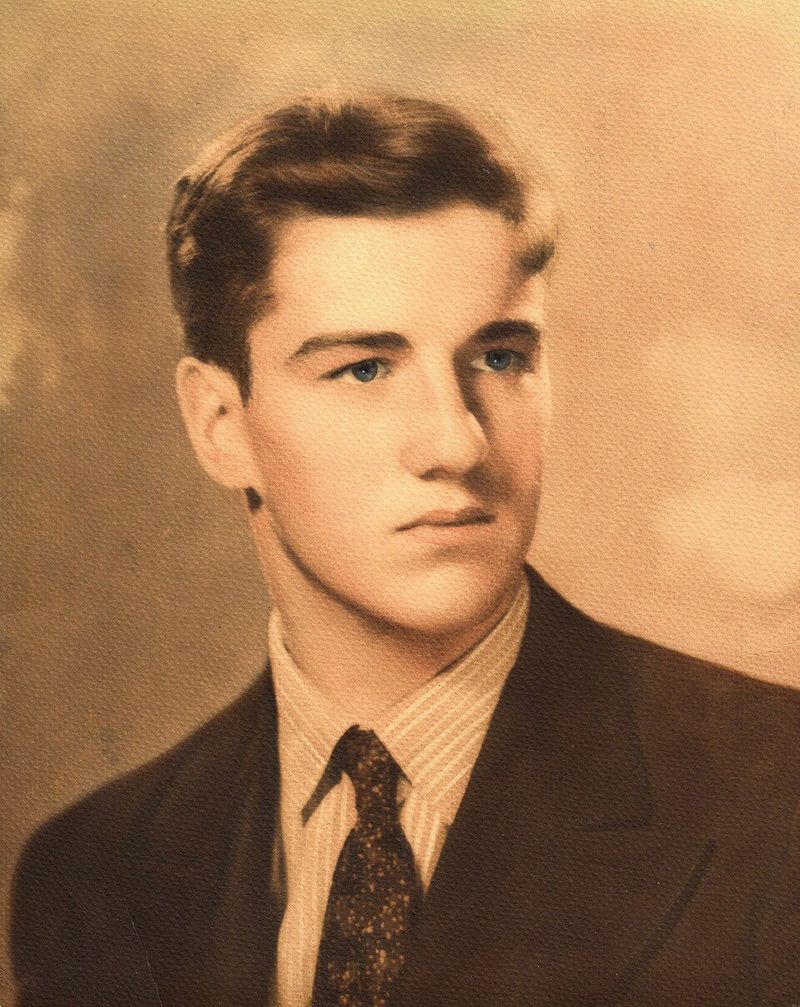
Fred Baur was a chemist and food storage technician who invented the iconic Pringles can in the 1960s. He was so proud of his creation that he asked his family to bury part of his ashes inside one after his death.
His children honored the request in 2008, stopping at a Walgreens on the way to the funeral home to buy the can.
The family reportedly debated which flavor to purchase, ultimately choosing the original. A portion of Baur’s ashes was placed inside the can, which was then buried alongside a traditional urn.
The story went viral after his family shared it publicly, delighting people around the world.
Baur held more than 20 patents during his career and was widely respected in food science circles. But his final resting place inside the very container he helped design gave him a kind of immortality no patent could provide.
It is quirky, touching, and completely unforgettable.
8. Hunter S. Thompson’s Cannon-Fired Ashes Ceremony
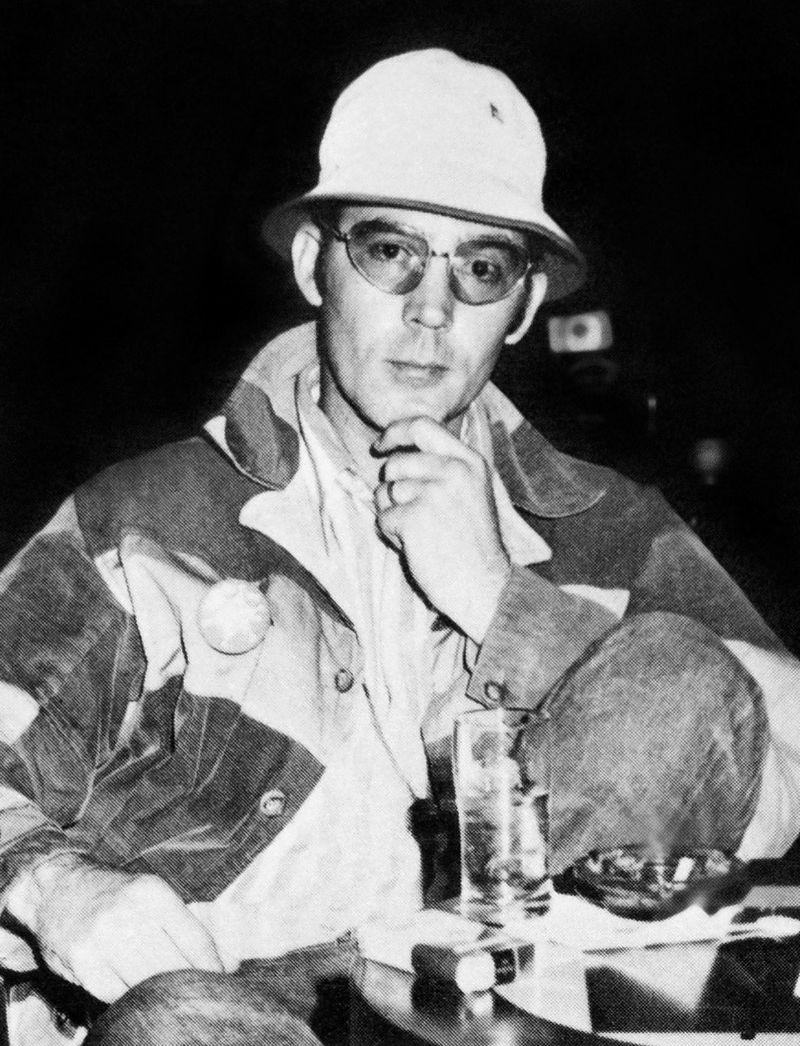
Hunter S. Thompson, the gonzo journalist who wrote “Fear and Loathing in Las Vegas,” lived with the volume turned all the way up.
So it should come as no surprise that he wanted his send-off to match. Thompson requested in his will that his ashes be fired from a cannon after his death in 2005, and his wish was carried out in spectacular fashion.
His close friend and actor Johnny Depp funded the ceremony, which reportedly cost around $3 million. A 153-foot tower was built at Thompson’s Owl Farm ranch in Woody Creek, Colorado, shaped like a double-thumbed fist clutching a peyote button, his personal symbol.
The ashes were blasted into the night sky while Bob Dylan’s “Mr. Tambourine Man” played in the background.
Guests included celebrities, journalists, and longtime friends who gathered to celebrate a life lived without compromise. The event perfectly captured Thompson’s wild spirit and cemented his legend as one of the most unconventional figures in American literary history.
9. Gene Roddenberry’s Ashes Launched Into Space
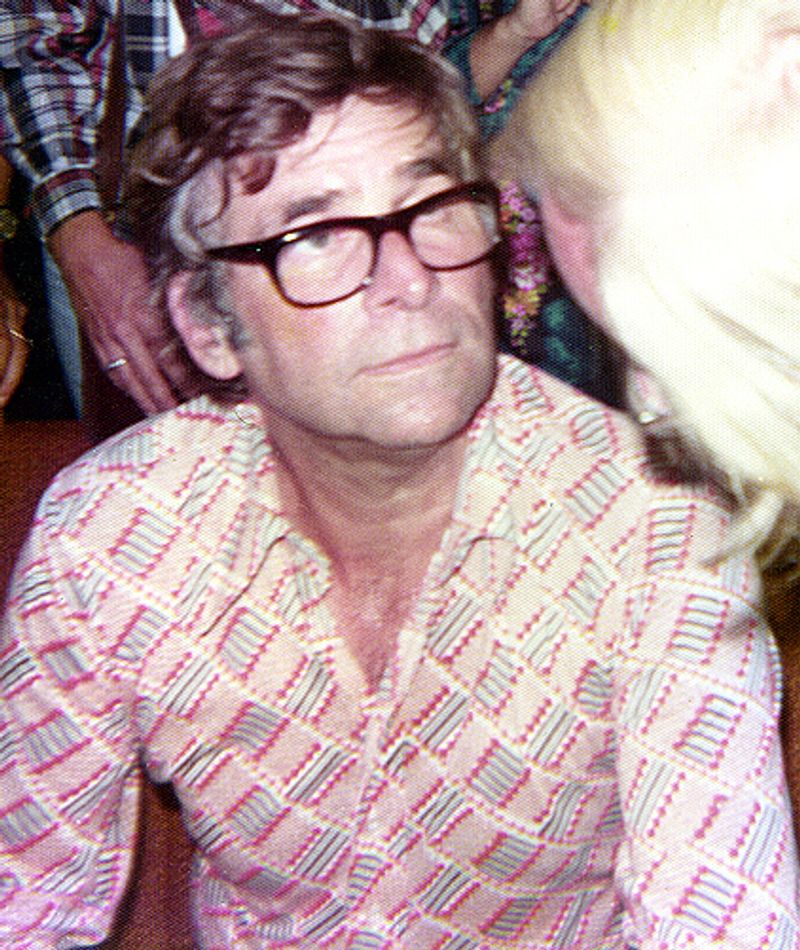
Gene Roddenberry, the creator of “Star Trek,” spent his career imagining humanity’s future among the stars. After his death in 1991, a portion of his ashes was launched into Earth’s orbit aboard a Spanish satellite in 1997, making him one of the first people to have remains sent into space.
It was a send-off that felt written by the universe itself.
The mission was organized by a company called Celestis, which specializes in memorial spaceflights. Roddenberry’s ashes eventually re-entered the atmosphere and burned up, giving him a cosmic farewell that few humans have ever experienced.
His wife Majel Barrett, who voiced the computer on “Star Trek,” had her own ashes launched into space after her death in 2008.
For millions of Trekkies around the world, the gesture felt like the perfect tribute to a man who inspired generations to look upward. Roddenberry’s final journey boldly went where no memorial had gone before.
10. Alexander McQueen’s Generous Bequest for His Dogs

Alexander McQueen was one of fashion’s most brilliant and emotionally complex designers. When he died in 2010, the world mourned the loss of a true creative genius.
But tucked inside his will was a tender detail that revealed another side of the man: he left 50,000 British pounds specifically for the care of his three beloved dogs.
The dogs, a group of bull terriers McQueen adored, were provided for with a level of care that reflected his deep attachment to them. Friends noted that his pets were among his most consistent sources of comfort during difficult periods in his life.
The bequest ensured they would be looked after long after he was gone.
McQueen also left significant sums to various charities, including homeless shelters and arts organizations. But the detail about his dogs struck a chord with the public, humanizing a designer often seen as brooding and untouchable.
It was a quiet, loving act in the middle of a very dramatic life.
11. Charles Dickens Requested a Private, Simple Funeral
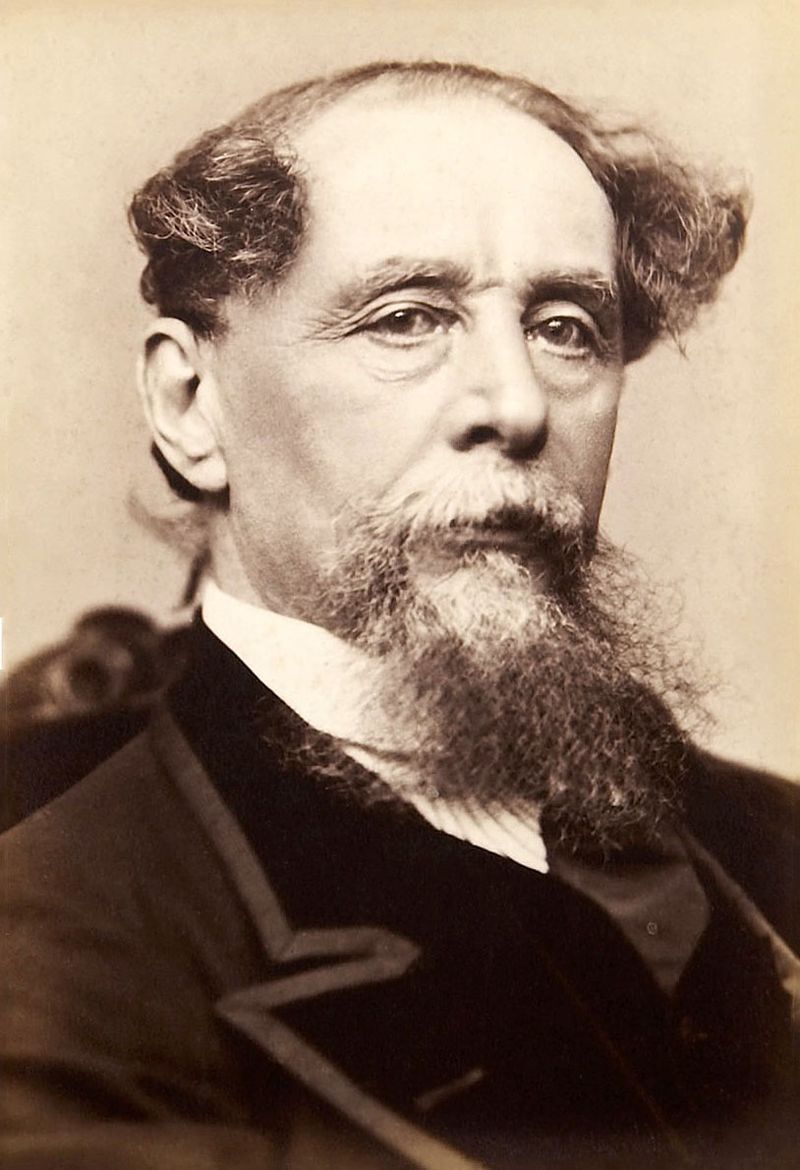
Charles Dickens spent his literary career writing about the poor, the overlooked, and the forgotten. So perhaps it makes sense that he wanted his own farewell to reflect those same values.
In his will, Dickens gave very clear instructions: no public funeral, no elaborate ceremony, and absolutely no fuss. He wanted a quiet, private burial attended by only a handful of people.
He specifically requested that mourners not wear black scarves or cloaks, which were fashionable funeral accessories of the Victorian era. He also asked that his grave not be made into a public attraction.
Despite his wishes, he was buried in Poets’ Corner at Westminster Abbey, a location that inevitably drew public attention.
Dickens understood the gap between what a person wants and what the world decides to do with their memory. His modest final request stood in sharp contrast to the enormous cultural footprint he left behind, a quietly ironic ending for one of literature’s loudest voices.
12. Dusty Springfield’s Elaborate Instructions for Her Cat
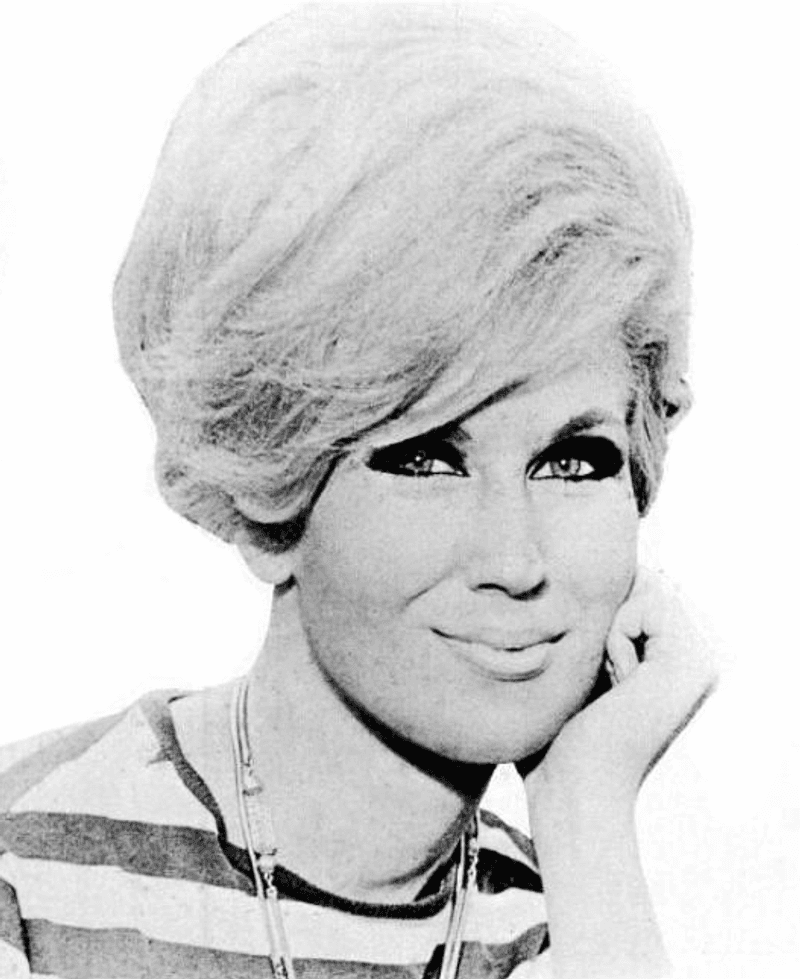
Dusty Springfield, the iconic British soul singer behind “Son of a Preacher Man,” was known for her warmth and her deep love of animals. When she died in 1999, her will included some of the most detailed pet care instructions ever recorded for a domestic cat.
Her beloved feline, Nicholas, was to receive only imported American baby food, specifically the brand she had fed him during her lifetime.
That was just the beginning. Nicholas was also to be serenaded with Springfiled’s own recordings each night and given a specially lined bed for sleeping.
Springfield even arranged for him to be paired with a companion cat to prevent loneliness. She wanted every comfort she had provided in life to continue after her death.
Nicholas eventually went to live with a friend of Springfield’s in the United States. The elaborate care plan drew both admiration and amusement from fans, perfectly capturing the singer’s reputation as someone who loved fiercely and left nothing to chance.
13. Jeremy Bentham’s Body Preserved and Put on Display
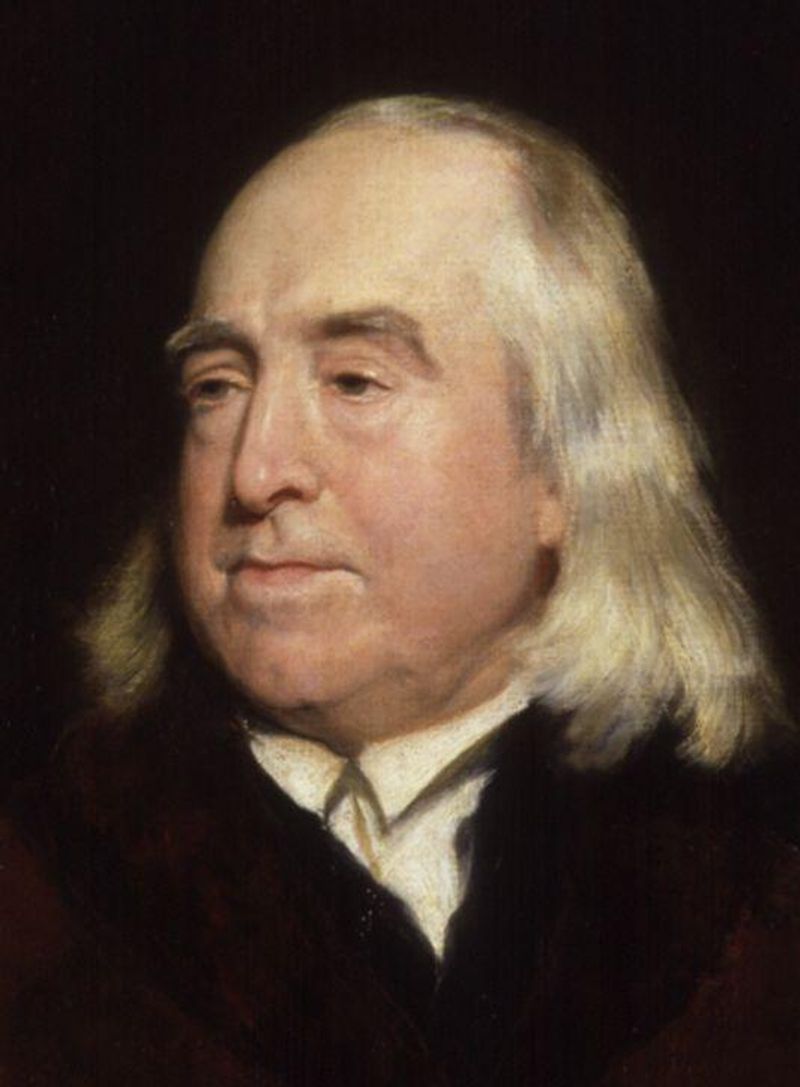
Jeremy Bentham was an 18th-century British philosopher who believed in using everything, including himself, for the greater good. Before his death in 1832, he left detailed instructions for his body to be preserved and displayed as what he called an “auto-icon.” His skeleton was dressed in his own clothes and topped with a wax replica of his head, then placed in a wooden cabinet.
That cabinet still exists today at University College London, where Bentham helped found the institution. Visitors can see it in person, and the auto-icon has reportedly been “present” at several official university meetings over the years, listed in the minutes as attending but not voting.
Bentham’s request was rooted in his utilitarian philosophy: he believed that preserved bodies could serve an educational purpose and reduce the taboo around death. Whether it worked or simply became a curiosity, his auto-icon remains one of the most unusual and enduring final wishes in academic history.
14. Marlon Brando’s Tight Control Over His Name and Image
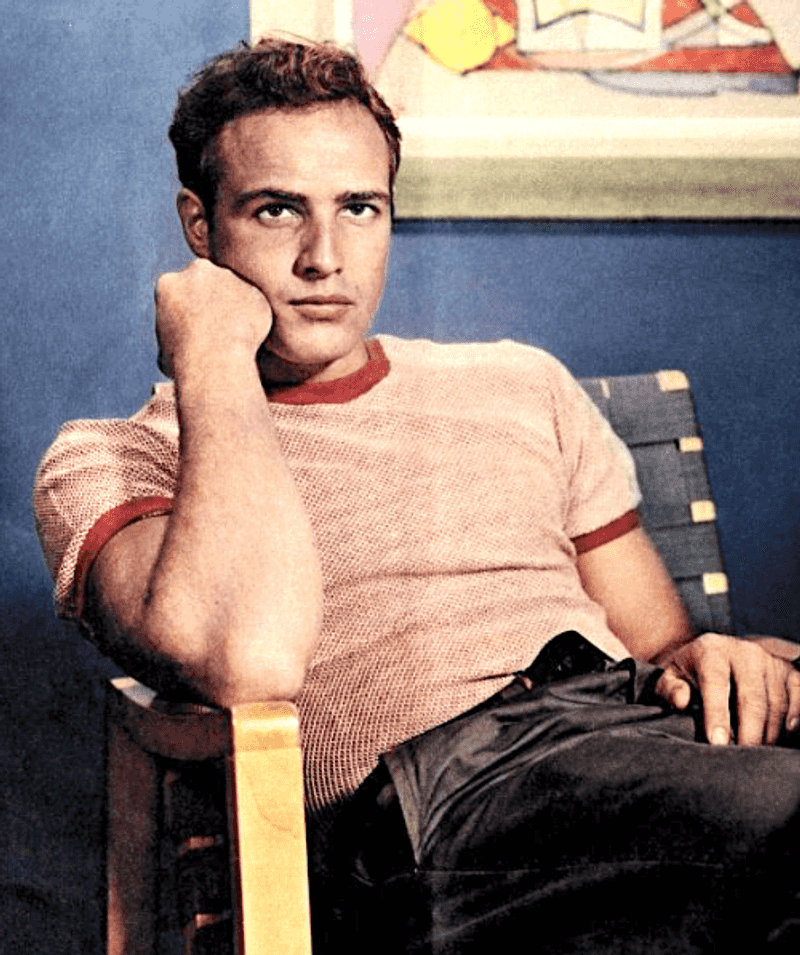
Marlon Brando was fiercely private throughout much of his life, and he carried that protectiveness into death. His will placed strict legal controls over the use of his name, likeness, and image rights after he passed in 2004.
The estate was structured to limit how studios, advertisers, and media companies could commercially exploit his persona without explicit permission and compensation.
Brando’s legacy includes some of cinema’s most iconic performances, from “The Godfather” to “A Streetcar Named Desire.” His estate recognized that his image had enormous commercial value and worked to ensure that value was managed carefully rather than handed over freely. The restrictions were more detailed than most celebrity estates at the time.
Legal experts noted that Brando’s approach set a precedent for how celebrity image rights could be handled posthumously. His will was less about distributing money and more about protecting identity, a final act of control from an actor who always played things on his own terms.
Share this story