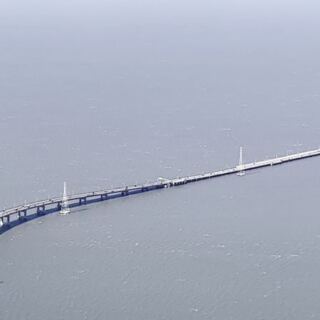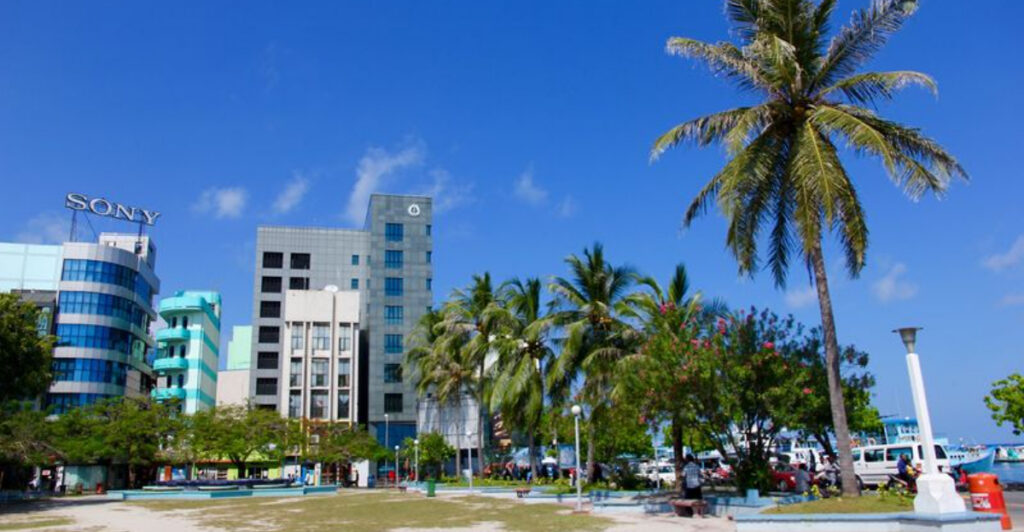
Most people think of the Maldives and picture empty white beaches, crystal-clear lagoons, and overwater bungalows with no neighbors in sight. But there is one corner of this island nation that flips that postcard image completely on its head.
The capital city packs roughly 200,000 people onto a landmass so small that a brisk walk from one end to the other takes about 20 minutes. Yet people keep coming, keep staying, and keep building lives here.
This article breaks down exactly what makes this impossibly compact city so magnetic, from its buzzing fish markets and golden-domed mosques to its surprising affordability and fierce community spirit. By the end, you will understand why this tiny island punches so far above its weight.
A City Squeezed Onto a Speck of Land
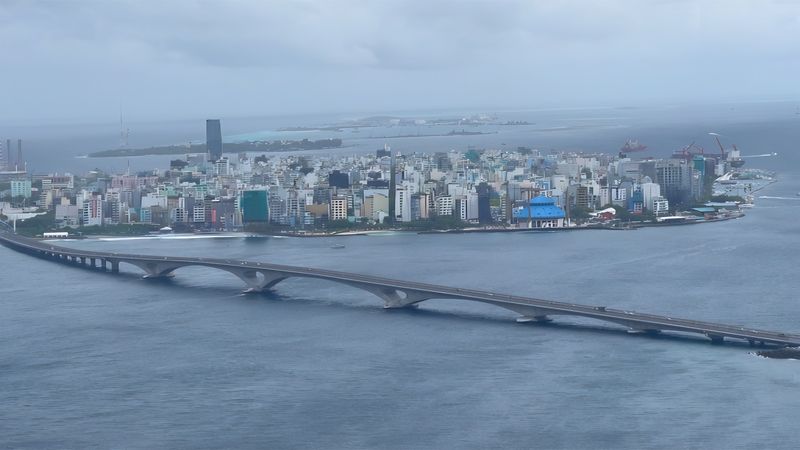
Few capital cities on Earth can be crossed on foot in under half an hour, but Malé, the capital of the Maldives, pulls it off with room to spare. Sitting at roughly 4.17°N, 73.51°E in the Indian Ocean, this island measures only about 5.8 square kilometers in total area.
What makes that number truly jaw-dropping is that approximately 200,000 people call it home, making it one of the most densely populated cities on the planet. Buildings rise as high as zoning allows, and streets are narrow enough that two motorcycles passing each other feel like a tight squeeze.
Every square meter is accounted for, yet the city does not feel chaotic so much as brilliantly organized under pressure. Malé proves that a city does not need to be large to be fully alive and endlessly worth exploring.
The Islamic Centre and Its Unmistakable Gold Dome
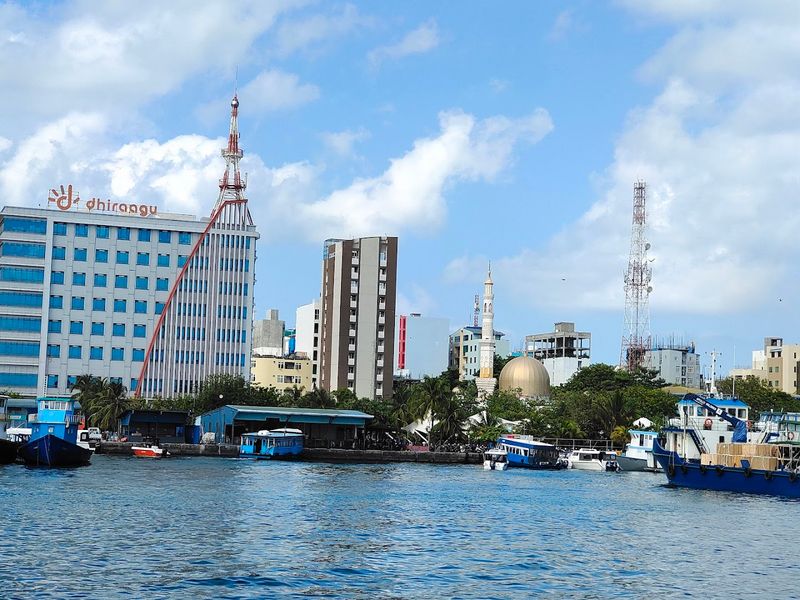
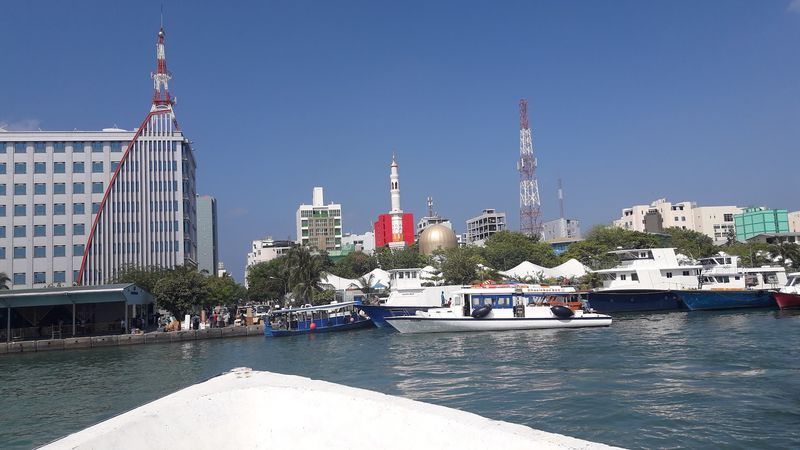
One structure stops almost every first-time visitor in their tracks, and that is the Islamic Centre, officially known as Masjid-al-Sultan Muhammad Thakurufaanu Al Auzam. Its gleaming gold dome rises above the surrounding rooftops like a beacon, visible from the harbor the moment your ferry pulls in.
The complex houses a mosque that can hold up to 5,000 worshippers at once, along with a library and conference facilities. Friday prayers draw enormous crowds, and the sound of the call to prayer echoing across the compact city streets is genuinely moving.
Non-Muslim visitors are welcome to admire the exterior and enter certain areas during non-prayer times, provided they dress modestly. The intricate wooden carvings inside reflect centuries of Maldivian craftsmanship that you simply cannot find anywhere else.
This building is not just a religious site; it is the architectural heartbeat of the entire island.
The Fish Market That Runs the Whole Economy
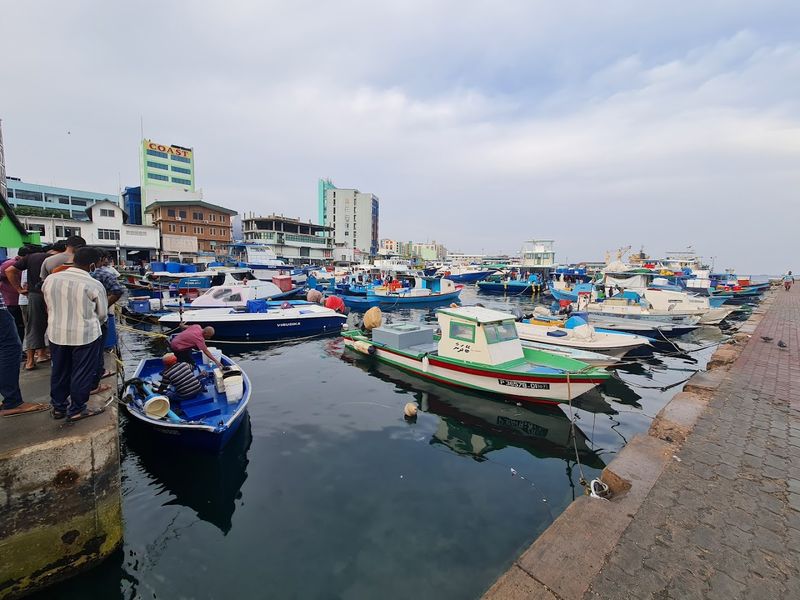
Near the harbor on the northern edge of the island, the fish market operates with the kind of raw, unfiltered energy that no tourist attraction can replicate. Fishermen bring in their catch, which is almost always skipjack or yellowfin tuna, and the trading happens fast and loud.
Tuna is not just a meal in the Maldives; it is the backbone of the national diet and a cornerstone of the local economy. Watching a whole fish get cleaned, sliced, and sold in under two minutes is oddly mesmerizing.
The market is most active in the early morning and late afternoon, so timing your visit around those windows rewards you with the full spectacle. The smell is strong, the pace is relentless, and the colors of fresh fish against weathered wooden stalls make for some of the best unposed photography on the island.
Colorful Buildings and a Street Scene Unlike Any Other
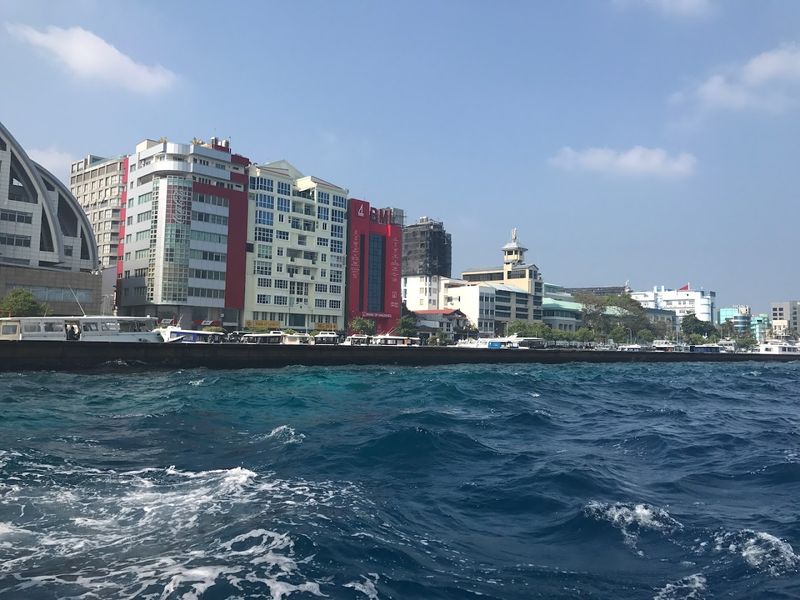
Walk any street in Malé for five minutes and you will notice something refreshing: the buildings here are painted in bold, unapologetic colors. Turquoise walls sit next to sunshine yellow facades, and coral pink balconies overlook streets packed with motorbikes and pedestrians.
There are no high-end shopping malls dominating the skyline here. Instead, small shops sell everything from phone cases to fresh coconuts, and local cafes called hotaa serve short eats, which are fried snacks that locals grab on the go between work and prayers.
The street energy is distinctly South Asian in flavor, with influences from India, Sri Lanka, and the Arab world all mixing together in a way that feels completely natural. Malé has developed its own urban personality over centuries, and that personality comes through most clearly when you slow down and simply walk its narrow, lively lanes.
Why So Many People Keep Moving Here
Despite its extraordinary density, Malé continues to attract migrants from across the Maldivian archipelago and beyond. The reason is straightforward: this is where the jobs, hospitals, universities, and government offices are concentrated.
For islanders living on remote atolls with limited services, relocating to the capital means access to better schools for their children and reliable healthcare for their families. That trade-off is worth the cramped living conditions for hundreds of thousands of people every year.
A significant portion of the population also consists of migrant workers from Bangladesh, India, and Sri Lanka, who fill roles in construction, hospitality, and retail. The city absorbs all of them into a surprisingly functional daily rhythm.
Residents develop an almost choreographed way of sharing space, from the way pedestrians weave around parked bikes to the unspoken rules of who goes first at a narrow intersection.
Produce Markets and Local Food Culture
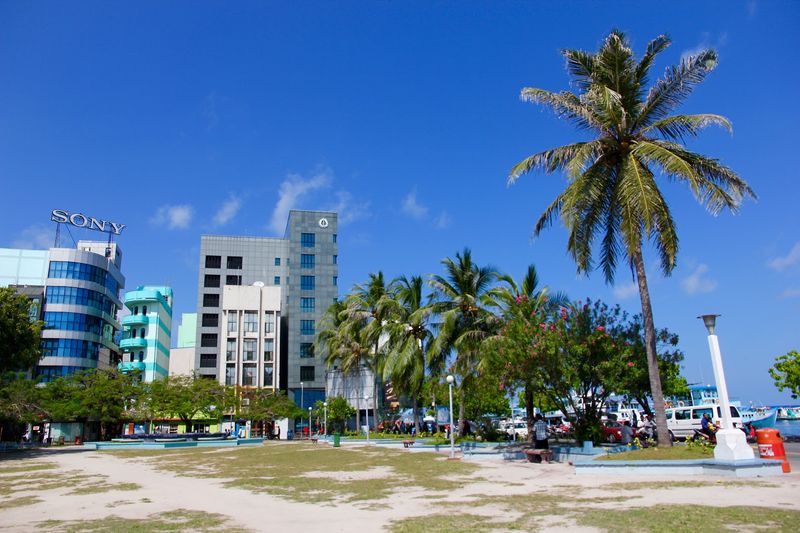
Right alongside the fish market, a produce market stocks a rotating selection of tropical fruit and vegetables that arrive by boat from neighboring islands and from mainland suppliers. Bananas, papayas, breadfruit, and coconuts fill the stalls in vibrant piles.
Maldivian cuisine does not get nearly enough international attention, and the market is a great place to understand what people actually eat day to day. Coconut is a foundational ingredient, appearing in curries, chutneys, and sweet snacks with equal enthusiasm.
Local short eats, available at almost every small cafe near the market, include bajiya, which are fried pastry pockets stuffed with smoked tuna and coconut, and gulha, which are round dumplings with a similar filling. A full snack break costs almost nothing and fuels you for another lap around the island.
Food here is honest, filling, and rooted in generations of island cooking tradition.
The Waterfront Promenade and Harbor Life
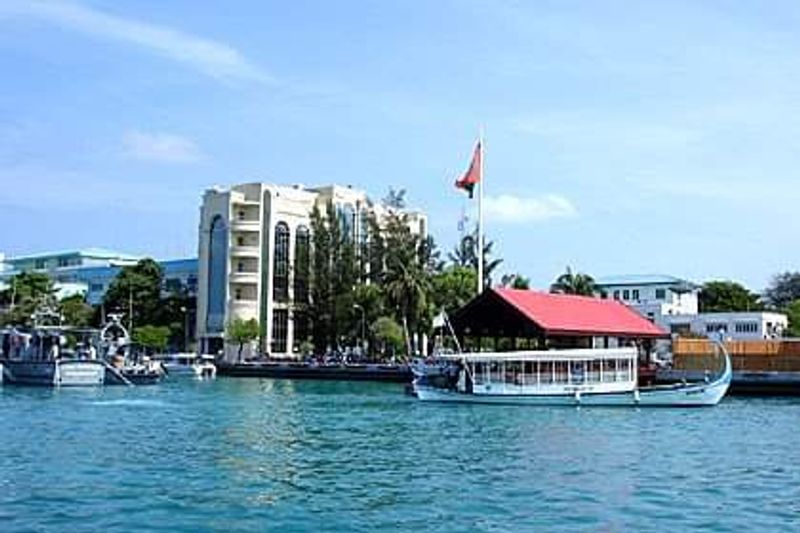
The Rasfannu waterfront area gives the city its only real breathing room, and residents use every inch of it. In the evenings, families spread out along the seawall, kids kick footballs, and older men sit in groups watching the ferry traffic move in and out of the harbor.
Traditional wooden boats called dhonis line the harbor in clusters, their painted hulls bobbing gently on the calm water. These boats have been the primary mode of transport across the Maldivian archipelago for centuries, and they still are.
The harbor is also the departure point for speedboats and ferries heading to the resort islands and outer atolls, so there is constant movement and a mix of tourists hauling luggage and locals heading home after work.
Watching the sun drop behind the city skyline from this promenade is a genuinely peaceful moment in an otherwise relentlessly busy urban environment.
History, Sultans, and the Old Friday Mosque
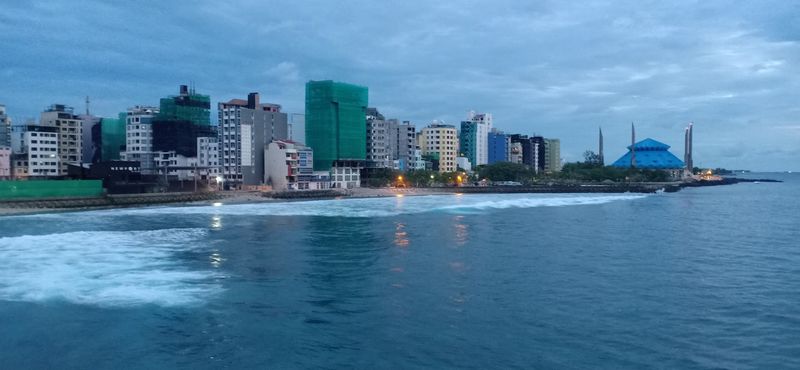
Long before the glass towers and ferry terminals arrived, Malé was the seat of a powerful sultanate that governed the Maldives for centuries. The Old Friday Mosque, locally known as Hukuru Miskiy, was built in 1656 and stands as the oldest mosque in the country.
What makes this structure remarkable is its construction material: coral stone. The walls are covered in elaborate lacquerwork and Arabic calligraphy carved directly into the coral, a technique that required extraordinary patience and skill from the craftsmen who did it.
The adjacent cemetery holds the tombs of former sultans, their carved headstones weathered but still standing after hundreds of years. The whole site sits in the middle of the modern city, a quiet reminder that this small island has a long and layered past.
History in Malé does not sit behind glass in a museum; it stands in the open air, waiting for anyone curious enough to look closely.
Getting Around on Two Wheels and Two Feet
Cars exist in Malé, but they are almost comically impractical on an island this size. The real kings of the road are motorcycles and scooters, which zip through every available gap with the confidence of people who have been doing this their whole lives.
Pedestrians have learned to read traffic the way you read a conversation, picking up on subtle signals and moving accordingly. Crossing a busy street here is less about waiting for a gap and more about committing to a steady pace and trusting that everyone will adjust.
For visitors, walking is genuinely the best way to experience the city. No neighborhood is more than a 15-minute walk from any other, and the most interesting things, the mosques, the markets, the painted walls, tend to reveal themselves only when you slow down and go on foot.
A good pair of shoes and a sense of curiosity will take you everywhere you need to go.
What Makes This Tiny Capital Worth the Trip
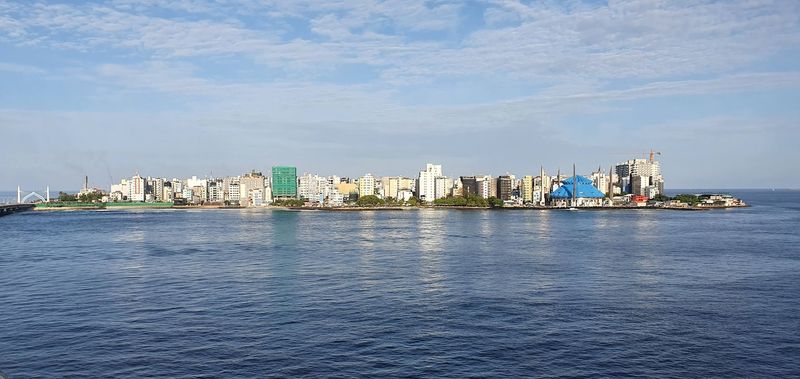
Most travelers treat Malé as a layover city, a place to pass through on the way to a resort island. That is a real miss, because the capital rewards the people who actually stop and pay attention to it.
The contrast between the glossy Maldives of travel brochures and the lived-in, loud, beautifully messy reality of Malé is striking and worth sitting with for at least a full day. This is where Maldivian people actually live, work, worship, argue, cook, and build their futures.
Budget guesthouses have expanded significantly in recent years, making it easier than ever to stay overnight rather than just transit through. Local restaurants serve fresh tuna dishes for a few dollars, and the waterfront is completely free to enjoy at any hour.
Malé is proof that the most compelling travel experiences are sometimes the ones that were never on the original itinerary to begin with.
Share this story