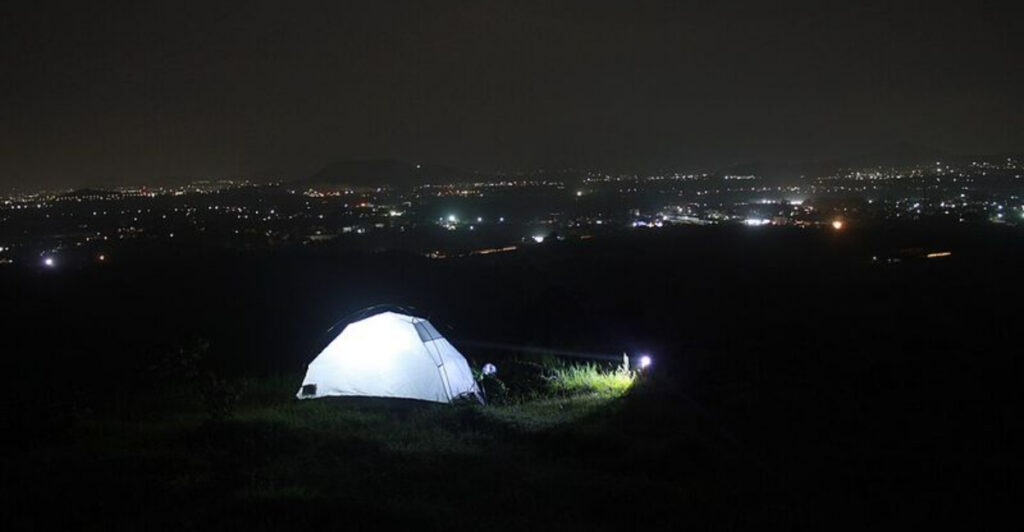
Camping alone sounds like the ultimate adventure, but even the most seasoned outdoorspeople can run into serious trouble without a buddy nearby. Nature is unpredictable, and no amount of experience fully prepares you for every scenario that can unfold in the wild.
From sudden injuries to surprise storms, the risks of solo camping are very real. Before you pack that tent for a solo trip, read through these ten reasons why having a companion could literally save your life.
1. No one to help in an emergency
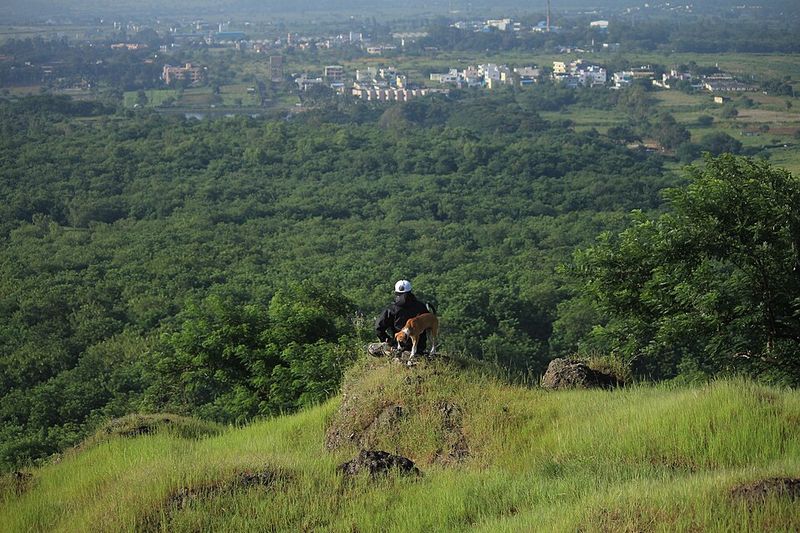
Picture this: you slip on a wet rock, twist your ankle, and suddenly you cannot stand. There is no one around to hear you yell.
That moment of silence is one of the scariest things a solo camper can face.
Injuries happen fast in the backcountry. A bad fall, a deep cut from a knife, or even an allergic reaction can go from manageable to life-threatening without immediate help.
First aid is far more effective when someone else is there to apply it.
Even experienced campers admit that having a partner changes everything during an emergency. You can stabilize a wound, go for help, or simply keep the injured person calm.
Alone, all of those tasks fall to you while you are already hurt. That is a terrible position to be in.
2. No signal = no backup
Dead zones are everywhere in the backcountry. You might have full bars at the trailhead and zero signal just two miles in.
That switch happens faster than most people expect, and it leaves you completely cut off from the outside world.
Without cell service, calling 911 is not an option. Sending a text for help will not go through.
Even apps that rely on GPS need a connection to communicate your location to rescue services.
Satellite communicators like a Garmin inReach can bridge this gap, but they are not foolproof and still require someone to receive your signal. With a camping partner, one person can hike back to a signal zone while the other stays put.
Solo, you have to make that call yourself, often while already in a dangerous situation. That is a tough spot with no easy exit.
3. Wildlife encounters are more dangerous alone
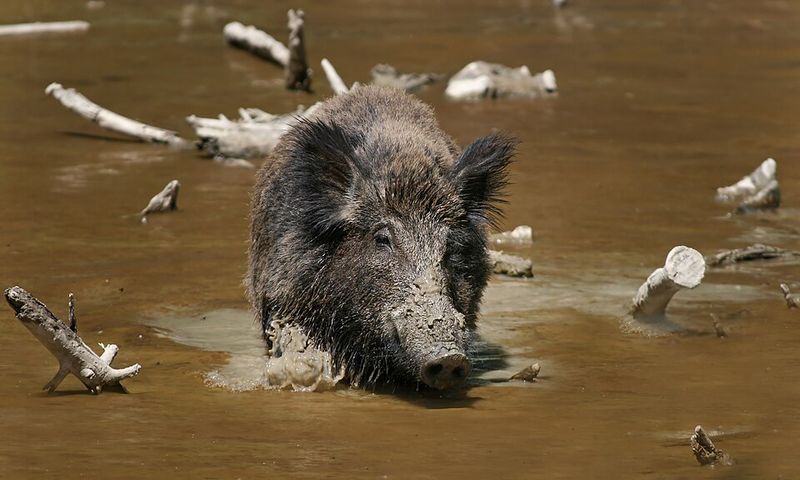
Bears, mountain lions, and even aggressive deer behave differently around lone individuals. Studies on wildlife behavior consistently show that animals are less intimidated by a single person than by a group.
Noise, size, and presence all matter in the wild.
When you are alone, you are easier to surprise. You cannot watch every direction at once.
A group of hikers naturally makes more sound, covers more visual ground, and appears more threatening to most animals.
Solo campers also tend to be quieter and more isolated, which makes them easier targets for curious or territorial wildlife. If a bear does enter your campsite at night, having another person awake and alert can make the difference between a scary story and a real tragedy.
Two voices are louder than one, and in the wild, that volume matters more than you might think.
4. Weather can turn fast
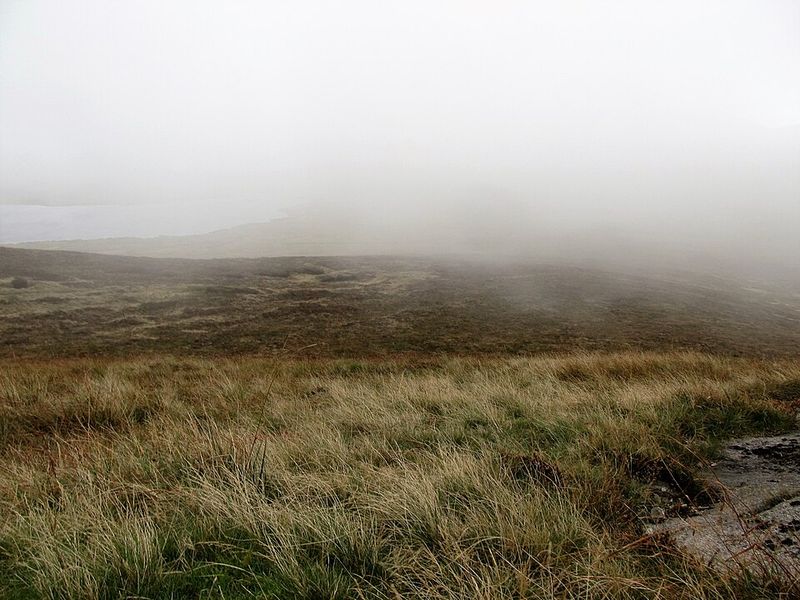
Mountain weather has a reputation for being dramatic, and it earns that reputation regularly. A sunny morning can turn into a violent thunderstorm by early afternoon, especially at higher elevations.
Alone, you have very little room to adapt when conditions shift suddenly.
Hypothermia, lightning strikes, and flash flooding are all weather-related dangers that escalate quickly. A camping partner can help you reinforce a tent, share body heat, or make faster decisions about whether to stay or move to safety.
Solo campers often underestimate how quickly cold or wet conditions drain their energy and judgment. When your core temperature drops, your thinking gets foggy.
That is exactly when you need someone else to step in with a clear head. Shared gear like tarps, extra layers, and warm food also go a lot further when two people are managing them together instead of one person scrambling alone.
5. Getting lost is easier than you think
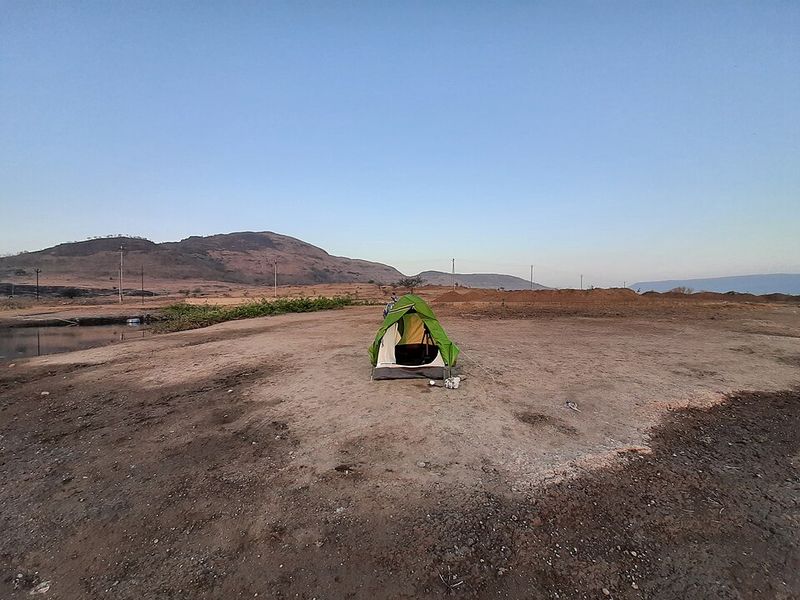
Trails look very different when you are tired, stressed, or moving in low light. What seemed like an obvious path on the map back at camp can become a confusing tangle of unmarked forks once you are out collecting firewood or exploring a side trail.
Getting turned around happens to experienced hikers all the time. The difference is that a companion can help you retrace your steps, remember landmarks, or simply confirm which direction you came from.
Two sets of eyes and two memories are genuinely more reliable than one.
When you are solo and lost, the clock starts ticking immediately. Rescue teams need a starting point to search from, and if no one knows your exact route, that search area becomes enormous.
A partner can go for help while you stay visible. Alone, every wrong decision compounds the problem and eats up precious daylight fast.
6. Campfire accidents happen
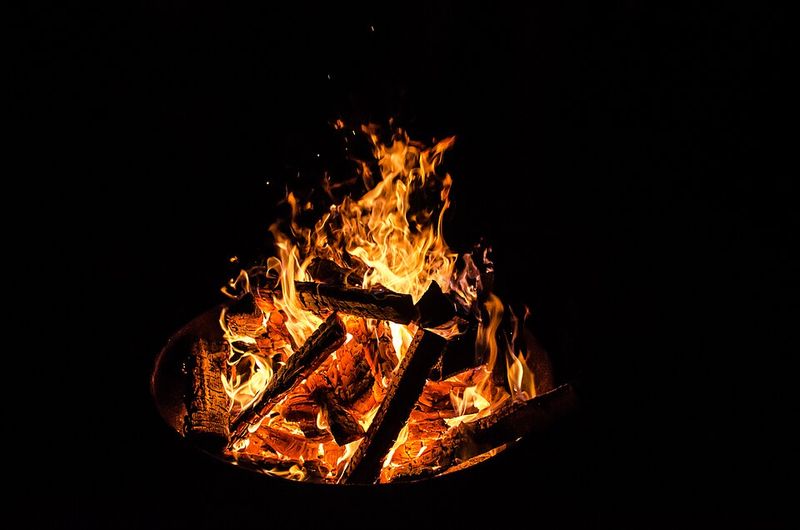
Fire is one of the most useful and most dangerous tools in any camper’s kit. A gust of wind at the wrong moment can send embers into dry brush faster than one person can react.
Burns, smoke inhalation, and uncontrolled wildfires have all started with a campfire that seemed perfectly safe.
Managing a fire alone means you cannot step away to get water, use the bathroom, or sleep without leaving it unattended. With a partner, you can take turns monitoring the fire and responding quickly if something shifts unexpectedly.
Campfire burns are also surprisingly common. Handling hot coals, adjusting burning logs, or simply leaning too close can result in painful injuries that are hard to treat on your own.
A second person can pour water on a burn, help you bandage a wound, or take over fire management while you recover. That kind of backup is worth more than any piece of gear you can pack.
7. Mental strain and fear
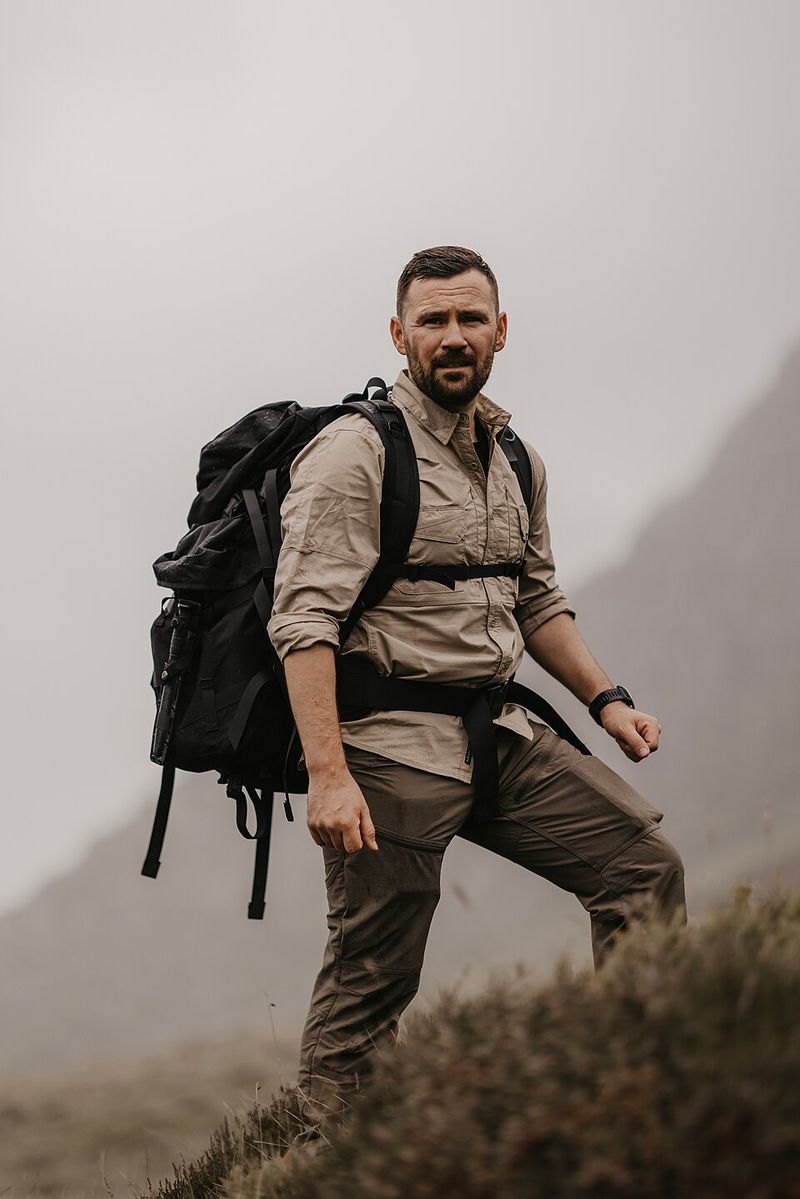
Darkness in the wilderness is a completely different beast from darkness at home. Every snapped twig, every rustling leaf, and every unexplained sound gets your brain working overtime.
That constant low-level anxiety is exhausting, and it builds quickly when you are alone.
Fear is not just uncomfortable. It messes with your decision-making.
Studies show that stress and sleep deprivation, both very common for anxious solo campers, significantly reduce your ability to think clearly and solve problems. That is a dangerous combination in an environment that demands good judgment.
Having a companion does not eliminate fear, but it does share the mental load. You can talk through concerns, take turns keeping watch, and reassure each other when things feel overwhelming.
Solo, your mind has nothing to anchor to except your own thoughts, and those thoughts tend to spiral fast once the sun goes down and the forest gets loud.
8. Resource management mistakes
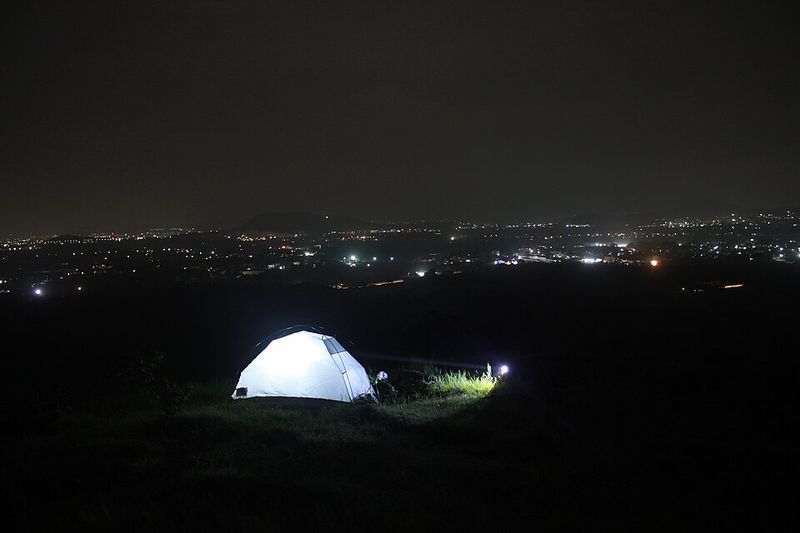
Running out of water in the backcountry is not just uncomfortable, it can become a medical emergency within hours. Solo campers often miscalculate how much water, food, or fuel they actually need, especially when physical exertion is higher than expected on the trail.
Two people planning together tend to pack smarter. One person might remember the water purification tablets while the other packs the backup snacks.
Shared planning catches the gaps that solo preparation often misses. It also means more total supplies if things go sideways.
When resources run low, having a partner means you can ration together and make joint decisions about next steps. Alone, you might push further than you should trying to find water or food, which drains your energy even faster.
Small miscalculations in resource management snowball quickly in remote areas, and a second opinion at the planning stage can prevent a lot of unnecessary suffering on the trail.
9. No one knows your exact location
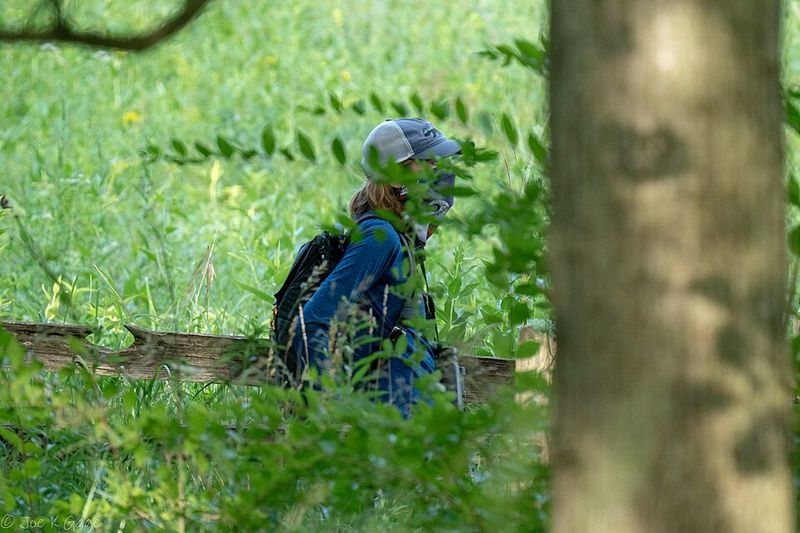
Telling someone you are going camping is not the same as giving them your exact route, campsites, and expected return time. Most solo campers are vague about their plans, which gives rescue teams almost nothing to work with if something goes wrong.
Time is critical in wilderness rescues. The longer it takes to locate someone, the more dangerous their situation becomes.
Search areas measured in square miles take days to cover, and every hour of delay increases the risk of a bad outcome significantly.
A camping partner solves this problem in the most direct way possible. They always know where you are.
If you do not return, they can give rescuers a precise starting point, a detailed route, and an accurate timeline. That information can cut search time from days to hours.
No GPS device or emergency beacon fully replaces the value of a person who was physically there with you the whole time.
10. Small problems become big ones
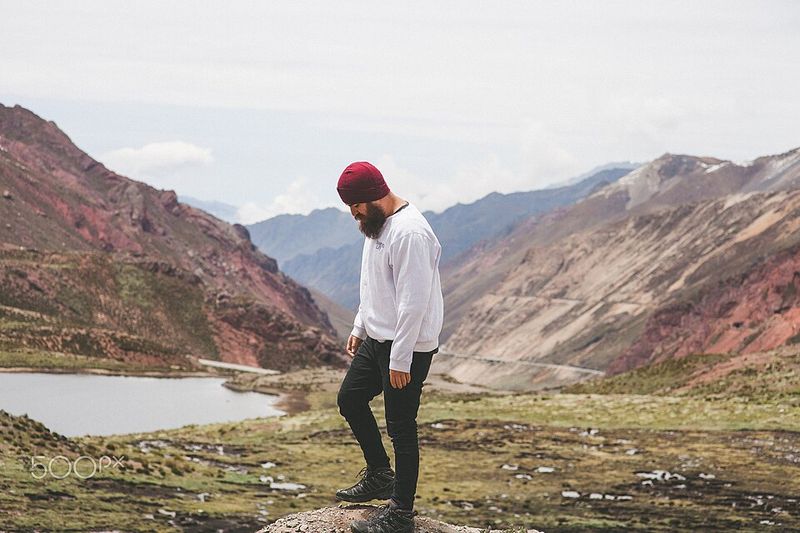
A blister sounds like nothing. Mild dehydration sounds manageable.
One rough night of sleep sounds like a minor inconvenience. Stack all three together on a solo trip, and suddenly you are limping, foggy-headed, and too tired to make safe decisions, miles from the nearest trailhead.
Solo campers have no one to notice warning signs early. A partner might spot that you have stopped sweating on a hot day, a classic sign of heat exhaustion, long before you realize something is wrong.
That early catch can be the difference between resting for an hour and needing a medical evacuation.
Small problems compound fast in the backcountry. What starts as a minor issue can spiral into something genuinely dangerous when no one is around to intervene.
Experienced or not, every camper has a threshold, and pushing past it alone is a gamble that rarely pays off the way you hope it will.
Share this story