There is a state park in northwest Oklahoma where the ground itself seems to come alive, bubbling up cold, clear water from beneath the sandy earth without any explanation that feels satisfying enough. No geysers, no volcanic heat, just a quiet spring that has puzzled and delighted visitors for generations.
The park surrounding it stretches across 820 acres of wooded terrain, offering trails, a swimming pool with a slide, fishing, camping, and enough wildlife to keep your eyes busy the whole time. This is the kind of place that rewards curiosity, and the spring is just the beginning of the story.
Where It All Begins: Location and First Impressions
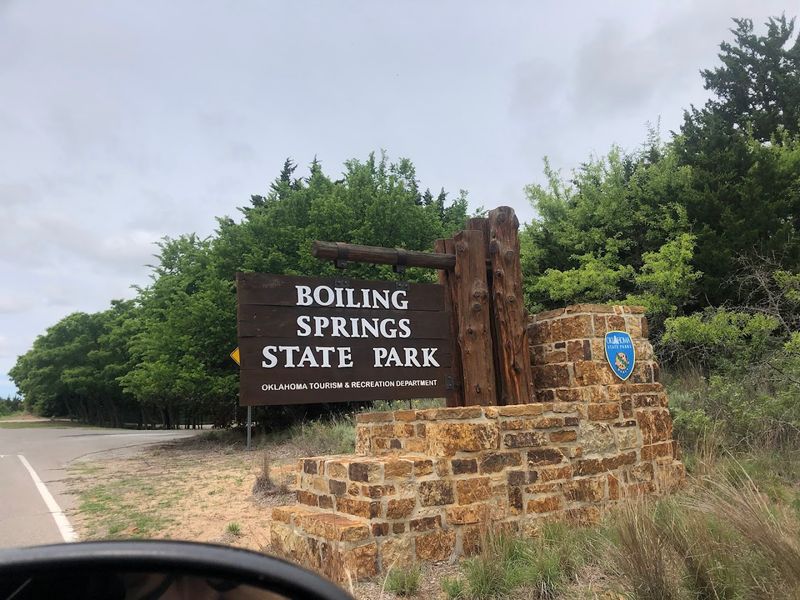
The address alone tells you this place is off the beaten path: 207745 Boiling Springs Rd, Woodward, OK 73801, tucked into the rolling, semi-arid landscape of northwest Oklahoma. Getting there requires a deliberate decision to go, and that effort pays off the moment the park’s tree canopy appears on the horizon.
The contrast hits you fast. Woodward sits in a region known for wide open plains and dry grasslands, so finding 820 wooded acres here feels genuinely surprising.
The park road curves past neatly mowed campgrounds, a sparkling lake, and stands of cottonwood and cedar that provide real shade.
The staff at the park office greet visitors warmly and hand out maps along with local tips for making the most of the area. The gift shop is small but worth a browse.
Rangers patrol the grounds regularly, keeping things orderly without making the atmosphere feel rigid. First impressions here are consistently strong, and the park earns its 4.5-star rating from hundreds of visitors not through flashy attractions but through genuine, well-maintained charm that holds up on repeated visits.
The Mystery Spring: What Is Actually Happening Underground
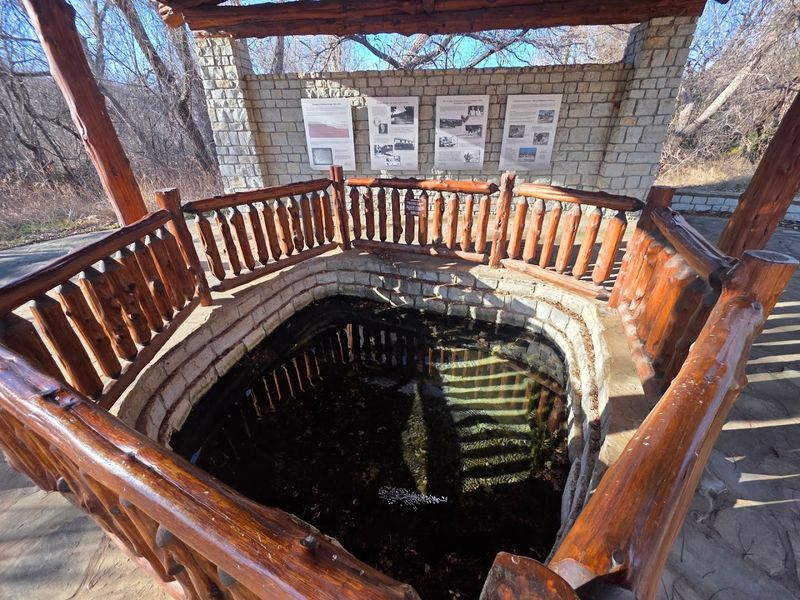
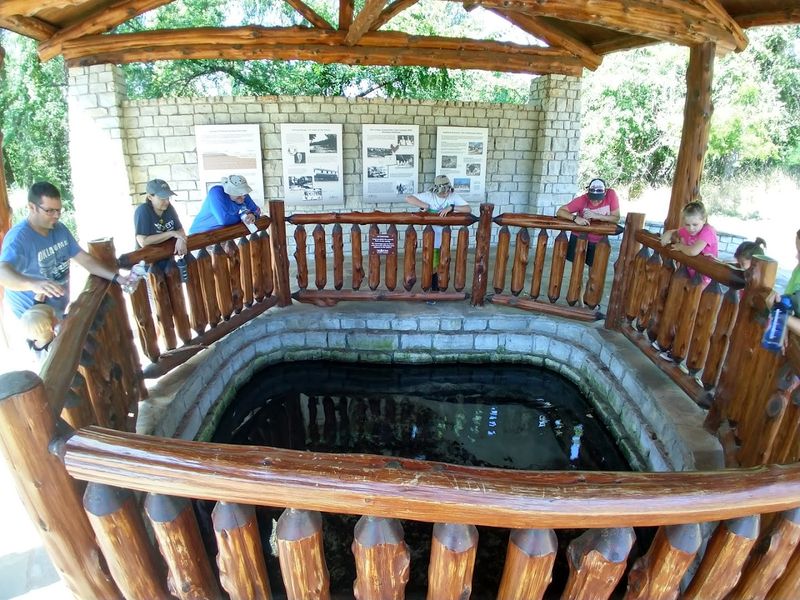
The spring itself sits behind the visitor center, and the first thing most people notice is that the name is technically misleading in the most entertaining way possible. The water is not hot.
There is no steam rising from the surface, no scalding temperatures, and no dramatic volcanic activity beneath your feet.
What you see instead is cold, clear water pushing up through fine sand, creating a constant bubbling effect that looks remarkably like boiling. The movement comes from underground pressure forcing water upward through the sandy soil, causing the sand grains to dance and swirl in a way that mimics a pot on the stove.
This type of spring is called a sand boil or ebullition spring, and they are genuinely rare in Oklahoma. The geological conditions that create this effect require a specific combination of aquifer pressure, soil composition, and topography that does not come together often.
Some visitors feel let down expecting a hot spring, but those who understand what they are actually seeing tend to find it far more fascinating. Nature’s quiet tricks are often the most memorable ones.
A Park With Deep Roots: The History Behind the Land
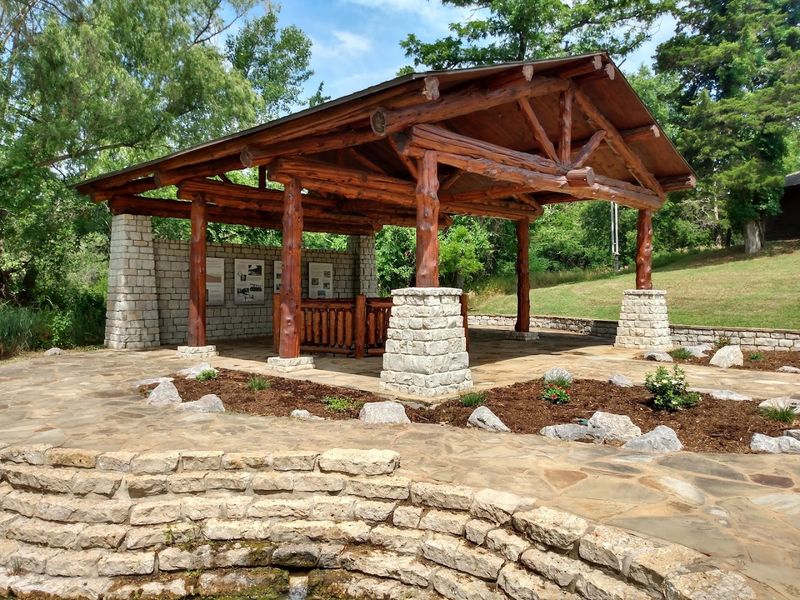
Boiling Springs State Park holds the distinction of being one of Oklahoma’s original state parks, established during the 1930s as part of a nationwide effort to build public recreation spaces during the Great Depression. The Civilian Conservation Corps, known as the CCC, did much of the early construction work here, shaping trails, structures, and facilities with the kind of craftsmanship that has proven remarkably durable.
That history gives the park a layered quality that newer recreation areas simply cannot replicate. You are not just visiting a campground; you are walking ground that generations of Oklahoma families have used for picnics, hikes, and summer swims stretching back nearly a century.
The park’s longevity also reflects how well the spring itself captured public imagination from the very beginning. Early visitors came specifically to see the bubbling water, and that curiosity has never fully faded.
Today the park balances its historical identity with modern amenities like full RV hookups and updated shower facilities, managing to feel both rooted in the past and genuinely functional for contemporary campers who expect reliable infrastructure.
Trail Life: Hiking Through 820 Acres of Unexpected Terrain
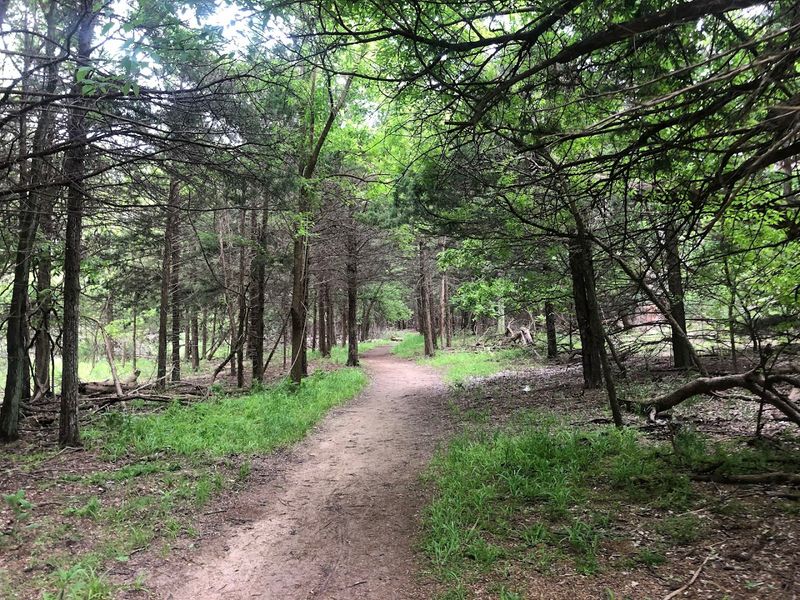
The trail system at Boiling Springs covers a variety of terrain that surprises people expecting flat, featureless walking paths. The park’s wooded sections create shaded corridors where cottonwood, cedar, and native shrubs line the route, giving the hike a quality that feels closer to the eastern United States than the typical northwest Oklahoma landscape.
Trails are rated accessible to hikers of all experience levels, making this a genuinely family-friendly destination. A two-mile loop is popular with day visitors who want to see the main features without committing to a longer outing.
The paths are mowed and maintained, though some sections can get rough depending on the season.
One practical note worth keeping in mind: goathead stickers and sand burrs are present throughout much of the park, especially in grassy areas. Closed-toe shoes are a smart choice for both people and pets.
Dog owners in particular should check their animals’ paws frequently during and after walks. Despite that minor inconvenience, the trails deliver real rewards, including frequent deer sightings, birdsong, and the occasional raccoon or owl spotted near the water.
The wildlife here is abundant and surprisingly unbothered by human company.
Camping Options: From Rustic to Full Hookup
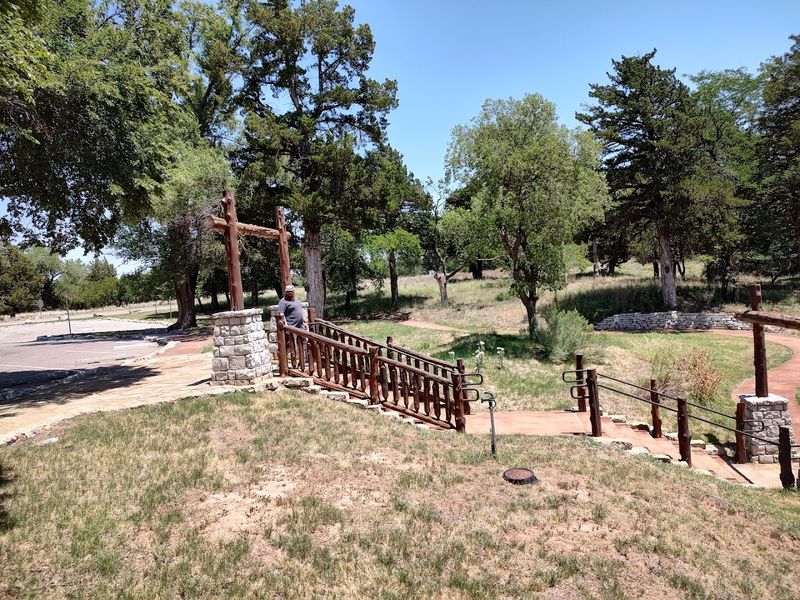
Few state parks in northwest Oklahoma offer the range of overnight options that Boiling Springs provides. The campground system includes modern sites with full hookups for RVs of all sizes, semi-modern sites, and primitive tent spots tucked under the shade of mature trees.
Pull-through sites are available for larger rigs, and some adjoining sites can be reserved together for groups traveling in multiple vehicles.
The Whitetail Loop is one of the main camping areas and includes fire rings, picnic tables, and access to the park’s bathroom and shower facilities. The bathrooms are large, generally clean, and equipped with showers, which is a meaningful upgrade from many primitive camping experiences.
A dump station serves those with self-contained units.
A few things to prepare for: site numbers can be hard to read after dark, so arriving before sunset helps significantly. The sand burr situation mentioned on the trails extends into the campgrounds, so keeping pets on pavement or gravel reduces the sticker problem considerably.
The park fills up during peak season, and voltage can dip slightly when capacity is high. Keeping your fresh water tank topped off is simply good camping practice here, as infrastructure hiccups happen occasionally.
The Swimming Pool: A Crowd-Pleaser With a Slide and Climbing Wall
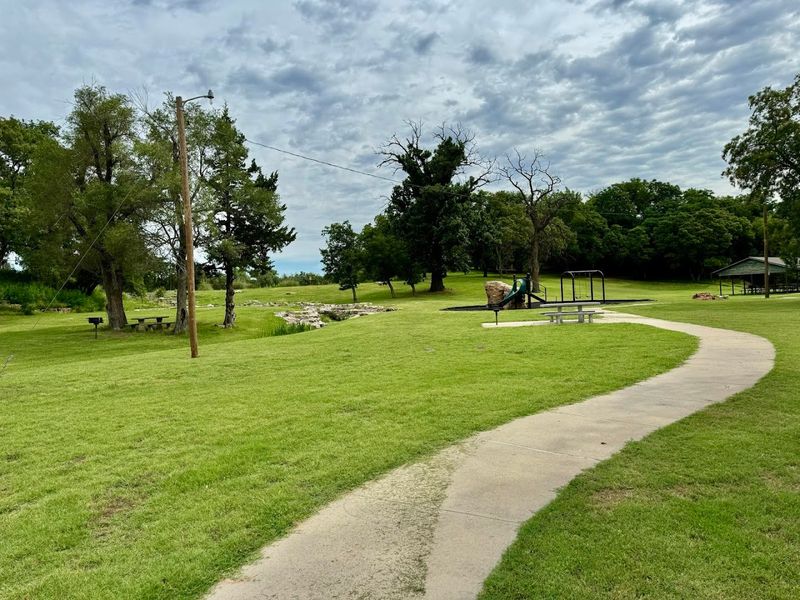
The swimming pool at Boiling Springs is one of those facilities that consistently earns mentions in visitor feedback, and for good reason. It features a water slide and a climbing wall, which moves it well beyond the standard rectangular pool that most state parks offer.
Lifeguards are on duty during operating season, and the pool area stays clean and well-supervised.
Seasonal availability matters here. The pool operates during summer months and closes once the weather cools, so visits in the off-season will not include a swim.
Checking current operating dates before planning a trip around the pool is worth the extra step. That said, even without the pool, the park offers enough to fill a full day.
Families with younger children tend to find the pool the highlight of the visit, especially after a morning of hiking in warm weather. The combination of a slide and a climbing wall gives kids multiple ways to burn energy, and the surrounding area includes shaded seating for adults who prefer to watch from the sidelines.
The pool does not feel overcrowded the way larger, more famous parks sometimes do, which adds to the relaxed, unhurried atmosphere that defines the whole park experience.
Fishing and the Little Lake: Quiet Water With Real Rewards
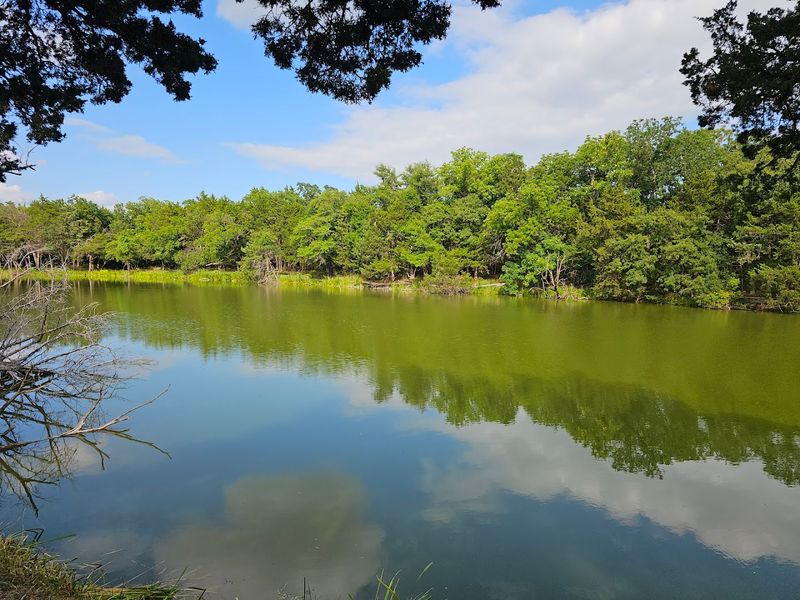
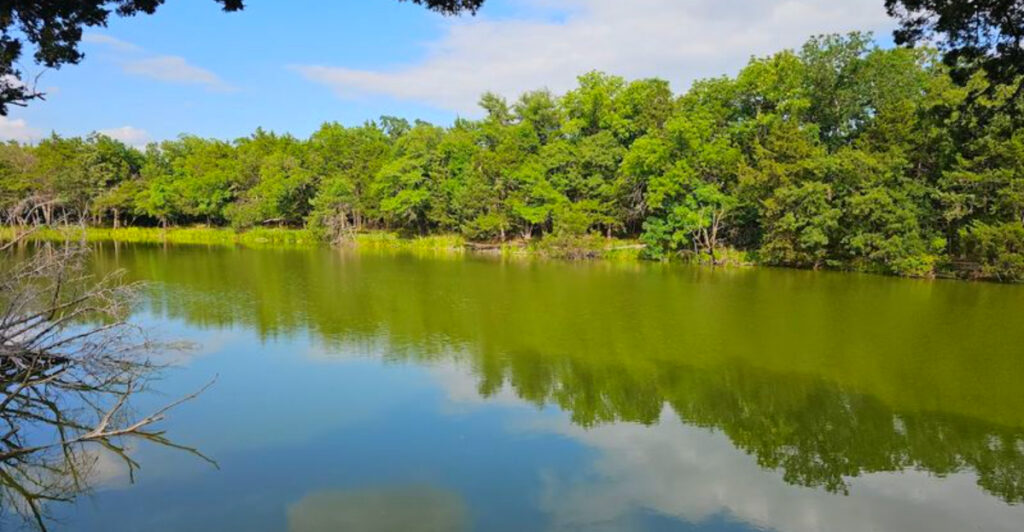
The park’s lake is modest in size but genuinely pretty, with clear water and good flow that keeps it healthy. Fishing is a regular activity here, and the lake supports a population of fish that keeps anglers coming back.
The quiet shoreline makes it an easy place to spend a few hours with a rod and a folding chair, without the noise or competition for space that larger fishing destinations attract.
The surrounding trees reflect off the water on calm days, giving the lake a peaceful, almost meditative quality that contrasts nicely with the more active parts of the park. Visitors who arrive expecting a dramatic reservoir will find something more intimate and approachable instead.
Bringing your own gear is the standard approach, as the park does not operate a full tackle shop on site. A valid Oklahoma fishing license is required for anyone over the age threshold set by state regulations, so checking current rules before casting a line is a sensible first step.
Early mornings and late afternoons tend to be the most productive times on the water, and the wildlife activity along the shoreline during those hours, including deer coming to drink, makes the experience rewarding even on slow fishing days.
Wildlife Watching: Deer, Raccoons, Owls, and More
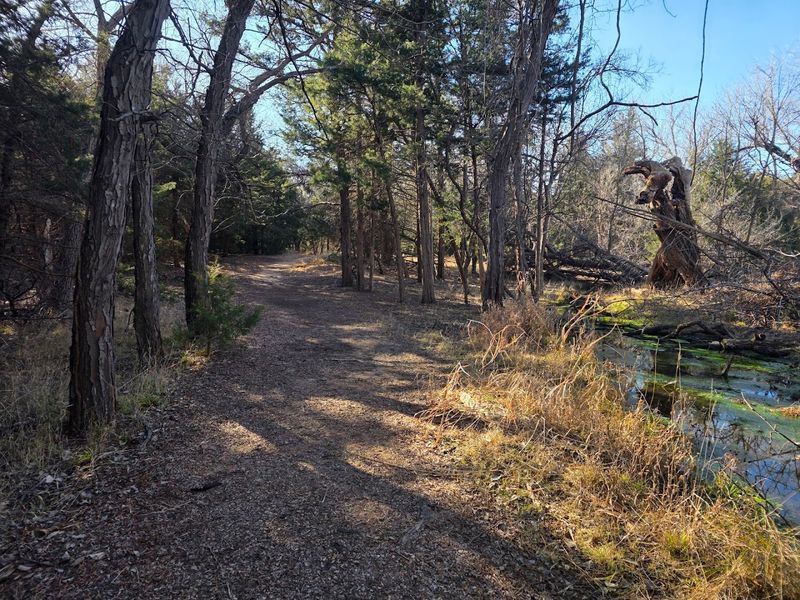
Wildlife at Boiling Springs is not a rare treat saved for lucky visitors. Deer appear throughout the park in numbers that genuinely impress first-timers, grazing near campsites, crossing trails, and wandering through picnic areas with a confidence that suggests they consider themselves the original residents.
Fawns are common in spring and early summer.
Beyond deer, the park hosts raccoons, owls, and a wide variety of bird species that make it a worthwhile stop for anyone who enjoys birdwatching. The wooded sections and water features create the kind of habitat diversity that supports multiple species, and the relatively low visitor volume compared to more famous parks means wildlife is not constantly spooked and hiding.
Bringing binoculars adds a lot to the experience, particularly along the lake shoreline and the shadier trail sections where birds tend to concentrate. Dawn and dusk are the peak activity windows for most of the park’s wildlife, so planning at least one early morning walk or an evening stroll around the campground pays off reliably.
The sheer variety of creatures visible without any special effort or equipment is one of the underappreciated strengths of this particular Oklahoma state park, and it gives the place a living, breathing quality that keeps visits feeling fresh.
Picnicking, Playgrounds, and Group Camping: Built for Families
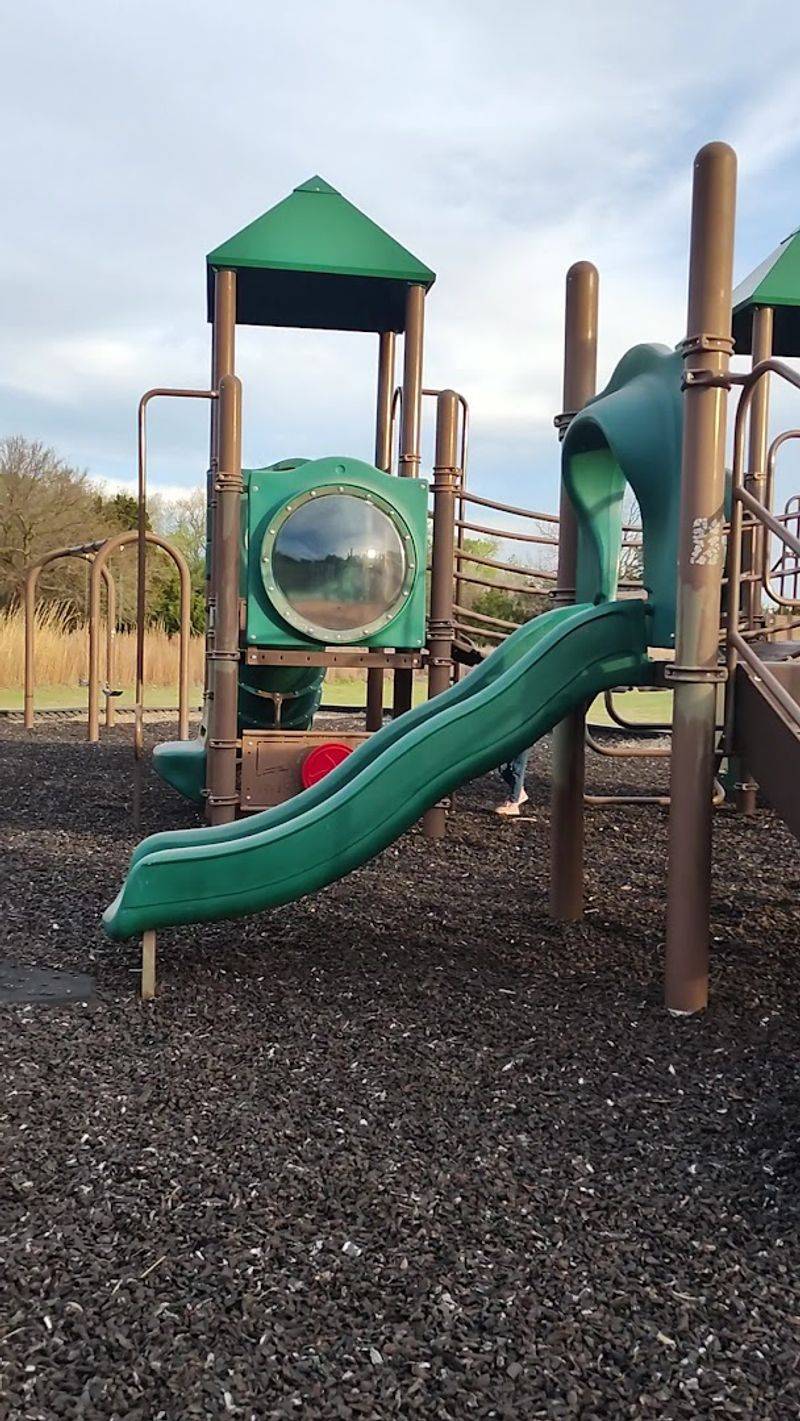
Beyond the trails and the water, Boiling Springs is genuinely set up for families who want a relaxed outdoor day without a lot of logistical complexity. Multiple playgrounds are scattered through the park, well-maintained and popular with younger visitors.
Picnic areas offer shaded tables in spots that feel comfortable rather than exposed, which matters a lot during Oklahoma summers when the sun can be relentless.
Group camping facilities add another dimension to what the park can accommodate. A group camp area reportedly sleeps over 100 people in bunk house style accommodations, making it a viable option for school trips, scout groups, or extended family reunions that want a shared outdoor experience without the hassle of individual tent setups.
The park office and gift shop serve as a natural gathering point for visitors arriving for the first time. Staff members there are consistently described as helpful, knowledgeable about both the park and the surrounding Woodward area, and genuinely welcoming rather than perfunctory.
That human element matters more than people often expect when visiting a state park, and Boiling Springs delivers it consistently. The overall family infrastructure here is thoughtful and complete without feeling overly commercialized or crowded.
Planning Your Visit: Practical Tips and What to Expect
Boiling Springs State Park operates daily from 8 AM to 4:30 PM, and the park office can be reached at 580-256-7664 for reservations or questions. The official website at travelok.com provides current information on cabin availability, campsite booking, and pool schedules, which shift seasonally.
Parking fees apply at most activity areas within the park, so bringing a few dollars in cash or a card is useful.
The park sits close enough to Woodward to make supply runs easy if you forget something, and the town offers grocery stores, fuel, and restaurants for those who want a break from camp cooking. The surrounding northwest Oklahoma region also includes other natural attractions like Alabaster Caverns and Gloss Mountain, making Boiling Springs a practical base for a longer regional road trip.
Late spring through early fall is the most popular window, with summer bringing the full range of amenities including the pool. Fall visits in October and November are quieter, with most seasonal facilities closed but hiking, picnicking, and wildlife watching still fully available.
Arriving with realistic expectations about the spring itself, a cool, bubbling curiosity rather than a dramatic hot spring, ensures the visit lands exactly as satisfying as it deserves to be.
Share this story