There is a paved trail in north-central Florida where you can pedal through open prairies, watch wild bison graze in the distance, and hear horses whinny from across a marsh, all while rolling along a path that used to carry freight trains. The Gainesville-Hawthorne State Trail stretches 16 miles through some of the most quietly spectacular scenery the Sunshine State has to offer.
It connects a lively college city to a small rural town, passing through flatwoods, wetlands, and one of the most biologically rich prairies in the entire country. Whether you ride the whole thing or just a few miles out and back, this trail delivers the kind of outdoor experience that makes you want to cancel your afternoon plans and stay until sunset.
The Trail’s Railroad Roots and History
Long before cyclists and joggers claimed this path, it was a working railroad corridor that connected communities across Alachua County. The Gainesville-Hawthorne State Trail was built on the former bed of the Gainesville and Gulf Railway, which once hauled timber, phosphate, and agricultural goods through this part of north-central Florida.
When the rail line was abandoned, the corridor was preserved and converted into a recreational trail, a process known as rail-trail conversion that has created hundreds of similar paths across the United States.
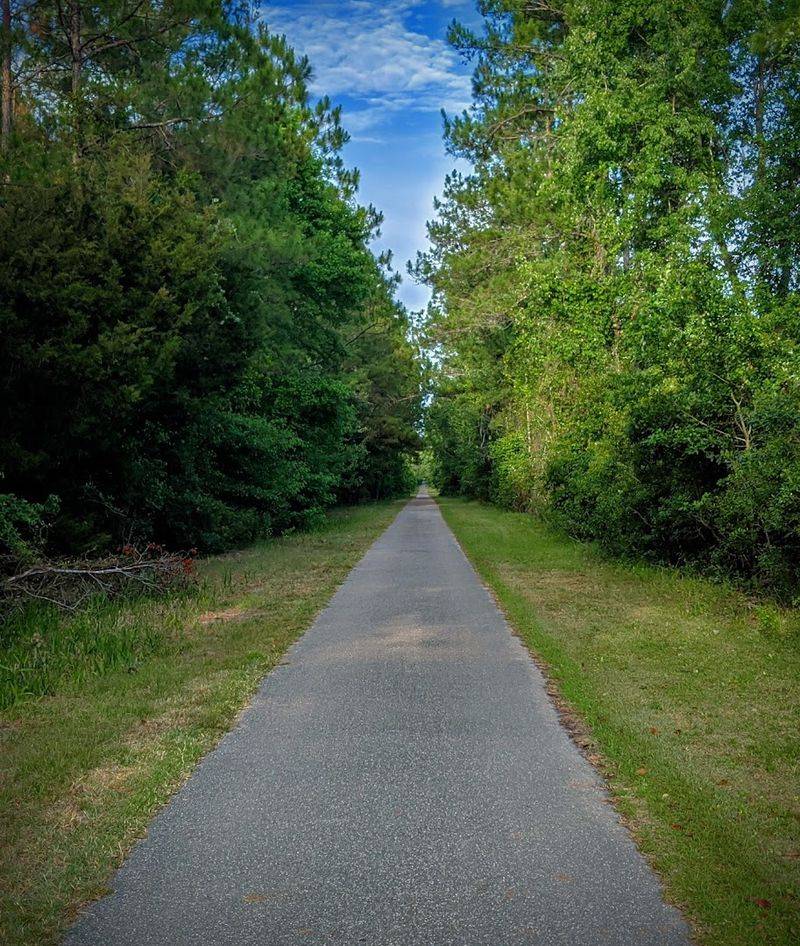
The flat, straight layout you notice in many sections is a direct result of that railroad engineering, since trains need level ground and gentle curves to operate efficiently. That same geometry now makes this trail one of the fastest and most beginner-friendly paved paths in the region, a happy accident of industrial history.
Location, Access Points, and Getting There
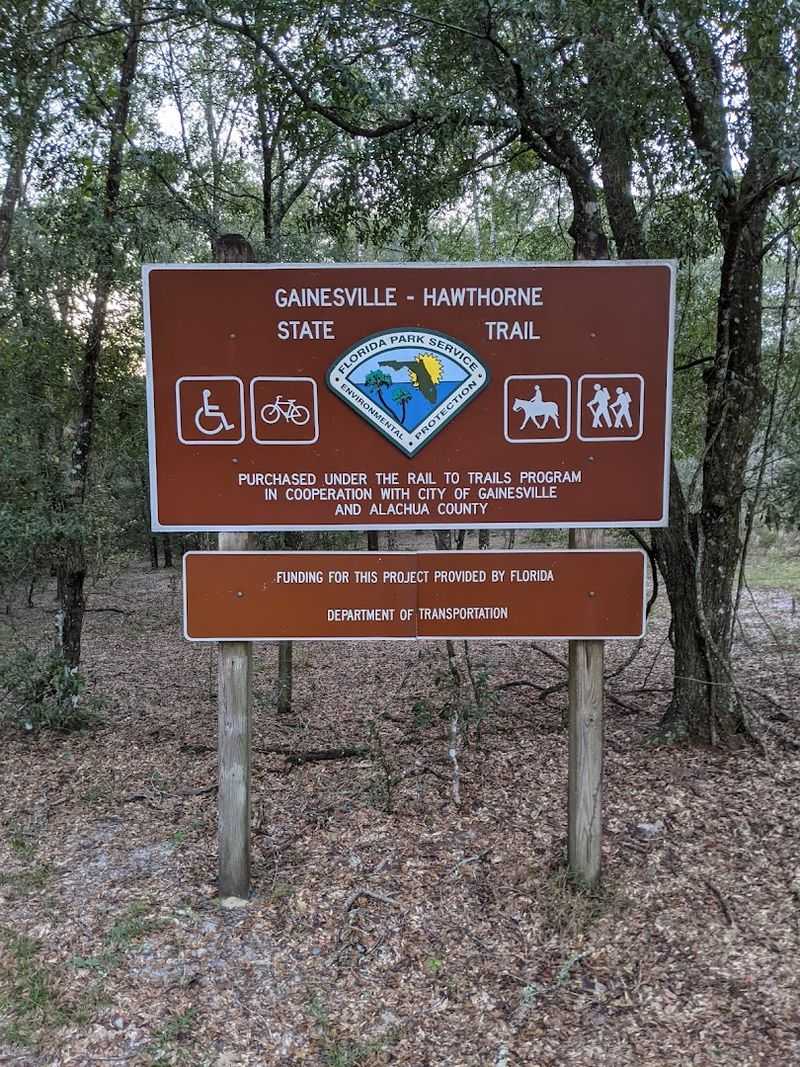
The Gainesville-Hawthorne State Trail runs through Alachua County in north-central Florida, connecting the city of Gainesville to the small town of Hawthorne. The trail’s western trailhead is accessible from Boulware Springs Park, located at 3300 SE 15th Street, Gainesville, Florida 32641, which serves as the most popular starting point for cyclists and runners.
A second access option exists at Depot Park in downtown Gainesville, though navigating through the park to reach the official trail requires a bit of attention. Google Maps can guide you through that urban section accurately if you follow it carefully.
On the eastern end, the trail concludes near downtown Hawthorne, where a handful of local eateries are within easy reach. Parking is available at both Boulware Springs and Hawthorne, making a one-way shuttle ride entirely doable for those who prefer not to double back.
What the 16-Mile Route Actually Feels Like
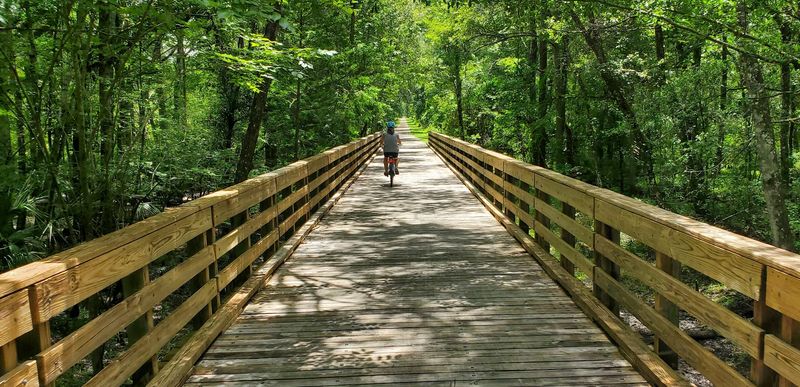
The first few miles out of Gainesville offer gentle rolling terrain with soft curves and patches of tree cover that make the ride feel almost playful. There are a few scenic overlooks along the Gainesville side where the land opens up and you catch your first glimpse of Paynes Prairie spreading out below like a giant green canvas.
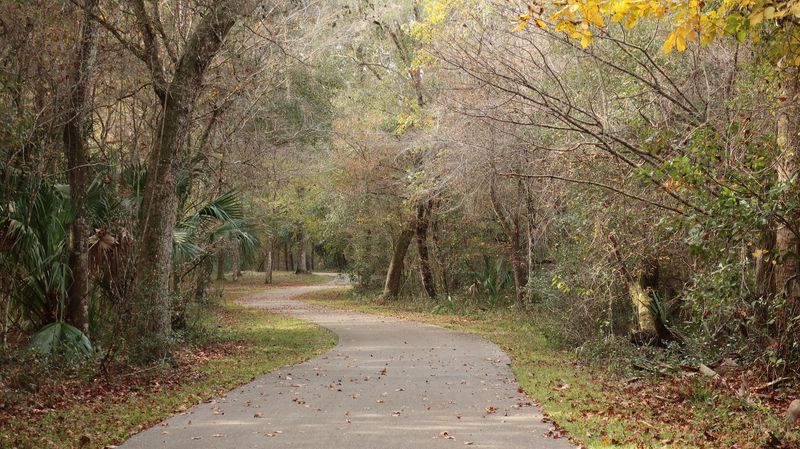
As you push further east toward Hawthorne, the trail flattens into long, straight sections lined with shaded canopy. The pavement is smooth and well-maintained, and the path is wide enough that passing other riders never feels awkward.
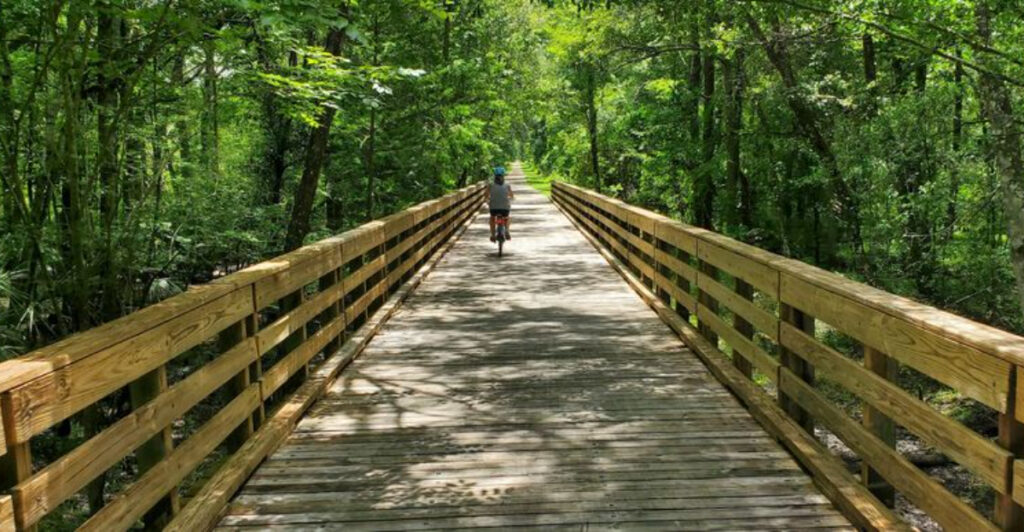
Small wooden bridges cross streams and a creek where locals sometimes fish from the bank. The whole route covers 16 miles one way, and most recreational cyclists complete the out-and-back ride in about three hours, though it is easy to lose track of time out here.
Paynes Prairie and the Wild Animals You Might See
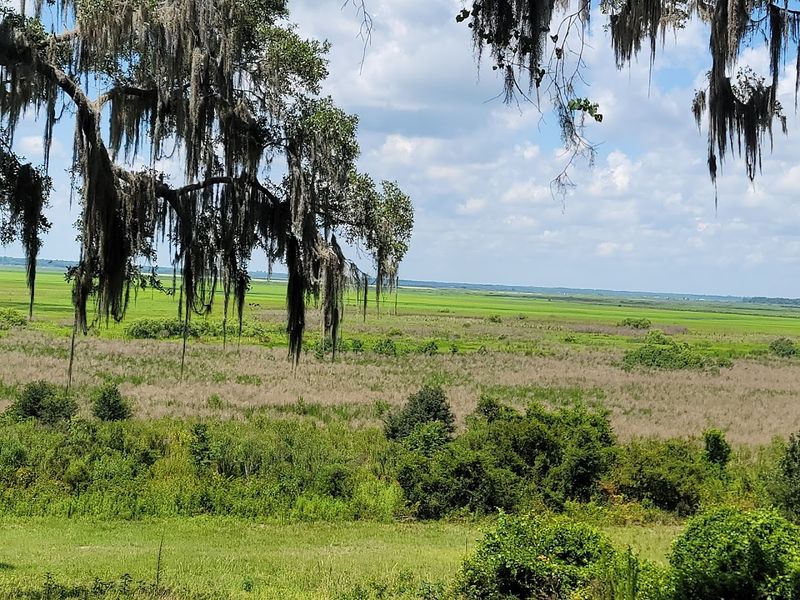
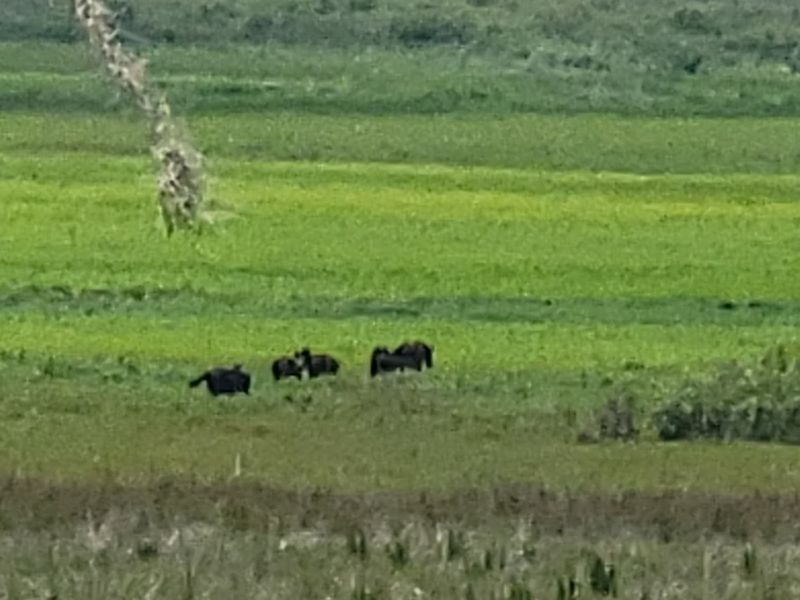
One of the most jaw-dropping stretches of this trail runs along the northern edge of Paynes Prairie Preserve State Park, a 21,000-acre basin that has been called one of Florida’s most ecologically significant landscapes. The prairie is home to free-roaming American bison and wild horses, both of which were reintroduced to the area in the 1970s.
Spotting a bison from your bike saddle is the kind of moment that makes you reach for your phone before your brain even processes what you are seeing. The horses tend to graze in looser groups near the water’s edge, and on calm mornings, the scene looks almost prehistoric.
Alligators are also extremely common here, especially along the La Chua Trail spur that branches off toward the prairie basin. During dry spells, the alligators congregate in large numbers near the remaining water sources, creating a spectacle that is hard to forget.
Birdwatching Along the Trail
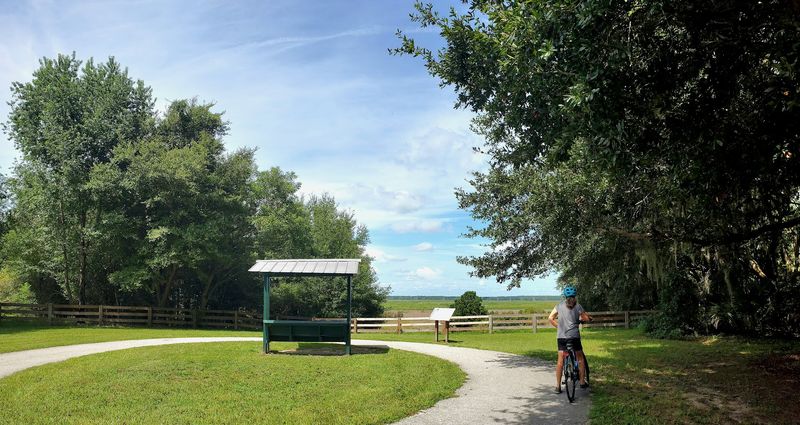
Few bike trails in Florida can match this one for sheer bird variety. The corridor passes through multiple habitat types, including pine flatwoods, freshwater marshes, hardwood hammocks, and open savanna, which means the species list shifts dramatically as you move along the route.
Wetland birds such as great blue herons, sandhill cranes, and anhingas are common near the prairie overlooks. Further into the flatwoods, you are likely to hear red-bellied woodpeckers, Carolina wrens, and the occasional pileated woodpecker hammering away somewhere in the canopy above you.
The Phifer Flatwoods Preserve, accessible from the trail, includes a photo blind that overlooks a marsh and puts you at eye level with wading birds. Bringing binoculars is genuinely worth the extra weight in your pack, because the birdwatching along this route rewards patience in a way that feels almost meditative.
The Shaded Canopy and Florida Summer Riding
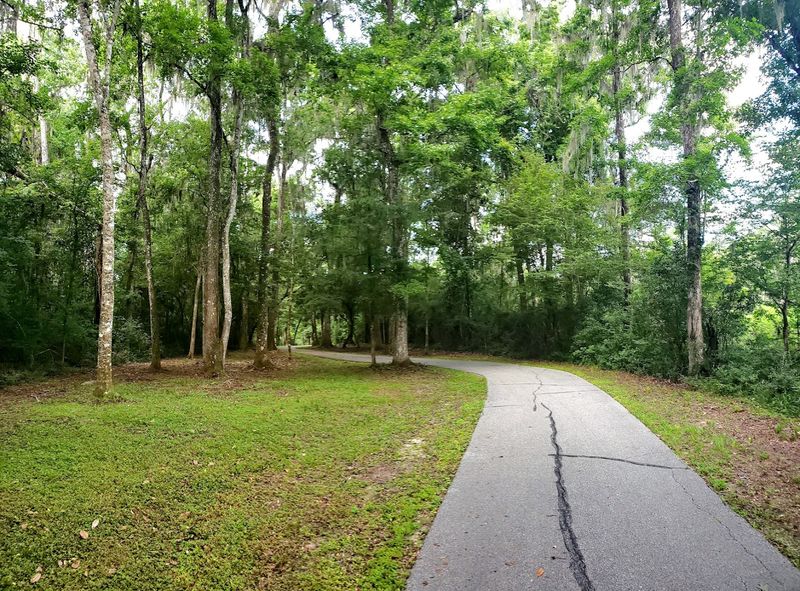
Anyone who has tried to exercise outdoors in Florida between June and September knows that the heat is not something you ignore. The good news is that a significant portion of the Gainesville-Hawthorne State Trail runs beneath a thick canopy of live oaks, sweetgums, and other hardwoods that block direct sunlight and drop the temperature noticeably.
The shaded sections are concentrated more toward the Hawthorne end of the trail, where the long straight corridors cut through dense woodland. Morning rides are especially pleasant, with cooler air and the sound of birdsong filling the tunnel of trees around you.
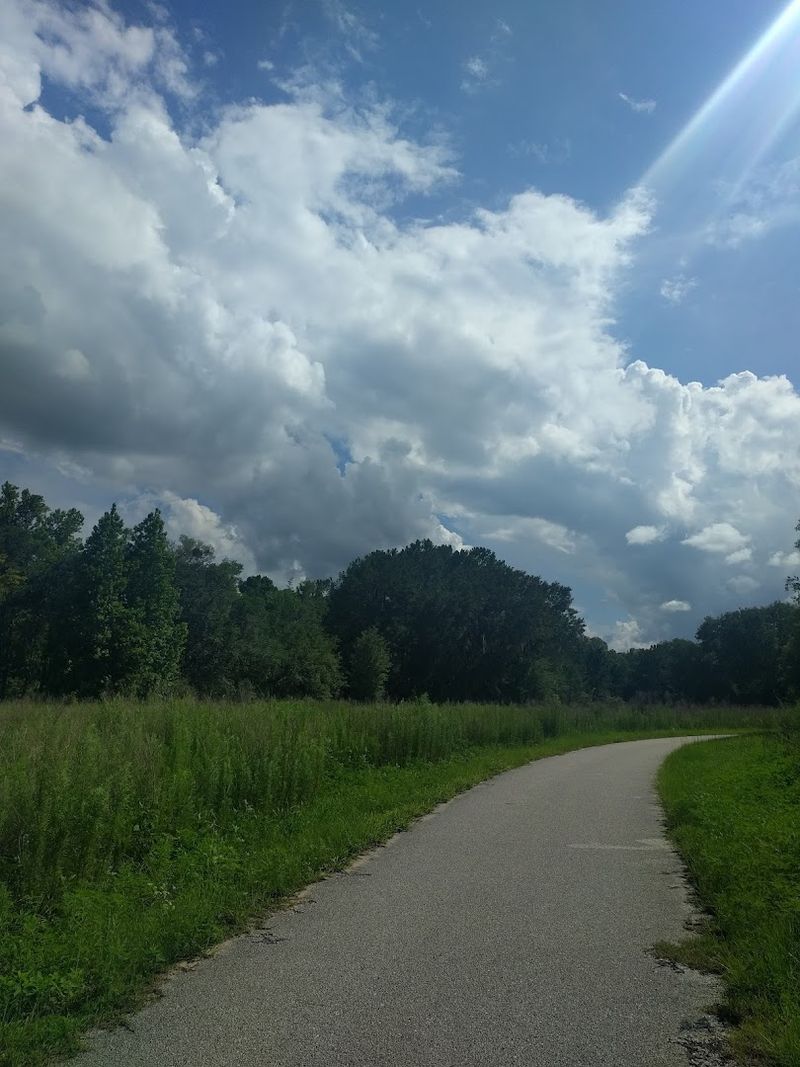
Even in the more exposed sections near Paynes Prairie, there is usually a breeze moving across the open grassland. Bringing water is non-negotiable in summer, but the combination of shade and open air makes this trail far more manageable in the heat than most outdoor options in the region.
Boulware Springs Park as Your Starting Point
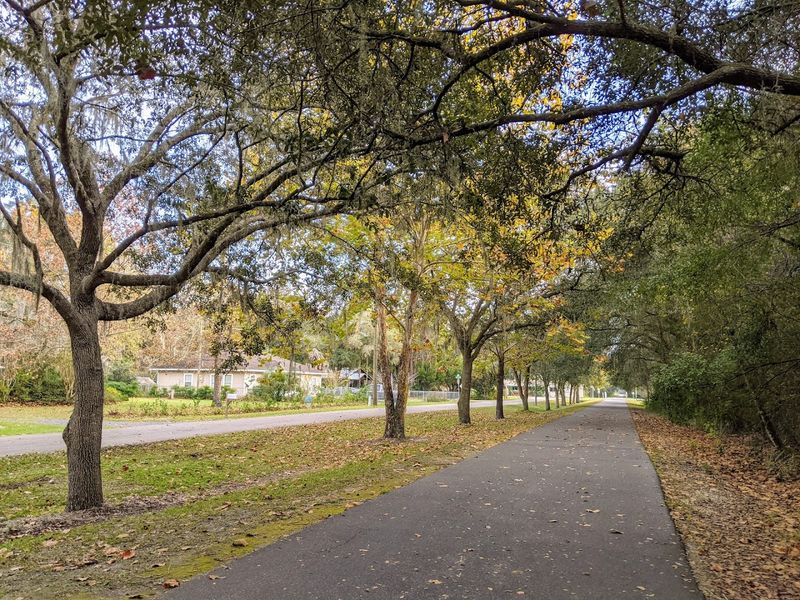
Most locals recommend starting at Boulware Springs Park rather than fighting the urban traffic near Depot Park, and after one visit, it is easy to see why. The park has a small but charming historic spring house built from coquina stone, clean restroom facilities, and a spacious parking area that fills up on weekends but rarely reaches capacity on weekday mornings.
The park itself is pleasant enough to spend a few minutes exploring before clipping into your pedals. Tall oak trees shade the picnic area, and the spring run adds a quiet, natural soundtrack to the whole scene.
From the trailhead here, you roll directly onto the paved path with no complicated navigation required. The first mile or so is moderately busy with dog walkers, families, and joggers, but the crowd thins quickly once you get past the residential neighborhoods and into the more open sections of the route.
La Chua Trail Detour Into the Prairie
A short detour off the main trail leads to one of the most dramatic wildlife experiences in all of Florida. The La Chua Trail is a separate path that cuts into the heart of Paynes Prairie and ends at a viewing platform overlooking the basin, where alligators gather in staggering numbers during dry periods.
The trail is flat and easy to walk, covering roughly 3.5 miles round trip from the Alachua Sink trailhead. During a drought, the concentration of alligators near the remaining water can reach numbers that feel almost surreal, with dozens visible from a single viewpoint.
Sandhill cranes, great egrets, and various shorebirds share the space with the alligators, making the whole scene feel like a nature documentary unfolding in real time. Pairing this detour with the main bike trail turns a single-activity outing into a full day of wildlife exploration without ever leaving the same general area.
Phifer Flatwoods Preserve and the Photo Blind
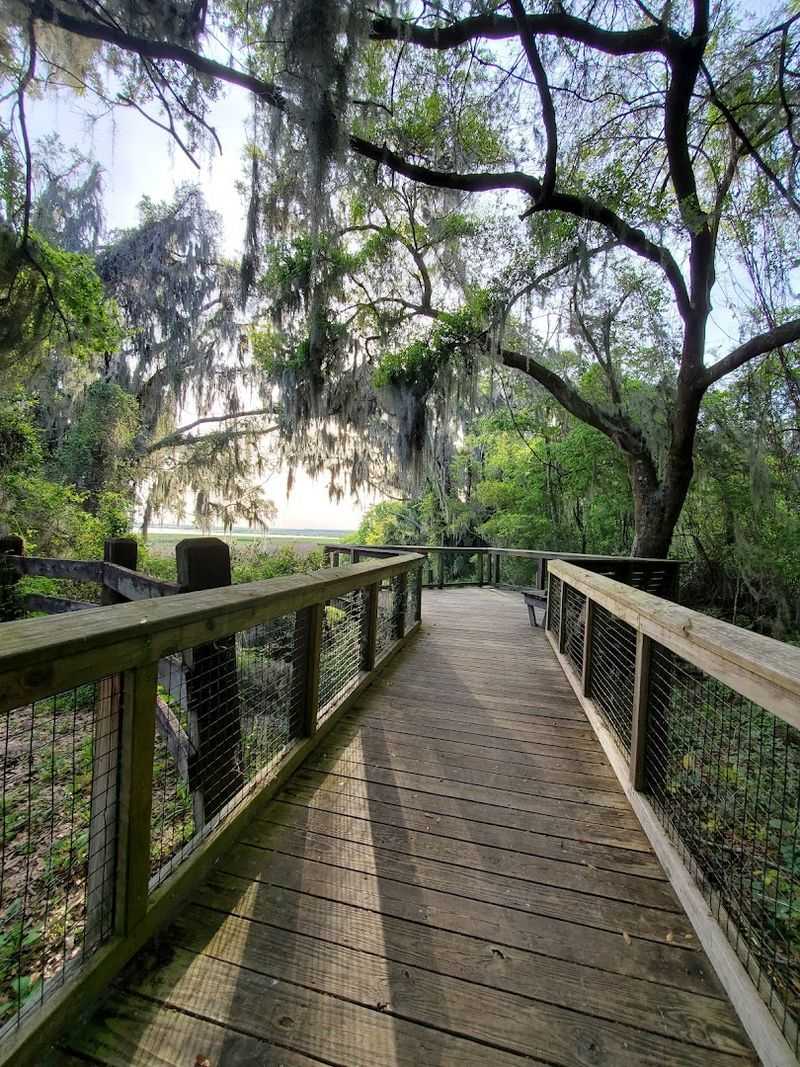
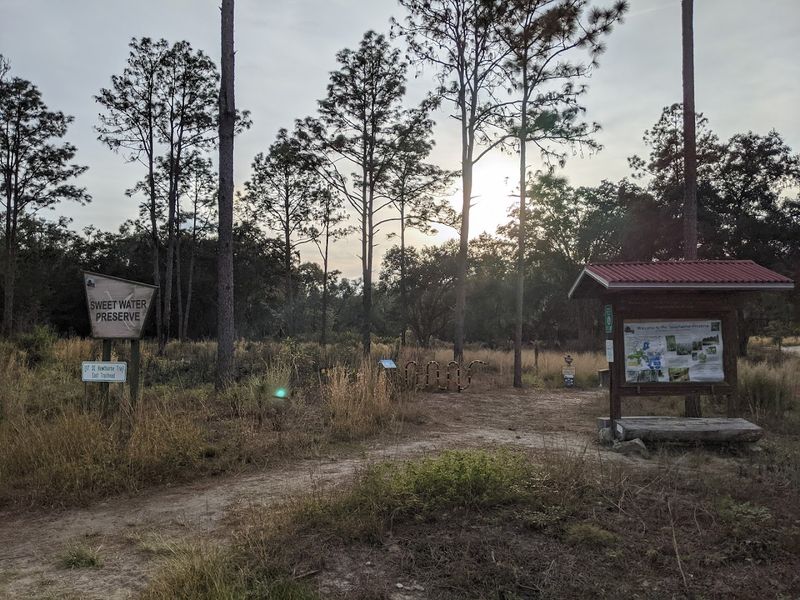
One of the quieter gems connected to this trail is the Phifer Flatwoods Preserve, a natural area that branches off the main corridor and rewards visitors who are willing to slow down and look closely. A short walk through pine flatwoods leads to a wooden photo blind positioned at the edge of a freshwater marsh.
The blind is designed to let you observe wildlife without disturbing it, and the setup works remarkably well. Herons, egrets, and various waterfowl move freely across the marsh surface, unbothered by the presence of people tucked behind the wooden slats.
Photographers especially love this spot for the unobstructed sightlines and the soft morning light that filters across the water. Even without a camera, sitting quietly in that blind for twenty minutes while the marsh goes about its business is the kind of simple, unhurried experience that reminds you why places like this are worth protecting.
Hawthorne: The Small Town at the End of the Line
After 16 miles of pedaling through prairie and flatwoods, rolling into Hawthorne feels like a reward in itself. The town is small and unhurried, with a genuinely rural character that contrasts pleasantly with the university energy back in Gainesville.
The Wrap Shack, located about half a mile from the eastern trailhead, has become a go-to stop for trail users looking for a solid meal before the return ride or the drive home. The spot is casual and welcoming, exactly the kind of local place that benefits from trail traffic and gives something back to the community in return.
Exploring the area around the Hawthorne trailhead on foot takes only a few minutes, but the change of scenery after a long ride makes even a brief stop feel satisfying. Small towns like Hawthorne are part of what gives this trail its personality, turning a bike ride into something that feels more like a real journey.
Tips for First-Time Visitors
A few practical notes can make the difference between a smooth outing and an avoidable frustration. The air pump stations positioned along the trail have received mixed feedback from riders, with some reporting that the pumps do not function reliably.
Bringing a small hand pump or CO2 inflator is a smarter move than depending on trailside equipment.
Early morning starts are strongly recommended from May through October, both for the cooler temperatures and the better wildlife activity. Most of the large animals near Paynes Prairie are more visible in low light, and the trail feels noticeably less crowded before 9 a.m.
Sunscreen, insect repellent, and at least one full water bottle per person are basic necessities. The trail has no convenience stores along the route itself, so packing everything you need before you leave the trailhead is the only reliable strategy for a comfortable ride.
Why This Trail Keeps Drawing People Back
There are plenty of paved trails in Florida, but very few of them offer the combination of wildlife, history, natural variety, and sheer rideable quality that this one delivers. The fact that you can start in a mid-sized city, pass a wild bison herd, walk through a pine forest, and arrive in a small rural town, all on the same 16-mile path, is genuinely unusual.
Repeat visitors often ride the full out-and-back route, covering around 26 miles total, and still find new things to notice on each pass. The seasonal changes shift the prairie colors, the water levels, and the animal activity in ways that keep the experience feeling fresh.
Share this story