Florida has no shortage of places to spend a weekend, but every so often you stumble onto a spot that genuinely surprises you. This one sits on 52 acres of lakeside land, blending a small zoo, living history exhibits, nature trails, and a zipline course into one wild afternoon.
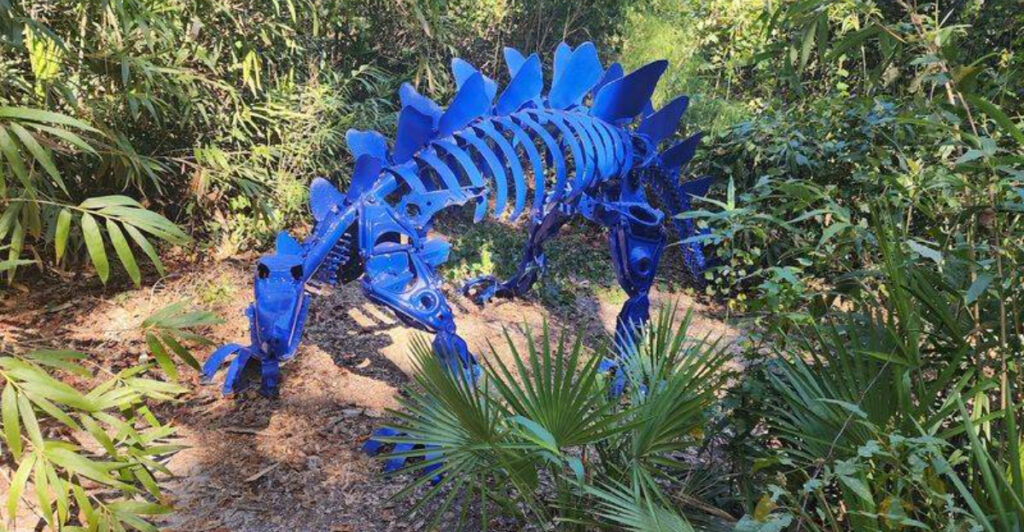
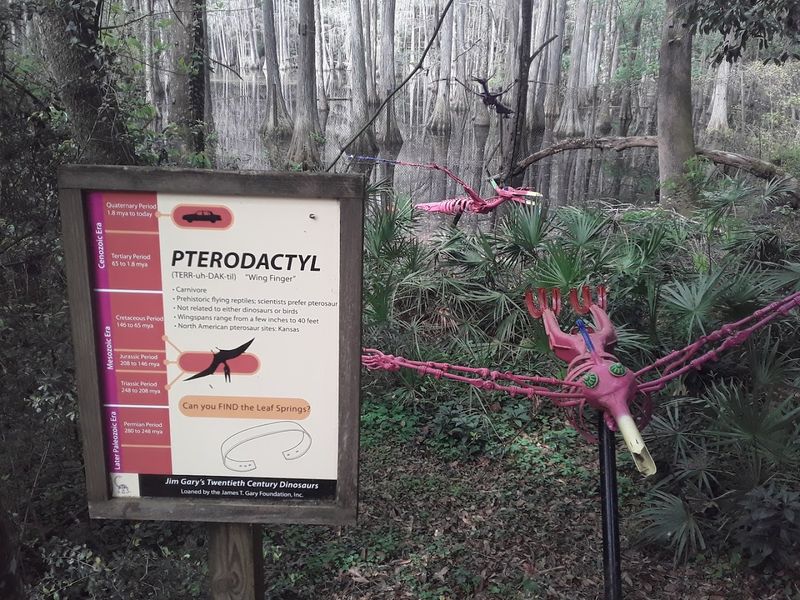
Metal dinosaurs crafted from recycled parts stand guard along the paths, wolves howl in the distance, and cypress trees rise from the swamp like something out of a storybook. I had driven past the signs for years before finally pulling off the road and walking through the gates, and honestly, I am still a little annoyed at myself for waiting so long.
Keep reading, because this place is worth every word.
Where It All Begins: Address, Location, and First Impressions
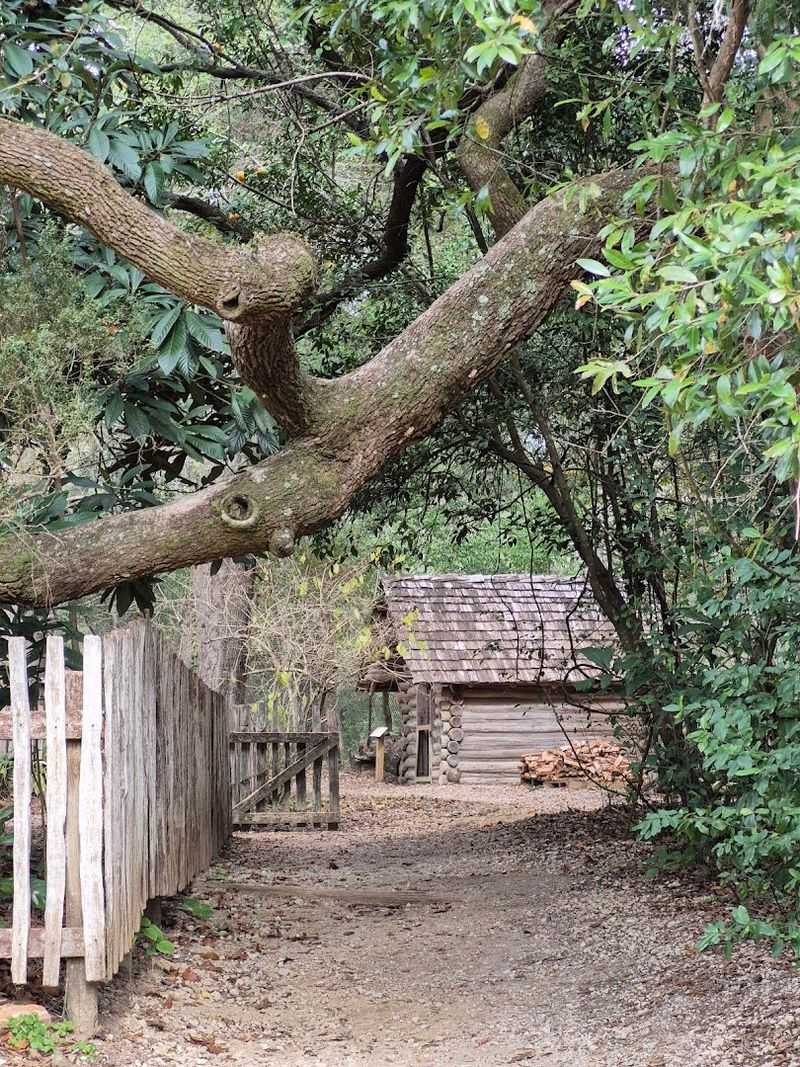
The moment you turn onto Museum Road, the city noise fades and the trees close in around you in the best possible way.
The Tallahassee Museum sits at 3945 Museum Rd, Tallahassee, tucked into a leafy corner of Leon County that feels nothing like the state capital just a few miles away. The 52-acre lakeside property is open Monday through Saturday from 9 AM to 5 PM and on Sundays from 11 AM to 5 PM, with a phone number of 850-575-8684 for any questions.
Admission is reasonably priced for what you get, and the parking lot is easy to navigate. The staff at the front desk hand you a map, and that simple paper sheet becomes your guide to an afternoon that covers wildlife, history, treetop adventures, and art all in one loop.
A Brief History of the Grounds and Why It Matters
Not every museum can claim a story that stretches back to the plantation era, but this one wears its history openly and without apology.
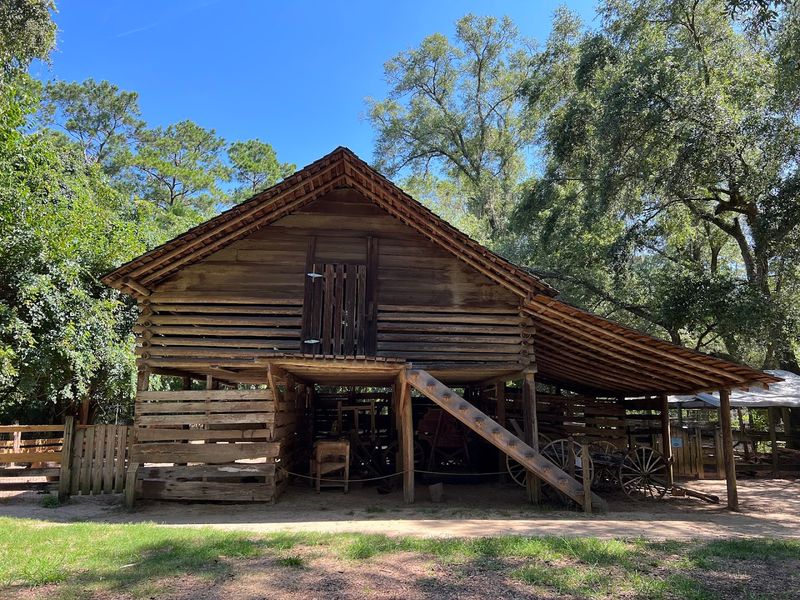
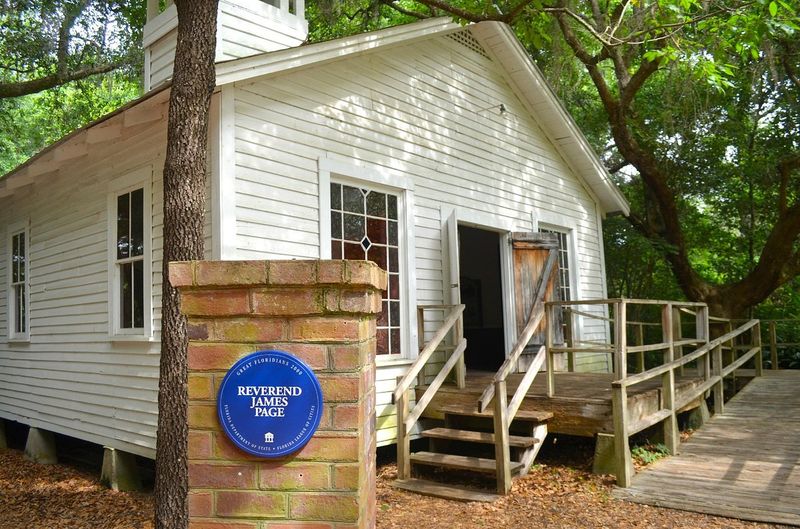
The Tallahassee Museum preserves several authentic 19th-century structures on its grounds, including a one-room schoolhouse, a church, and a farmstead that once belonged to the Concord Plantation. Walking through those buildings gives you a real, tactile sense of what life looked like in North Florida more than 150 years ago, and the interpretive signage keeps things accessible without talking down to you.
The museum was founded in 1957, originally as a simple nature center, and has grown steadily into the multi-layered destination it is today. That long history shows in the way the place feels settled and rooted rather than rushed together.
History here is not behind glass; it is under your feet and above your head.
The Zipline Experience: Soaring Over Cypress Swamps
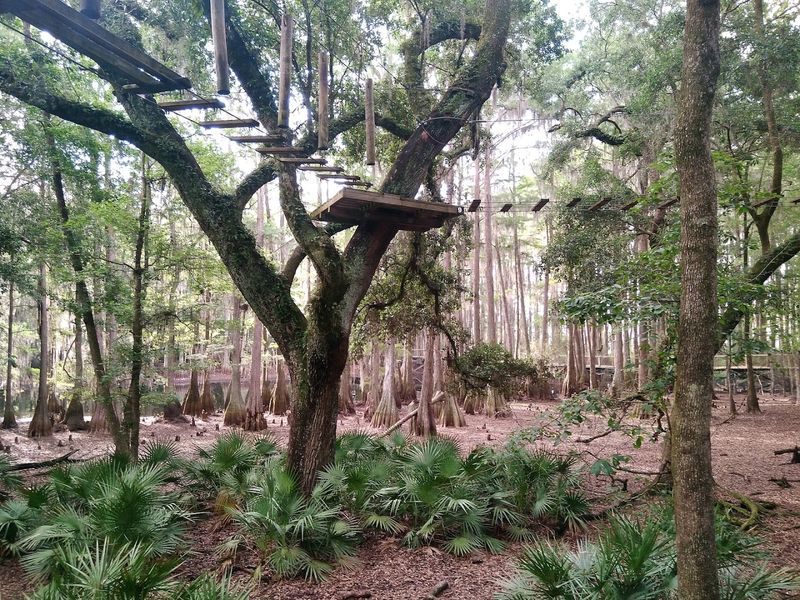
Few things compare to the specific thrill of launching yourself off a platform and gliding over a cypress swamp while Spanish moss brushes past your shoulders.
The Tree to Tree Adventures canopy tour at the Tallahassee Museum is a full treetop ropes and zipline course that runs for roughly two hours. The adult version costs around $55, covers multiple platforms and zip lines, and includes obstacles that require real effort and a decent sense of balance.
Guides are knowledgeable and safety-focused without being overly cautious, and the pace keeps your adrenaline at a satisfying hum throughout.
One practical note worth knowing before you go: closed-toe shoes are required and that detail is easy to miss on the website, so pack tennis shoes regardless of the weather. The views from the upper platforms, looking down over the swamp and the tree canopy, are genuinely something you will not forget quickly.
The Kids’ Ropes Course: Junior Adventurers Welcome
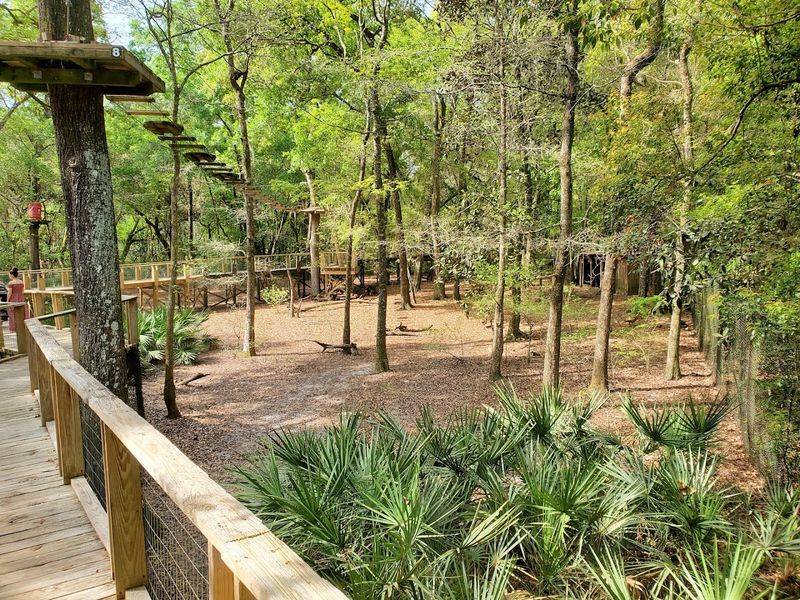
The adult zipline gets most of the attention, but the younger visitors have their own version of the treetop action and they are absolutely not complaining about it.
The kids’ ropes course at the Tallahassee Museum is designed for children who are ready to climb, balance, and problem-solve their way through a series of aerial challenges at a lower and safer height than the adult course. Parents watching from below tend to rotate between proud and mildly terrified, which is pretty much the ideal parenting experience.
The course is well-maintained and staffed by guides who are patient with nervous first-timers and encouraging with the overconfident ones. Children who complete the course come down with a very specific look on their faces, a mix of exhaustion and pure satisfaction that no video game can replicate.
Plan to cheer loudly from the ground because it is absolutely called for.
Wildlife Encounters: Wolves, Otters, Gators, and More
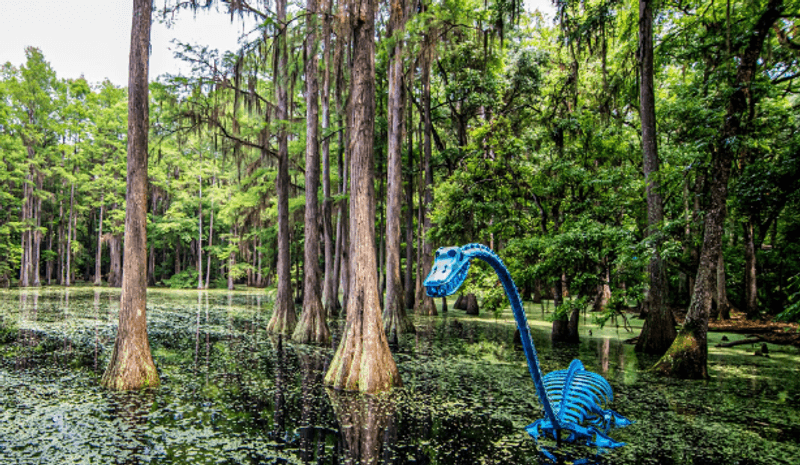
The wolves were the first animals I heard before I even saw them, and that low, resonant sound stopped me completely in the middle of the path.
The Tallahassee Museum functions partly as a wildlife sanctuary, housing animals that have been injured, orphaned, or otherwise unable to survive in the wild on their own. That mission gives the place a different energy than a standard zoo.
You are not just looking at animals for entertainment; you are meeting animals that needed a second chance and found one here.
Standout residents include Florida red wolves, river otters, white-tailed deer, and American alligators that bask with supreme indifference near the water’s edge. The enclosures are thoughtfully designed so that sightings are frequent and unobstructed.
On a quiet weekday, you might find yourself alone with the wolves for several minutes, which is an experience that sits with you long after you drive home.
The Giant Metal Dinosaurs: Recycled Art Meets Raw Creativity
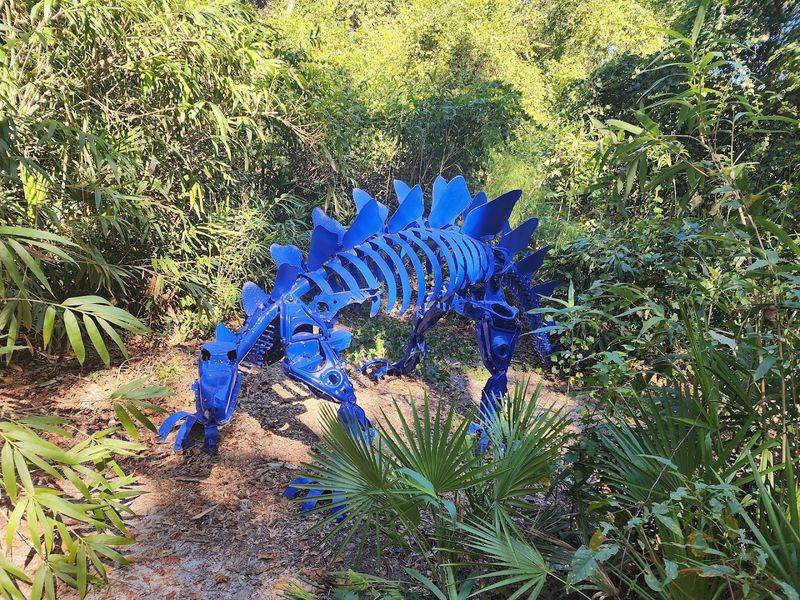
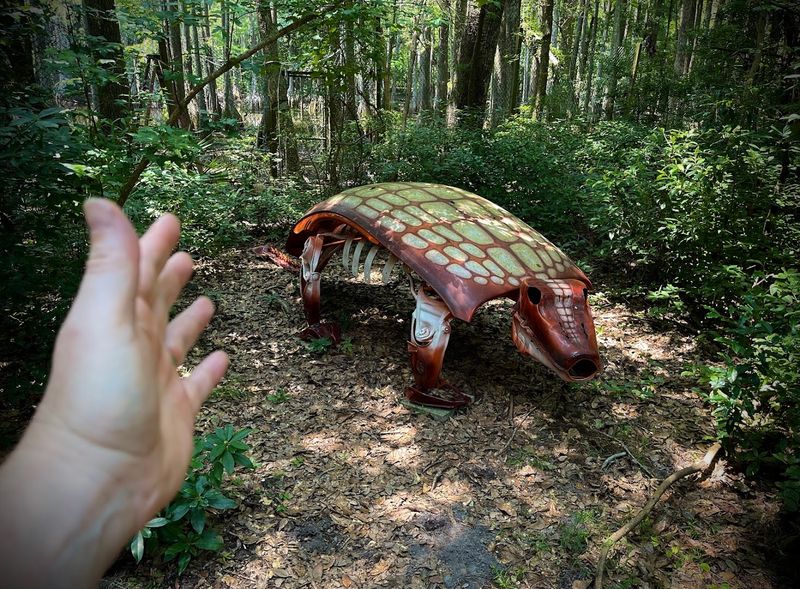
There is something wonderfully absurd about rounding a bend on a nature trail and coming face to face with a massive dinosaur assembled entirely from old car parts and scrap metal.
The dinosaur sculptures scattered across the grounds of the Tallahassee Museum are one of the most talked-about surprises the place has to offer. They are large, detailed, and crafted with genuine artistic ambition from recycled materials, which makes them both visually striking and quietly clever as a statement about repurposing and creativity.
Kids tend to react with immediate delight, while adults slow down and start examining the individual components, spotting exhaust pipes, gear shafts, and engine parts that have been welded into scales, claws, and teeth. The sculptures are positioned throughout the outdoor grounds, so they function as both art installations and unexpected trail markers.
Finding each one becomes a small game that keeps the walk feeling fresh at every turn.
The Nature Trails: Boardwalks, Swamps, and Ancient Cypress Trees
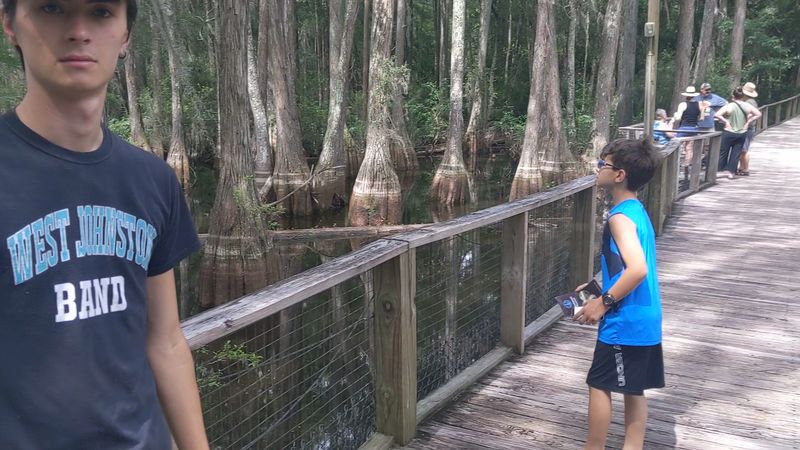
The wooden boardwalk that winds through the swampy sections of the property is one of those simple pleasures that you do not fully appreciate until you are standing on it, listening to the water below.
The nature trails at the Tallahassee Museum cover a meaningful portion of the 52-acre property and take you through several distinct Florida ecosystems, from upland pine to cypress swamp to open meadow. The cypress trees in particular are extraordinary, with root structures that look like something an architect designed rather than something that grew naturally over centuries.
The trails are mostly flat, which makes them accessible for a wide range of visitors, though some of the dirt paths can be uneven after rain. A full loop through the grounds, with stops at the animal enclosures and historical buildings, typically takes between two and three hours.
Bring water, wear comfortable shoes, and let yourself move slowly because this place rewards it.
Historical Buildings: Stepping Into 19th-Century North Florida
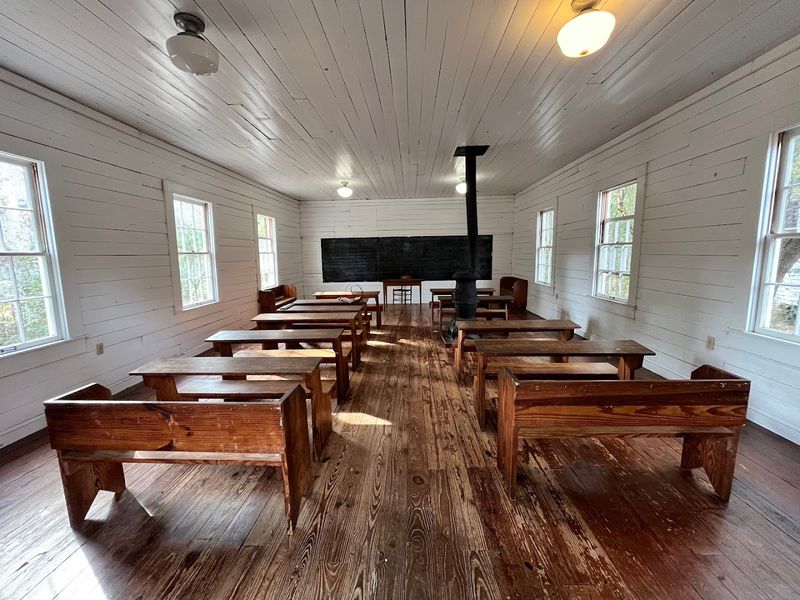
The one-room schoolhouse is so carefully preserved that you half-expect a teacher to walk in and start writing on the chalkboard.
The collection of historical structures at the Tallahassee Museum includes a church, a farmstead, and residential buildings that were relocated to the property from their original sites across the region. Each one has been restored and furnished to reflect the period it represents, giving visitors a layered and tactile understanding of life in North Florida during the 1800s.
The turpentine plantation exhibit is particularly compelling, telling the story of an industry that shaped this region’s economy and workforce in ways that are rarely covered in mainstream history books. Walking through the buildings with the surrounding forest pressing in on all sides makes the whole experience feel grounded and real rather than curated and distant.
History presented this way tends to stick with people in a way that textbooks simply cannot match.
Animal Encounters: Touching an Armadillo and Petting a Snake
Touching a live armadillo is not something most people have on their bucket list, but once it happens, it immediately belongs there retroactively.
The Tallahassee Museum offers hands-on animal encounter programs that let visitors get up close with some of the resident animals in a supervised and educational setting. These encounters have included armadillos, snakes, and other native Florida wildlife, and they are consistently described as the highlight of the visit for both kids and adults who thought they were too cool to get excited about it.
The staff who run these programs clearly love what they do, and their enthusiasm is contagious in the best way. They share specific facts about each animal’s behavior, diet, and role in the local ecosystem without making it feel like a lecture.
If you visit without checking the schedule for encounters, you are leaving one of the best parts of the experience on the table.
The Aviary and Farm Area: A Different Kind of Quiet
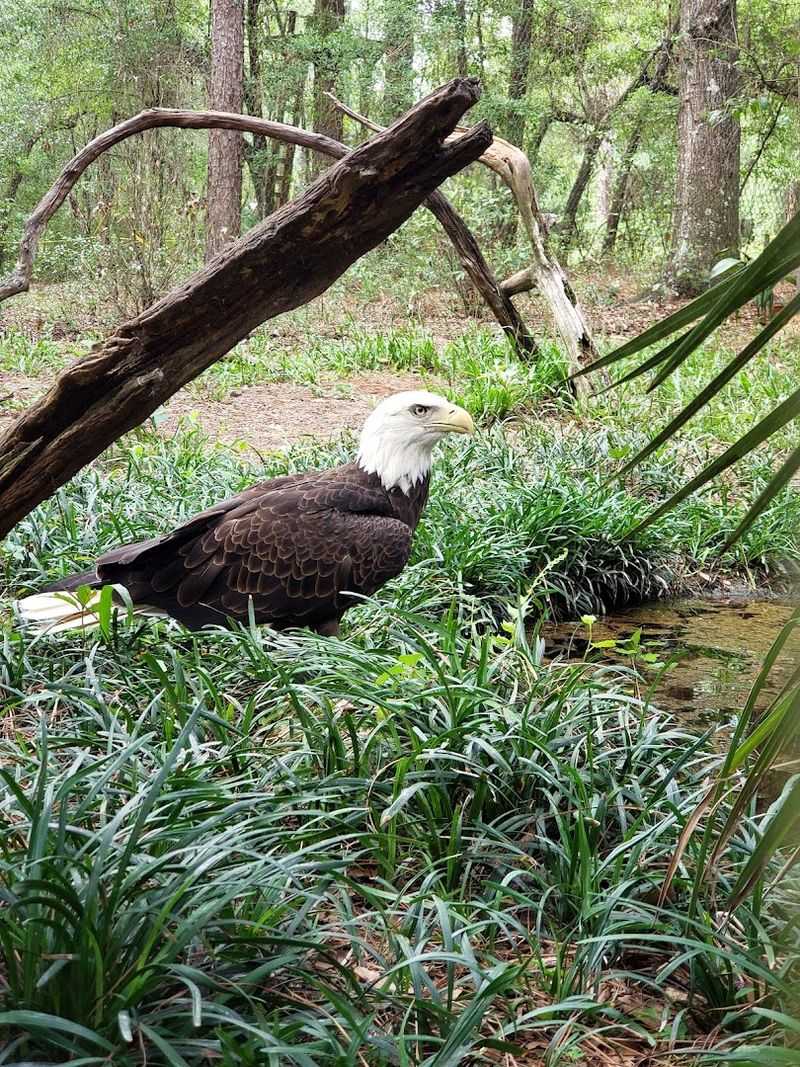
After the wolves and the zipline platforms, the aviary feels like a deep exhale, and that contrast is exactly what makes it worth visiting.
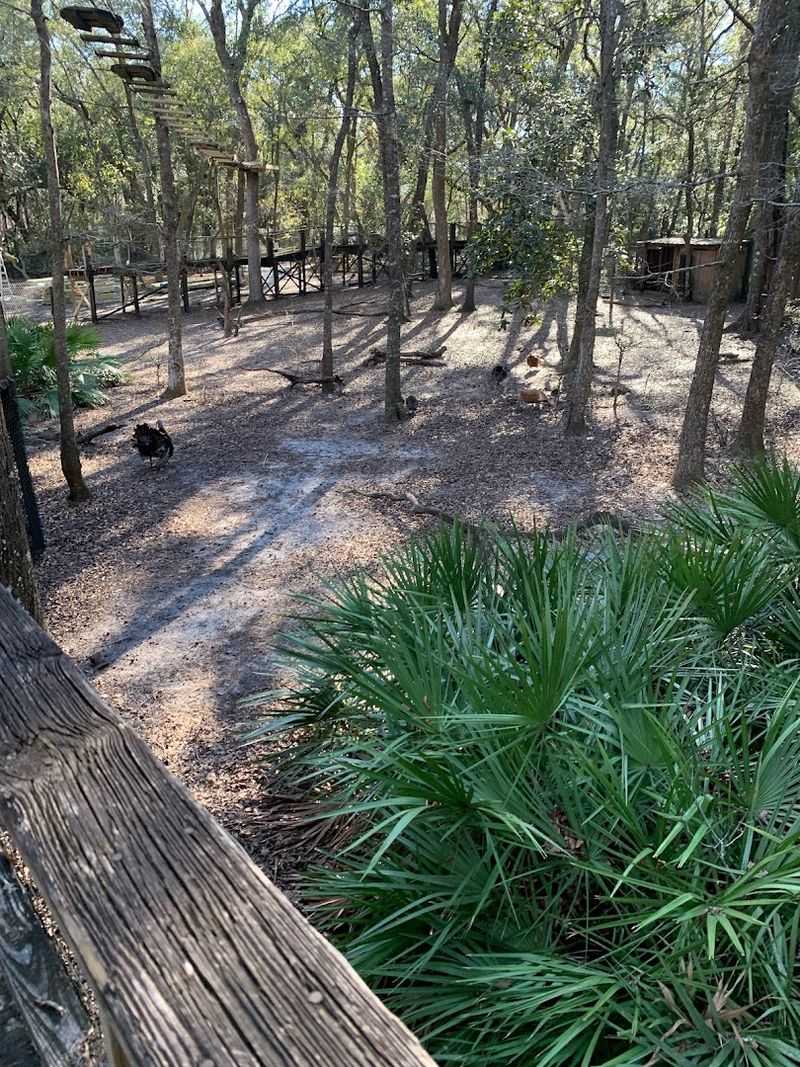
The aviary at the Tallahassee Museum houses native Florida birds in a large, walk-through enclosure that allows for close observation without the birds feeling cramped or stressed. The farm area nearby adds a different texture to the visit, with domestic animals that younger children especially find irresistible after a morning of wilder encounters.
There is also an orange cat named Tommy who has apparently claimed the farm area as his personal domain and will follow visitors around with the confidence of someone who knows he is the real attraction. He is not wrong.
The transition from the denser forest sections of the trail to the open farm area feels like moving between chapters of a very good book, each one distinct but part of the same satisfying whole.
The Playground: Big Enough to Tire Out Even the Most Energetic Kids
The playground at the Tallahassee Museum is not an afterthought tucked in a corner; it is a genuine destination for small visitors who have been patiently touring exhibits all morning.
The play structure includes multiple slides, swings, and climbing options that accommodate a range of ages and energy levels. The surrounding shade trees keep the area cooler than most Florida playgrounds, which is a practical blessing during the warmer months when the sun is doing its absolute most.
Parents consistently note that the playground feels safe and well-maintained, and the open layout makes it easy to keep an eye on multiple kids at once without constant repositioning. It functions as a natural break point in the visit, a place where adults can sit for a few minutes while the children burn through whatever energy is left after the ropes course and the animal encounters.
That kind of pacing is part of what makes a long visit here feel manageable rather than exhausting.
Food Options On-Site: The Cafe and the Cane Syrup Worth Taking Home
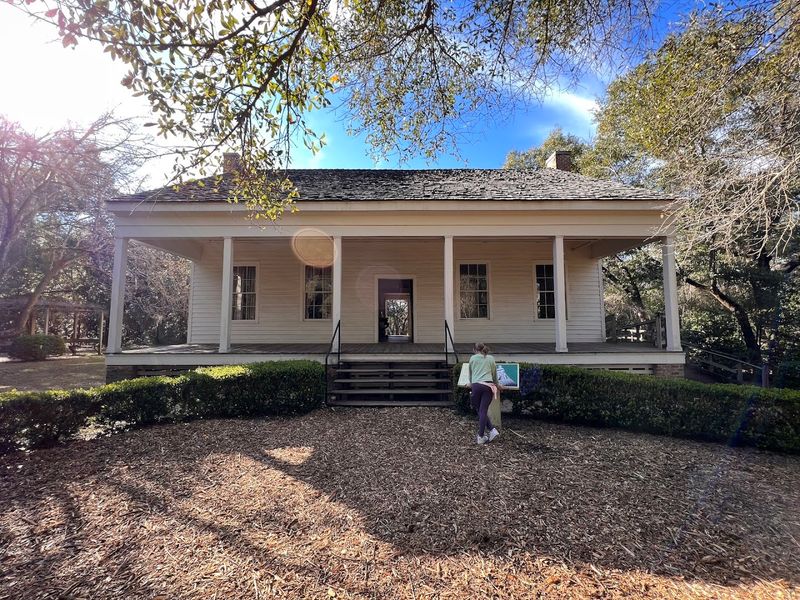
By the time you have hiked the trails, watched the wolves, and cheered someone through the ropes course, the cafe starts looking like the most beautiful building on the property.
The on-site cafe at the Tallahassee Museum serves food that visitors consistently describe as solid and satisfying, which is genuinely more than you can say for most museum cafeterias. The menu covers the basics with enough variety to keep a group with different preferences reasonably happy.
One important detail: the cafe closes at 4 PM, so plan your lunch accordingly or you will be making snack decisions you did not intend to make.
The gift shop is worth a stop on the way out, and the standout item is the cane syrup made on-site, which carries a specific sweetness that connects directly to the agricultural history the museum works hard to preserve. It is a small jar that tells a larger story, and it travels well.
Accessibility Considerations: What to Know Before You Go
The Tallahassee Museum is an outdoor, nature-based destination spread across 52 acres, and that setup comes with some real considerations for visitors with mobility needs.
Some sections of the trail are paved or covered with boardwalk, but other areas involve uneven dirt paths that can be challenging for wheelchairs and strollers, particularly after rain. The museum is not an indoor, climate-controlled facility, so the terrain reflects the natural landscape it sits within rather than a built environment designed for easy navigation.
That said, visitors who have navigated the grounds with wheelchairs report that the experience is still deeply rewarding, even if certain areas require extra patience and effort. Calling ahead at 850-575-8684 to ask about current trail conditions and accessible routes is a smart move before your visit.
The staff are generally helpful in providing guidance on which sections of the property are most manageable for different mobility levels.
Best Times to Visit and Practical Planning Tips
A quiet Monday afternoon at the Tallahassee Museum hits differently than a busy Saturday, and knowing that going in can shape your whole experience.
Weekday mornings tend to offer the most peaceful conditions, with fewer crowds at the animal enclosures and shorter waits for the zipline and ropes course. The museum opens at 9 AM Monday through Saturday and at 11 AM on Sundays, and plan for at least three hours to cover the main highlights without feeling rushed.
Five hours is more realistic if you are doing the zipline and the full trail loop.
Military families get free admission on certain holidays, including Labor Day, which is a detail worth checking on the museum’s website before your visit. Comfortable closed-toe shoes are non-negotiable if you plan to zipline, and sunscreen is a good idea year-round in North Florida.
Bringing a refillable water bottle will also serve you well on the longer trail sections.
Why the Tallahassee Museum Keeps Drawing People Back
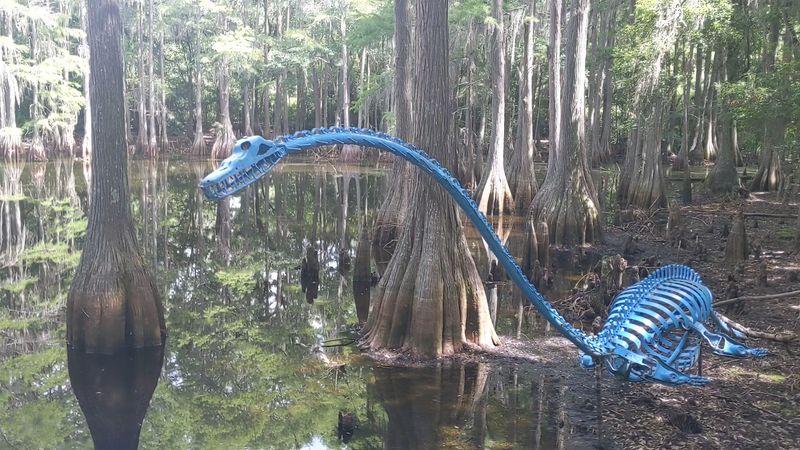
The Tallahassee Museum works because it refuses to be just one thing. It is part wildlife sanctuary, part living history museum, part adventure park, and part nature preserve, and somehow all of those identities coexist on 52 acres without any of them feeling underdeveloped.
Visitors who came as children return with their own kids, and then again with grandchildren, and the place holds up across those generations because it keeps adding layers without losing its core character.
The combination of the zipline over the swamp, the recycled metal dinosaurs, the wolves calling from their enclosure, and the 19th-century schoolhouse standing quietly under the oaks creates an afternoon that is genuinely hard to replicate anywhere else in Florida. That is the kind of place worth driving across the state to visit at least once.
Share this story