Some airports make even the most experienced pilots grip the controls a little tighter. From mountain-hugging runways to tiny strips perched above ocean cliffs, these destinations push aviation to its absolute limits.
Whether it’s fierce crosswinds, jaw-dropping drop-offs, or roads crossing active runways, these airports are proof that getting there is half the adventure. Buckle up — this list is a wild ride.
Paro Airport — Bhutan
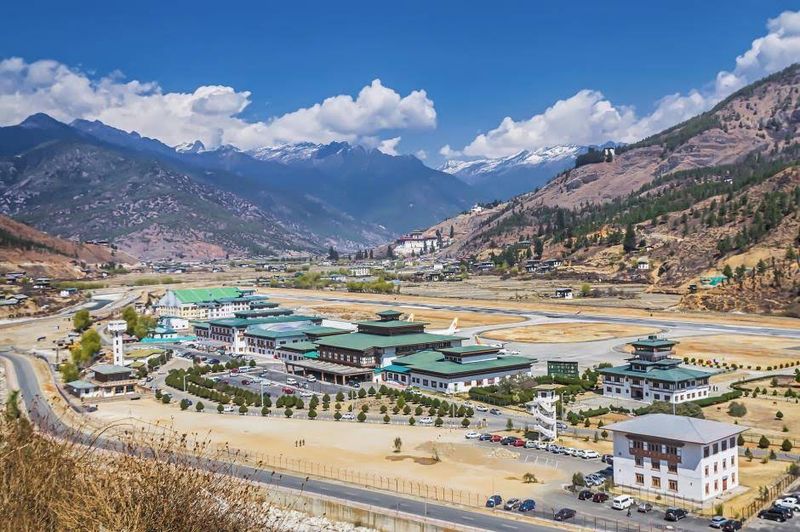
Fewer than 30 pilots in the entire world are certified to land at Paro Airport — and that number alone tells you everything you need to know. Surrounded by Himalayan peaks soaring above 18,000 feet, the approach requires threading through narrow valleys with precision that borders on artistry.
There are no instrument landing systems here either, so everything depends on the pilot’s skill and sharp eyesight.
The final descent involves a series of tight turns that feel almost impossible from inside the cabin. Passengers often get a close-up view of pine trees and monastery walls before the runway finally appears.
First-timers have described the experience as equal parts terrifying and breathtaking — sometimes literally both at the same time.
Landings are only permitted during daylight hours, and the weather window is narrow. Bhutan’s government tightly controls tourism, which means fewer flights overall, but every single one demands elite-level skill from the cockpit.
Druk Air and Bhutan Airlines are the only carriers authorized to operate here. If you ever get a window seat on approach to Paro, hold on tight — the views are absolutely stunning, right up until the wheels touch down.
Princess Juliana Airport — St. Maarten
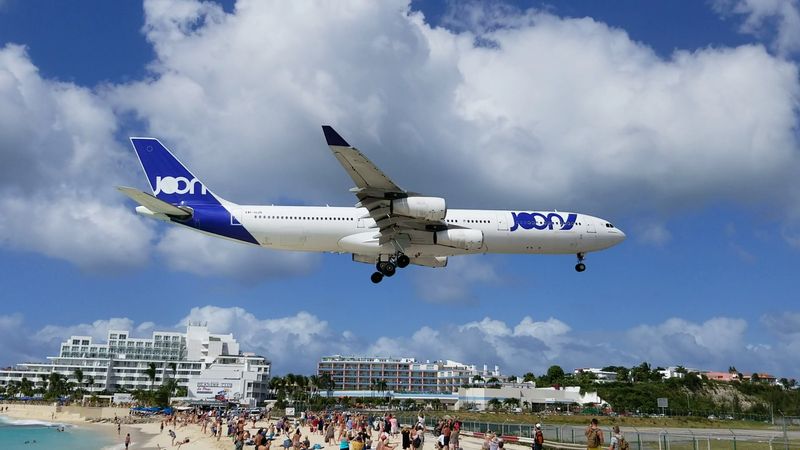
Forget rollercoasters — Maho Beach offers the most thrilling free attraction in the Caribbean. Planes descend so low over the beach that tourists standing near the fence can practically feel the engine heat.
It’s become a bucket-list moment for aviation enthusiasts worldwide, though the experience is not exactly relaxing for the pilots managing it.
The runway at Princess Juliana stretches just 2,300 meters, which is short by international standards, especially for wide-body jets. Pilots must touch down as close to the start of the runway as possible to avoid running out of pavement.
Coastal crosswinds add another layer of difficulty, shifting direction without much warning and keeping crews alert throughout every approach.
A sign near the beach famously warns bystanders about jet blast, but tourists regularly ignore it for the perfect photo. The airport was named after the Dutch princess who landed here in 1944, making it one of the earliest royal airport visits in the region.
Sadly, Hurricane Irma caused major damage in 2017, and operations have been partially rebuilt since then. The beach crowd always returns, cameras ready, whenever a big jet rolls in for another low and dramatic arrival.
Courchevel Altiport — France
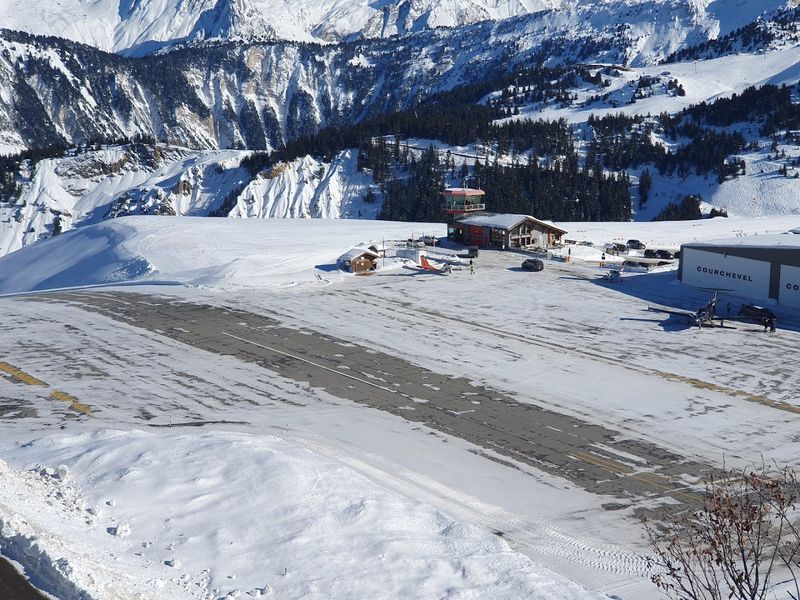
Courchevel Altiport sits at 6,588 feet in the French Alps, and it comes with one of the most unusual runways you’ll ever see — it slopes uphill at an 18.5% gradient. That steep incline is actually what helps planes slow down after landing, since the runway is far too short for normal braking alone.
No go-around is possible here, so every approach is a commitment.
The airport primarily serves wealthy skiers and private jet owners who prefer arriving directly on the mountain rather than driving winding alpine roads. Small propeller planes and helicopters dominate the traffic, since larger aircraft simply cannot handle the conditions.
Pilots must be specifically certified for this altiport, and training for it is notoriously rigorous.
Winter weather makes everything more complicated — snow, ice, and low clouds can appear suddenly and change the entire picture within minutes. The surrounding peaks block certain wind patterns, creating turbulence that surprises even experienced mountain flyers.
Despite all of this, Courchevel handles a surprisingly busy schedule during ski season. Fun fact: it famously appeared in a James Bond film, making it one of cinema’s most dramatic fictional landings too.
Real-life landings here are no less cinematic.
Madeira Airport — Portugal
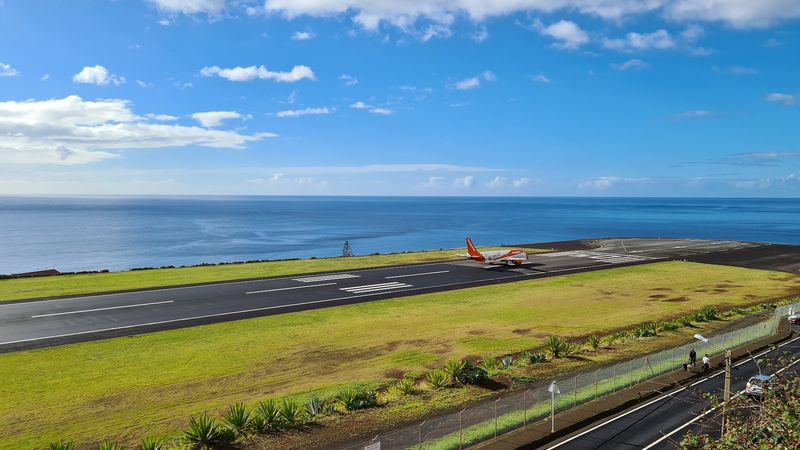
Madeira Airport sits on a narrow strip of land between rugged mountains and the Atlantic Ocean, which creates a wind tunnel effect that pilots genuinely respect. Crosswinds here can be fierce and unpredictable, often requiring a technique called crabbing — where the plane flies at an angle to the runway before straightening out at the very last second.
It looks alarming from the cabin, but it’s a calculated skill.
The original runway was far too short for modern jets, so engineers did something remarkable: they extended it over the sea on 180 massive concrete pillars. The result is a platform runway that juts out over the water, giving pilots a dramatic ocean backdrop as they approach.
It’s an engineering marvel that also happens to be slightly nerve-wracking to land on.
Madeira is a popular holiday island, drawing visitors year-round for its flowers, wine, and dramatic scenery. Getting there, however, requires piloting skill that goes well beyond the ordinary.
The airport was renamed Cristiano Ronaldo International Airport in 2017, honoring the football legend born on the island. Plenty of planes have had to abort approaches here due to wind conditions.
When the landing does work out perfectly, passengers often applaud — and honestly, that feels completely earned.
Lukla Airport — Nepal
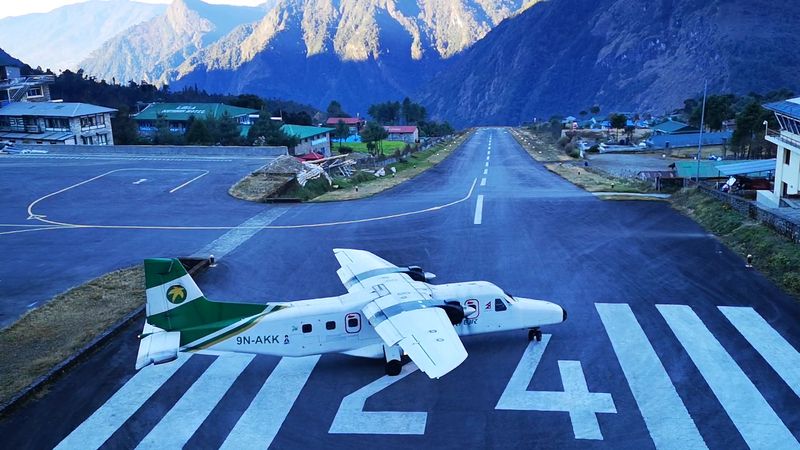
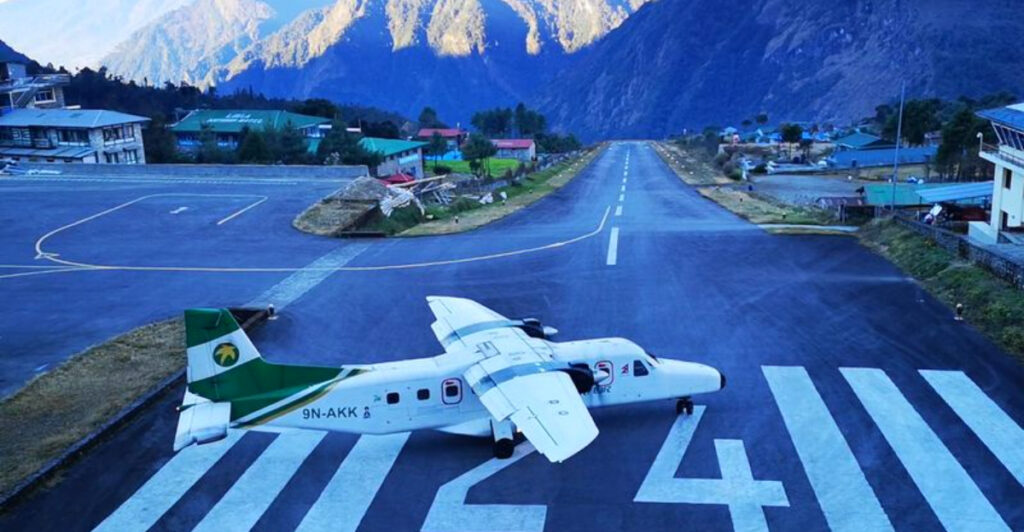
At 9,383 feet above sea level, Lukla Airport doesn’t just sit in the mountains — it practically clings to them for dear life. The runway is only about 527 meters long, and one end drops off into a deep valley below.
Miss the landing, and there’s nowhere to go. Pilots get exactly one shot to get it right.
Strong gusts, sudden fog, and unpredictable mountain weather are everyday realities here. The airport serves as the main gateway for trekkers heading to Mount Everest, so flights happen regularly despite the risks.
Officially named Tenzing-Hillary Airport after two legendary climbers, it carries a weight of history with every landing.
Most commercial airports have instrument landing systems to guide pilots in low visibility. Lukla has none of that — approaches are done by sight only.
Flights are cancelled frequently due to weather, which is honestly the safest outcome. Pilots certified to fly here go through specialized training that most aviators never need.
If Lukla is on your travel itinerary, pack extra patience along with your hiking boots.
Juancho E. Yrausquin Airport — Saba
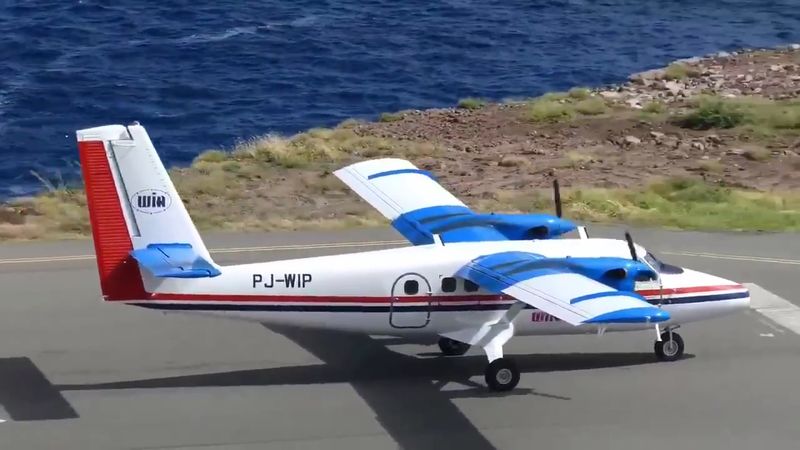
At just 400 meters long, Juancho E. Yrausquin Airport holds the record for the shortest commercial runway on the planet.
That’s barely longer than four football fields placed end to end. What makes it genuinely hair-raising is what sits on both sides of that runway — steep cliffs plunging straight into the Caribbean Sea.
There is virtually no margin for error in any direction.
Only small turboprop aircraft are allowed to operate here, and even those require pilots with specialized mountain and short-field training. Winair is the main carrier serving Saba, and their crews know this approach by heart.
Passengers are advised to keep their seatbelts fastened and their nerves in check, because the descent over the cliffs is not for the faint-hearted.
Saba itself is a tiny volcanic island, home to fewer than 2,000 people, and the airport is essentially its lifeline to the outside world. There’s no other way to reach the island quickly — the ferry is the only alternative, and rough seas often cancel that option.
The island is beloved by divers and nature lovers who consider the dramatic arrival part of the charm. First-time visitors usually step off the plane looking slightly pale but grinning widely.
That reaction is basically a Saba tradition.
Gibraltar International Airport — Gibraltar
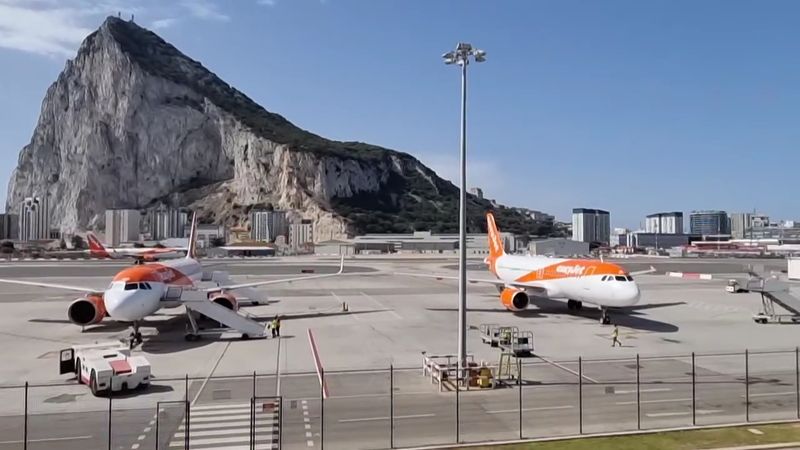
Only at Gibraltar will you find a runway that doubles as a public road. Winston Churchill Avenue, one of the main streets in Gibraltar, crosses directly over the active runway, and traffic lights stop cars every single time a plane lands or takes off.
It’s a quirky setup that somehow works — though it does require some serious coordination between air traffic control and road authorities.
The Rock of Gibraltar itself creates turbulent wind conditions that pilots must account for on every approach. The airfield is hemmed in by Spain to the north and the Mediterranean Sea to the south, leaving almost no room to maneuver.
Short runway, gusty winds, and an intersection with a public road — it’s aviation’s version of a tricky obstacle course.
Gibraltar has been a British Overseas Territory since 1704, and the airport reflects its compact, resourceful character. Expansion has always been limited by geography, so the road-crossing solution became a permanent fixture.
Watching a large aircraft roll across the intersection while cars wait patiently on both sides is a genuinely surreal sight. Tourists sometimes gather near the road barriers just to watch.
It’s probably the only airport in the world where your taxi might get stuck waiting for your own plane to cross the street.
Kansai International Airport — Japan
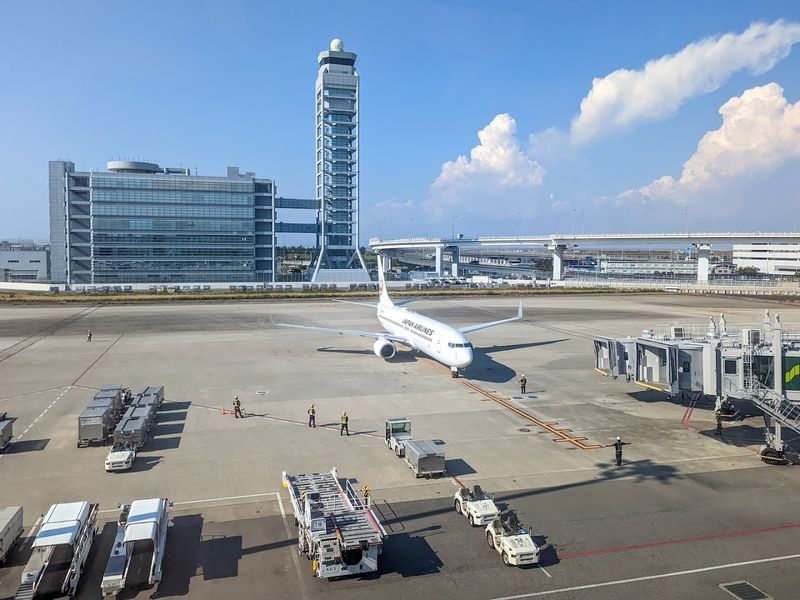
Building an airport on an artificial island in the middle of Osaka Bay sounded ambitious in the 1980s — and it was. Kansai International Airport opened in 1994 as an engineering triumph, but the island has been slowly sinking ever since, settling faster than engineers originally predicted.
The ongoing subsidence means the airport requires constant monitoring and maintenance just to stay operational.
Typhoons are a seasonal reality in Japan, and Kansai sits fully exposed in the bay with no natural barriers for protection. In 2018, Typhoon Jebi caused major flooding, damaged the control tower, and stranded thousands of passengers on the island when a tanker collided with the only access bridge.
It was a stark reminder of how vulnerable the location truly is.
Despite these challenges, Kansai handles millions of passengers annually and serves as a major international hub. The airport building itself, designed by architect Renzo Piano, is a sweeping, wave-shaped structure often praised as a masterpiece of modern design.
Landings here aren’t technically complicated in the same way as mountain airports, but environmental risks add a layer of unpredictability that keeps aviation authorities on high alert. When a typhoon is approaching, the entire island essentially braces for impact — a feeling no mountain airport can quite replicate.
Wellington Airport — New Zealand
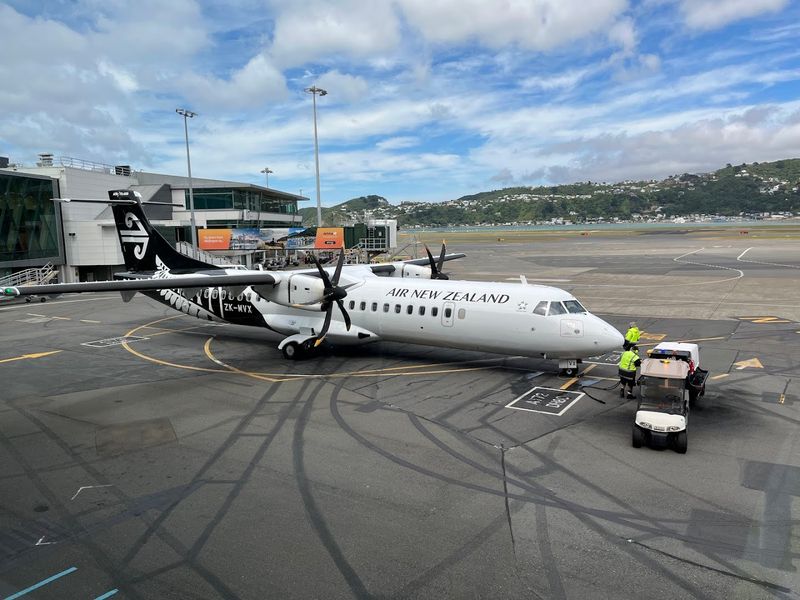
Wellington has earned its nickname — the Windy City — through years of relentless, gusting proof. The airport sits on a narrow strip of land between hills and the Cook Strait, one of the windiest stretches of water on Earth.
Crosswinds here can shift dramatically within seconds, turning what looks like a straightforward approach into a genuine white-knuckle moment for the flight crew.
The runway ends remarkably close to the water on both sides, which means there’s limited tolerance for drift during landing. Pilots flying into Wellington are well aware of its reputation and brief carefully before every approach.
Strong turbulence on final approach is so common that regular passengers barely flinch anymore — though first-timers tend to grip their armrests with impressive dedication.
Interestingly, Wellington Airport has recorded some of the most dramatic go-arounds caught on video, many of which have gone viral online. Watching a jet bank sharply in gusty winds just meters above the runway has a way of capturing people’s attention.
The airport serves New Zealand’s capital city and handles both domestic and international flights daily. Air New Zealand pilots who regularly operate here are considered among the most experienced crosswind handlers in the Southern Hemisphere.
The landings are wild, but the city waiting on the other side is absolutely worth it.
Toncontín International Airport — Honduras
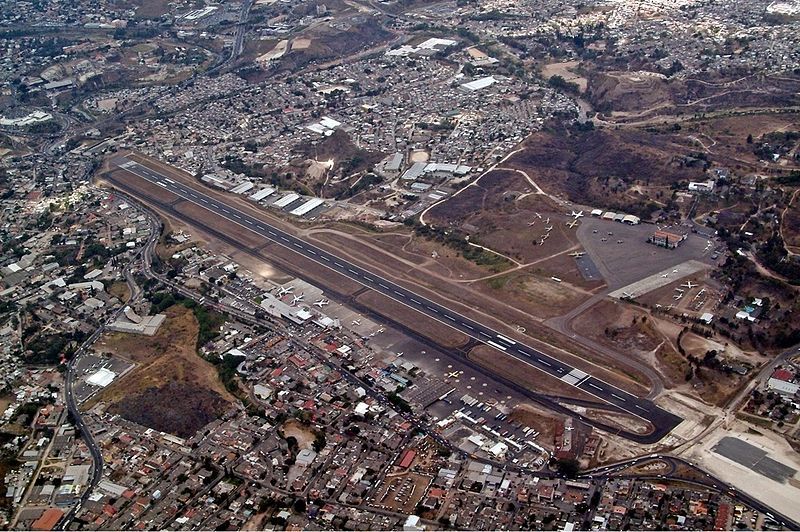
Pilots approaching Toncontín don’t just line up with the runway — they have to find it first, tucked into a mountain-ringed valley in Tegucigalpa with buildings crowding right up to the fence. The approach requires a steep, banking turn at low altitude that happens so late in the descent it genuinely looks like something from an action movie.
There is no gradual, comfortable glide path here.
The runway sits at about 3,300 feet above sea level and stretches only around 2,163 meters — not a lot of room for wide-body jets. Altitude affects how aircraft perform, requiring longer stopping distances than at sea-level airports.
Several serious incidents have occurred here over the years, reinforcing its reputation as one of the most technically demanding airports in the Western Hemisphere.
In 2008, a TACA Airlines flight overran the runway and crashed into a street, killing two people on the ground. That accident prompted serious discussions about whether the airport should continue handling large jets at all.
A newer international airport has since been built to eventually replace Toncontín for major flights. Still, the old airport remains operational and continues to challenge pilots daily.
Aviation experts often use Toncontín as a case study in how geography can fundamentally shape — and complicate — airport design.
Share this story