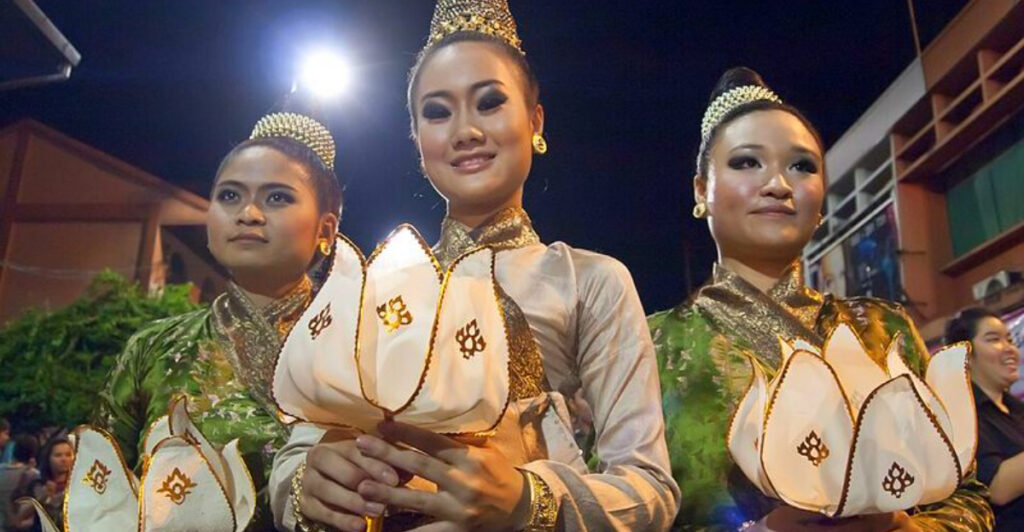
Thailand is one of those places that grabs you the moment you land — the smells, the sounds, the golden temples, and the sizzling street food are unlike anything you have ever experienced. Whether you are a first-time traveler or a seasoned explorer, Southeast Asia’s jewel has a way of surprising even the most prepared visitors.
Knowing a few key things before you go can save you stress, help you connect with locals, and make the whole trip run a lot more smoothly. From visa rules to temple etiquette, here is what every traveler should know before packing their bags for Thailand.
You May Need to Fill Out a Digital Arrival Card
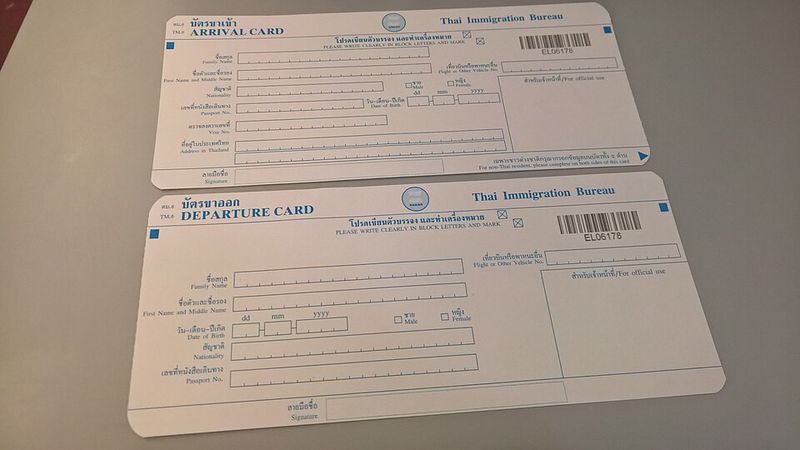
Forget the crinkled paper forms — Thailand has officially gone digital. The Thailand Digital Arrival Card, known as the TDAC, is now required for most international visitors entering the country.
You complete it online before your flight, and it only takes a few minutes once you have your travel details ready.
Think of it like a digital check-in for the country itself. You will need your passport info, your accommodation address in Thailand, and your flight details.
The system is straightforward, but the trick is not leaving it until you are already at the gate scrambling for Wi-Fi.
Complete it a day or two before departure to keep things stress-free. Some airlines may ask about it during check-in, so having it done early avoids any last-minute panic.
Thailand updates its entry requirements fairly regularly, so always check the official Thai immigration website or your country’s travel advisory for the most current instructions before your trip.
Visa Rules Can Change
Good news for many travelers — Thailand currently allows visa-free entry for citizens of around 60 countries, often for stays up to 60 days. That is a generous window for exploring temples, islands, and night markets without the hassle of applying for a visa in advance.
But here is the catch: those rules are not set in stone.
Thailand adjusts its visa policies more often than most countries, and what was true six months ago might not apply today. Visa-on-arrival options, exemption durations, and eligibility lists can shift with little notice.
Booking flights based on outdated information is a mistake that has caught plenty of travelers off guard.
Always verify your country’s current visa status through Thailand’s official immigration bureau or your own government’s travel page — and do this within a few weeks of your departure date, not months before. Also keep in mind that the rules for land border crossings can differ from air arrivals.
A quick check takes five minutes and can save you from being turned away at the airport entirely.
Cash Is Still King
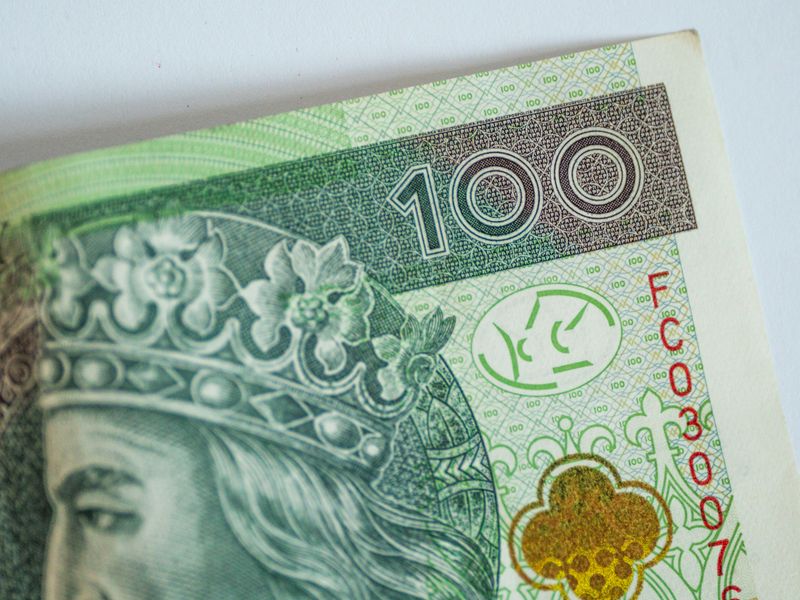
Bangkok’s fancy malls and rooftop bars will happily swipe your card, but the moment you wander into a local night market or sit down at a plastic-stool noodle stall, cash is the only language spoken. Thailand’s street food scene — which is honestly the best part of eating there — runs almost entirely on baht notes.
ATMs are everywhere in cities and tourist areas, but they charge foreign transaction fees that add up surprisingly fast. Withdrawing a larger amount less frequently is smarter than hitting the ATM every day.
Also, Thai ATMs dispense large bills, so try to break them at convenience stores like 7-Eleven, which are genuinely on every corner.
Carrying small bills makes tipping, grabbing snacks, and paying tuk-tuk drivers much easier. The official currency is the Thai baht, and exchange rates at airports are typically worse than those at in-city exchange booths.
Superrich and other reputable exchange counters in Bangkok offer competitive rates. Having a mix of 20, 50, and 100 baht notes on hand will serve you well throughout your entire trip.
Respect the Royal Family
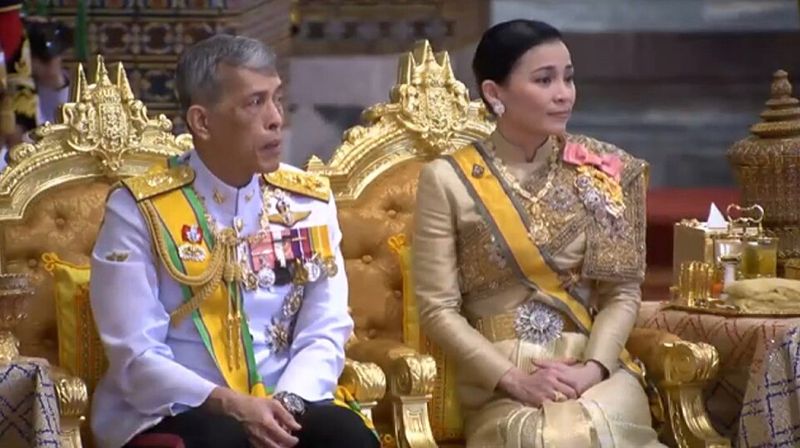
Thailand’s lese-majeste laws are among the strictest in the world, and they are enforced. Making negative comments about the King, Queen, or any member of the royal family — even in a joking way — can result in serious legal consequences, including prison time.
This is not an exaggeration, and it applies to tourists just as much as Thai citizens.
You will notice royal portraits displayed prominently in public spaces, shops, and on currency. Treating these images with respect is expected.
Stamping on a coin or note that has the King’s face, for instance, is considered deeply offensive and could land you in serious trouble.
When the royal anthem plays in cinemas before films, everyone in the theater stands — and you should too. It is a small, easy sign of respect that locals genuinely appreciate from visitors.
The broader takeaway here is simple: keep your opinions about the monarchy to yourself while in Thailand. The country’s relationship with its royal family is deeply personal and cultural.
Staying mindful and observant of how locals behave in these moments is the safest and most respectful approach.
Dress Modestly at Temples
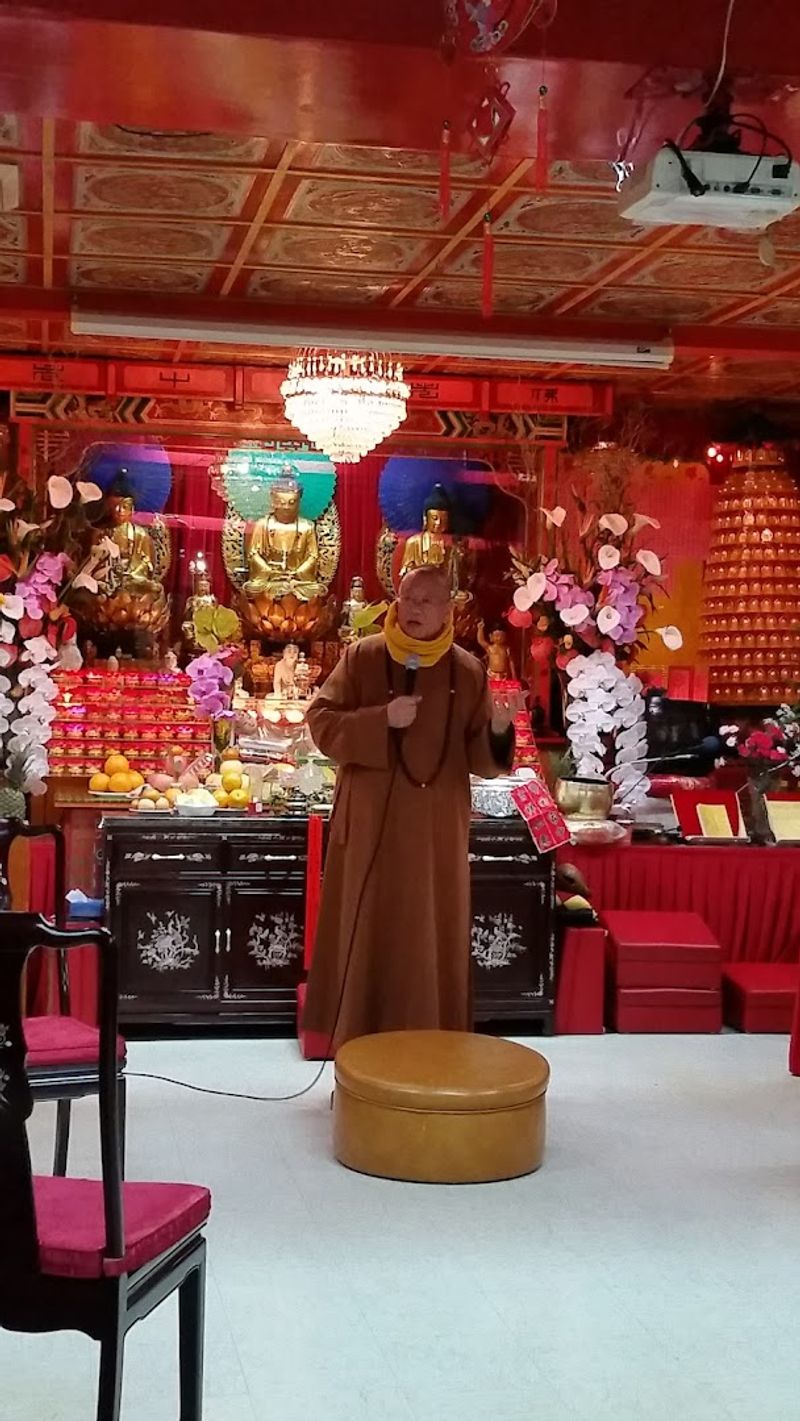
Wat Phra Kaew, Wat Arun, Wat Pho — Thailand’s temples are jaw-droppingly beautiful, and visiting them is an absolute highlight of any trip. But they are active religious sites, not photo sets, and the dress code is taken seriously.
Shorts, tank tops, and sleeveless shirts will get you turned away at the entrance.
Covering your shoulders and knees is the standard rule. Many temples sell or lend sarongs at the gate for a small fee or deposit, which is handy if you forget.
Lightweight linen or cotton pants are perfect for temple visits — they keep you covered without making you overheat in the tropical warmth.
Shoes come off before you enter any temple building, so slip-on sandals are a smart choice over lace-up sneakers. Inside, speak quietly, move respectfully, and avoid turning your back on Buddha images when taking photos.
Women should not touch or hand anything directly to monks. These are not arbitrary rules — they reflect centuries of tradition and sincere faith.
Approaching temples with genuine curiosity and respect makes the experience richer for everyone, including you.
Learn the “Wai” Greeting
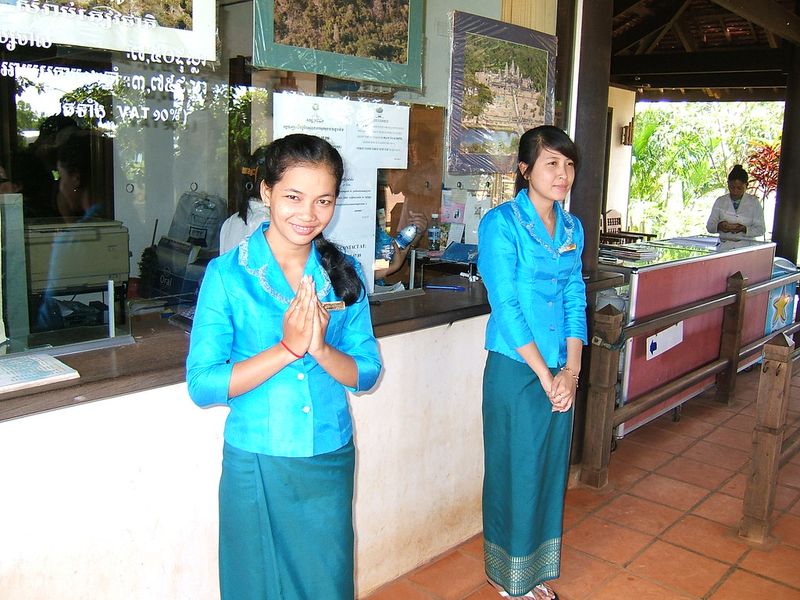
Press your palms together, bring them to about chest or chin height, and give a slight bow — that is the wai, and it is the most universally recognized gesture of greeting and respect in Thailand. Locals use it to say hello, thank you, goodbye, and even sorry, all with the same elegant motion.
You do not need to wai constantly as a tourist — a warm smile goes a long way too — but making the effort earns genuine appreciation from Thai people. The higher your hands and the deeper your bow, the more respect you are showing.
Younger people wai to elders first, and monks receive the most formal version.
One small but important note: monks do not wai back to laypeople, so do not be offended if a monk at a temple does not return the gesture. Also, skip the wai when shaking hands with businesspeople in international settings, where a handshake is often preferred.
Learning the wai before your trip takes about thirty seconds but signals something much more meaningful — that you came to Thailand with an open mind and genuine respect for the culture.
Watch Your Feet and Head

Here is something that surprises most first-time visitors: in Thai culture, the head is considered the most sacred part of the body, while the feet are seen as the lowest — both physically and spiritually. These beliefs shape everyday behavior in ways that are easy to accidentally violate if you do not know about them.
Patting a child on the head might seem affectionate in many cultures, but in Thailand it is considered highly inappropriate. Even touching someone’s hair without permission can feel rude.
On the flip side, pointing your feet at another person, a Buddha statue, or a sacred image is seen as deeply disrespectful.
When sitting on the floor at a temple or in someone’s home, tuck your feet behind you or to the side rather than pointing them outward toward others or toward any religious objects. Avoid using your foot to point at things or to nudge objects — use your hand instead.
These are not complicated adjustments, but they make a huge difference in how you are perceived by locals. A little awareness of body language goes a long way in showing cultural sensitivity.
The Weather Is Hot and Humid
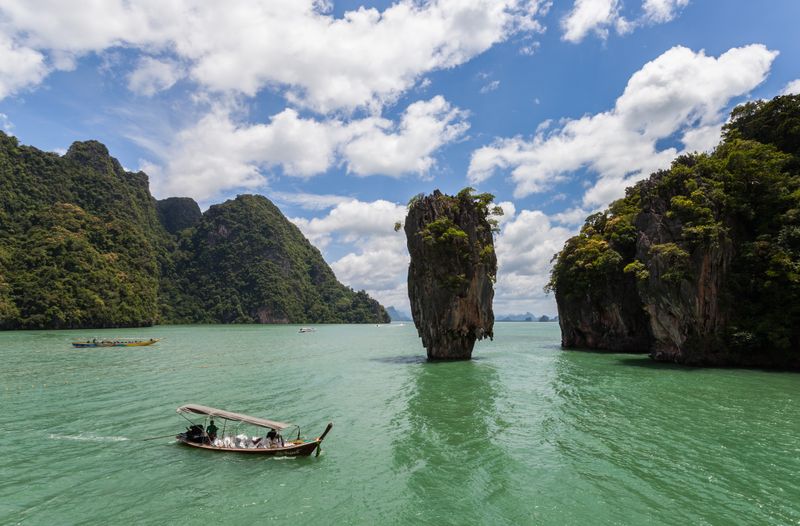
Thailand sits firmly in the tropics, which means two things: it is warm all year, and the humidity will make you feel like you are walking through a warm cloud. Even in the so-called cool season (November to February), temperatures in many areas hover around 28 to 32 degrees Celsius (82 to 90 Fahrenheit).
The country has three main seasons — hot, rainy, and cool — and each brings a different travel experience. The rainy season (roughly May to October) brings dramatic afternoon downpours, lush green landscapes, fewer tourists, and lower prices.
The dry season (November to April) is the most popular for travel, with clearer skies and calmer seas for island hopping.
Packing smart makes a massive difference. Breathable fabrics like linen or moisture-wicking cotton are your best friends.
Sunscreen is non-negotiable — the sun here is fierce, even on cloudy days. Carry a reusable water bottle and drink more water than you think you need.
Dehydration sneaks up fast, especially when you are walking around temples or exploring markets. A small umbrella handles both rain and shade, making it one of the most useful items in your bag.
Street Food Is a Must—But Choose Wisely
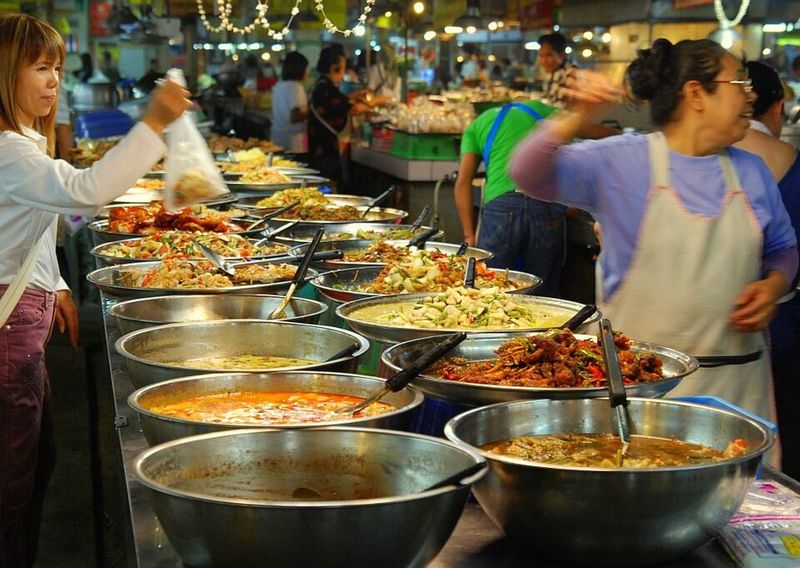
Pad thai from a roadside cart. Mango sticky rice served in a plastic bag.
Skewers of grilled pork sizzling over charcoal at midnight. Thailand’s street food is not just a meal — it is the whole experience, and skipping it would be like going to Paris and avoiding bread.
The good news is that most street food in Thailand is perfectly safe, especially at stalls that are busy and cook food fresh to order. High customer turnover means the ingredients are not sitting around, and you can usually watch your food being made right in front of you.
Trust the queues — if locals are lining up, it is almost always worth joining them.
Be a little more cautious with raw items, pre-cut fruit left in the sun, or anything that looks like it has been sitting out for a while. Seafood at inland markets carries slightly more risk than at coastal spots.
Starting your trip with slightly milder options gives your stomach time to adjust before you go full adventurous. Keep some antacid tablets in your bag just in case — not because disaster is inevitable, but because being prepared means you never have to cut a food adventure short.
Transportation Is Easy and Affordable
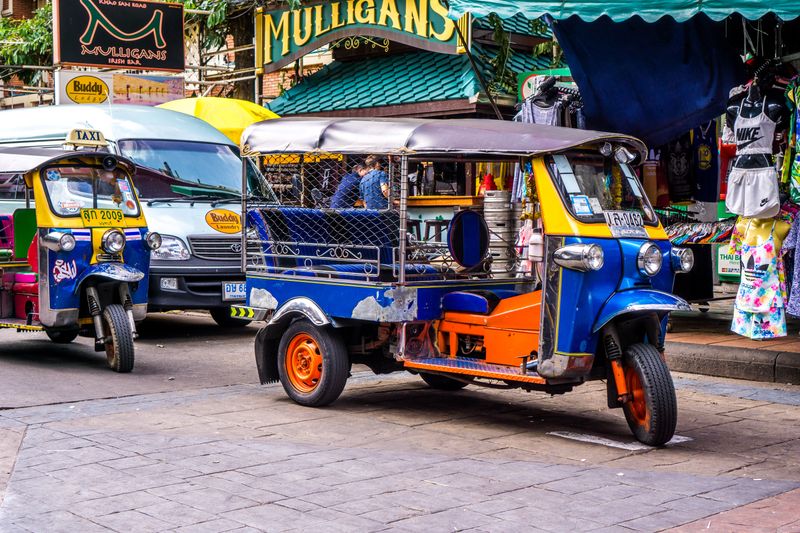
Getting around Thailand is one of the most fun parts of the trip — and one of the cheapest. The country has a well-connected mix of transportation options that range from the iconic to the ultra-modern, and almost all of them are easy to navigate even without speaking Thai.
In Bangkok, the BTS Skytrain and MRT subway are fast, air-conditioned, and inexpensive. Grab, the regional version of Uber, works brilliantly in cities and takes the guesswork out of pricing — no haggling required.
For longer distances, overnight sleeper trains are comfortable and scenic, while budget airlines like AirAsia connect major cities for just a few dollars if booked in advance.
Tuk-tuks are fun for short trips but always agree on a price before you get in — they do not use meters. Ferries and longtail boats connect islands and coastal towns with a charm that no highway can match.
Renting a scooter is popular in places like Chiang Mai and Koh Samui, but only do so if you are genuinely comfortable riding one. Thailand’s roads can be hectic, and helmets are essential.
Overall, getting from place to place here is rarely stressful and often an adventure in itself.
Bargaining Is Normal (In Some Places)
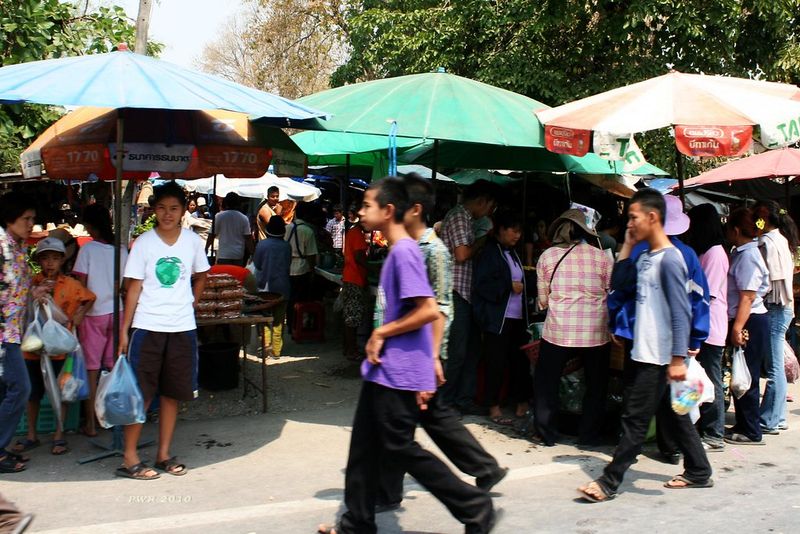
Walking through Chatuchak Weekend Market or a beachside souvenir stall and seeing a price tag is really just the opening line of a conversation. Bargaining at markets is a completely normal and expected part of shopping culture in Thailand — and when done with a smile, it is genuinely enjoyable for both sides.
The key is keeping it light and friendly. Start by offering around 50 to 60 percent of the asking price and let the negotiation meet somewhere in the middle.
Never act aggressive or offended — that kills the mood entirely. If a vendor will not budge on price, it is fine to walk away politely.
Sometimes they will call you back with a better deal.
However, knowing when not to bargain is just as important. Fixed-price stores, malls, pharmacies, and restaurants do not expect negotiation.
Trying to haggle at a sit-down restaurant or a 7-Eleven will just create an awkward moment. Tuk-tuk and taxi fares are fair game to discuss upfront, but once you are in the vehicle, the deal is done.
The golden rule: if there is a price tag and it is a proper shop, pay the price. If it is an open market and the vendor named the number out loud — game on.
Remove Shoes Often
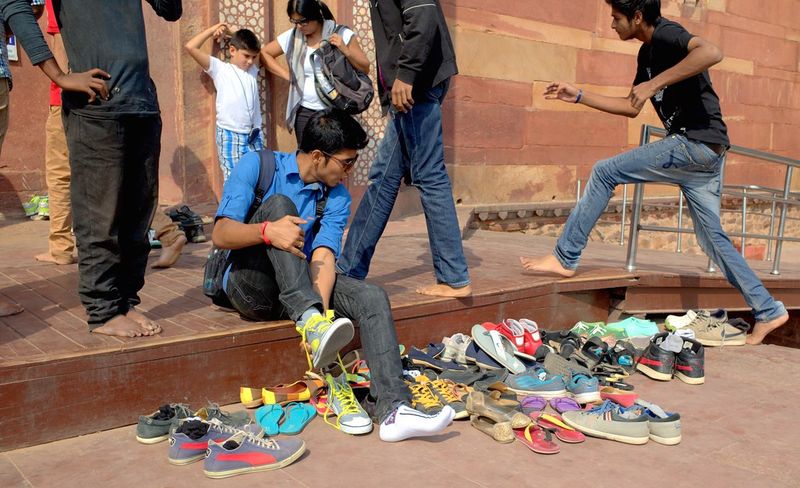
One of the first things you will notice in Thailand is shoes neatly lined up outside doors — temples, homes, some guesthouses, and even a few shops. That is your universal signal: shoes off before you enter.
It is one of the most consistent and widely observed customs in the country.
The practice ties into the same cultural belief about feet being considered low and impure. Bringing outdoor shoes inside a sacred or private space is seen as disrespectful and unclean.
Even in some casual settings, like a beachside bungalow or a family-run restaurant with floor seating, you may be expected to remove your footwear before sitting down.
Practical tip: wear slip-on sandals or flip-flops as much as possible. You will be taking them off and putting them back on multiple times a day at busy temple sites, and lace-up sneakers turn that into a minor ordeal every single time.
Keep your footwear in good condition too — having to remove your shoes means others will see them, and leaving them neat and tidy rather than tossed sideways is a small gesture of consideration. It takes zero effort and goes a long way in showing you understand and respect local customs.
Be Careful with Water
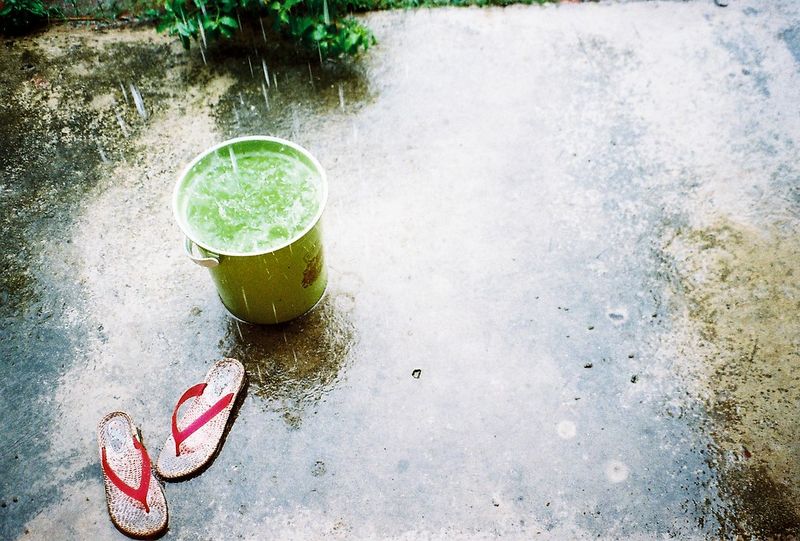
Thailand’s tap water is treated, but it is not considered safe to drink straight from the tap — and this applies even in major cities like Bangkok and Chiang Mai. Most locals do not drink it either, so you are in good company when you reach for a bottle instead.
Bottled water is cheap, widely available, and sold practically everywhere — convenience stores, street stalls, guesthouses, and markets. A 1.5-liter bottle typically costs less than a dollar.
If you want to cut down on plastic waste, many hotels and hostels offer filtered water refill stations, which is a great option for the environmentally conscious traveler.
Ice is worth paying attention to, too. At reputable restaurants and hotels, ice is made from purified water and is completely fine.
At smaller roadside stalls, it is worth being a bit more cautious. Brushing your teeth with tap water is generally considered fine by most travelers, but if you have a sensitive stomach, use bottled water for that too.
Staying well-hydrated in Thailand’s heat is genuinely important, so make drinking enough water a daily priority — just make sure it is coming from a sealed or filtered source to keep your stomach happy throughout the trip.
Festivals Can Change Your Trip (In a Good Way)
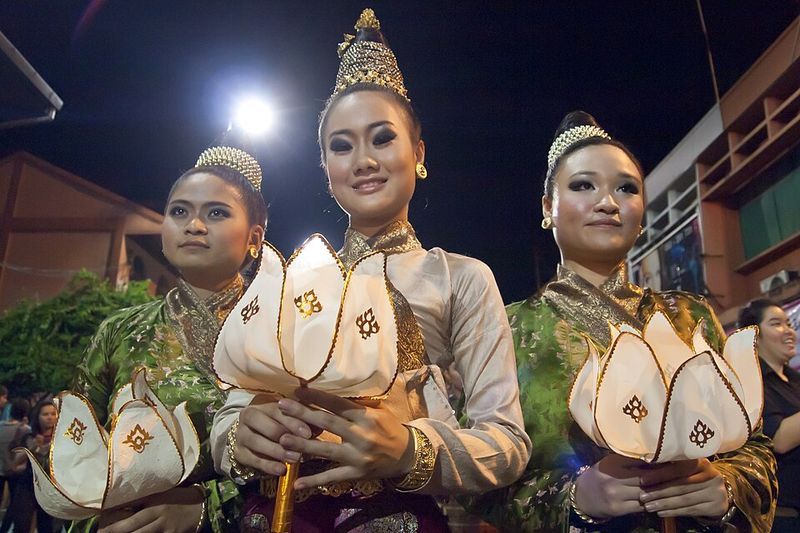
Imagine walking out of your hotel and into what feels like the world’s biggest, happiest water fight. That is Songkran — Thailand’s traditional New Year festival held every April — and it is one of the most exhilarating things you can experience as a traveler anywhere in the world.
Cities like Chiang Mai turn into full-scale celebrations for several days straight.
But Songkran is just one of many festivals that can completely transform your trip. Yi Peng, the lantern festival in Chiang Mai, fills the night sky with thousands of glowing paper lanterns in November.
The Vegetarian Festival in Phuket is wonderfully bizarre and fascinating. Loy Krathong sees people releasing beautifully decorated floats down rivers and canals across the country.
Planning your trip around a festival adds a layer of magic that no amount of sightseeing can replicate. That said, festivals also mean bigger crowds, higher hotel prices, and roads that may be closed or packed.
Book accommodation well in advance if your dates overlap with a major event. A little planning turns what could be a logistical headache into the highlight of your entire journey.
Check Thailand’s festival calendar before you finalize your travel dates.
Thailand Is Safe—But Stay Aware
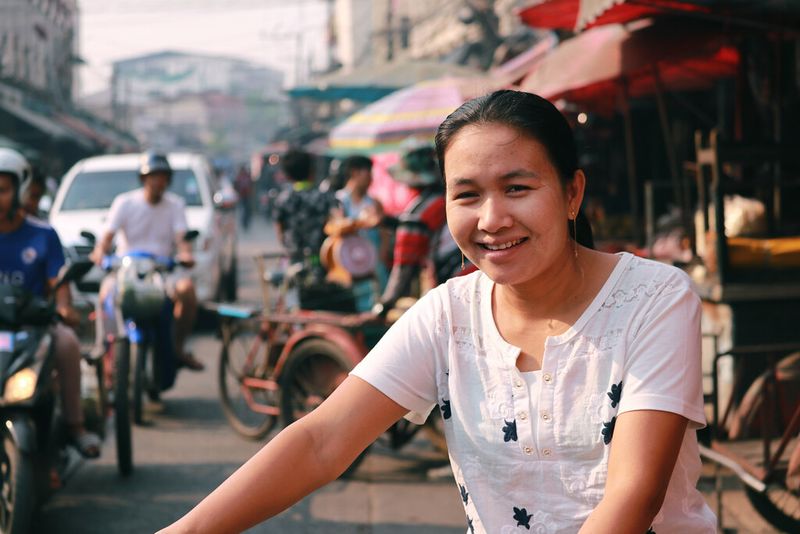
Thailand consistently ranks as one of the most tourist-friendly countries in Southeast Asia, and millions of visitors travel there every year without incident. The people are famously warm, the tourist infrastructure is excellent, and serious crime against travelers is relatively rare.
That said, no destination anywhere in the world is completely without risk.
The most common issues tourists face in Thailand are petty theft, scams, and opportunistic pickpocketing in busy areas. The classic gem scam, the tuk-tuk tour scam, and the closed temple scam have been running for years — if a stranger on the street offers you an amazing deal or tells you a famous site is closed today, be skeptical.
These setups are well-practiced and target well-meaning, trusting visitors.
Nightlife zones in cities like Bangkok and Pattaya require a bit more alertness — keep an eye on your drinks, your wallet, and your surroundings. Solo travelers, especially women, should trust their instincts and avoid isolated areas late at night.
Registering with your country’s embassy or using a travel safety app adds an extra layer of peace of mind. Thailand rewards curious, open-minded travelers — just pair that openness with a healthy dose of street smarts.
Share this story