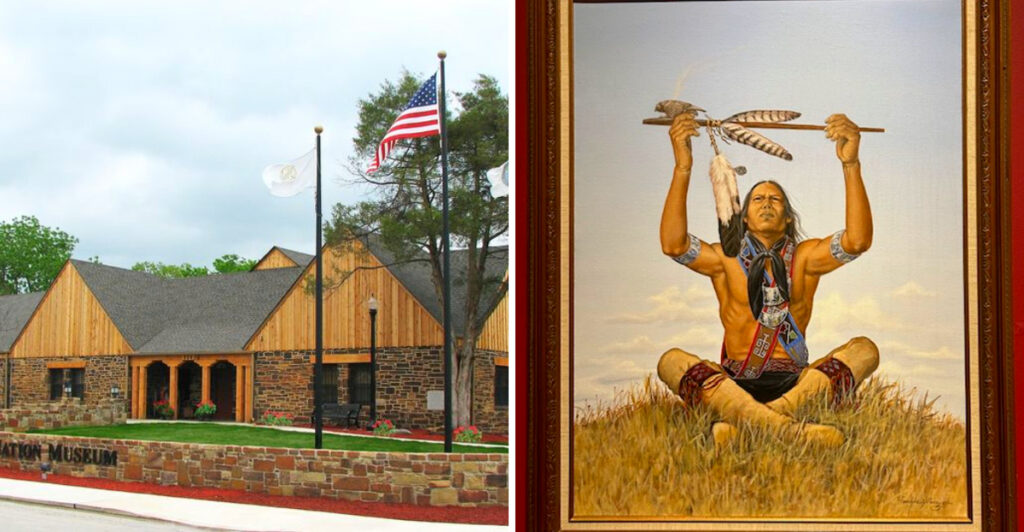
There is a small town in central Oklahoma where the past speaks loudly, and the stories it tells deserve to be heard far beyond state lines. Wewoka, Oklahoma serves as the capital of the Seminole Nation, and tucked along its streets is a museum that holds centuries of culture, resilience, and identity within its walls.
I had no idea what to expect when I first pulled up to the building, but what I found inside genuinely stopped me in my tracks. The exhibits are thoughtfully designed, the artifacts are stunning, and the history on display is the kind that stays with you long after you have driven home.
This is the kind of place that reminds you why local museums matter so much.
Where the Seminole Nation Story Begins
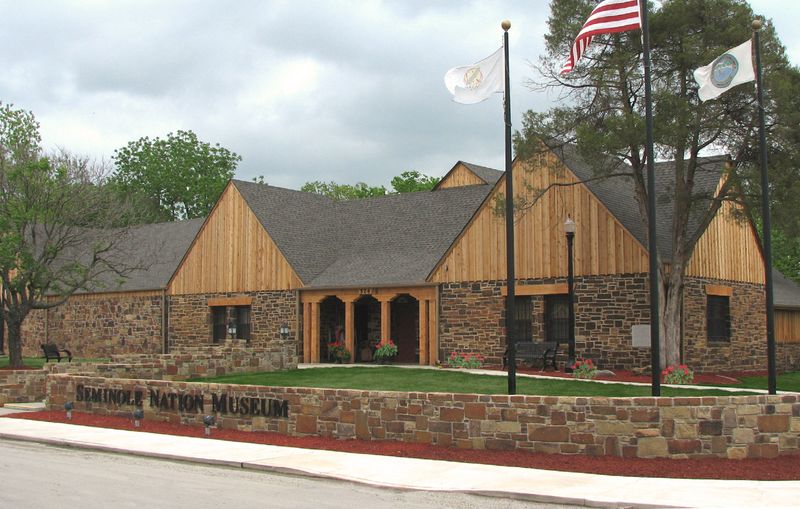
The Seminole Nation Museum sits at 524 S Wewoka Ave, Wewoka, Oklahoma 74884, right in the heart of a town that carries more history per square foot than most people realize. Wewoka has served as the capital of the Seminole Nation for over a century, and this museum was built to honor that legacy in a way that feels both respectful and genuinely educational.
The building itself is modest from the outside, but do not let that fool you. The moment you cross the threshold, you are surrounded by carefully curated exhibits that cover everything from the early roots of the Seminole people to their forced relocation and eventual rebuilding of community life in Oklahoma.
The museum is open Monday through Saturday from 10 AM to 5 PM and is closed on Sundays. Admission is free, with a donation box near the entrance for those who want to contribute.
You can reach the museum at +1 405-257-5580 or visit their website at https://www.seminolenationmuseum.org/ for more details before your trip.
The History That Shaped a Nation
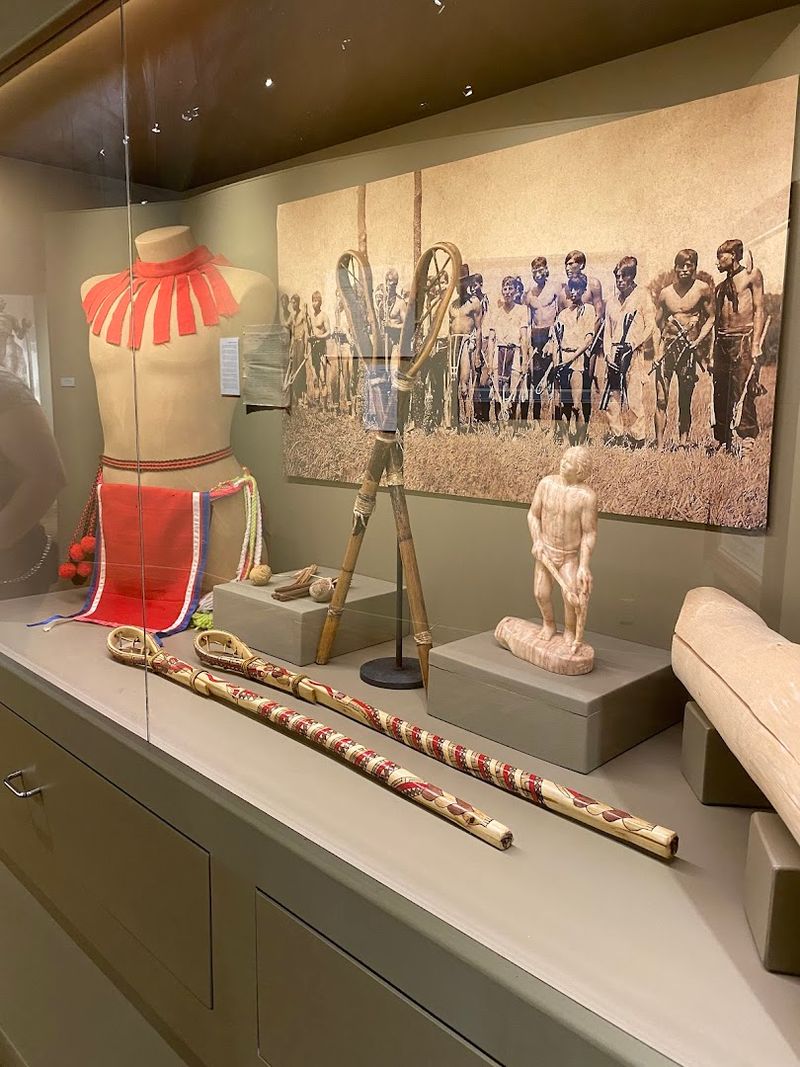
Few stories in American history carry as much weight as the forced removal of the Seminole people from their ancestral homelands in Florida. The museum does not shy away from this painful chapter, and that honesty is one of the things I appreciated most about my visit.
Through a combination of historic photographs, written accounts, and carefully preserved artifacts, the exhibits walk you through the long and difficult journey that brought the Seminole Nation to Oklahoma. The storytelling is direct without being overwhelming, making it accessible even for younger visitors who may be encountering this history for the first time.
What struck me most was how the narrative does not end with hardship. The exhibits also celebrate the strength and determination the Seminole people showed in rebuilding their government, their traditions, and their communities once they arrived in Indian Territory.
History here is not just about what was lost but also about what was preserved and carried forward. That balance gives the museum a tone that feels honest, grounded, and ultimately uplifting in the best possible way.
Native American Art That Commands Attention
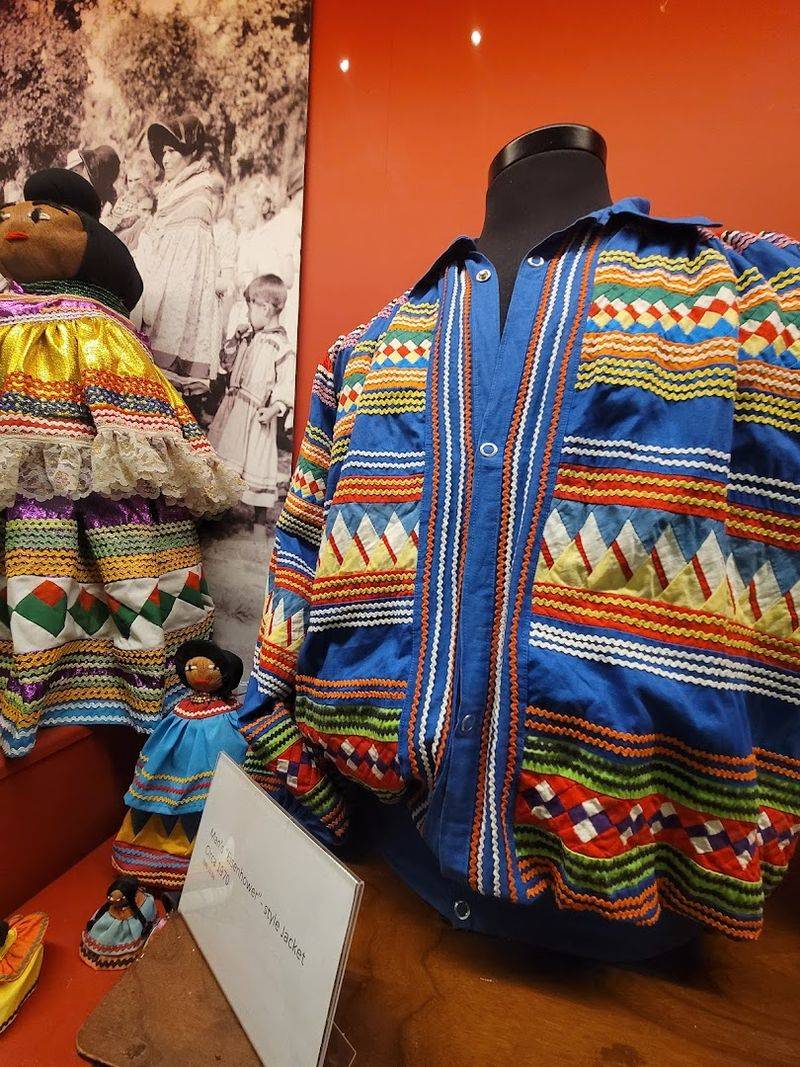
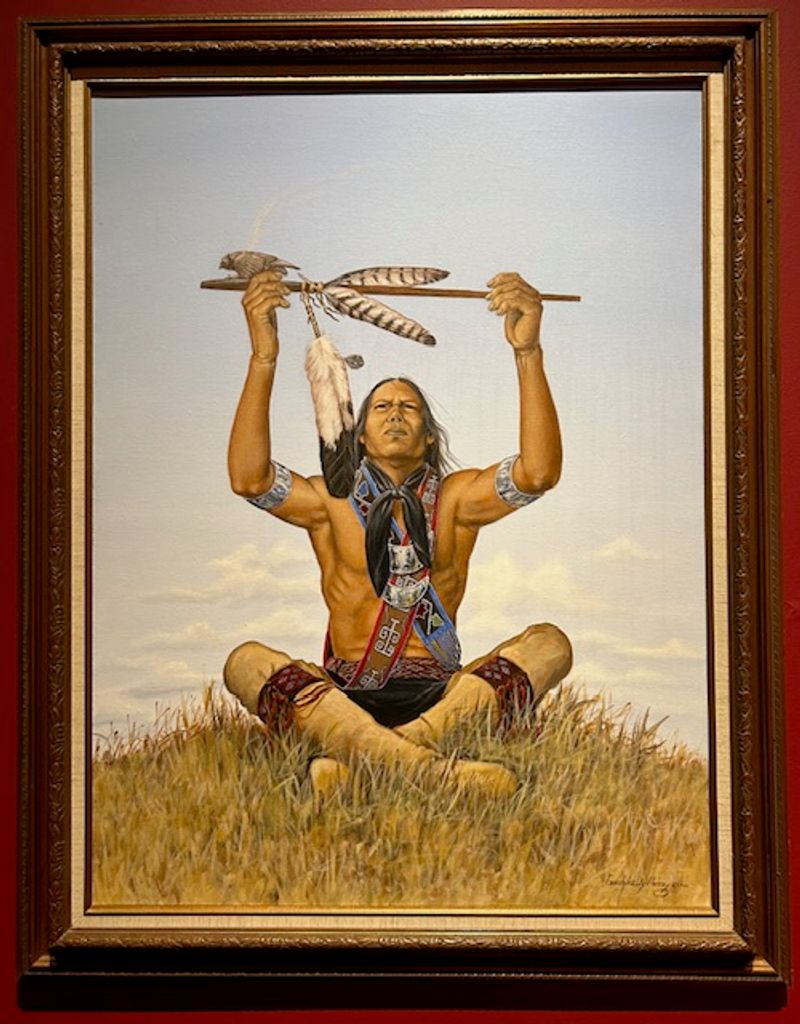
Art has always been one of the most powerful ways a culture expresses itself, and the Seminole Nation Museum understands this completely. One of the first things that caught my eye was the collection of Native American artwork displayed throughout the gallery space.
The colors are vivid, the craftsmanship is meticulous, and each piece tells its own story. Traditional Seminole patchwork patterns appear throughout, and you can see how this distinctive style has evolved over generations while still holding onto its original character.
The gallery is small but expertly arranged, so nothing feels cluttered or overlooked.
Several pieces by contemporary Seminole artists are displayed alongside historical works, which creates an interesting conversation between past and present. You get a real sense that this artistic tradition is not just being preserved but is actively alive and growing.
For anyone who appreciates handmade, culturally rooted art, this part of the museum alone is worth the visit. The detail in each piece genuinely rewards a slow, careful look rather than a quick glance.
The 45th Division Thunderbirds Exhibit
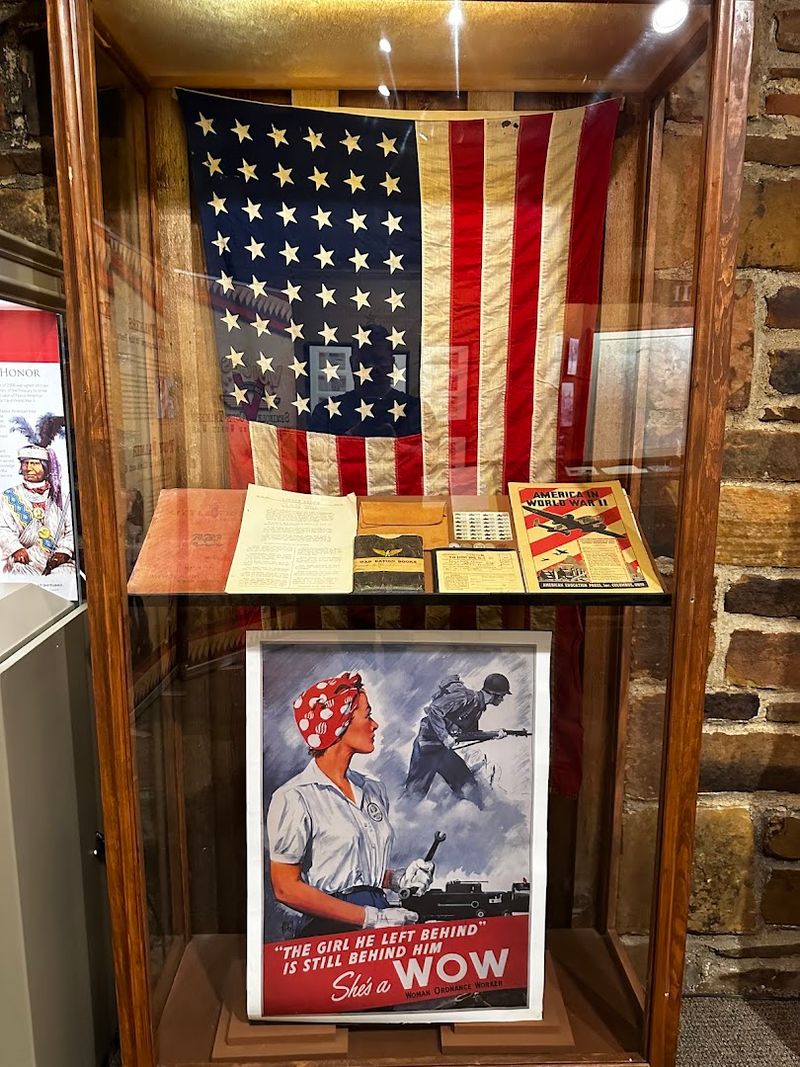
One of the most surprising sections of the museum for me was the exhibit dedicated to the 45th Infantry Division Thunderbirds. I did not expect to find military history woven into a museum primarily focused on Seminole culture, but once I understood the connection, it made complete sense.
The Thunderbird insignia itself was inspired by a Native American symbol, and many members of the division had deep roots in Oklahoma and its Indigenous communities. The exhibit honors that connection with photographs, documents, and artifacts that bring the World War II era vividly to life.
Seeing this exhibit alongside the Seminole cultural displays reminded me that history rarely fits into neat, separate boxes. The stories of Indigenous peoples and broader American history are more intertwined than most textbooks let on.
This exhibit does a great job of drawing those threads together in a way that feels both informative and genuinely moving. It is one of those unexpected museum moments that makes you rethink what you thought you already knew about a particular period in history.
Wewoka: A Town With Deep Roots
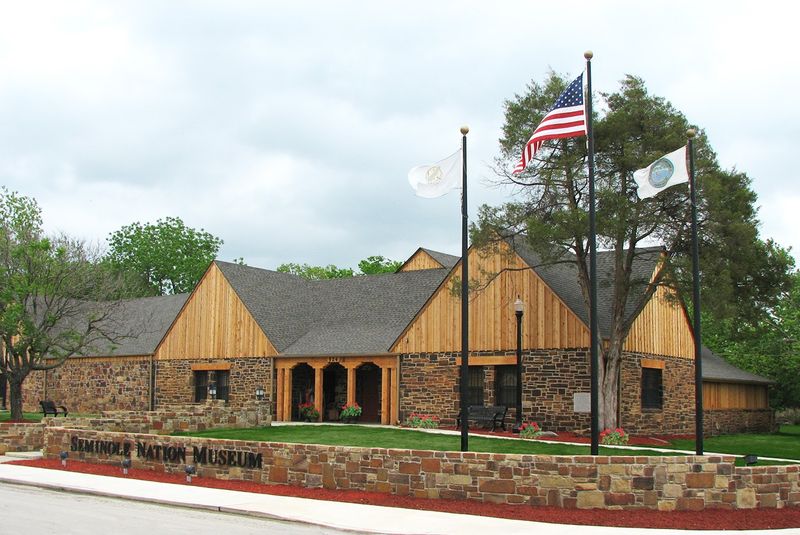
The museum does not exist in isolation. It is deeply connected to the town of Wewoka, which has served as the capital of the Seminole Nation of Oklahoma for well over a century.
Understanding the town helps you understand the museum, and vice versa.
Wewoka has a fascinating layered history that includes its role as a center for the oil industry in the early twentieth century, its significance in Seminole Nation governance, and its position as one of the most historically rich small towns in the state. The museum draws on all of these threads to paint a fuller picture of what this community has been through and what it continues to represent.
Exhibits about notable local events and Oklahoma icons give you a sense of how Wewoka fits into the bigger story of the state. The town is small and quiet today, but walking through the museum gives you a strong feeling of the energy and importance it once held.
Combine a museum visit with a short walk around the surrounding streets and you will leave with a much richer appreciation for this corner of central Oklahoma than you arrived with.
Land Allotment Records and Personal Research
One of the most personally meaningful services the museum offers is help with historical land research. A visitor who had recently purchased a homestead in Oklahoma came in curious about the original owners of the land, and the museum staff researched the allotment history and identified who the land was originally assigned to.
That kind of personalized, hands-on historical work is rare and remarkable. The museum holds records and resources related to the Dawes Rolls and the original land allotments made to Seminole Nation members in the late nineteenth and early twentieth centuries.
For anyone with family ties to the region or who has recently acquired property in this part of Oklahoma, that research capability alone is worth a visit.
The curator is described as knowledgeable and approachable, happy to sit down with visitors and walk through what the records show. There is something deeply meaningful about connecting a patch of land to the actual people who once called it home.
The museum transforms that connection from an abstract historical fact into something real, tangible, and personally significant for the people who seek it out.
The Gift Shop and Handmade Treasures
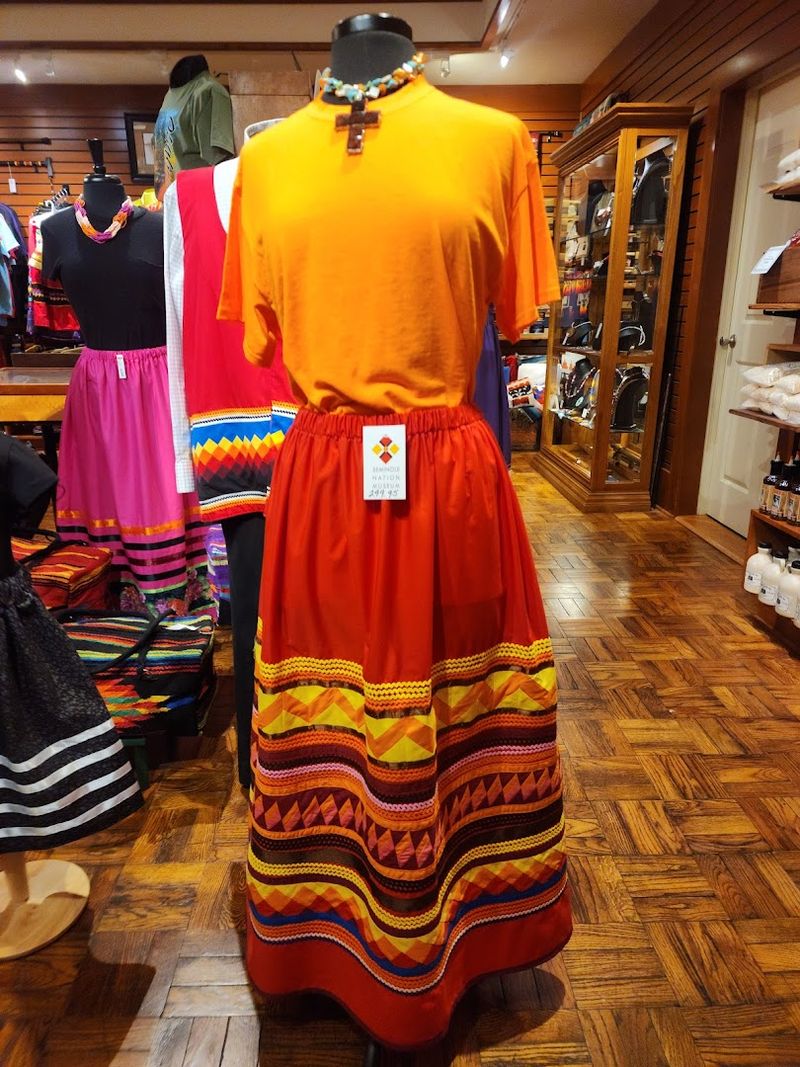
Museum gift shops can be hit or miss, but the one at the Seminole Nation Museum is genuinely worth your time and attention. The shop carries handmade items that reflect real Seminole craftsmanship, not mass-produced trinkets designed to look the part.
Ribbon skirts are one of the standout items available, crafted by a local artist whose skill and attention to detail are evident in every stitch. Ribbon baby outfits are also available, making the shop a meaningful stop for families looking for something authentic to bring home.
These are not just souvenirs but wearable pieces of cultural heritage made by someone who knows and lives that tradition.
The shop also carries other handmade goods that reflect the broader artistic traditions of the Seminole people. Prices are reasonable for the quality and cultural significance of what you are buying, and purchasing something here directly supports the artists and the museum community.
I picked up a small piece as a keepsake, and every time I see it at home, it brings back the whole experience of the visit in a way that no photograph quite manages to capture.
Rotating Exhibits That Keep Things Fresh
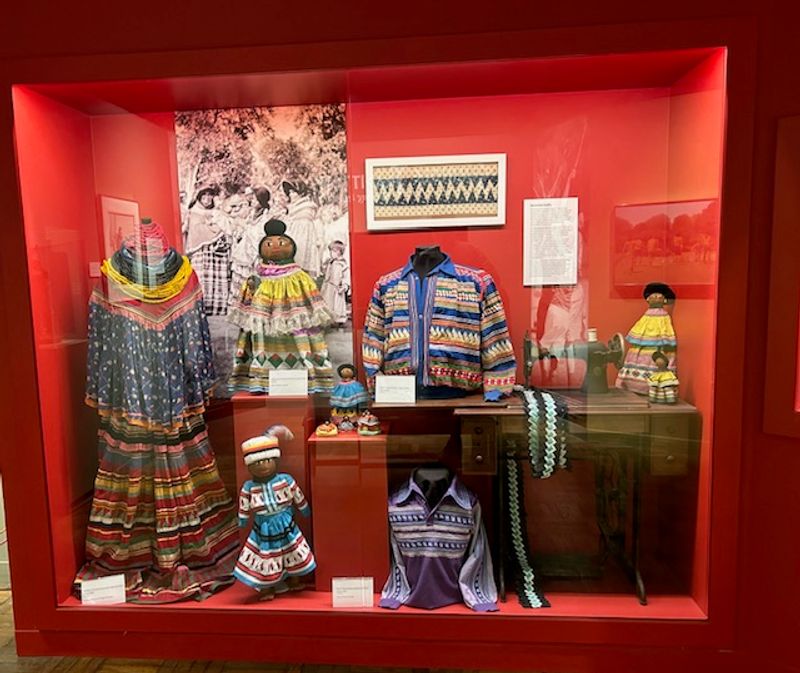
One of the things that sets this museum apart from smaller institutions that tend to feel static is its commitment to rotating exhibits. The displays are changed several times a year, which means repeat visitors will almost always find something new to discover.
A visitor who had not returned in nine years noted with genuine excitement the new exhibits and video additions that had been installed since their last trip. That kind of ongoing development shows that the museum is not simply a place where history is stored but one where it is actively explored and reinterpreted over time.
The video components are a particularly effective addition. Seeing and hearing stories told through film adds a dimension that photographs and written text alone cannot fully replicate.
For younger visitors especially, the video elements make the history feel more immediate and relatable. The museum also covers topics beyond the Seminole Nation itself, occasionally featuring exhibits connected to broader Oklahoma history and culture.
That willingness to expand its scope while staying rooted in its core mission keeps the experience feeling dynamic and worth returning to more than once.
Practical Tips for Planning Your Visit
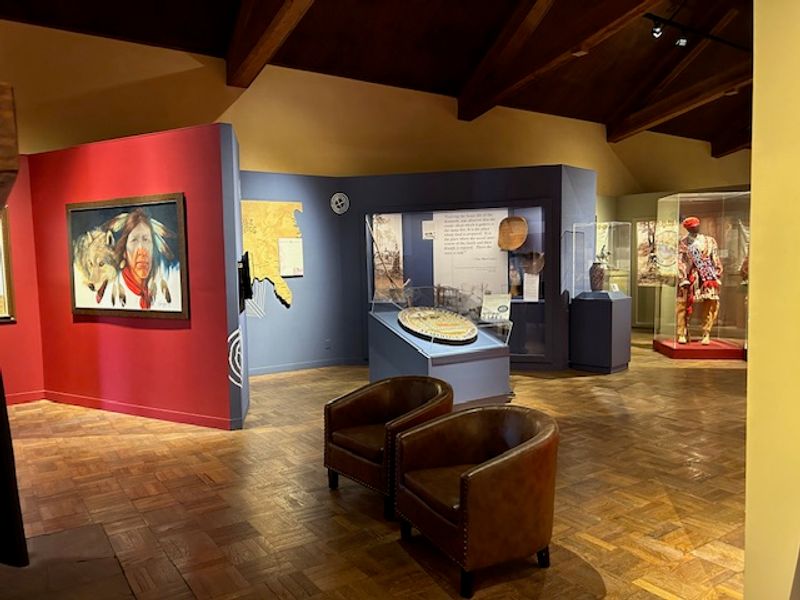
Getting the most out of your visit takes just a little bit of planning, and the good news is that this museum is genuinely easy to enjoy. The museum is open Monday through Saturday from 10 AM to 5 PM and is closed on Sundays, so keep that in mind when scheduling your trip.
Admission is free, which is a rarity for a museum of this quality and depth. A donation box is available near the entrance, and contributing something is a kind way to help the museum continue its work.
Most visitors spend somewhere between thirty minutes and a couple of hours exploring, depending on how deeply they engage with each exhibit and whether they linger in the gift shop.
Parking is street-side along the front of the building, so plan accordingly and arrive a few minutes early to find a spot. The museum is about an hour’s drive from Oklahoma City, making it a very manageable day trip.
Calling ahead at +1 405-257-5580 or checking the website before you go is always a smart move, especially if you are interested in speaking with the curator or researching specific historical records during your visit.
Why This Museum Deserves a Spot on Your List
Small museums carry big responsibilities, and the Seminole Nation Museum handles that responsibility with care, honesty, and genuine pride. The story it tells is not always easy, but it is always important, and the way it is presented makes you feel respected as a visitor rather than lectured at.
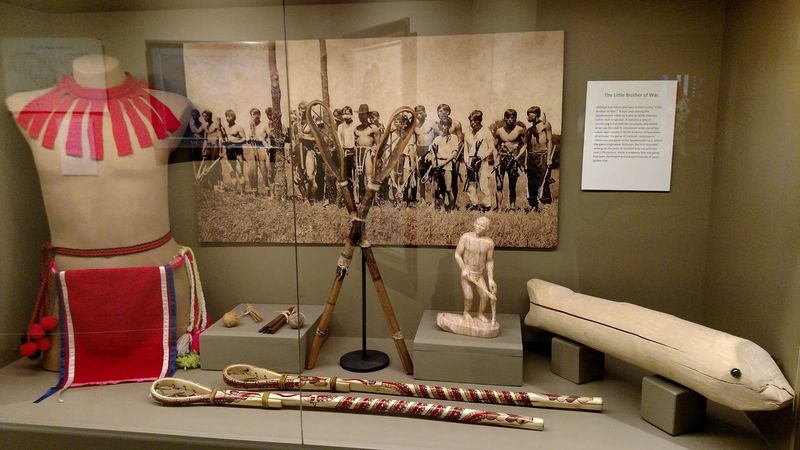
The combination of historic artifacts, rotating art exhibits, video components, personal research services, and a thoughtfully stocked gift shop gives the museum a range that many larger institutions would envy. Everything feels purposeful, and nothing feels like filler.
That level of intentionality is refreshing in any cultural space.
For those who live in Oklahoma or are passing through the central part of the state, skipping this museum would be a genuine missed opportunity. For travelers coming from farther away, it is the kind of stop that ends up being the highlight of a road trip rather than just a footnote.
The Seminole Nation has a story that reaches across centuries, crosses state lines, and touches on some of the most significant chapters in American history. This museum tells that story with clarity, dignity, and a warmth that lingers long after you have made the drive home.
Share this story