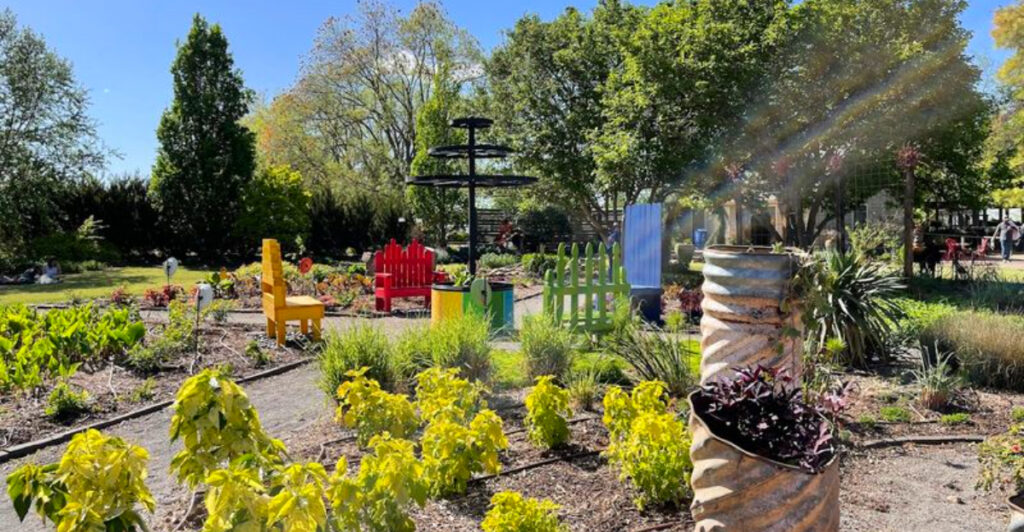
There is a place in Stillwater, Oklahoma where every turn of a path reveals something new, a burst of color, a buzzing pollinator, or a tree so grand it feels like it has been standing guard for centuries. This garden is free, open every single day, and packed with enough variety to keep you exploring for hours.
It sits on over 100 acres of beautifully maintained grounds and is connected to one of the most respected horticulture programs in the region. Whether you visit once or make it a regular habit, the experience always feels worth the trip.
A Living Laboratory With Deep Roots
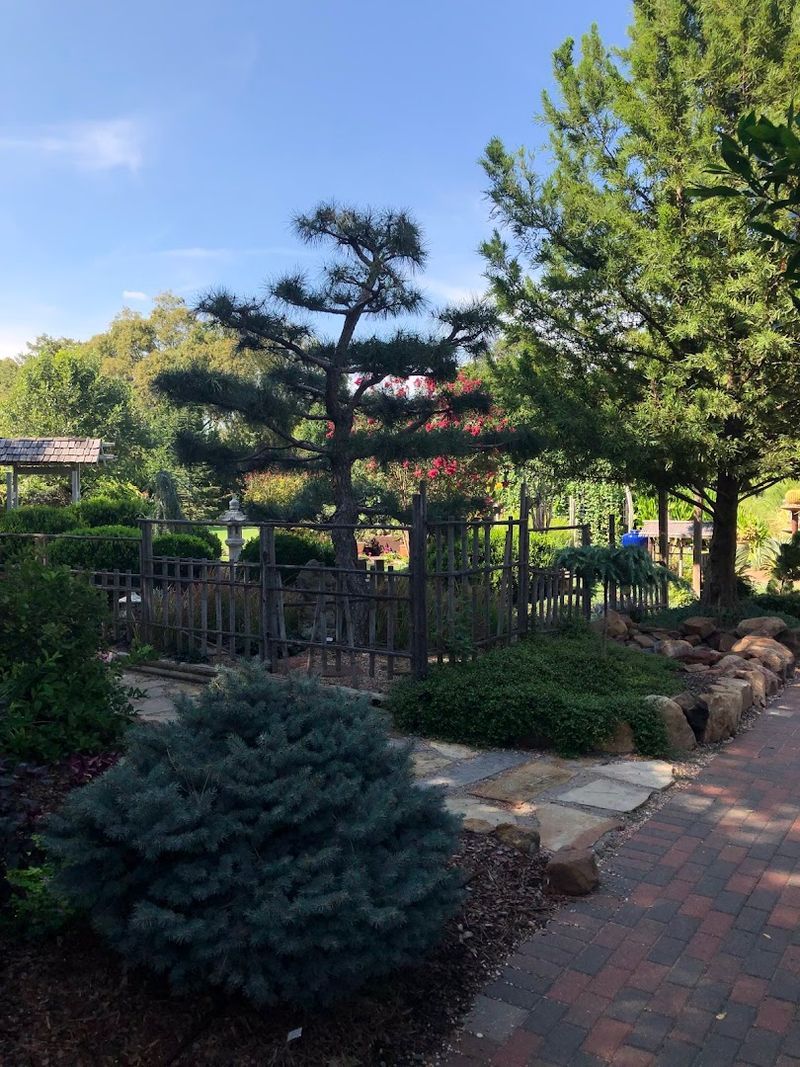
Right off West 6th Street, at 3300 W. 6th Street in Stillwater, Oklahoma, the south entrance welcomes you to one of the most impressive university-affiliated gardens in the entire state.
The Botanic Garden at Oklahoma State University covers over 100 acres and serves as a working outdoor laboratory for the OSU Department of Horticulture and Landscape Architecture.
This is not just a pretty place to stroll through. Scientists, students, and horticulture researchers actively use these grounds to study plants, test new cultivars, and develop sustainable growing practices.
Signs placed throughout the garden document progress over the years, with markers showing how certain plots have evolved since 2003, 2007, and beyond. That kind of historical documentation gives the whole visit a richer, more layered feel than a typical park.
The garden is open to the public seven days a week from 6 AM to 6 PM, and best of all, admission is completely free. You can reach the garden by phone at 405-744-4643 or visit their website at botanicgarden.okstate.edu for event updates and seasonal highlights.
Themed Garden Displays That Tell a Story
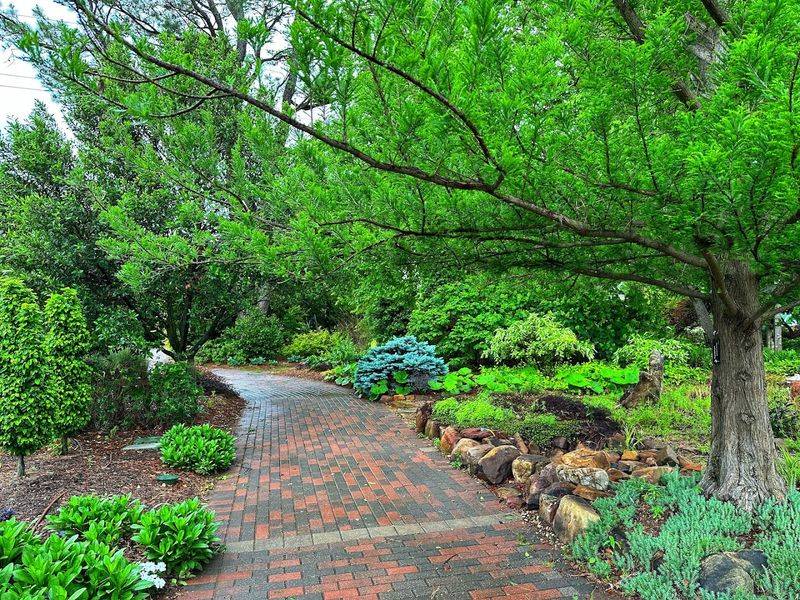
One of the biggest surprises at this garden is just how many distinct themed areas exist within the same property. Each section feels like its own world, carefully designed to highlight specific plants, styles, or purposes.
The butterfly garden draws in pollinators from all over, and on a warm afternoon the air above the flowers practically hums with activity. Herb gardens, ornamental grass displays, and native plant sections all offer something different depending on the season.
The rose garden is a standout feature that brings serious color to the grounds, especially during peak bloom in late spring and early summer. Visitors who love design inspiration will find plenty of creative home garden ideas showcased throughout the themed beds.
Labels and interpretive signs accompany most plantings, so you leave knowing the names of what caught your eye instead of just admiring something you cannot identify. The variety here is genuinely impressive, and the transitions between themed areas feel natural rather than abrupt.
Each section rewards a slower pace, so resist the urge to rush and let the details of each planting zone sink in as you move through the property.
The Japanese Garden and Asian-Inspired Spaces
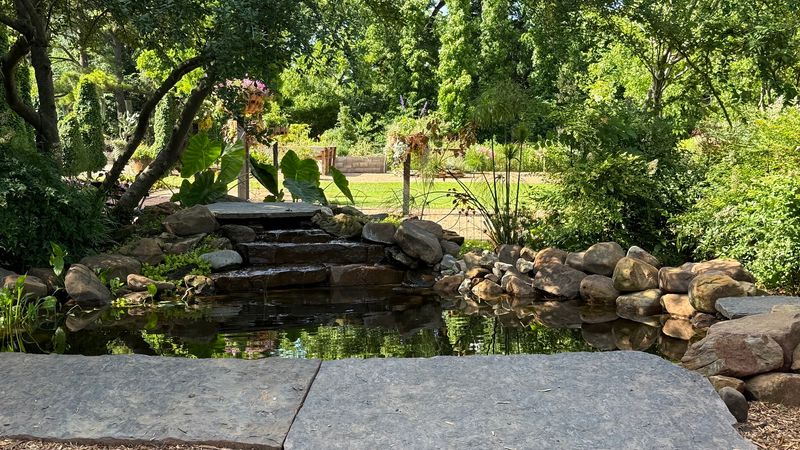
Tucked within the larger garden complex, the Asian-inspired section offers a noticeably different atmosphere compared to the rest of the grounds. The moment you enter, the energy shifts to something quieter and more deliberate.
Carefully shaped plantings, water features, and thoughtfully placed stones create a setting that encourages you to slow down completely. The Japanese maple specimens here are particularly striking, with their delicate, layered canopies casting soft, filtered light onto the paths below.
A small pond adds another layer of calm to the space, and the reflections of surrounding trees on the water surface make for a genuinely peaceful visual experience. This section tends to look especially beautiful in autumn when the maples shift into their full range of warm reds and oranges.
Even visitors who are not typically drawn to formal garden design tend to linger here longer than expected. The contrast between the structured plantings and the natural surroundings creates a kind of quiet tension that feels restful rather than stiff.
It is the kind of corner in the garden that makes you want to find a nearby bench and simply sit with it for a while before moving on.
Walking Trails Through a World of Green
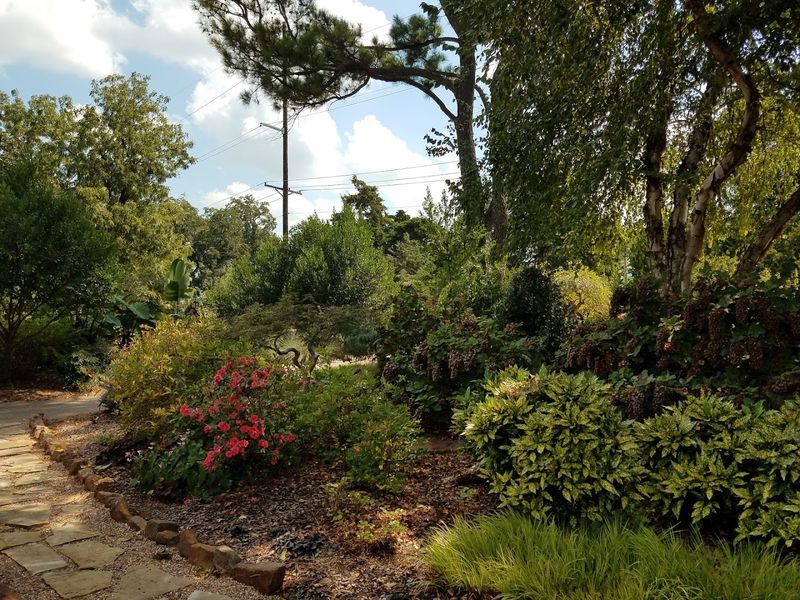
The walking trails winding through the property are one of its most underrated features. They range from leisurely paved paths to more natural routes that take you deeper into the arboretum sections of the garden.
Tall, established trees provide generous shade along many of the routes, making even a summer visit manageable as long as you time it for the morning hours. The canopy coverage is one of the things that separates this garden from more open, sun-exposed parks in the area.
Informative signs along the trail explain plant species, ecological relationships, and conservation topics in language that is easy to follow without being oversimplified. Families with curious kids will find the trail signage particularly engaging since it turns a walk into an informal nature lesson.
The grounds also include benches placed at thoughtful intervals, so you can rest, observe, and appreciate the surroundings without feeling like you need to keep moving. Insects, birds, and the occasional small animal make regular appearances along the trails, adding a spontaneous wildlife element to each visit.
Comfortable shoes are a must since some sections of the path can be uneven, and that small bit of preparation makes the whole experience far more enjoyable.
Children’s Garden and the Treehouse Village
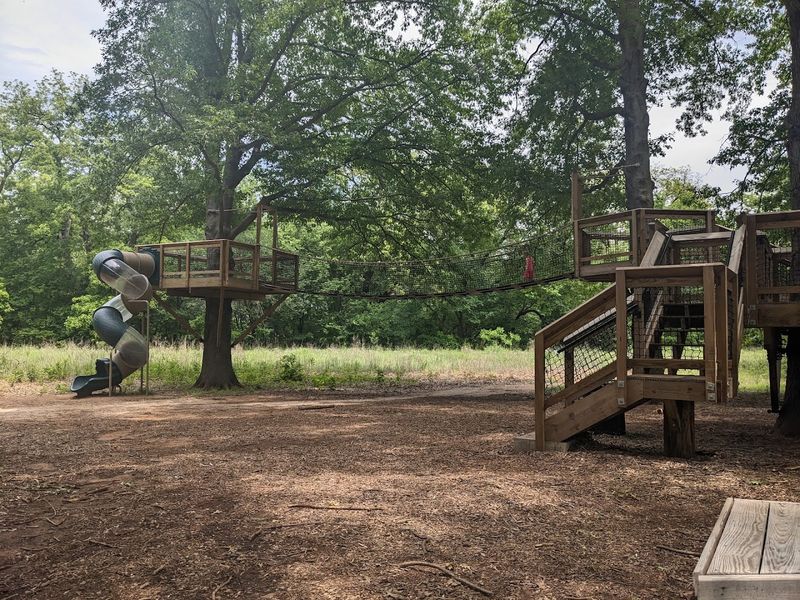
Families with young children have an especially good reason to visit, because the children’s section here goes well beyond a basic play area. The treehouse village is a standout feature that has earned genuine enthusiasm from visitors of all ages.
Climbing structures, slides, and shaded play zones are integrated into the natural landscape in a way that feels organic rather than dropped into the middle of the garden as an afterthought. Kids who might not normally show much interest in plants and flowers end up thoroughly entertained here.
A small free library on the grounds lets children pick up a book and settle in for a quiet moment between explorations. The combination of physical play and quiet reading options makes this section genuinely versatile for different kinds of kids and different kinds of days.
Parents appreciate that the play area is enclosed enough to feel safe while still being open and airy. The surrounding plantings give the whole space a lush, storybook quality that photographs beautifully and feels magical in person.
More than one family has come expecting a quick half-hour stop and ended up staying for hours, which is honestly the highest compliment a children’s space in a garden can receive.
The Oklahoma Gardening Studio Garden
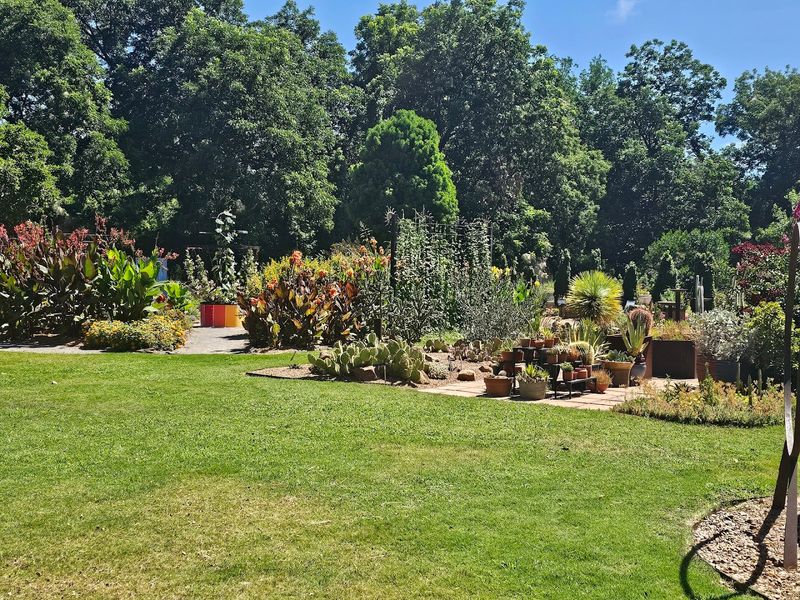
Not many botanical gardens can claim that a weekly television show is filmed on their grounds, but this one can. The Oklahoma Gardening Studio Garden is a dedicated section of the property where the long-running public television series “Oklahoma Gardening” is regularly filmed.
The show has been educating viewers across the state for decades, and seeing the actual filming location in person adds a fun layer of recognition for anyone who has watched even a few episodes. The studio garden itself is immaculate, designed to look its best on camera while also functioning as a genuine demonstration space.
Visitors can sometimes catch filming activity during their visit, which turns a regular garden walk into something a bit more memorable. Even when no production is underway, the garden beds in this section are maintained at a particularly high standard.
The connection between the garden and the television program reflects the broader educational mission of the entire property. This is a place that genuinely believes in sharing horticultural knowledge with as wide an audience as possible, and the studio garden is the most visible expression of that commitment.
It is a small detail that gives the garden a sense of purpose and reach that extends well beyond the boundaries of the property itself.
Pollinators, Chickens, and Unexpected Wildlife
A botanical garden full of pollinators is expected, but a botanical garden with its own small flock of chickens is a different kind of delight entirely. The hen house on the property has become one of the most talked-about surprises among first-time visitors.
Children and adults alike enjoy feeding the chickens, and the whole setup adds a farmyard warmth to what might otherwise feel like a strictly formal horticultural space. The chickens seem completely unbothered by visitors, which makes the interaction feel easy and natural.
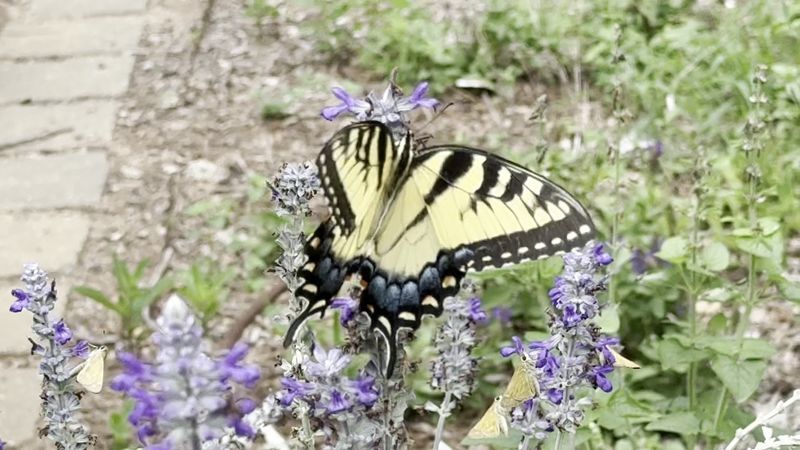
Beyond the poultry, the pollinator habitats throughout the garden are genuinely impressive. Butterfly populations are abundant during the warmer months, and the variety of species floating between flower beds is enough to keep any nature enthusiast occupied for a long stretch of time.
Bees, beetles, and other beneficial insects are equally well-represented, and the garden makes a point of highlighting their ecological importance through interpretive signage. Spotting the variety of critters that call this garden home turns a casual stroll into something closer to a nature observation session.
The garden’s commitment to supporting biodiversity is evident in every planting decision, and the results speak clearly in the sheer number of living creatures that show up on any given afternoon.
Research, Trial Gardens, and Horticultural Innovation
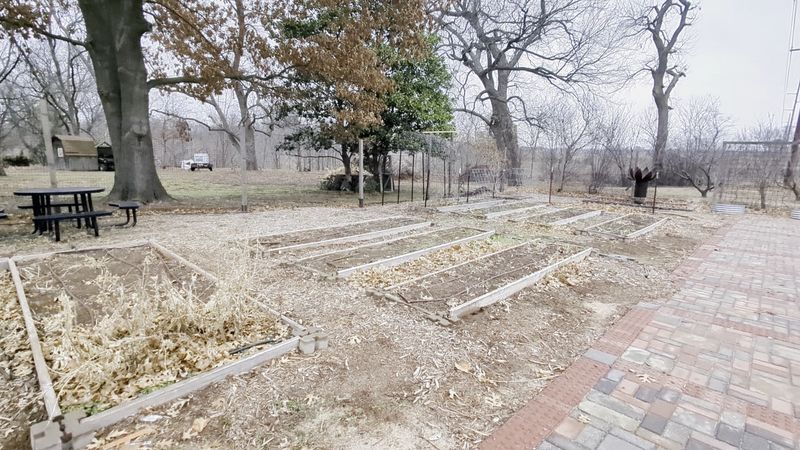
This garden does not just display plants that have already proven themselves. It actively tests new ones.
The trial gardens on the property are where horticulture researchers and students evaluate emerging plant cultivars to determine which ones are worth wider commercial adoption.
Seeing a plant that might become the next popular variety in nurseries and home gardens across the country is a genuinely interesting experience, even for visitors who do not consider themselves plant enthusiasts. There is something exciting about being on the early side of a botanical discovery.
One particularly memorable example that has come up among knowledgeable visitors is a pink velvet banana that survived an unusually brutal winter with temperatures dropping to around negative 10 degrees. That kind of cold-hardiness testing has real practical value for gardeners across Oklahoma and beyond.
The research element gives the garden a forward-looking energy that distinguishes it from purely ornamental spaces. You are not just looking at what grows well here today.
You are seeing what might grow well in your own yard next year.
For anyone with a serious interest in horticulture, these trial sections are worth slowing down for and reading every label, because the information on those signs represents actual ongoing scientific work.
Plant Sales and the On-Site Nursery
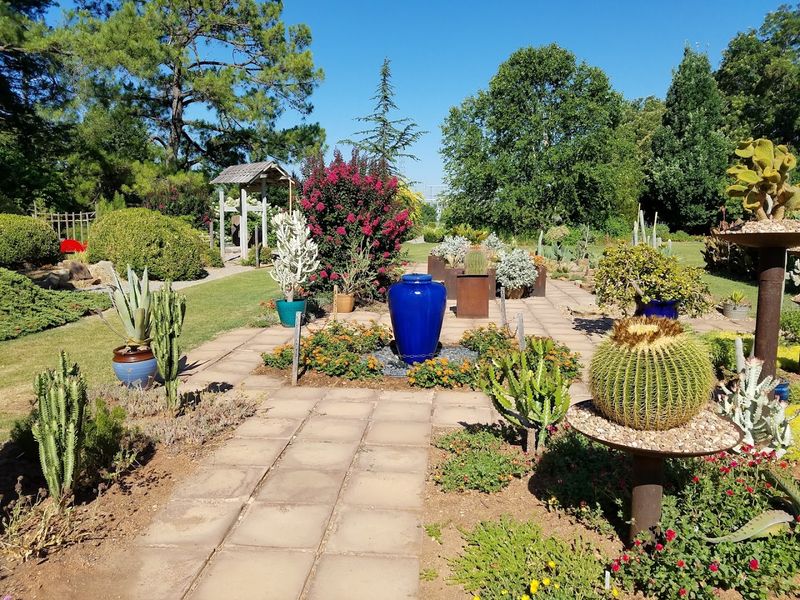
One of the most practical reasons to visit the garden is the opportunity to bring something home with you. The on-site nursery stocks a selection of plants that goes well beyond what you would typically find at a standard garden center.
Unique varieties, rare cultivars, and plants that have been tested right here on the grounds show up in the nursery inventory, giving shoppers access to options that are genuinely hard to find elsewhere. The quality of the stock reflects the horticultural expertise behind the entire operation.
Periodic plant sales throughout the year draw dedicated crowds of local gardeners who know the value of what is being offered. These events tend to move quickly, so arriving early is a smart strategy if you have your eye on something specific.
The staff and student workers at the nursery are knowledgeable and genuinely enthusiastic about the plants they are selling, which makes the shopping experience far more informative than a typical retail transaction. Asking questions here actually gets you useful, specific answers.
For anyone looking to add something truly distinctive to their home garden, the nursery at this botanic garden is worth treating as a destination in its own right rather than just an afterthought at the end of a visit.
Best Times to Visit and Seasonal Highlights
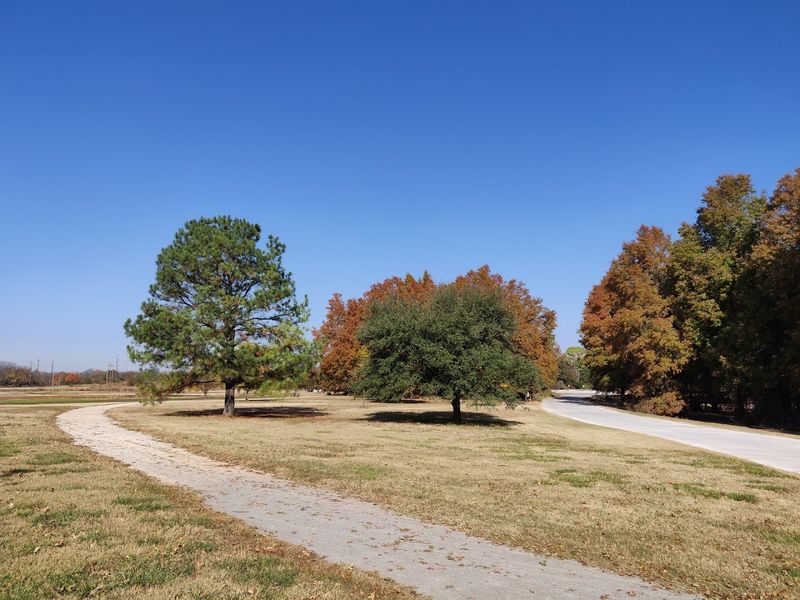
Timing a visit to this garden well can make a significant difference in what you experience. Spring and fall are widely considered the peak seasons, with mild temperatures and the most dramatic floral displays concentrated in those windows.
Spring brings waves of color as roses, native wildflowers, and ornamental plantings reach their bloom cycles in overlapping succession. The garden feels especially alive during this period, and the combination of warm air and abundant color creates a sensory experience that is hard to match at any other time of year.
Fall delivers a different kind of beauty, with Japanese maples and deciduous trees shifting into their autumn palettes across the arboretum sections. The cooler temperatures also make longer walks through the property far more comfortable.
Even winter has its appeal here. The garden’s structure, water features, and evergreen plantings remain visually interesting even when most plants are dormant, and the trails are often completely uncrowded during those quieter months.
Summer visits are best planned for early morning, right after the 6 AM opening, before the Oklahoma heat reaches its peak. Bringing water and sunscreen for any warm-season visit is genuinely practical advice rather than just a standard disclaimer.
Educational Programs and Community Events
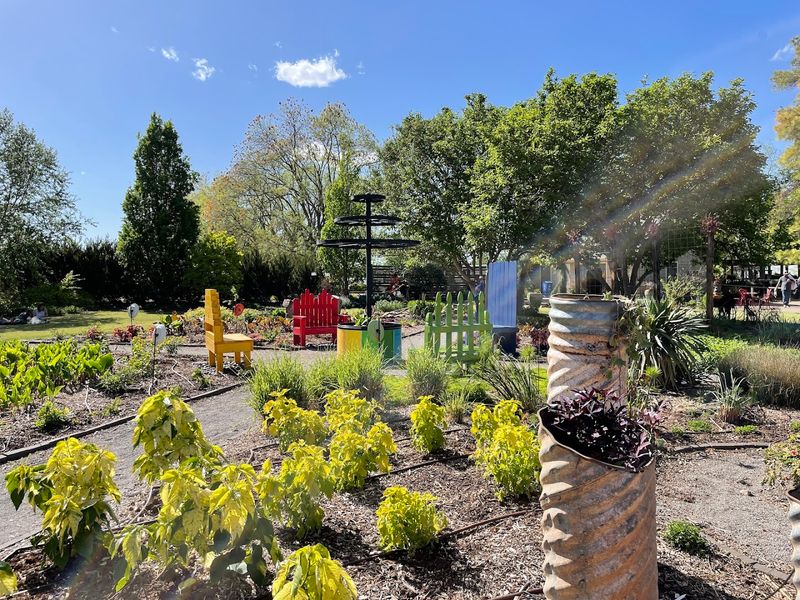
Beyond its role as a beautiful public space, this garden functions as an active educational hub throughout the year. Workshops, guided tours, plant sales, and community outreach events are scheduled regularly and cover topics ranging from sustainable gardening to native plant conservation.
These programs are designed for a wide range of participants, from curious beginners who have never grown anything to experienced gardeners looking to sharpen their knowledge. The connection to OSU’s academic departments ensures that the information shared is current and grounded in real research.
School groups visit frequently, and the garden is set up to accommodate young learners with hands-on activities and interpretive content that makes plant science accessible and genuinely interesting. The children’s programming in particular has developed a strong reputation in the Stillwater community.
Community involvement is a clear priority here. The garden collaborates with local organizations to extend its reach and supports conservation efforts focused on preserving native Oklahoma plant species and the ecosystems they support.
Checking the garden’s website at botanicgarden.okstate.edu before your visit is the best way to find out what events are coming up, since the calendar changes seasonally and some programs fill up quickly once word spreads through the local gardening community.
Practical Tips for Getting the Most Out of Your Visit
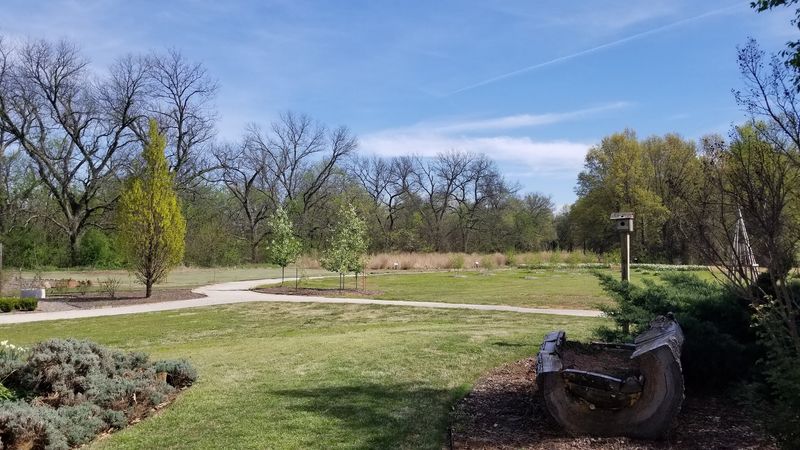
A little preparation goes a long way toward making your visit to this garden as enjoyable as possible. The grounds are extensive, covering over 100 acres, so wearing comfortable, supportive shoes is genuinely important rather than just a polite suggestion.
Dogs are welcome on the property as long as they are kept on a leash, which makes this a solid option for a pet-friendly outing that goes beyond the typical neighborhood walk. The wide paths and open spaces give dogs plenty of room to explore alongside their owners.
Strollers can navigate most of the main paths, though some sections are less smooth than others, so parents with very young children should be prepared for a few bumpy stretches. Keeping that in mind helps set realistic expectations without diminishing the overall experience.
The garden is free to enter every day of the week, which removes any barrier to making it a regular habit rather than a one-time outing. Parking is available near the south entrance off West 6th Street, and the lot is typically uncrowded outside of special event days.
A reusable water bottle is your best companion here, especially from late spring through early fall when the Oklahoma sun makes itself known with full intensity on the more open sections of the trail.
Share this story