Deep in the Pine Barrens of New Jersey, there is a place that most people drive right past without ever knowing it exists. A crumbling iron furnace, a clear-running river, and a stretch of quiet trails that connect two centuries of American history in one afternoon walk.
Weymouth Furnace in Mays Landing is not the kind of destination that shows up on flashy travel lists, but that is exactly what makes it worth finding. This park carries real history, from ammunition forged during the War of 1812 to the slow, quiet return of nature over abandoned stone walls.
Whether you are a history enthusiast, a kayaker, a casual hiker, or someone who just wants to sit near moving water without a crowd around, this spot delivers something genuinely rare: a New Jersey outdoor experience that still feels undiscovered.
Where to Find This Hidden Corner of New Jersey
Tucked along the Great Egg Harbor River, Weymouth Furnace sits at 2050 Weymouth Road in Mays Landing, New Jersey 08330, inside Atlantic County’s park system.
The address is easy enough to plug into a GPS, but the park itself feels like it belongs to a different era entirely. Atlantic County manages the property, and the official site at atlantic-county.org/parks/weymouth-furnace.asp has basic details for planning a visit.
The park opens at 7:30 AM every day of the week and closes at 8 PM, giving visitors a solid window for a morning hike or an afternoon paddle.
Parking is limited to a small lot, so arriving early on weekends is a smart move. Carpooling is genuinely recommended here, not just as a courtesy suggestion but as a practical necessity when the lot fills up fast during warmer months.
The Iron Furnace That Fueled a War
Few parks in New Jersey can claim a direct connection to the War of 1812, but Weymouth Furnace is one of them.
The furnace was built to produce iron, and during the War of 1812, it supplied ammunition for the U.S. Continental Congress militia groups fighting against British forces.
That is not a small historical footnote. That is a piece of American military history sitting right in the middle of the Pine Barrens.
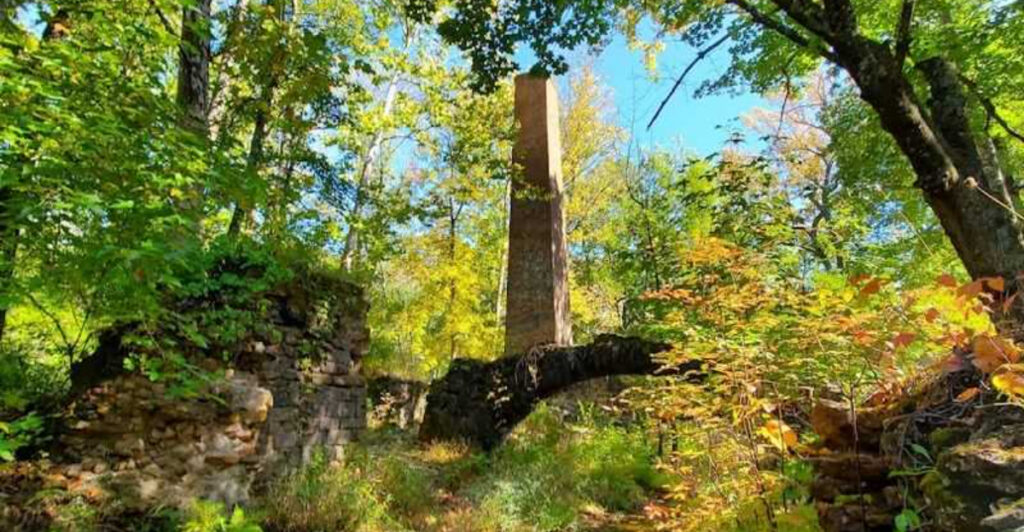
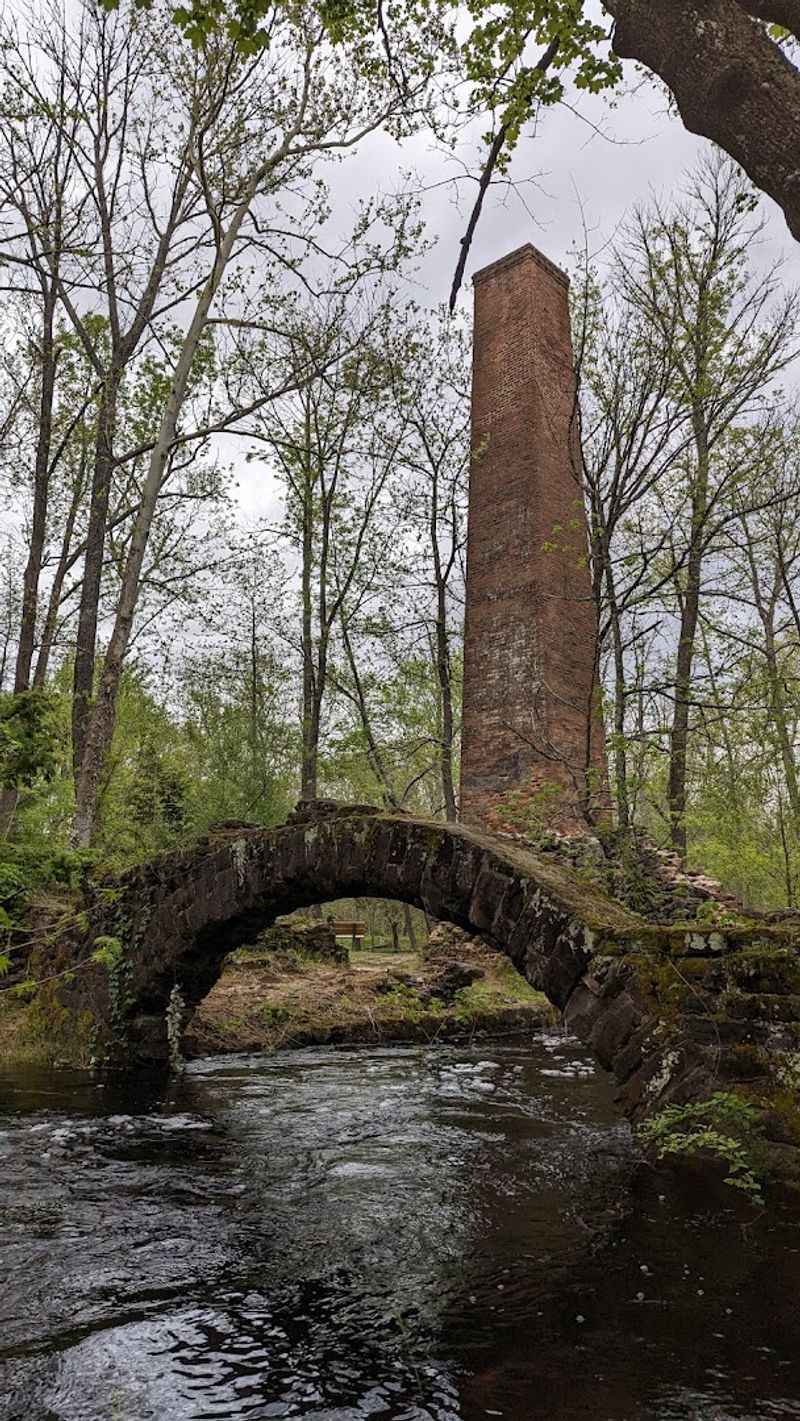
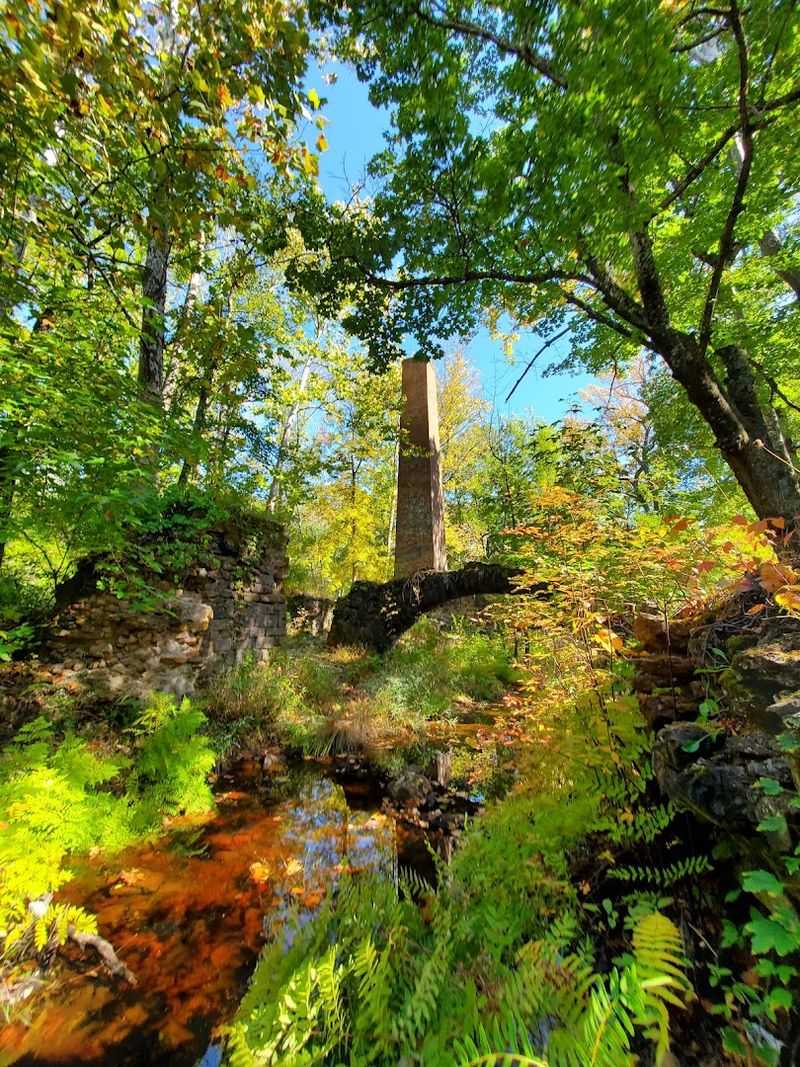
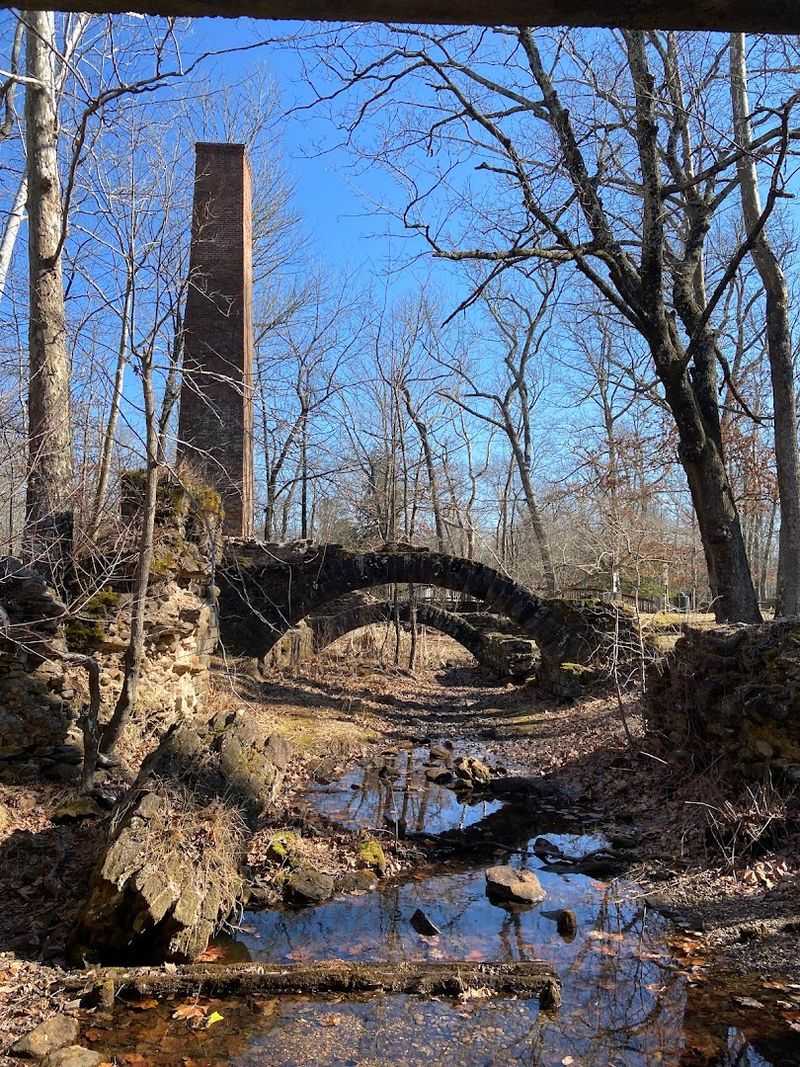
The furnace operated for decades before finally being decommissioned in the 1860s. What remains today are the stone ruins of the original structure, still standing after more than 150 years of exposure to weather, flooding, and the slow creep of vegetation.
The fact that anything survives at all is remarkable. Climbing on the ruins is strongly discouraged, both for safety and preservation, but the structures are fully visible and worth every minute spent studying them up close.
The Great Egg Harbor River Running Through It All
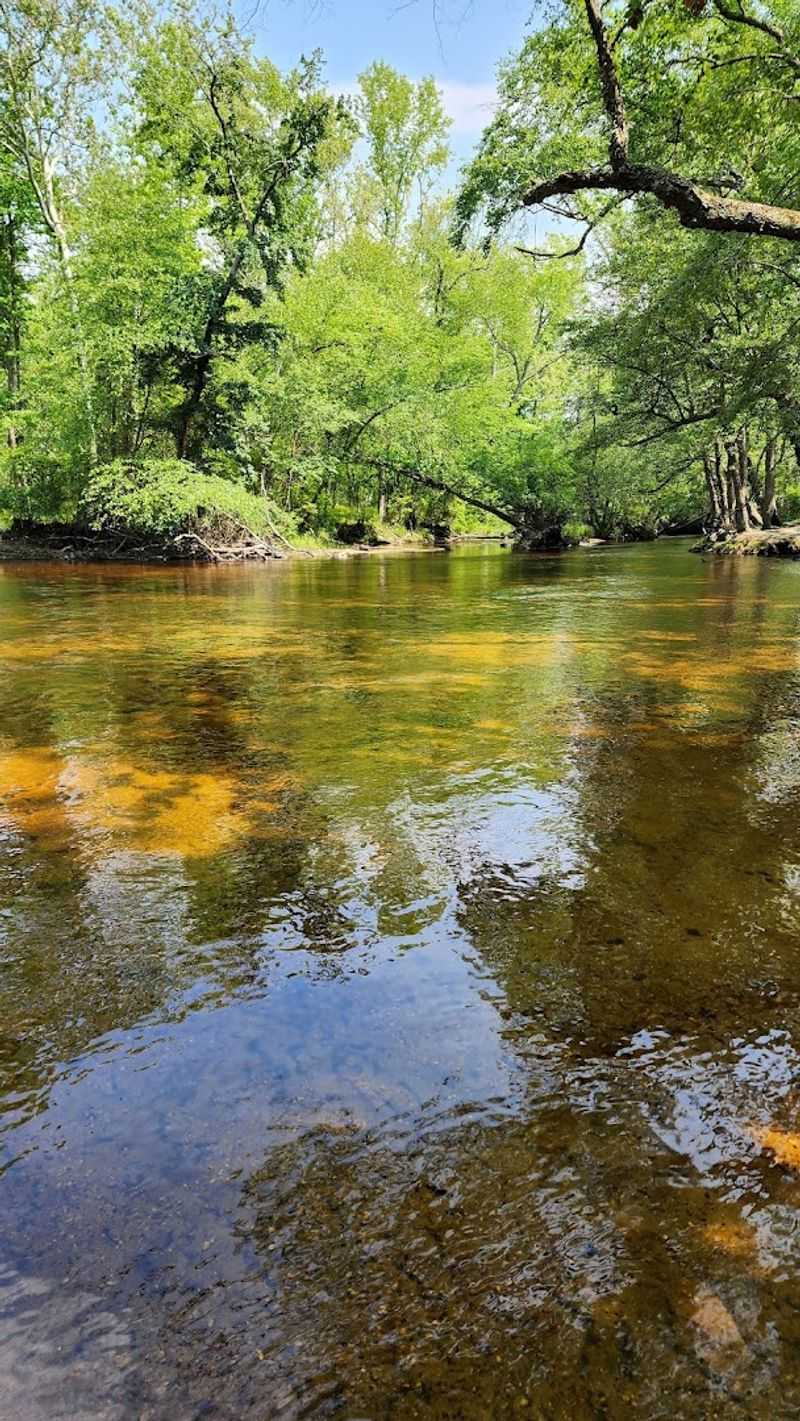
The Great Egg Harbor River is the natural centerpiece of the Weymouth Furnace park, and it changes the entire character of the place.
The water runs remarkably clear, with an interesting detail that catches most first-time visitors off guard: blue rocks visible along the riverbed, an unusual geological quirk that adds a layer of curiosity to an already compelling landscape.
The current moves with more force than it appears from the bank. Even when water levels drop during dry summers, the flow is strong enough to carve deep pockets along the banks where sediment has been pulled away beneath the surface.
Swimming is not permitted here, and that rule exists for serious safety reasons rather than bureaucratic caution. The river is ideal for kayaking and canoeing, and the combination of natural obstacles, bends, and varying current makes it one of the more engaging paddle routes in the region for anyone comfortable on the water.
Kayaking and Canoeing the Pine Barrens Route
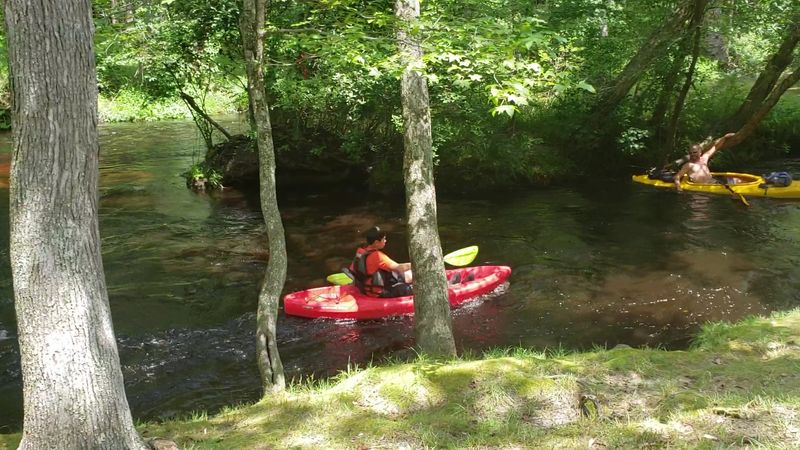
Weymouth Furnace is one of the most popular kayak launch points along the Great Egg Harbor River corridor, and the downstream paddle toward the lake boat launch is a route that draws repeat paddlers season after season.
The river section itself is widely considered the highlight of the trip. Obstacles, overhanging branches, and natural bends keep the paddle engaging without becoming technically demanding for most recreational paddlers.
The lake at the end of the route is a different story. On windy days, crossing the open water requires real effort and physical endurance, which is something to factor into any trip plan before launching.
A common approach is to drop a vehicle at the downstream takeout point before launching from Weymouth, turning a roughly three to four hour casual paddle into a smooth point-to-point adventure. The ten-minute shuttle drive covers what the river stretches into hours of rewarding time on the water.
The Hiking Trails Through the Pines
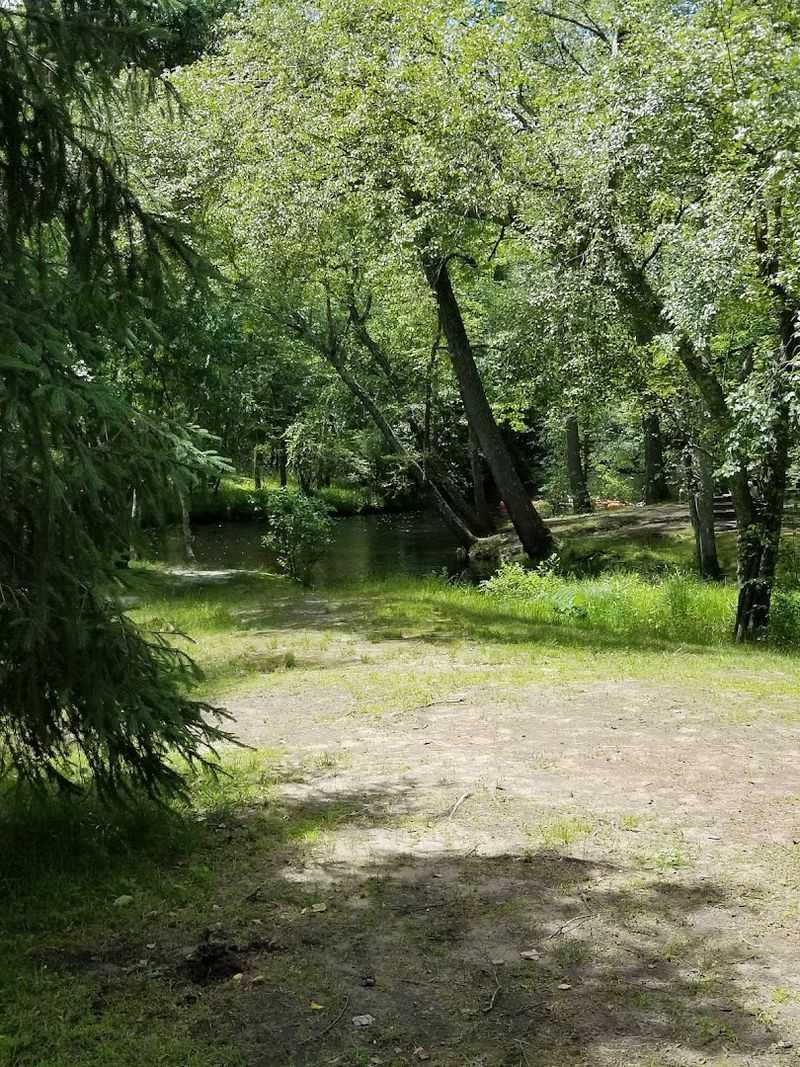
The trail system at Weymouth Furnace is modest in scale but full of character. A blue-blazed trail runs through the property, offering a walking route through classic Pine Barrens terrain that puts the furnace ruins and the river into a broader natural context.
Trail conditions can vary significantly depending on the season and how recently maintenance has been done. The blue-blazed path has been known to become heavily overgrown during late summer and early fall, with dense, thorny vegetation making progress difficult without proper gear and clothing.
Long pants and long sleeves are not optional suggestions for off-season or late-summer hiking here. They are genuine necessities.
Checking trail conditions before heading out is a worthwhile step, especially for anyone planning a longer walk rather than a quick loop near the parking area.
Even a partial walk through the pines, stopping to take in the ruins and the riverbank, covers more ground than most people expect in under an hour.
Picnic Tables, Grills, and a Spot to Just Sit
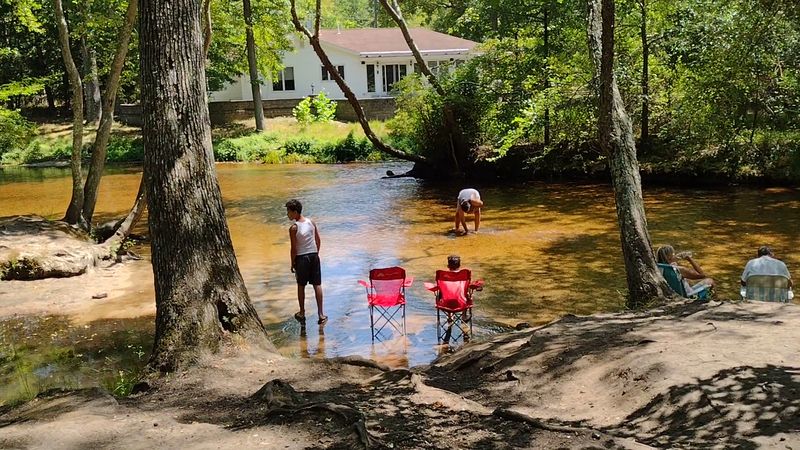
Not every great outdoor destination needs to be about high-effort adventure, and Weymouth Furnace understands that completely. The park has picnic tables and grills scattered across the grounds, making it a natural choice for a relaxed afternoon with family or friends.
The combination of moving water nearby, historic ruins within walking distance, and shaded sitting areas creates an atmosphere that works equally well for a two-hour picnic or a full-day outing.
One practical note worth mentioning: there are no traditional restroom facilities on site. Port-a-potties are available, which is fine for a quick visit but worth knowing ahead of time for families with young children planning a longer stay.
The park does not have a concession stand or any commercial amenities, so packing everything needed for the day is part of the planning process. That simplicity is also part of the appeal, since the park stays clean and uncrowded compared to more developed recreation areas in the region.
What the Ruins Actually Look Like Up Close
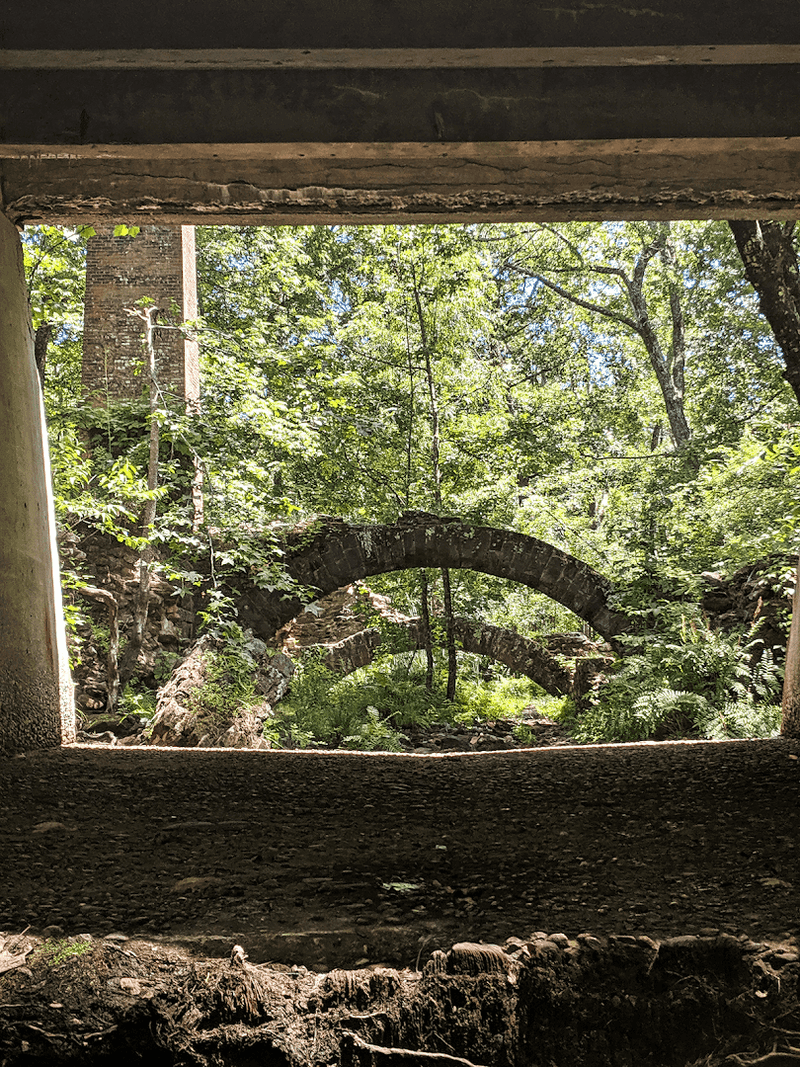
The furnace ruins at Weymouth are the kind of structure that rewards slow, patient observation. The original stonework is still largely intact, with thick walls that give a clear sense of the scale and ambition of the original industrial operation.
Vegetation has worked its way into the cracks over the decades, softening the edges of the masonry and blending the structure into the surrounding forest in a way that makes the whole scene feel genuinely atmospheric rather than simply old.
The ruins are accessible from the main park area without any technical hiking required. Most of the key features are visible from ground level, and the surrounding grounds allow for a full walk-around view of the structure from multiple angles.
Photography is one of the most popular activities here, and the ruins offer compelling compositions in every season, from summer green to fall color to the stark geometry of bare winter branches framing weathered stone walls that have outlasted everything around them.
Fall and Spring: The Best Times to Make the Trip
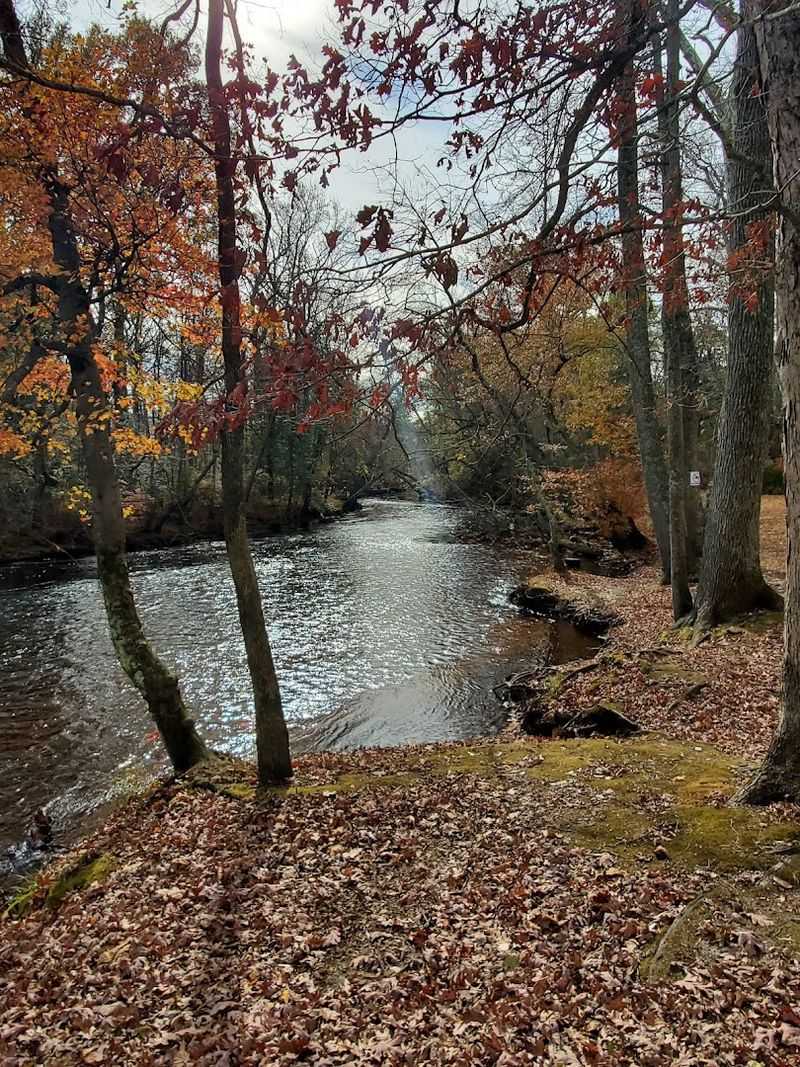
Timing a visit to Weymouth Furnace makes a noticeable difference in the overall experience. Fall is consistently the most popular season, and for good reason.
The Pine Barrens put on a quieter, subtler color display than the dramatic hardwood forests farther north, but the combination of changing foliage, lower crowds, and clearer river water creates an especially appealing version of the park.
Spring brings its own rewards. Pine Barrens flora begins blooming along the trail edges and riverbank from spring through fall, adding color and variety to what would otherwise be a predominantly green and brown landscape.
Summer draws the largest crowds, with the park filling early on weekends and the limited parking lot becoming a real logistical challenge by mid-morning. Winter visits are quieter and offer a completely different perspective on the ruins and the river, with the bare tree canopy opening up long sight lines that summer foliage completely blocks.
A Slice of Atlantic County History Most Locals Don’t Know
One of the more surprising things about Weymouth Furnace is how many people who live nearby have never heard of it. The park sits within a fifteen-minute drive of several Atlantic County communities, yet it remains genuinely unknown to a large portion of the local population.
The furnace was a significant industrial operation during its active years, producing iron goods and war materials that had real consequences for American military efforts in the early nineteenth century. That level of historical significance does not always translate into public awareness, especially when a site lacks the marketing budget of a major museum or tourist attraction.
Atlantic County’s park system maintains the property and provides basic historical context through its website, but the site itself is relatively quiet in terms of interpretive signage or guided programming. That means most of the historical discovery happens organically, through observation and curiosity, which suits the character of the place perfectly.
Practical Tips Before You Pack the Car
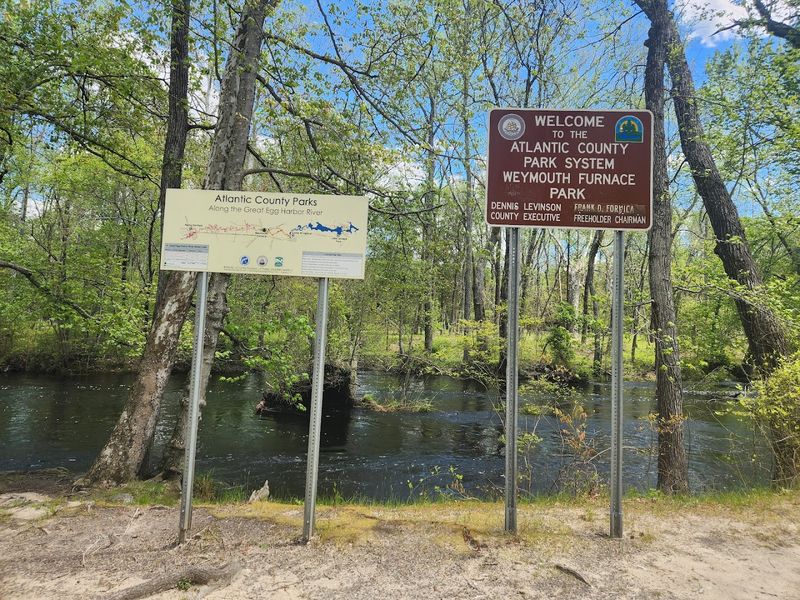
A few practical details can make the difference between a smooth visit and a frustrating one at Weymouth Furnace. The parking lot is small, and on busy weekend mornings during summer, it fills up quickly.
Arriving by 8 AM or 9 AM on peak days is a reliable strategy for securing a spot without circling.
Carpooling is genuinely useful here, not just environmentally but logistically. The lot simply cannot accommodate large groups arriving in separate vehicles, and the road shoulder options nearby are limited.
No swimming is permitted in the river, and that rule applies regardless of water levels or current conditions. The current is deceptively strong, and the riverbed topography creates hazards that are not visible from the surface.
Bringing insect repellent is a smart move from late spring through early fall. The Pine Barrens environment supports a healthy mosquito population, and a long walk near the water without repellent can turn a pleasant afternoon into an uncomfortable one fairly quickly.
Share this story