America has given the world some of its most beloved and iconic foods, many of which started as simple accidents or creative experiments. From backyard cookouts to school cafeterias, these inventions have shaped how billions of people eat every single day.
Some were born out of necessity, others out of pure curiosity, and a few were even created by kids. Get ready to explore the stories behind 15 legendary American food inventions that truly changed the world.
1. Chocolate Chip Cookies (1938)
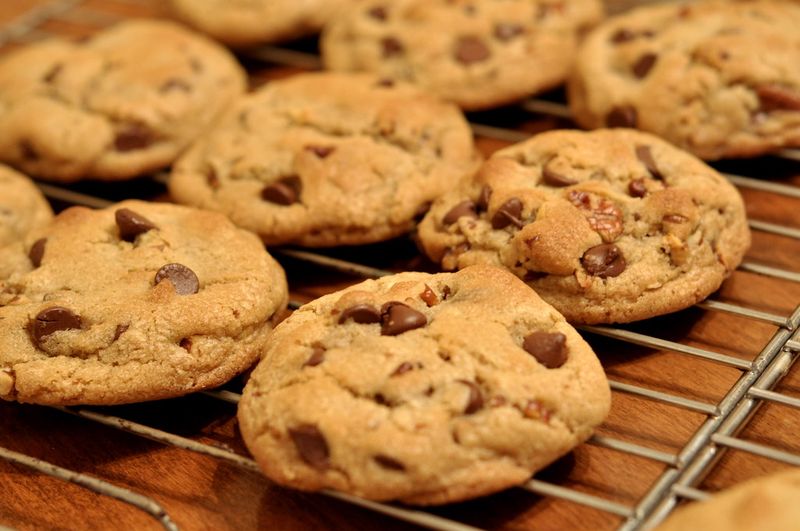
Back in 1938, Ruth Wakefield was running the Toll House Inn in Massachusetts when she made a sweet mistake that changed dessert history forever. She mixed chunks of a Nestle chocolate bar into her cookie dough, expecting them to melt completely.
Instead, the chips held their shape and created something magical.
The result was the chocolate chip cookie, one of the most popular baked goods on the planet. Nestle soon struck a deal with Wakefield, printing her recipe on their chocolate bar packaging.
Sales of the chocolate bar skyrocketed almost overnight.
Today, Americans alone consume over 7 billion chocolate chip cookies per year. The recipe is found in nearly every household cookbook and baking blog worldwide.
What started as a simple kitchen experiment in a small New England inn became a universal symbol of comfort, warmth, and home baking that no one can resist.
2. The Hamburger (Late 1800s to Early 1900s)
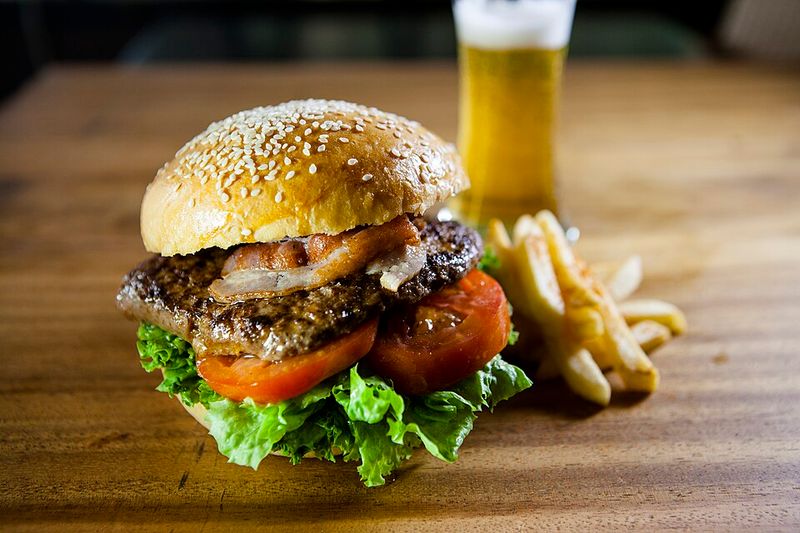
Few foods represent American culture quite like the hamburger. While its exact origin is still debated among food historians, most agree it was popularized in the United States during the late 1800s and early 1900s at fairs, diners, and lunch counters across the country.
The simple idea of placing a cooked ground beef patty between two slices of bread made eating on the go incredibly easy and affordable. That convenience turned it into a fast food staple that spread across the entire globe.
Today, fast food chains serve billions of burgers every single year on every continent.
The hamburger also sparked an entire industry, giving rise to drive-through restaurants, fast food culture, and even burger-focused gourmet dining. Whether topped with basic ketchup or gourmet toppings, the hamburger remains one of the most recognized and widely eaten foods in human history.
3. Buffalo Wings (1964)
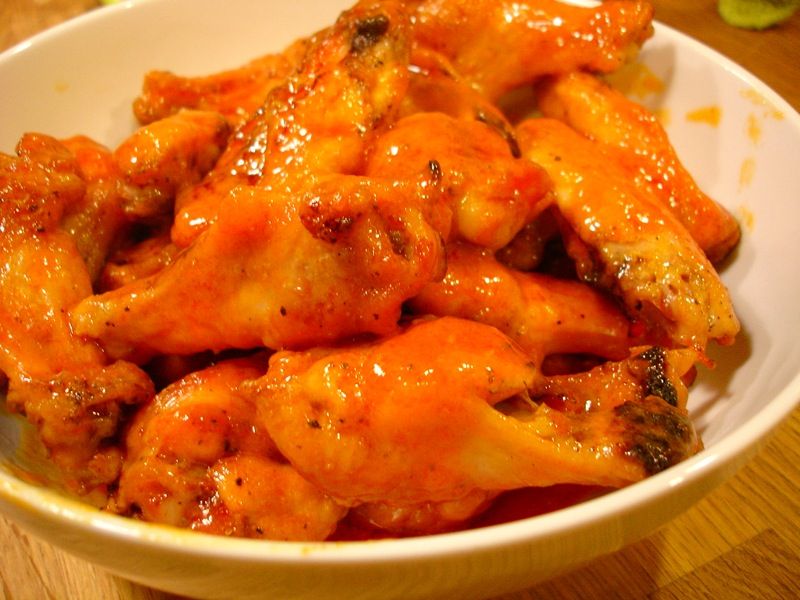
The story of Buffalo wings is as spicy as the wings themselves. In 1964, Teressa Bellissimo at the Anchor Bar in Buffalo, New York, was looking for a quick late-night snack for her son and his friends.
She took leftover chicken wings, fried them, and tossed them in a buttery hot sauce.
Nobody expected that humble experiment to turn into one of the most popular bar foods in America. The wings became a menu staple almost immediately, drawing customers from across the city.
Word spread fast, and the recipe traveled far beyond New York.
Today, Americans eat approximately 1.4 billion chicken wings during Super Bowl weekend alone. Buffalo wings have inspired countless sauce variations, cooking competitions, and restaurant chains worldwide.
From Tokyo to London, the tangy, spicy flavor of a good Buffalo wing is instantly recognized and absolutely craved by food lovers everywhere.
4. Peanut Butter (Modern Version, Late 1800s)
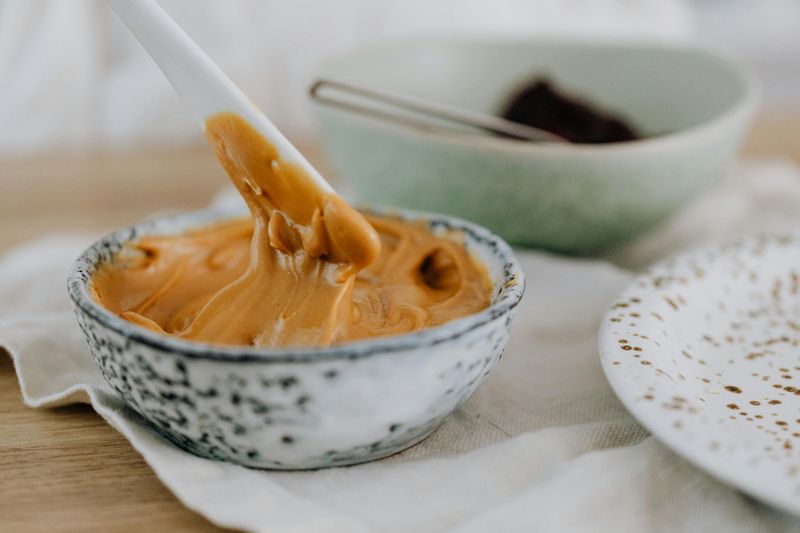
Peanut butter in various forms existed long before the United States refined it, but American innovators in the late 1800s transformed it into the smooth, shelf-stable spread recognized worldwide today. John Harvey Kellogg patented a peanut paste process in 1895, and others quickly followed with improvements.
By the early 1900s, peanut butter was being promoted at health events and sold in stores across the country. When the U.S. military included it in soldier rations during World War II, its popularity truly exploded.
Soldiers brought home a taste for it, and families across America made it a pantry staple.
Today, peanut butter is a global phenomenon, found in everything from sandwiches to smoothies, sauces, and candy bars. The United States remains one of the top producers and consumers of peanut butter worldwide.
It is a simple, protein-packed food that genuinely shaped how the world snacks and eats every day.
5. Corn Dogs (1920s to 1940s)
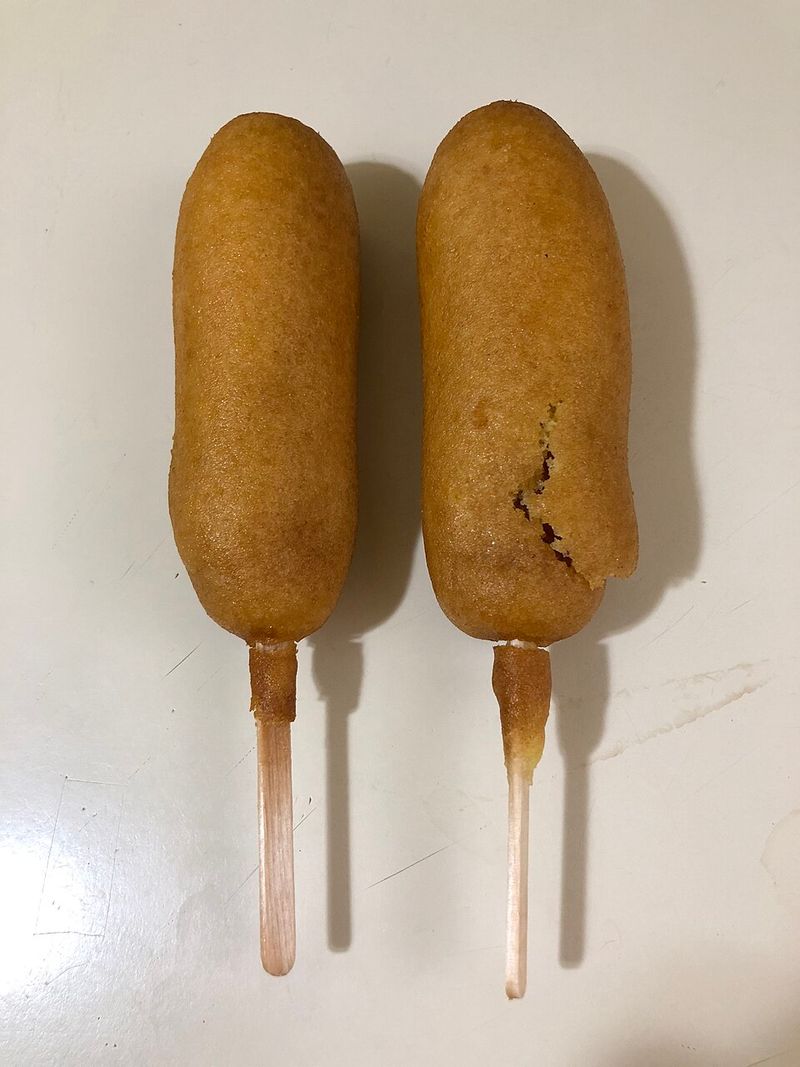
If there is one food that screams American state fair, it is the corn dog. A hot dog coated in thick cornmeal batter and deep-fried to golden perfection on a stick, it is portable, filling, and undeniably satisfying.
Its exact origin is a little murky, with several inventors claiming credit from the 1920s through the 1940s.
Some credit Neil Fletcher, who reportedly sold them at the Texas State Fair in 1942. Others point to earlier patents and traveling food vendors.
Regardless of who made it first, the corn dog became a beloved symbol of American fair culture and carnival food traditions.
What makes the corn dog so enduring is its simplicity. Kids love them, adults crave them, and they are easy to eat while walking.
Frozen versions hit grocery stores and became a freezer aisle classic. Today, corn dogs are sold at fairs, diners, and convenience stores across the world.
6. S’mores (1920s)
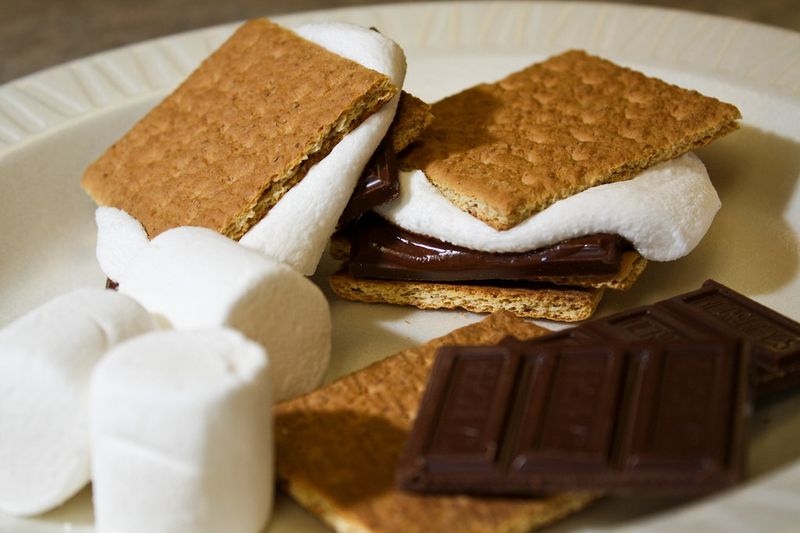
Few foods carry as much warmth and nostalgia as the s’more. The first recorded recipe appeared in a 1927 Girl Scouts handbook under the name “Some More,” describing the now-classic combination of toasted marshmallow and chocolate sandwiched between graham crackers.
The name was eventually shortened to s’more.
The recipe caught on quickly among campers, scouts, and outdoor enthusiasts across America. Something about roasting a marshmallow over an open fire and pressing it against a chocolate square feels almost magical, especially on a cool evening under the stars.
S’mores have since inspired a massive wave of spin-off products, from s’mores-flavored cereals and ice cream to gourmet versions at upscale restaurants. The combination of crunchy, creamy, and chocolatey has proven universally irresistible.
What began as a simple campfire snack for Girl Scouts became one of the most iconic and emotionally connected food experiences in American culture.
7. Ice Cream Sundae (Late 1800s)
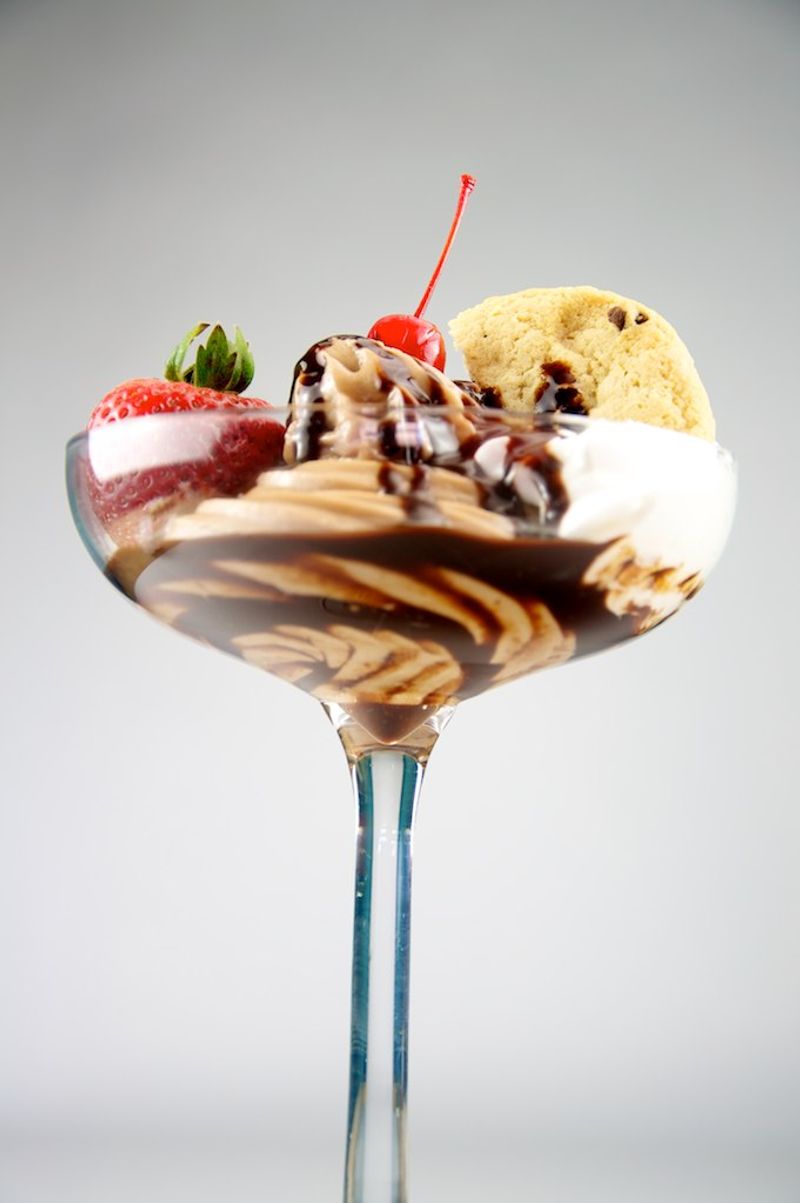
The ice cream sundae has one of the quirkiest origin stories in food history. During the late 1800s, some American towns had laws against selling ice cream sodas on Sundays, considering them too indulgent for the Sabbath.
To get around this, clever soda fountain operators served ice cream with syrup but without the soda.
The result was a new dessert that people genuinely loved on its own. Both Ithaca, New York, and Two Rivers, Wisconsin, claim to have invented it first, and the debate has never fully been settled.
What is certain is that the sundae became a sensation at soda fountains across the country.
Toppings evolved over time, adding hot fudge, caramel, whipped cream, nuts, and cherries to the classic formula. Today, the ice cream sundae is enjoyed in nearly every country in the world, a testament to the creativity born from a simple Sunday restriction.
8. Macaroni and Cheese (Popularized in the U.S.)
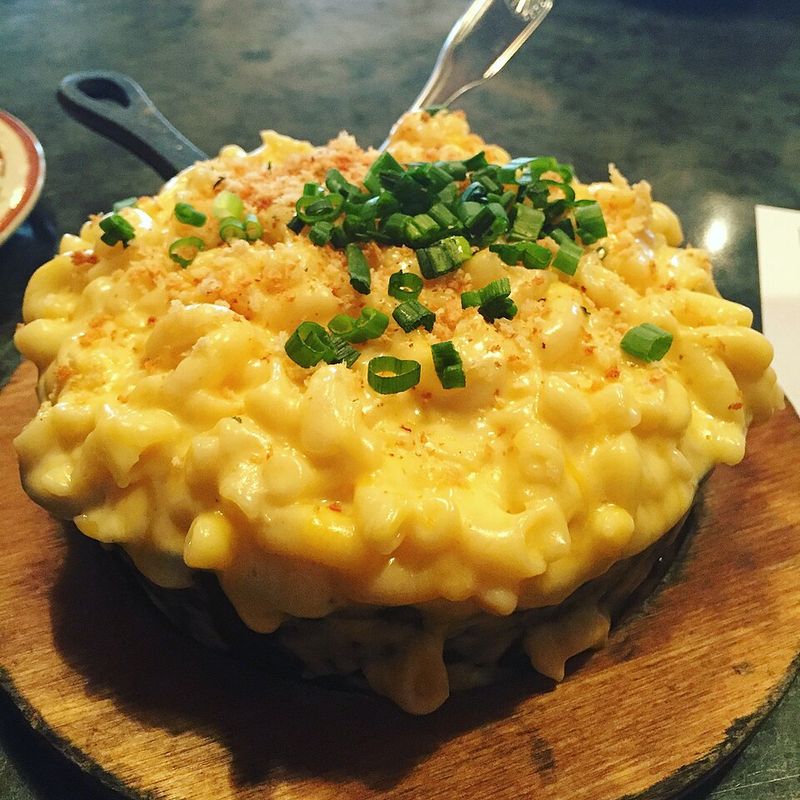
Macaroni and cheese has European roots going back centuries, but it was American innovation and mass production that turned it into the ultimate comfort food. Thomas Jefferson is often credited with popularizing it in the United States after encountering pasta dishes in Europe and serving a version at a White House dinner in 1802.
The real transformation came in 1937 when Kraft introduced its boxed macaroni and cheese mix during the Great Depression. At just 19 cents a box and enough to feed a family of four, it became an instant hit.
Millions of Americans relied on it as an affordable, filling meal.
Today, Kraft alone sells over one million boxes of macaroni and cheese every single day. The dish appears in school lunches, holiday tables, and gourmet restaurant menus alike.
Few foods capture the idea of American comfort food as completely and universally as a warm bowl of mac and cheese.
9. Philly Cheesesteak (1930s)
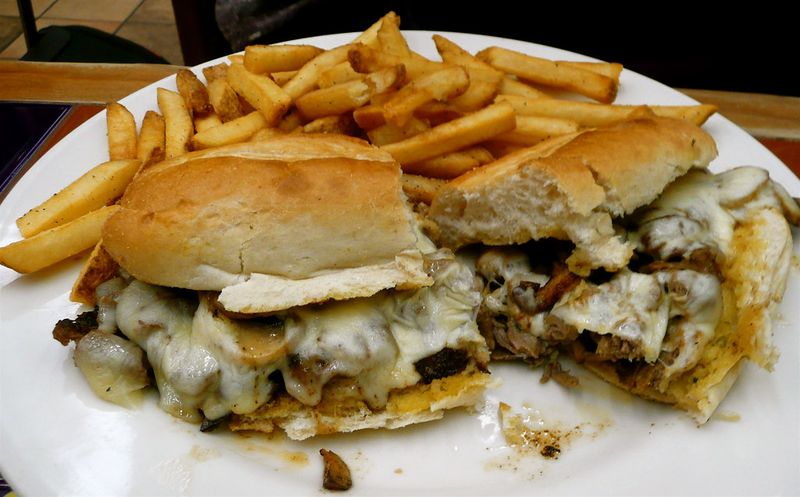
Philadelphia has gifted the world many things, but few are as universally craved as the Philly cheesesteak. The sandwich was created in the 1930s by Pat Olivieri, a hot dog vendor who decided to grill some beef scraps and toss them onto a hoagie roll.
A passing cab driver smelled it, asked for one, and the legend was born.
Word spread quickly through the streets of South Philadelphia. Olivieri eventually opened Pat’s King of Steaks, which still operates today and remains a pilgrimage site for cheesesteak fans worldwide.
The addition of melted cheese, usually Cheez Whiz, provolone, or American, came later and became equally legendary.
Ordering a cheesesteak in Philadelphia is practically a cultural ritual. You have to know the lingo, specify your cheese, and decide on onions.
The sandwich has inspired countless imitations globally, but locals will tell you that nothing compares to the original made right in the City of Brotherly Love.
10. Reuben Sandwich (1920s)
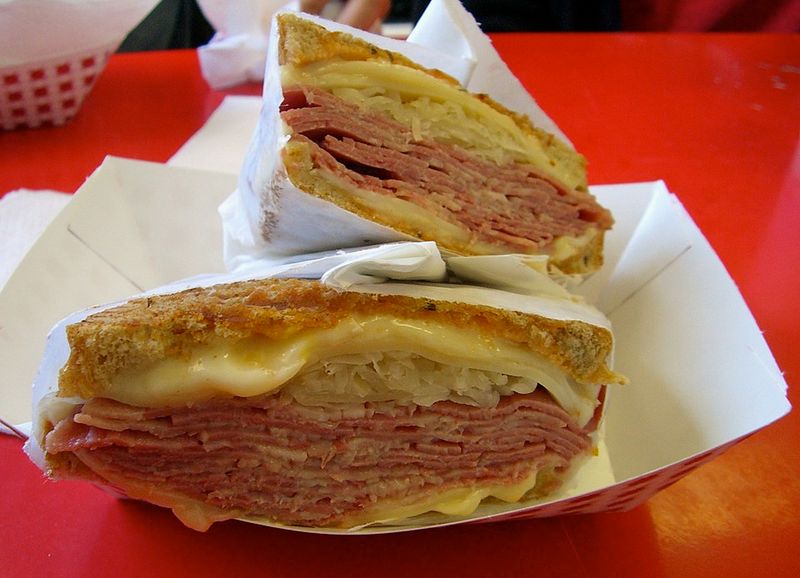
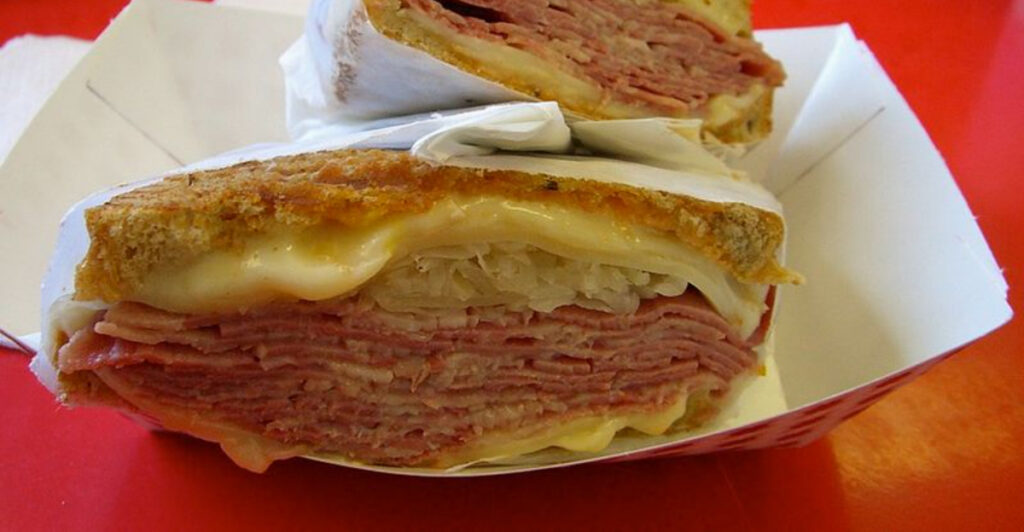
The Reuben sandwich is a masterclass in bold, layered flavors. Piled high with corned beef, melted Swiss cheese, tangy sauerkraut, and Thousand Island dressing on toasted rye bread, it is the kind of sandwich that makes you close your eyes on the first bite.
Its origin is genuinely debated between two American cities.
One story credits Reuben Kulakofsky, an Omaha grocer, who reportedly created it during a late-night poker game in the 1920s. Another account points to Arnold Reuben of Reuben’s Restaurant in New York City.
Whichever story is true, the sandwich became a beloved deli staple across the country.
The Reuben gained national recognition after a version won a national sandwich competition in 1956. Today it appears on deli menus from coast to coast and has inspired dozens of creative variations.
It remains one of the most iconic and satisfying sandwiches ever assembled in an American kitchen.
11. Tater Tots (1953)
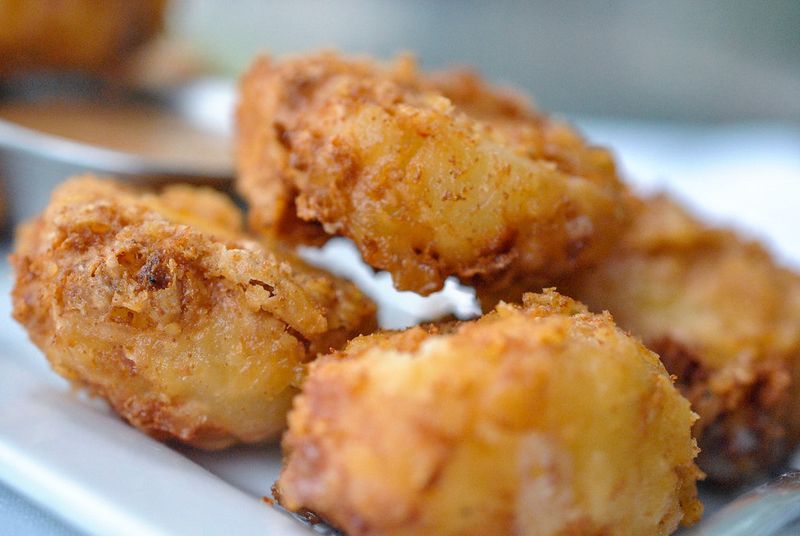
Tater tots were born out of a desire not to waste food. In 1953, Ore-Ida founders F.
Nephi Grigg and Golden Grigg were left with an enormous amount of leftover potato shavings after cutting frozen french fries at their Idaho plant. Rather than throw them away, they chopped the scraps finely, seasoned them, and pushed them through a cylinder to create small, compact potato bites.
When they first appeared in grocery stores, tater tots were actually quite cheap because no one was sure people would buy them. Shoppers eventually discovered how crispy and delicious they were, and sales took off fast.
The name Tater Tot was trademarked by Ore-Ida and is still used today.
Tater tots are now a freezer aisle staple found in homes, school cafeterias, and restaurants worldwide. They have inspired loaded tot dishes, tot-topped casseroles, and even gourmet restaurant versions.
A humble potato scrap turned into a global frozen food phenomenon worth celebrating.
12. Chimichanga (Mid-1900s)
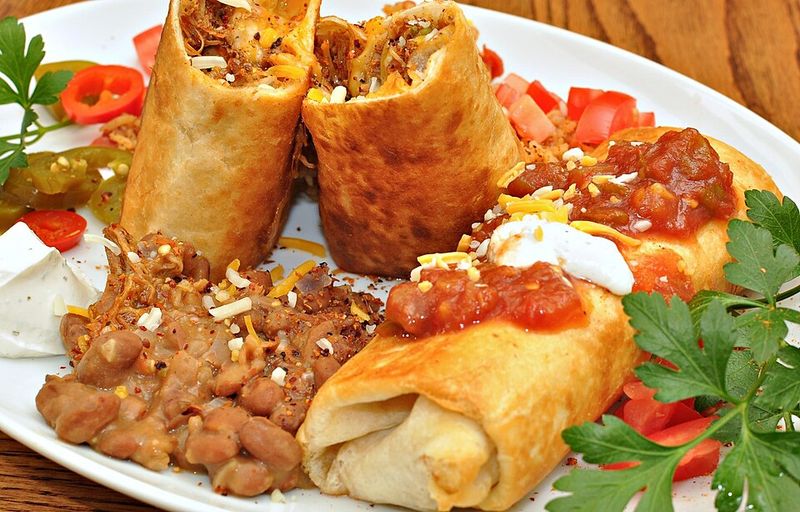
The chimichanga might be one of the most delicious accidents in American culinary history. A deep-fried burrito stuffed with meat, beans, cheese, and rice, it is crispy on the outside and packed with flavor on the inside.
Most food historians believe it was created in Arizona sometime in the mid-1900s, though the exact story is still debated.
The most popular version credits Tucson restaurant owner Monica Flin, who allegedly dropped a burrito into a hot fryer by accident in the 1920s. She was about to use a Spanish swear word but caught herself and said chimichanga instead, a made-up expression similar to thingamajig.
The name stuck along with the dish.
Today, chimichangas appear on Tex-Mex menus across the United States and beyond. They represent the creative blending of Mexican culinary tradition and American cooking techniques that defines so much of Southwestern cuisine.
Crunchy, hearty, and endlessly customizable, the chimichanga earned its legendary status fair and square.
13. Cobb Salad (1930s)
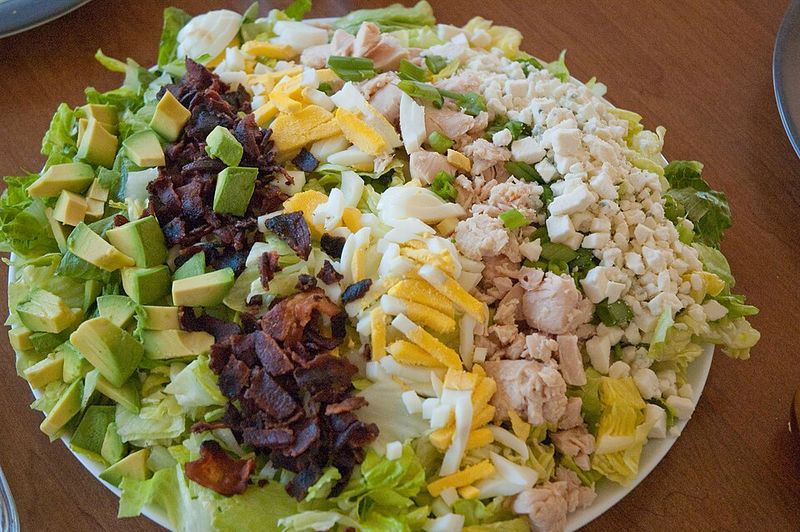
The Cobb salad was created in Hollywood, which makes it feel perfectly dramatic and a little glamorous. The story goes that in 1937, Robert Cobb, owner of the famous Brown Derby restaurant, was hungry late at night and raided the kitchen for leftovers.
He chopped up whatever he found, tossed it in dressing, and the Cobb salad was born.
Those leftovers included chicken, bacon, hard-boiled eggs, tomatoes, avocado, blue cheese, and chives over a bed of lettuce. The combination was bold, filling, and surprisingly elegant.
It quickly became a signature dish at the Brown Derby and a favorite among Hollywood celebrities and studio executives.
The Cobb salad helped redefine what a salad could be in American dining. It was not a side dish or a light appetizer but a complete, satisfying meal.
Today it appears on menus across the country and internationally, a timeless reminder that great recipes sometimes come from simply using what you have.
14. Fortune Cookies (Early 1900s, Popularized in the U.S.)
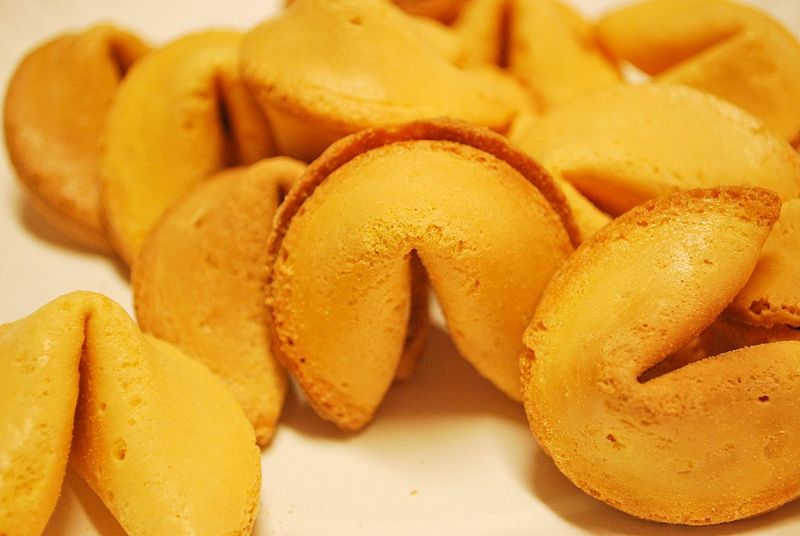
Fortune cookies feel deeply connected to Chinese culture, but their true story is rooted in California. Most food historians trace their American origin to Japanese immigrants in San Francisco and Los Angeles during the early 1900s.
The folded cookie with a paper message inside was inspired by a similar tradition from Japanese temple ceremonies.
During World War II, Japanese American businesses were disrupted, and Chinese American restaurants took over production and distribution of fortune cookies. The cookies became strongly associated with Chinese American dining, appearing at the end of every meal as a fun, lighthearted tradition that diners genuinely looked forward to.
Today, approximately 3 billion fortune cookies are produced every year, mostly in the United States. They have become a cultural phenomenon far beyond their original purpose, inspiring art projects, marketing campaigns, and even philosophical discussions.
The fortune cookie is proof that a tiny folded wafer can carry enormous meaning and spark real curiosity in people of all ages.
15. Popsicles (1905)
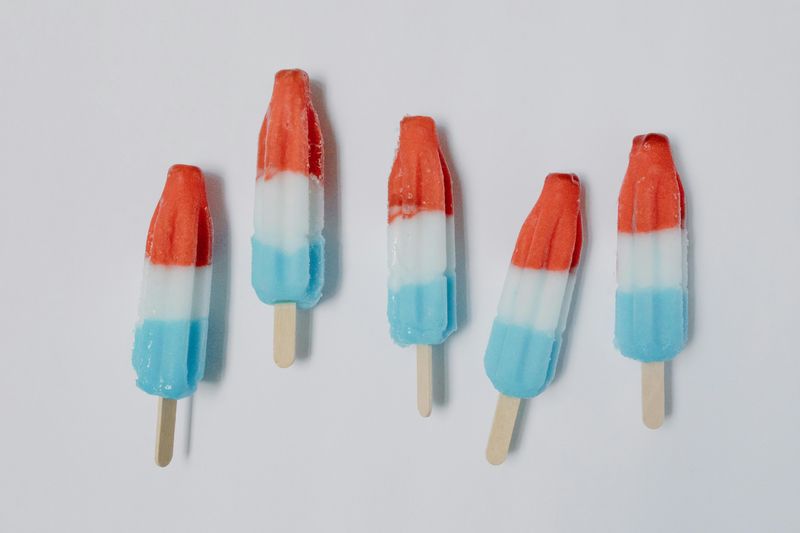
One of the sweetest origin stories in food history belongs to an 11-year-old boy named Frank Epperson. In 1905, he was living in San Francisco and accidentally left a cup of powdered soda mix and water outside on a cold night with a stirring stick still inside.
By morning, it had frozen solid around the stick.
He tasted it, loved it, and called it an Epsicle. Years later, his own kids started calling it Pop’s sicle, and the name Popsicle stuck.
Epperson eventually patented the idea in 1923 and sold the rights to the Joe Lowe Company, which turned it into a commercial product sold across the country.
Today, Popsicles are enjoyed in virtually every country on Earth, available in hundreds of flavors and forms. The global frozen novelty market is worth billions of dollars, all traceable back to one chilly San Francisco evening and one very lucky boy with a curious taste for experimentation.
Share this story