
Billions of people around the world follow religions that shape how they live, treat others, and understand life’s biggest questions. From ancient scriptures to daily rituals, religious beliefs offer guidance, purpose, and community.
Whether you follow one of these faiths or are simply curious about them, understanding their core ideas helps build respect and knowledge across cultures. Here are 15 foundational beliefs that define some of the world’s largest religions.
1. Monotheism (Christianity, Islam, Judaism)

At the heart of three major world religions lies a single, powerful idea: there is only one God. Christianity, Islam, and Judaism all teach that this God is all-knowing, all-powerful, and the creator of everything in the universe.
This shared belief is called monotheism, from the Greek words for “one” and “god.”
Even though these three faiths have different scriptures and practices, their agreement on one God forms a deep connection between them. Christians call God “Father,” Muslims say “Allah,” and Jews use names like “Yahweh” or “Adonai.” Each tradition understands God’s nature a bit differently, yet all three reject the worship of multiple gods.
Monotheism has shaped laws, art, music, and culture across thousands of years. Understanding this belief helps explain why these religions place such strong emphasis on loyalty, worship, and moral responsibility toward a single divine creator.
2. The Trinity (Christianity)

One of Christianity’s most unique and thought-provoking beliefs is the Trinity. Christians believe that God is not just one person but exists as three distinct persons in one divine being: God the Father, God the Son (Jesus Christ), and God the Holy Spirit.
This mystery has fascinated theologians for centuries.
The word “Trinity” never appears in the Bible, but early Christian leaders developed the concept to explain passages that describe all three persons acting together. The Council of Nicaea in 325 AD officially defined this doctrine for the church.
Think of it like water, which can exist as liquid, ice, or steam and still be the same substance. While no comparison is perfect, this analogy helps many beginners grasp the idea.
The Trinity remains central to most Christian denominations, including Catholicism, Protestantism, and Eastern Orthodoxy, shaping how Christians pray and understand salvation.
3. Prophethood (Islam, Judaism)

Imagine receiving a message directly from God and being trusted to deliver it to all of humanity. That is exactly what prophets are believed to have done in both Islam and Judaism.
Prophethood is the belief that God chose special individuals to communicate divine guidance to people on Earth.
In Judaism, prophets like Moses, Isaiah, and Elijah delivered God’s laws and warnings to the Israelites. Moses is especially revered for receiving the Torah on Mount Sinai.
Islam honors many of the same prophets and adds Muhammad as the final and most complete messenger, whose revelations formed the Quran.
Both religions teach that prophets were human, not divine, but were chosen for their righteousness and trustworthiness. Their messages focused on justice, worship of one God, and ethical living.
The concept of prophethood explains why scripture holds such authority in these faith communities even today.
4. Karma (Hinduism, Buddhism, Jainism)

“What goes around comes around” is a phrase most people have heard, and it captures the essence of karma perfectly. Rooted in Hinduism, Buddhism, and Jainism, karma is the belief that every action, word, and thought creates energy that eventually returns to the person who created it.
Good actions generate positive karma, leading to better circumstances in this life or future ones. Harmful actions produce negative karma, which brings suffering and obstacles.
Unlike luck or fate, karma puts responsibility squarely on the individual. You are, in a very real sense, building your own future with every choice you make.
Jainism takes karma especially seriously, teaching that even tiny actions can accumulate karmic weight. This belief encourages followers across all three traditions to act with mindfulness, compassion, and honesty.
Karma is not just a spiritual concept but a daily guide for treating others well and living with intention and awareness.
5. Reincarnation (Hinduism, Buddhism)

What happens after we die? Hinduism and Buddhism both offer a fascinating answer: the soul is reborn into a new body and begins life all over again.
This cycle of birth, death, and rebirth is called samsara, and it continues until the soul achieves liberation.
In Hinduism, the soul (called atman) moves from one body to another based on karma accumulated in previous lives. A person might be reborn as a human, animal, or even a divine being, depending on their actions.
Buddhism has a slightly different view, teaching that what continues is not a permanent soul but a stream of consciousness shaped by karma.
Reincarnation gives these traditions a long view of existence, meaning one lifetime is just a small chapter in a much bigger story. This belief encourages followers to focus on spiritual growth, knowing that progress carries forward even beyond death into future lives.
6. Nirvana (Buddhism)
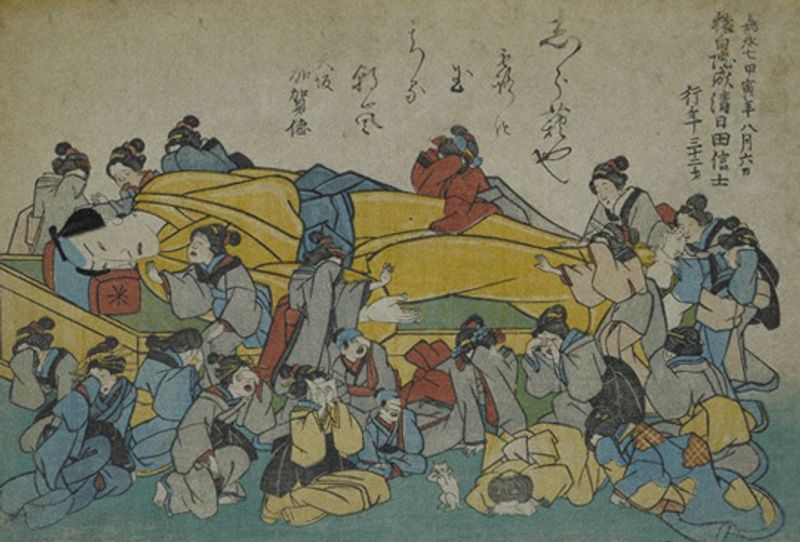
Nirvana sounds like the ultimate reward, and in Buddhism, it truly is. The word comes from Sanskrit and means “to blow out” or “extinguish,” referring to the extinguishing of desire, hatred, and ignorance that cause suffering.
Reaching nirvana means breaking free from the endless cycle of rebirth and suffering.
The Buddha himself is said to have attained nirvana under the Bodhi tree in Bodh Gaya, India, around the 5th century BCE. His experience became the model for what every Buddhist practitioner strives toward through meditation, ethical living, and wisdom.
Nirvana is not simply a place like heaven but a state of being, a profound peace and clarity beyond ordinary understanding. Many Buddhists spend years or even lifetimes working toward it through mindfulness and compassion.
Even if full nirvana feels distant, every step on the path is said to reduce suffering and bring genuine, lasting peace to the practitioner.
7. Moksha (Hinduism)

For Hindus, the greatest achievement in all of existence is moksha, the liberation of the soul from the endless cycle of birth and death. While nirvana is the Buddhist goal, moksha is its Hindu counterpart, and the two share some similarities but also key differences rooted in each tradition’s worldview.
Hinduism teaches that the individual soul, or atman, is ultimately identical to Brahman, the universal divine reality. Moksha is the moment when a soul fully realizes this truth and merges back into Brahman like a drop of water returning to the ocean.
This realization ends all karma and the need for further reincarnation.
Different Hindu paths lead to moksha, including the way of knowledge (jnana), devotion (bhakti), and righteous action (karma yoga). No single route fits everyone, which is one reason Hinduism is known for its remarkable spiritual diversity.
Moksha represents the soul’s ultimate homecoming, peaceful, complete, and eternal.
8. The Four Noble Truths (Buddhism)

The Buddha’s first major teaching after his enlightenment was a diagnosis of the human condition, and it came in the form of four clear, logical statements known as the Four Noble Truths. Far from being pessimistic, these truths are actually a roadmap toward genuine freedom and happiness.
The first truth acknowledges that life involves dukkha, often translated as suffering, dissatisfaction, or unease. The second truth identifies the cause: craving and attachment to things that are temporary.
The third truth offers hope, suffering can end. The fourth truth points to the solution: following the Eightfold Path.
Think of it like a doctor’s approach: identify the illness, find the cause, confirm a cure exists, and prescribe treatment. The Buddha used this framework to make spiritual teaching practical and accessible.
Millions of Buddhists worldwide still use the Four Noble Truths as their starting point for understanding life and pursuing lasting peace.
9. The Five Pillars (Islam)
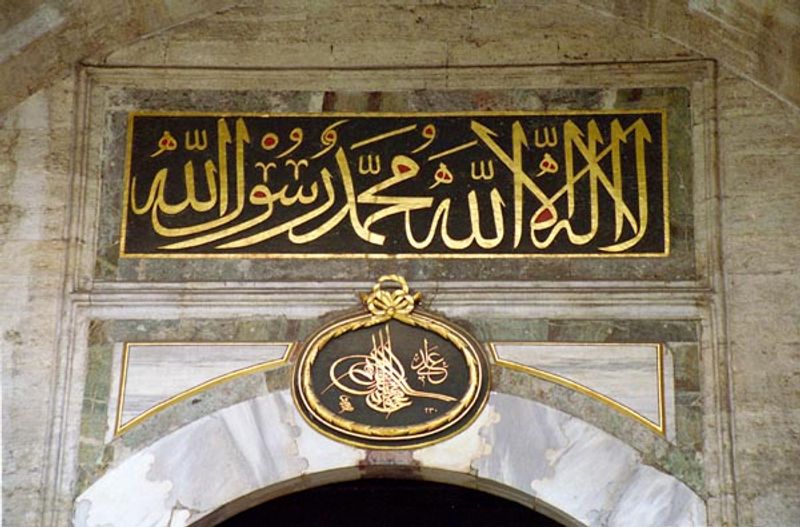
Every strong building needs a solid foundation, and for Muslims, that foundation is the Five Pillars of Islam. These five core practices are not just religious rituals but daily expressions of faith that shape a Muslim’s entire way of life from morning to night, year after year.
The first pillar is Shahada, the declaration of faith that there is no god but Allah and Muhammad is his messenger. The second is Salah, praying five times daily.
The third is Zakat, giving a portion of one’s wealth to those in need. The fourth is Sawm, fasting during the holy month of Ramadan.
The fifth is Hajj, making a pilgrimage to Mecca at least once in a lifetime if physically and financially able.
Together, these pillars create structure, discipline, and community. They connect over 1.8 billion Muslims worldwide to each other and to God in a shared, meaningful rhythm of devotion.
10. The Ten Commandments (Judaism, Christianity)

Few documents in human history have had more influence on law and morality than the Ten Commandments. According to both Jewish and Christian scripture, God delivered these laws to Moses on Mount Sinai, providing a moral framework that has shaped entire civilizations for thousands of years.
The commandments cover two main areas: duties to God and duties to other people. The first few instruct followers to worship only God, avoid idols, and keep the Sabbath holy.
The remaining commandments address human relationships, prohibiting murder, theft, lying, and adultery, while encouraging honor toward parents.
You can find echoes of the Ten Commandments in legal systems, ethical philosophy, and everyday values around the world. Even people who do not practice Judaism or Christianity often recognize these principles as basic standards of decent human behavior.
Their lasting relevance proves that some moral truths transcend time, culture, and religious boundaries in powerful ways.
11. Dharma (Hinduism, Buddhism)

Dharma is one of those words that carries enormous weight in both Hinduism and Buddhism, yet it does not translate neatly into English. At its core, dharma means righteous duty, cosmic order, and the right way of living according to universal law.
It is the moral fabric that holds everything together.
In Hinduism, dharma is personal and social. Each person has their own dharma based on their stage of life, social role, and individual nature.
A student’s dharma differs from a parent’s, a soldier’s, or a teacher’s. Living according to one’s dharma brings harmony; ignoring it creates chaos and suffering.
In Buddhism, dharma also refers to the Buddha’s teachings themselves, the truth about how reality works. Practicing dharma means following the path the Buddha outlined toward wisdom and compassion.
Both traditions see dharma not as a rigid rulebook but as a living, breathing guide for navigating life with integrity and purpose.
12. Ahimsa (Hinduism, Jainism, Buddhism)

Ahimsa is a Sanskrit word that means non-violence or non-harm, and it stands as one of the most powerful ethical principles in human history. Shared by Hinduism, Jainism, and Buddhism, ahimsa teaches that no living being should be harmed unnecessarily through actions, words, or even thoughts.
Jainism holds ahimsa as its highest moral law. Jain monks and nuns go to extraordinary lengths to avoid harming even insects, sometimes wearing masks to prevent breathing in tiny creatures.
This radical commitment to non-harm reflects a deep belief in the sacredness of all life.
Mahatma Gandhi drew directly on the principle of ahimsa when leading India’s independence movement through peaceful protest. His example showed the world that non-violence is not weakness but extraordinary moral courage.
Today, ahimsa continues to inspire vegetarianism, animal rights activism, and peaceful conflict resolution across many cultures and communities far beyond its original religious roots.
13. The Covenant (Judaism)
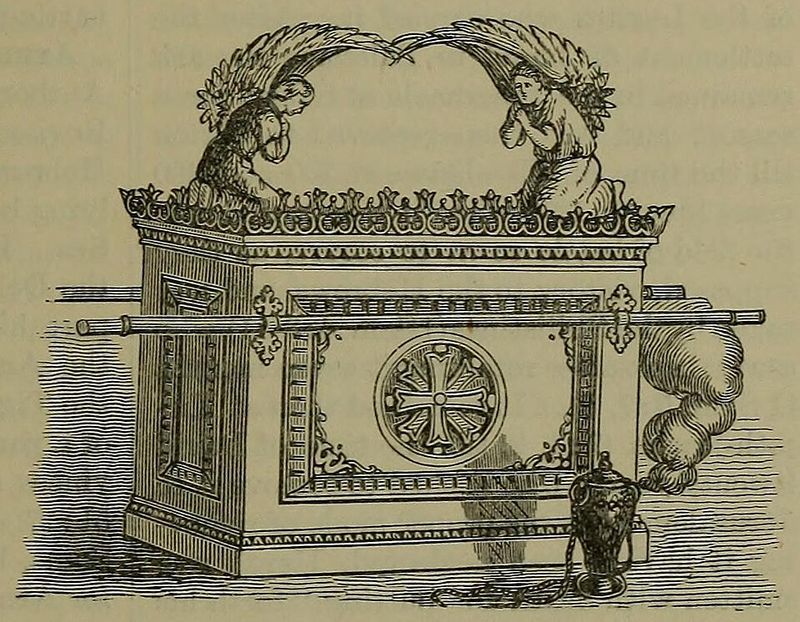
At the center of Jewish faith is a remarkable promise made between God and the Jewish people, a relationship so foundational it shapes everything else in the tradition. This sacred agreement is called the Covenant, or Brit in Hebrew, and it goes back thousands of years to figures like Abraham, Noah, and Moses.
God promised Abraham that his descendants would become a great nation and receive the land of Canaan. In return, Abraham and his descendants agreed to worship only God and follow divine commandments.
Later, at Mount Sinai, Moses received the Torah as the detailed terms of this ongoing covenant between God and Israel.
The Covenant is not just an ancient contract; it is a living relationship that Jews renew through prayer, scripture study, and observing commandments (mitzvot) every day. It gives Jewish identity a profound sense of purpose and belonging, rooted in the belief that they are chosen partners in God’s plan for humanity.
14. Salvation (Christianity, Islam)

What happens to us after we die, and can we do anything about it? Both Christianity and Islam offer clear answers through the concept of salvation, the belief that human beings can be rescued from sin, spiritual death, or eternal punishment and instead receive eternal life and closeness to God.
Christianity teaches that salvation comes through faith in Jesus Christ, whose death and resurrection paid the price for human sin. Different Christian denominations emphasize faith, good works, or sacraments to varying degrees, but the core hope remains the same: eternal life with God.
Islam teaches that salvation comes through sincere faith in Allah, righteous actions, and God’s mercy. Muslims believe that on the Day of Judgment, each person’s deeds will be weighed, and those who lived faithfully will enter paradise (Jannah).
Both traditions share the hopeful conviction that life does not end at death, and that a merciful God offers a path to something far greater.
15. The Eightfold Path (Buddhism)
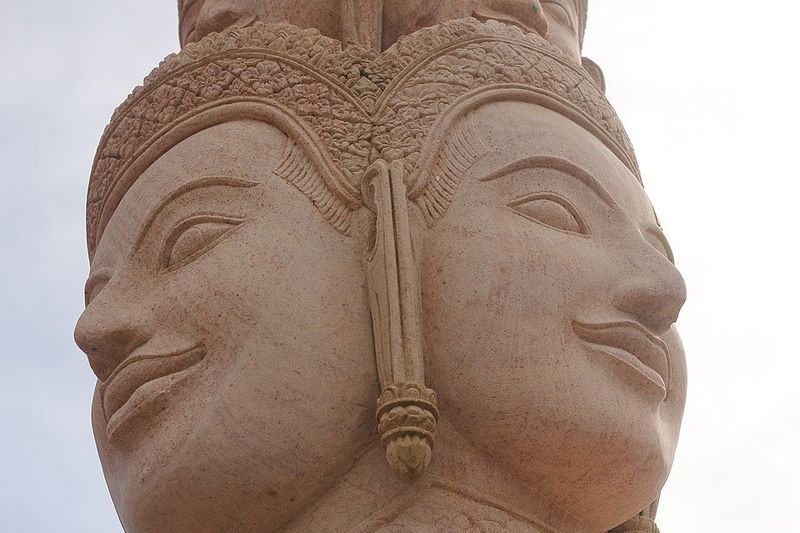
If the Four Noble Truths are Buddhism’s diagnosis of suffering, the Eightfold Path is the prescription. Taught by the Buddha as the fourth noble truth, this practical guide outlines eight areas of life where a person can develop wisdom, ethical conduct, and mental discipline on the journey toward enlightenment.
The eight elements are: right view, right intention, right speech, right action, right livelihood, right effort, right mindfulness, and right concentration. They are grouped into three categories: wisdom, ethical conduct, and mental training.
Practicing all eight together creates a balanced, integrated spiritual life rather than focusing narrowly on just one area.
What makes the Eightfold Path so appealing to many people today is its practicality. Right mindfulness, for example, is the foundation of modern mindfulness meditation practiced by millions worldwide, including people with no religious affiliation.
The path offers a structured yet flexible approach to living with greater awareness, kindness, and purpose every single day.
Share this story