The early 1980s treated celebrity style like a public experiment, and famous people rarely chose the quiet option. In a period shaped by cable TV, glossy magazines, designer branding, and image-conscious promotion, fashion became part costume, part status signal, and part competitive sport.
Some of those looks were meant to project power, some were sold as glamour, and some simply took off because enough stars wore them at once. Keep reading, and you will see how quickly fame turned everyday items into cultural obsessions that now look oddly specific to one loud, confident moment.
1. Shoulder Pads That Meant Business
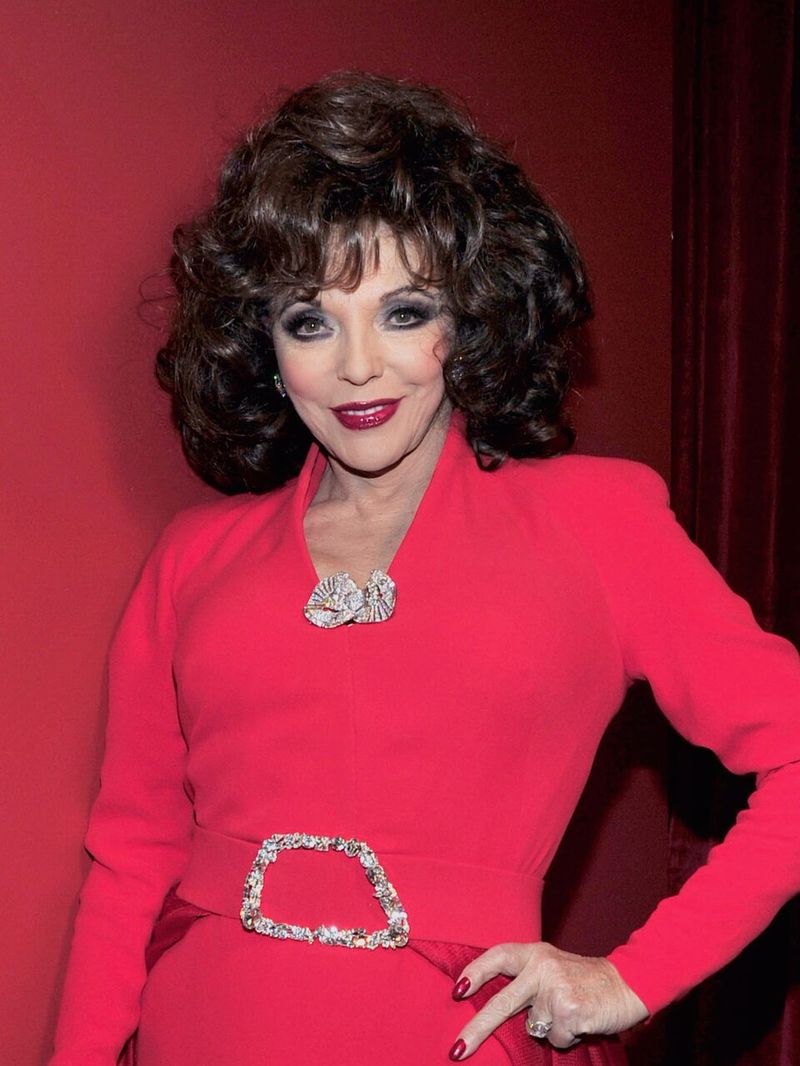
A jacket could enter the room before the celebrity wearing it did. In the early 1980s, shoulder pads turned actresses, singers, and TV personalities into walking symbols of authority, borrowing cues from menswear and corporate fashion just as more women were being marketed ambitious professional identities.
Designers like Thierry Mugler, Claude Montana, and Giorgio Armani helped push the broad-shouldered silhouette into mainstream celebrity wardrobes. Joan Collins on Dynasty made the look especially visible, and soon padded blazers, dresses, and even casual tops suggested that every public appearance required a little structural engineering.
Today, the scale looks almost comic, but the message was serious: power dressing mattered. What feels strange now is not just the size, but how thoroughly celebrities sold the idea that confidence could be sewn directly into an outfit, preferably with extra width up top.
2. Mullet Hairstyles Everywhere
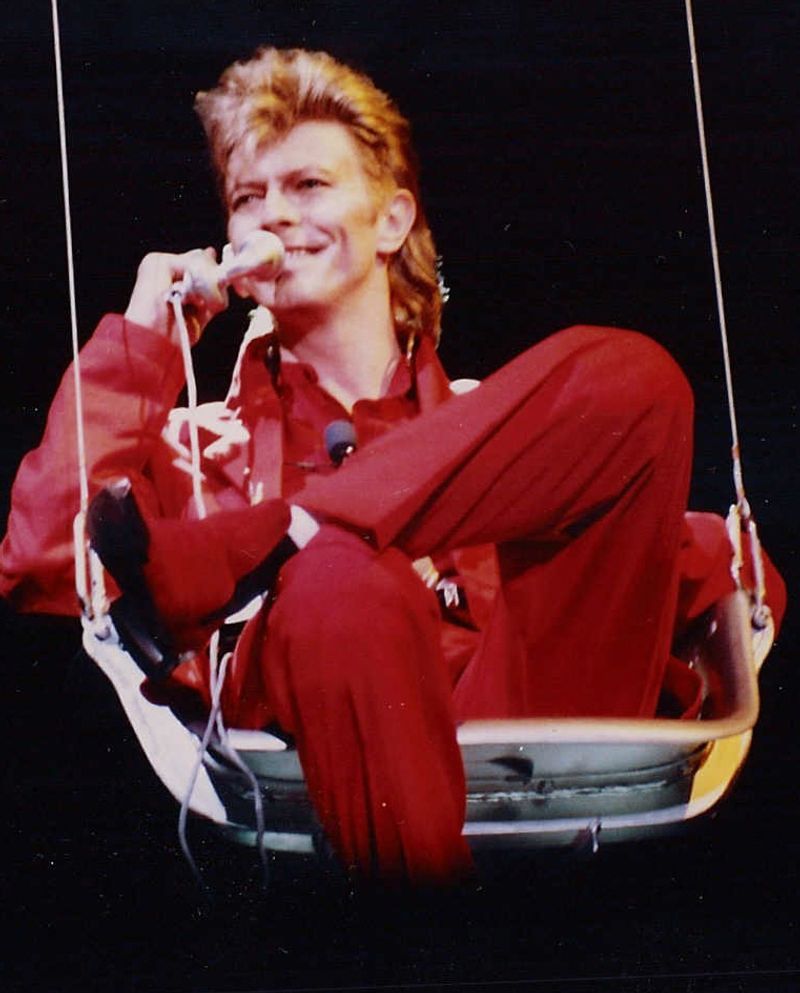
Few haircuts have aged with quite as much confusion as the mullet. Yet in the early 1980s, celebrities across rock, film, and sports wore some version of it, often styled with volume on top and longer layers trailing down the back.
David Bowie, Rod Stewart, and countless television personalities helped normalize the cut, though each version came with its own level of drama. It fit the decade’s appetite for hybrid looks, combining polish with edge in a way that seemed rebellious enough for stage wear but acceptable enough for broad public appeal.
That double identity explains why the mullet spread so widely. Seen today, it feels strange because modern celebrity grooming tends to signal intention with cleaner references, while the early 1980s treated this haircut as a catchall solution for stars who wanted to look daring, approachable, and aggressively current all at once.
3. Excessive Tanning (Real or Fake)
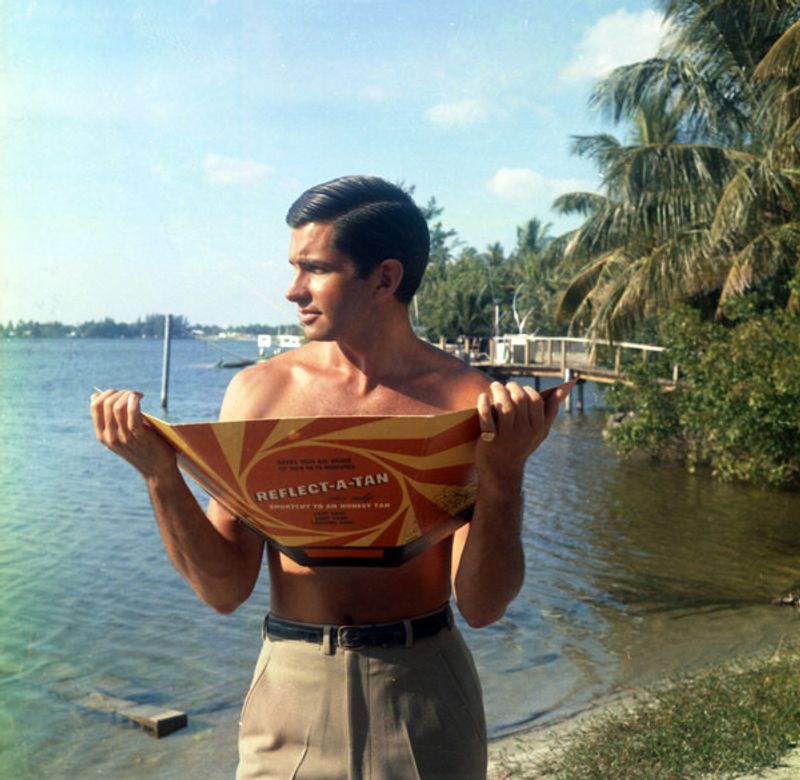
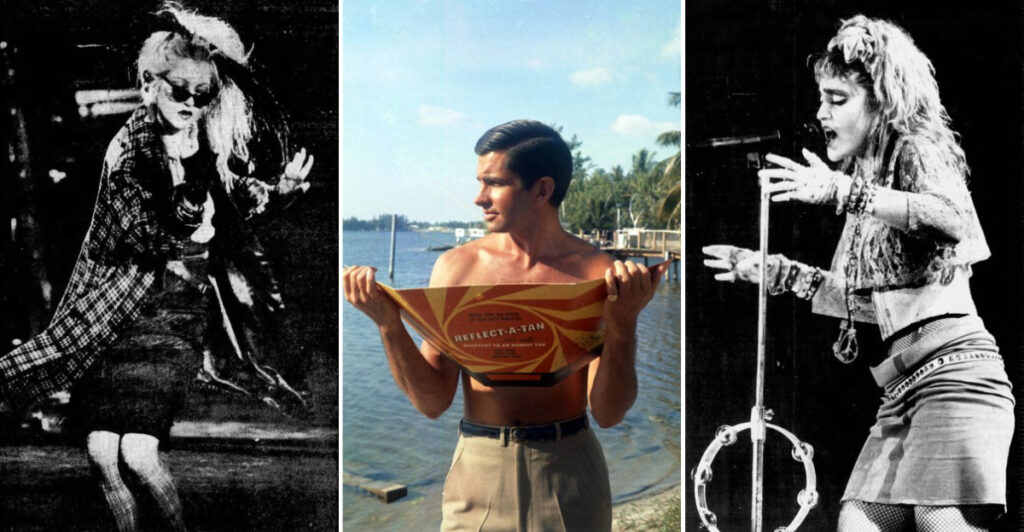
A deep bronze tan became a celebrity shortcut for visible status. In the early 1980s, heavily tanned skin suggested leisure, travel, and money, whether it came from actual sun exposure, tanning beds, bronzing products, or a less-than-subtle spray-on assist.
Magazine covers, music videos, and beach-set photo shoots amplified the look, especially in California-centered entertainment culture. Stars presented the tan as part of a polished image, and beauty advertising encouraged audiences to chase the same effect with oils, accelerators, and cosmetic formulas that now read like a dermatology warning label.
What feels especially odd today is how openly uneven and artificial some of those tans were, yet they still counted as glamorous. Modern celebrity beauty trends lean toward skincare language and controlled finishes, while the early 1980s often treated conspicuous bronzing as proof that your calendar, your body, and your image were all permanently on display.
4. Head-to-Toe Denim
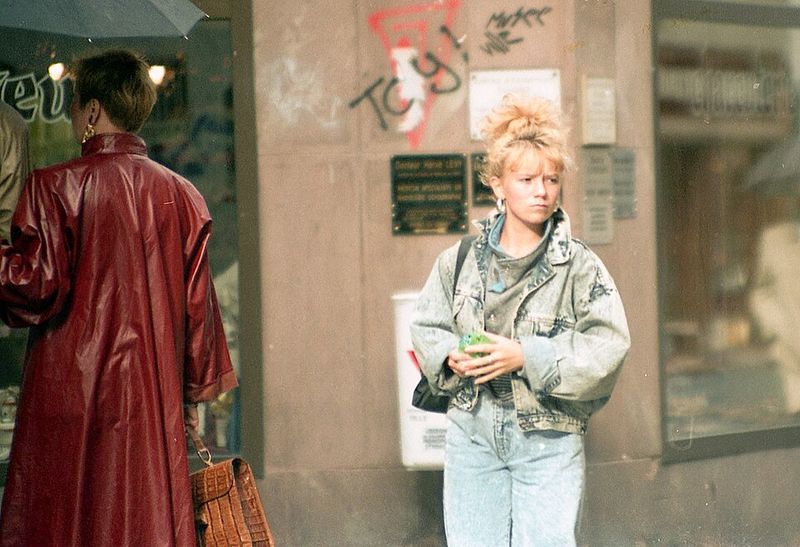
Somehow, one piece of denim was never the final answer. Early 1980s celebrities embraced full denim outfits that stacked jacket, jeans, skirt, shirt, and sometimes accessories into a single blue-toned statement that looked casual on paper but very deliberate in practice.
The trend grew from denim’s long evolution from workwear to youth uniform, then into designer territory by the late 1970s and early 1980s. Stars helped elevate the fabric by wearing matching washes at airports, rehearsals, publicity shots, and even entertainment industry events where effortless cool had become a marketable image.
What makes the look feel strange now is its all-or-nothing confidence. Today, celebrities usually break denim up with tailoring or minimalist basics, but early 1980s styling often doubled down and treated repetition as the point, proving that if one jean item looked current, four at once looked positively committed to the assignment.
5. Fingerless Gloves as Everyday Fashion
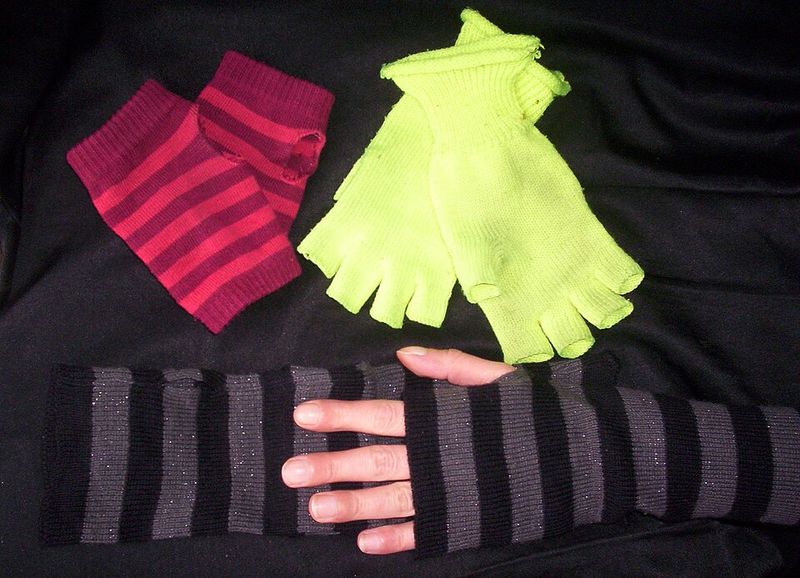
An accessory borrowed from utility somehow became a celebrity staple overnight. Fingerless gloves moved from practical gear and punk styling into mainstream 1980s fashion, turning up on singers, actors, and dancers who treated them as instant shorthand for attitude.
Madonna helped make the look highly visible, especially when lace, mesh, or stacked jewelry entered the picture. The gloves worked because they suggested rebellion without requiring a fully subcultural wardrobe, and they photographed well in promotional images where every small detail counted toward a recognizable personal brand.
Seen now, the trend feels oddly theatrical for daytime errands, interviews, and ordinary streetwear. That is exactly why it defines the era so well: celebrities were expected to appear styled at all times, and fingerless gloves offered a compact way to say edgy, modern, and camera-aware without changing the rest of the outfit very much.
6. Aerobics Wear Outside the Gym
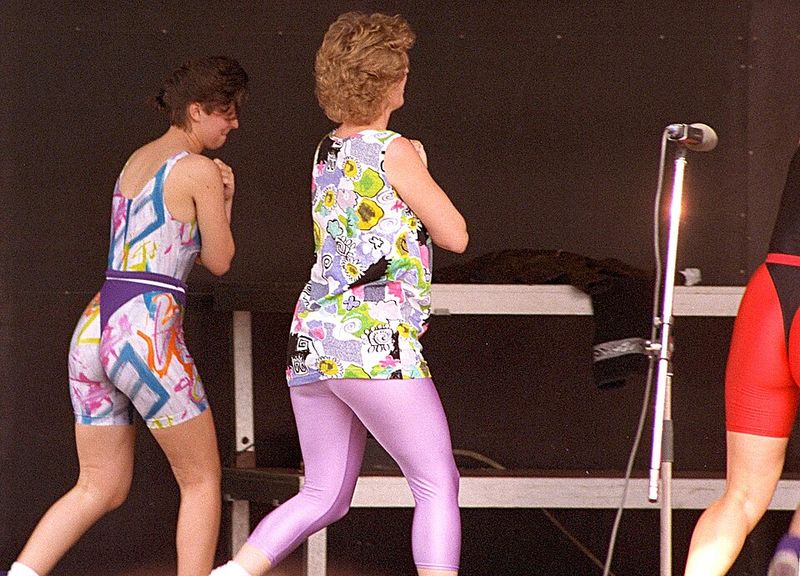
The sidewalk briefly turned into an extension of the workout studio. In the early 1980s, celebrities wore leotards, leggings, leg warmers, and headbands beyond exercise settings, helping fitness fashion become everyday fashion long before athleisure became a normal retail category.
Jane Fonda’s workout empire played a huge role, as home video and televised fitness culture made exercise both aspirational and visible. Celebrities adopted the look because it signaled discipline, youth, and trend awareness, while stretchy synthetic fabrics offered designers bright colors and body-conscious shapes that suited the decade’s appetite for conspicuous style.
Today, sporty clothing is common, but the early 1980s version feels stranger because it was so specific and performative. A celebrity could appear in leg warmers nowhere near a studio and still look perfectly current, which says a lot about how strongly media convinced audiences that fitness was not just an activity, but a full public identity.
7. Feathered Hair That Defied Gravity
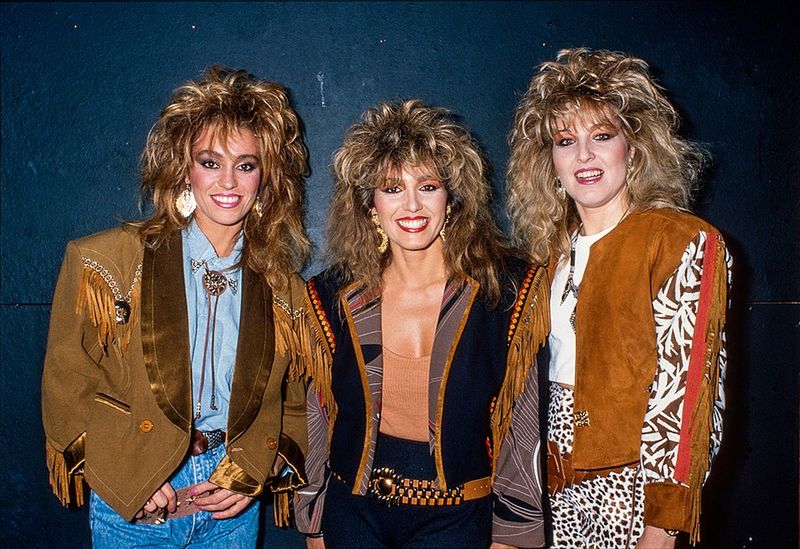
Hair stopped behaving politely and started taking up real estate. Feathered styles in the early 1980s pushed volume, layered movement, and careful blow-drying to impressive extremes, creating celebrity looks that appeared engineered for magazine covers, interviews, and constant public visibility.
The style had roots in late 1970s salon trends, but the new decade amplified everything with more teasing, more spray, and more maintenance. Stars such as Heather Locklear and many soap opera actors popularized versions that balanced softness with architecture, turning hair into a status marker that suggested time, money, and professional styling support.
What feels unusual now is how much labor went into making the result look casually windswept. Current celebrity hair trends often emphasize texture, health, or controlled minimalism, while early 1980s feathering chased height and shape with total sincerity, as if every public appearance required its own small engineering project above the forehead.
8. Oversized Sunglasses at All Times
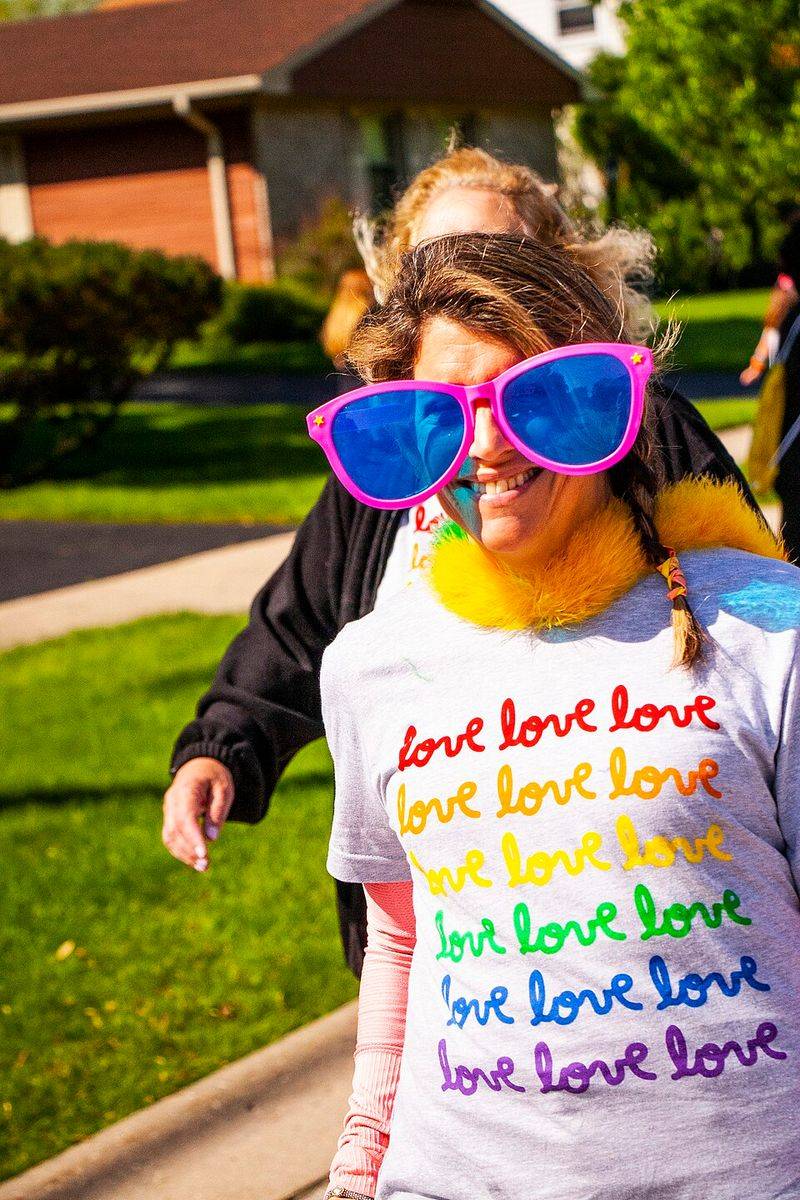
Nothing said celebrity quite like sunglasses large enough to hide half a face. In the early 1980s, oversized frames became an around-the-clock accessory, worn outdoors, indoors, during travel, and occasionally in settings where seeing clearly seemed like it should matter.
The trend drew from 1970s glamour but grew bigger and bolder as fame itself became more aggressively photographed. Celebrities used giant frames to project mystery, shield tired eyes, and create an instantly recognizable silhouette, while designers turned eyewear into logo-driven fashion statements rather than purely practical items.
Today, the all-hours commitment looks a little absurd because public style has shifted toward transparency and curated relatability. Early 1980s celebrity culture leaned in the opposite direction, rewarding visible distance and controlled access, so enormous sunglasses were not just about fashion at all.
They were portable stage curtains, and stars wore them like a job requirement.
9. Glitter and Metallic Everything
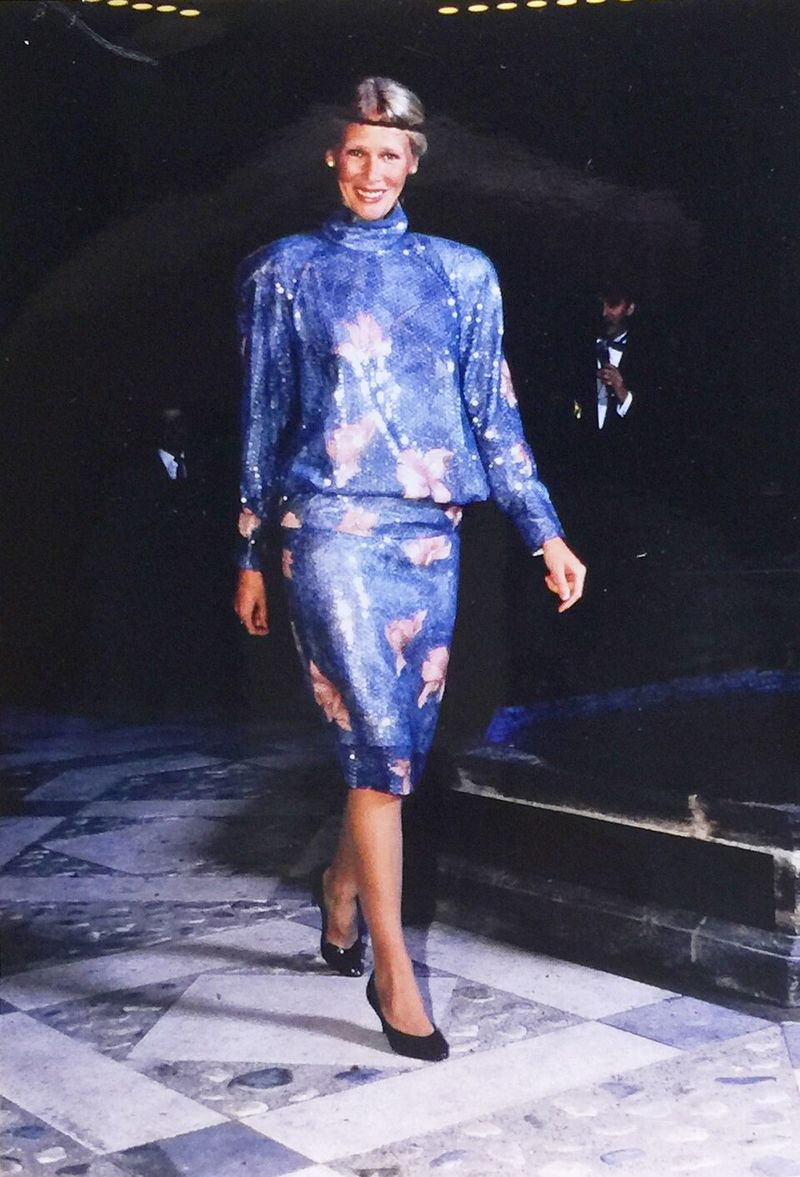
Subtle finishes did not stand much chance in the early 1980s. Celebrities embraced metallic fabrics, sequins, lamé, and visible glitter across performance wear, red carpet looks, music videos, and television appearances, turning reflective surfaces into a standard visual language of fame.
The rise of music television helped accelerate the trend because shiny materials translated well on screen and stood out in promotional stills. Singers especially leaned into silver, gold, and jewel-toned metallics, while costume departments and stylists treated sparkle as a practical way to communicate spectacle, confidence, and contemporary cool within seconds.
What feels strange today is not that celebrities liked attention, but how little restraint the era demanded. Current styling often uses one statement element at a time, whereas early 1980s fashion often layered shine on shine and expected audiences to accept it as normal.
For a few years, if an outfit reflected light from three directions, it was probably considered successful.
10. Wearing Multiple Belts at Once
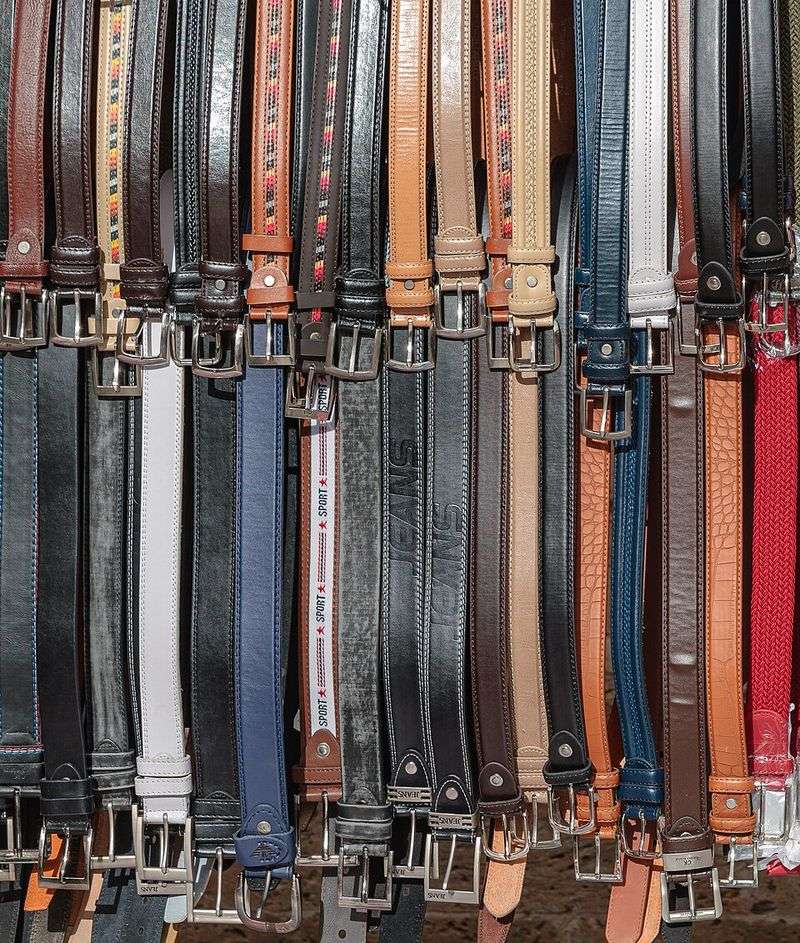
One belt held clothing in place, but several belts announced that fashion had entered the chat. Early 1980s celebrities layered belts over dresses, tunics, jackets, and high-waisted separates, turning a practical accessory into a decorative strategy that somehow suggested both structure and excess.
This look fit neatly with the decade’s love of visible styling tricks. Narrow belts, chain belts, and contrasting colors could be stacked to break up oversized silhouettes or emphasize a cinched waist, while stylists used the repetition to add movement and shape to outfits already packed with bold shoulders and strong lines.
Seen now, the trend feels strangely labor-intensive for an accessory category most people prefer to keep simple. That is part of its charm and its oddness.
Early 1980s celebrity fashion often treated every outfit like a puzzle that needed one more element, and if one belt looked intentional, three belts implied serious star-level commitment.
11. Loud Animal Prints
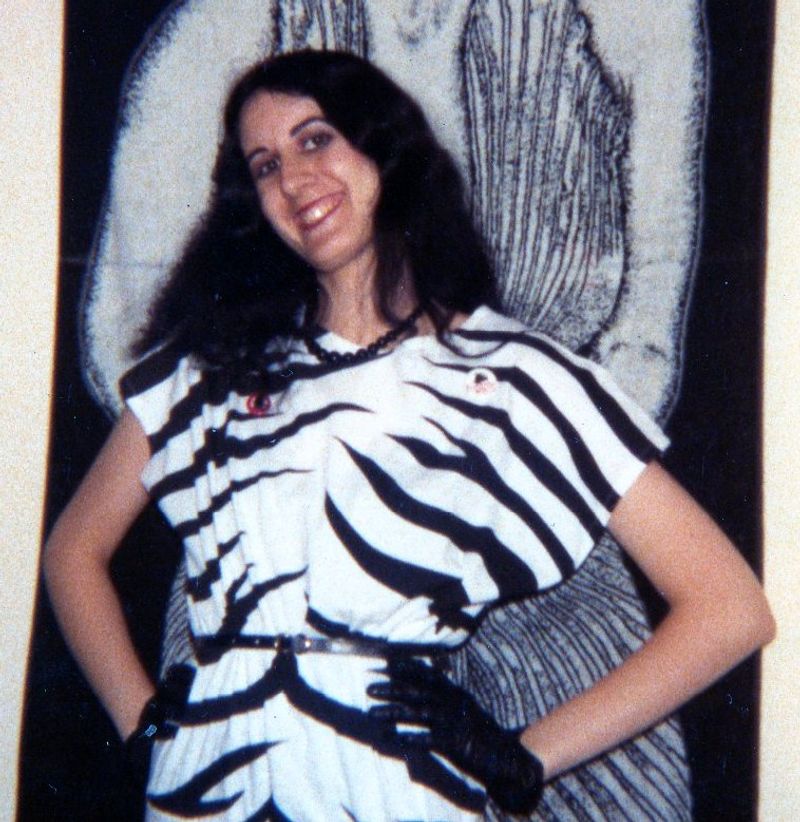
Quiet patterns were clearly not invited to this particular decade. Early 1980s celebrities wore leopard, zebra, tiger, and mixed animal prints with astonishing confidence, often pairing them with bright accessories, sharp tailoring, or equally assertive hairstyles that removed any chance of understatement.
Animal prints had circulated through fashion for decades, but this era pushed them into everyday celebrity visibility rather than limiting them to occasional statement pieces. Performers, television stars, and nightclub regulars used the patterns to suggest glamour, confidence, and a little danger, even when the overall look was more shopping mall than jungle expedition.
What feels strange today is how often these prints were treated as near-neutral basics within star wardrobes. Modern celebrities still wear them, but usually with a more edited hand.
In the early 1980s, the logic seemed simpler and louder: if a pattern already looked bold, the smartest move was to make it bigger, brighter, and far harder to ignore.
12. Visible Undergarments as Fashion
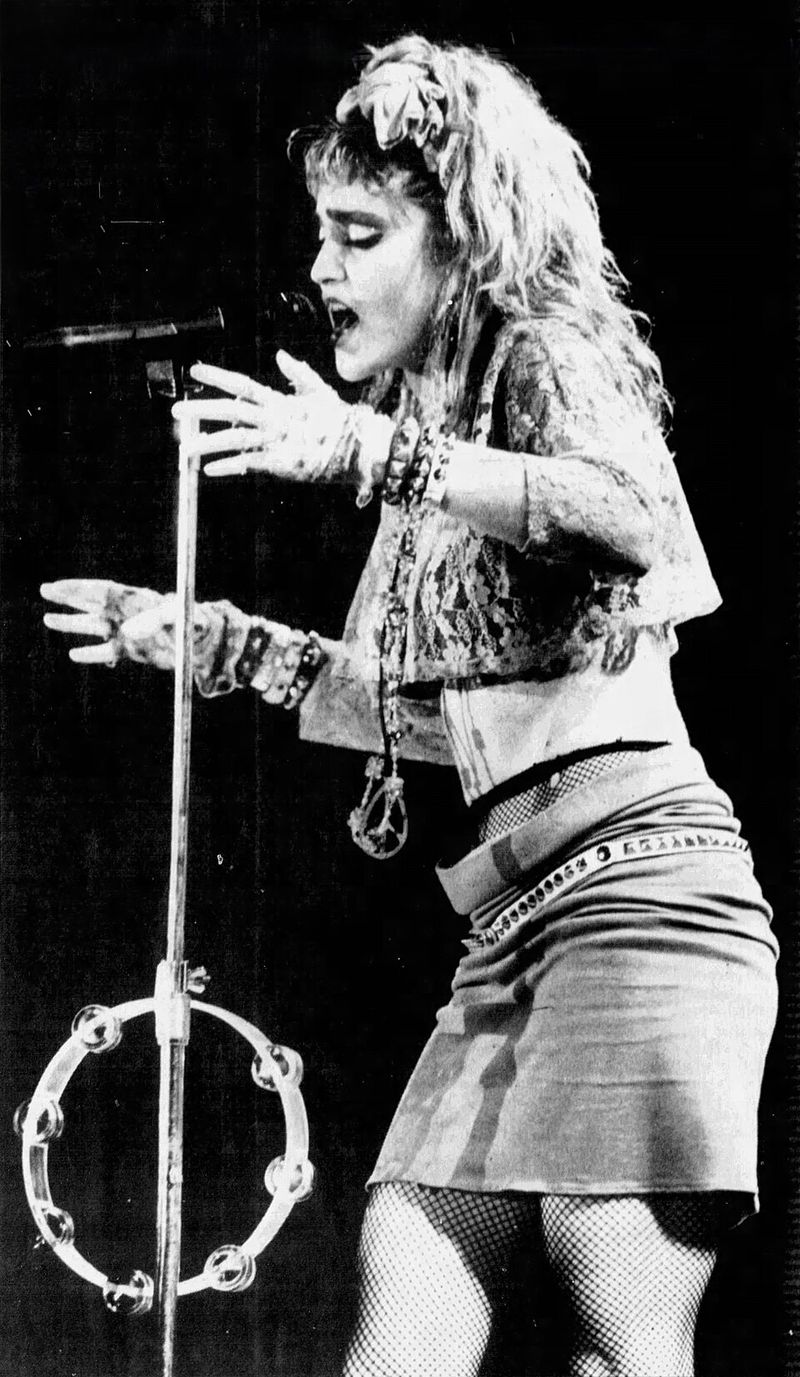
The line between innerwear and outerwear became surprisingly negotiable. In the early 1980s, celebrities wore lace camisoles, bustier-inspired tops, slips, and sheer layers in ways that intentionally revealed pieces once kept private, making fashion feel more confrontational and carefully styled at the same time.
Music culture helped normalize the look, especially as pop stars and club fashion pushed lingerie references into mainstream entertainment imagery. Designers and stylists framed the trend as empowerment, provocation, and body confidence, though it also relied heavily on celebrity control over image, fit, and context in a way ordinary wardrobes could not easily replicate.
What makes it feel odd now is how openly the era treated exposure as a design feature rather than a wardrobe malfunction. Modern red carpet dressing still plays with transparency, but the early 1980s version often looked more direct and less polished, as if stars were testing how far public style rules could bend before anyone complained.
13. Big Hair Bands and Accessories
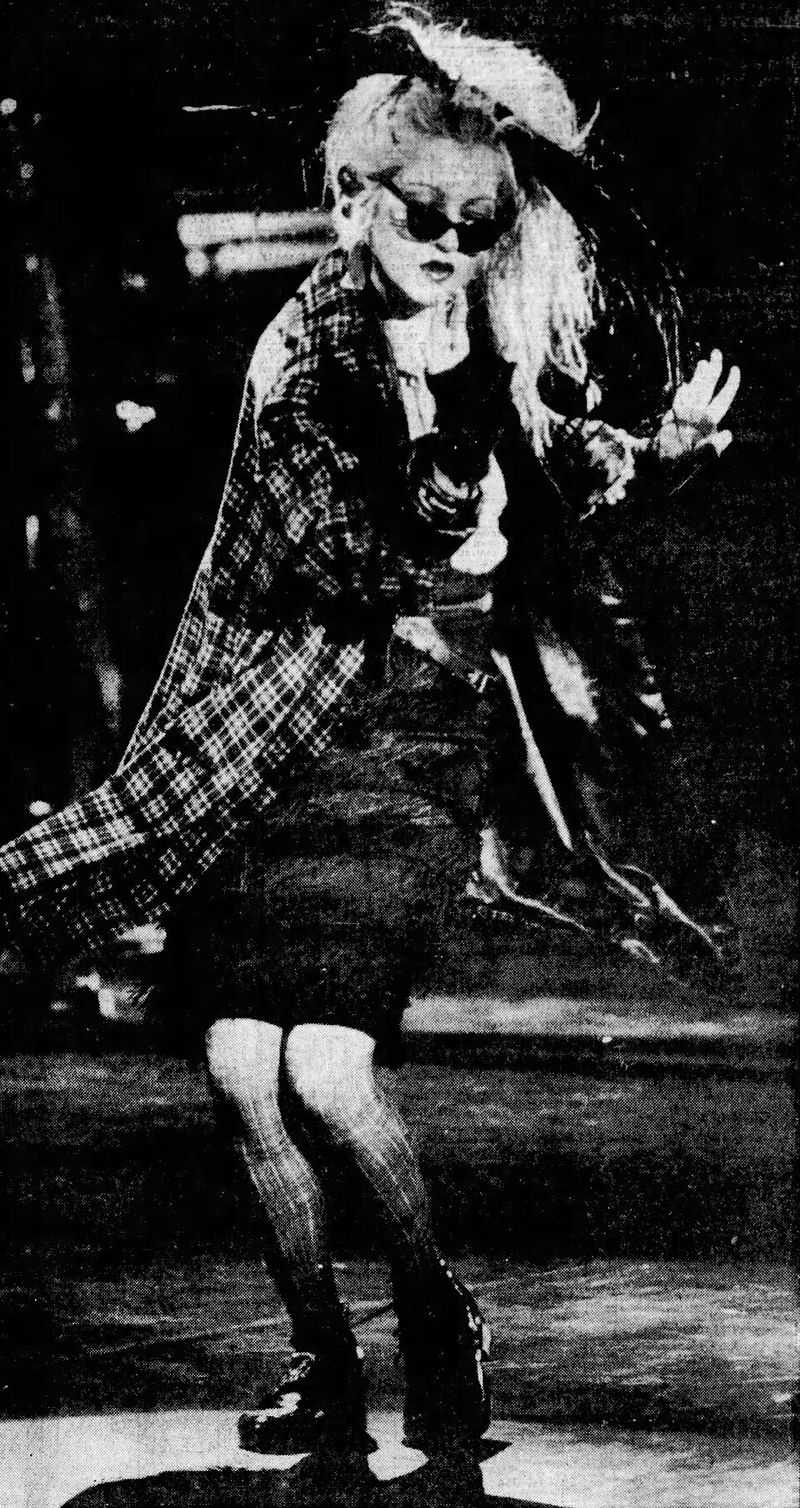
At a certain point, hair accessories stopped assisting and started competing for top billing. Early 1980s celebrities embraced oversized bows, scrunchies, barrettes, headbands, and decorative clips, using them not as finishing touches but as central features in highly constructed public looks.
The trend made sense in a decade obsessed with volume and visible styling effort. Big accessories helped organize teased or feathered hair while adding color contrast, brand identity, and a bit of youthful playfulness, whether the star was a teen idol, sitcom actor, or pop performer trying to stand out in crowded media spaces.
Today, many of these pieces read as intentionally nostalgic, which tells you how tied they are to their moment. What feels strange is the scale and seriousness involved.
Celebrities were not casually tossing in a ribbon before leaving home. They were coordinating accessories as part of a full image system, and hair was expected to carry its share of the workload.
14. Dramatic Blue Eyeshadow
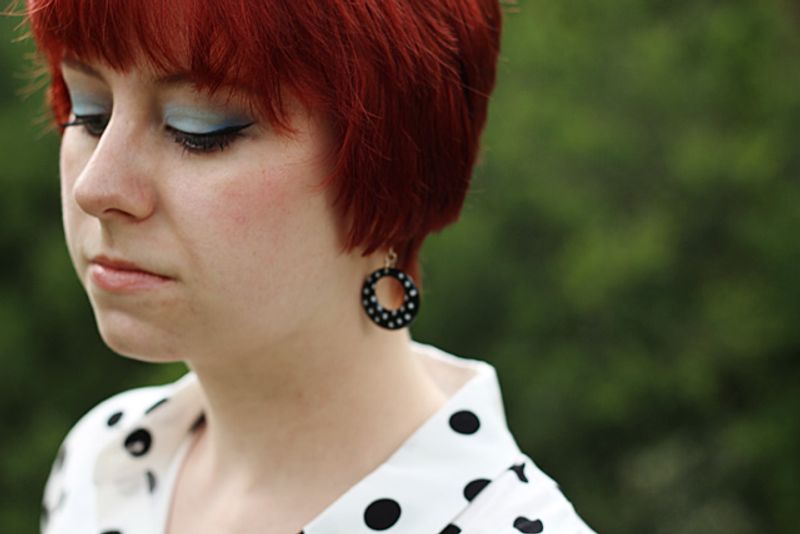
Few makeup choices announce their decade faster than a solid sweep of bright blue shadow. Early 1980s celebrities wore blue eyeshadow across lids and beyond, often pairing it with strong blush, glossy lips, and heavily styled hair that made subtle coordination feel completely unnecessary.
The look had roots in earlier disco and late 1970s beauty trends, but celebrity culture kept it visible through television appearances, magazine shoots, and cosmetics advertising. Blue signaled confidence and fashion awareness, and it also benefited from the color reproduction of the era, which rewarded bold makeup that could survive studio lighting and lower-resolution screens.
What feels strange now is how universally flattering the trend was assumed to be. Modern beauty tends to emphasize customization and blending, but early 1980s celebrity makeup often favored declaration over nuance.
If the audience noticed the eyeshadow before the person, the mission was basically accomplished, and many stars seemed perfectly content with that arrangement.
15. Smoking as a Style Statement
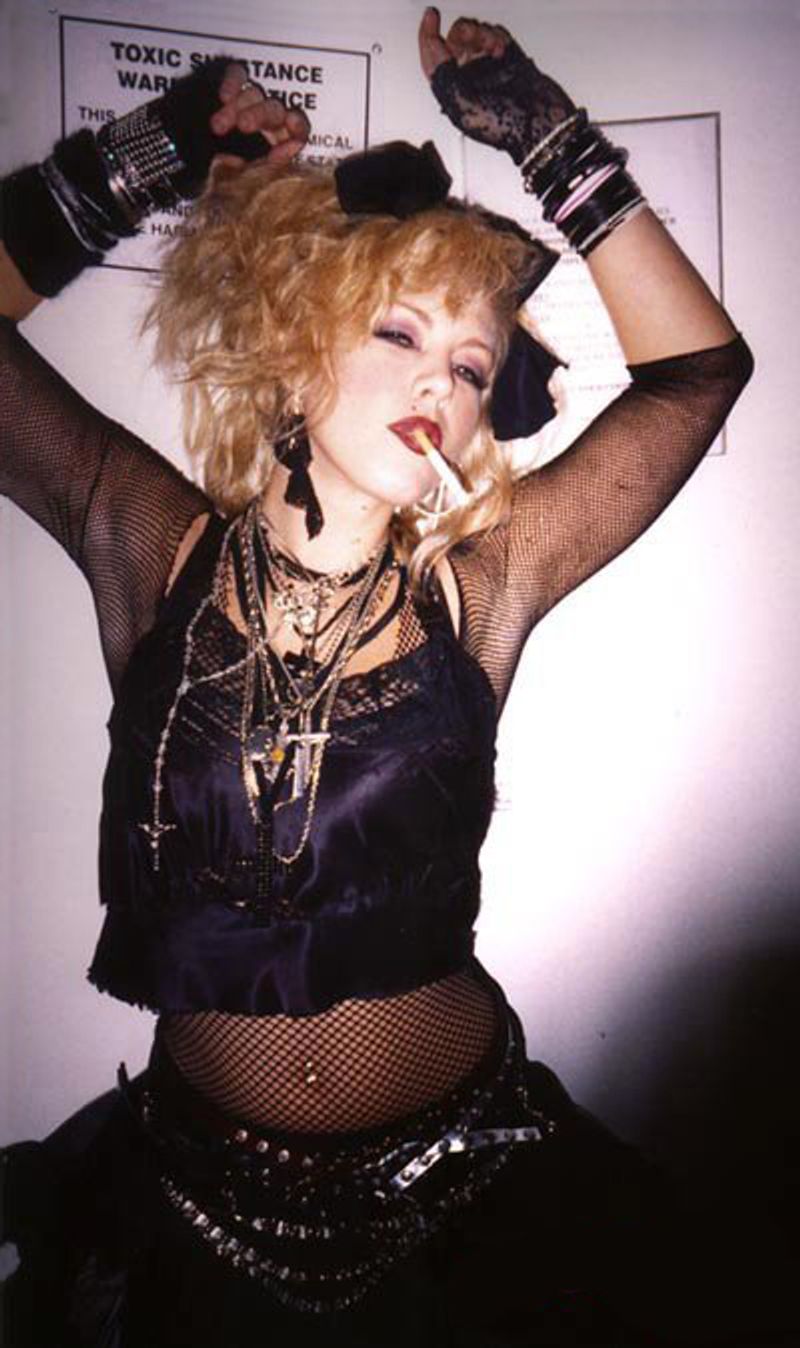
Image managers once treated a cigarette like a built-in personality trait. In the early 1980s, some celebrities used smoking in photo shoots, interviews, and public appearances to project sophistication, rebellion, or detached cool, reinforcing an image language that now feels deeply out of step.
The habit had been linked with screen glamour for decades, but its symbolic role lingered even as public health information became harder to ignore. Certain stars still used it as a prop because entertainment culture often rewarded curated nonchalance, and a cigarette could signal edge, worldliness, or refusal to look overly managed in front of cameras.
What feels strangest today is how casually the gesture was folded into branding. Modern celebrity image-making is usually more cautious about wellness messaging and public example, so the old visual shorthand looks dated on several levels at once.
It was less about utility than posture, and that makes the trend especially revealing of its media moment.
Share this story